United Nations Faces Imminent Bankruptcy Amid Delayed Payments from US and China
The UN struggles financially as key contributors delay funding, prompting urgent cost-cutting and raising concerns over global governance stability.
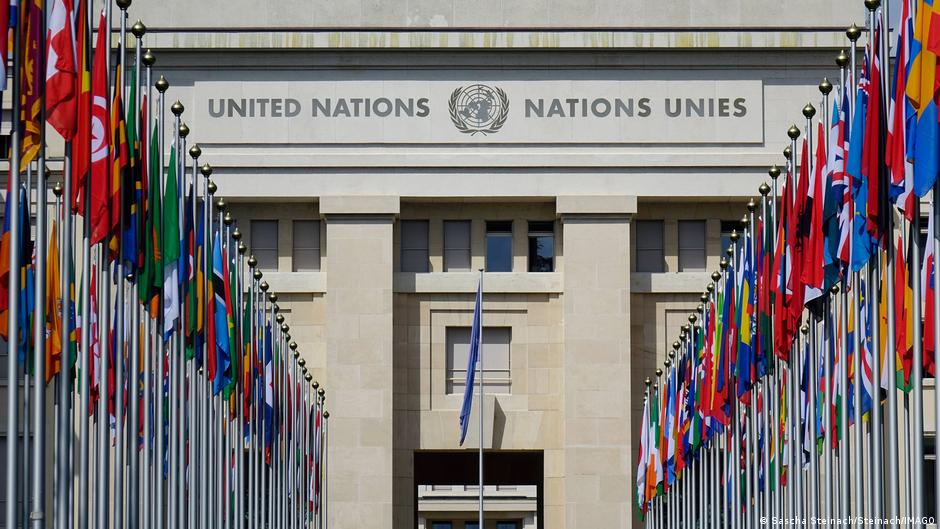
The United Nations is on the brink of bankruptcy due to delayed payments from the United States and China, which together account for 42% of the organization's funding. The Wall Street Journal reported that this financial strain threatens the UN’s ability to carry out its core functions effectively. Additionally, Germany has also reduced its contributions, further exacerbating the funding crisis.
Financial Strains and Policy Implications
According to recent reports, the US owes the UN over $4 billion, representing the largest outstanding debt. China, despite making a payment of nearly $850 million coinciding with Foreign Minister Wang Yi’s visit to the UN headquarters in New York, still owes approximately $455 million. China has described itself as the “de facto main financial sponsor” of the UN and has pledged to fulfill its obligations.
The US has linked any future financial support to significant reforms aimed at reducing the UN’s expenses. These proposed measures include cutting jobs, limiting business-class flights for UN officials, and increasing the use of automated translation technology.
Other major donors have also scaled back their funding. The United Kingdom and Germany have reduced allocations for humanitarian programs addressing hunger and disease, citing budgetary constraints. Meanwhile, Sweden and the Netherlands have cut their contributions due to domestic political shifts toward more conservative policies.
"The organization is on a 'race to bankruptcy,' facing a very real prospect of financial collapse," said UN Secretary-General António Guterres in October 2025.
Secretary-General António Guterres warned in October 2025 that the UN was on a “race to bankruptcy,” highlighting the “very real prospect of financial collapse.” Projections indicate that the UN’s funds could be exhausted by mid-August 2026, coinciding with ongoing discussions about selecting Guterres’s successor, which must occur by the end of 2026.
Operational Adjustments Amid Funding Shortfalls
In response to the acute shortage of funds, the UN has implemented sweeping cost-cutting measures. These include closing certain offices and eliminating a record 3,000 positions within the UN Secretariat. Working hours for translators have been reduced, escalators at the headquarters in New York have been shut off, and planned renovations to the building’s facade have been postponed.
Further austerity measures have targeted peacekeeping operations. The UN is accelerating troop withdrawals from conflict zones in Africa and significantly reducing expenditures on peacekeeping missions. Payments to developing countries such as Nepal and Bangladesh, which supply troops to UN peacekeeping forces (“blue helmets”), have been deferred.
Despite the urgency, the UN cannot take out loans to bridge the funding gap, and its leadership has limited authority to restructure operations or lay off staff, although salaries account for 70% of the UN’s expenses. An example of the political sensitivity surrounding cost-saving was evident when leadership’s attempt to save $700,000 by closing a secured entrance to the headquarters was reversed within two days after opposition from diplomats.
Global Economic and Governance Implications
The financial crisis at the United Nations reflects broader challenges in global governance amid shifting geopolitical and economic landscapes. The delayed payments and reduced funding from key players signal a potential retreat from multilateral engagement and burden-sharing. For senior policymakers and economic strategists, this raises critical questions about the sustainability of international institutions tasked with maintaining peace, security, and humanitarian aid worldwide.
In the context of rising geopolitical tensions and economic uncertainties, prolonged underfunding of the UN could undermine coordinated global responses to crises, from conflict resolution to pandemic management and climate change mitigation. The need for innovation in funding mechanisms and governance reforms has become increasingly urgent to preserve the UN’s operational viability and strategic relevance in a multipolar world.