Russian Strikes on Ukrainian Cities Escalate Conflict with Civilian Casualties and Infrastructure Damage
Russia’s intensified missile and drone attacks on Ukrainian urban centers mark a significant escalation with serious human and economic consequences.
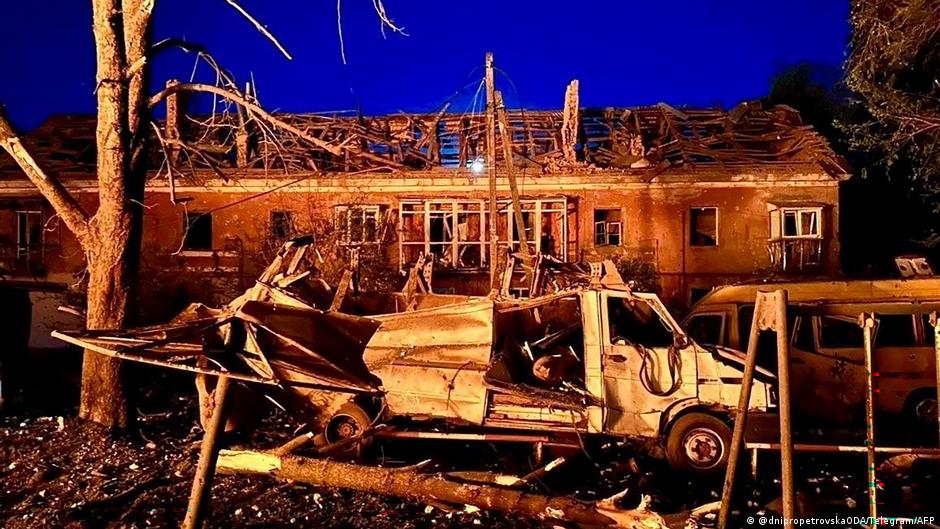
In the early hours of June 2, Russia launched a series of missile and drone attacks targeting several Ukrainian cities, resulting in civilian casualties and significant damage to infrastructure. This escalation follows recent remarks by President Vladimir Putin, who indicated that Ukrainian strikes on the annexed Luhansk region had "added a new quality" to the ongoing conflict.
The Ukrainian Air Force reported that Russian forces employed cruise missiles, including the "Kalibr" type launched from the Caspian Sea, as part of the coordinated attacks. The strikes hit several urban areas, causing loss of life and injuries among the civilian population.
Impact on Ukrainian Cities and Civilians
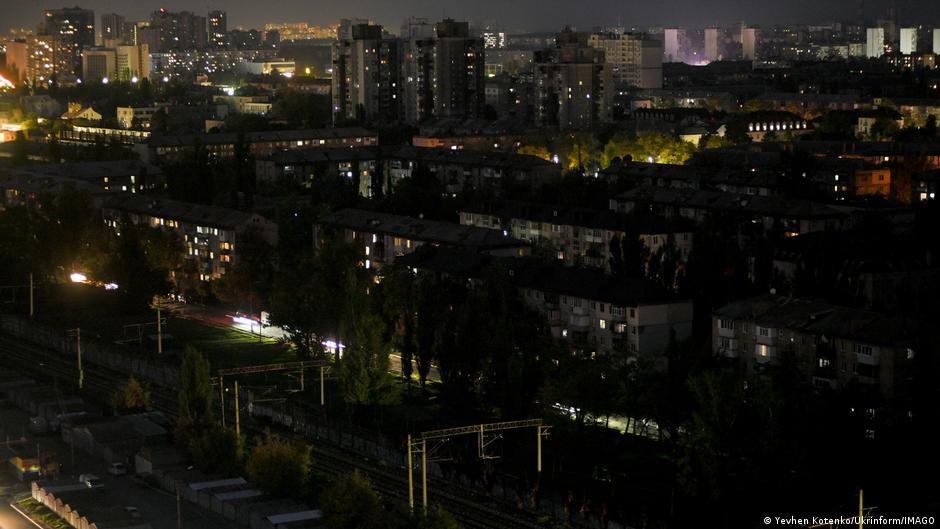
Kiev, the Ukrainian capital, was among the hardest hit. According to Mayor Vitaliy Klitschko, the attacks resulted in four deaths and 51 injuries, with 35 individuals hospitalized. Power outages were reported in three districts, further complicating emergency response efforts. Timur Tkachenko, head of Kyiv's military administration, noted that debris from a downed missile struck a residential building in the Podilskyi district, triggering a fire and window damage.
In the city of Dnipro, authorities reported five fatalities, including a 73-year-old woman, and 25 injuries. Alexander Ganja, head of the regional military administration, stated that one of the strikes hit a residential area, causing a subsequent fire.
The northeastern city of Kharkiv also experienced shelling, with six people wounded, including an 11-year-old girl, according to local administration head Igor Terekhov.
Officials continue to monitor the situation as debris from missiles and drones fall in various locations, with casualty and damage reports still being updated.
"The recent attacks have caused severe human suffering and disrupted essential urban infrastructure, underscoring the widening scope and intensity of the conflict," said a regional expert on Eastern European security.
Geopolitical and Economic Implications
Russian President Vladimir Putin’s statement on June 1 acknowledged the strategic impact of Ukrainian strikes on the annexed Luhansk city of Starobilsk, which partially destroyed a college and reportedly resulted in the deaths of 21 students according to occupying authorities. This characterization suggests a further hardening of Russia’s military posture in response to Ukrainian initiatives.
President Volodymyr Zelensky had earlier warned of a potential new wave of mass attacks by Russia on Ukrainian cities, a prediction confirmed by the recent missile and drone strikes. The escalation risks prolonging the conflict, imposing greater human costs, and causing widespread economic disruption.
These attacks exacerbate the humanitarian crisis and strain Ukraine’s urban infrastructure, undermining economic stability. Continued bombardments threaten to disrupt critical supply chains, power grids, and civilian services, with long-term consequences for recovery and reconstruction efforts.
The preceding major attack on May 24 targeted Kyiv and the surrounding region, during which Russia used the "Oreshnik" missile for the third time, killing two and injuring 80. This pattern of intensified strikes signals a shift toward sustained pressure on Ukraine’s key population centers.
For global economic observers and policymakers, these developments necessitate careful consideration of the conflict’s trajectory, potential shifts in military strategies, and the broader implications for regional security and economic resilience.