Slovakia to Continue Blocking EU Sanctions on Russia Over Oil Pipeline Dispute
Slovakia refuses to support the EU's 20th sanctions package against Russia until oil flow via the Druzhba pipeline through Ukraine is restored.
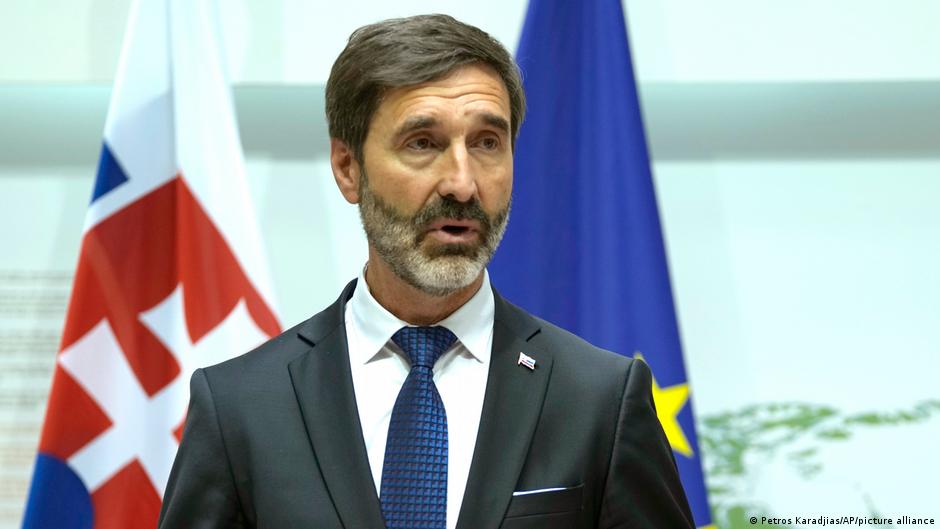
Slovakia has announced it will block the adoption of the European Union's 20th sanctions package against Russia until it resumes receiving Russian oil through the Druzhba pipeline, which runs across Ukraine. This stance was articulated by Slovak Foreign Minister Juraj Blanár on April 16 during a parliamentary session.
Energy Supply Disruption Drives Political Leverage
"If the Druzhba pipeline does not resume operation by the time the 20th sanctions package is up for a vote, we will not vote in favor," Blanár stated, underscoring Slovakia's dependence on this route for oil imports. He further emphasized that Bratislava lacks alternative mechanisms to compel Ukrainian President Volodymyr Zelensky and the European Commission to reopen the pipeline jointly.
"If the Druzhba pipeline does not resume operation, we will not vote 'yes' on the sanctions package," said Slovak Foreign Minister Juraj Blanár.
The Druzhba pipeline ceased delivering Russian oil to Hungary and Slovakia in late January after Ukrainian authorities reported damage from a Russian drone strike on the pipeline segment traversing Ukraine. This disruption prompted Slovakia to declare an emergency in its oil sector by mid-February due to halted supplies.
Regional Political Dynamics and Broader EU Implications
Hungary and Slovakia have accused Kyiv of delaying repairs and using the damage as a pretext to stop oil transit. In response, Hungarian Prime Minister Viktor Orbán vetoed both the 20th EU sanctions package against Russia and a multibillion-euro EU credit facility for Ukraine. The latter aims to provide €90 billion in financial support to Kyiv amid the ongoing conflict.
Despite Slovakia's block on sanctions, Foreign Minister Blanár clarified that Bratislava would not oppose the EU's financial assistance to Ukraine. This nuanced position contrasts with political developments in Hungary, where the victorious "Tisa" party leader, Péter Magyár, pledged not to obstruct the EU credit package, although Budapest does not plan to contribute funds directly.
Earlier, Slovak Prime Minister Robert Fico threatened to follow Hungary's lead in blocking EU loans to Ukraine if Hungary's ruling party lost parliamentary elections. Such stances underscore the interconnectedness of energy security concerns and broader geopolitical alignments within Central Europe.
Repair and Resumption Prospects
In March, Kyiv agreed to accept EU assistance to repair the pipeline. President Zelensky announced on April 14 that Druzhba could be operational by the end of the month, potentially easing the supply constraints.
Long-Term Economic and Policy Considerations
The ongoing dispute highlights the fragility of European energy supply chains amid geopolitical tensions and exposes fissures within the EU's unified approach to sanctions and support for Ukraine. Slovakia's blockade reflects broader challenges in balancing national energy security against collective EU foreign policy objectives.
For senior policymakers, this situation underscores the need to diversify energy sources and strengthen infrastructure resilience to mitigate leverage points that adversaries or disputed transit states might exploit. Additionally, the episode may influence future EU policy frameworks concerning sanction enforcement and crisis support mechanisms.