Global Airlines Slash Capacity Amid Soaring Fuel Costs Linked to Middle East Conflict
Rising jet fuel prices driven by the Iran war prompt a 3% global airline capacity reduction, signaling broader economic impacts.
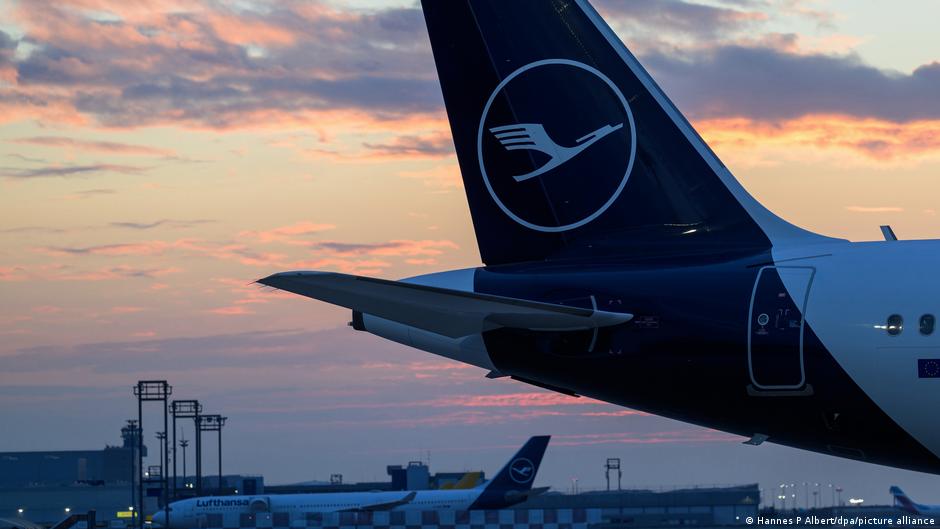
Airlines worldwide are curtailing flight operations as surging aviation fuel prices, exacerbated by geopolitical tensions in the Middle East, disrupt global air travel capacity and pose significant macroeconomic risks. Industry analysts project a 3% decrease in global airline capacity in May 2026, a stark reversal from earlier forecasts of 4-6% growth for the year. This development underlines the cascading economic consequences of regional conflicts on global transport networks and supply chains.
Fuel Supply Disruptions and Airline Responses
The ongoing conflict involving the United States, Israel, and Iran, coupled with the blockade of the strategically vital Strait of Hormuz, has severely restricted supplies of Iranian crude oil and, by extension, aviation kerosene. The International Air Transport Association (IATA) reports European jet fuel reserves could last only around six weeks under current consumption rates, highlighting growing supply vulnerabilities.
"The shortage of aviation kerosene is expected to force temporary suspensions of less economically viable short-haul routes and accelerate the retirement of older, less fuel-efficient aircraft," stated the German Federal Association of Aviation (BDL).
Major carriers are responding by trimming flight schedules to conserve fuel and maintain operational viability. KLM, the Netherlands’ flagship airline, announced the cancellation of approximately 80 round-trip flights from Amsterdam’s Schiphol Airport in May alone. This move aligns with similar capacity adjustments by United Airlines in the United States and Germany’s Lufthansa, which are prioritizing route profitability amid soaring fuel expenses.
Broader Economic Implications and Policy Challenges
The German aviation industry association has called for immediate, preferably EU-coordinated, interventions to mitigate the fuel shortage's impact. The reduction in air connectivity threatens to inflict severe damage on Germany's and Europe's broader economies by disrupting trade, tourism, and business travel.
Beyond immediate operational concerns, the crisis accentuates the vulnerabilities in global energy supply chains and the critical need for diversified and resilient fuel sourcing strategies. Even if hostilities in Iran resolve swiftly, Bloomberg sources suggest rebuilding damaged infrastructure and restoring disrupted supply lines could take months or even years, prolonging economic uncertainty.
For senior policymakers and industry leaders, the situation underscores the intricate linkages between geopolitical events, energy markets, and global economic stability. The aviation sector’s contraction serves as a bellwether for potential ripple effects across other energy-dependent industries and international commerce.
In the medium to long term, the fuel crisis may accelerate shifts towards alternative energy sources and more fuel-efficient aircraft technologies, reshaping the aviation industry's strategic landscape. However, in the short term, coordinated policy responses and contingency planning are essential to mitigate economic fallout and preserve critical air transport infrastructure.