Rheinmetall Signs €5.7 Billion Deal with Romania Backed by EU Defense Fund
Germany’s Rheinmetall secures a major €5.7 billion contract with Romania, financed through the EU’s new Security Action for Europe initiative.
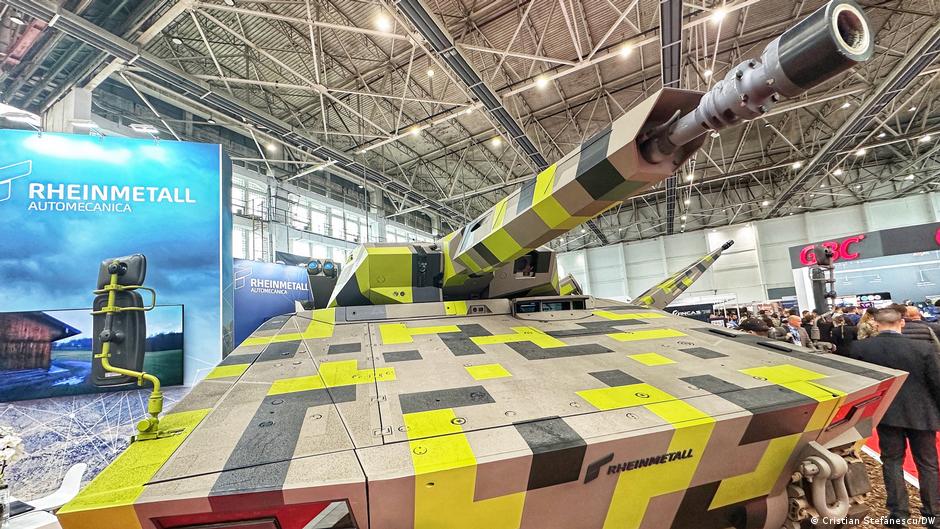
German defense giant Rheinmetall has finalized a significant €5.7 billion contract with Romania to supply advanced military hardware, marking a strategic shift in European defense procurement and regional security dynamics.
Strategic Implications of the Deal
The contract includes delivery of 298 Lynx infantry fighting vehicles, Skyranger air defense systems, a large volume of ammunition, and four military patrol boats. The first shipments are slated to begin in 2028 and complete by 2030. To support this, Rheinmetall plans to establish a manufacturing presence within Romania, investing several hundred million euros to bolster local defense industry capabilities.
Rheinmetall’s CEO, Armin Papperger, hinted at this development as early as March 2026, identifying Romania alongside Ukraine and Italy as key clients in the company’s upcoming arms portfolio. The total expected orders from these countries could reach approximately €16 billion, signaling an expanding European market for German defense exports.
“This contract represents the largest international order in Rheinmetall’s modern history and underscores the shifting landscape of European defense partnerships.”
The deal’s financing mechanism is equally notable. Romania will utilize funds from the European Union’s newly established Security Action for Europe (SAFE) program, a €150 billion facility created in May 2025 to enhance the defense capabilities of EU member states. SAFE aims to reduce Europe’s reliance on non-EU defense suppliers and increase collective readiness amid heightened geopolitical tensions.
SAFE’s strategic mandate includes strengthening European defense industries and supporting allied partners such as Ukraine, reflecting the bloc’s wider policy shifts toward greater defense autonomy and resilience against regional threats, particularly from Russia.
Long-term Economic and Policy Consequences
This agreement exemplifies the EU’s evolving approach to defense economics, emphasizing internal investment and collaborative procurement. Romania’s financing through SAFE demonstrates the fund’s role in accelerating modernization of national militaries while fostering industrial cooperation within the union.
For Rheinmetall, this deal not only secures substantial revenue but also anchors its operational footprint in Eastern Europe, potentially enhancing supply chain resilience and regional employment.
From a macroeconomic perspective, the contract could act as a catalyst for growth in Romania’s defense sector, driving technology transfer and skill development. It also highlights a trend where defense spending is increasingly tied to broader economic and strategic policies within the EU framework, balancing immediate military needs with long-term industrial policy goals.
Given the geopolitical context, this deal sends a message about Europe’s intent to build a more self-reliant and integrated defense ecosystem, reducing dependency on external actors while reinforcing collective security structures.