US Halts Pakistan-Based Iran Negotiations as Trump Cites Strategic Advantage
President Trump suspends US envoy travel to Pakistan for Iran talks, emphasizing US leverage and shifting diplomatic tactics amid ongoing ceasefire.
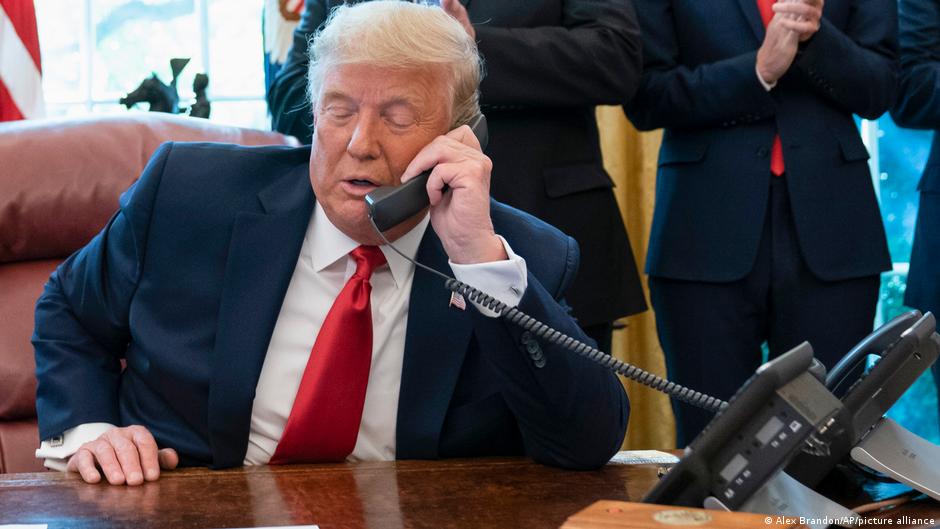
The United States will no longer send negotiators to Pakistan for discussions with Iran regarding an end to hostilities, President Donald Trump announced in a recent interview. Citing America’s strategic advantage in the conflict, Trump indicated that direct travel is unnecessary as Iran can initiate communication if desired.
Strategic Reassessment of Diplomatic Engagement
During a phone interview on Fox News’ The Sunday Briefing aired on April 26, Trump explained that US delegations traveling to Pakistan to meet Iranian representatives consume significant time and resources. “If they want to talk, they can come to us or call. We have secure lines of communication,” Trump said, though he acknowledged potential vulnerabilities in telecommunications security.
Trump’s decision came shortly after he canceled a previously planned trip by US envoys Stephen Witkoff and Jared Kushner to Islamabad, where a round of Iran negotiations was set for late April. He cited inefficiencies and confusion within the Iranian negotiating team, stating, “Too much time is wasted on travel, too much work! Additionally, their leadership is in disarray; no one knows who’s in charge, including themselves.”
The US President underlined that the United States holds all the leverage in the conflict, suggesting that Iran’s demands and diplomatic posture have weakened their position.
“We have all the cards. If they want to talk, they can come to us or call. The phone exists.” – Donald Trump
Meanwhile, Iran’s Foreign Minister Abbas Araghchi, the chief Iranian negotiator, departed Pakistan the same day. Araghchi emphasized the presentation of Iran’s position on realistic terms for ending the conflict but questioned the seriousness of the US commitment to diplomacy.
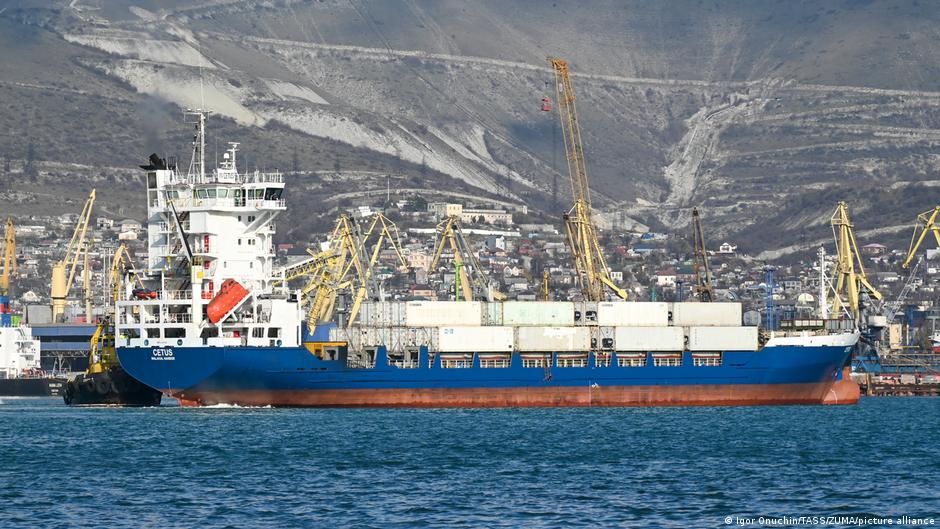
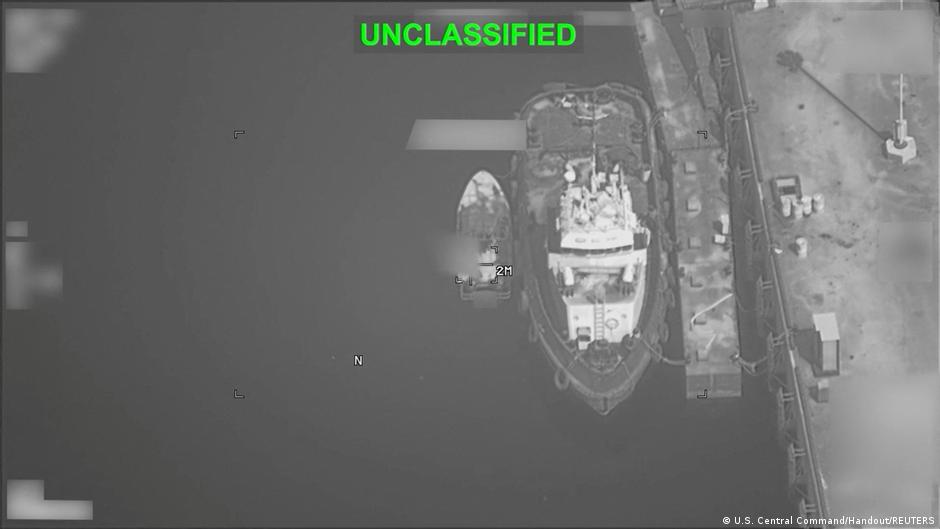
The initial direct talks between the US and Iran took place in Islamabad on April 11, shortly after a ceasefire agreement was reached. However, the discussions did not yield a positive outcome. In the immediate aftermath, Trump announced a blockade of the Strait of Hormuz, a strategic maritime chokepoint, which Tehran later cited as a breach of the truce.
Implications for Regional Stability and Global Economic Flows
The suspension of face-to-face negotiations represents a recalibration of US diplomatic strategy amid persistent tensions in the Middle East. The Strait of Hormuz is a critical artery for global oil shipments, with approximately 20% of the world’s petroleum passing through it. The blockade and ongoing threats to its security carry significant ramifications for global energy markets and economic stability.
Iran has conditioned progress in negotiations on the lifting of the blockade and has asserted rights to resume its nuclear program, which the US claims was the catalyst for the conflict involving Israel. President Trump has maintained that Iran must cease nuclear development demands to move forward.
Despite the diplomatic stalemate, a ceasefire pause remains in effect, initially intended for two weeks but extended based on Iran’s request, according to the US President. This extension presents a fragile window for potential diplomatic progress or, conversely, escalation.
From a macroeconomic perspective, the US’s shift away from in-person negotiations and the continuation of a strategic blockade signal a hardening stance that could prolong regional instability. This in turn threatens oil supply security and complicates global economic forecasts amid already volatile energy markets.
Senior decision-makers should monitor these developments closely, considering the strategic interplay between military leverage and diplomatic engagement. The US’s emphasis on communication control and leverage consolidation may influence future policy decisions, affecting global trade flows, energy prices, and geopolitical alignments.