Russian Drone Strikes on Odessa Hit Residential and Infrastructure Targets, Impacting Civilian Safety
Multiple drone attacks on Odessa and surrounding regions damage civilian infrastructure and cause casualties, signaling broader risks to Ukraine’s economic stability.
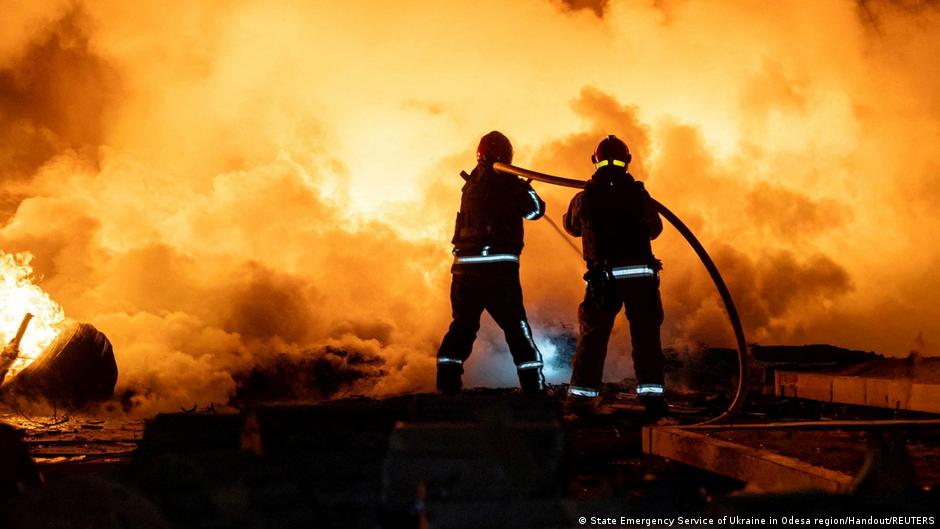
In a renewed wave of aggression, Russian forces launched extensive drone attacks on the Ukrainian port city of Odessa during the night of April 27, resulting in significant damage to residential buildings, hotels, logistics infrastructure, and vehicles. Preliminary reports indicate at least 13 civilians were injured in these strikes, highlighting escalating threats to civilian safety amidst ongoing conflict.
Local authorities reported that roughly 50 unmanned aerial vehicles (UAVs) were deployed against Odessa, causing localized fires and widespread damage across multiple districts. Oleg Kiper, head of the Odessa Regional Military Administration, detailed that two residential buildings, a hotel, warehouses, and numerous automobiles were among the struck targets.
Sergiy Lysak, mayor of Odessa, confirmed the toll of injured civilians and stressed the continuing danger as air raid alerts were reissued shortly after the attacks. This assault follows a pattern of daily drone incursions over the city since April 24, which have repeatedly targeted critical port and logistics facilities underpinning the local and national economy.
Wider Regional Impact and Economic Implications
The strategic targeting of Odessa’s port infrastructure, a vital gateway for Ukraine’s grain exports and maritime trade, carries profound macroeconomic consequences. Disruptions to port operations exacerbate supply chain vulnerabilities and threaten agricultural export revenues essential to Ukraine’s economic resilience and global food security.
On April 26, Ukraine’s Air Force reported intercepting 124 of 144 drones launched against Odessa, underscoring the intensity of the campaign. Vice Prime Minister Oleksiy Kuleba noted that logistics hubs and cargo transit points were primary objectives of these attacks, potentially crippling critical economic arteries if sustained.
"The continued assaults on Odessa’s civilian and commercial infrastructure not only endanger lives but also jeopardize Ukraine’s economic lifelines and global trade flows," said an economic analyst.
Beyond Odessa, drone and artillery strikes extended to nearby Sumy and Dnipropetrovsk regions on April 26, damaging housing, transport links, and industrial enterprises. Although no casualties were reported in Sumy, at least three individuals were injured in Dnipropetrovsk, reflecting a broader pattern of destabilization across key economic regions.
These targeted attacks on infrastructure critical for logistics, manufacturing, and civilian life present formidable challenges for Ukraine’s post-conflict recovery and economic development trajectory. They also complicate international efforts to stabilize Ukraine’s economy and regional trade networks, with potential ripple effects for European energy markets and food supply chains.
Long-Term Economic Consequences and Policy Considerations
The sustained drone offensive against urban and industrial centers like Odessa signals an evolving phase of hybrid warfare aimed at undermining Ukraine’s economic foundations. Policymakers must consider intensified investment in resilient infrastructure, enhanced air defense capabilities, and diversified trade routes to mitigate these asymmetric threats.
Moreover, international partners and economic leaders should assess the broader implications of sustained infrastructure targeting on global commodity markets and supply chain security. Strengthening global economic resilience requires coordinated efforts to support Ukraine’s recovery and safeguard critical nodes in international trade.
As the conflict endures, balancing humanitarian protection with strategic economic policies will be vital to preventing long-term destabilization in Ukraine and beyond.