Hungary and European Commission Initiate Talks to Unlock EU Funding Amid Political Transition
New Hungarian leadership engages with EU to restore billions in frozen funds, signaling potential policy shifts and reintegration into European economic frameworks.
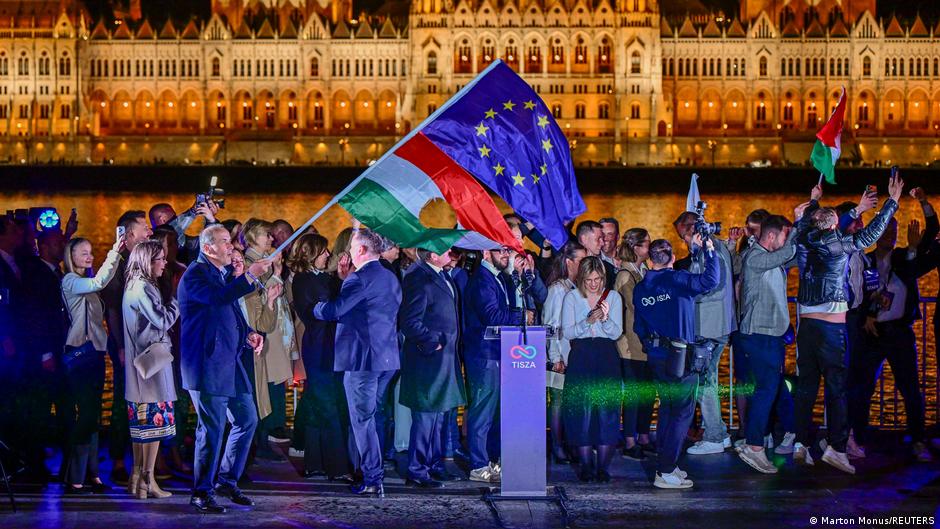
The recent political change in Hungary has prompted renewed dialogue between Budapest and the European Commission (EC) concerning the release of substantial EU funds previously withheld under Viktor Orbán's government. Incoming Prime Minister Péter Medgyes is scheduled to meet with EC President Ursula von der Leyen to negotiate unblocking billions of euros in budgetary support critical to Hungary's economic stability.
Background: Political Shift and Economic Stakes
During Orbán's tenure, the European Commission froze approximately €35 billion in EU funds designated for Hungary. This decision stemmed from ongoing concerns over compliance with the EU's democratic standards and core values. The withheld amounts include vital subsidies aimed at less developed regions, pandemic recovery aid, and over €17 billion in defense credits suspended as recently as March 2026.
"There is no time to delay," Medgyes stated ahead of his Brussels visit, emphasizing urgency in restoring financial flows.
Following the recent electoral victory of Medgyes's party, the EC has signaled its willingness to cooperate with the new administration to facilitate the release of these funds, contingent upon Hungary's recommitment to EU norms. Ursula von der Leyen confirmed this intent, noting that Hungary appears to be "returning to the European path."
Conditions and Policy Implications
According to sources familiar with the negotiations, the European Commission has outlined specific prerequisites for unfreezing the funds. These include instituting a series of domestic reforms and improving diplomatic relations, notably with Kyiv, reflecting the EU’s broader geopolitical considerations in Eastern Europe.
The suspension of funds under Orbán's government illustrates the increasing leverage the EU is willing to exert over member states to uphold governance standards. The thawing of financial restrictions under Medgyes could signal a recalibration in EU-Hungary relations, potentially impacting regional economic stability and integration. Restoring these funds would provide a significant stimulus for Hungary's economic recovery, particularly in lagging regions and sectors affected by the pandemic.
Long-Term Economic Consequences
Releasing the frozen EU funds would not only benefit Hungary's immediate fiscal health but also send a strong signal to other member states regarding the consequences of diverging from EU norms. It aligns economic assistance with adherence to democratic principles and regional cooperation, reinforcing the EU’s role as both a financial benefactor and a guardian of political standards.
For senior economic policymakers and global investors, these developments underscore the importance of political stability and governance quality in accessing international financial resources. Hungary’s case exemplifies how shifts in domestic politics can have profound macroeconomic repercussions, influencing EU budgetary allocations and the broader economic cohesion of the bloc.