US Retaliatory Strikes on Iran Trigger Closure of Strait of Hormuz Amid Rising Middle East Tensions
Renewed US airstrikes on Iran prompt Tehran to close the vital Strait of Hormuz, escalating geopolitical risks for global energy markets.
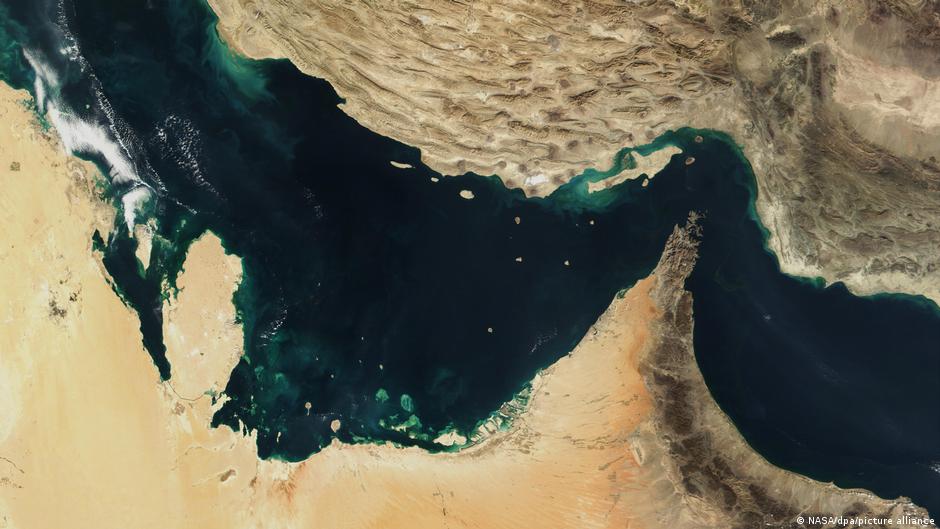
The United States military resumed airstrikes targeting locations within Iran, sparking a sharp escalation in tensions across the Persian Gulf region. The move, framed by US Central Command as a response to "unjustified and ongoing Iranian aggression," has led Tehran to announce a complete closure of the Strait of Hormuz, a key artery for global oil shipments.
Escalation and Regional Security Implications
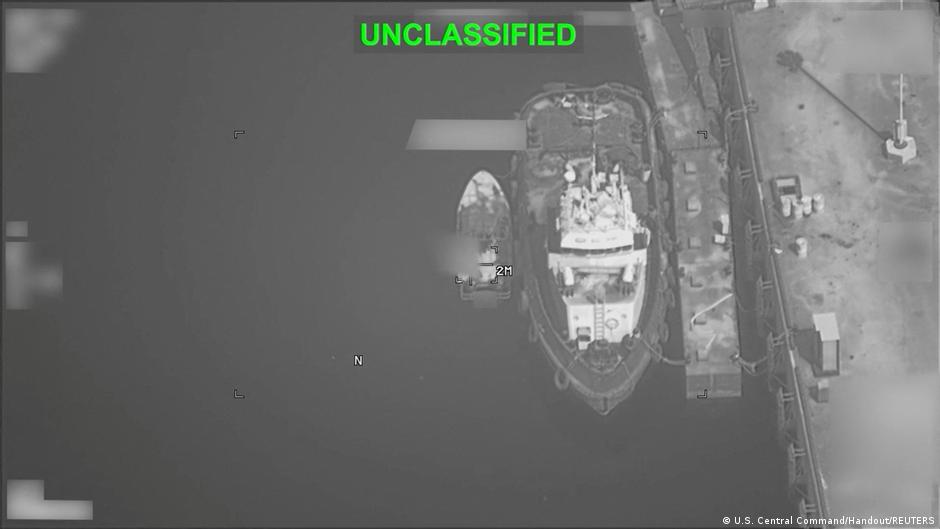
On the evening of June 10, US forces launched precision strikes against Iranian targets shortly after President Donald Trump announced the operation. US Central Command (CENTCOM) confirmed the strikes began at 17:15 Eastern Time (23:15 Berlin time), emphasizing the intent was not to ignite a broader conflict but to deter further aggression and foster conditions conducive to diplomatic agreements.
Following these strikes, Iranian state media reported explosions near the southern cities of Minab and Sirik, as well as near the strategic port city of Bandar Abbas along the Persian Gulf coast. Reuters also noted blasts near the airport and military base in Bandar Abbas and in the port city of Gorgan further north.
In a countermeasure, Iran has reportedly launched ballistic missile attacks on US military bases located in the Gulf states and Jordan. This has prompted heightened defensive postures in Kuwait, where air defense systems were activated, and Bahrain, where air raid sirens sounded. These developments underscore the volatility of the Gulf region's security environment.
"Any vessel attempting to transit the Strait of Hormuz will be targeted," stated Iran's military command, citing the altered security landscape following US attacks.
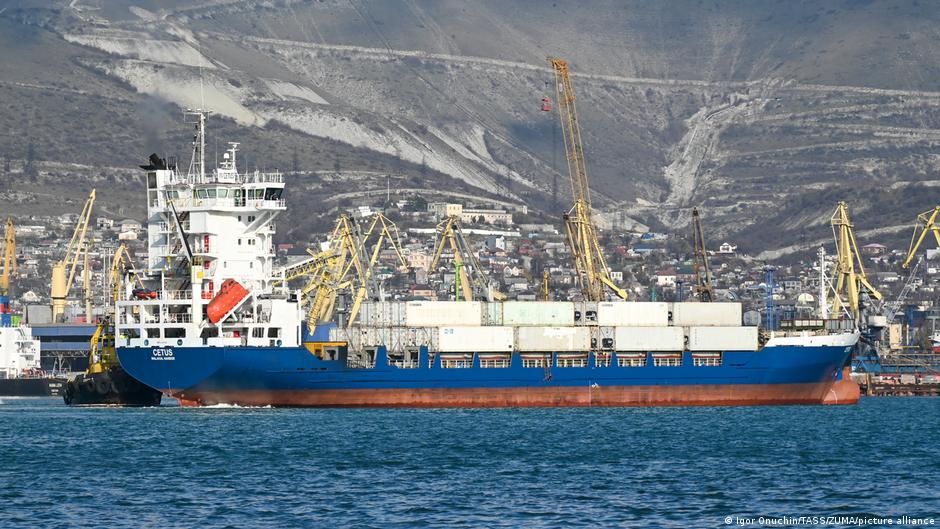
Most notably, Iran's military command declared a full closure of the Strait of Hormuz, a narrow but critically important maritime chokepoint through which approximately one-fifth of the world's oil supply passes. The declaration marked one of the most severe escalations in recent years, with Iranian state television confirming that military forces had opened fire on two vessels shortly after the announcement.
However, CENTCOM has contested claims of a complete blockade, asserting that commercial shipping continues to navigate the strait, though the situation remains fluid and the risk of disruption persists.
Global Economic and Policy Consequences
The closure or restriction of passage through the Strait of Hormuz carries significant implications for global energy markets and economic stability. Any sustained disruption in oil flows from the Persian Gulf could trigger sharp increases in global oil prices, fueling inflationary pressures worldwide and complicating monetary policy frameworks already strained by recent economic shocks.
For policymakers and senior economic decision-makers, the crisis highlights the fragility of global supply chains reliant on geopolitical stability. The potential for protracted conflict raises questions about strategic energy reserves, diversification of supply routes, and the urgency of transitioning to alternative energy sources to mitigate future risks.
The US administration's approach—deploying military force while emphasizing a desire to avoid full-scale war—reflects a balancing act aimed at containing Iran's regional influence without triggering uncontrollable escalation. However, the reactions from Tehran suggest the risk of miscalculation remains high.
In this context, international stakeholders must monitor developments closely and prepare contingency plans to cushion economic impacts. The intersection of military conflict and energy security underscores the need for comprehensive strategies that integrate geopolitical risk into economic forecasting and policy formulation.