Iran Accuses US of Breaching Ceasefire After Seizure of Iranian Vessel in Strait of Hormuz
Iran condemns US naval action as a violation of ceasefire, complicating prospects for renewed diplomatic negotiations amid ongoing maritime tensions.
The Iranian military command has accused the United States of violating a ceasefire agreement following the recent seizure of an Iranian-flagged cargo ship in the Strait of Hormuz by US forces. The incident marks a significant escalation in tensions between Tehran and Washington, with potential implications for global maritime security and energy supply routes.
Incident Overview and Immediate Reactions
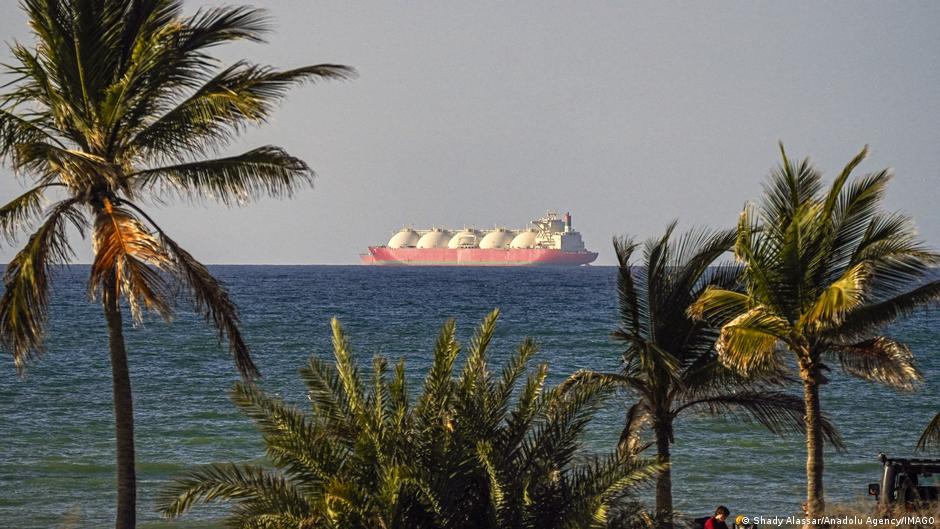
On Sunday, US naval forces intercepted and captured an Iranian cargo vessel in the strategic Strait of Hormuz, a vital chokepoint through which a significant portion of the world’s oil shipments pass. The US Central Command (CENTCOM) in the Middle East confirmed the operation, which was justified by Washington as necessary to enforce a naval blockade imposed on Iranian ports.
In response, Iran’s Central Military Headquarters in Tehran denounced the US action as an "act of maritime piracy" and a breach of the ceasefire. The Iranian defense spokesperson accused the United States of aggression, declaring that the US had also launched drone strikes against American naval vessels in the area. This statement was disseminated by Iran’s state-affiliated news agency, underscoring the official stance of Tehran’s military leadership.
"Aggressive America has violated the ceasefire and committed an act of maritime piracy," the Iranian military statement declared.
Broader Geopolitical Context and Economic Implications
The Strait of Hormuz remains a flashpoint in US-Iran relations, especially regarding the enforcement of US-led sanctions and blockades aimed at curtailing Iran’s exports. The blockade, which restricts Iranian shipping through the Strait and adjacent ports, has been a source of ongoing contention and a catalyst for regional instability.
From a macroeconomic perspective, the confrontation threatens to disrupt global oil supply chains and increase volatility in energy markets. The Strait of Hormuz is a critical artery for global energy transit, with approximately 20% of the world’s petroleum passing through it daily. Any escalation risks constricting these flows, potentially driving up global oil prices and affecting energy-importing economies worldwide.
The incident also clouds the prospects for diplomatic engagement. US President Donald Trump had previously indicated plans to initiate a new round of negotiations with Iran. However, Iranian authorities have now signaled their refusal to participate in talks while the maritime blockade remains in place, effectively stalling any progress towards de-escalation.
Long-Term Economic and Policy Consequences
Senior policymakers and global economic strategists must consider the wider ramifications of this renewed hostility. Persistent tensions in the Strait of Hormuz may compel international stakeholders to reassess maritime security frameworks and energy sourcing strategies. Diversification away from vulnerable chokepoints could become a priority for energy-importing countries seeking to mitigate supply risk.
Furthermore, the US's enforcement of unilateral blockades and maritime interdictions raises questions about the stability of international trade norms and the efficacy of sanctions as a tool of economic statecraft. The risk of escalation could induce broader regional conflicts, with serious consequences for global economic stability.
As the situation unfolds, close monitoring of both diplomatic signals and maritime security developments will be essential for understanding the evolving impacts on global markets and policy environments.