US Strikes on Iran Escalate Regional Tensions with Global Economic Implications
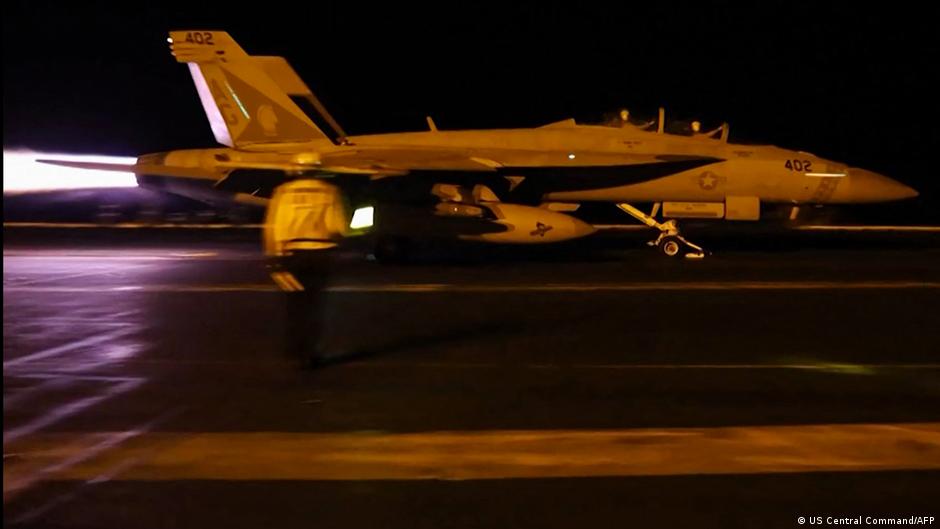
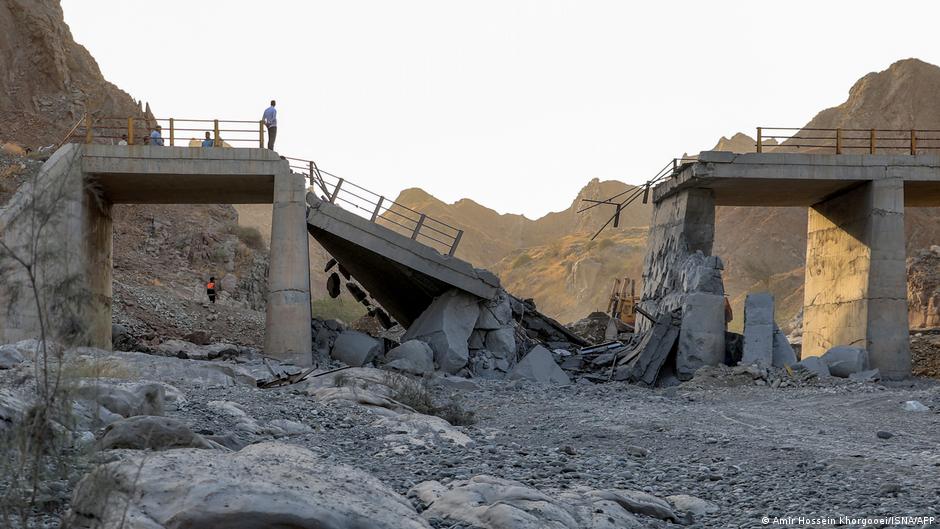
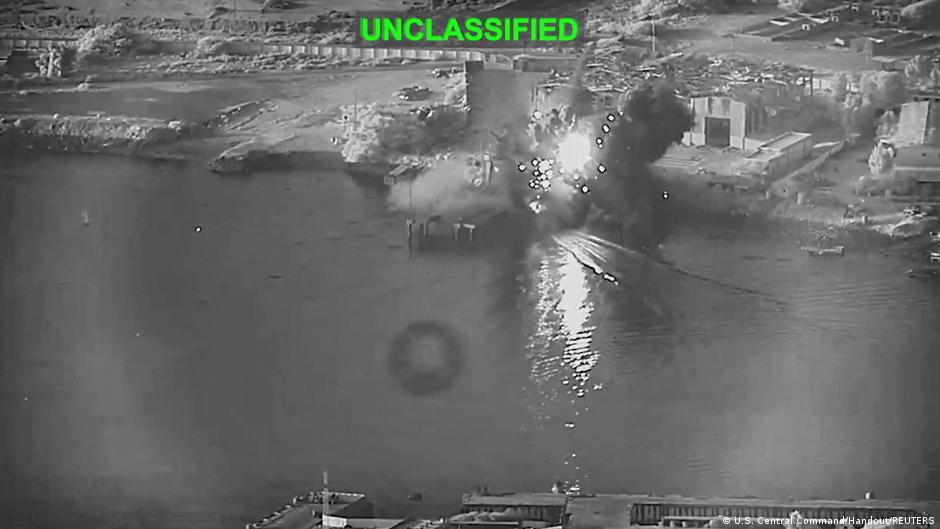
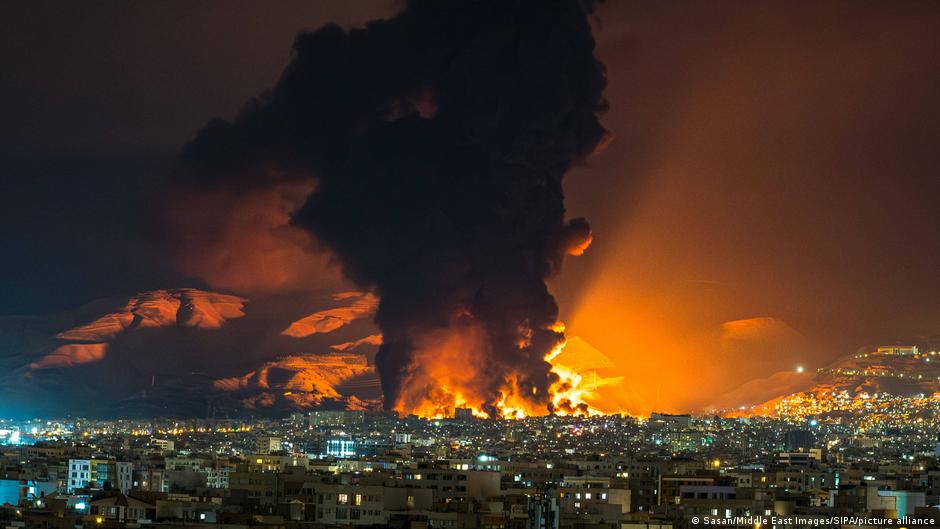
US strikes on Iranian infrastructure escalate tensions, risking broader regional instability and disruptions to global energy markets critical to economic stability.

US strikes on Iranian infrastructure escalate tensions, risking broader regional instability and disruptions to global energy markets critical to economic stability.

CIA Director reveals Russian conscripts face an average survival time of 20-30 minutes in Ukraine due to AI-enabled drone warfare, altering military and geopolitical dynamics.

The US is advancing plans to restore an Iraq-Syria oil pipeline to bypass the Strait of Hormuz, aiming to reduce Iranian influence and diversify energy export routes amid rising Middle East tensions.

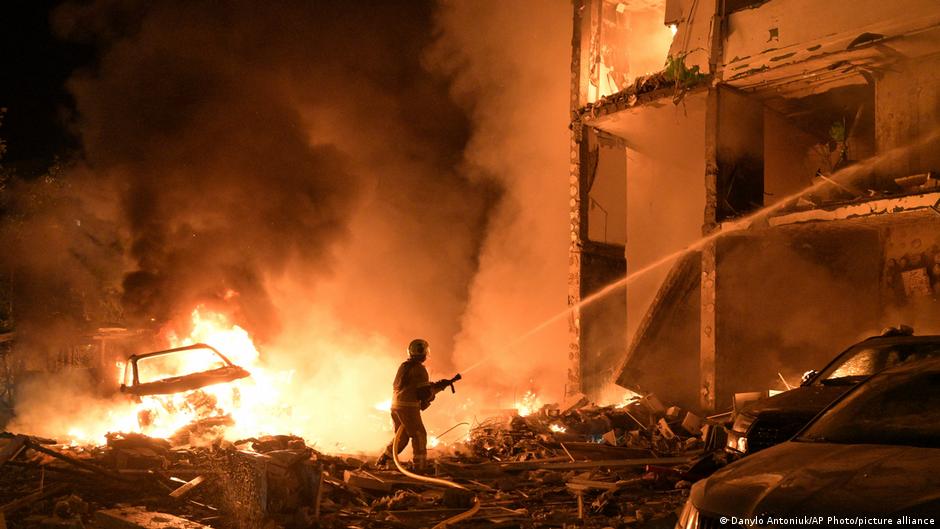
Russia’s missile strikes on Kyiv intensify civilian casualties amid rising hostilities, with major implications for regional stability and global energy markets.

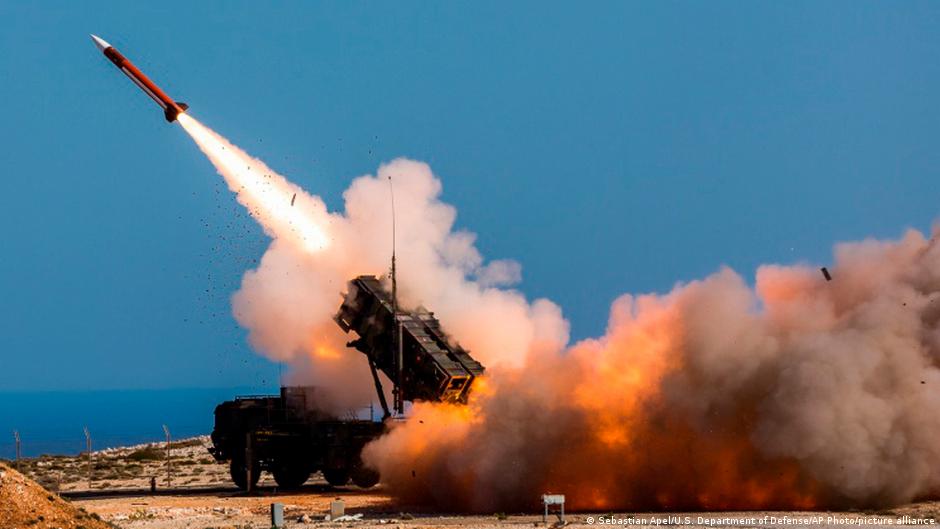
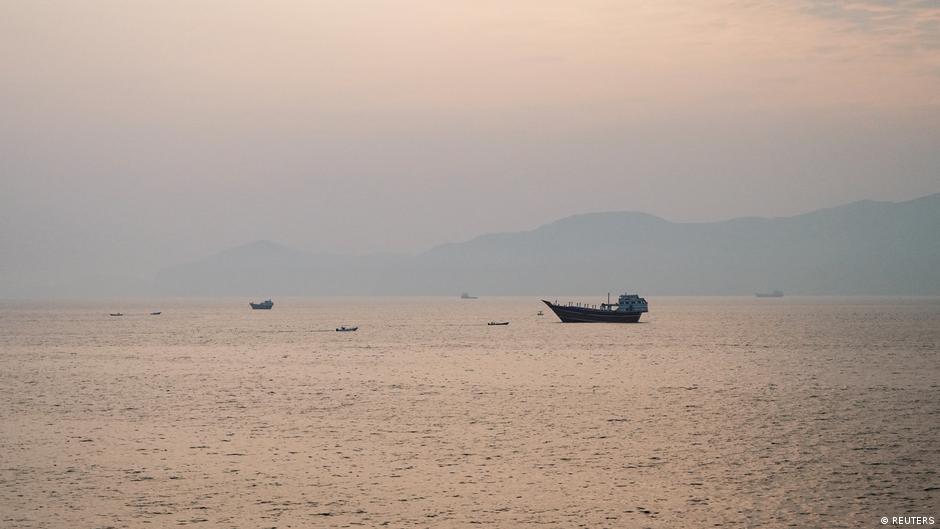
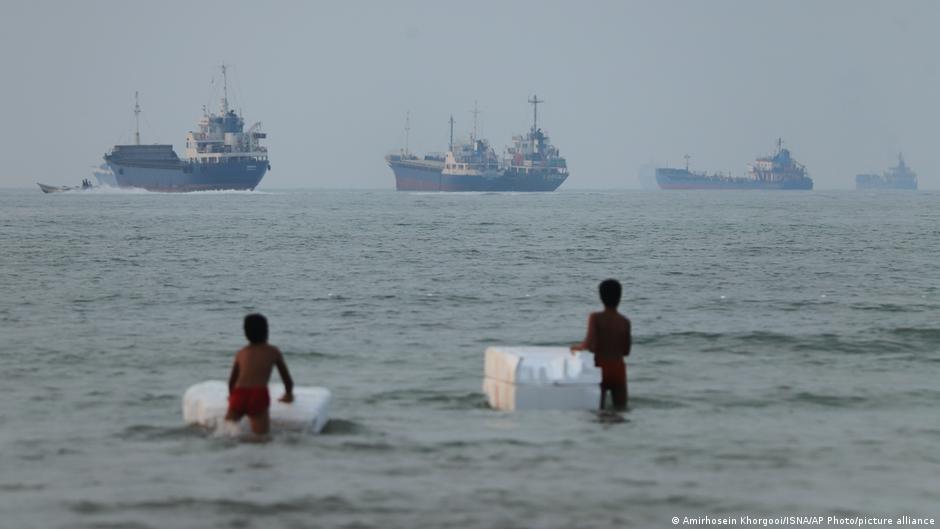
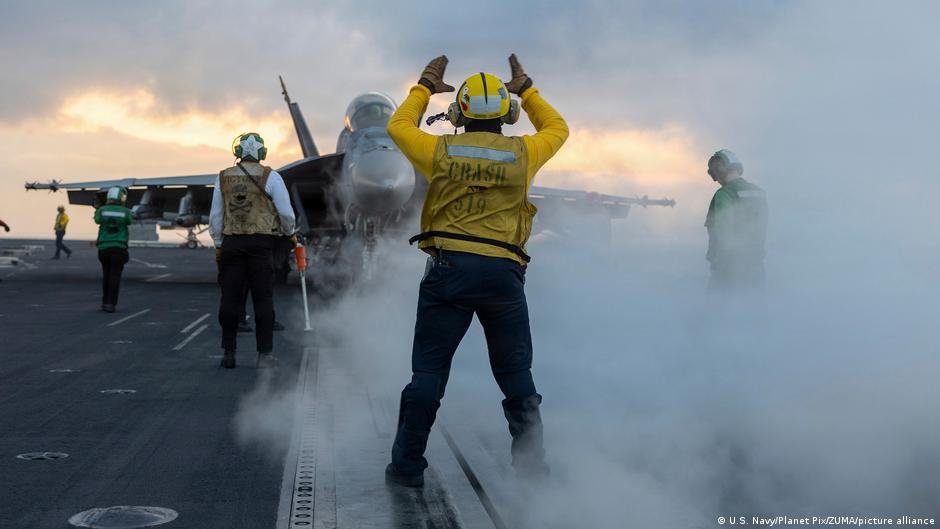
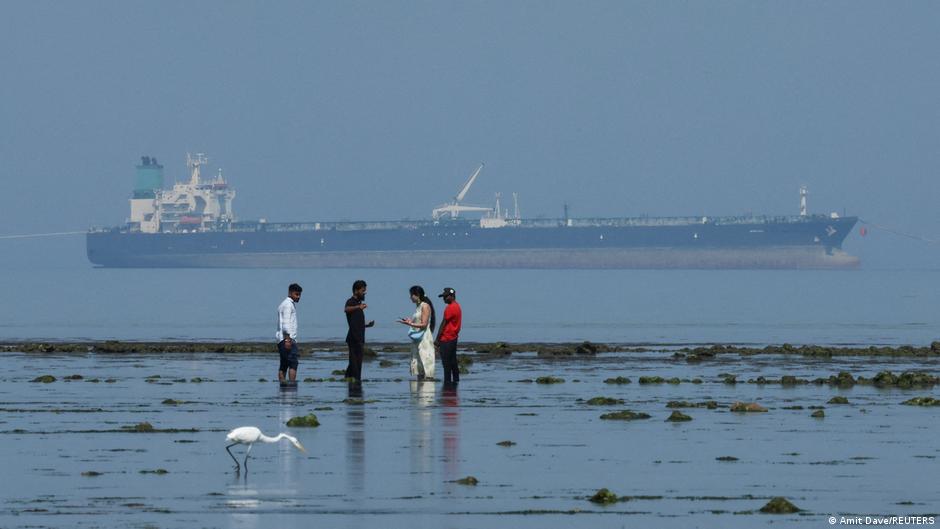
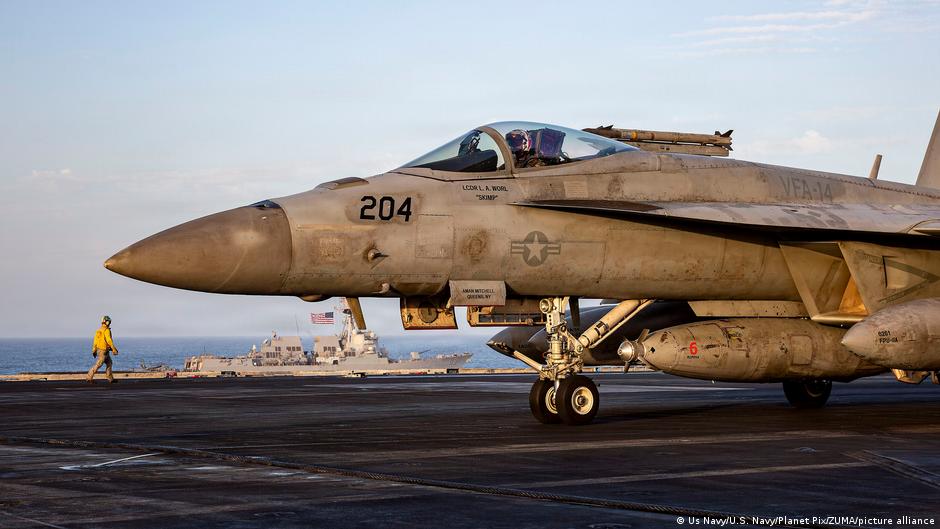
The US has launched new military strikes against Iran to prevent shipping disruptions in the Strait of Hormuz, intensifying regional tensions and threatening global energy security.

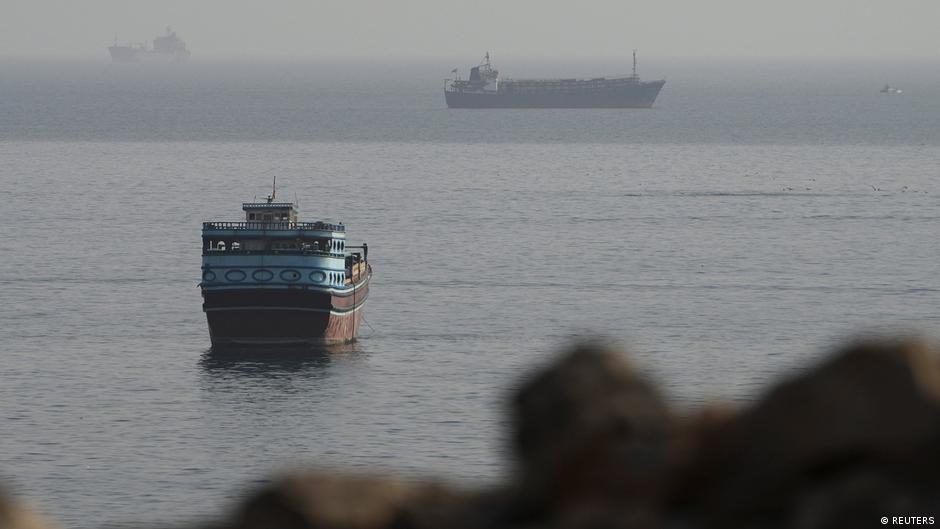
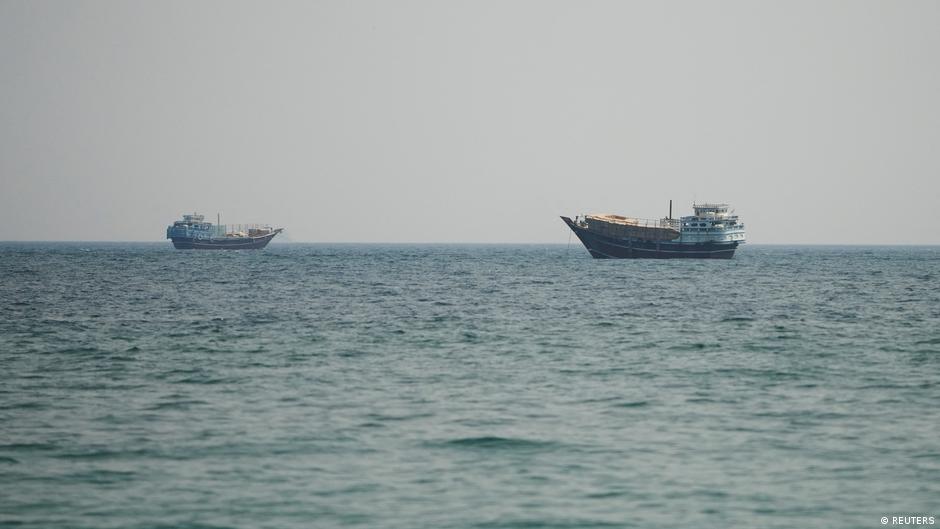
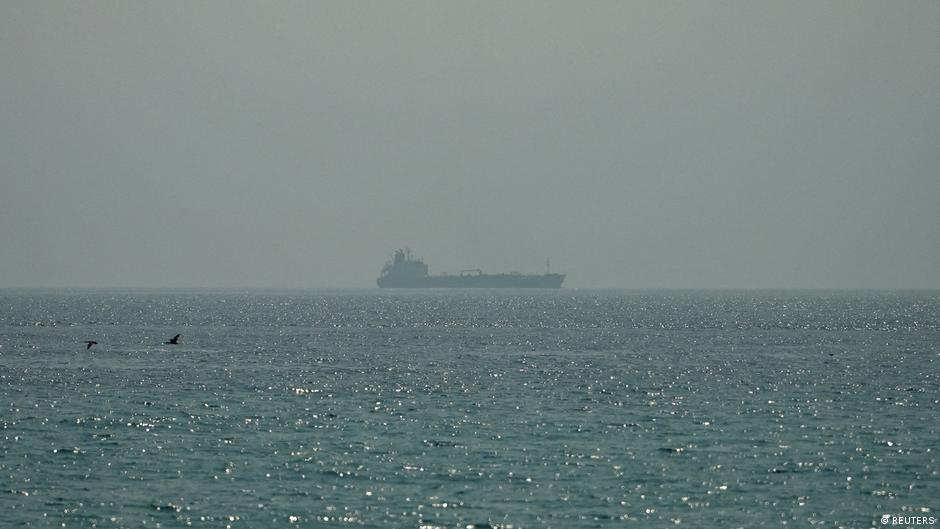
US military strikes on Iran follow attacks on tankers near the Strait of Hormuz, escalating Gulf tensions with significant implications for global energy security and maritime trade.

Gazprom has contracted with Russia's Defense Ministry to form mobile units protecting gas infrastructure, reflecting heightened security concerns amid geopolitical tensions and economic risks.

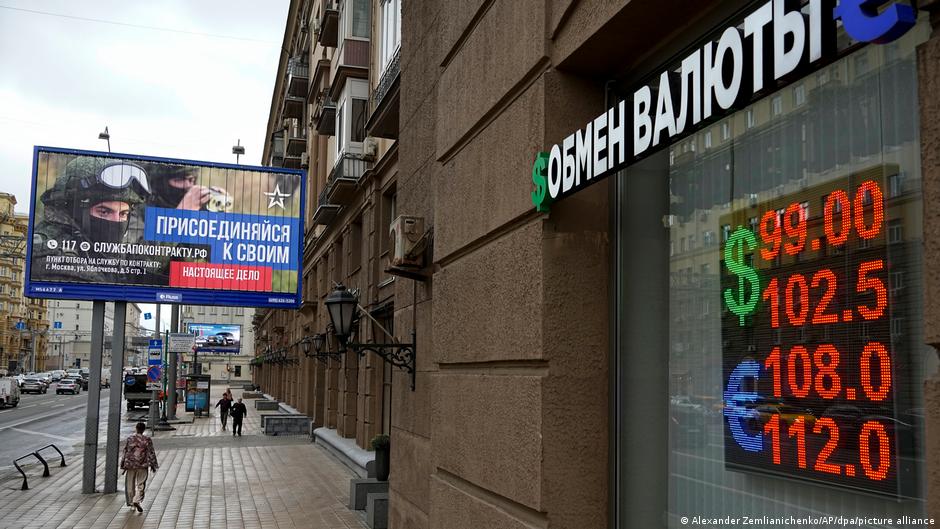
Russia plans to end mandatory medical exams for contract soldiers, revealing recruitment challenges amid the ongoing Ukraine conflict.

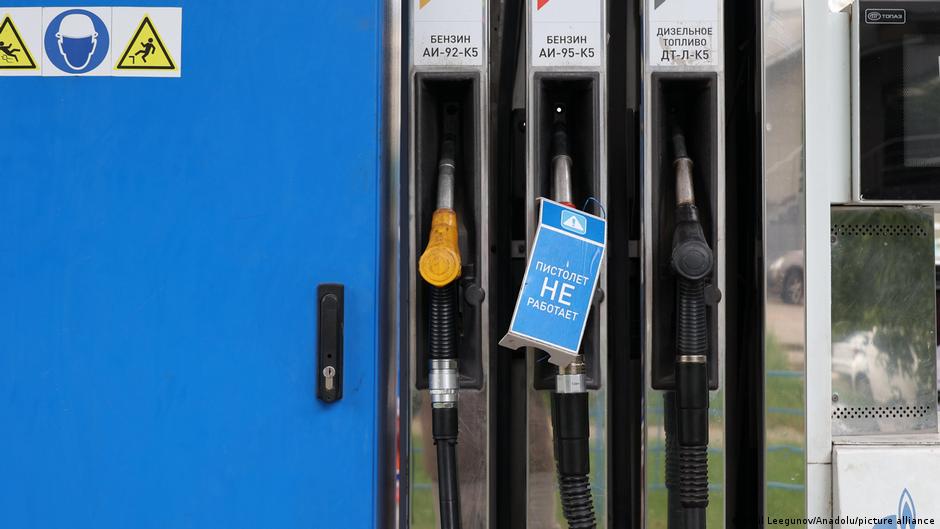
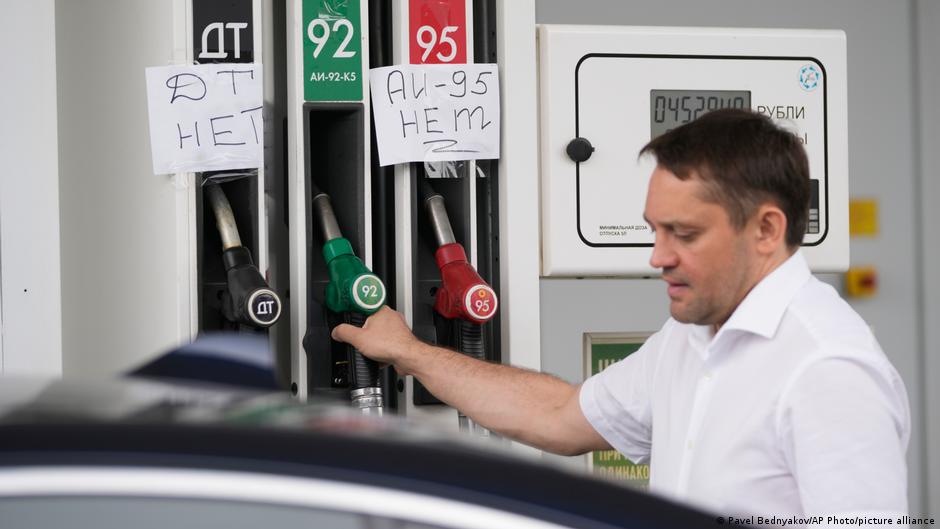
Russia permits continued use of higher-sulfur Euro-3 fuels domestically until 2026 amid refining disruptions, excluding exports to EAEU countries, signaling a shift in energy policy priorities.
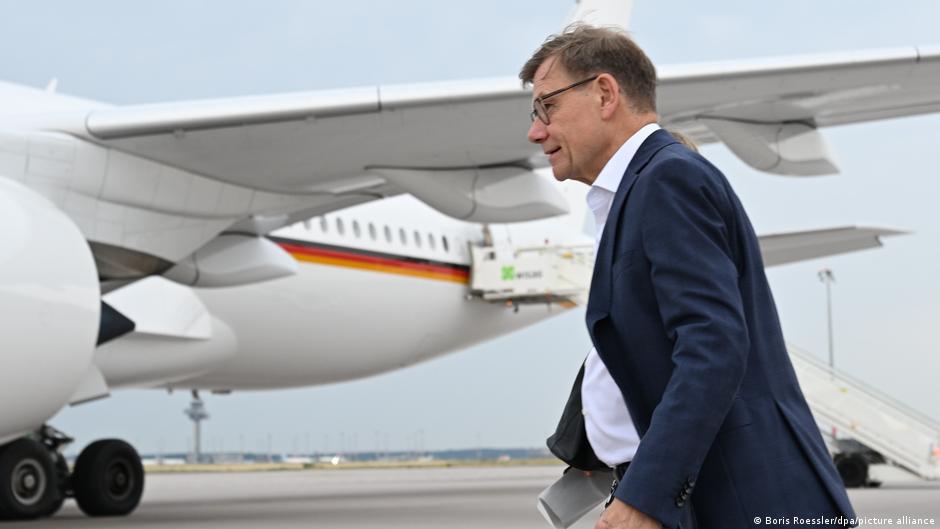
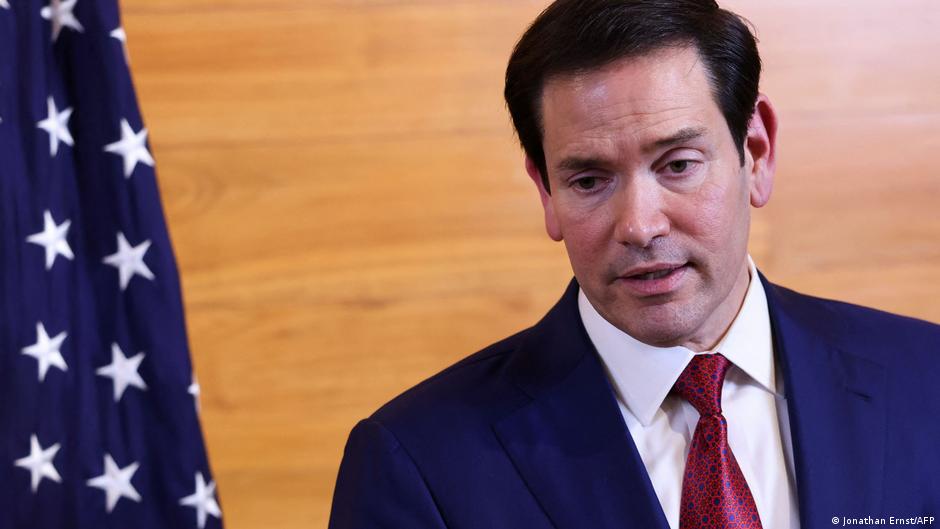
German and US foreign ministers reaffirmed their indispensable partnership amid global economic instability and discussed NATO burden-sharing and support for Ukraine.

The US and Iran have agreed on a temporary ceasefire until June 30 to discuss reopening the strategically vital Strait of Hormuz, impacting global energy markets and regional security.

US forces struck Iranian military sites following attacks on commercial vessels in the Strait of Hormuz, heightening geopolitical risks to global energy supply and economic stability.

US and Iran exchanged military strikes after Iran attacked a commercial vessel in the Strait of Hormuz, escalating tensions that threaten global oil supply chains and economic stability.

The U.S. Senate passed a non-binding resolution urging troop withdrawal from Iran conflict zones, reflecting growing concerns amid ongoing peace negotiations and regional instability.

Russia has reached its highest weekly maritime oil export levels since early 2026, despite falling global prices and renewed competition from Iranian crude following US-Iran diplomatic progress.

The US has imposed sanctions on five Cuban state-owned companies controlling 40% of GDP, escalating economic pressure with significant regional and global implications.

Ukraine’s drone strikes on Russian refineries have forced Russia to impose fuel sales limits in 53 regions, signaling major disruptions in its oil sector with global economic impact.

The US and Iran have agreed on a communication channel to prevent incidents in the Strait of Hormuz, setting a 60-day roadmap to finalize broader agreements impacting regional security and global energy markets.

The US threatens to impose fees for passage through the Strait of Hormuz if Iran deal fails, highlighting risks to global oil supply and maritime security.

Germany urges the EU and Turkey to exclude Russian gas in future contracts, reflecting a strategic shift as Turkey seeks to become a regional gas hub amid evolving geopolitical tensions.

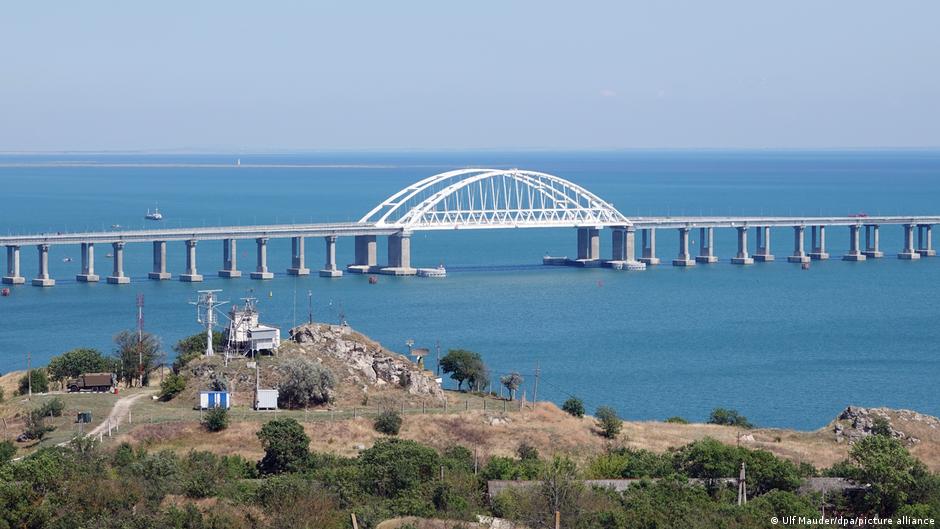
Ukrainian drone attacks on Crimean ports and energy facilities highlight rising regional tensions and risks to energy logistics and economic stability.

U.S. intelligence warns Israel may attempt to undermine the U.S.-Iran nuclear deal, risking increased Middle East instability and complicating global economic and policy landscapes.

US envoy Stephen Witkoff travels to Switzerland for nuclear talks with Iran, delayed by Lebanon conflict, with major economic stakes tied to ceasefire and sanctions relief.

The EU has agreed to extend sanctions on Russia to one year, reflecting a strategic shift enabled by political changes in Hungary and signaling intensified economic pressure on Moscow.

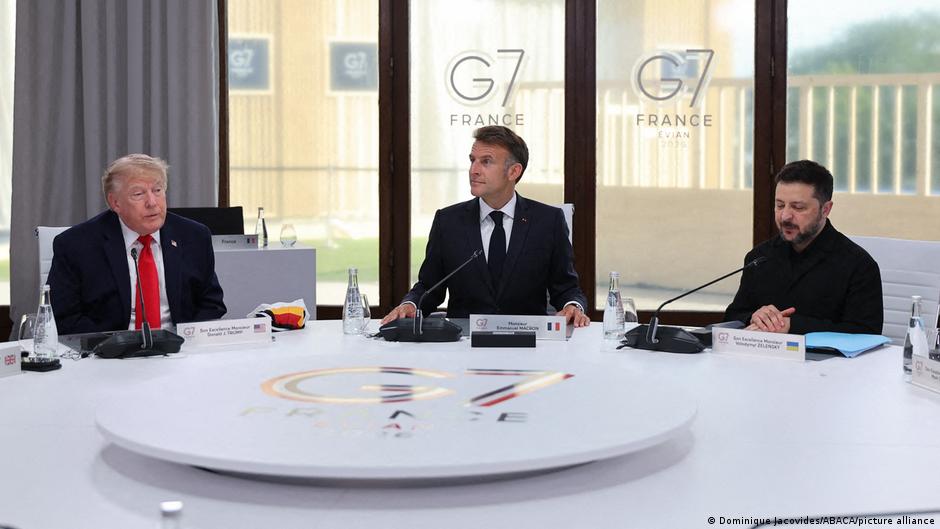
G7 leaders have announced new sanctions targeting Russian oil and gas exports and pledged increased military support for Ukraine, signaling a strategic shift with significant global economic implications.

France, Germany, UK, and Italy endorse the US-Iran agreement as a vital step toward regional peace and global economic stability, stressing the need to prevent Iran’s nuclear armament.

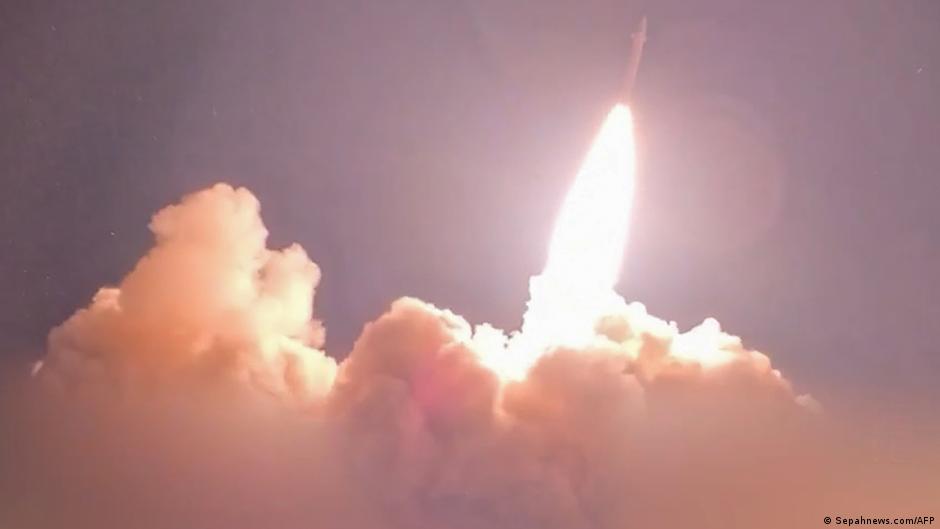
Iran has restored the majority of its missile arsenal, potentially aided by recent Russian arms transfers, complicating Middle East peace prospects and global energy stability.

Reports claim the UAE agreed to unfreeze billions in Iranian oil revenues to halt attacks, amid advancing Iran-US peace talks; official UAE denial follows.

President Trump cancels planned airstrikes on Iran amid advancing talks supported by regional powers, signaling potential for a strategic agreement affecting global energy and security.

US airstrikes on Iran prompt Tehran to close the strategic Strait of Hormuz, escalating geopolitical risks with major consequences for global energy markets and economic stability.

US forces struck Iranian air defense sites after Tehran downed a US Apache helicopter near the Strait of Hormuz, escalating tensions with significant global economic implications.

Israel and Iran exchanged air and missile strikes amid US efforts to broker a peace deal, raising the stakes for regional security and global economic stability.

US Treasury extends MOL’s deadline to June 16 for acquiring Gazprom’s stake in Serbian oil firm NIS amid sanctions, with potential implications for Southeast European energy security.
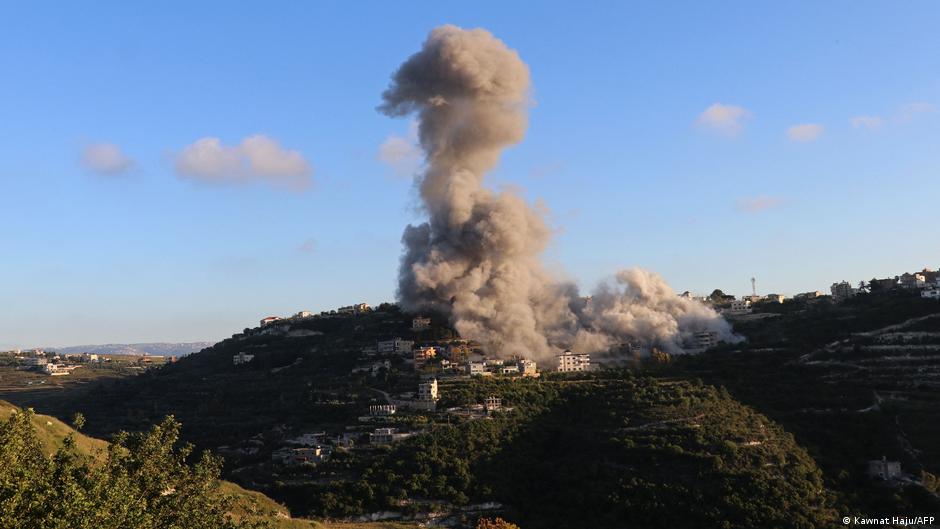
Israel and Lebanon, under US mediation, have agreed to a ceasefire requiring Hezbollah's withdrawal and cessation of hostilities, a move with significant regional and global economic implications.

The US has covertly aided around 70 commercial ships navigating Iran-blocked Strait of Hormuz, reflecting heightened geopolitical tensions and risks to global energy supplies.

The US military disabled a Gambian-flagged ship heading to Iran, enforcing a Strait of Hormuz blockade amid escalating regional tensions and impacting global trade routes.

Drone attacks in Russia's Rostov and Saratov regions caused fires at key oil storage and refining facilities, raising concerns over energy infrastructure security amid conflict.

Ukrainian drone attacks have halved Lukoil’s NORSI refinery capacity, disrupting a quarter of Russia’s refining output and impacting global energy markets.

Russian missile and drone strikes on Ukrainian ports and energy infrastructure mark a dangerous escalation with broad global economic and energy security consequences.

The US has ended its temporary easing of sanctions on Russian oil exports, a move with significant implications for global energy markets and economic policy amid ongoing geopolitical tensions.

US and Iran are reportedly close to a deal to end their conflict, with Iran agreeing to halt nuclear weapon development and negotiations set to address sanctions and regional security.

Iran has presented a 14-point peace plan to the US detailing key conditions to end the Middle East conflict, while Washington remains skeptical about its acceptance.

The UK expelled a Russian diplomat following Moscow's removal of a British diplomat accused of espionage, highlighting rising geopolitical tensions with potential global economic impacts.

US threats against Iran have driven Brent crude oil prices above $119 per barrel, raising concerns over long-term energy supply disruptions and global economic impacts.

King Charles III’s US visit aims to mend frayed UK-US relations amid Iran conflict tensions and divergent NATO positions, highlighting broader geopolitical and economic shifts.

The US stops sending envoys to Pakistan for Iran talks, citing strategic advantage and logistical inefficiency amid ongoing Middle East ceasefire and diplomatic uncertainty.

The US will not extend temporary exemptions on Russian and Iranian oil sanctions, ending relief measures for vulnerable countries and signaling a strategic policy shift.

The US has extended the suspension of sanctions on Russian oil shipments until May 16, impacting global energy markets and Russia’s oil revenue amid ongoing geopolitical tensions.

President Trump rejects NATO assistance in the Strait of Hormuz, while European nations prepare a peacekeeping mission amid ongoing Middle East tensions.

Russia's Deputy Foreign Minister says the UN proposal to monitor the Strait of Hormuz lacks support from key parties and its future is uncertain.