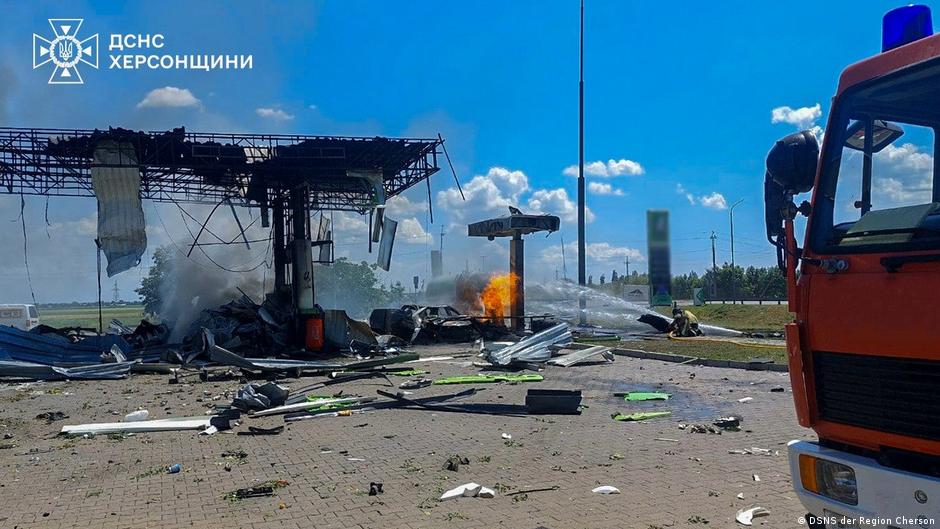
Ukrainian Drone Strikes on Crimea Highlight Rising Regional Tensions and Economic Risks
Drone attacks on Crimean infrastructure signal escalating conflict with potential long-term impacts on regional economic stability and energy logistics.
In the early hours of June 21, Ukrainian armed forces launched drone attacks targeting key infrastructure on the annexed Crimean Peninsula, according to reports from the region. The strikes primarily affected the Kerch port, where a terminal for storing petroleum products caught fire, alongside other strategic locations including Sevastopol and surrounding areas.
Strategic Targets and Immediate Impact
The Telegram channel Exilenova+ reported that the fire broke out in the industrial zone of Kerch port, specifically at the "TES-Terminal," a railway complex used for transshipment and storage of petroleum products and liquefied gas. Additionally, the port of Kavkaz may have sustained damage. Local air defense systems responded by shooting down four unmanned aerial vehicles (UAVs) near Balaklava and Cape Fiolent, as confirmed by the Moscow-appointed governor of Sevastopol, Mikhail Razvozhayev.
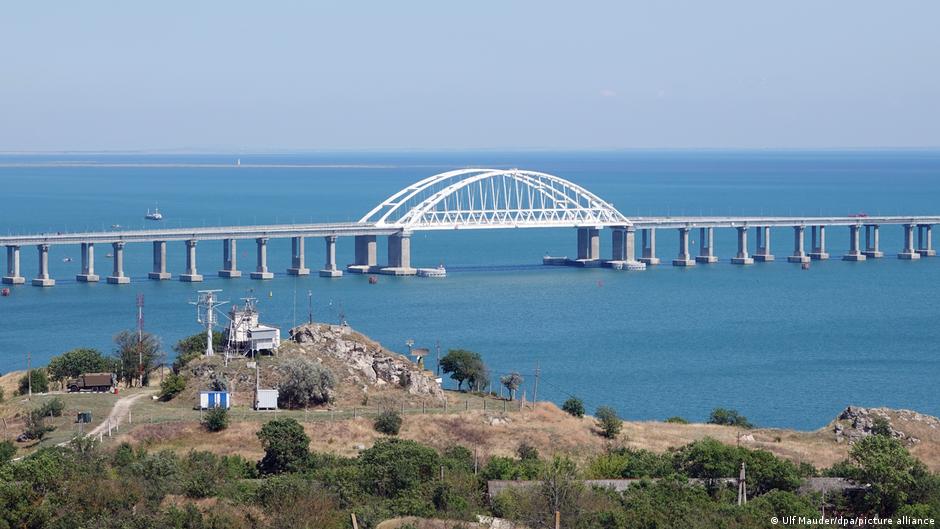
Razvozhayev noted that no casualties were reported and that military efforts to neutralize hostile UAVs included various weapons, even small arms fire. Movement across the Crimean Bridge was temporarily suspended, with transport security personnel managing traffic flow and safety protocols.
Broader Security and Economic Implications
"The attacks expose vulnerabilities in critical infrastructure that underpin regional energy logistics and the economic integration efforts pursued by Russia in Crimea."
This latest wave of drone attacks follows a similar surge in assaults on June 20, which triggered multiple fires across the peninsula. These included damage to the Tavricheskaya thermal power station, oil and gas storage facilities, gas distribution stations, and key bridges and crossings as documented by open-source intelligence from the Crimean Wind channel.
Such incidents carry significant macroeconomic consequences. The Crimean Peninsula serves as a crucial energy transit and storage hub linking Russia with the Black Sea region. Disruptions to petroleum product terminals and power stations jeopardize energy supply chains, potentially triggering broader regional economic instability. Moreover, the repeated tactical use of drones to strike critical infrastructure signals a shift in asymmetric warfare tactics, compelling reassessments of security policies and investment risks tied to Crimea and adjacent markets.
For senior policymakers and international economic strategists, these developments underscore the fragile security environment around disputed territories and the intertwined nature of geopolitical conflict with economic continuity. Persistent instability can deter investment, hinder regional trade, and complicate energy export strategies.
In the context of global energy markets already strained by geopolitical tensions, the attacks highlight how regional conflicts can rapidly escalate into wider economic challenges, affecting supply reliability and pricing volatility.
As the situation unfolds, monitoring the resilience of Crimean infrastructure and the efficacy of security countermeasures will be critical for understanding potential ripple effects on Black Sea regional trade corridors and energy transit routes.