EU to Fund Ukraine Drones and Missiles as War Pressures Policy Agenda
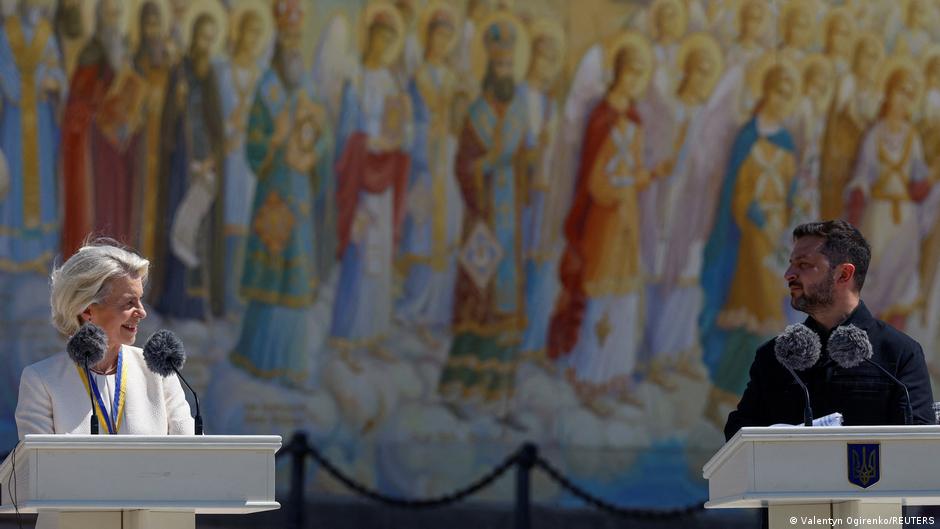
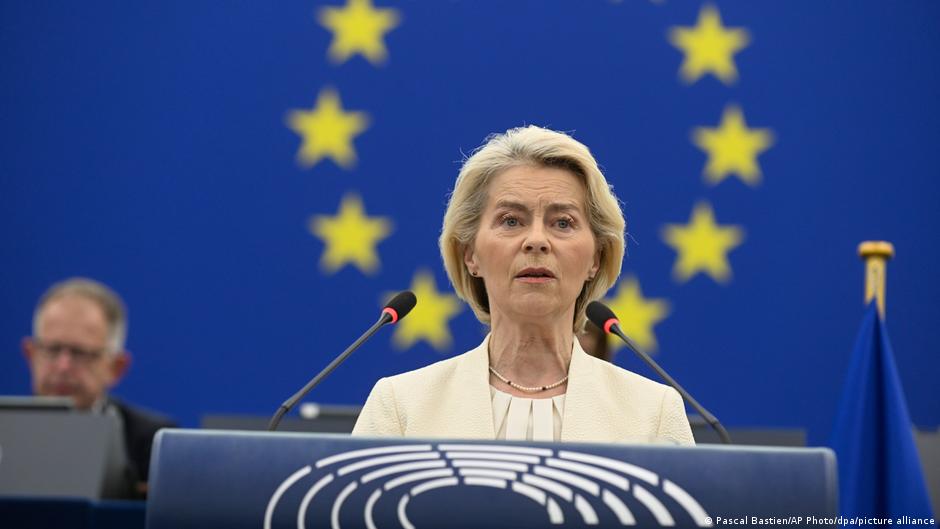
The EU plans new funding for Ukrainian drones and missiles as leaders prepare to discuss Kyiv’s financing needs and long-term support.

The EU plans new funding for Ukrainian drones and missiles as leaders prepare to discuss Kyiv’s financing needs and long-term support.

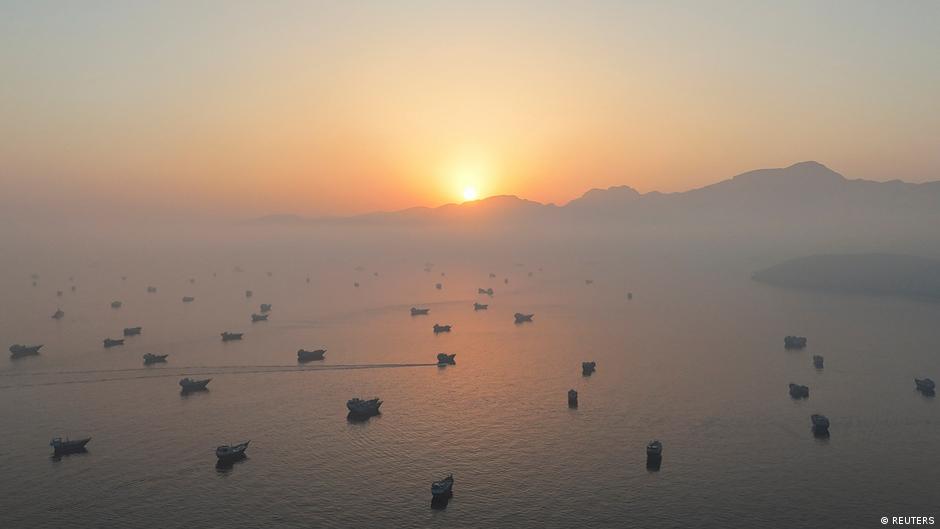
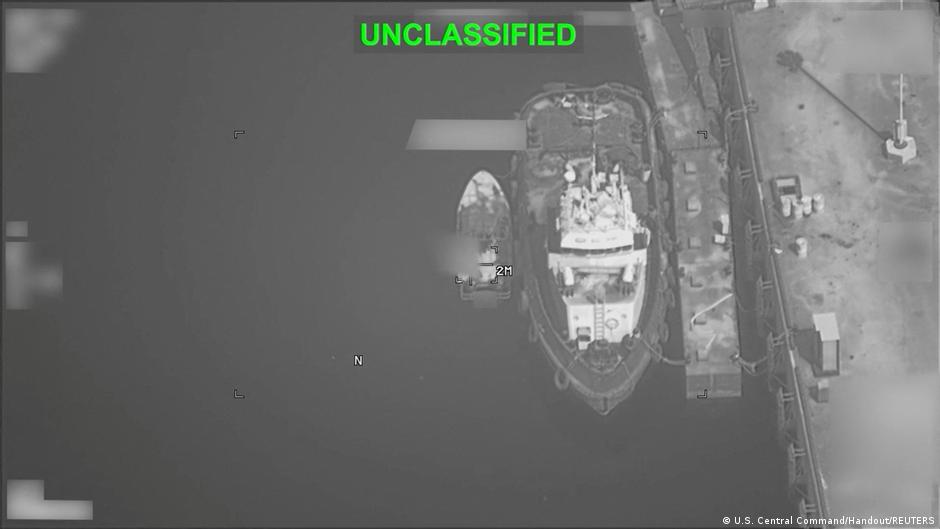
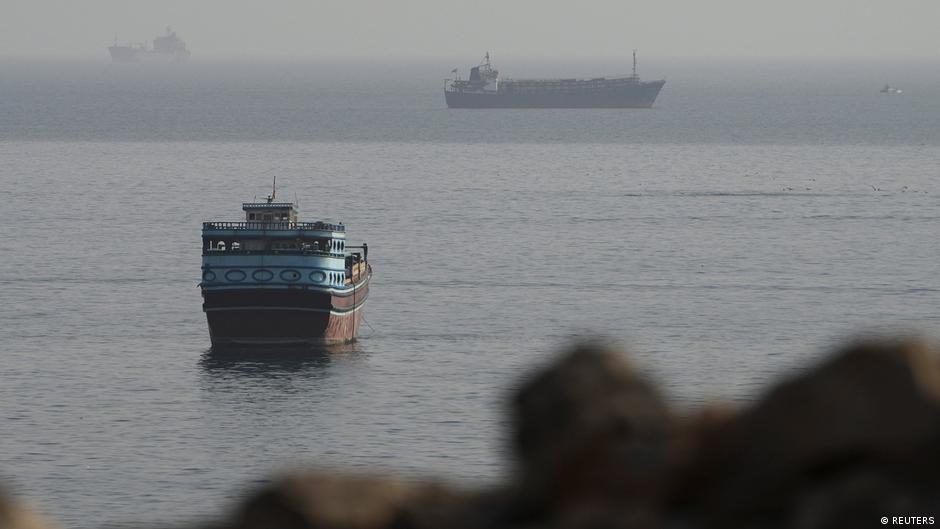
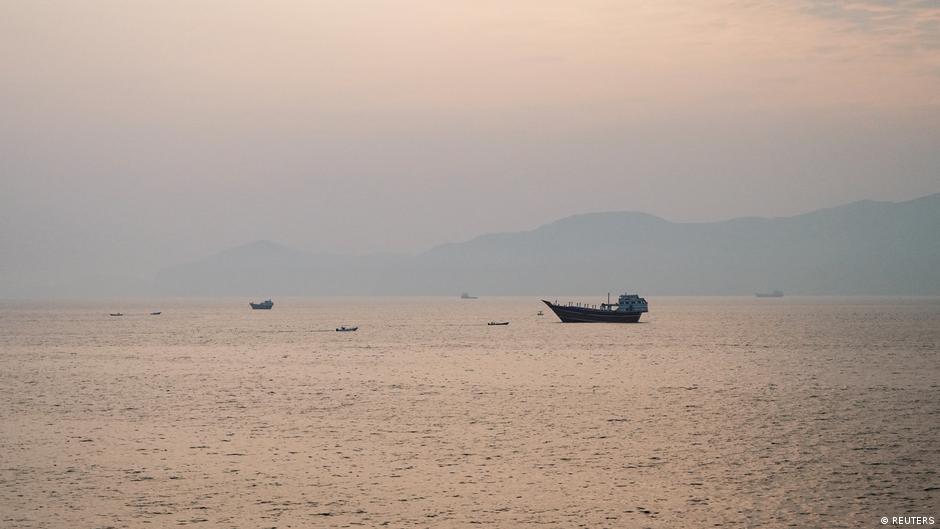
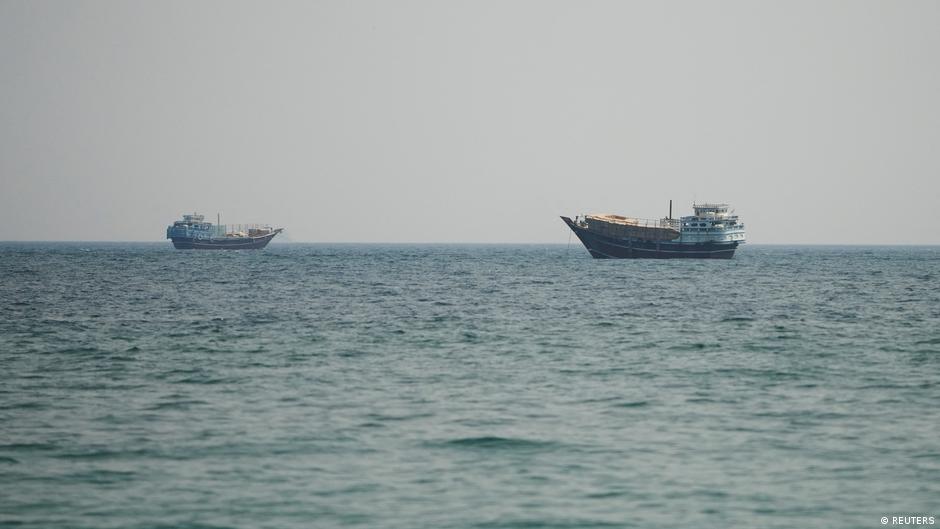
A U.S. strike disabled a Panama-flagged vessel near Iran, highlighting rising energy, trade and policy risks around the Strait of Hormuz.

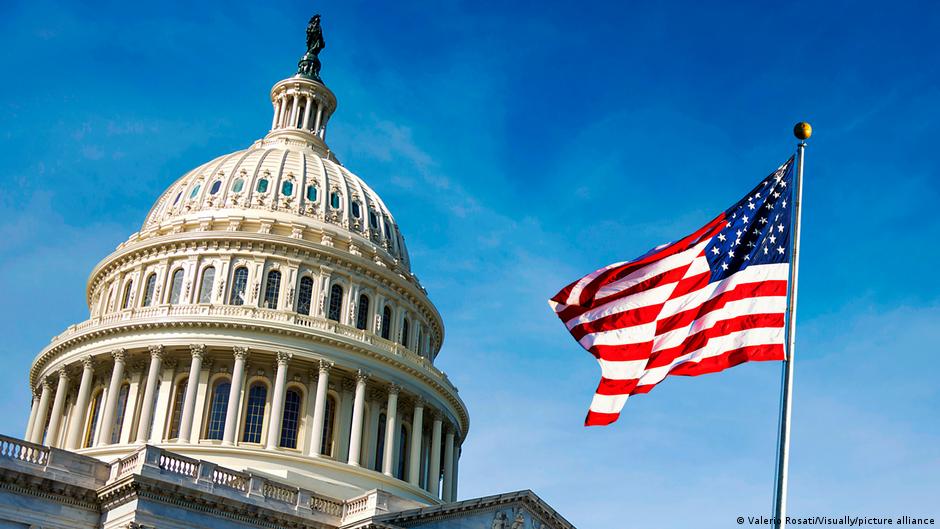
A bipartisan House bill would seek to ban Russian oil purchases, challenging Trump’s reported diesel supply agreement with Moscow.

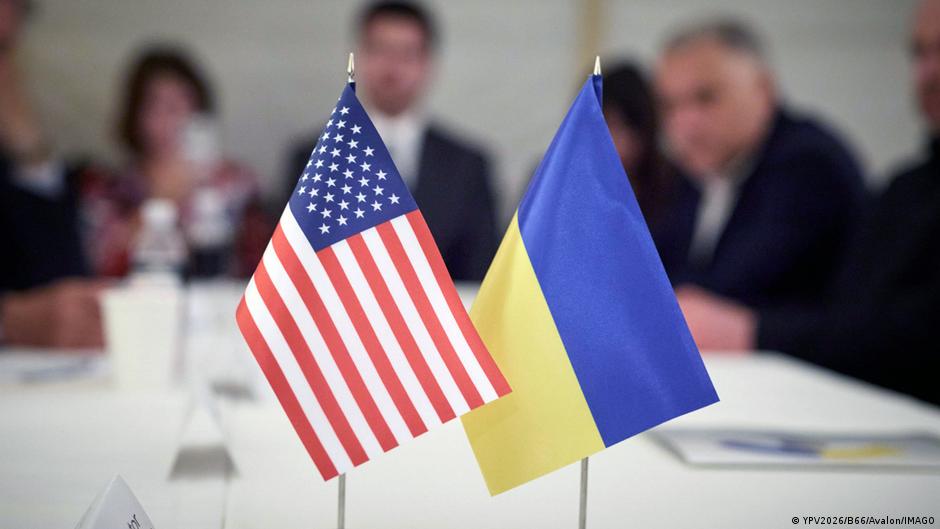
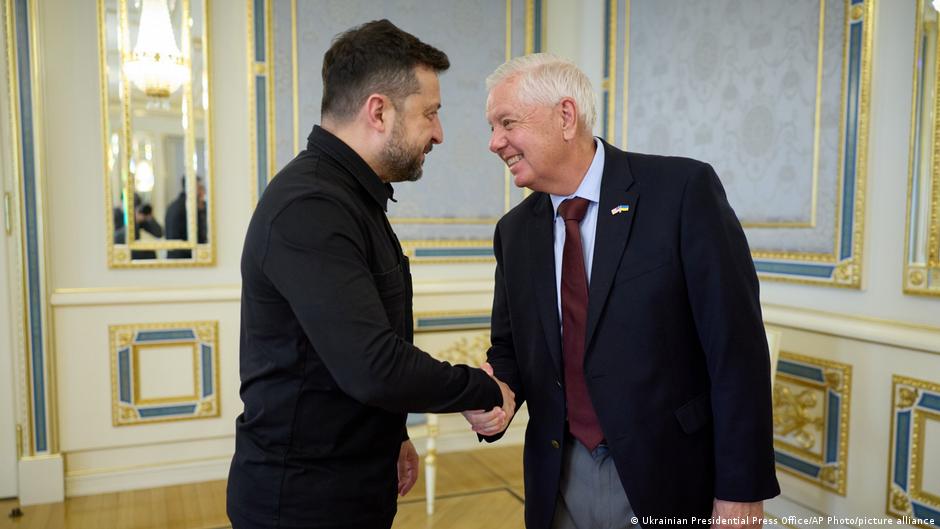
Ukraine will discuss a new U.S.-linked peace proposal as Kyiv urges tougher sanctions on Russia and broader Starlink access.

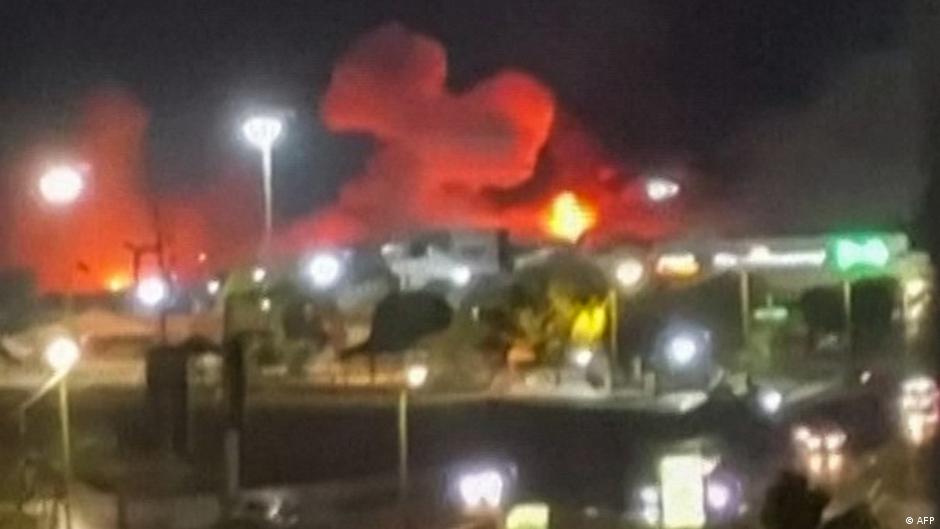
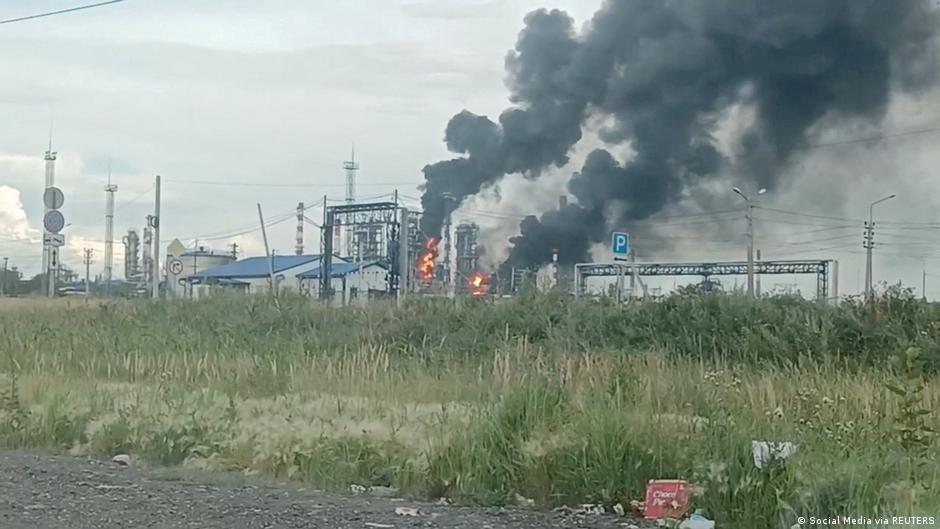
A tanker fire off Sochi adds to concerns over Black Sea shipping risk, Russian oil logistics, sanctions enforcement, and energy trade routes.

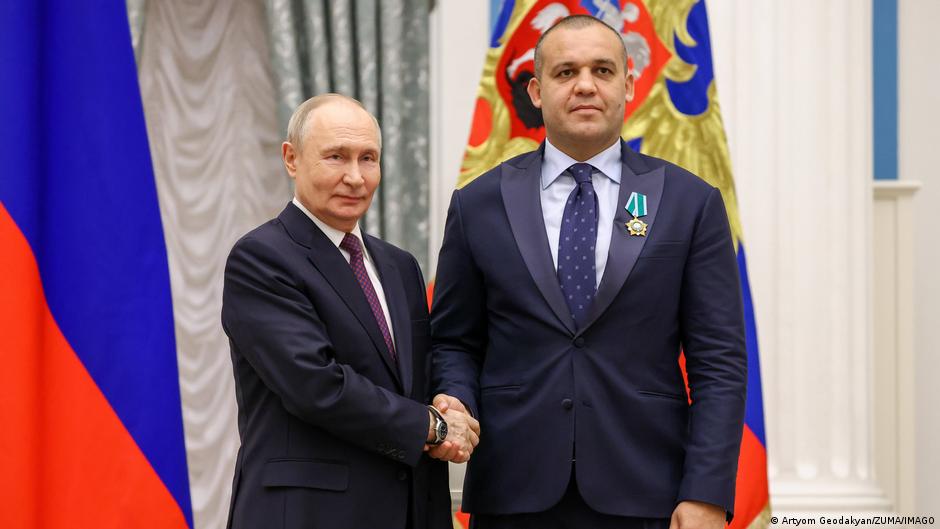
Umar Kremlev says Donald Trump Jr. repaid wedding event costs, intensifying scrutiny over foreign ties, ethics and U.S. policy risk.

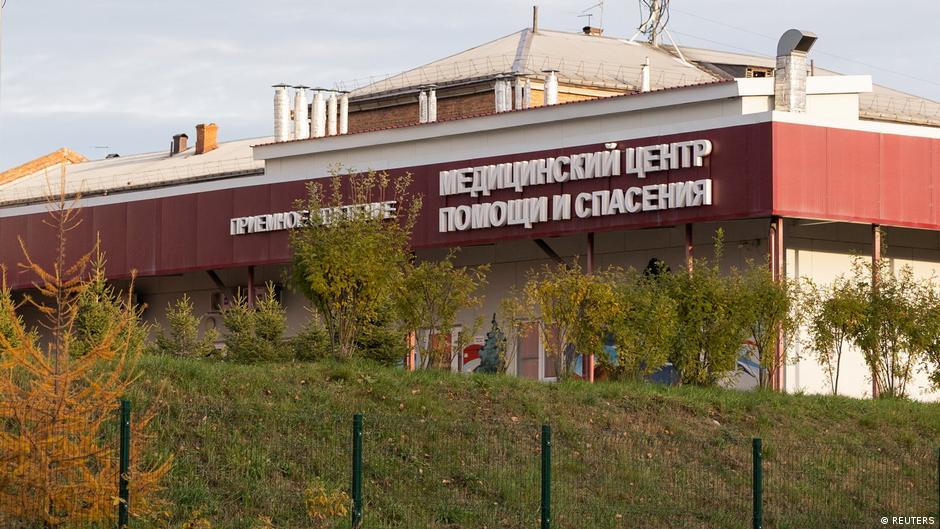
Trump plans a Putin call as WHO seeks details from Russia over reports tied to a possible plague-related death in Irkutsk.

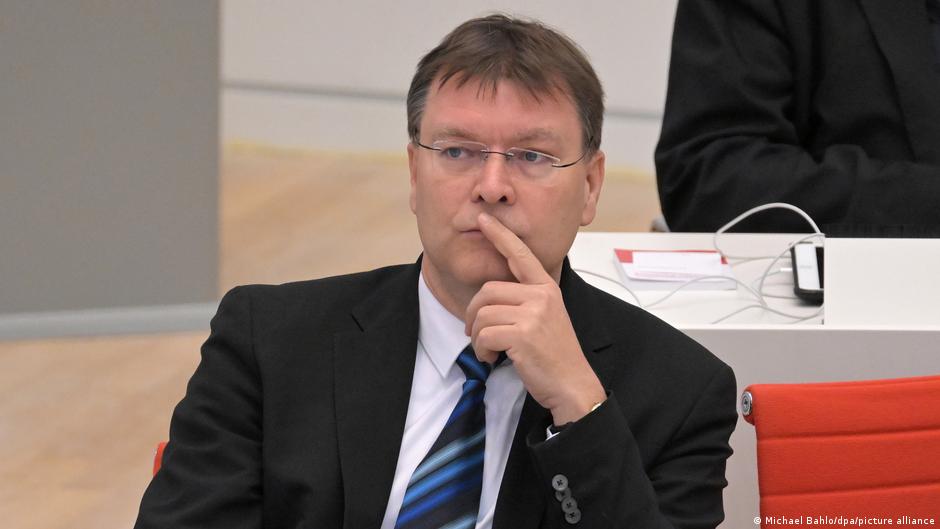
BSW lawmaker Sven Hornauf plans delegations to Belarus and Russia, testing Germany’s local ties amid strategic rupture with Moscow and Minsk.

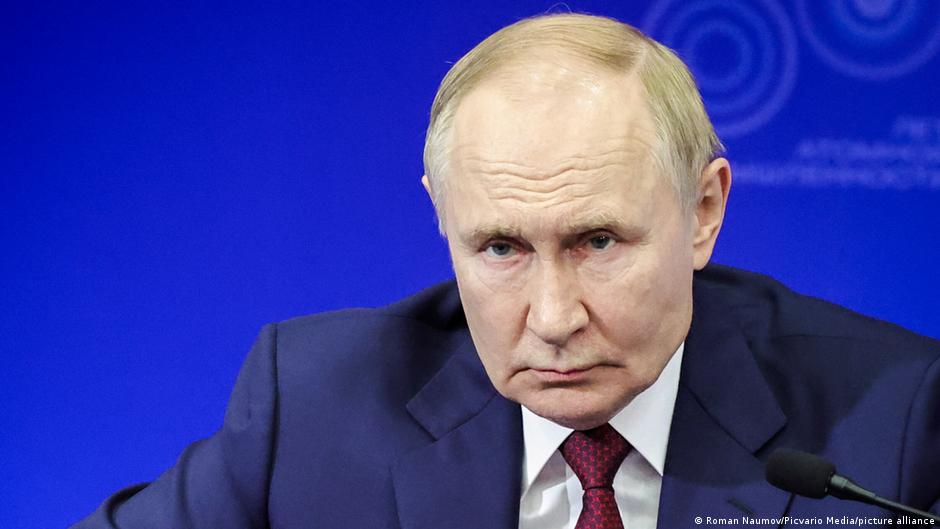
Putin’s Valdai speech sharpened nuclear rhetoric and blamed the West, reinforcing Europe’s long-term geopolitical and economic risk outlook.

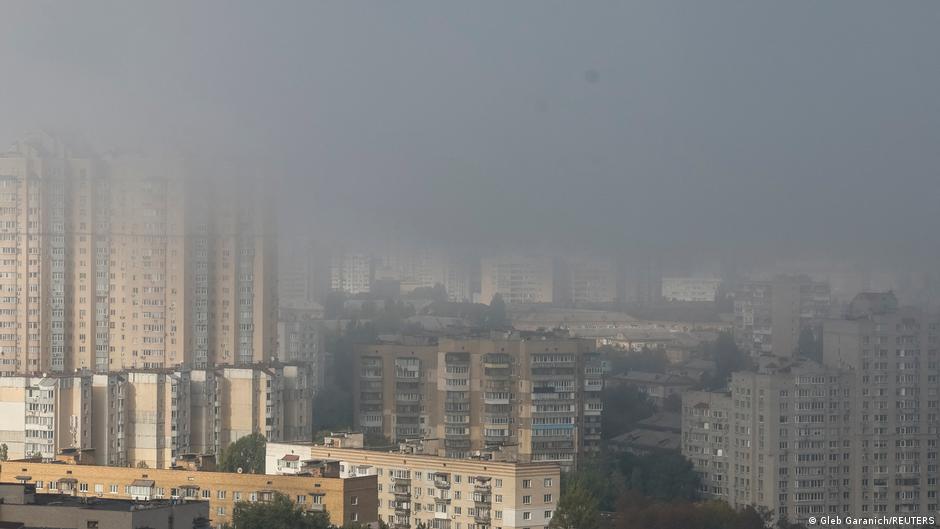
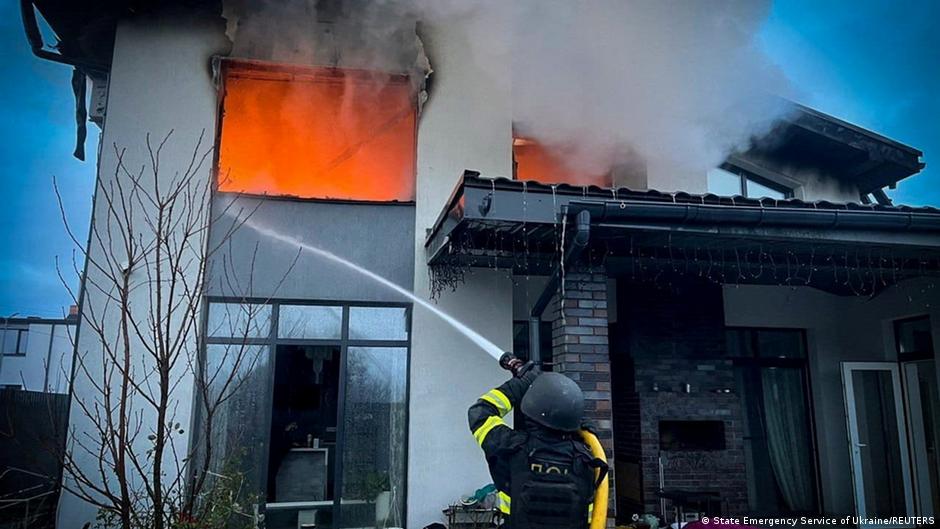
Russian attacks damaged property in Kyiv, Odesa, Sumy and Kyiv region while forcing new electricity limits across parts of Ukraine.

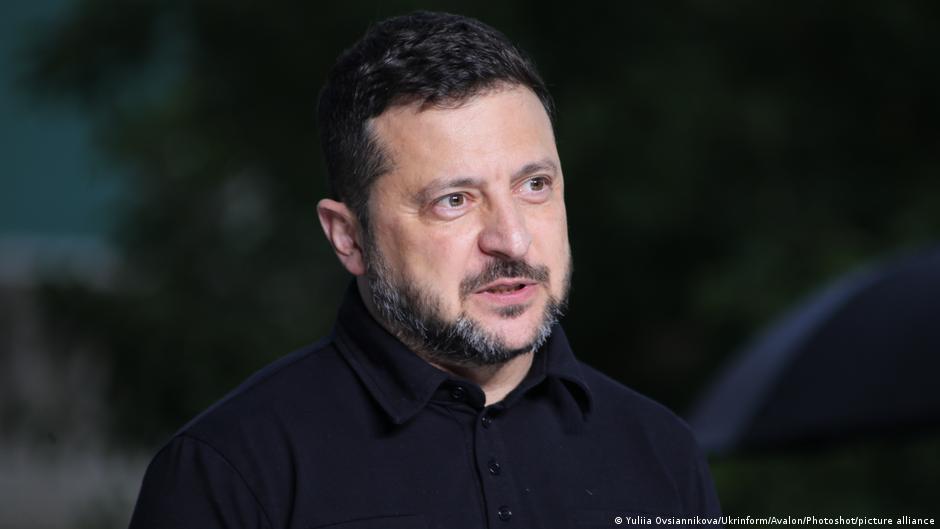
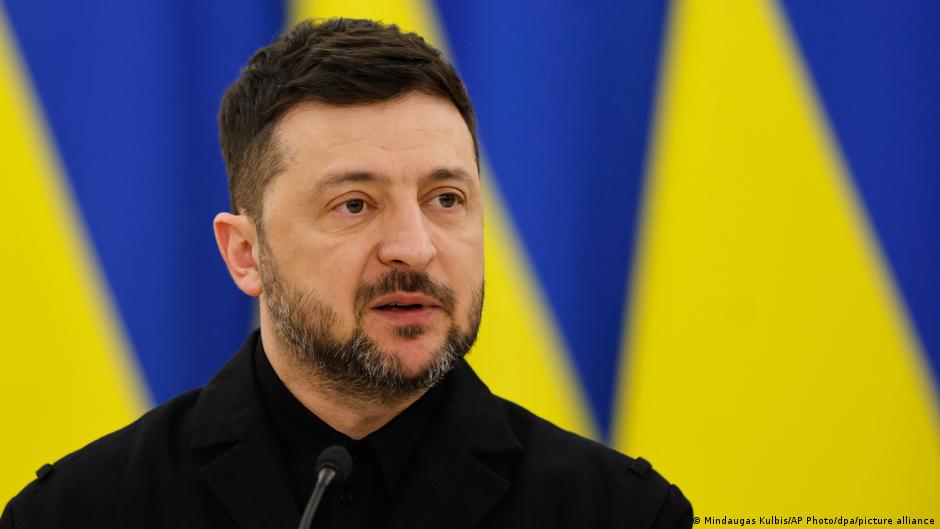
Zelensky says North Korea plans to send about 10,000 more troops to Russia, deepening concerns over Moscow-Pyongyang cooperation.

Kyiv denied that Trump proposed Moscow talks for Zelensky as U.S. diplomacy focuses on energy strikes and rising diesel prices.

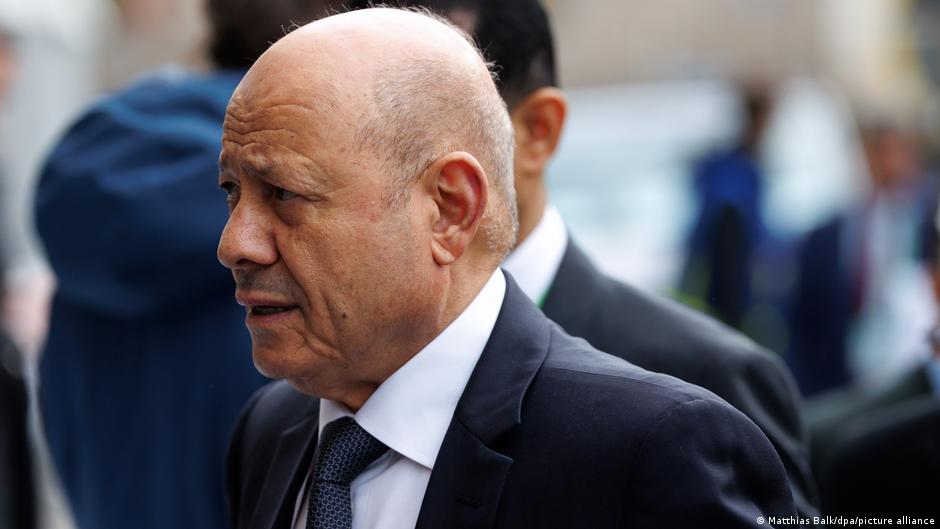
Yemen’s mobilization call underscores rising risks to energy flows, Red Sea trade routes and Gulf export stability as Houthi forces advance.

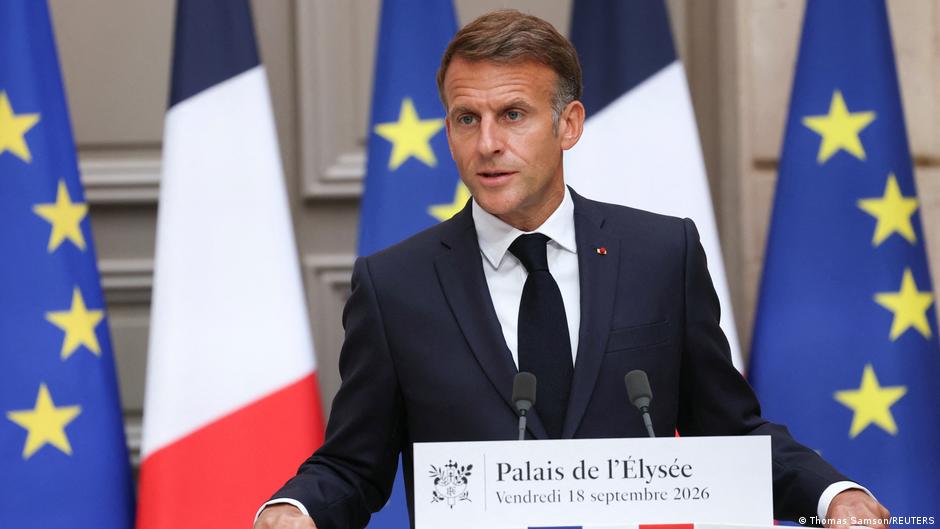
Macron says France sees a Russian mobilization of about 300,000 people as plausible, warning Europe could face wider hybrid pressure.

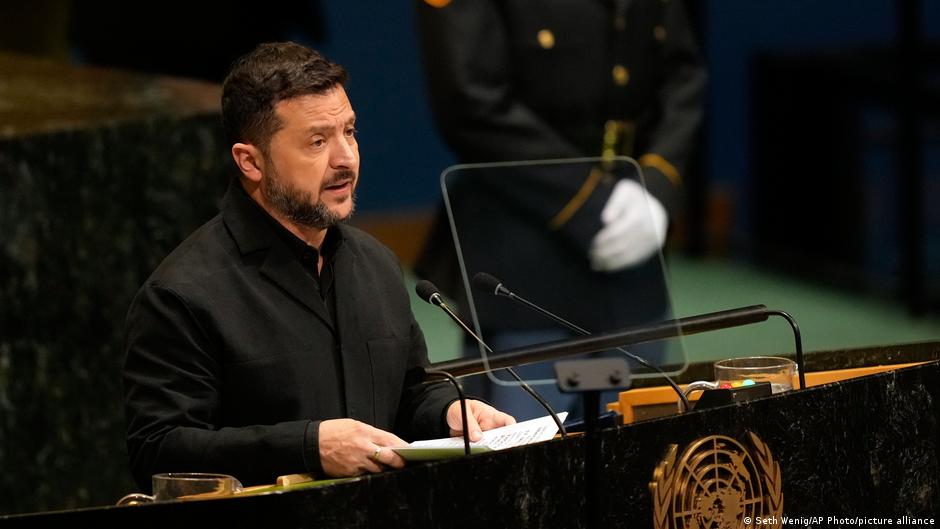
Zelenskyy used his UN address to link Russia’s war to energy revenues, global instability, AI risks and the long-term economic costs of conflict.

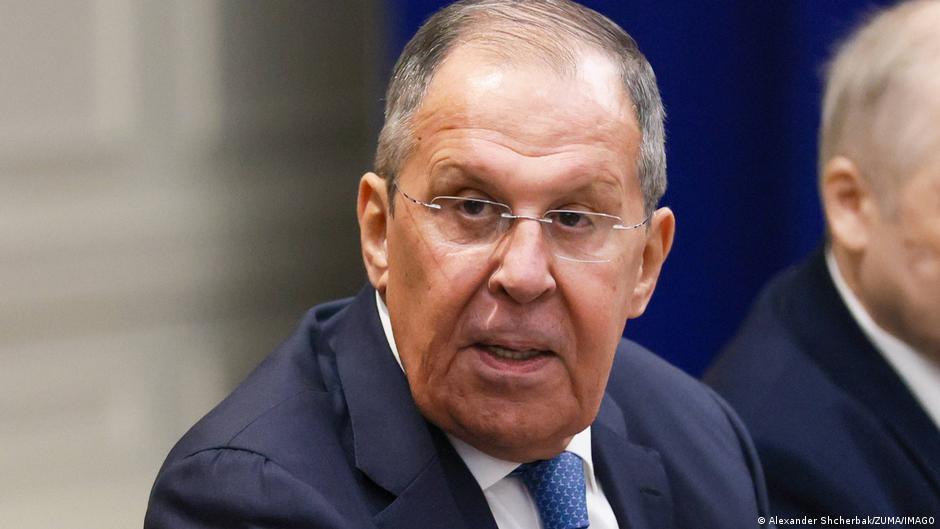
Russia says it will not pause operations for Ukraine talks, even as Washington offers to support ceasefire efforts and keeps channels open.

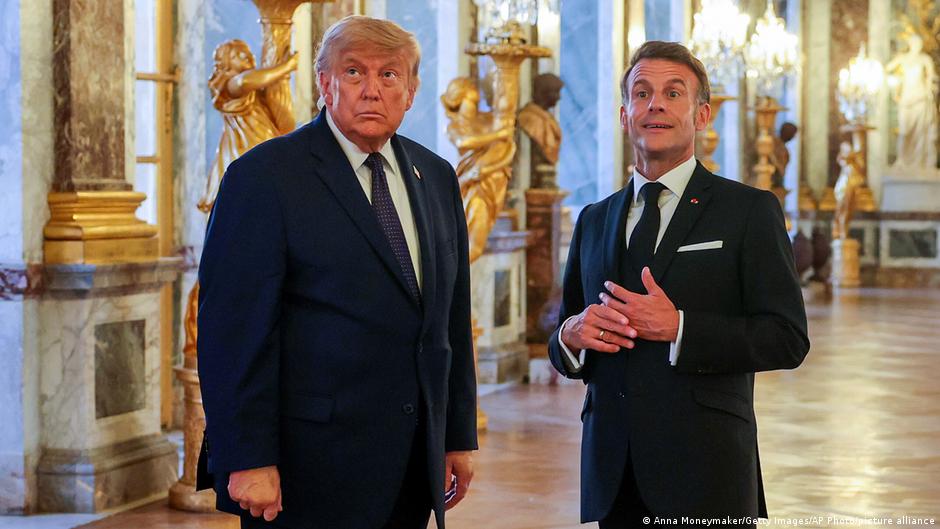
Macron and Trump discussed a moratorium on strikes against Ukraine’s energy and civilian infrastructure and stronger air defenses for Kyiv.

Saudi Arabia says it intercepted a Houthi ballistic missile aimed at Riyadh as attacks intensify around oil infrastructure and Red Sea trade routes.

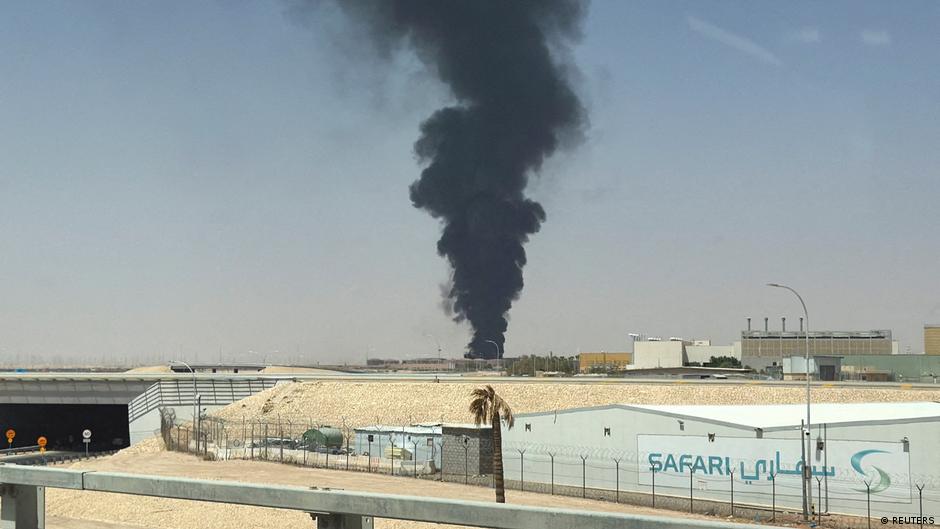
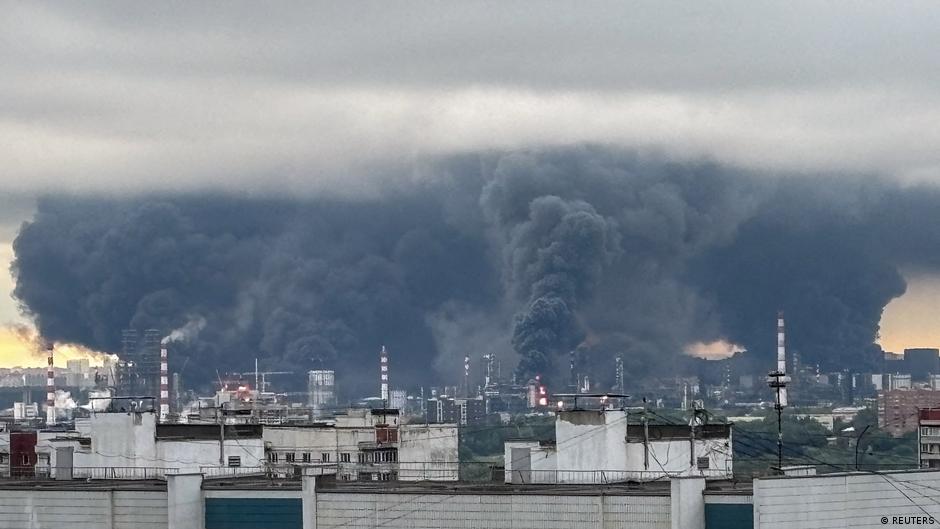
A large reported drone attack near Moscow killed two people, damaged sites including a refinery area, and briefly halted three airports.

Trump signed the Graham sanctions law, giving the U.S. broad tariff powers over major buyers of Russian energy and sanctions evasion networks.

Russia is expected at G20 energy talks in Houston as governments weigh energy security, sanctions and Red Sea risks.

The Houthi capture of Mocha strengthens their position near Bab el-Mandeb, increasing risks to oil flows, prices and U.S. policy options.

Zelensky expects late-September US talks on food and energy security as Ukraine warns of Black Sea export disruption and infrastructure attacks.

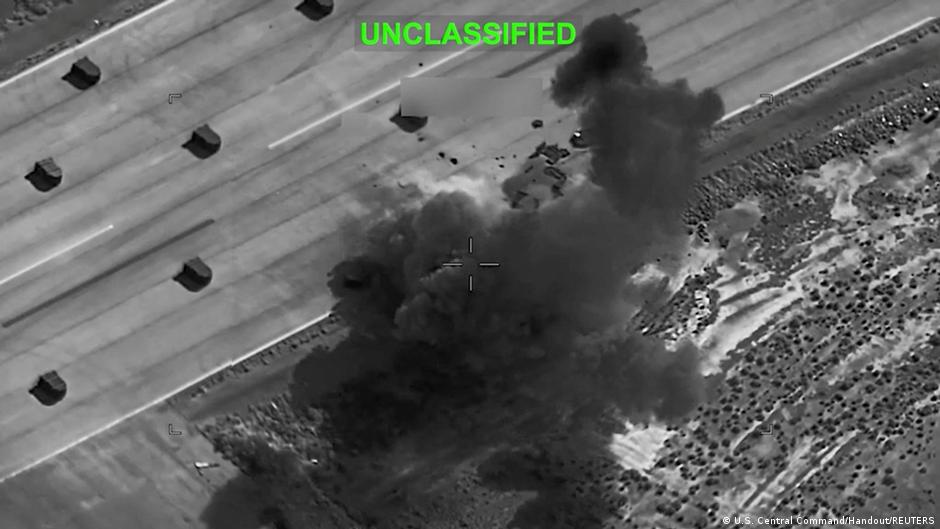
CENTCOM said it destroyed five Iranian oil tankers after IRGC missile attacks, deepening risks around Gulf shipping and oil markets.

Russian drone and missile strikes hit Kyiv and nearby industrial sites as Ukraine and Russia signal openness to a possible trilateral talks format.

Germany is preparing a broad anti-sabotage shield against Russian hybrid threats, with new drone defenses, cyber monitoring and roles for critical infrastructure firms.

U.S. envoys discussed concrete Ukraine peace plans with Putin before Kyiv talks, raising major questions for sanctions, security and markets.

Daniel Driscoll’s reported resignation adds to Pentagon turnover and raises questions over U.S. defense policy, procurement priorities and wider economic effects.

President Trump plans to declare the Strait of Hormuz US territory, signaling a permanent military presence with significant risks for global energy markets and geopolitical stability.

The US disabled a Panama-flagged cargo ship attempting to breach Iran's blockade, reinforcing Washington's strategic control over the Strait of Hormuz amidst rising regional tensions.

The EU and Ukraine welcome new US sanctions targeting Russia's energy sector and officials, highlighting coordinated Western efforts amid shifting global economic dynamics.

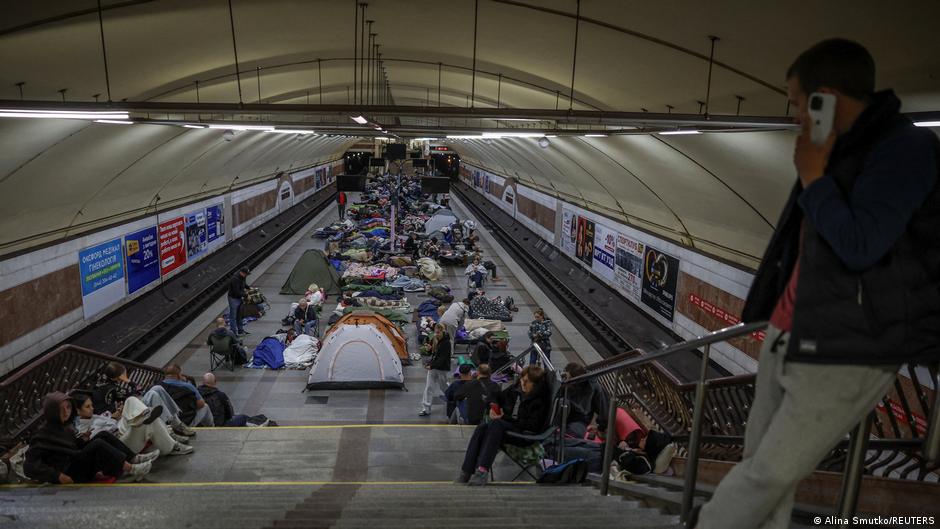
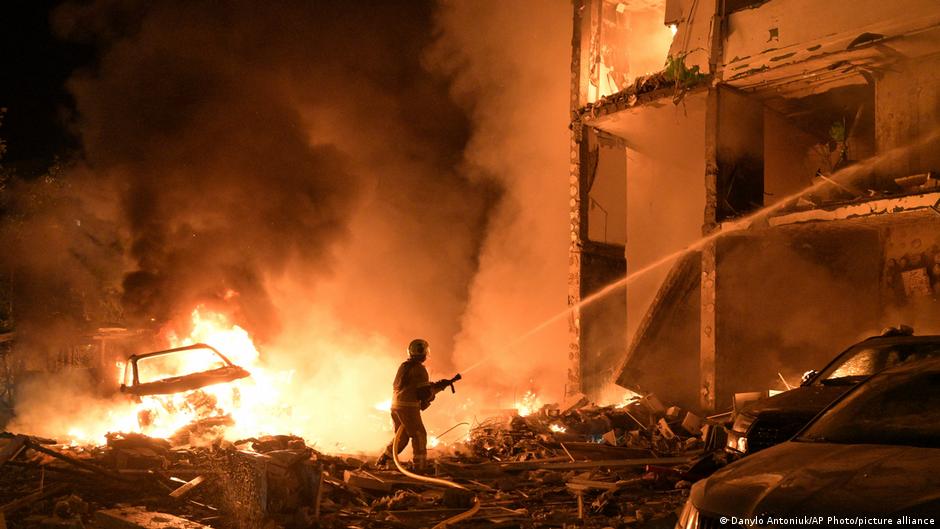
Nighttime Russian missile attacks on Kyiv and its region caused civilian deaths, injuries, and fires, highlighting ongoing conflict risks to regional stability and economic security.

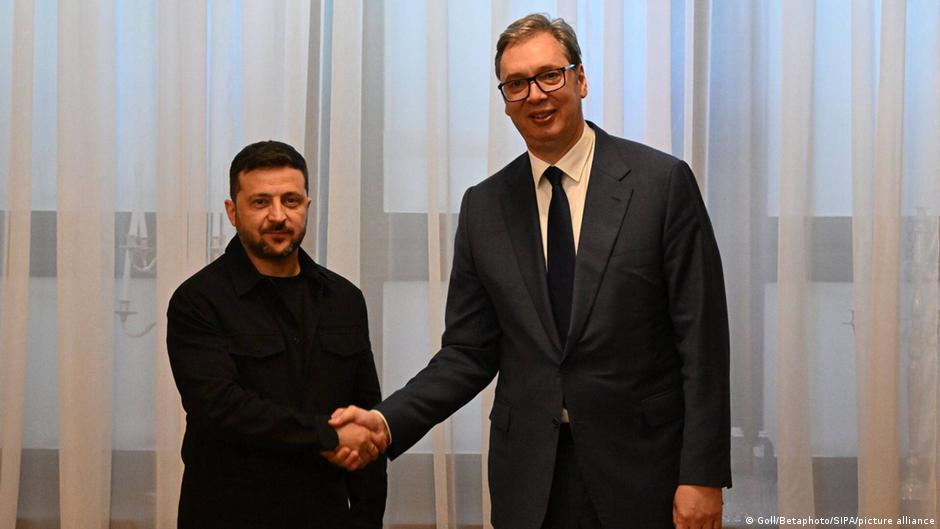
Ukrainian President Zelensky’s first visit to Serbia since the war aims to deepen economic cooperation and address energy and security ties amid complex regional dynamics.

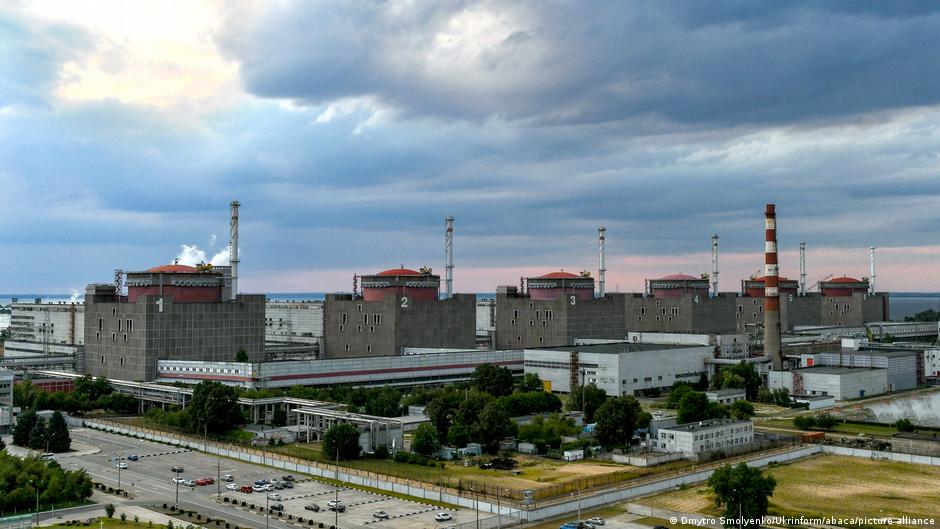
The Zaporizhzhia nuclear plant in Ukraine lost external power for the 23rd time since the Russian invasion, raising serious safety and regional energy security concerns.

NATO is contemplating deployment of tactical nuclear weapons in Finland, Poland, and Lithuania, marking a strategic shift amid rising security tensions with Russia.

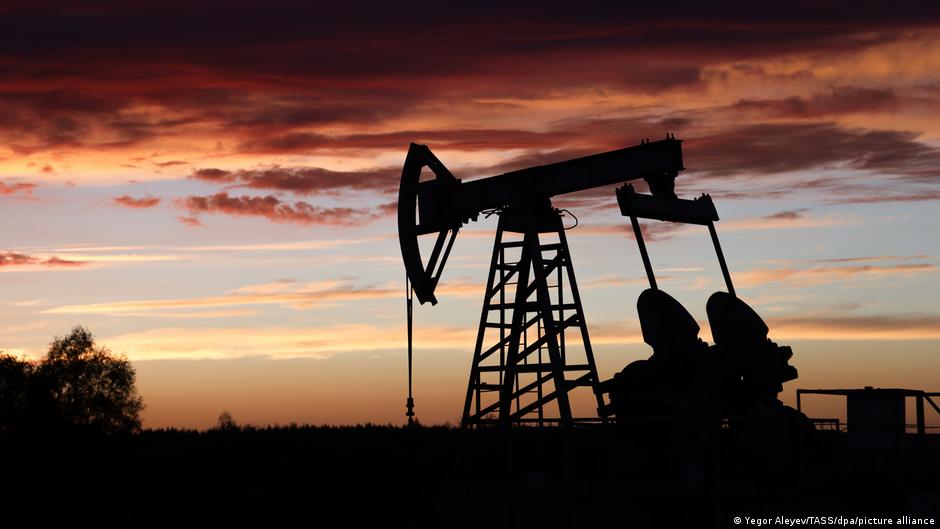
Russia’s July oil and gas revenues may rise 60% year-on-year due to higher global prices, despite sustained EU sanctions targeting its energy exports.

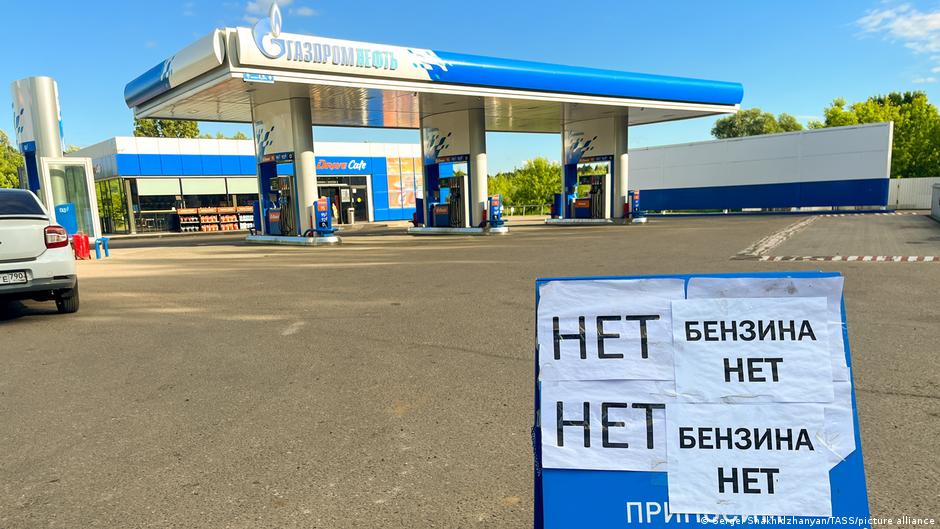
Russia’s oil product production fell nearly 22% in June amid intensified attacks on its refining infrastructure, triggering fuel shortages and price volatility with global economic implications.

Iran’s IRGC mined an oil tanker near the Strait of Hormuz, escalating maritime tensions and threatening global oil supply chains in a critical transit corridor.

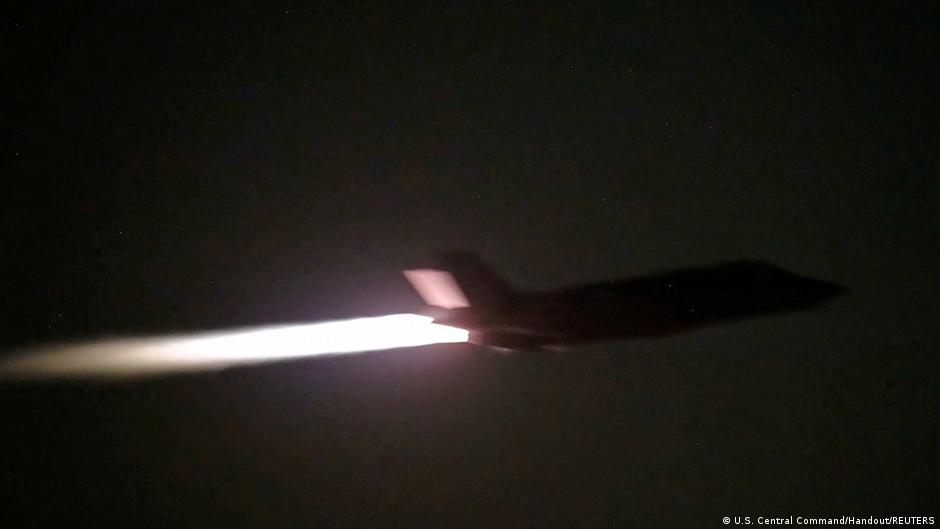
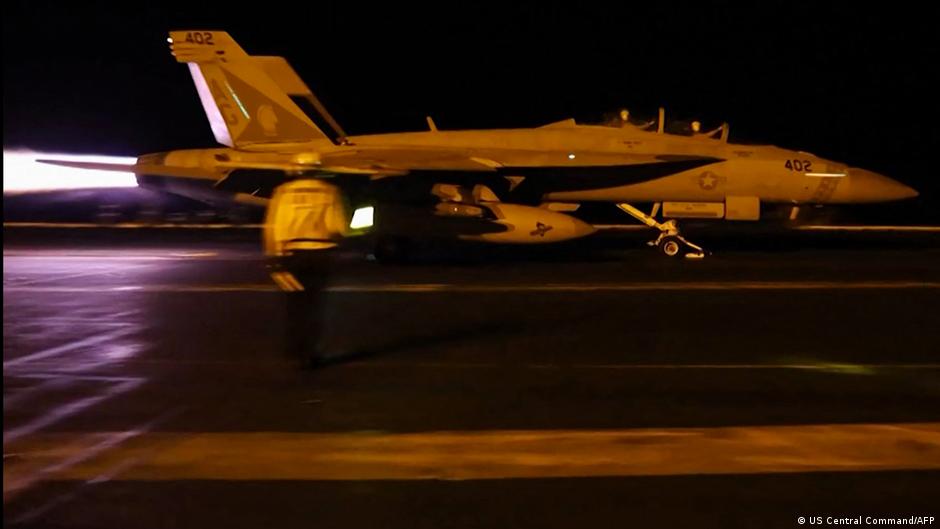
The US has conducted 11 consecutive nights of strikes against Iranian military targets, escalating tensions in the Gulf and threatening key global energy routes.

The US military continues its offensive against Iran, targeting strategic sites in the Strait of Hormuz amid escalating regional tensions with significant global economic implications.

The IMF approved a €604 million disbursement to Ukraine, recognizing its progress under the EFF program amid war, despite delays in structural reforms and revised growth forecasts.

US military casualties in the Iran conflict have risen to 17, accompanied by increased US military deployments and retaliatory strikes, impacting global economic and security dynamics.

US military strikes in Iran continue for the ninth night, escalating tensions in the Strait of Hormuz and impacting global energy supply routes.

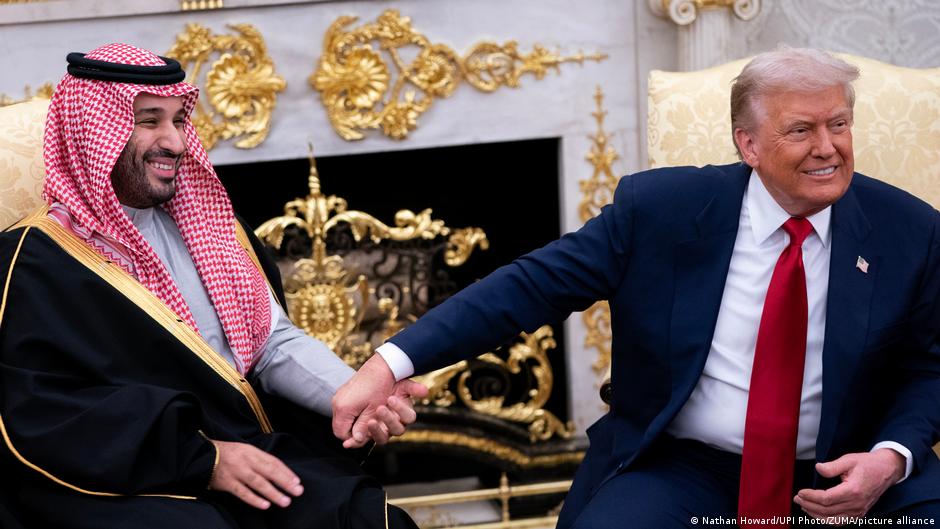
The US administration is poised to allow Saudi Arabia to enrich uranium without enhanced IAEA safeguards, raising concerns over nuclear proliferation and regional stability.

The US is advancing plans to restore an Iraq-Syria oil pipeline to bypass the Strait of Hormuz, aiming to reduce Iranian influence and diversify energy export routes amid rising Middle East tensions.

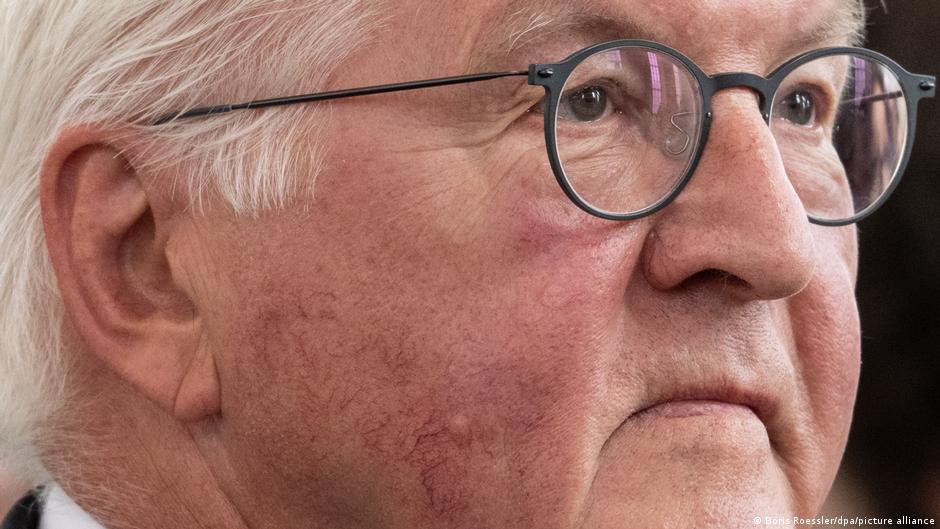
German President Steinmeier calls for Europe to uphold international law and counteract the ruthless geopolitical strategies of Russia and the US amid rising populism and reform challenges.

The US has launched new strikes against Iran to secure the strategic Strait of Hormuz, a critical route for global oil trade, amid escalating military tensions and attacks on civilian vessels.

US military strikes on Iran escalate after attacks in the Strait of Hormuz, closing this key oil export route and raising global economic risks.

Russia’s missile strikes on Kyiv intensify civilian casualties amid rising hostilities, with major implications for regional stability and global energy markets.

The Saratov refinery’s shutdown after Ukrainian drone attacks worsens Russia’s fuel crisis, disrupting 25% of refining capacity and impacting millions amid wartime economic pressures.