Western Embassy Relocation Plans Signal Rising Economic Risk in Ukraine
Western contingency plans to move embassies from Kyiv point to rising concern over Ukraine’s winter energy resilience and economic stability.

Western contingency plans to move embassies from Kyiv point to rising concern over Ukraine’s winter energy resilience and economic stability.

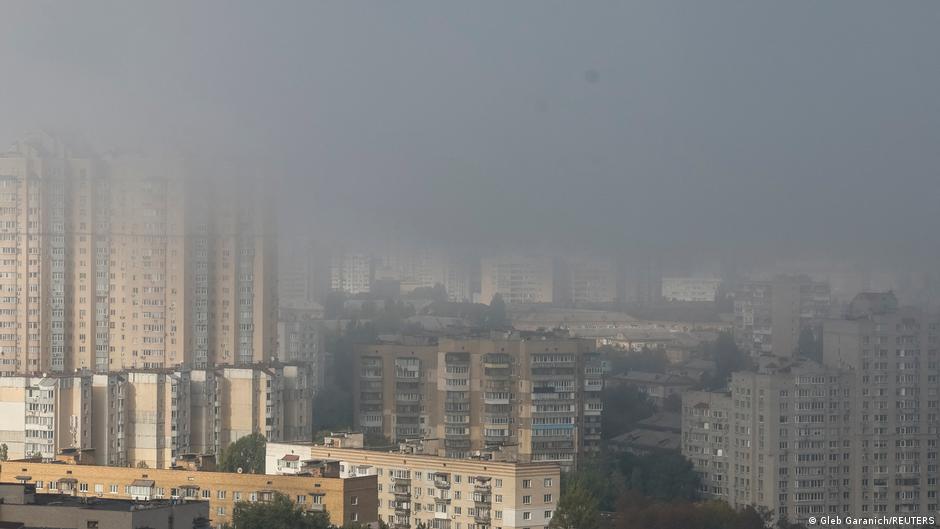
Russian attacks damaged property in Kyiv, Odesa, Sumy and Kyiv region while forcing new electricity limits across parts of Ukraine.

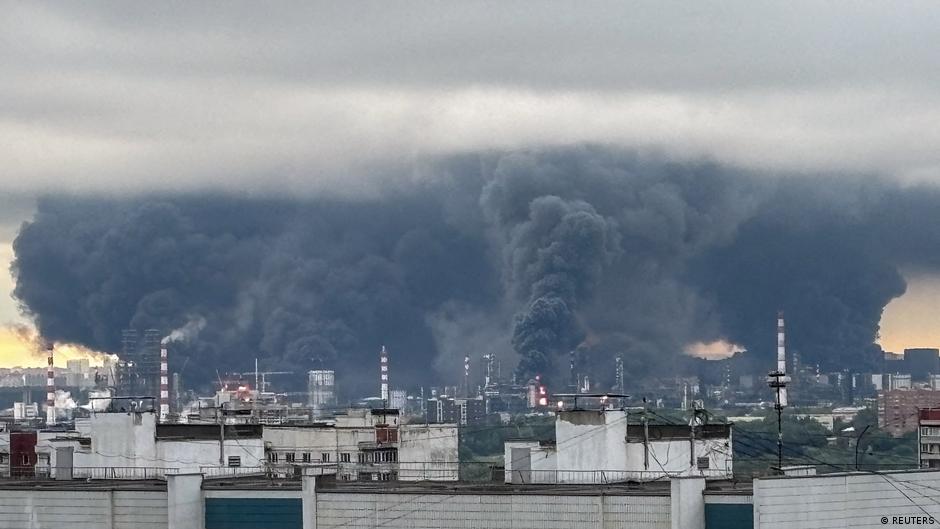
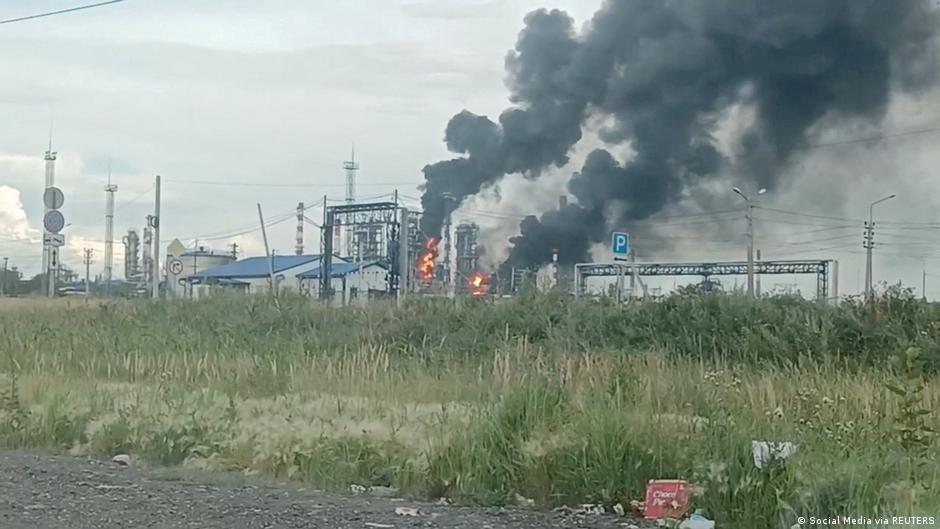
A large reported drone attack near Moscow killed two people, damaged sites including a refinery area, and briefly halted three airports.

Russia is expected at G20 energy talks in Houston as governments weigh energy security, sanctions and Red Sea risks.

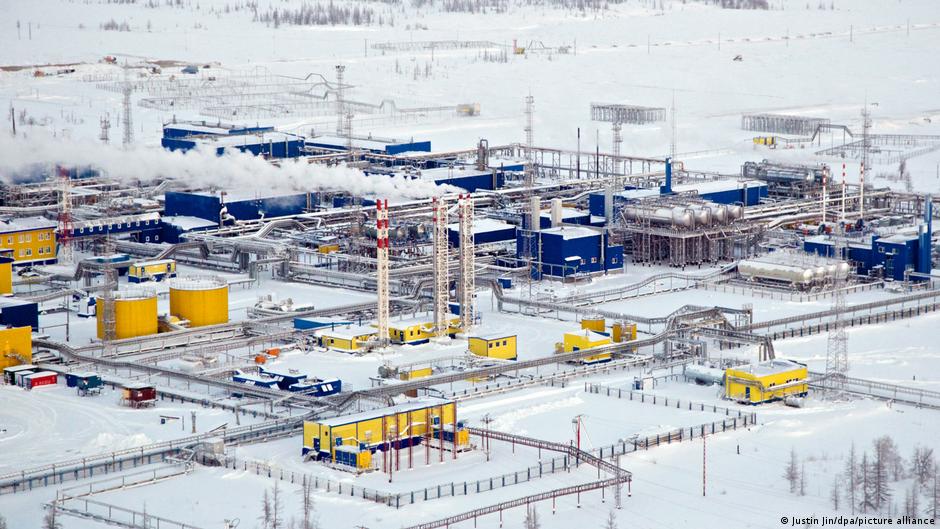
A reported drone strike in Russia’s Yamal gas region highlights rising infrastructure risk in a core pillar of the country’s energy economy.

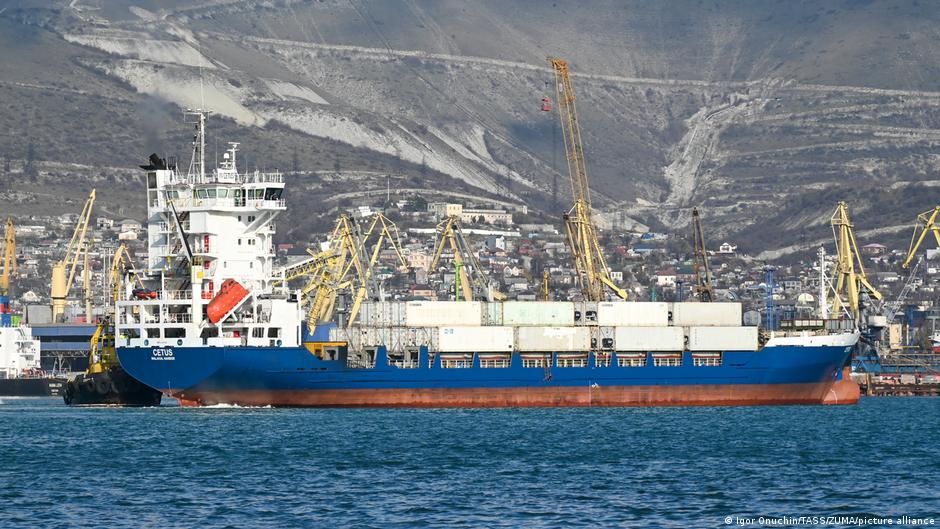
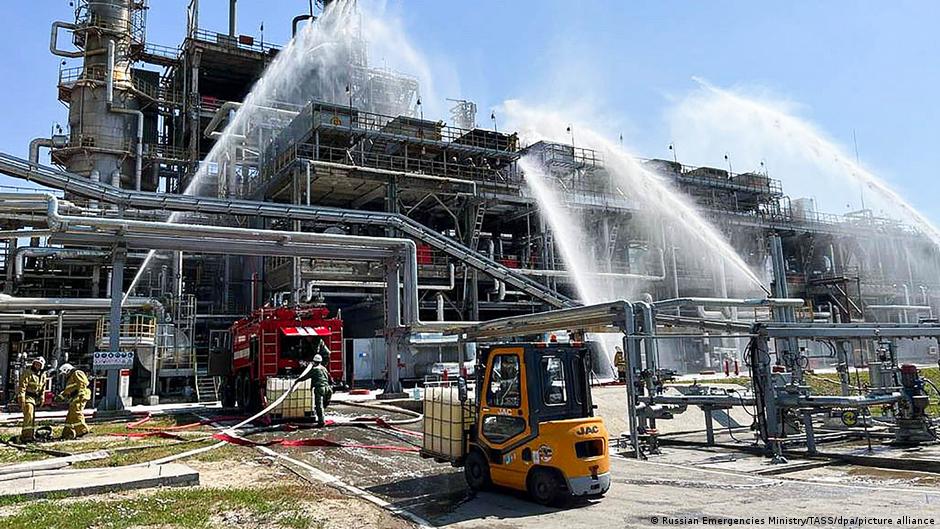
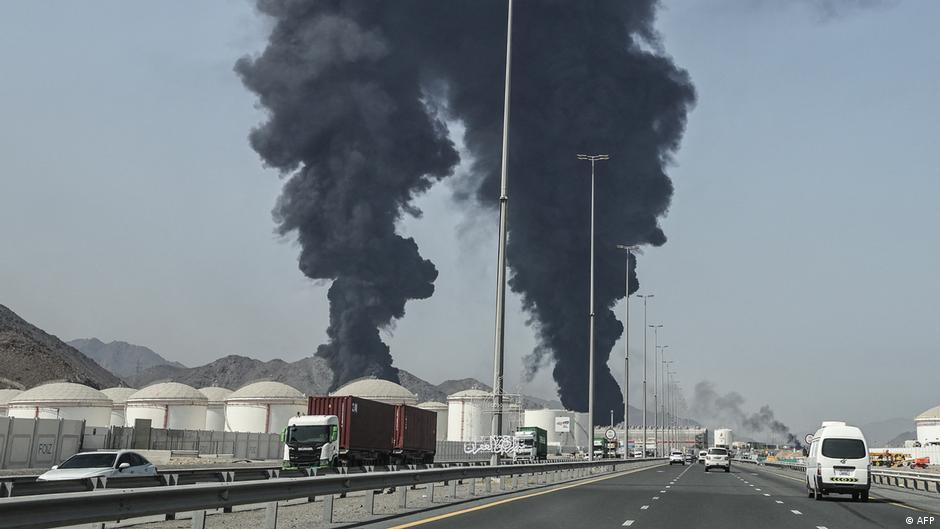
A drone attack on Novorossiysk caused fires at a fuel oil terminal and residential building, raising risks for Russian oil, grain and cargo flows.

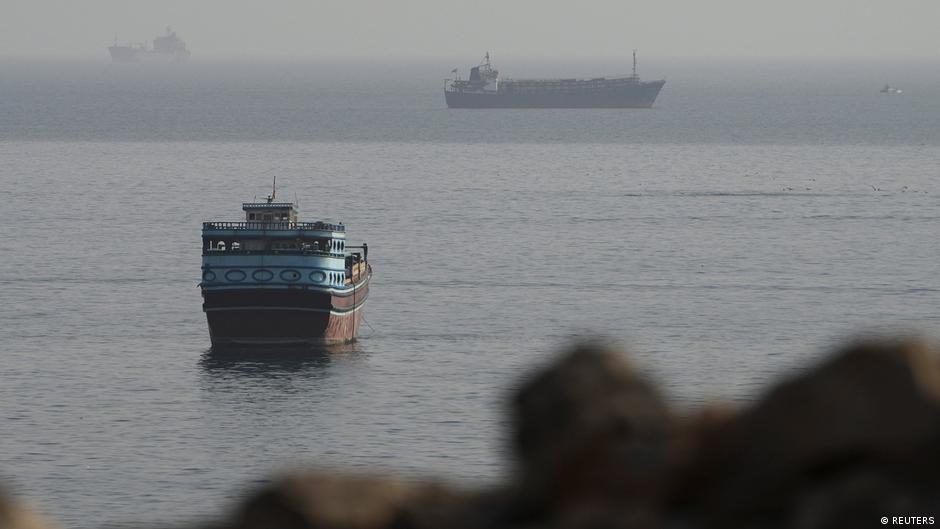
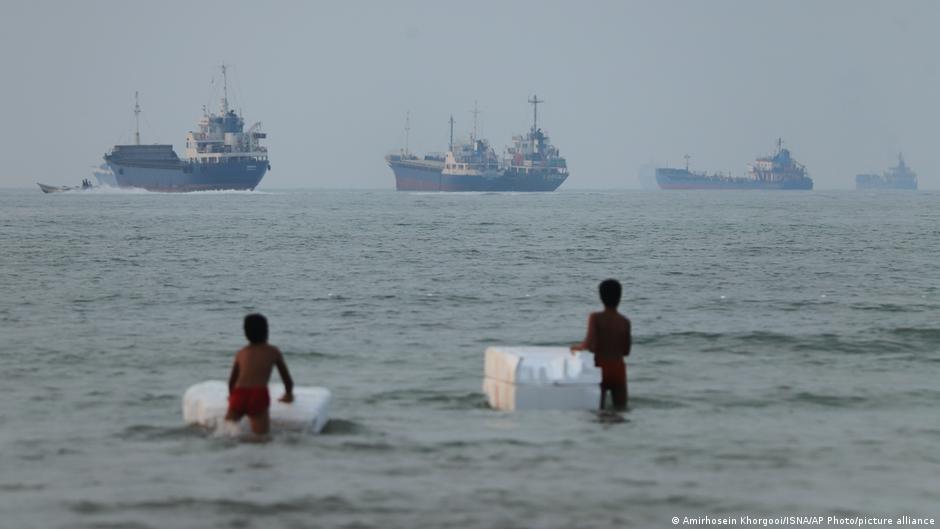
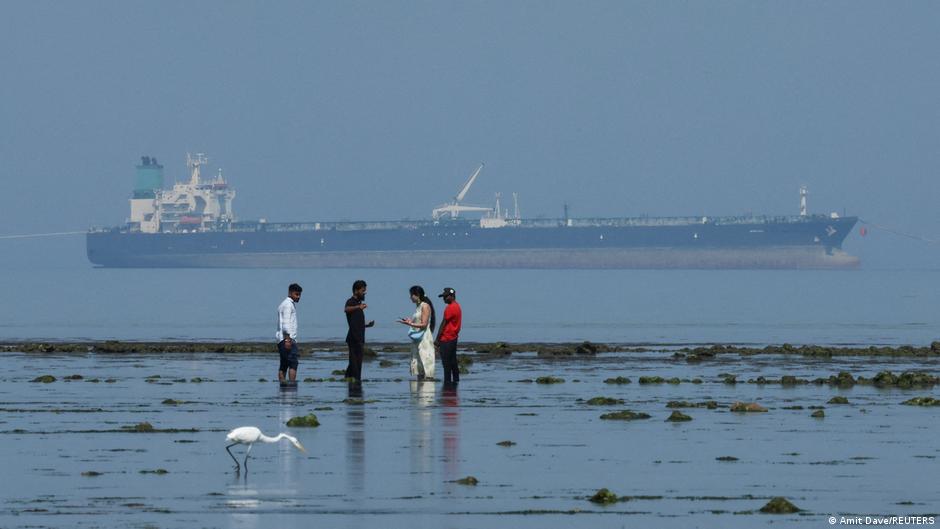
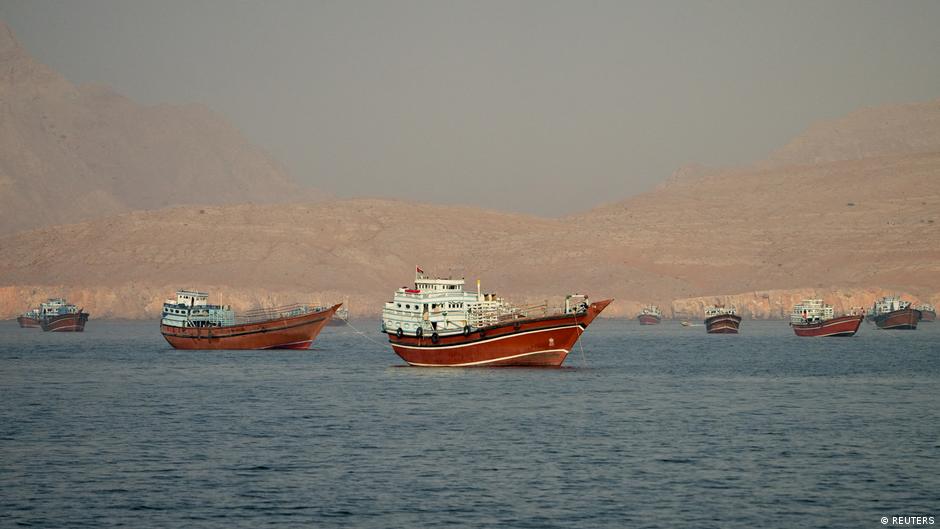
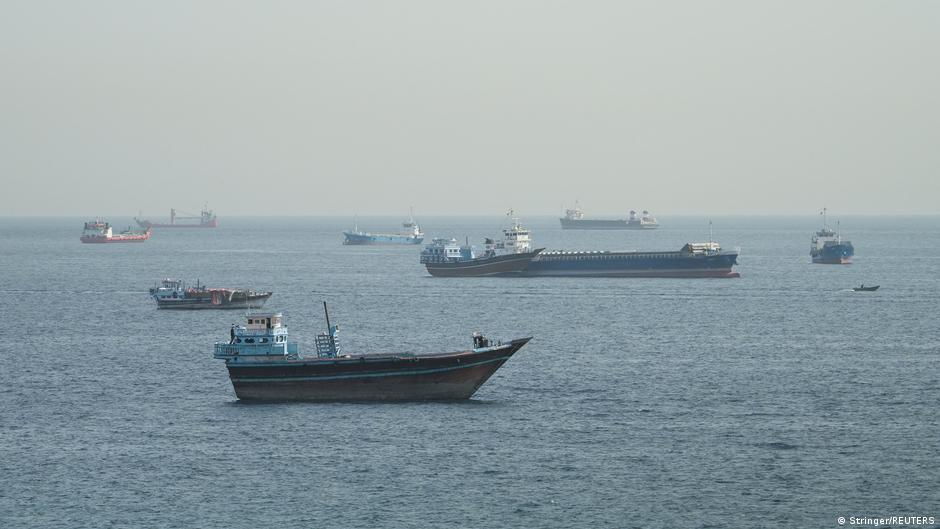
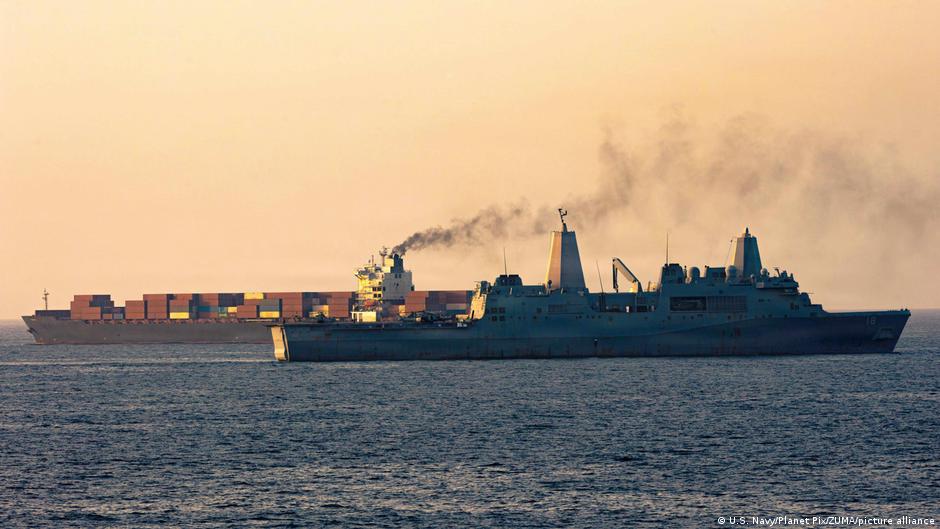
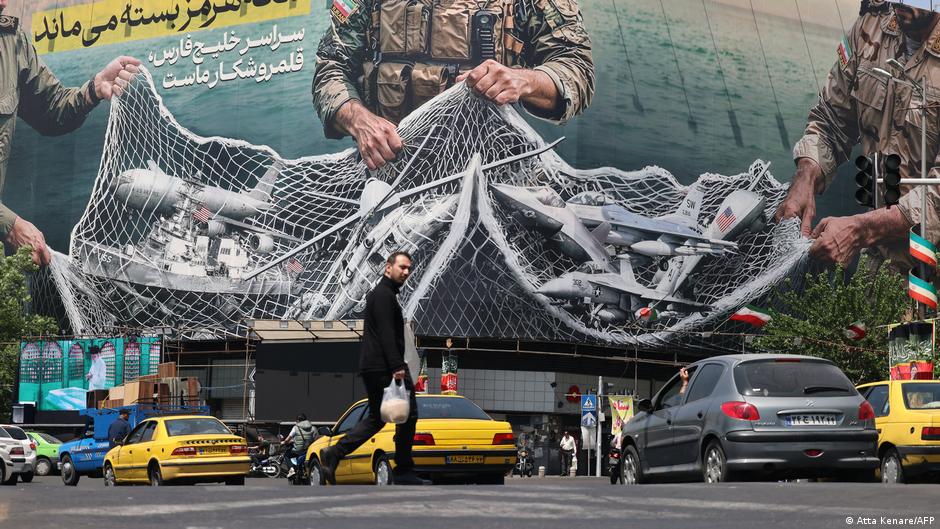
The US disabled a Panama-flagged cargo ship attempting to breach Iran's blockade, reinforcing Washington's strategic control over the Strait of Hormuz amidst rising regional tensions.

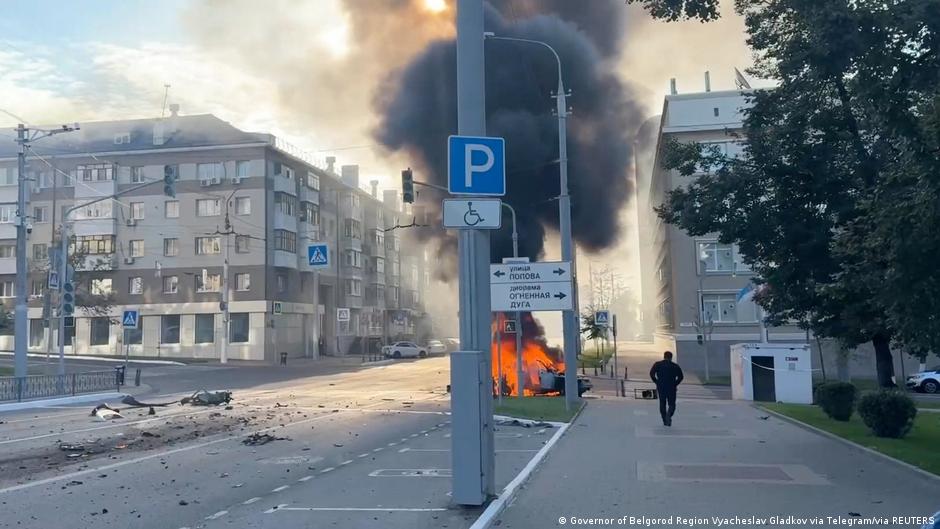
Drone attacks on the Russian border city Belgorod caused injuries and significant damage to residential and energy infrastructure, raising concerns about regional stability and economic impacts.

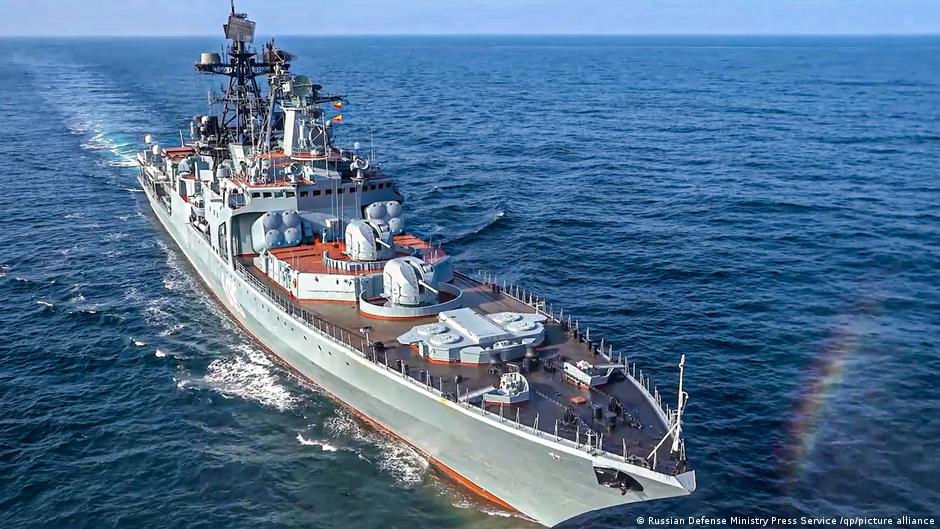
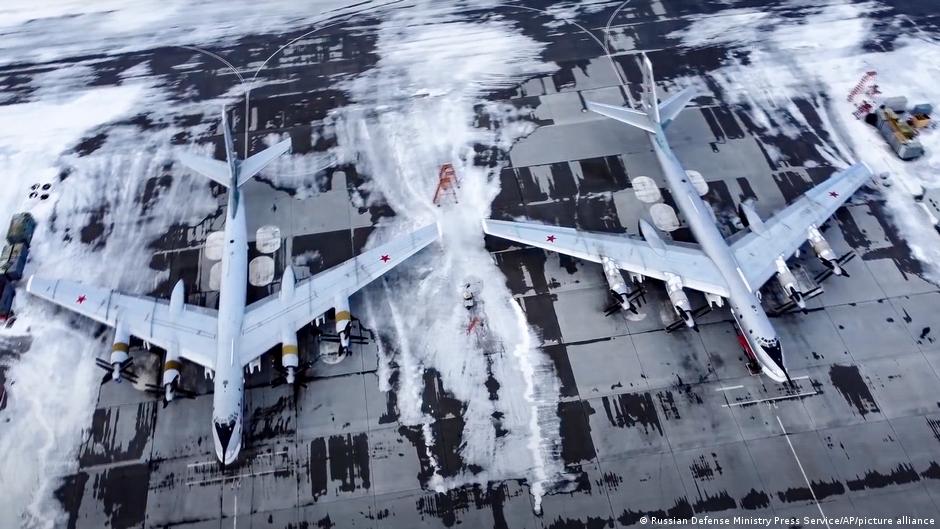
Russia has redeployed the Northern Fleet's large anti-submarine ship Admiral Levchenko near German waters, signaling strategic maritime shifts with significant implications for Baltic security and global trade.

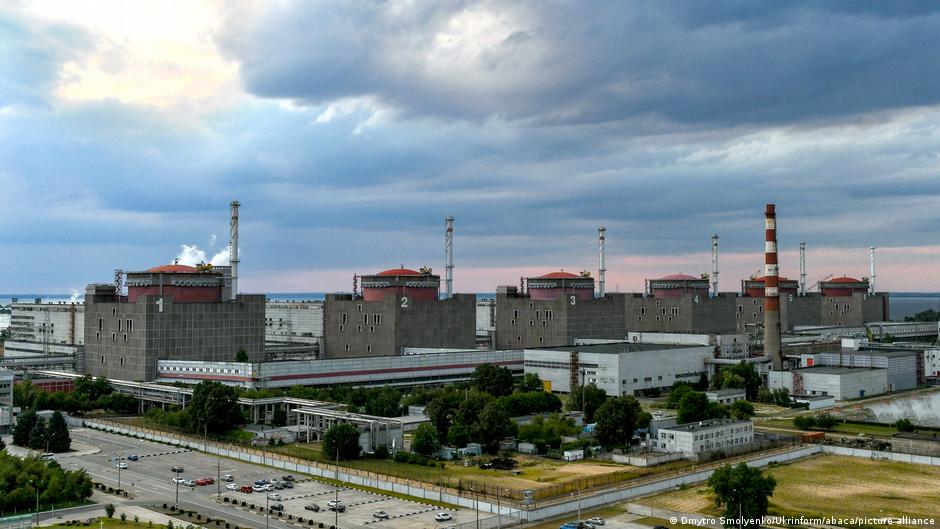
The Zaporizhzhia nuclear plant in Ukraine lost external power for the 23rd time since the Russian invasion, raising serious safety and regional energy security concerns.

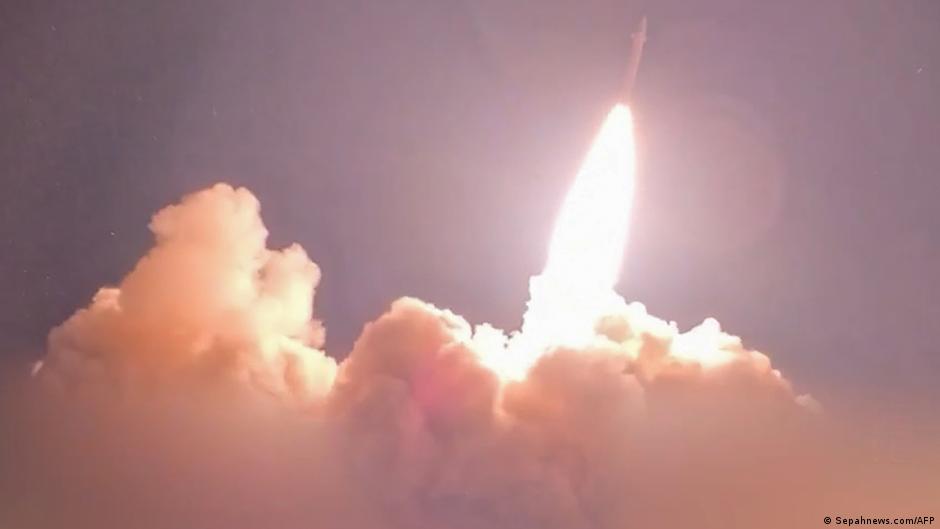
US forces intercepted Iranian ballistic missiles targeting American troops in the Middle East, underscoring rising regional tensions and global economic risks linked to energy supply security.

Drone strikes on Russian cities Belgorod, Rostov-on-Don, and Engels highlight increasing security risks and potential economic disruptions to critical infrastructure.

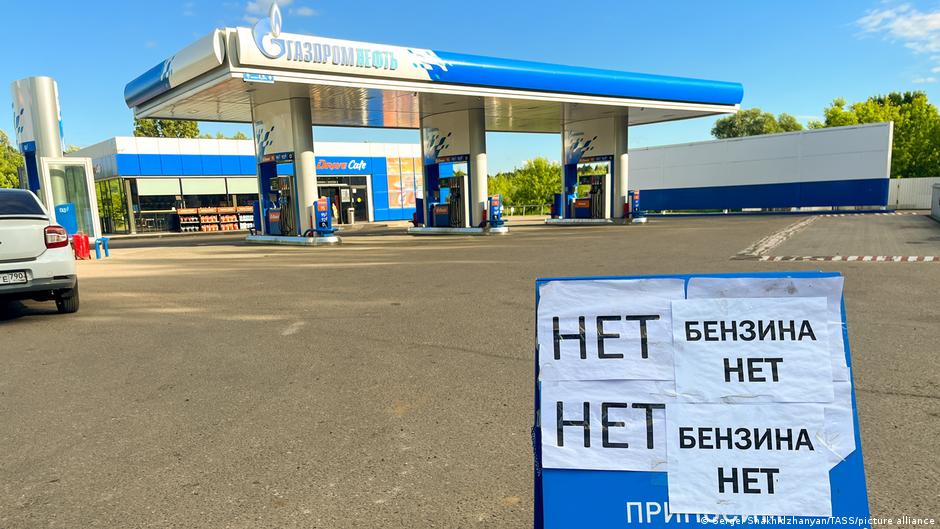
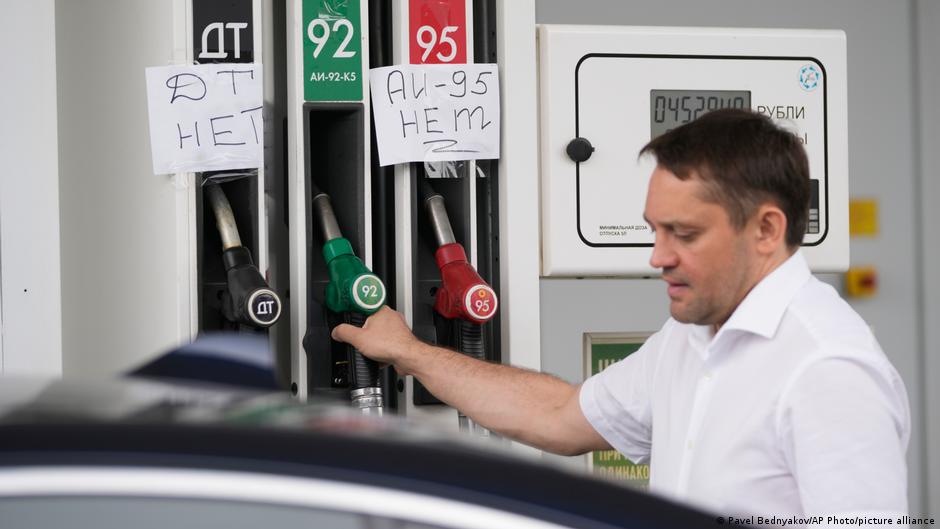
Russia’s oil product production fell nearly 22% in June amid intensified attacks on its refining infrastructure, triggering fuel shortages and price volatility with global economic implications.

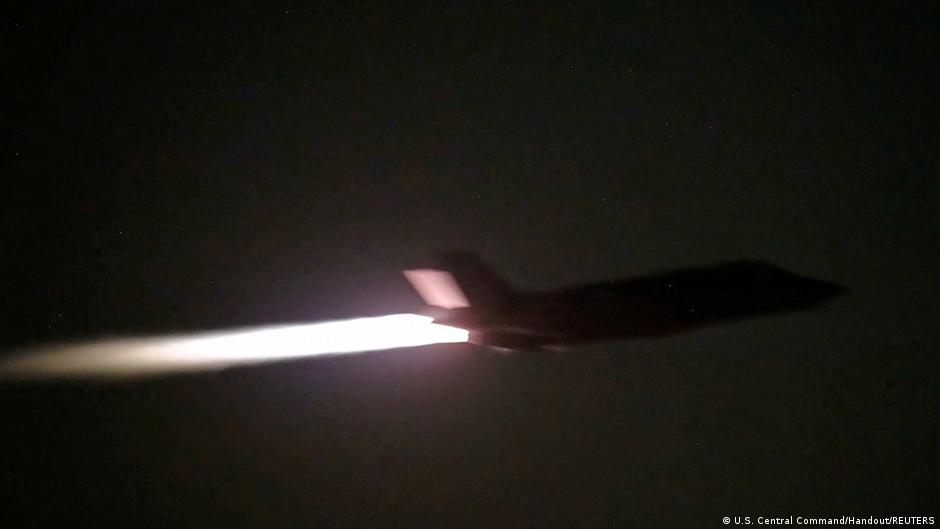
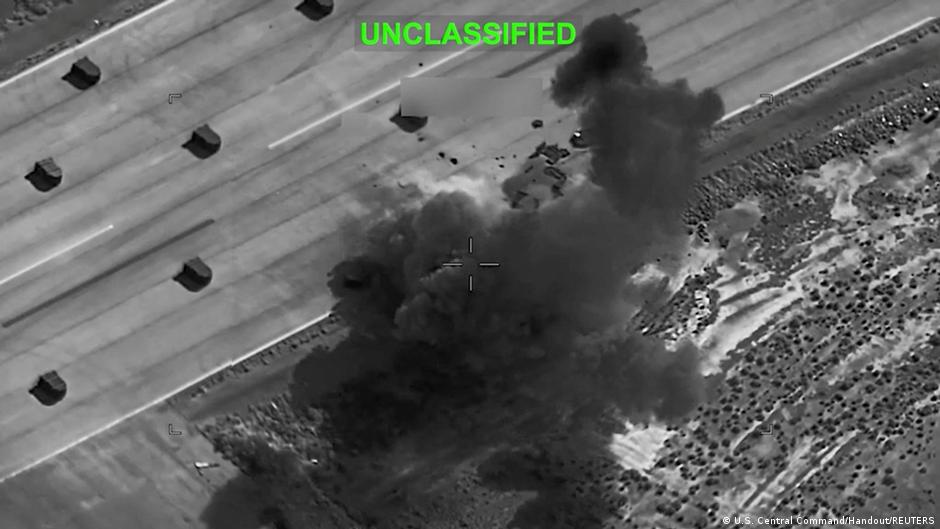
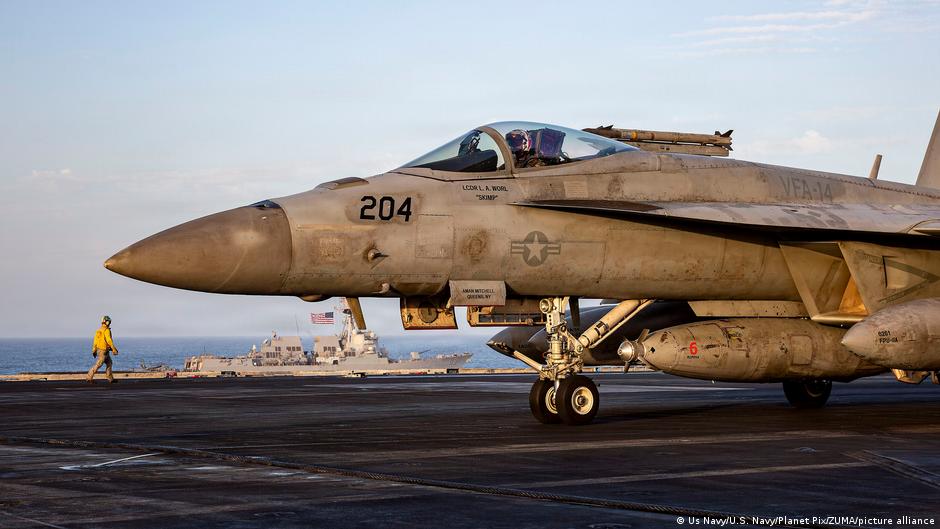
The US has conducted 11 consecutive nights of strikes against Iranian military targets, escalating tensions in the Gulf and threatening key global energy routes.

US military strikes in Iran continue for the ninth night, escalating tensions in the Strait of Hormuz and impacting global energy supply routes.

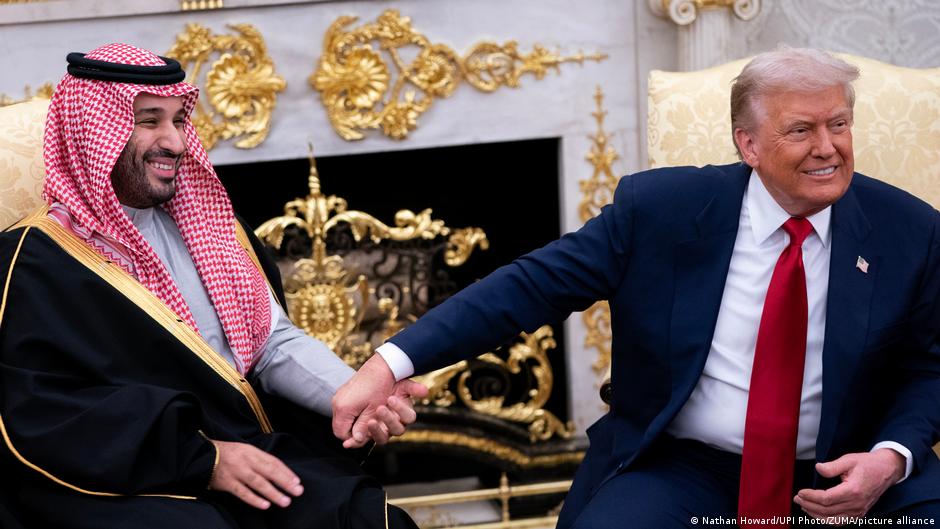
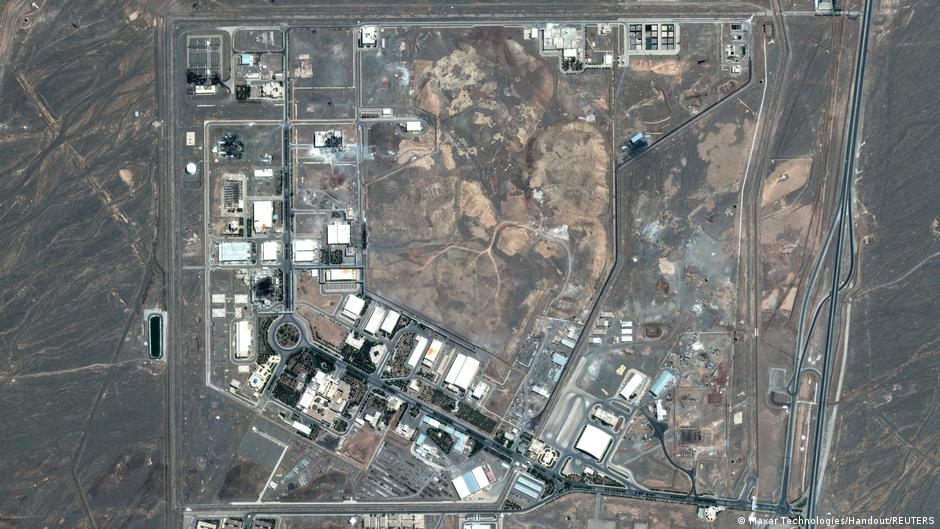
The US administration is poised to allow Saudi Arabia to enrich uranium without enhanced IAEA safeguards, raising concerns over nuclear proliferation and regional stability.

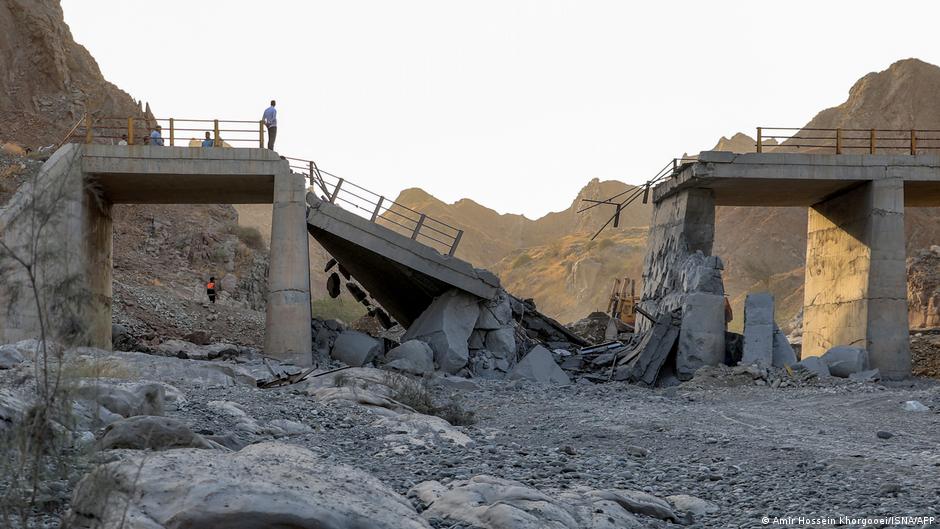
US military strikes on Iran escalate after attacks in the Strait of Hormuz, closing this key oil export route and raising global economic risks.

The Saratov refinery’s shutdown after Ukrainian drone attacks worsens Russia’s fuel crisis, disrupting 25% of refining capacity and impacting millions amid wartime economic pressures.

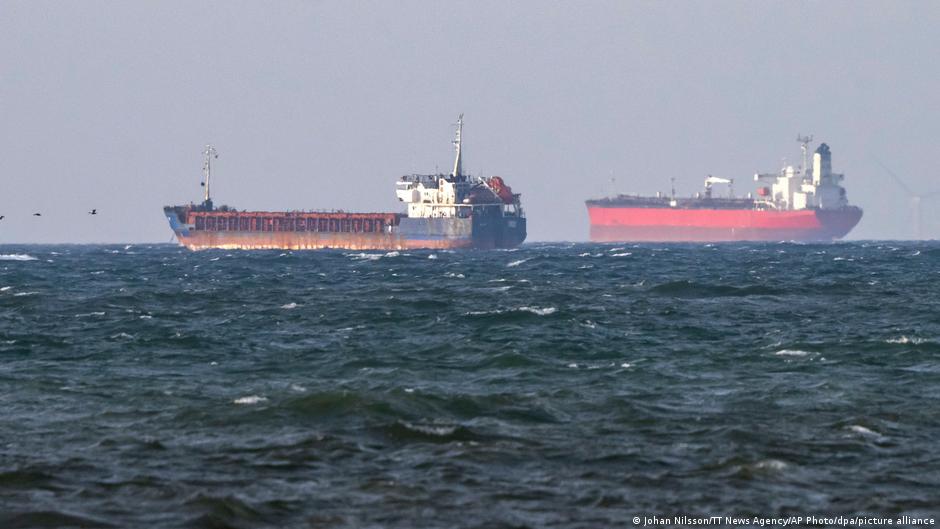
US military strikes on Iran follow attacks on tankers near the Strait of Hormuz, escalating Gulf tensions with significant implications for global energy security and maritime trade.

Gazprom has contracted with Russia's Defense Ministry to form mobile units protecting gas infrastructure, reflecting heightened security concerns amid geopolitical tensions and economic risks.

Russia permits continued use of higher-sulfur Euro-3 fuels domestically until 2026 amid refining disruptions, excluding exports to EAEU countries, signaling a shift in energy policy priorities.
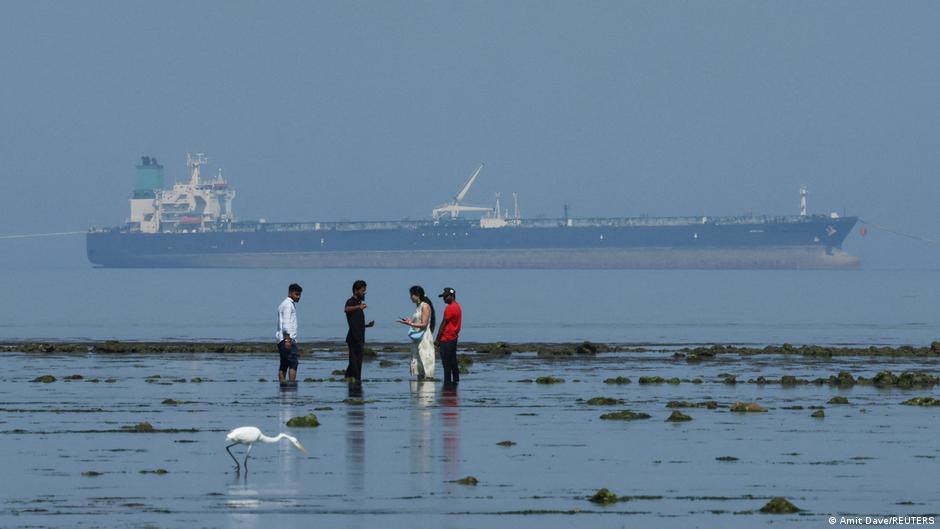
US forces struck Iranian military sites following attacks on commercial vessels in the Strait of Hormuz, heightening geopolitical risks to global energy supply and economic stability.

Russia's aviation fuel imports from Belarus surged nearly fourfold in May 2026 amid domestic production setbacks, prompting policy shifts and regional supply realignments.
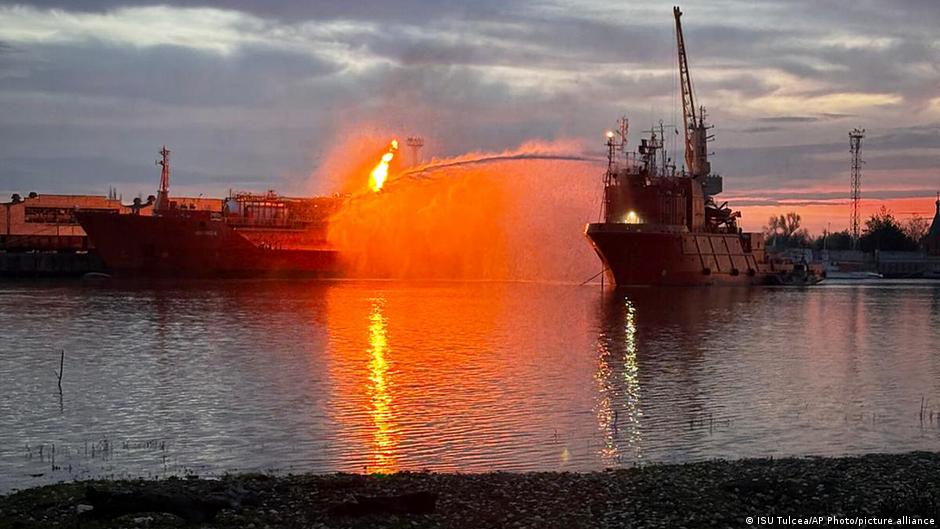
Drone attacks caused fires at the Poltava oil depot near Krasnodar and struck key energy infrastructure in Crimea, highlighting growing risks to regional energy security amidst escalating conflict.

Russia has reached its highest weekly maritime oil export levels since early 2026, despite falling global prices and renewed competition from Iranian crude following US-Iran diplomatic progress.

Ukrainian drone attacks on Crimean ports and energy facilities highlight rising regional tensions and risks to energy logistics and economic stability.

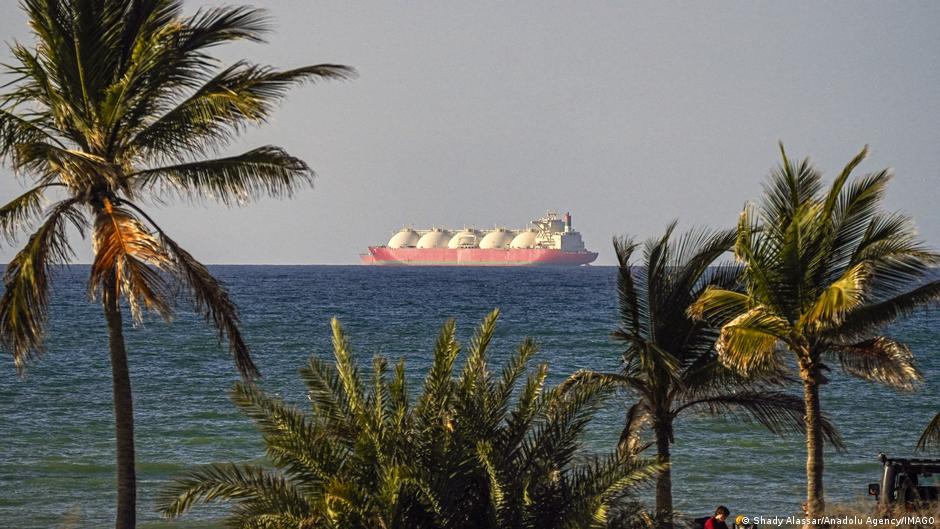
Pakistan announces the immediate reopening of the Strait of Hormuz following a US-Iran memorandum, signaling a major shift with global economic implications.

France, Germany, UK, and Italy endorse the US-Iran agreement as a vital step toward regional peace and global economic stability, stressing the need to prevent Iran’s nuclear armament.

US Treasury extends MOL’s deadline to June 16 for acquiring Gazprom’s stake in Serbian oil firm NIS amid sanctions, with potential implications for Southeast European energy security.

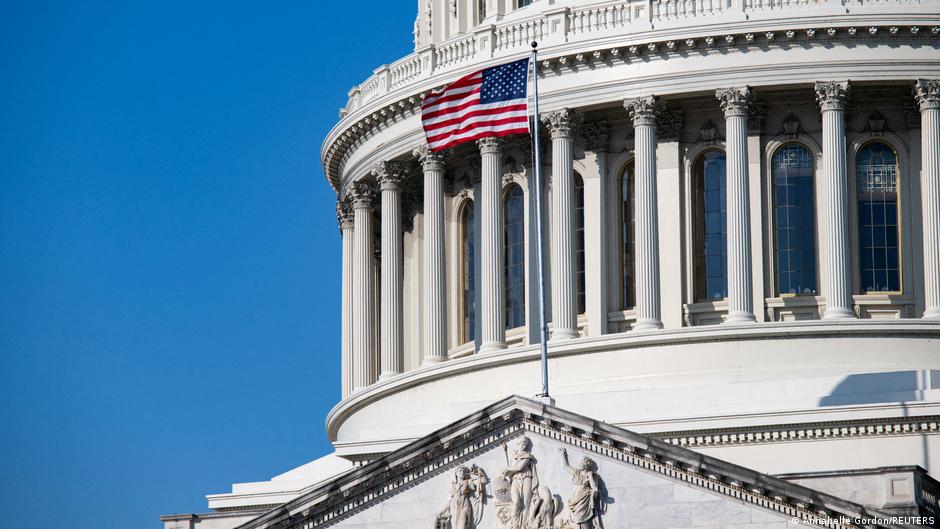
The US House restricts presidential war powers on Iran in a bipartisan vote, reflecting growing congressional resistance and potential impacts on global stability.

Advisor to Rosneft warns Russia faces decades-long conflict, requiring economic restructuring to balance development with defense amid rising security threats.

The US has covertly aided around 70 commercial ships navigating Iran-blocked Strait of Hormuz, reflecting heightened geopolitical tensions and risks to global energy supplies.

The US military disabled a Gambian-flagged ship heading to Iran, enforcing a Strait of Hormuz blockade amid escalating regional tensions and impacting global trade routes.

Drone attacks in Russia's Rostov and Saratov regions caused fires at key oil storage and refining facilities, raising concerns over energy infrastructure security amid conflict.

Trump demands Iran's enriched uranium stocks be destroyed in the U.S. or under IAEA supervision, intensifying nuclear tensions with global economic implications.

The UK has issued an indefinite license to import diesel and kerosene derived from Russian oil via third countries, easing sanctions amid global energy and economic pressures.

Russian missile and drone strikes on Ukrainian ports and energy infrastructure mark a dangerous escalation with broad global economic and energy security consequences.

The US has ended its temporary easing of sanctions on Russian oil exports, a move with significant implications for global energy markets and economic policy amid ongoing geopolitical tensions.

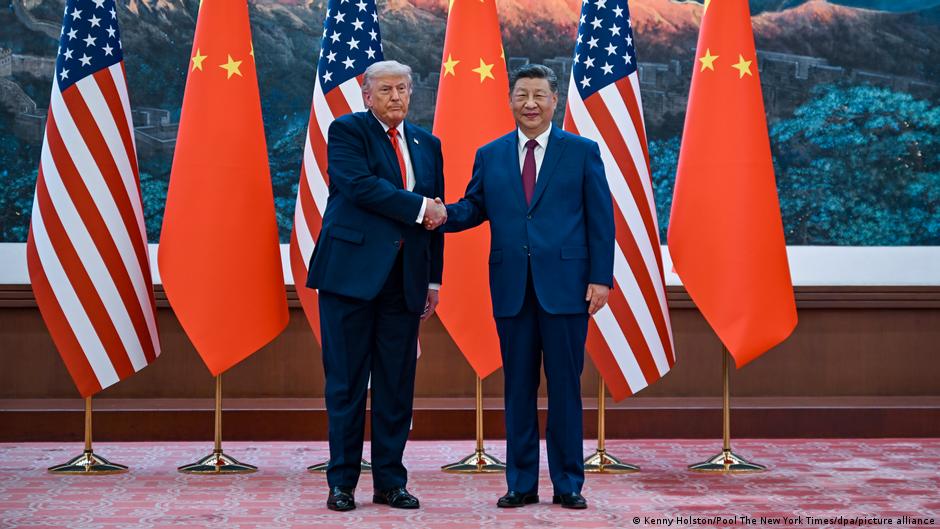
US President Trump and Chinese leader Xi Jinping meet in Beijing to discuss Iran Strait blockade, Taiwan tensions, and trade, signaling potential shifts in global economic dynamics.

The UAE has secretly conducted military strikes against Iran, marking a strategic shift amid rising Gulf tensions that impact regional stability and global economic interests.

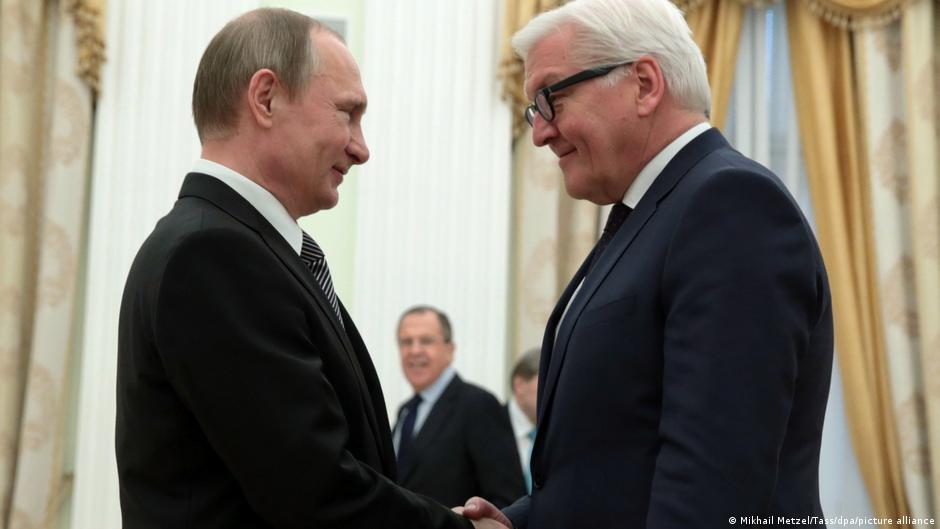
Germany considers President Steinmeier to represent the EU in Ukraine peace talks with Russia, amid skepticism over Moscow's negotiation intentions and strategic motives.

Latvia’s defense minister resigns after drones, likely Ukrainian, breach Latvian airspace, raising NATO security and regional economic stability concerns amid Russia-Ukraine conflict.

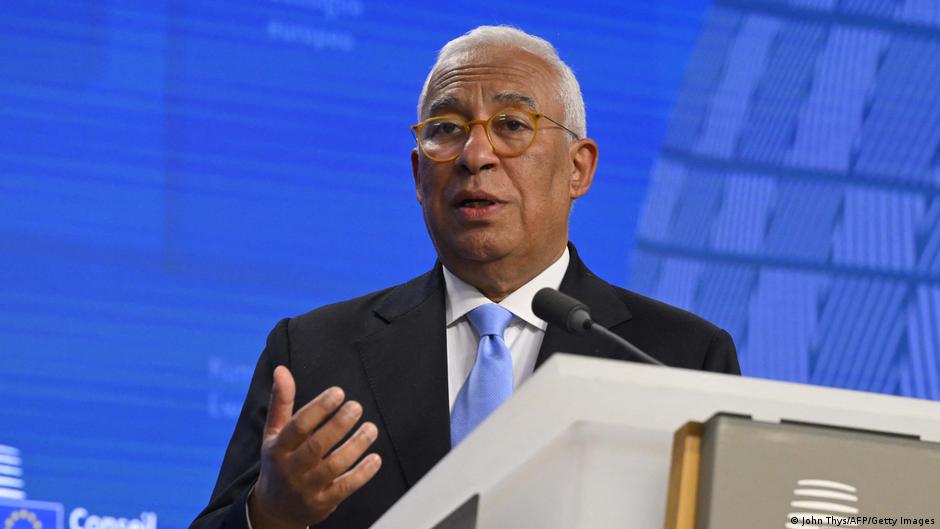
EU leaders are preparing for possible talks with Russia, signaling a strategic shift amid ongoing conflict and geopolitical tensions affecting global economic and policy frameworks.

Iran has presented a 14-point peace plan to the US detailing key conditions to end the Middle East conflict, while Washington remains skeptical about its acceptance.

US threats against Iran have driven Brent crude oil prices above $119 per barrel, raising concerns over long-term energy supply disruptions and global economic impacts.

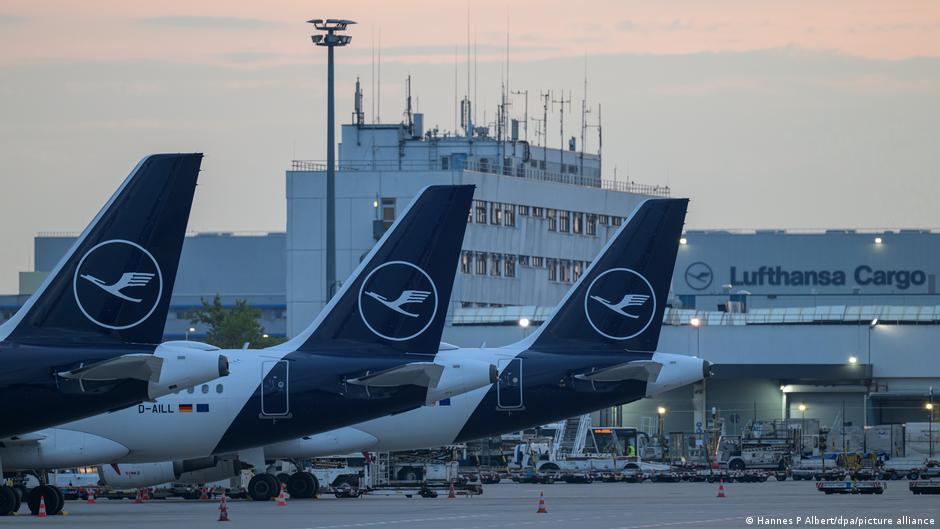
Lufthansa plans to cancel 20,000 flights in 2026 to save over 40,000 tons of jet fuel amid the energy crisis caused by Middle Eastern geopolitical tensions.

Iran accuses the US of violating a ceasefire after US forces seized an Iranian cargo ship in the Strait of Hormuz, heightening geopolitical and economic risks.

Global airline capacity is projected to decline by 3% in May due to soaring jet fuel costs amid the Iran conflict, posing risks to European and global economies.

The US has extended the suspension of sanctions on Russian oil shipments until May 16, impacting global energy markets and Russia’s oil revenue amid ongoing geopolitical tensions.

President Trump rejects NATO assistance in the Strait of Hormuz, while European nations prepare a peacekeeping mission amid ongoing Middle East tensions.