Lufthansa to Cancel 20,000 Flights in 2026 to Save Over 40,000 Tons of Jet Fuel Amid Energy Crisis
The German carrier plans large-scale flight cancellations from June to October 2026 as part of fuel-saving measures driven by geopolitical energy disruptions.
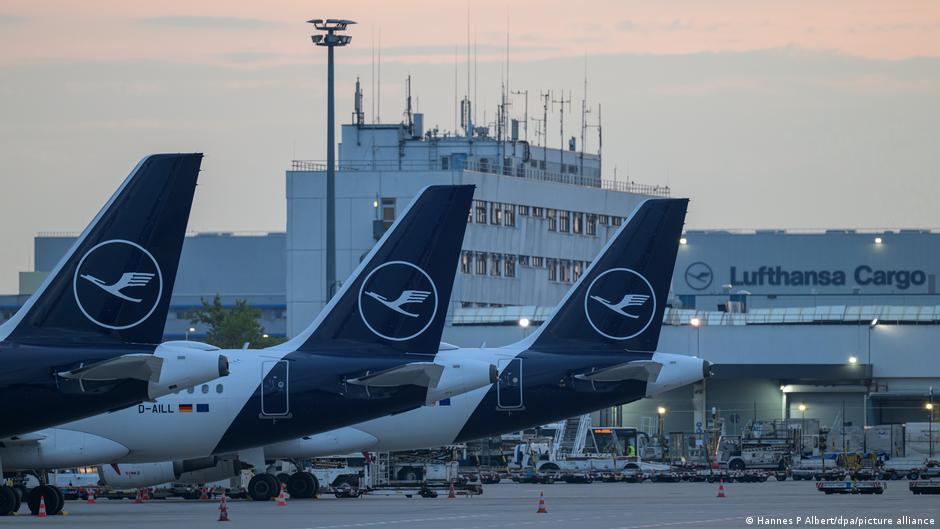
In response to the ongoing global energy crisis triggered by geopolitical tensions in the Middle East, Lufthansa has announced a strategic reduction of its flight operations for 2026. The German flagship airline will cancel approximately 20,000 flights scheduled between June and October 2026 to conserve over 40,000 tons of aviation fuel.
This decision addresses the cascading effects of the conflict involving the US, Israel, and Iran, which has significantly disrupted energy supplies and escalated fuel costs worldwide. Lufthansa's leadership outlined that the cancellations have already commenced for flights planned through May 31, 2024, with initial cancellations including 120 daily flights from April 20.
Macroeconomic Implications and Operational Adjustments
The airline projects that the operational capacity, measured in available passenger-kilometers, will decline by less than one percentage point despite the substantial cutbacks. Lufthansa plans to achieve this efficiency by reducing unprofitable short-haul routes from its major hubs in Frankfurt am Main and Munich. Simultaneously, the company intends to expand existing routes from hubs in Zurich, Vienna, and Brussels, along with adjustments to its Rome hub.
"The cancellation of these flights is a calculated effort to navigate the energy crisis while preserving overall network efficiency," Lufthansa representatives stated.
Furthermore, Lufthansa has accelerated the retirement of its fleet's aging aircraft. All 27 Canadair CRJ planes operated by its loss-making subsidiary CityLine are to be withdrawn ahead of schedule. This move stems from soaring aviation kerosene expenses and labor disputes.
Additionally, Lufthansa will phase out four Airbus A340-600 and two Boeing 747-400 aircraft by October 2024, which serve long-haul routes. The airline also plans to reduce its available passenger-kilometers during the winter season for its primary Lufthansa brand.
Sector-Wide Responses and Policy Context
Lufthansa is not alone in confronting these challenges. Other European carriers are likewise implementing fuel-saving strategies amid the volatile energy environment. For instance, SAS Scandinavian Airlines will cancel around 1,000 flights in April 2024, and Air France-KLM has introduced a surcharge of up to 100 euros on certain long-haul tickets. Moldovan carrier FlyOne has also announced flight cancellations due to fuel constraints.
The European Commission is expected to unveil a comprehensive plan addressing the energy crisis on April 22, 2024, aiming to stabilize the energy market and mitigate the economic impact of the Middle Eastern conflict.
This situation illustrates the broader macroeconomic impact of regional geopolitical conflicts on global transportation networks and commodity markets. Airlines' fuel consumption cuts signal the pressure on energy supply chains and the necessity for industry adaptation to maintain operational viability without compromising long-term strategic goals.