US Extends Suspension of Sanctions on Russian Oil Sales Until May 16 Amid Global Energy Instability
Washington prolongs exemption on Russian oil shipments loaded on tankers, reflecting strategic adjustments amid volatile global energy markets.
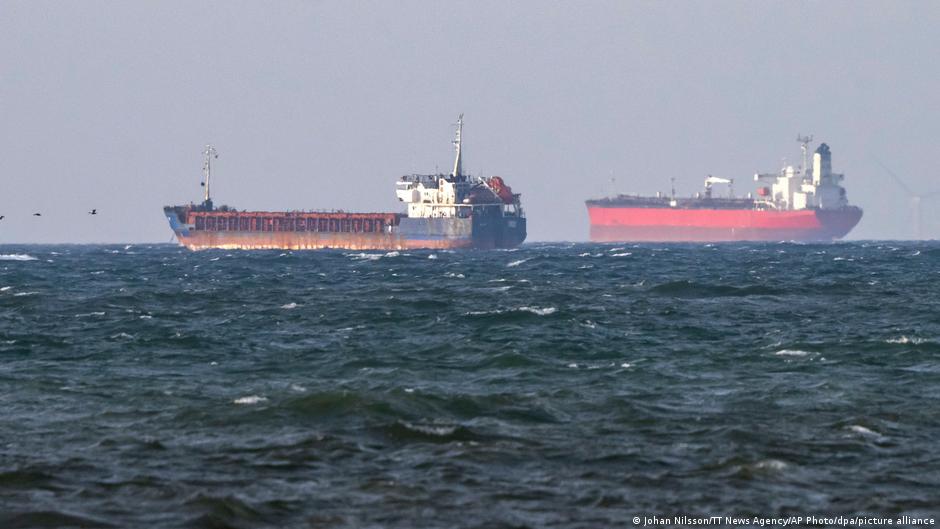
In a notable shift reflecting ongoing global energy market volatility, the United States government has extended the temporary suspension of sanctions on Russian oil and petroleum product sales until May 16. This extension specifically applies to shipments already loaded onto tankers, allowing continued movement of Russian hydrocarbons despite existing restrictions.
This decision follows earlier remarks by the US Treasury Secretary Scott Bessent, who had indicated Washington’s reluctance to prolong these exemptions. The original relaxation of sanctions was introduced on March 13 for a 30-day window ending April 11, as a response to surging energy prices triggered by conflicts in the Middle East, particularly the war in Iran.
Economic and Strategic Implications of the Sanctions Extension
While the temporary easing of sanctions was framed as a "narrow and short-term" measure intended not to significantly bolster Moscow’s oil revenues, recent data suggest otherwise. The New York Times reported on April 13 that following the US move, Russia has been accruing over $100 million daily in additional income from oil sales. According to the International Energy Agency (IEA), Russia’s oil export revenues in March nearly doubled compared to February, reaching $19 billion, largely attributed to the geopolitical tensions in the Middle East.
“The so-called narrow sanctions relief has inadvertently amplified Russia’s oil revenue, revealing the complexity of energy sanctions in a globally interconnected market.”
Despite this increase in Russian oil revenue, the US easing of sanctions has not significantly impacted global oil prices, which remain elevated. The Trump administration initially sought to dampen price spikes, but the persistence of high prices underscores the limited influence of these exemptions. Market analysts point to the significant role of Russia’s use of a "shadow fleet" of tankers that transport crude oil circumventing international restrictions, thereby sustaining supply flows that complicate enforcement efforts.
The extension of this sanctions relief highlights the delicate balance policymakers must strike between geopolitical objectives and the practical realities of global energy supply chains. It also underscores the broader macroeconomic consequences of regional conflicts on energy markets and global inflation trends, particularly for energy-importing economies.
For senior decision-makers, this development signals the continuing volatility in energy markets and the complexities involved in sanction regimes targeting major oil exporters. It raises questions about the long-term effectiveness of sanctions as a tool of economic statecraft when confronted with adaptive strategies such as shadow shipping and alternative trade networks.
Looking ahead, the extension may serve as a temporary relief valve for energy prices but also risks entrenching Russia’s financial capacity to sustain its geopolitical ambitions. Policymakers will need to monitor these dynamics carefully, weighing the trade-offs between market stability and strategic pressure on sanctioned entities.