Russia Develops Shadow Air Fleet to Sustain Military Operations in Africa Amid Sanctions
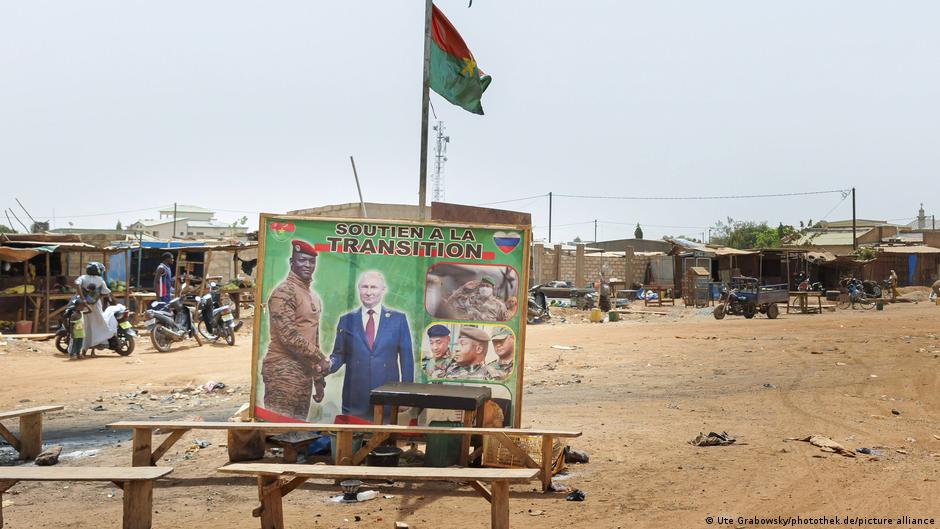
Russia operates a covert air fleet circumventing Western sanctions to supply forces in Africa's Sahel, posing complex geopolitical and economic challenges.

Russia operates a covert air fleet circumventing Western sanctions to supply forces in Africa's Sahel, posing complex geopolitical and economic challenges.

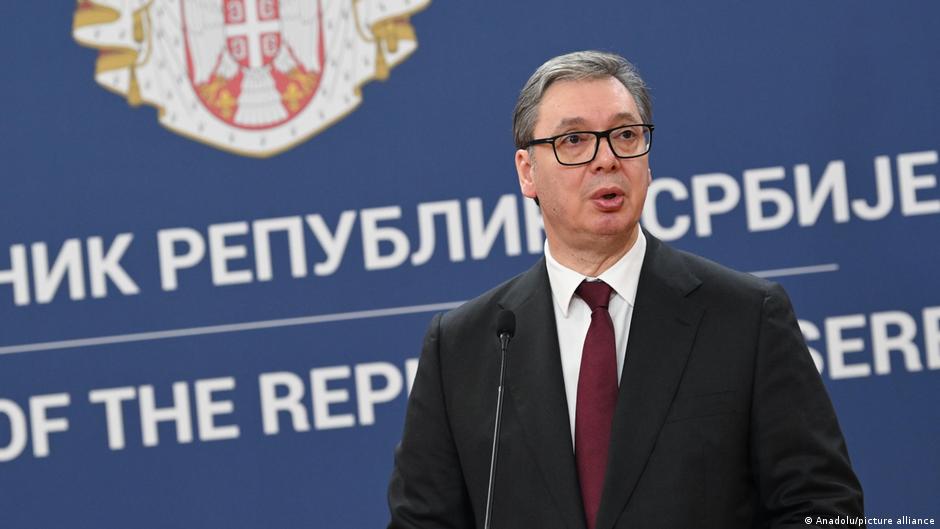
Serbia announces early parliamentary elections in October 2023 amid ongoing protests and demands for anti-corruption reforms, signaling potential shifts in the country’s political and economic trajectory.

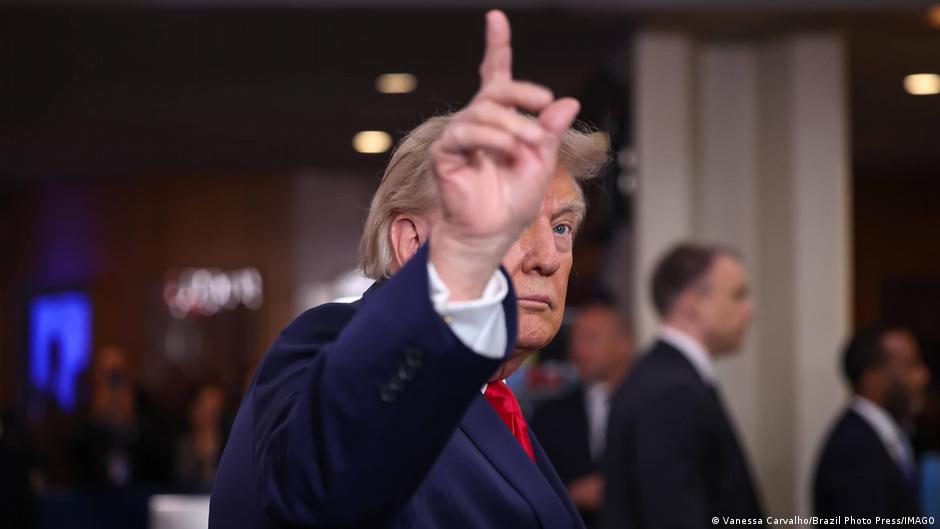
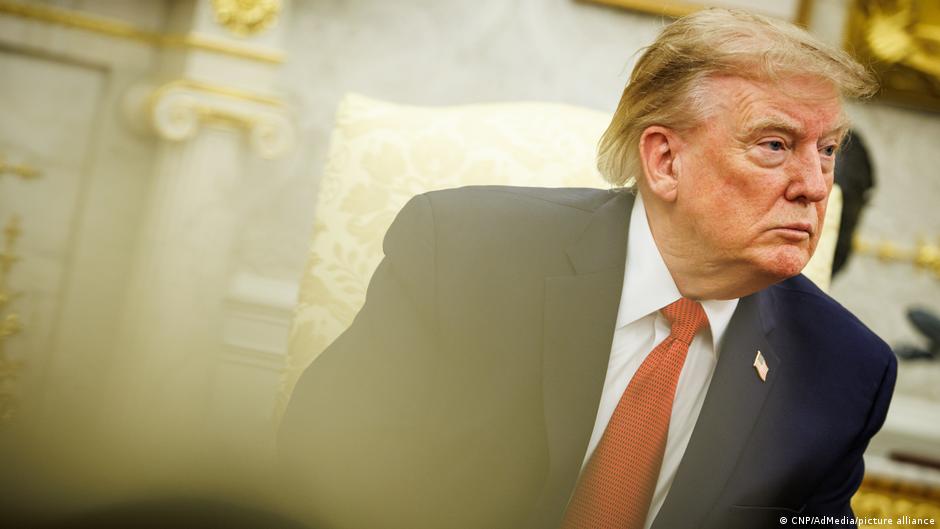
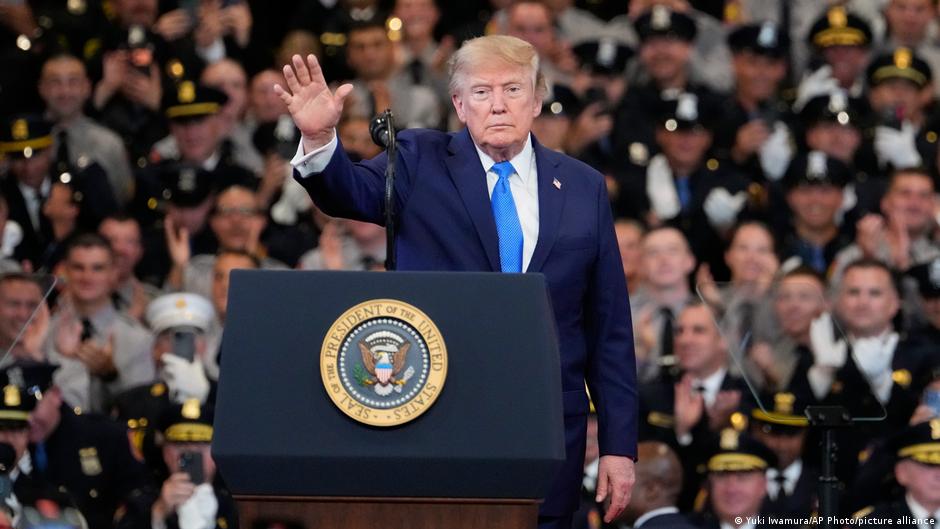
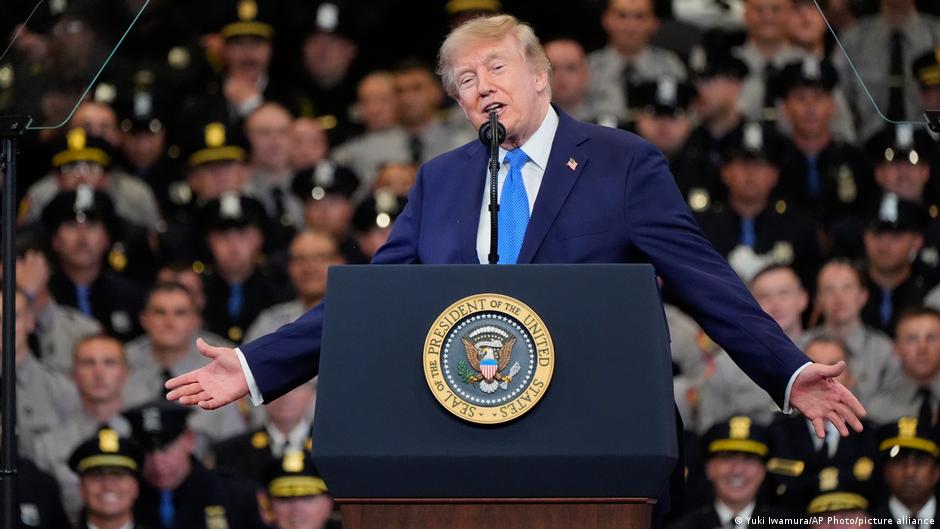
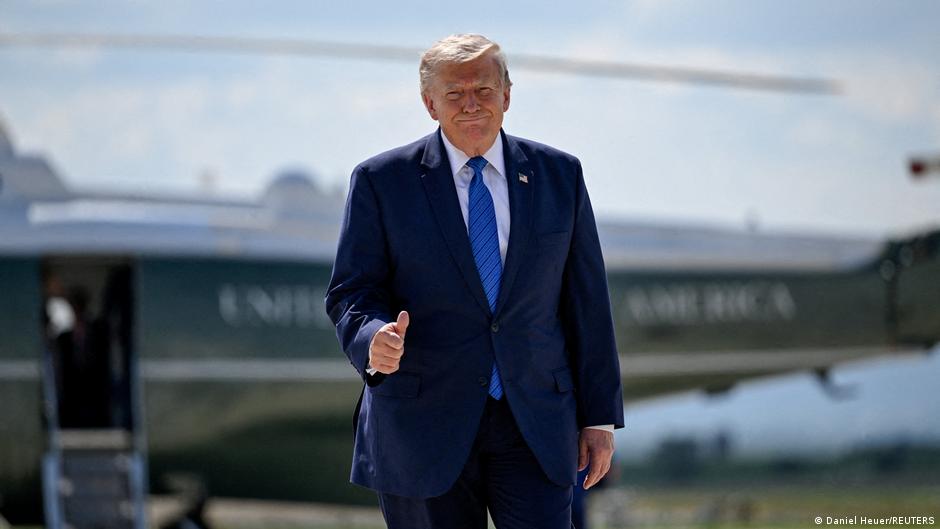
US President Trump announces an unprecedented economic war on Iran, threatening sanctions on any country supporting Tehran, intensifying global economic and geopolitical tensions.

Trump threatens Oman with military strikes over Strait of Hormuz negotiations amid US-Iran tensions, risking global oil market stability.

Jared Kushner's talks with Hamas in Egypt press for disarmament amid Israeli demands, highlighting pivotal shifts in Middle East diplomacy with major global economic effects.

Qatar denies detaining Iranian pilots amid Middle East conflict, emphasizing ongoing diplomatic efforts to reduce regional tensions and highlighting the complexities of international security.

President Trump plans to declare the Strait of Hormuz US territory, signaling a permanent military presence with significant risks for global energy markets and geopolitical stability.

Venezuela has released 131 political prisoners following national reconciliation talks, signaling progress in judicial reform and political stabilization efforts supported by the US.

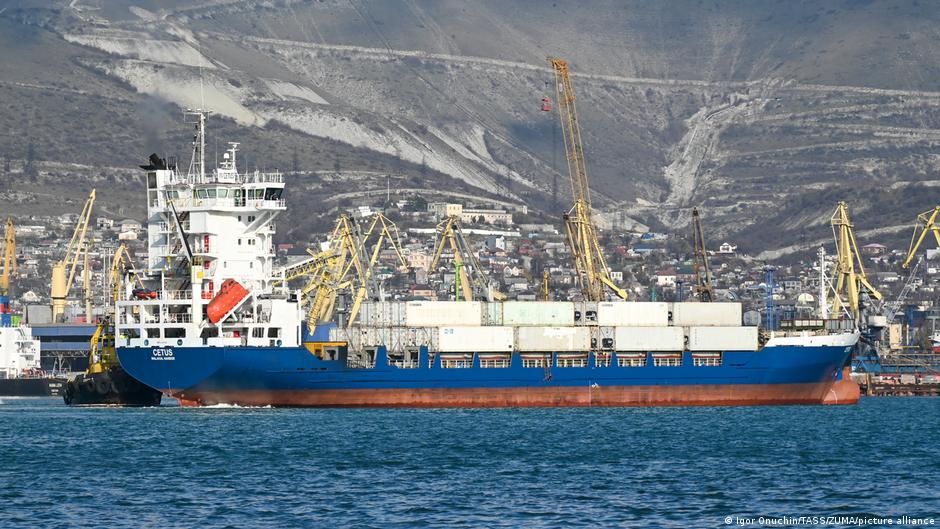
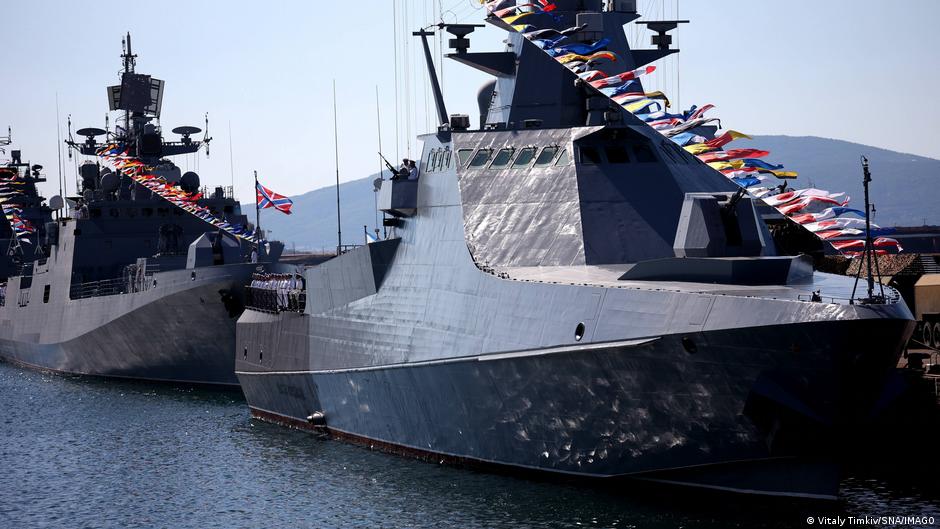
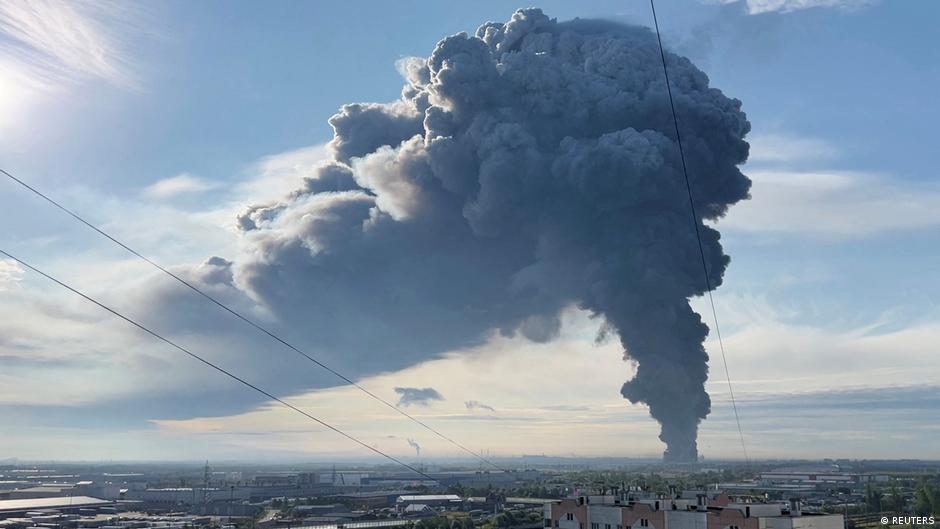
Ukraine claims successful strikes on Russian naval vessels and key infrastructure in Novorossiysk, impacting military capabilities and critical export terminals.

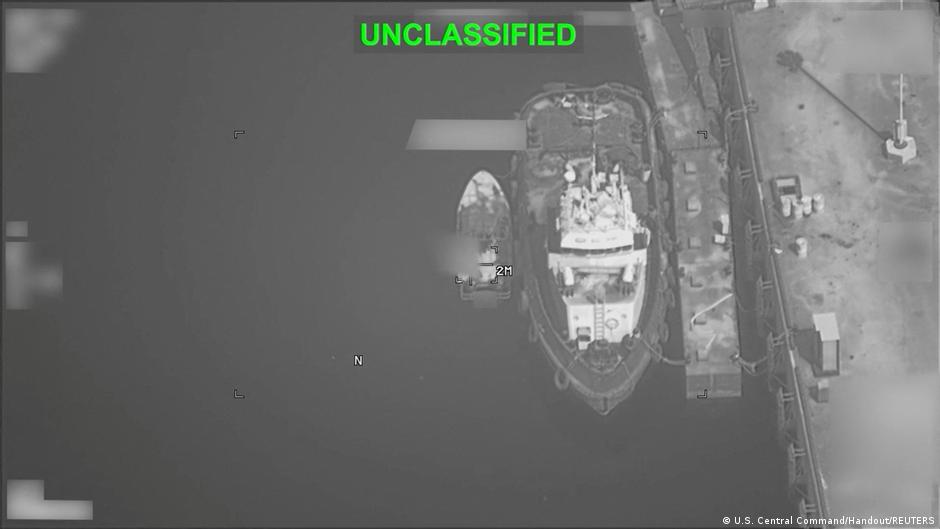
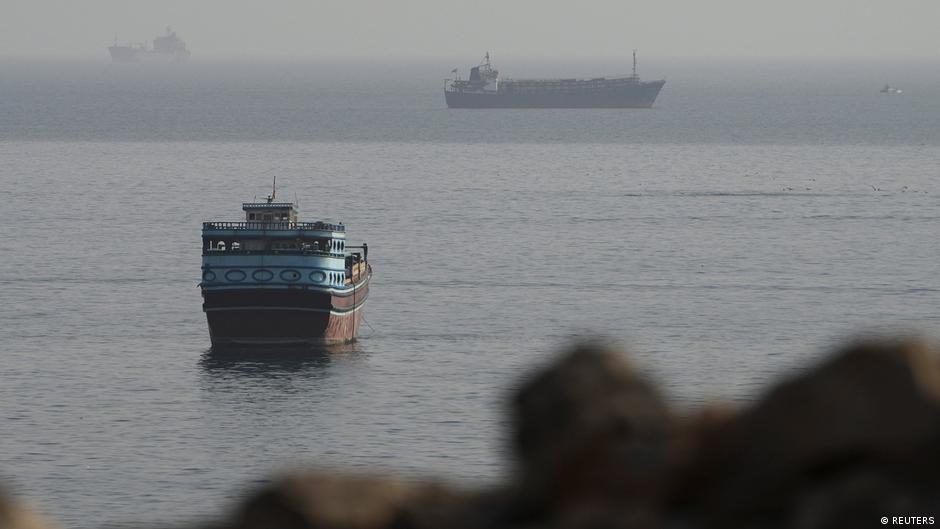
The US disabled a Panama-flagged cargo ship attempting to breach Iran's blockade, reinforcing Washington's strategic control over the Strait of Hormuz amidst rising regional tensions.

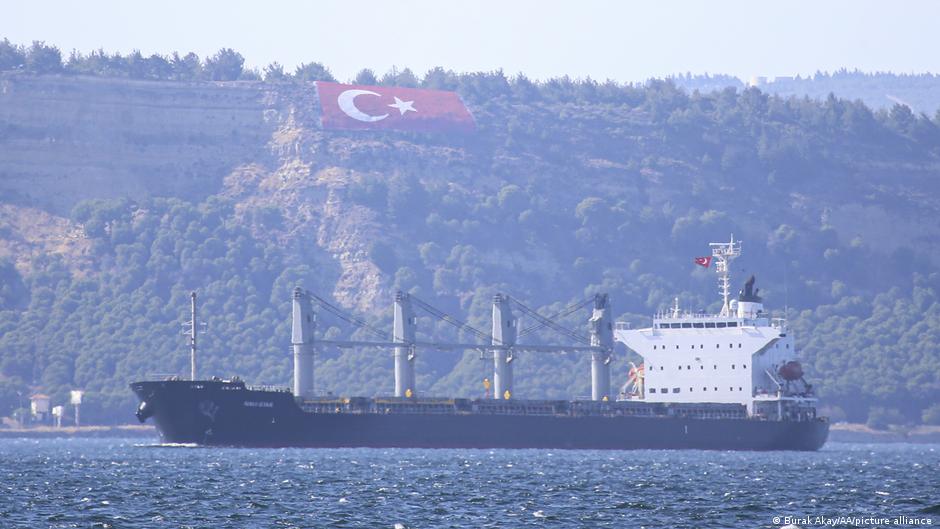
Turkey has lifted temporary restrictions on commercial ship passage through the Dardanelles Strait, responding to Black Sea security concerns amid regional conflicts.

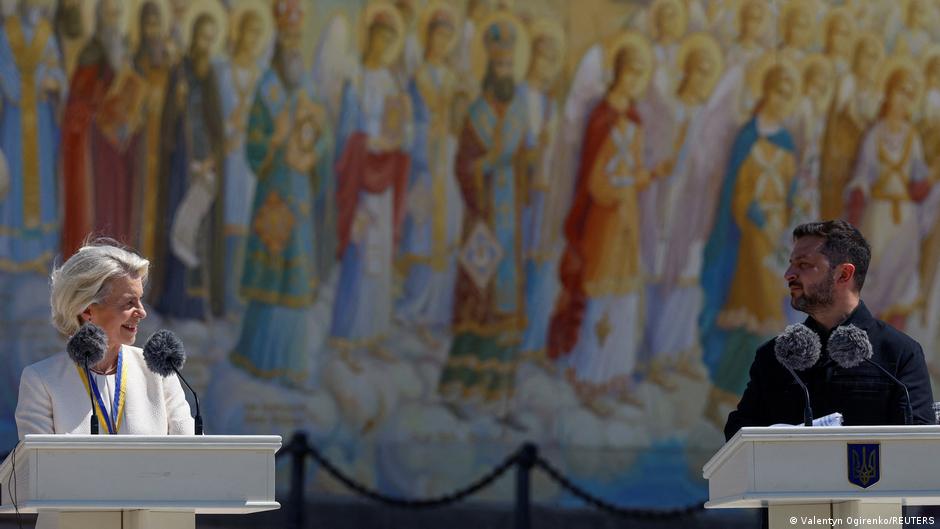
The EU and Ukraine welcome new US sanctions targeting Russia's energy sector and officials, highlighting coordinated Western efforts amid shifting global economic dynamics.

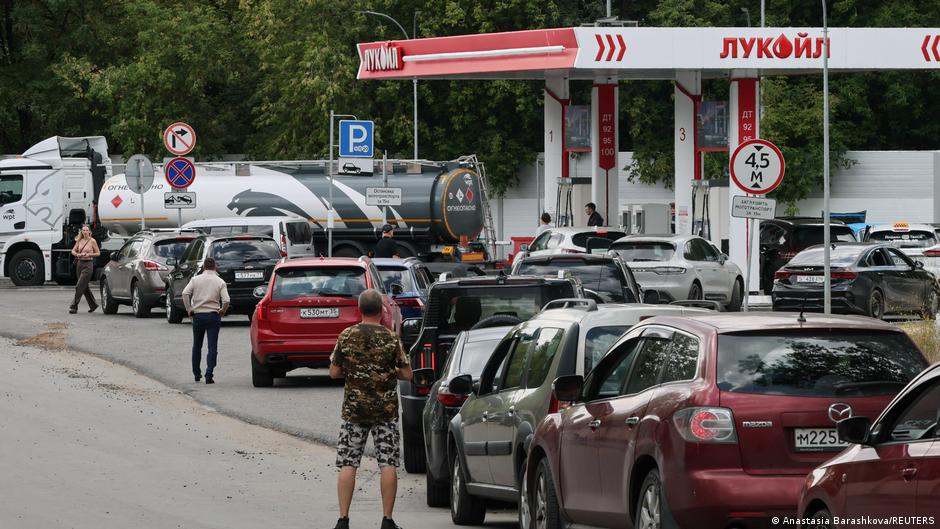
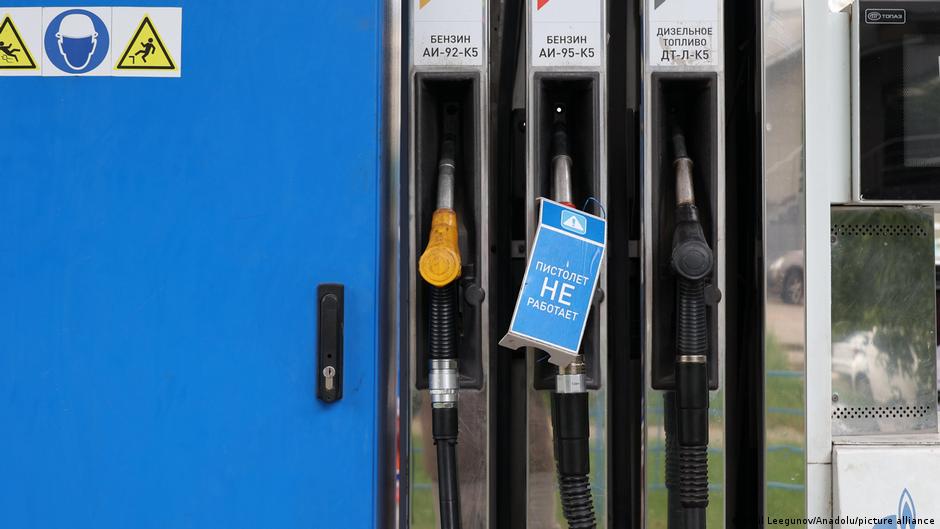
Russia has authorized the sale of lower-grade Euro-2 to Euro-4 fuels through 2027 to mitigate supply shortages caused by attacks on oil infrastructure, balancing crisis needs with quality compromises.

Ukraine’s 40-day security operation has targeted over 100 strategic Russian sites and energy infrastructure, signaling a calculated effort to weaken Russia’s military and economic capabilities.

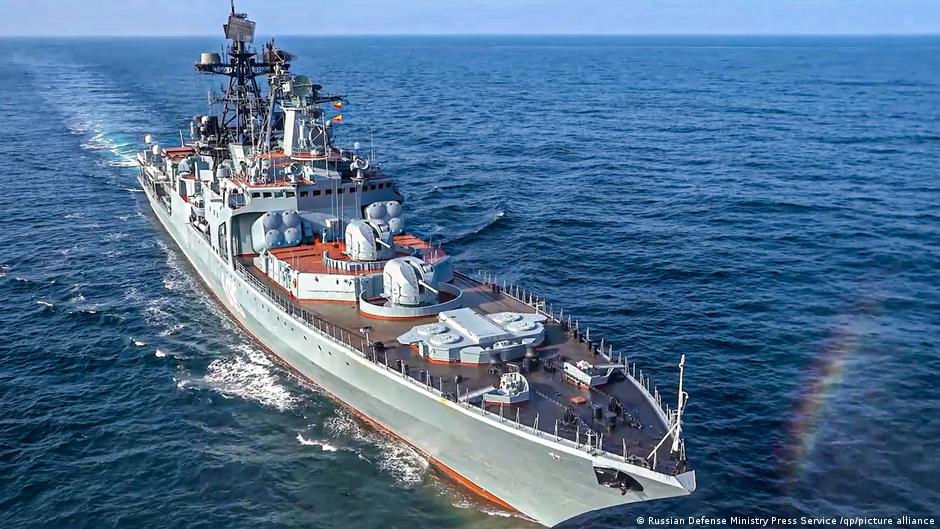
Russia has redeployed the Northern Fleet's large anti-submarine ship Admiral Levchenko near German waters, signaling strategic maritime shifts with significant implications for Baltic security and global trade.

President Trump announced new talks with Iran starting August 3, delaying further military strikes and signaling a potential shift toward diplomacy amidst Middle East tensions.

Venezuela's government and opposition plan direct talks in Caracas to address earthquake relief and set democratic reforms and election timelines.

NATO is contemplating deployment of tactical nuclear weapons in Finland, Poland, and Lithuania, marking a strategic shift amid rising security tensions with Russia.

Uzbekistan offers subsidies covering up to half of construction costs for modern swimming pools to boost tourism, create jobs, and diversify its economy by 2028.

US forces intercepted Iranian ballistic missiles targeting American troops in the Middle East, underscoring rising regional tensions and global economic risks linked to energy supply security.

The U.S. Senate moves to impose steep tariffs on Russia and allies, advancing bipartisan sanctions legislation with long-term geopolitical impact.

German Transport Minister Patrick Schnieder resigns amid political tensions; Chancellor Friedrich Merz to nominate Steffen Bilger as successor amid critical transport sector challenges.

Russia’s July oil and gas revenues may rise 60% year-on-year due to higher global prices, despite sustained EU sanctions targeting its energy exports.

Russia’s oil product production fell nearly 22% in June amid intensified attacks on its refining infrastructure, triggering fuel shortages and price volatility with global economic implications.

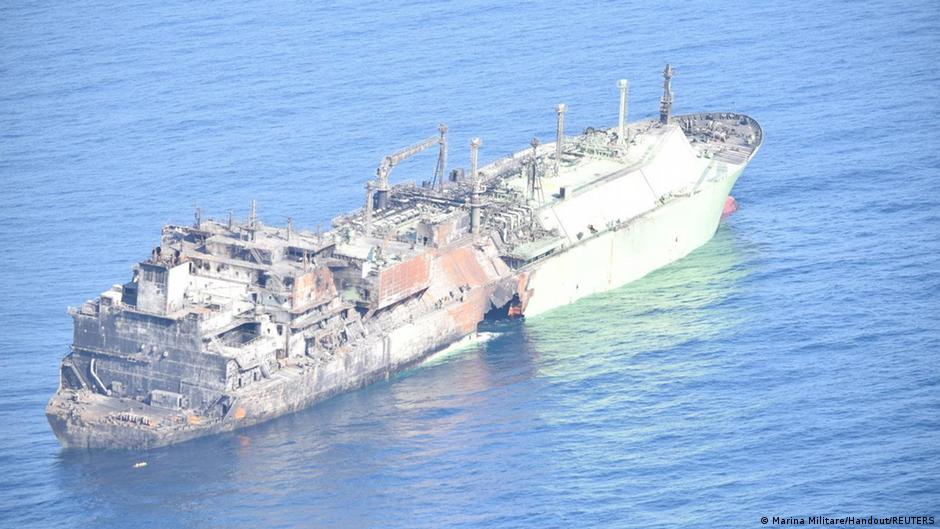
Iran’s IRGC mined an oil tanker near the Strait of Hormuz, escalating maritime tensions and threatening global oil supply chains in a critical transit corridor.

Russia revises fuel dampener and import compensation mechanisms to stabilize domestic fuel prices amid refinery disruptions and global market challenges.

The US has conducted 11 consecutive nights of strikes against Iranian military targets, escalating tensions in the Gulf and threatening key global energy routes.

The US has initiated a $100 million humanitarian aid effort to Cuba amid increased sanctions targeting Cuban state enterprises and ongoing military deliberations.

The US military continues its offensive against Iran, targeting strategic sites in the Strait of Hormuz amid escalating regional tensions with significant global economic implications.

US military casualties in the Iran conflict have risen to 17, accompanied by increased US military deployments and retaliatory strikes, impacting global economic and security dynamics.

US military strikes in Iran continue for the ninth night, escalating tensions in the Strait of Hormuz and impacting global energy supply routes.

The US administration is poised to allow Saudi Arabia to enrich uranium without enhanced IAEA safeguards, raising concerns over nuclear proliferation and regional stability.

US strikes on Iranian infrastructure escalate tensions, risking broader regional instability and disruptions to global energy markets critical to economic stability.

US military strikes on Iranian military and infrastructure sites have escalated tensions in the Persian Gulf, prompting retaliatory Iranian attacks on American bases.

The US is advancing plans to restore an Iraq-Syria oil pipeline to bypass the Strait of Hormuz, aiming to reduce Iranian influence and diversify energy export routes amid rising Middle East tensions.

The US has launched new strikes against Iran to secure the strategic Strait of Hormuz, a critical route for global oil trade, amid escalating military tensions and attacks on civilian vessels.

US military strikes on Iran escalate after attacks in the Strait of Hormuz, closing this key oil export route and raising global economic risks.

Russia’s missile strikes on Kyiv intensify civilian casualties amid rising hostilities, with major implications for regional stability and global energy markets.

Russia has closed the Azov-Don Canal indefinitely following Ukrainian drone attacks on vessels, disrupting grain exports and driving wheat prices higher amid escalating regional tensions.

The Saratov refinery’s shutdown after Ukrainian drone attacks worsens Russia’s fuel crisis, disrupting 25% of refining capacity and impacting millions amid wartime economic pressures.

The US has launched new military strikes against Iran to prevent shipping disruptions in the Strait of Hormuz, intensifying regional tensions and threatening global energy security.

Fuel prices in Crimea have surged nearly 80% in one week amid Russia’s export restrictions and supply shortages, signaling broader energy market challenges and policy shifts.

US military strikes on Iran follow attacks on tankers near the Strait of Hormuz, escalating Gulf tensions with significant implications for global energy security and maritime trade.

Cuba's nationwide blackout amid fuel shortages and U.S. sanctions deepens the island's economic crisis and stalls diplomatic efforts to resolve the standoff.

Russia’s July 2 strikes across multiple Ukrainian regions caused civilian deaths and injuries, highlighting the war's ongoing humanitarian and economic toll.

Russia permits continued use of higher-sulfur Euro-3 fuels domestically until 2026 amid refining disruptions, excluding exports to EAEU countries, signaling a shift in energy policy priorities.
Russia reduced drone and missile strikes on Ukraine in June compared to May, possibly reflecting logistical challenges or strategic shifts amid intensified Ukrainian counterattacks.

The US has extended a temporary license allowing Serbian oil company NIS to operate under sanctions while Gazprom's stake sale deadline is repeatedly postponed.

The US and Iran have agreed on a temporary ceasefire until June 30 to discuss reopening the strategically vital Strait of Hormuz, impacting global energy markets and regional security.

US forces struck Iranian military sites following attacks on commercial vessels in the Strait of Hormuz, heightening geopolitical risks to global energy supply and economic stability.