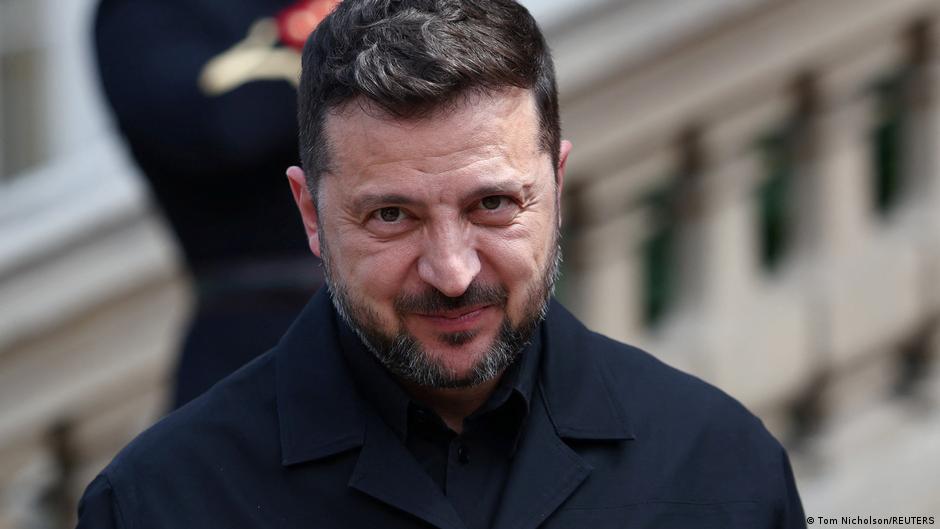
EU Shelves High-Level Defence Panel After German and Italian Resistance
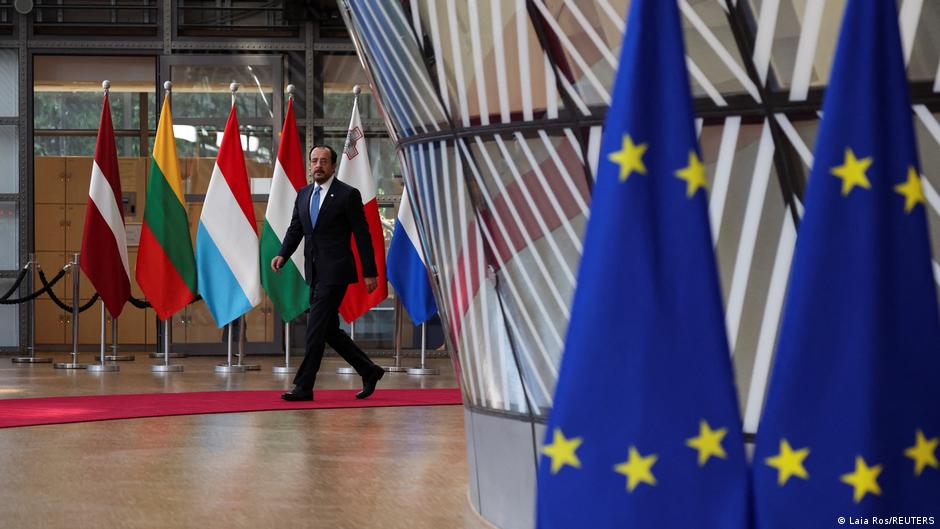
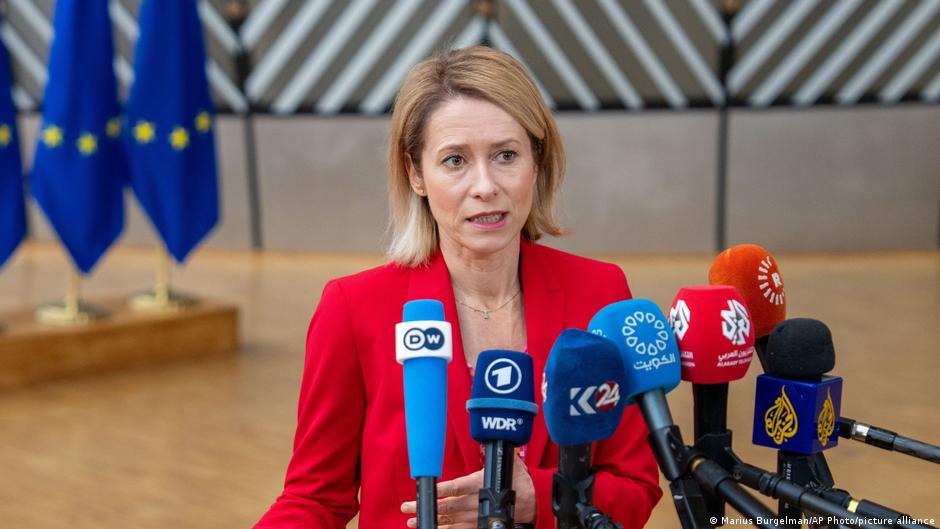
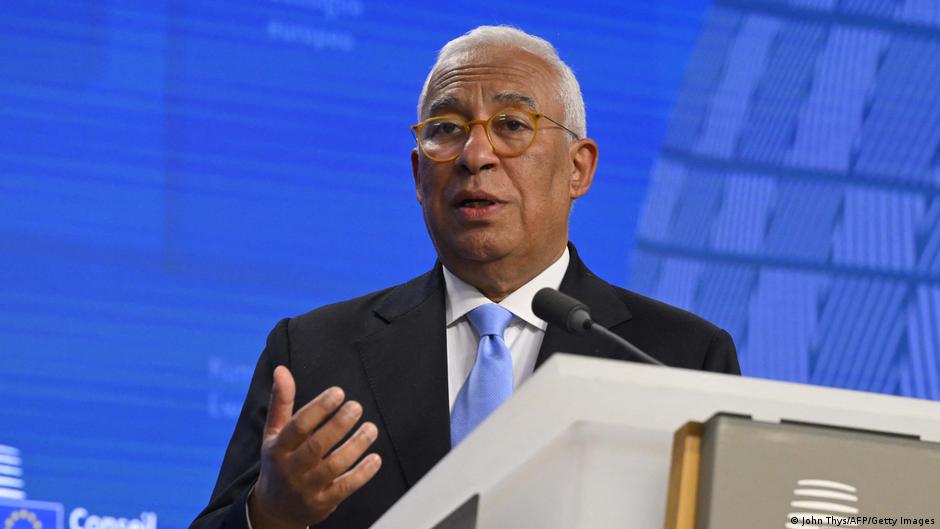
The EU cancelled a planned defence expert group after resistance from Germany and Italy, exposing unresolved tensions over Europe’s security and spending strategy.

The EU cancelled a planned defence expert group after resistance from Germany and Italy, exposing unresolved tensions over Europe’s security and spending strategy.

Latvia publishes a list of 170 companies trading with Russia and Belarus amid war, reflecting a new transparency policy affecting regional economic ties and sanctions.

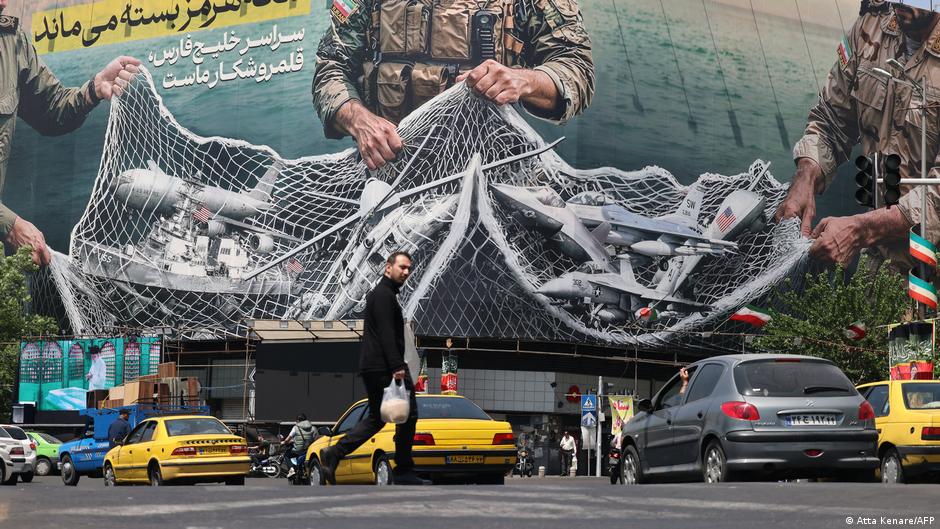
US President Trump announces an unprecedented economic war on Iran, threatening sanctions on any country supporting Tehran, intensifying global economic and geopolitical tensions.

President Trump plans to meet Kim Jong Un during November's APEC summit to revive stalled nuclear negotiations, with significant implications for regional security and global economic stability.

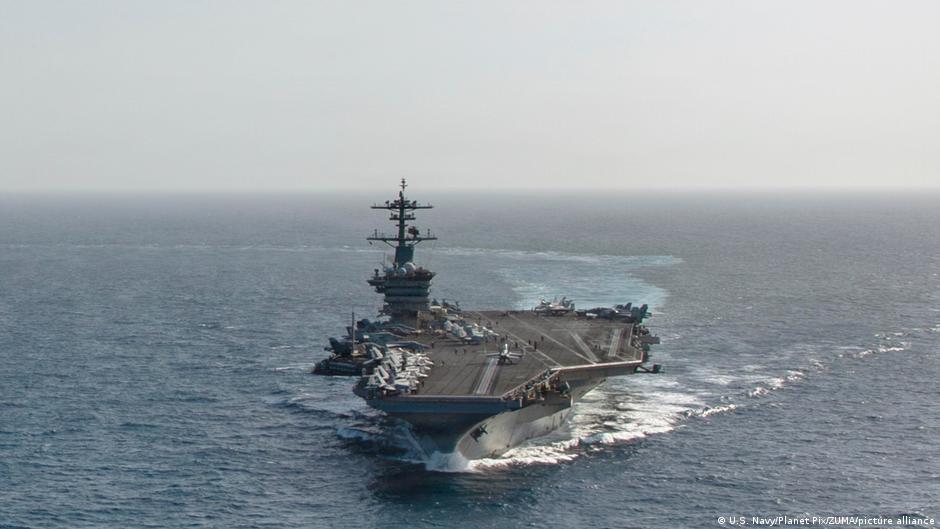
President Trump plans to declare the Strait of Hormuz US territory, signaling a permanent military presence with significant risks for global energy markets and geopolitical stability.

Trump criticizes Biden administration for depleting US ammunition stocks supporting Ukraine amid Kyiv’s urgent need for missile interceptors.

President Zelensky visits Washington to meet all U.S. Senators as the Senate prepares to vote on new sanctions against Russia amid ongoing geopolitical and economic tensions.
Montenegro will end visa-free travel for Russian and Belarusian citizens by October 31, 2026, aligning its policy with EU accession requirements and security considerations.

Darlene Graham Norton has been appointed to her late brother Lindsey Graham’s Senate seat, securing the GOP’s fragile majority amid critical national and international issues.

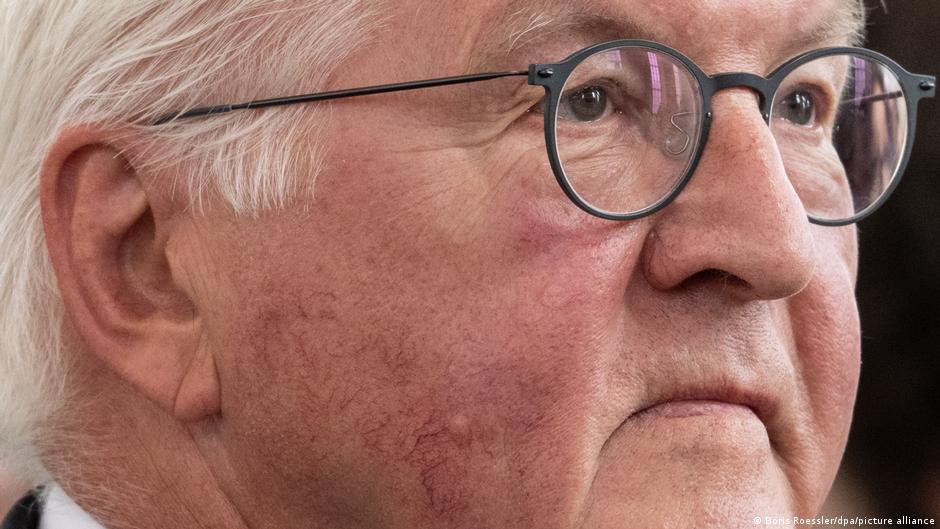
German President Steinmeier calls for Europe to uphold international law and counteract the ruthless geopolitical strategies of Russia and the US amid rising populism and reform challenges.

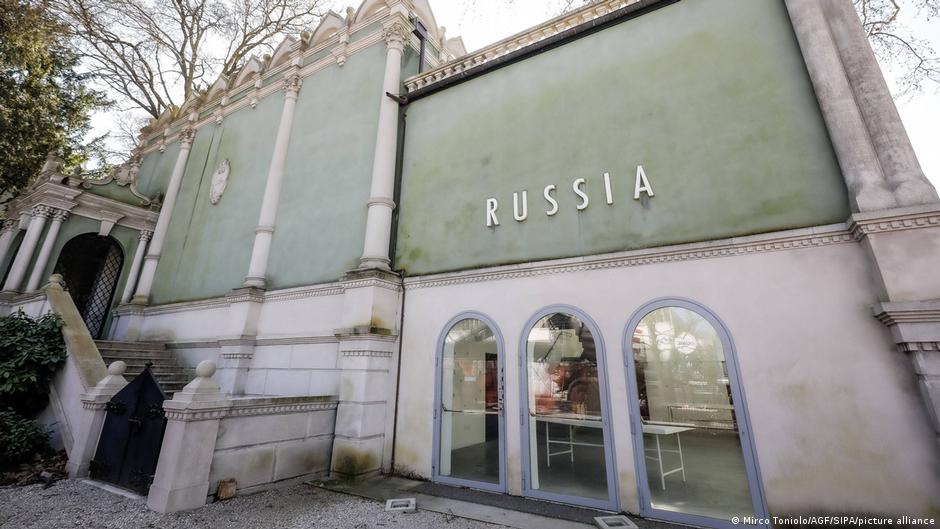
The EU recommends cutting €2 million in funding from the Venice Biennale due to Russia’s controversial participation, raising questions about cultural diplomacy amid geopolitical conflicts.

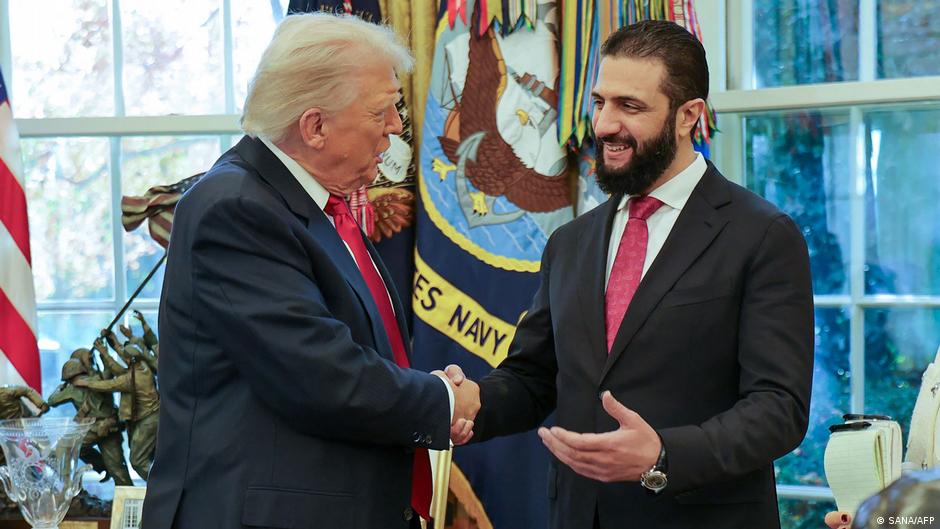
The US plans to remove Syria from the terrorism sponsors list, lifting sanctions and enabling economic reconstruction and reintegration into the global economy.

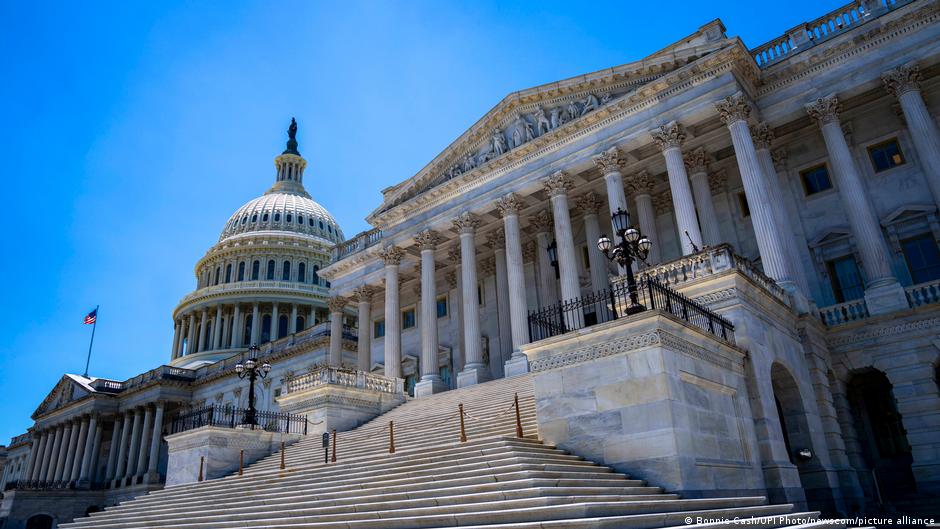
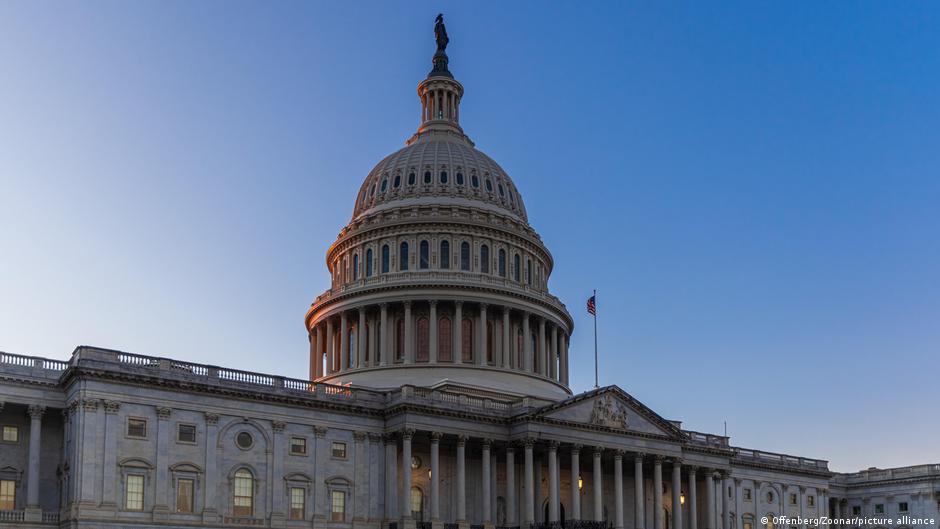
The U.S. Senate passed a non-binding resolution urging troop withdrawal from Iran conflict zones, reflecting growing concerns amid ongoing peace negotiations and regional instability.

The US has imposed sanctions on five Cuban state-owned companies controlling 40% of GDP, escalating economic pressure with significant regional and global implications.

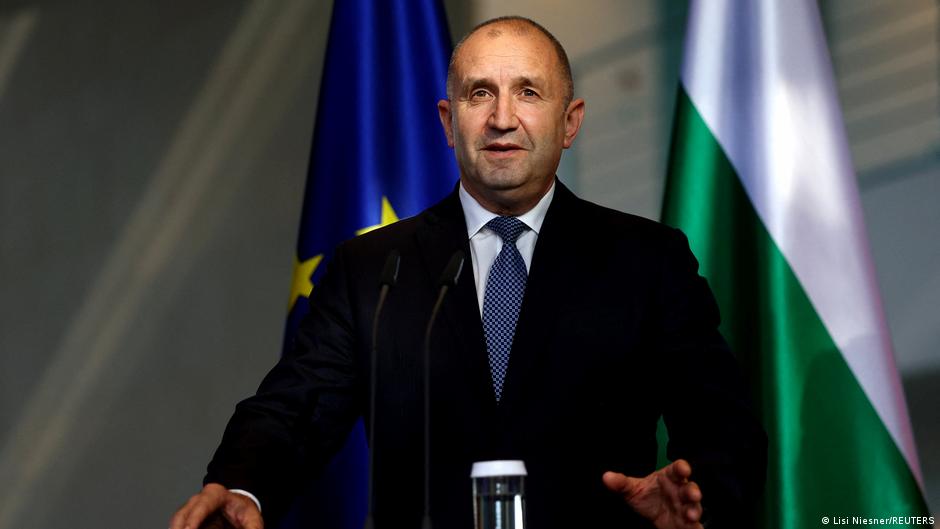
Bulgaria plans to veto new EU sanctions on Russia, citing risks to its economy and questioning their impact on peace efforts, highlighting divisions within the EU on sanction policy.

The EU has agreed to extend sanctions on Russia to one year, reflecting a strategic shift enabled by political changes in Hungary and signaling intensified economic pressure on Moscow.

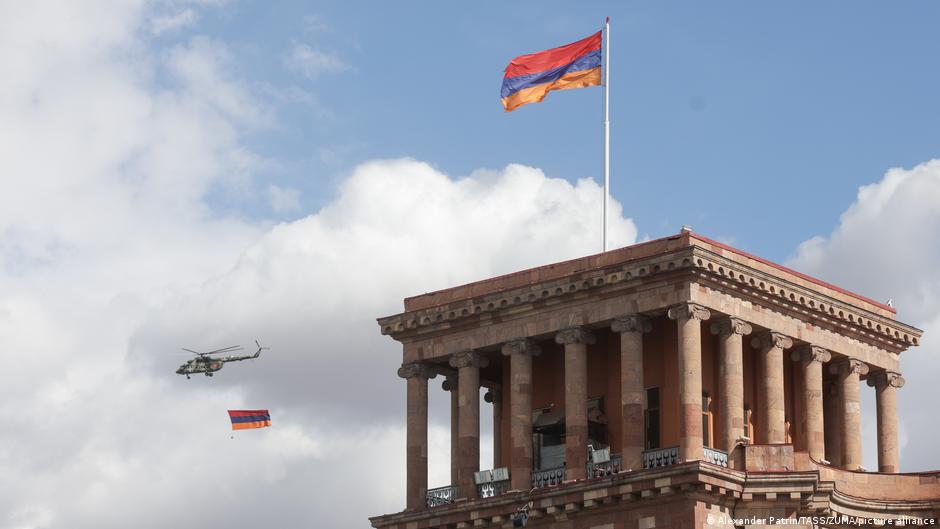
Armenia’s Central Election Commission recounted votes at one-third of polling stations, resulting in minor vote increases for main parties amid political tensions ahead of final tally.

Reports claim the UAE agreed to unfreeze billions in Iranian oil revenues to halt attacks, amid advancing Iran-US peace talks; official UAE denial follows.

The US has imposed sanctions on Cuba’s state oil company CUPET, intensifying economic pressure amid the island’s severe energy crisis and geopolitical tensions.

The US House restricts presidential war powers on Iran in a bipartisan vote, reflecting growing congressional resistance and potential impacts on global stability.

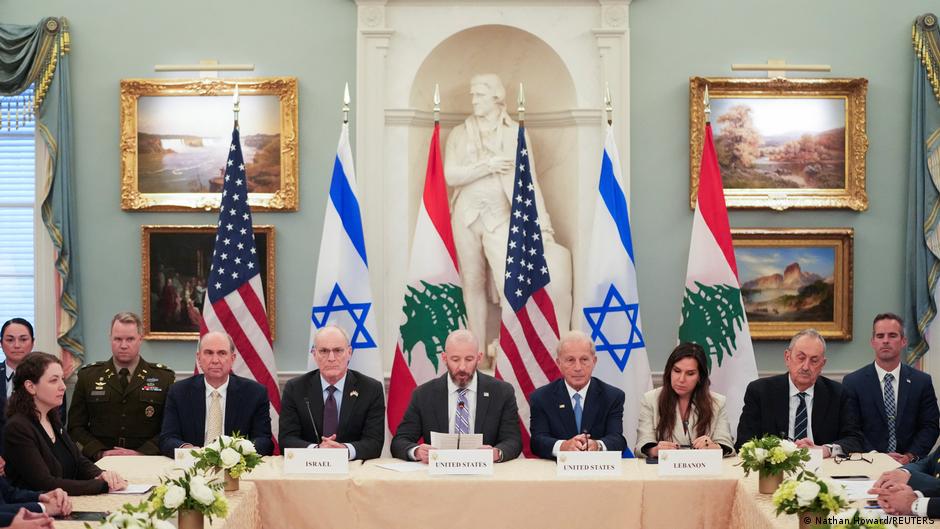
Israel and Lebanon, under US mediation, have agreed to a ceasefire requiring Hezbollah's withdrawal and cessation of hostilities, a move with significant regional and global economic implications.

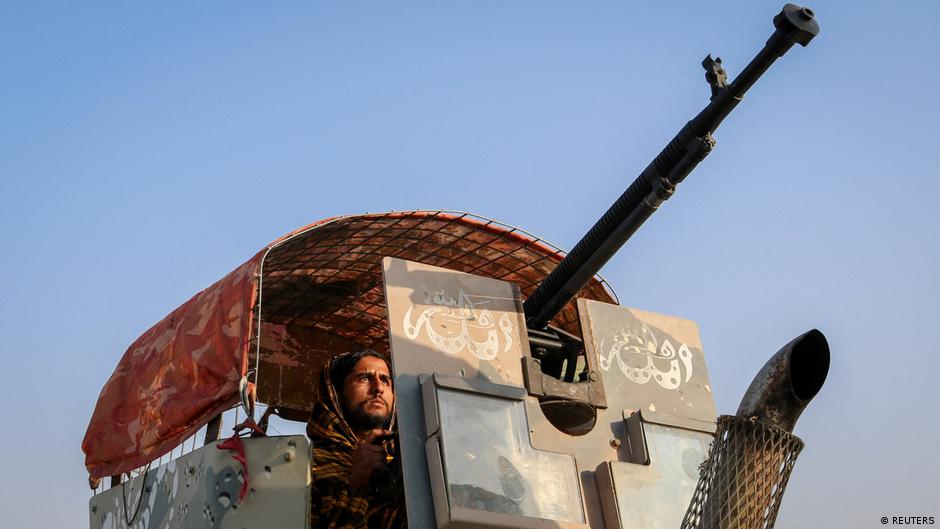
Russia's military cooperation deal with the Taliban signals shifting geopolitical alignments and potential impacts on regional security and global economic stability.

The EU postpones appointing a special envoy to negotiate with Russia over Ukraine, prioritizing a clear strategy and unified objectives before engaging in talks.

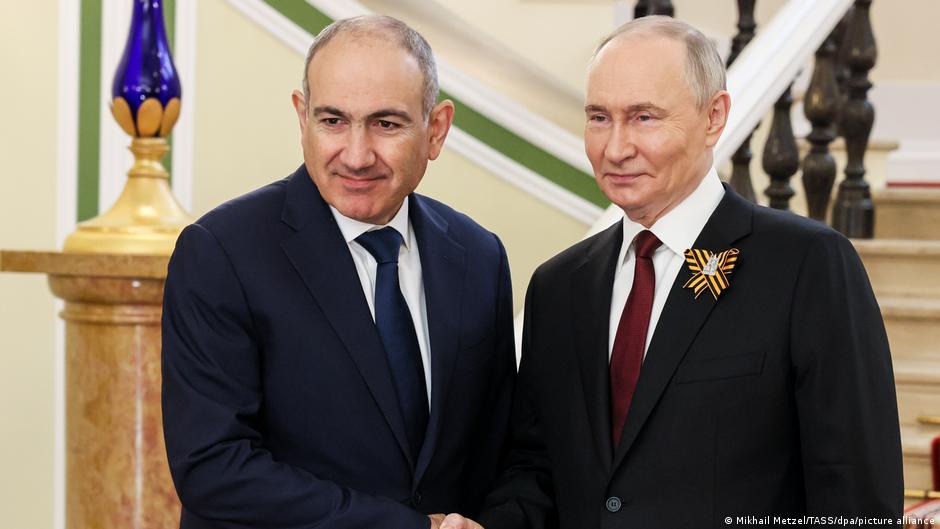
Russia threatens to suspend Armenia's duty-free energy imports amid Yerevan's EU integration efforts, signaling shifts in regional economic alliances and energy diplomacy.

US forces conducted defensive strikes on Iranian missile sites and mine-laying vessels amid a fragile ceasefire, highlighting ongoing regional tensions and economic risks.

Hungary reverses a procedural lapse to reinstate its ban on Ukrainian agricultural imports, aiming to protect domestic farmers and recalibrates its stance on the International Criminal Court.

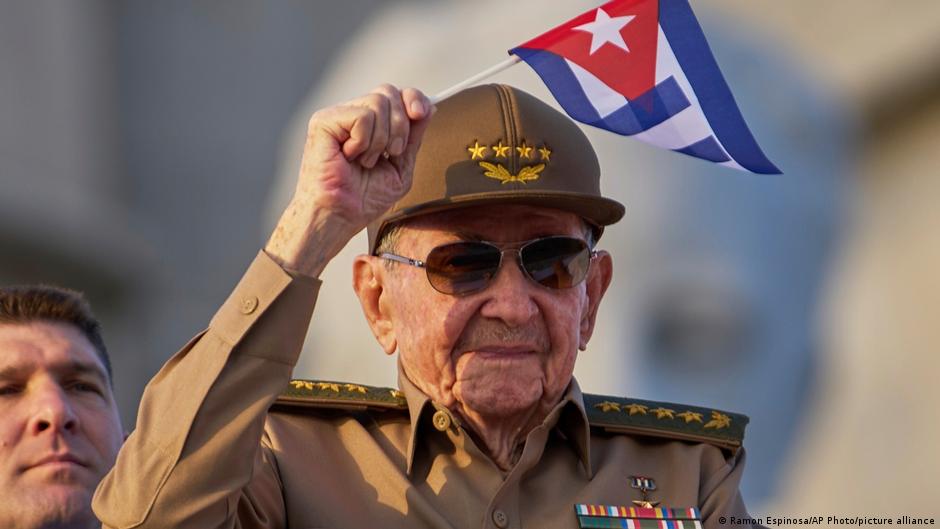
The US charges Raul Castro with murder related to a 1996 incident, signaling a tougher stance on Cuba amid heightened sanctions and geopolitical rivalry.
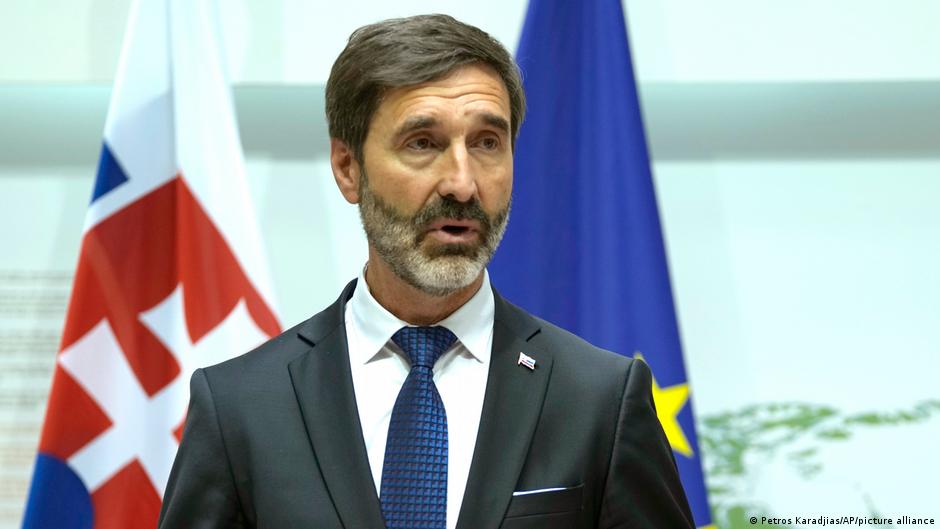
The EU and US have condemned Israel following a video showing detained pro-Palestinian activists, sparking diplomatic protests and highlighting tensions over Gaza blockade enforcement.

The US Senate advances a resolution demanding presidential Congressional approval for military actions against Iran, highlighting a shift toward legislative oversight and potential policy changes.

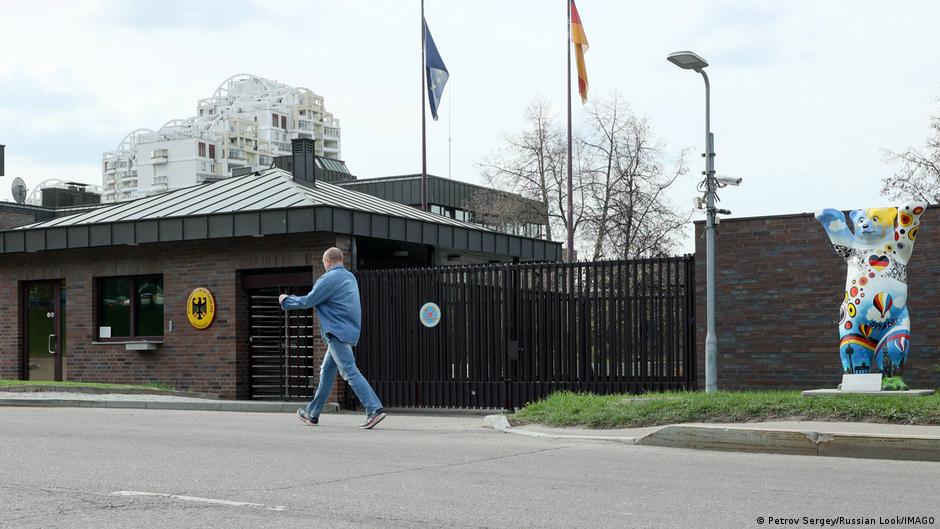
Moscow approved Clemens von Goetze as Germany's new ambassador amid ongoing tensions following Russia's invasion of Ukraine, signaling a cautious diplomatic approach.

EU's top diplomat warns Russia, China, and the US employ divide-and-rule tactics to weaken European Union unity, threatening its global economic and geopolitical strength.

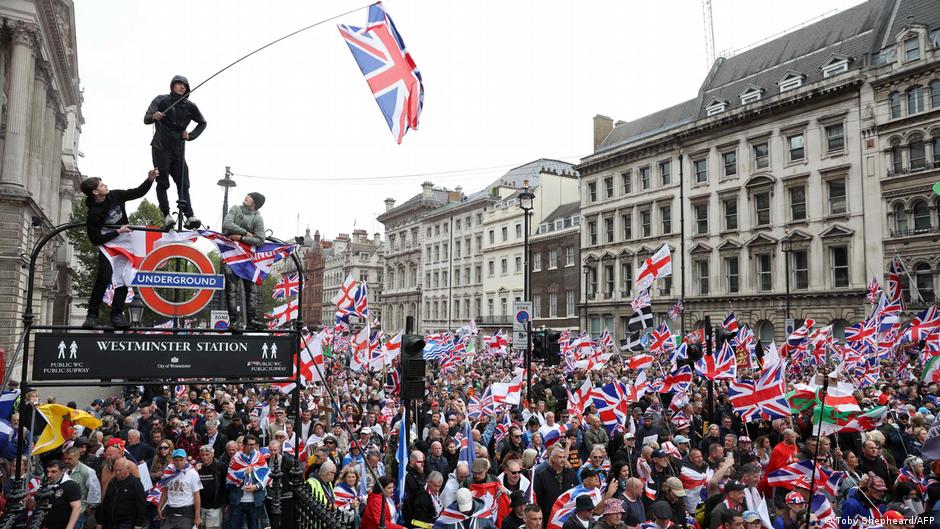
London hosted large opposing protests on migration and the Palestinian Nakba, highlighting political polarization with implications for economic policy and international relations.

China signals renewed interest in U.S. oil and soybeans, potentially easing trade tensions and impacting global commodity markets and geopolitical relations.

The UAE has secretly conducted military strikes against Iran, marking a strategic shift amid rising Gulf tensions that impact regional stability and global economic interests.

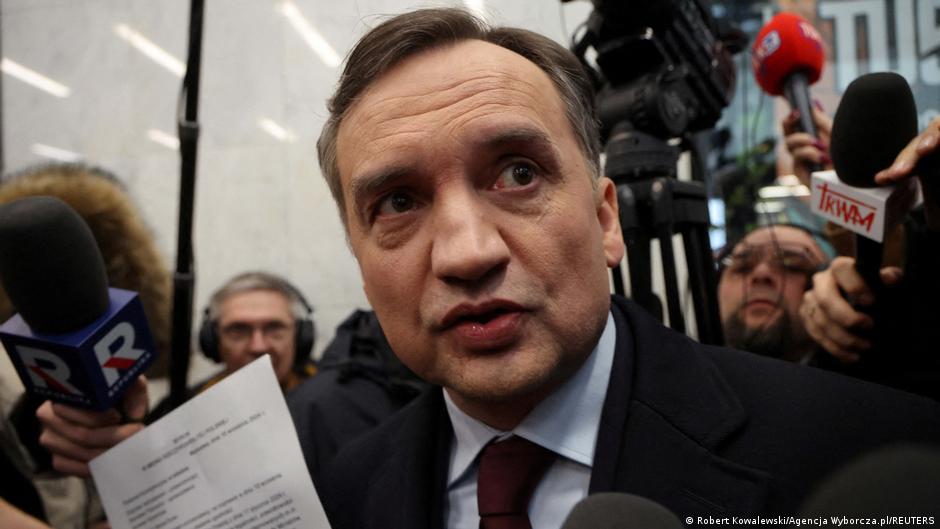
Former Polish Justice Minister Zbigniew Ziobro has fled Hungary for the US amid Hungary’s new government seeking to extradite officials sheltering under the previous administration.

The US considers shifting troops from Germany to Poland amid strategic realignment, reflecting evolving NATO roles and US-European defense policy shifts.

EU leaders are preparing for possible talks with Russia, signaling a strategic shift amid ongoing conflict and geopolitical tensions affecting global economic and policy frameworks.

Iran has presented a 14-point peace plan to the US detailing key conditions to end the Middle East conflict, while Washington remains skeptical about its acceptance.

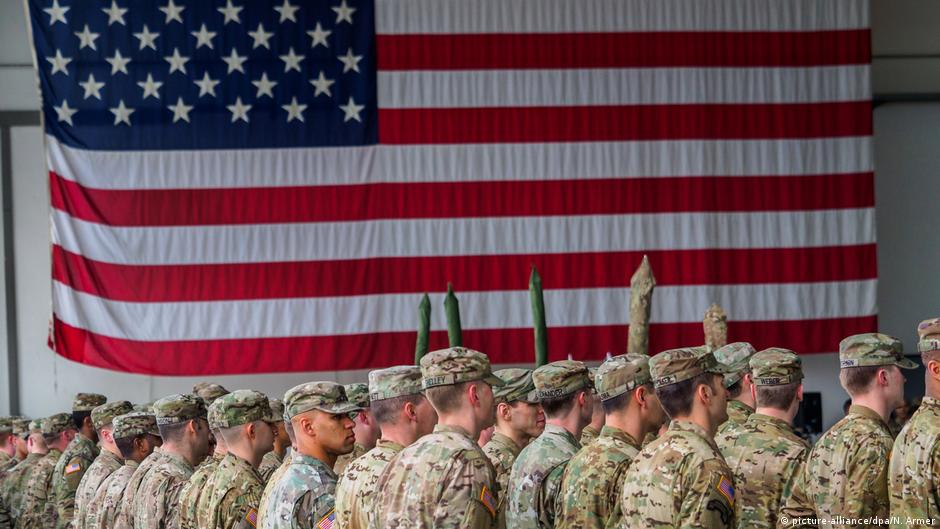
The US Pentagon orders a withdrawal of 5,000 troops from Germany within a year, reflecting strategic military adjustments and signaling shifts in transatlantic defense relations.

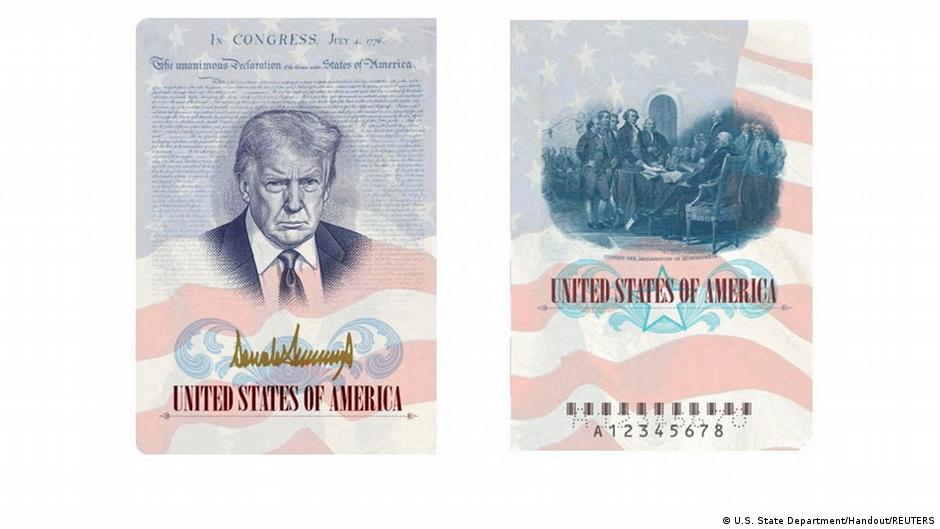
The US launches limited edition passports featuring President Trump for the 250th independence anniversary, signaling a deeper integration of political identity and national symbolism.

US acting chargé d’affaires in Ukraine Julie Davis to resign amid disagreements with Trump administration’s reduced support for Kyiv, signaling shifts in US foreign policy.

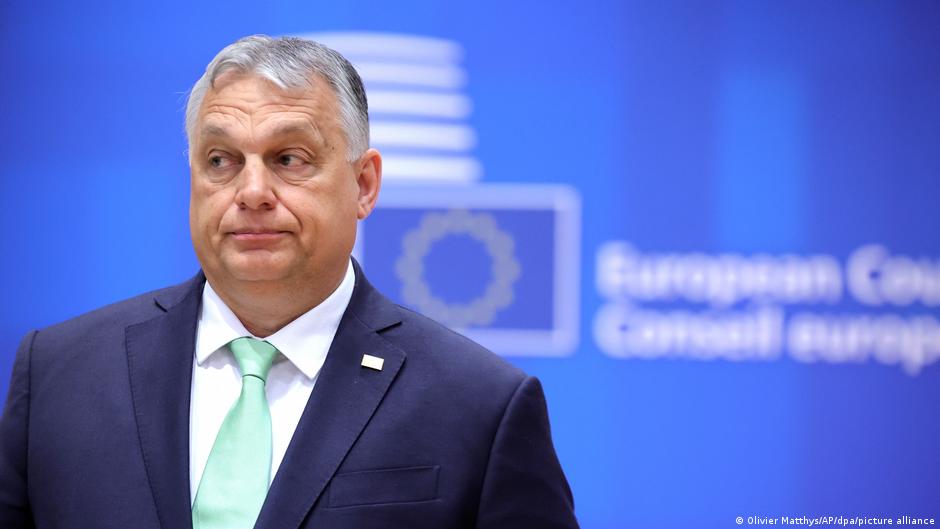
Viktor Orban declines his parliamentary seat to focus on party leadership as Hungary’s new government signals major policy reversals impacting EU and Russia relations.

Germany attributes recent phishing attacks on politicians and journalists via Signal messenger to Russia, highlighting escalating international cybersecurity threats.

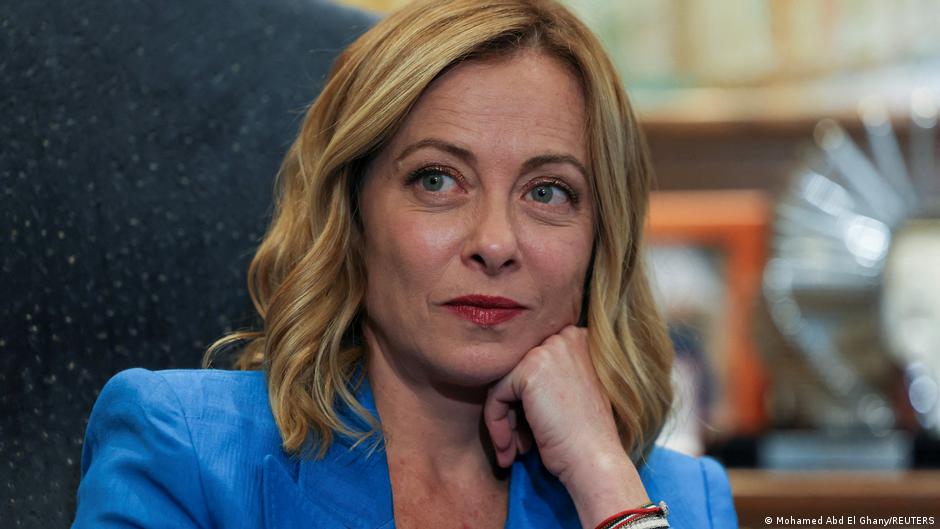
Italy’s Prime Minister Meloni denounces Russian propaganda attacks following offensive remarks by Russian TV host Solovyov, prompting diplomatic protests and political backing.

Lithuania and Latvia have blocked Slovak PM Fico’s flight to Moscow, reflecting EU divisions over engagement with Russia amid ongoing geopolitical tensions.

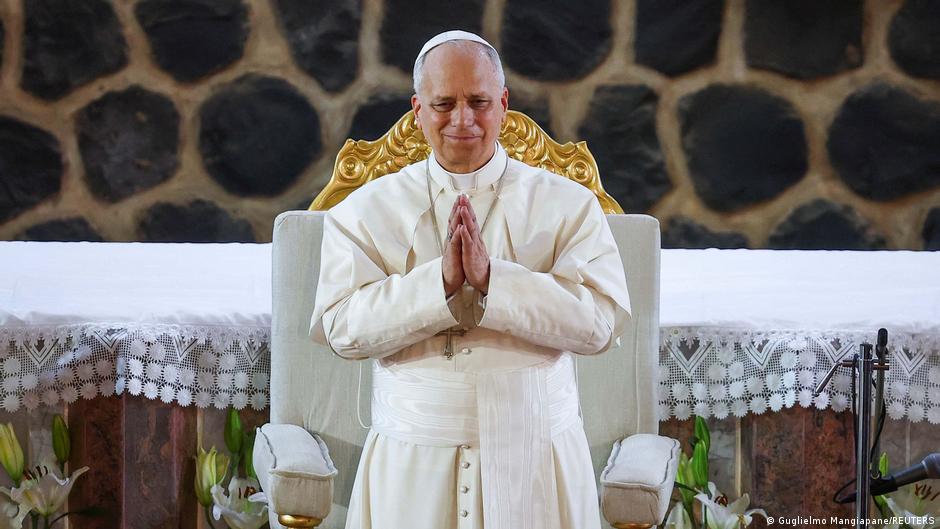
Pope Leo XIV criticized global exploitation and war profiteering during his African visit, urging leaders to choose diplomacy and peace over military action.

Slovakia will block the EU's 20th sanctions package on Russia until oil supply via the Druzhba pipeline through Ukraine is restored, highlighting regional energy tensions.

Germany authorized millions in arms exports to Israel during the US-Israel conflict with Iran, revealing complex export policies amid geopolitical tensions and partial embargoes.

The US Senate has rejected a resolution to end hostilities with Iran, upholding presidential war powers and signaling ongoing challenges in congressional oversight of military actions.