Russia Signs Military Cooperation Agreement with Taliban Amid Shifting Geopolitical Dynamics
The military-technical agreement between Russia and the Taliban opens new pathways for arms transfers and strategic influence in Afghanistan.
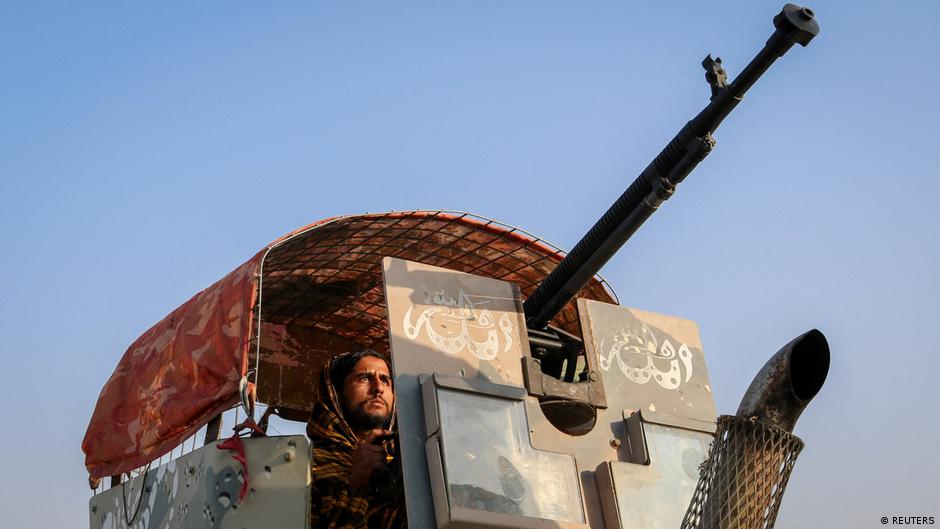
Russia has formalized a military-technical cooperation agreement with the Taliban, the radical Islamist group currently governing Afghanistan. The accord, signed on the sidelines of the International Security Forum near Moscow on May 27, marks a significant development in Russia’s engagement in Central Asia and carries important implications for global security and geopolitical alignments.
Details and Strategic Implications of the Agreement
While the specifics of the agreement remain undisclosed, such accords typically entail the exchange or transfer of weapons, military technologies, licenses, and joint development initiatives. This pact could facilitate the provision of Russian arms and technical know-how to the Taliban, thereby bolstering their military capacity.
However, some experts characterize the deal as largely symbolic. Russia’s Chief Security Council Secretary, Sergey Shoigu, and Afghanistan’s Defense Minister Mohammad Yaqoob — a former Taliban military commissar and son of the movement’s founder, Mullah Omar — formalized the agreement. Yaqoob described the step as an expansion of bilateral relations. Shoigu also called on Western nations to unfreeze Afghan assets and fund the country’s reconstruction.
“The agreement is a symbolic measure, lacking real prerequisites for serious military cooperation,” noted regional expert Ruslan Suleymanov, emphasizing the challenging realities on the ground.
Since the Taliban regained control of Afghanistan in 2021 following the U.S. troop withdrawal, Russia has cautiously repositioned itself as a partner in the region. President Vladimir Putin designated the Taliban as allies in the fight against terrorism in 2024, and in 2025, the Kremlin removed the group from Russia’s terrorist list, permitting the Taliban to establish a diplomatic mission in Moscow.
Despite these formalities, Russia’s engagement with the Taliban remains complex. Several key international players, including Tajikistan, Turkey, and Canada, continue to classify the Taliban as a terrorist organization. This divergence presents challenges for regional security architecture and international cooperation.
Global Economic and Policy Consequences
This agreement has broader macroeconomic and geopolitical ramifications. Strengthened Taliban military capabilities backed by Russian technology could alter the security balance in Central Asia, potentially destabilizing the region and affecting global supply chains, particularly those related to energy transit and resource extraction.
Moreover, Russia’s overtures to the Taliban signal a recalibration of its foreign policy to leverage influence in Afghanistan as part of a broader strategy to counter Western dominance in Eurasia. This realignment may prompt shifts in international aid flows, investment risks, and diplomatic engagements from Western and regional powers.
For senior policymakers and economic strategists, monitoring such developments is critical for anticipating potential disruptions in trade corridors and energy markets, as well as recalibrating geopolitical risk assessments tied to Afghanistan and its neighbors.