EU Delays Appointment of Negotiator with Russia Pending Strategic Clarity on Ukraine War
The European Union opts to first define negotiation goals with Russia before naming a special envoy for potential peace talks on Ukraine.
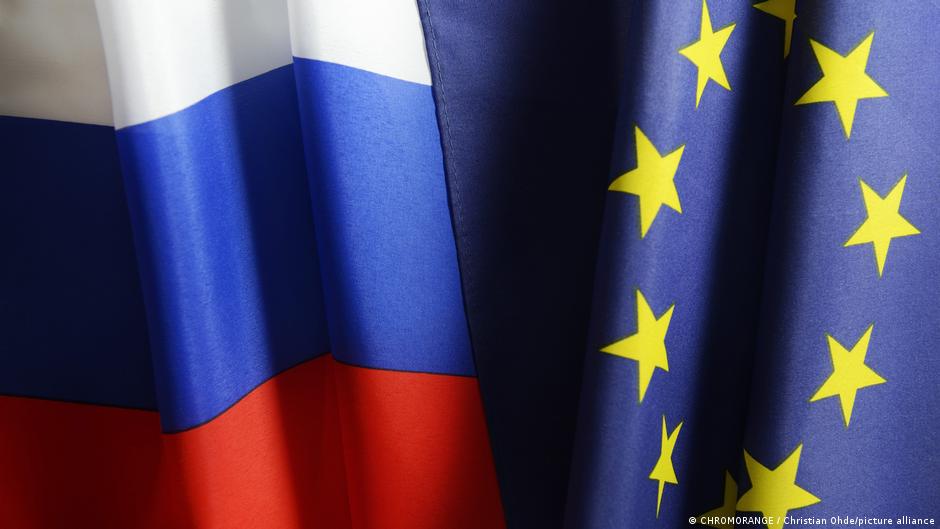
The European Union has decided not to appoint a special representative for negotiations aimed at ending the ongoing war in Ukraine at this stage. High-ranking EU officials emphasized the need to carefully develop a negotiation strategy and clarify the objectives before engaging in talks with Russia.
Strategic Pause Before Negotiations
According to insiders, both the EU's High Representative for Foreign Affairs and Security Policy, Josep Borrell, and leading member states including Germany currently view the appointment of a dedicated negotiator as premature. One EU official explained, "We first need to agree internally on what exactly we want to discuss with Russia." This measured approach reflects the complexity and sensitivity surrounding any dialogue with Moscow amid ongoing conflict.
Brussels believes that sustained sanctions pressure remains the primary lever to bring Russian President Vladimir Putin to the negotiating table. The European Commission and the European External Action Service (EEAS) are preparing the 21st package of sanctions, expected to focus on Russia's financial sector and key defense suppliers. This package is set to be presented in closed consultations, underscoring the EU's strategic use of economic measures to influence Russia's calculus.
"We, Europeans, decide ourselves who represents us. No one else." — Chancellor Friedrich Merz
Potential Candidates and Political Sensitivities
Within EU circles, there has been active discussion about appointing a special envoy for possible negotiations with Russia. Names floated include former European Central Bank President Mario Draghi, former German Chancellor Angela Merkel, and Finnish President Sauli Niinistö. However, no consensus has been reached, reflecting the delicate balance the EU seeks to maintain in its diplomatic posture.
Russian President Vladimir Putin has publicly stated a preference for former German Chancellor Gerhard Schröder as the EU's negotiator. Schröder, known for his close ties to Putin, remains a contentious figure. Both the current German government and EU representatives have explicitly excluded Schröder from consideration, highlighting concerns over legitimacy and alignment with EU values.
German Chancellor Friedrich Merz underscored the principle of European autonomy in foreign policy decisions, stating, "We, Europeans, decide ourselves who represents us. No one else." This assertion reinforces the EU's commitment to maintaining control over its diplomatic engagements without external influence.
Broader Economic and Geopolitical Implications
The EU's cautious stance on appointing a negotiator signals a broader strategic calculation about how best to leverage economic sanctions and diplomatic pressure to influence the trajectory of the Ukraine conflict. The ongoing preparation of comprehensive sanctions packages reflects recognition of the potential long-term economic consequences for both Russia and the EU's own economies.
For senior policymakers and economic decision-makers, this approach illustrates the intricate interplay between economic statecraft and diplomatic strategy in a high-stakes geopolitical environment. The EU's emphasis on internal consensus before engaging in negotiations aims to safeguard unity and coherence in its external policy, which is critical as the war continues to reshape global economic and security dynamics.