Moscow Grants Agrément for New German Ambassador Amid Strained Russia-Germany Relations
Clemens von Goetze to replace Alexander Graf Lambsdorff as Germany’s ambassador to Russia, signaling cautious diplomatic continuity.
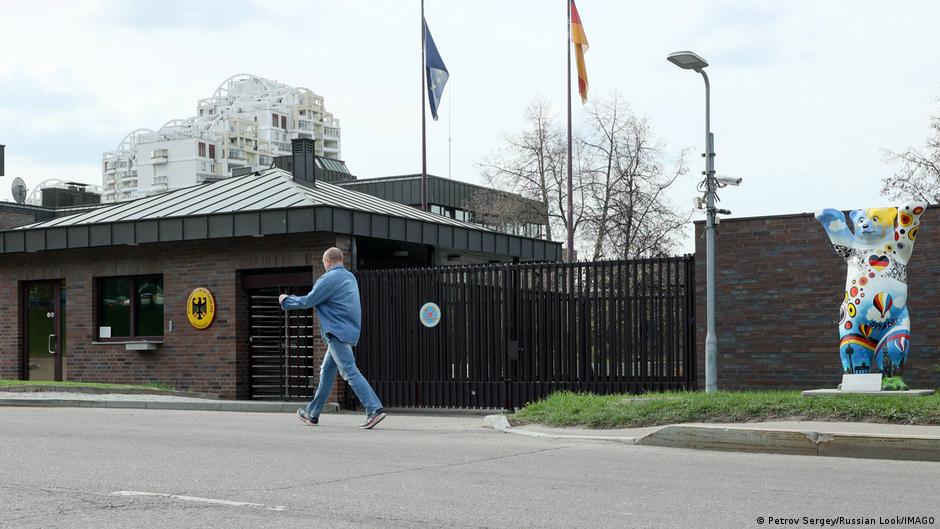
Moscow has officially granted agrément to Clemens von Goetze, the appointed successor to Germany’s ambassador in Russia, Alexander Graf Lambsdorff. This development marks a notable step in the diplomatic relations between the two countries, which have been markedly strained since the onset of Russia's full-scale military invasion of Ukraine.
According to sources linked to the German Embassy in Russia, von Goetze is expected to assume his position in Moscow around July 2024. The agrément, a formal consent document allowing the diplomatic appointment, has been received from Russian authorities.
Experienced Diplomat Takes Helm Amid a Challenging Geopolitical Context
Clemens von Goetze brings extensive experience in foreign policy and security affairs, having previously served as ambassador to Israel, China, and Japan. Before his upcoming Moscow posting, he headed Germany’s embassy in Mexico City. His appointment reflects Germany’s intent to maintain diplomatic channels despite significant policy and political tensions.
"Our role as lawmakers includes establishing contacts with exiled advocates of freedom and self-determination," emphasized German parliamentarian Roderich Kiesewetter, highlighting the complexity of diplomatic engagements amid geopolitical conflict.
Von Goetze’s replacement in Mexico will be Maria Margarete Gosse, formerly ambassador to Spain, while Alexander Graf Lambsdorff is set to take up the role of German ambassador to Israel.
The diplomatic shuffle occurs against a backdrop of deteriorated Russia-Germany relations. Since Russia’s invasion of Ukraine, Germany has emerged as a key ally supporting Ukraine, contributing to tensions with Moscow. These strains have manifested in a series of diplomatic confrontations, including official summons of Lambsdorff by the Russian Foreign Ministry in June 2023 and again in April 2024.
The April summons followed a meeting between a German Bundestag member and Ahmed Zakayev, a controversial figure designated a terrorist by Russia but regarded by some in Germany as a freedom advocate for Chechnya. This meeting exacerbated diplomatic friction, underscoring the challenges Germany faces balancing support for Ukraine and its broader foreign policy objectives.
Broader Implications for Germany-Russia Relations and European Security
The appointment of Clemens von Goetze signals Germany’s cautious approach to maintaining diplomatic relations with Russia while navigating the complexities of a rapidly shifting geopolitical landscape. The continuity of seasoned diplomats suggests a recognition of the importance of dialogue, even amid severe political disagreements and sanctions regimes.
For policy-makers and economic stakeholders, this development underscores a critical juncture in Europe’s security architecture and economic interdependence. Germany’s role as a major economic power and key NATO member positions it at the forefront of managing the long-term consequences of Russia’s actions in Ukraine, including potential shifts in energy supplies, trade flows, and regional stability.
As Clemens von Goetze prepares to take up his post, the international community will be watching closely to assess how diplomatic engagement evolves against the backdrop of ongoing conflict and competing strategic interests.