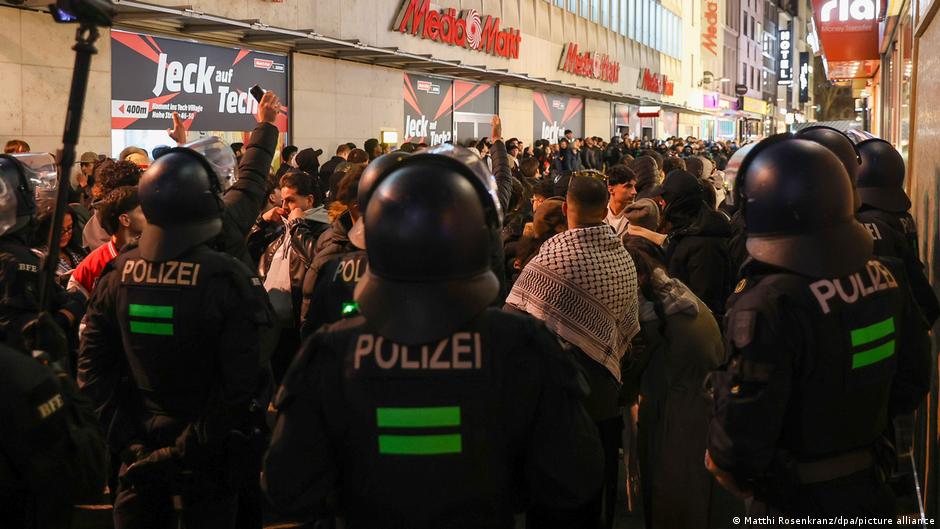
German Youth Protests Expose Mounting Economic and Social Strains
Youth unrest across Germany highlights growing European pressure over living costs, public services, climate action and competing fiscal priorities.

Youth unrest across Germany highlights growing European pressure over living costs, public services, climate action and competing fiscal priorities.

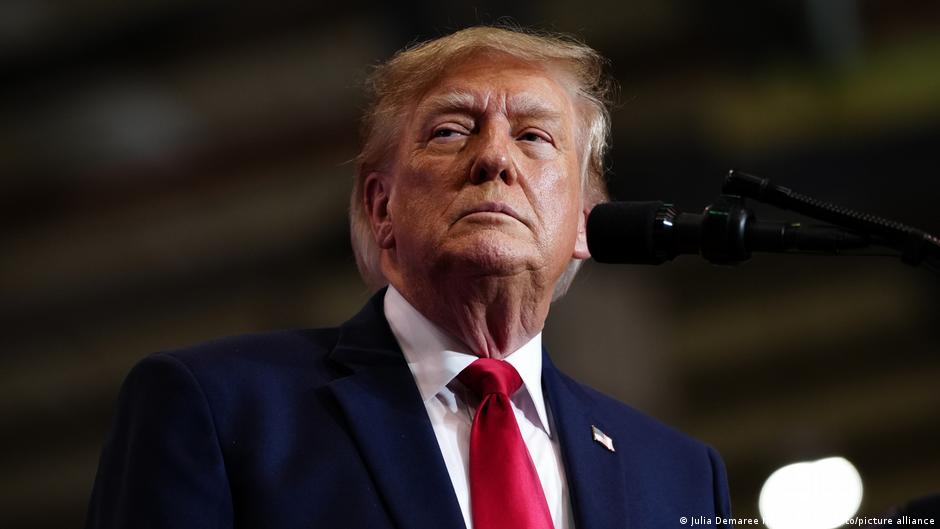
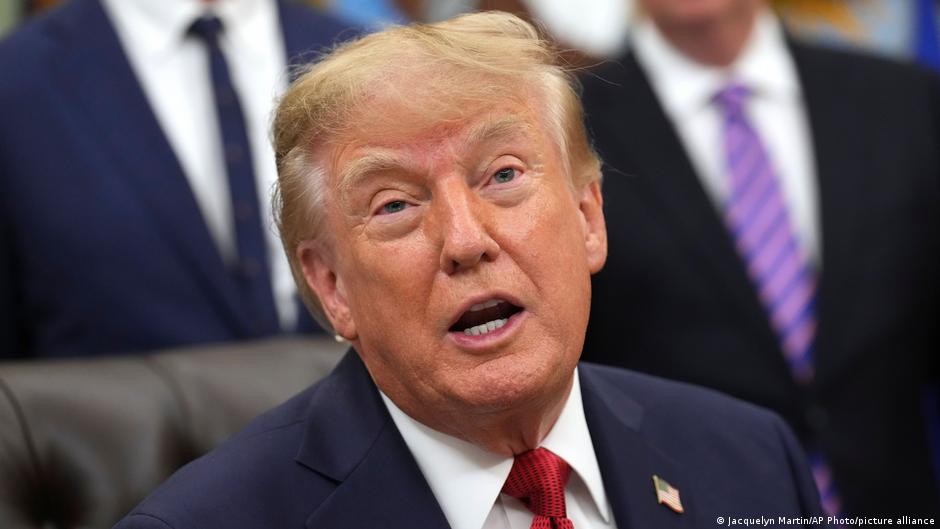
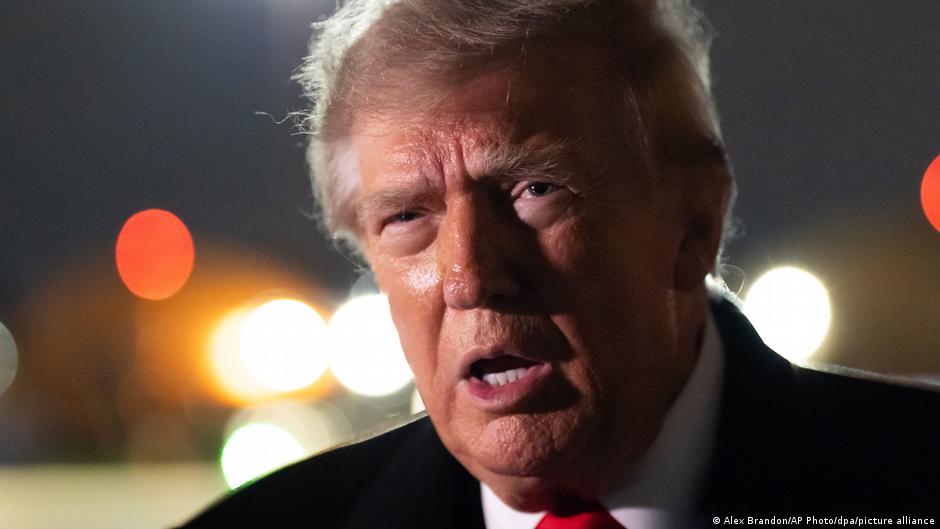
Trump questioned the FBI’s attribution of a $6.3 billion Binance theft to North Korea, highlighting the geopolitical and regulatory risks surrounding global crypto markets.

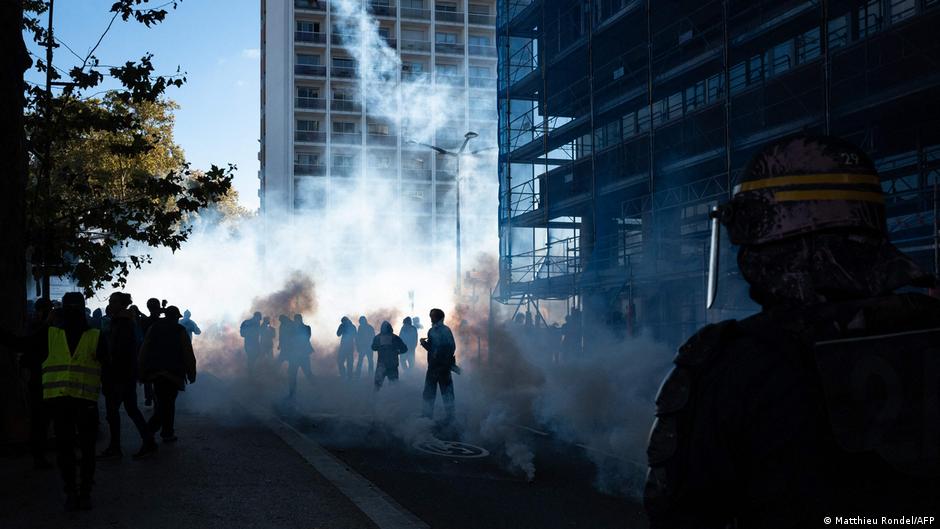
French protest turnout fell to 320,000, but cost-of-living and education grievances continue to pose fiscal and political risks.

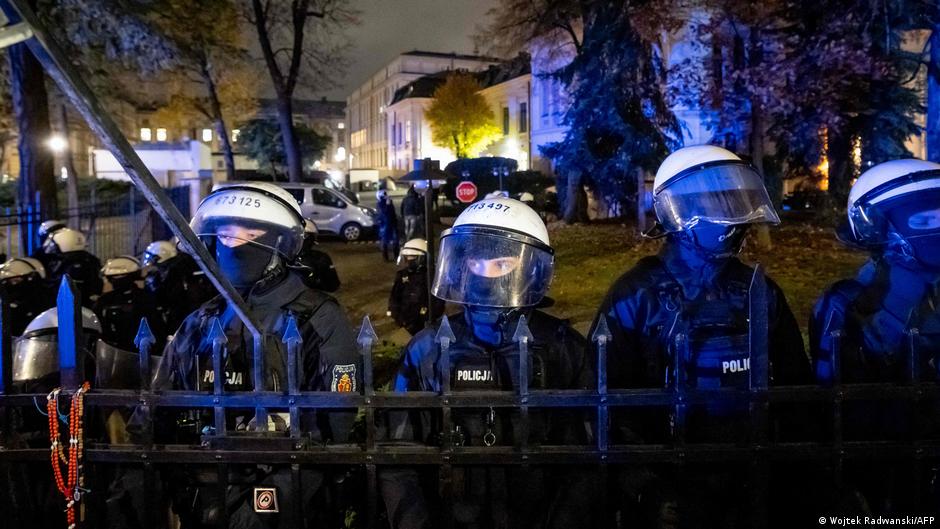
Poland’s tribunal leadership dispute has triggered protests and presidential intervention, intensifying concerns over legal certainty and policy credibility.

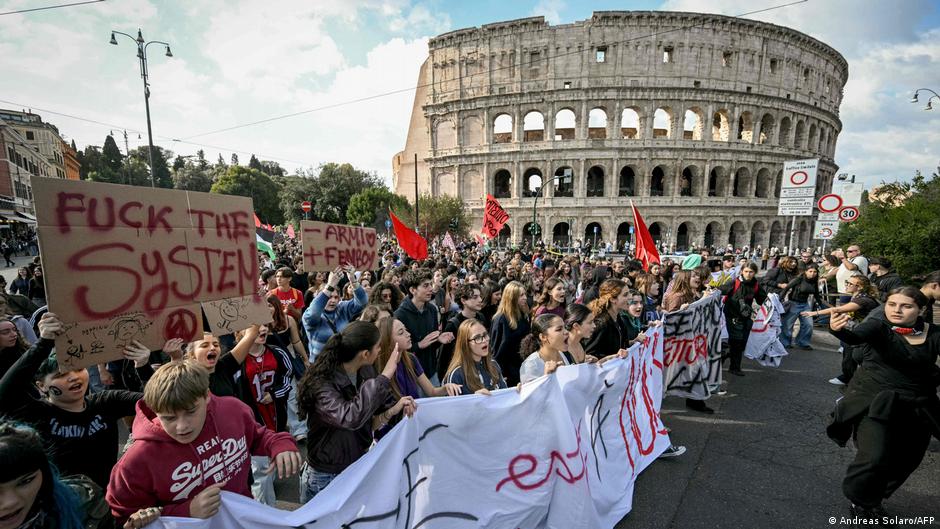
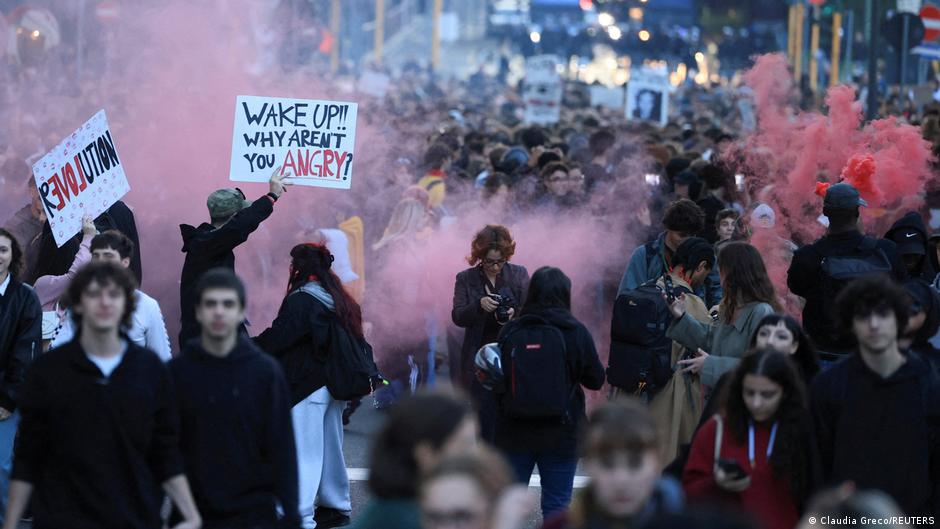
Italian protests over rents, fuel prices and military spending expose Europe’s growing struggle to reconcile defence commitments with household and social priorities.

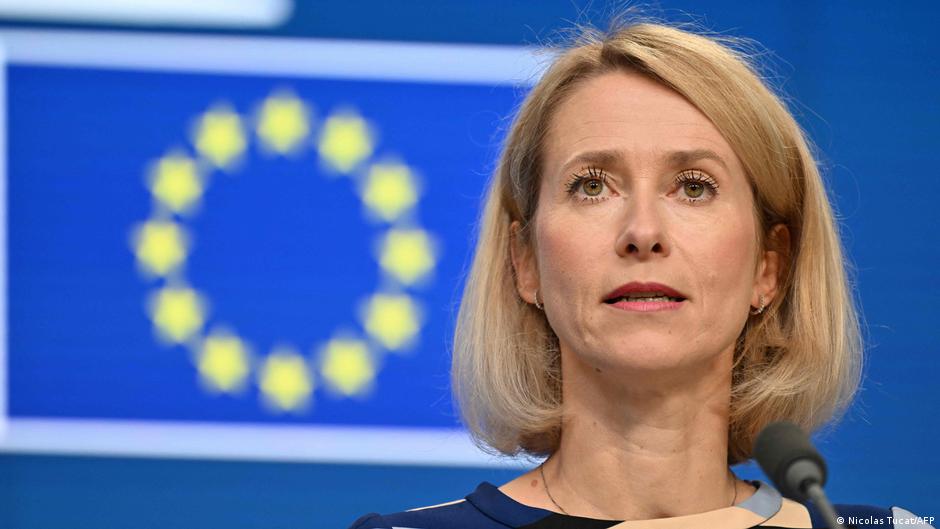
Kaja Kallas said Russia showed no readiness for Ukraine peace talks at the G20, reinforcing expectations of continued European pressure and geopolitical uncertainty.

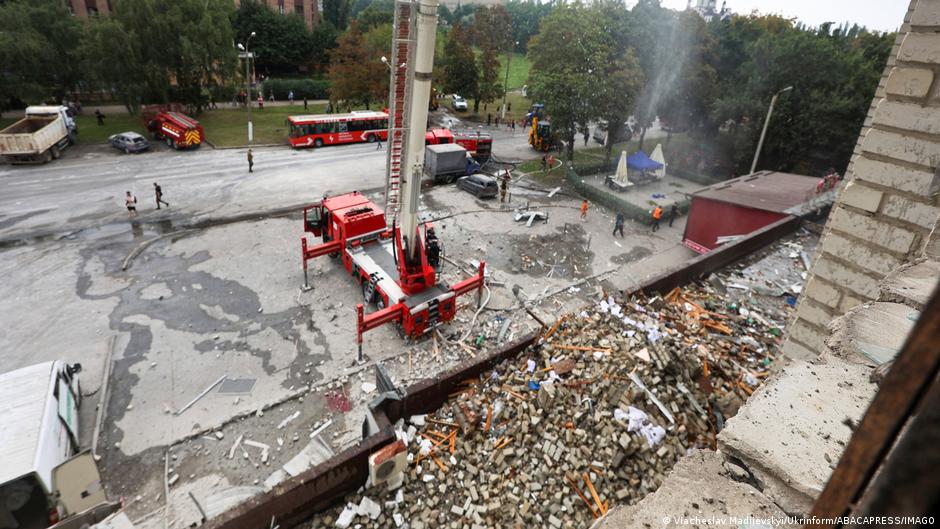
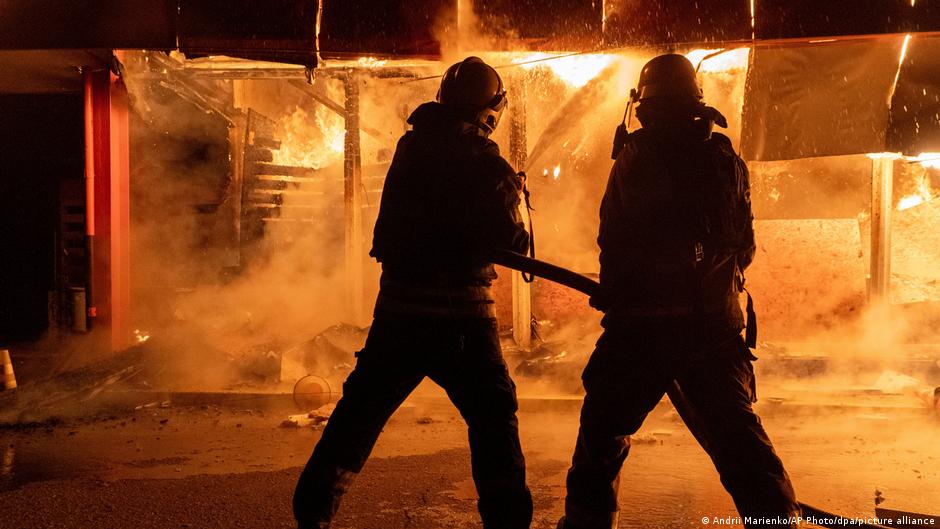
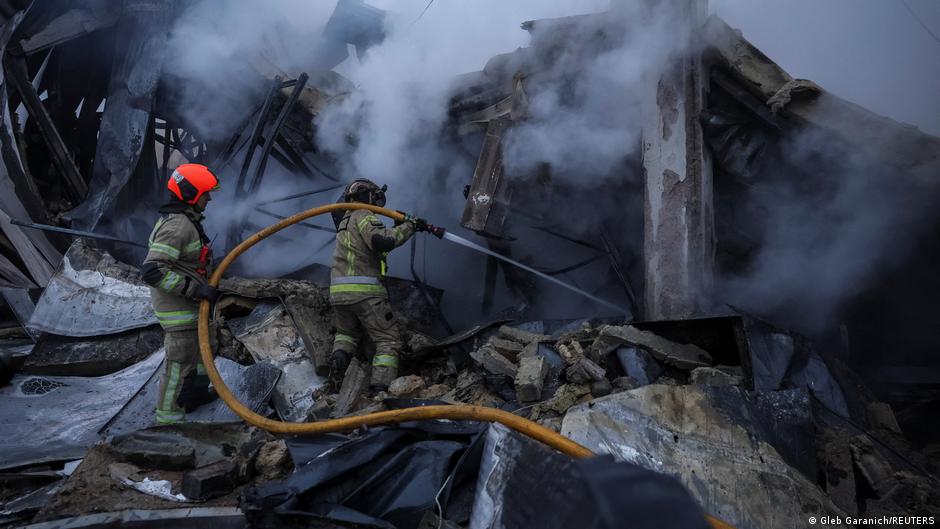
Russian strikes killed at least 20 people across Ukraine and damaged rail, warehouse, residential and industrial assets, intensifying economic pressures.

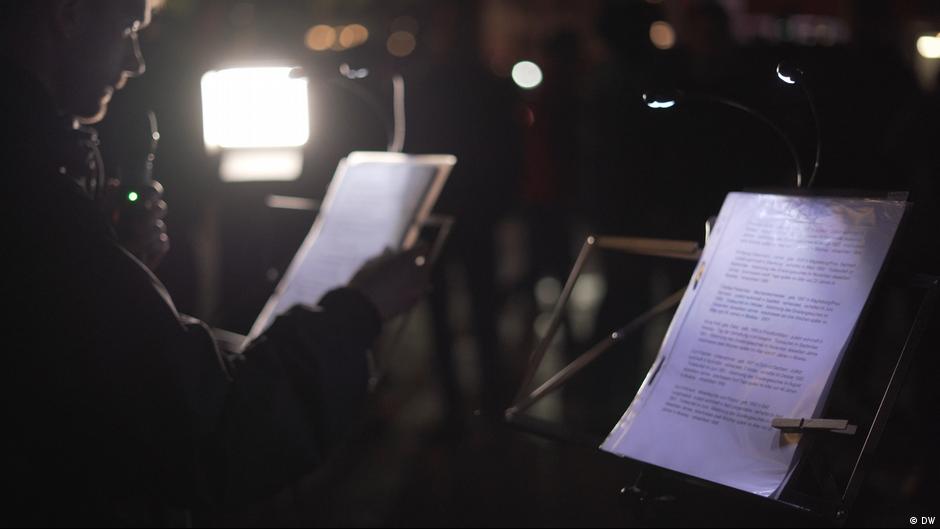
Commemorations in 101 cities reveal how restrictions on Russian civic initiatives are shifting historical-memory work abroad and affecting perceptions of institutional risk.

Ukraine’s reported refinery-strike pause shows how US electoral pressure, fuel prices and dependence on American technology are reshaping wartime strategy.

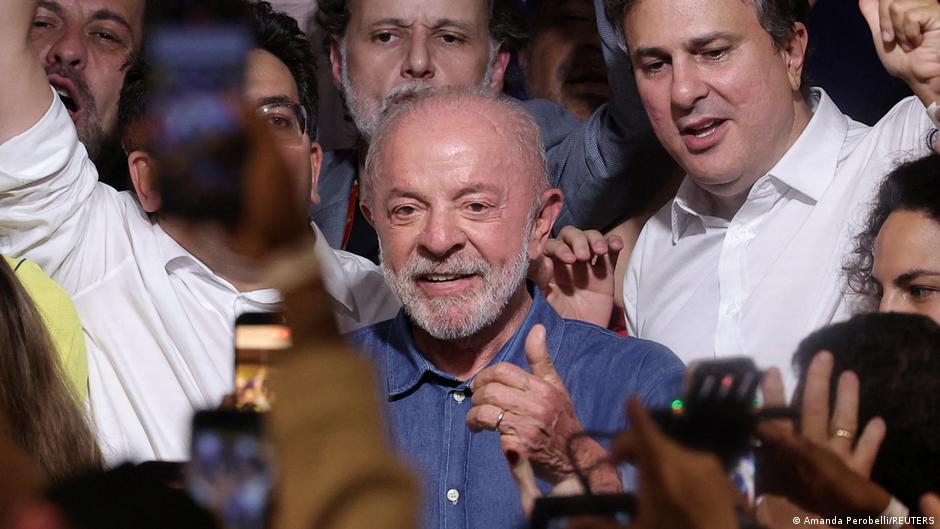
Flávio Bolsonaro’s fraud allegations and departure abroad add institutional uncertainty to Brazil’s policy outlook after Lula’s narrow election victory.

Britain and the Netherlands are combining winter defence assistance with loans, guarantees and multiyear funding for Ukraine’s reconstruction.

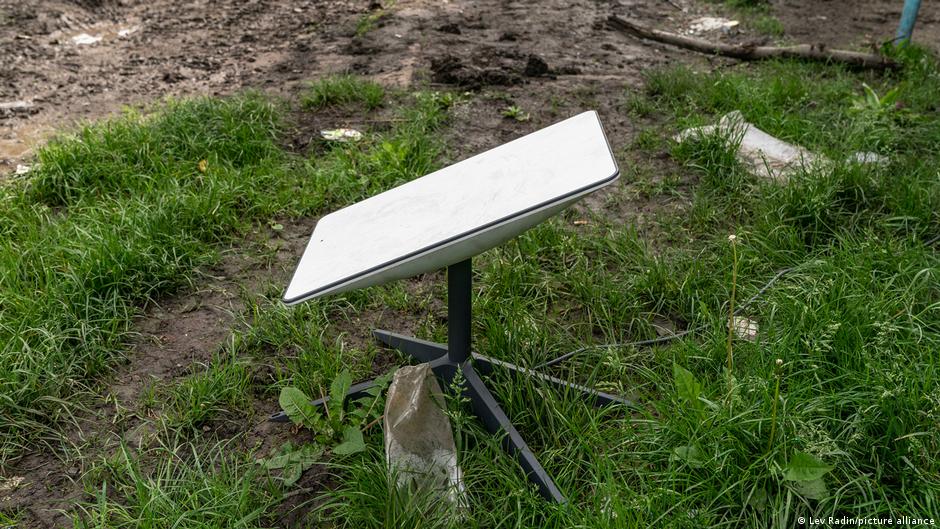
The Pentagon watchdog’s refusal to investigate Starlink disruptions intensifies debate over private control of critical defense communications.

Washington is reviewing sanctions on Russia’s RDIF as proposed diesel shipments bring energy prices, investment ties and sanctions policy into the same negotiation.

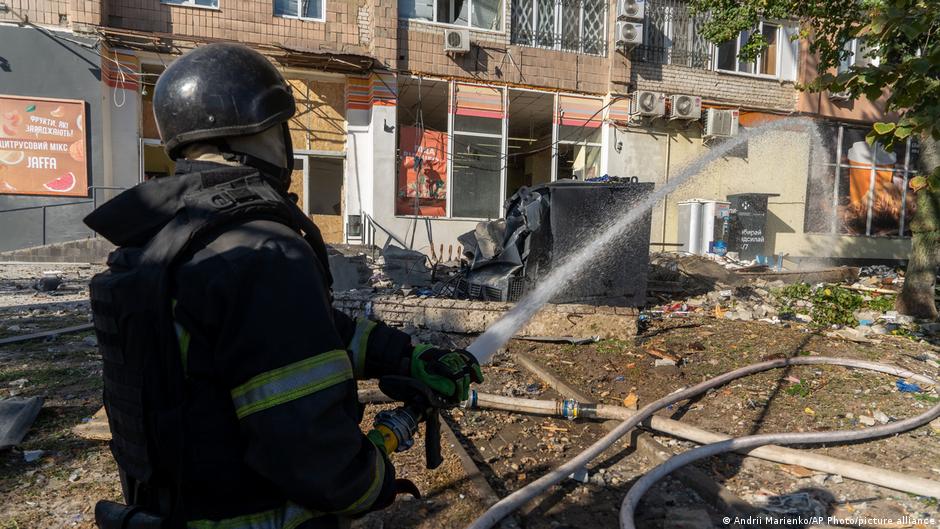
A Russian drone strike injured four people in Kharkiv and damaged homes and a production building, adding to Ukraine’s human and economic burden.

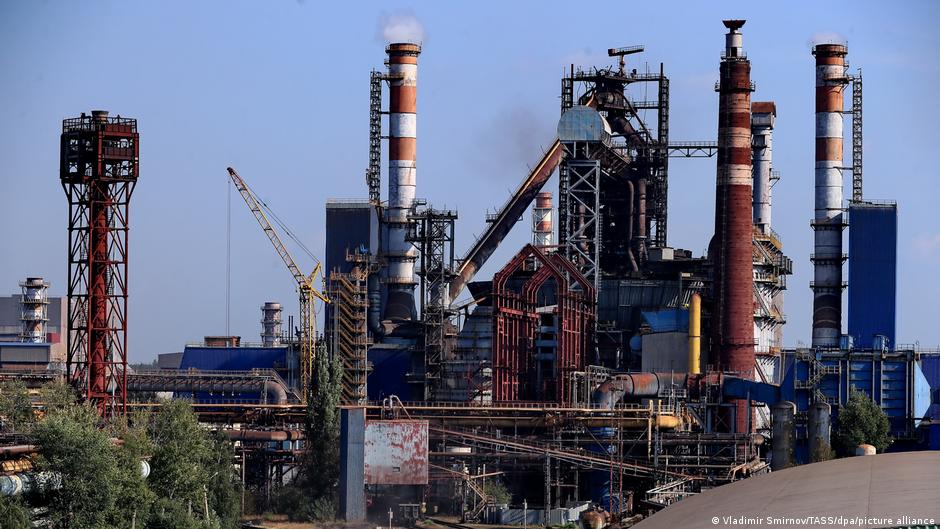
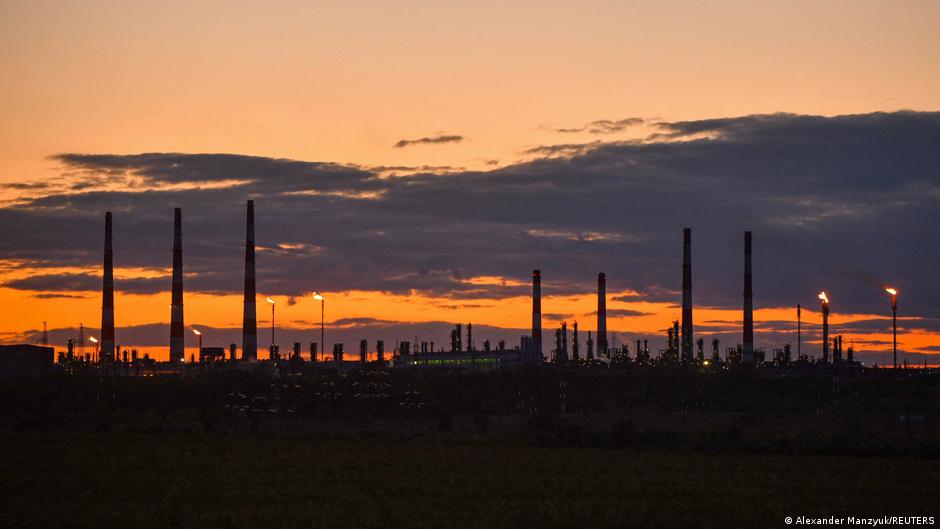
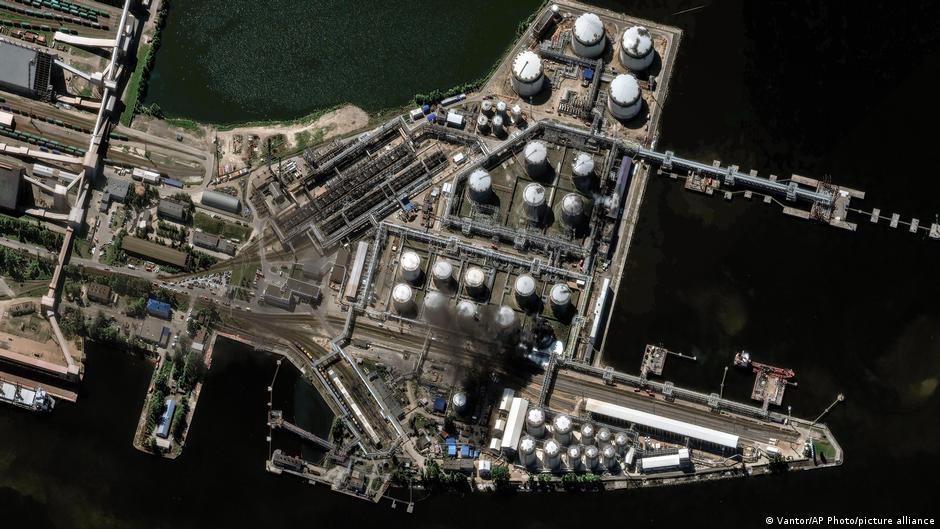
Reported strikes on steel, chemical and battery plants expose rising risks to Russia’s concentrated industrial base and defense-linked supply chains.

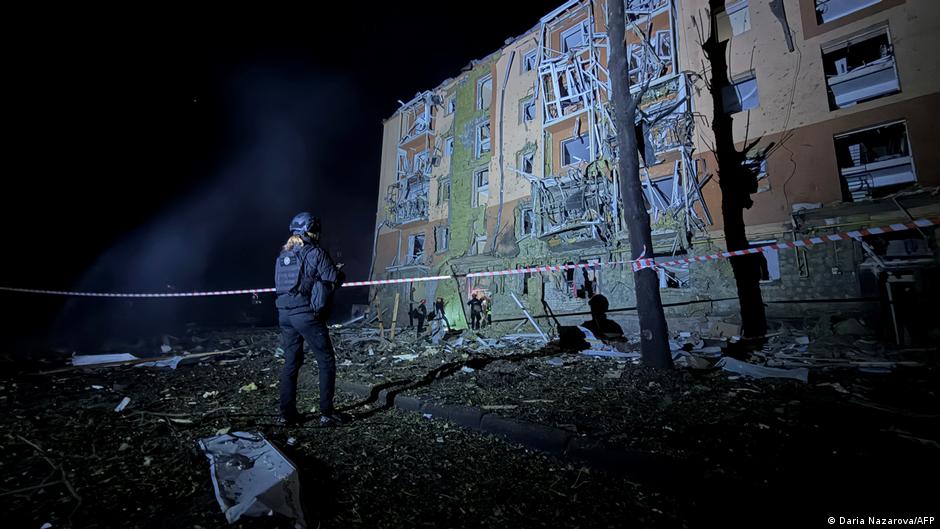
Missile strikes on Kyiv and Kharkiv killed at least three people and injured 14, damaging homes and public infrastructure in two major Ukrainian economic centers.

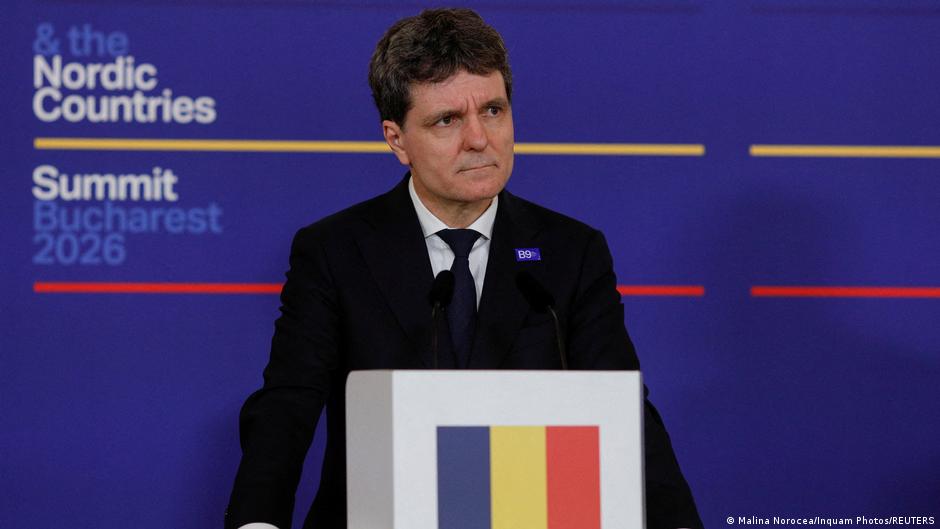
Romania says a Russian-coordinated network targeted an arms plant, underscoring security and supply-chain risks for Europe’s defense expansion.

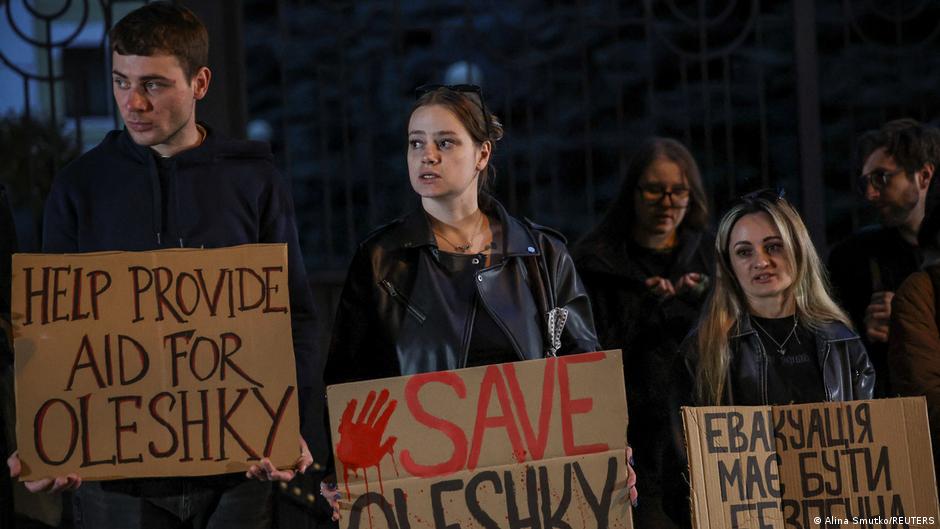
A temporary Oleshky ceasefire enables aid and evacuation preparations while exposing the infrastructure, demining and displacement costs facing southern Ukraine.

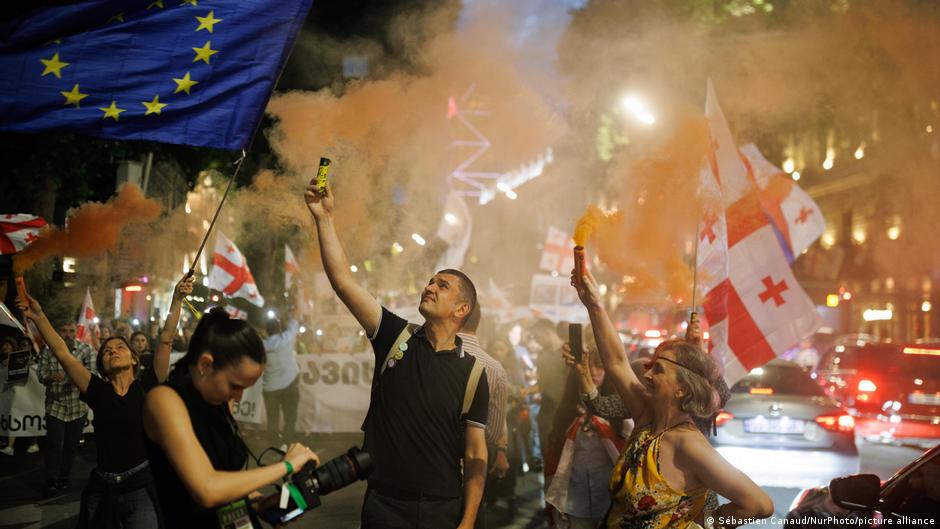
Renewed protests and a possible ban on opposition parties are deepening uncertainty over Georgia’s institutions and European economic trajectory.

Lula won Brazil’s runoff with 51.8%, but Flávio Bolsonaro’s demand to annul the result adds institutional risk to an already fragile economic outlook.

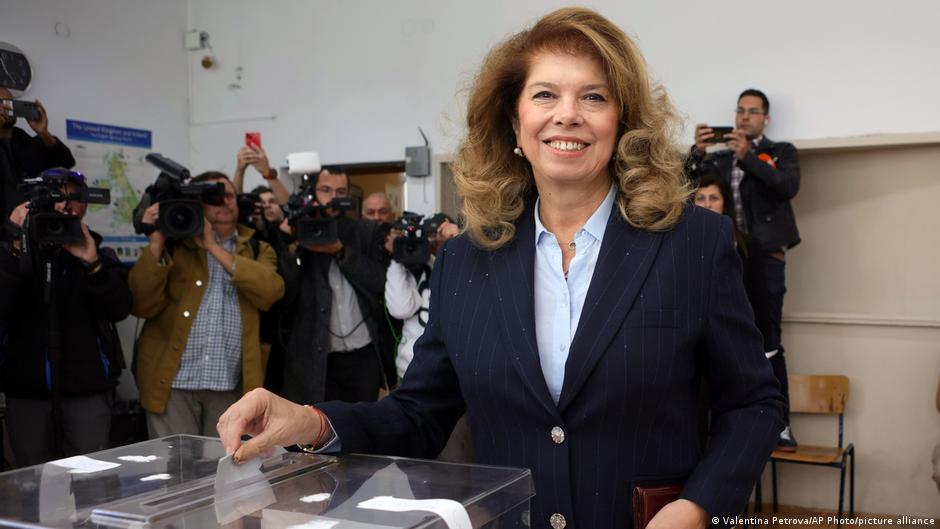
Bulgaria faces a November 1 presidential runoff after low turnout and a close first round intensified uncertainty over security and foreign policy.

Cost-of-living protests spread across Italy as police reported nine arrests and 371 preliminary detentions amid tighter security and pressure on the Meloni government.

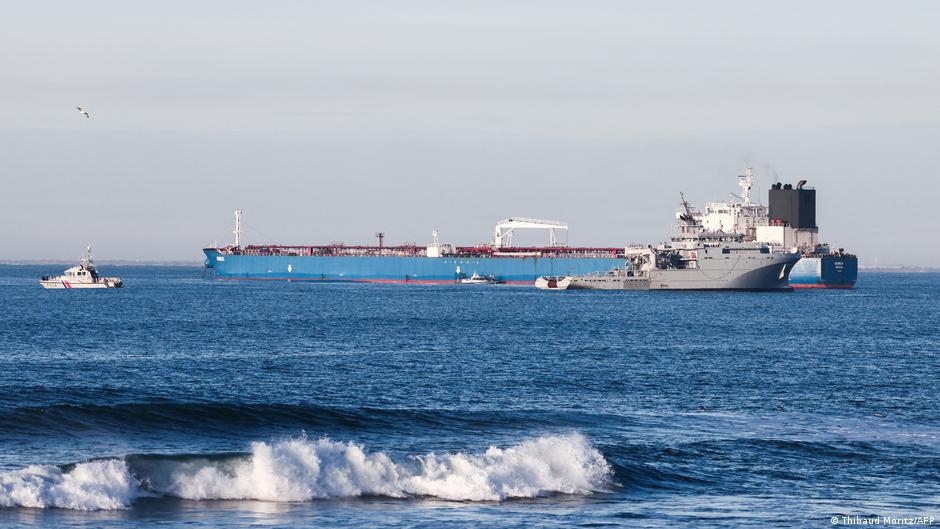
MYRA’s Atlantic distress call highlights the maritime, regulatory and economic risks created by opaque networks carrying sanctioned Russian and Iranian oil.

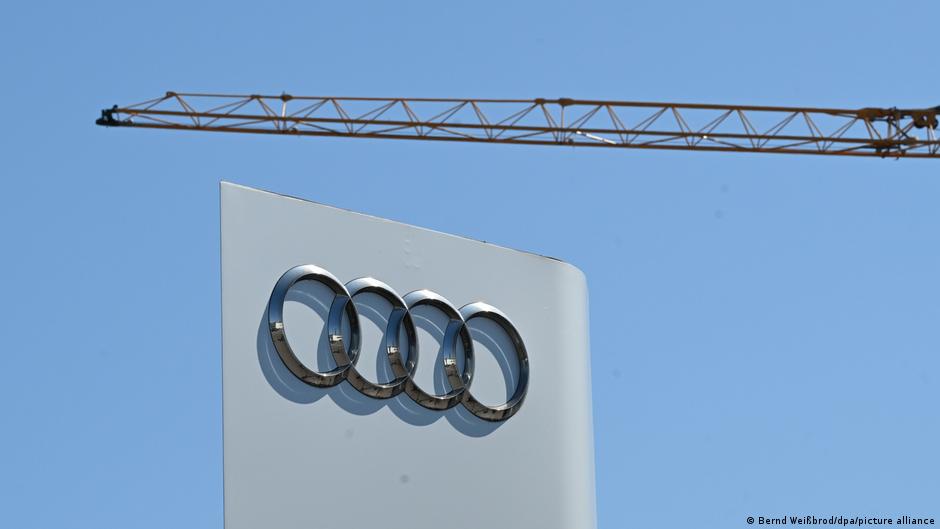
Audi will invest about $4 billion in a Georgia SUV plant as US tariffs push global automakers to localize production and reconsider European capacity.

Ukraine says Starshield speed limits remain in force, exposing strategic and economic risks tied to private infrastructure and delayed allied support.

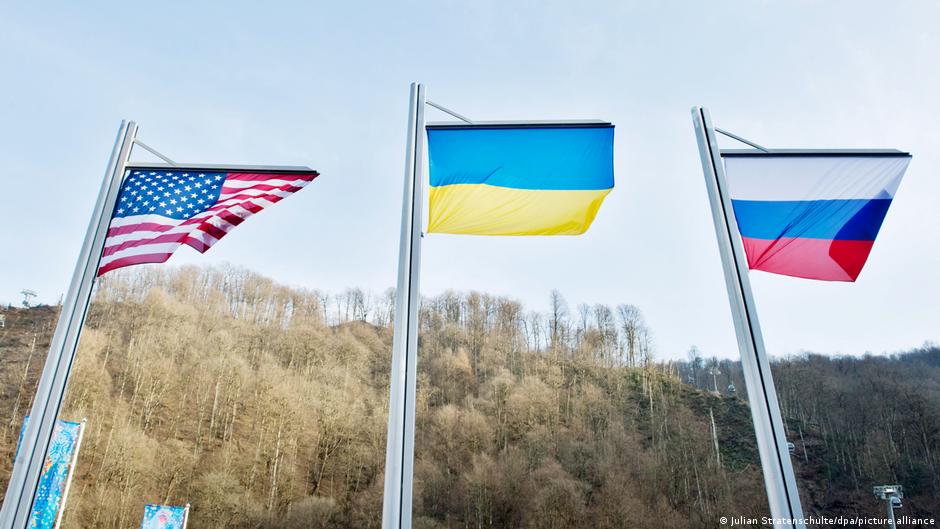
The US, Ukraine and Russia may meet in Abu Dhabi or Switzerland as negotiators seek a path toward leader-level talks and a postwar security framework.

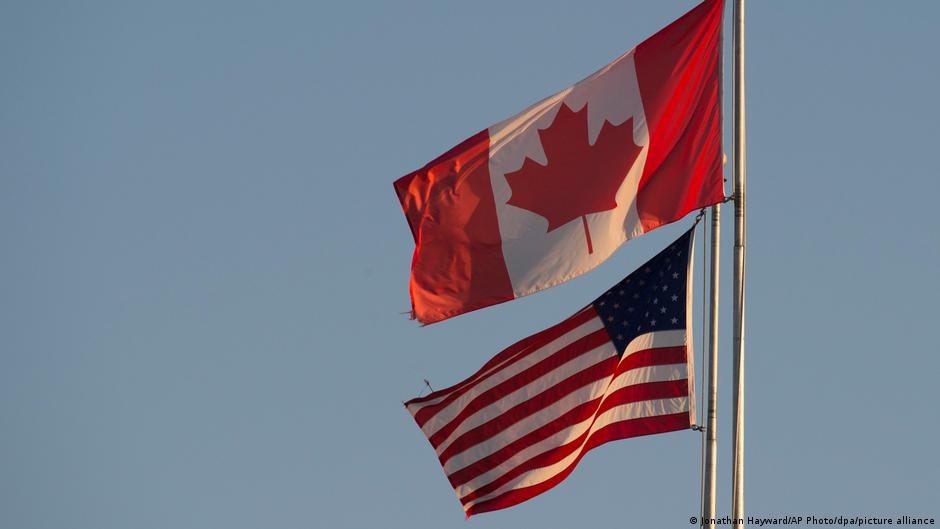
Washington will lift 50% duties on selected Canadian goods from October 30 while placing tariffs on a new range of consumer and industrial imports.

Trump says SpaceX restored Starlink access in Ukraine, highlighting the strategic risks of relying on privately controlled wartime infrastructure.

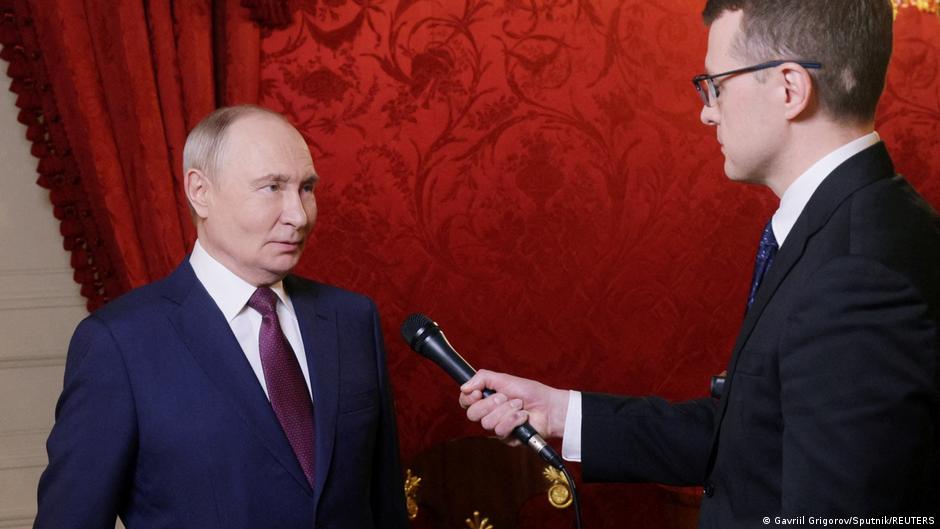
Putin backed US-mediated talks with Kyiv but rejected freezing the current front, leaving territorial disputes and war-related economic uncertainty unresolved.

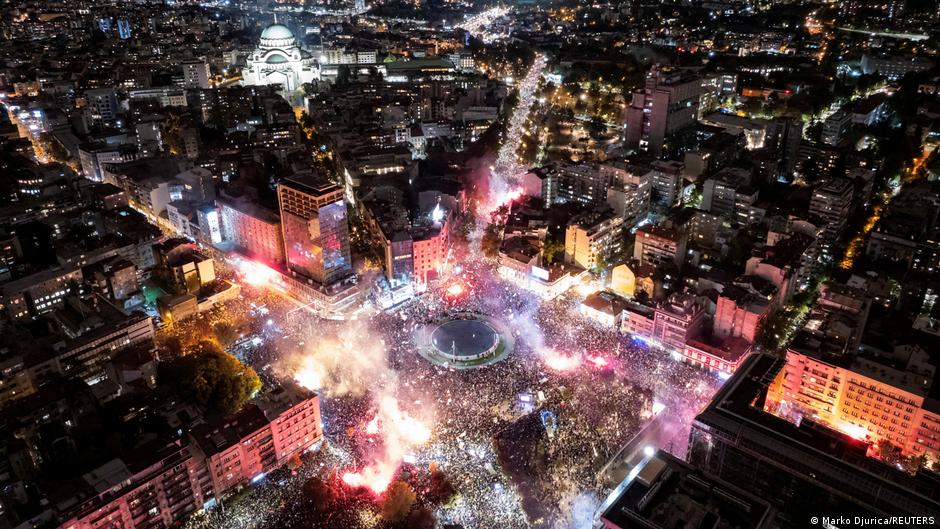
Serbia’s student-led opposition is narrowly ahead in polls as a mass Belgrade rally intensifies pressure on President Aleksandar Vucic before the October 25 election.

A Russian ballistic missile strike killed a 21-year-old woman and damaged buildings and metro infrastructure, highlighting Kyiv’s continuing economic vulnerability.

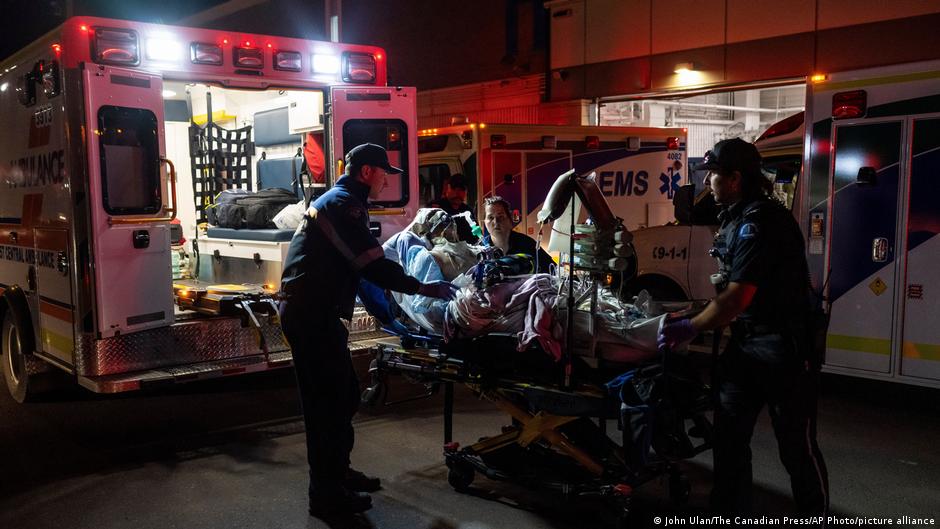
Four soldiers died and dozens were injured at an Alberta base, intensifying scrutiny of wildfire risk, military preparedness and future defence spending.

Trump has postponed sweeping Russia-linked tariffs, citing Ukraine negotiations, Moscow’s limited support for Iran and risks to global diesel markets.

A reported US peace proposal linking renewed Russian gas sales to an end to the Ukraine war challenges Europe’s energy phaseout and security strategy.

Russian strikes killed two people, disrupted power supplies and suspended production at a German-owned automotive wiring plant in Ukraine.

A mass drone attack disrupted energy, transport, power and digital infrastructure across St Petersburg and the surrounding Leningrad region.

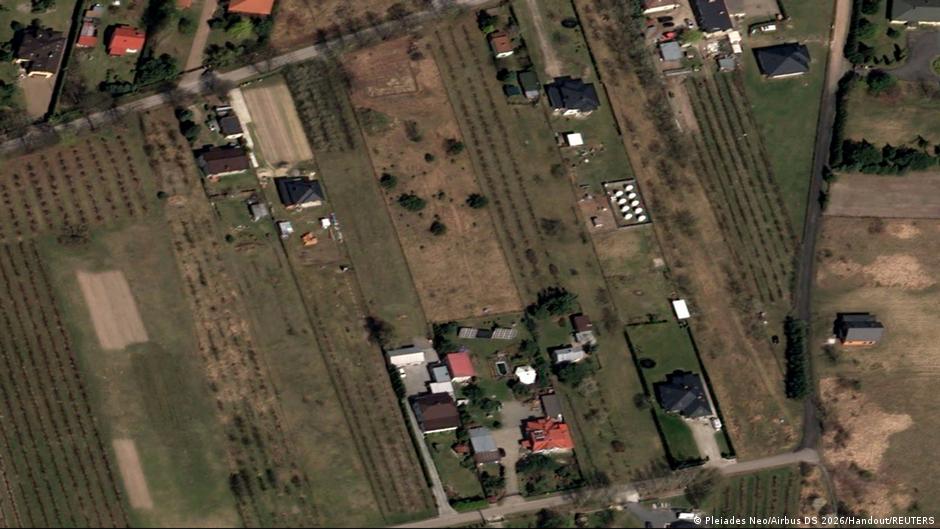
A suspected arson attack on a Polish Starlink station highlights the rising economic and security costs of protecting Europe’s strategic communications infrastructure.

Russia’s designation of two StopTime musicians as foreign agents highlights growing compliance, human-capital and investment risks.

Moldova recorded five drone incursions on October 16, intensifying security and policy pressures as spillovers from Russia’s war against Ukraine continue.

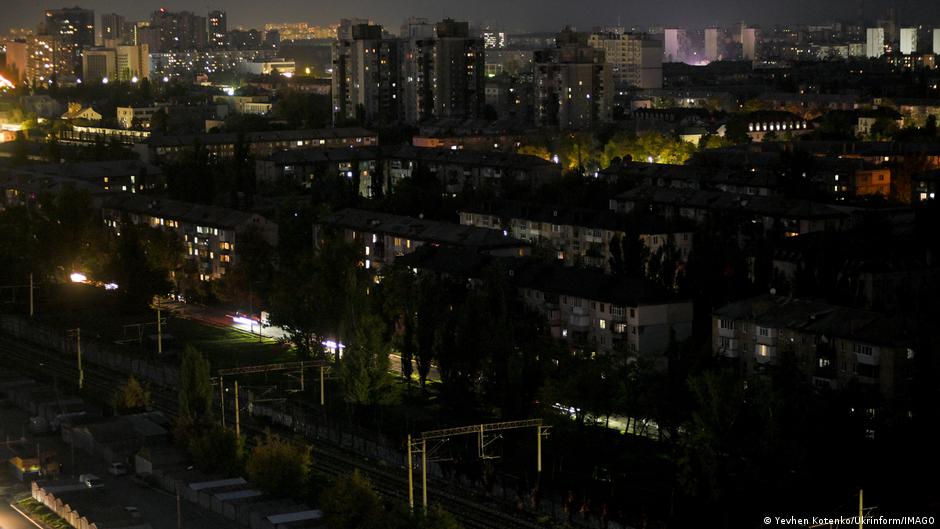
Power and water disruptions in Kyiv and Volyn highlight the mounting economic risks from attacks on Ukraine’s interconnected utility networks.

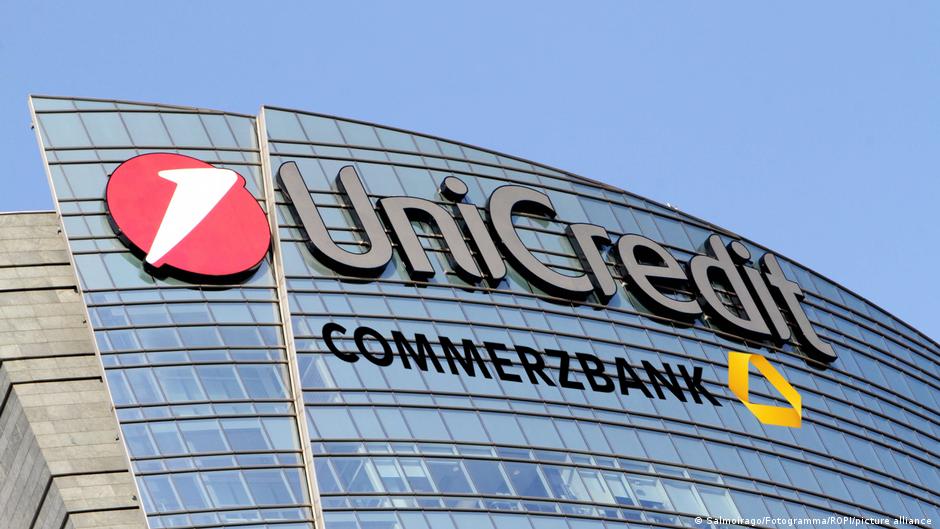
ECB approval gives UniCredit a path to control Commerzbank, advancing eurozone banking integration despite German concerns over jobs and business lending.

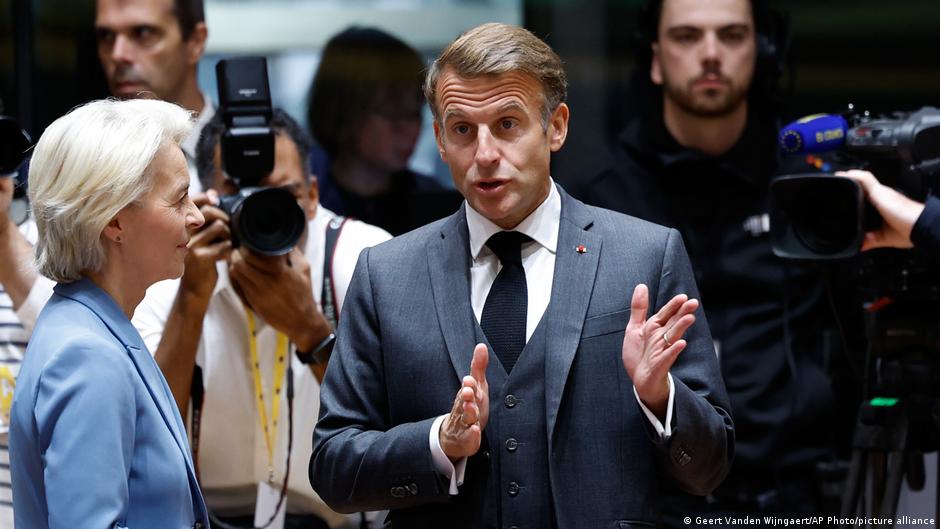
EU leaders postponed a seven-year budget deal amid disputes over spending cuts, strategic investment and proposed bloc-wide levies.

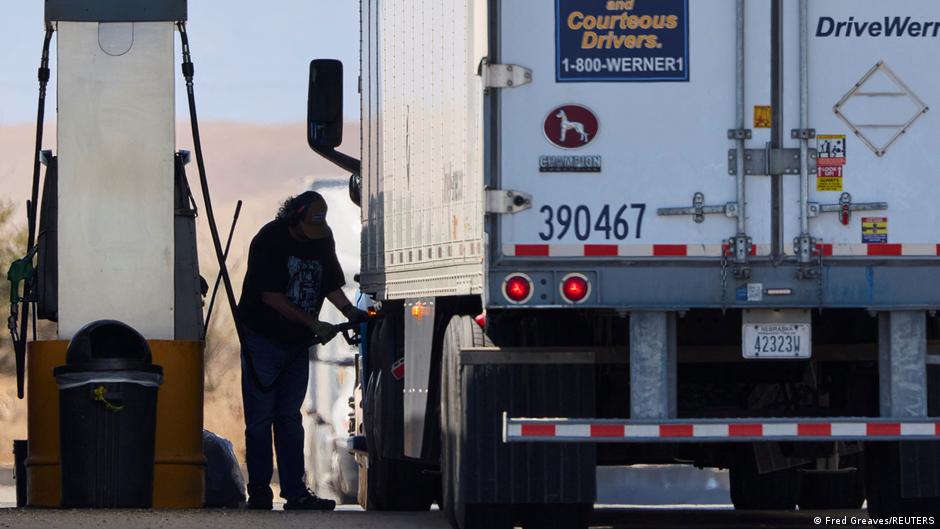
A bipartisan Senate group says Trump’s Russian diesel deal would offer little price relief while funding Moscow’s war effort.

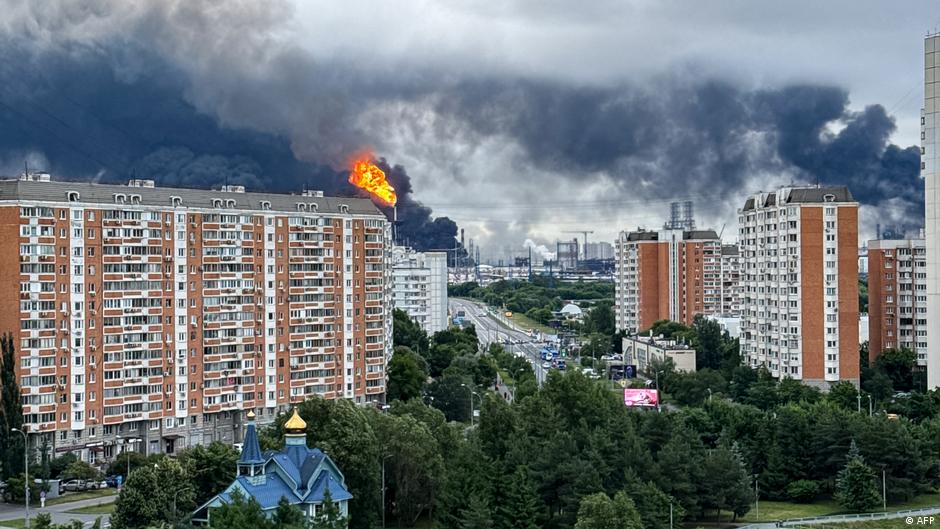
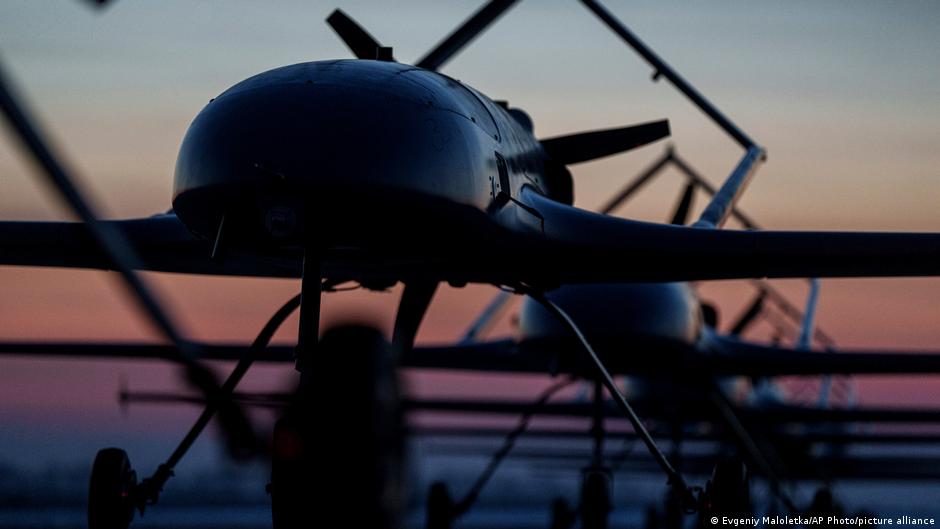
Russian officials reported more than 100 drones destroyed near Moscow as airport limits, aircraft diversions and regional damage exposed wider economic risks.

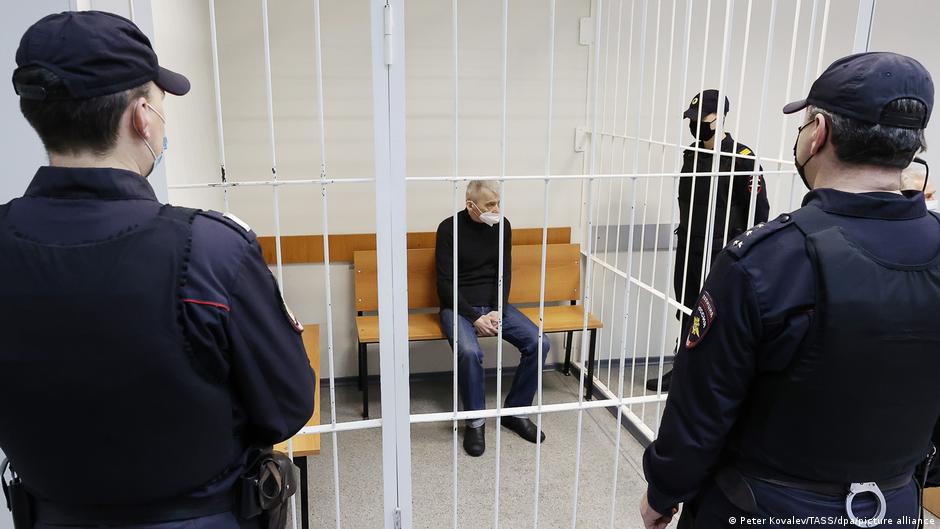
Yuri Dmitriev’s return to a penal colony without a diagnosis highlights institutional risks with wider implications for Russia’s economy.

Finland is urging the EU to halt tourist visas for Russians, turning mobility rules into a broader tool of pressure over the war in Ukraine.

EU states agreed to open internal market and competitiveness accession clusters for Ukraine and Moldova, deepening economic integration talks.

Trump said Putin is more interested than Zelensky in a Ukraine peace deal as Kyiv urged U.S. pressure over an energy ceasefire.

Washington’s reported threat to block a Ukraine arms channel highlights the growing economic stakes of energy infrastructure strikes.

The EU plans new funding for Ukrainian drones and missiles as leaders prepare to discuss Kyiv’s financing needs and long-term support.