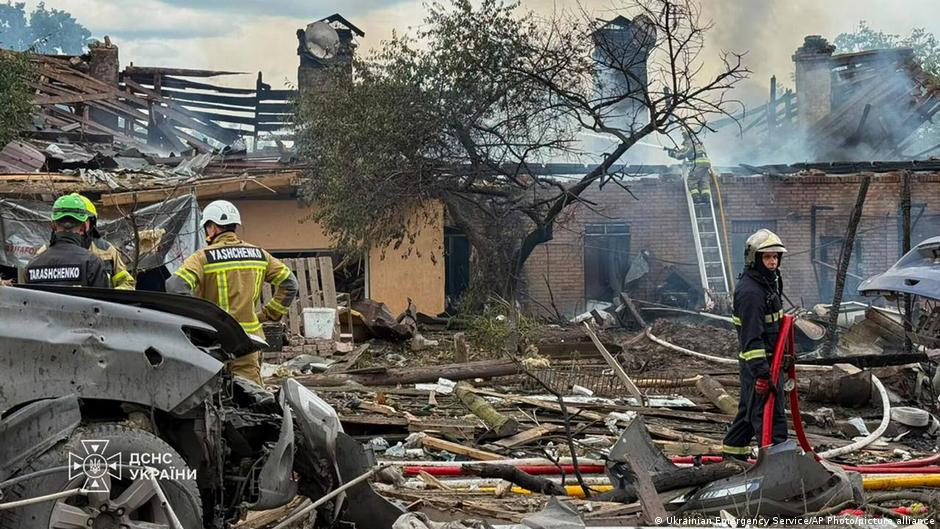
EU Summons Russian Envoy Following Missile Strike on Kyiv Military Range
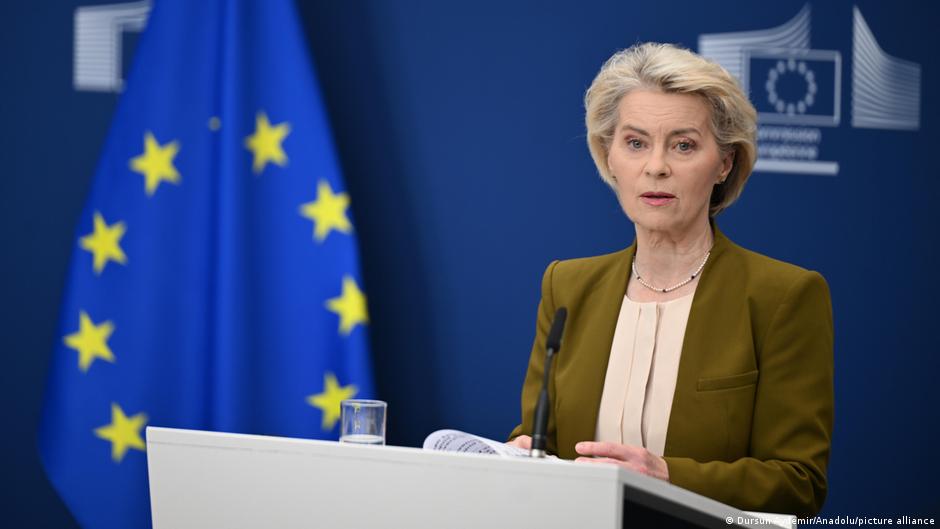
The EU condemns Russia's missile strikes on Ukraine, summons Russian envoy, and plans expanded sanctions amid escalating drone warfare and diplomatic tensions.

The EU condemns Russia's missile strikes on Ukraine, summons Russian envoy, and plans expanded sanctions amid escalating drone warfare and diplomatic tensions.
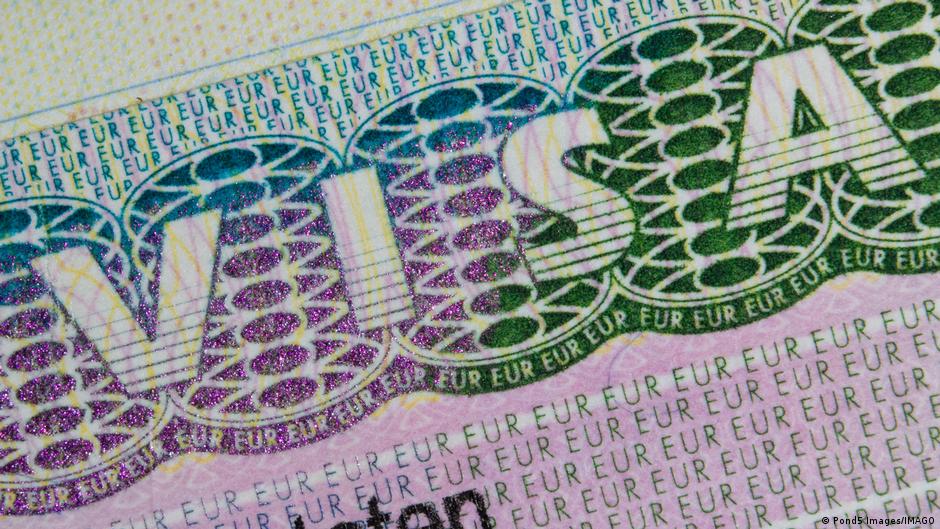
Montenegro will end visa-free travel for Russian and Belarusian citizens by October 31, 2026, aligning its policy with EU accession requirements and security considerations.

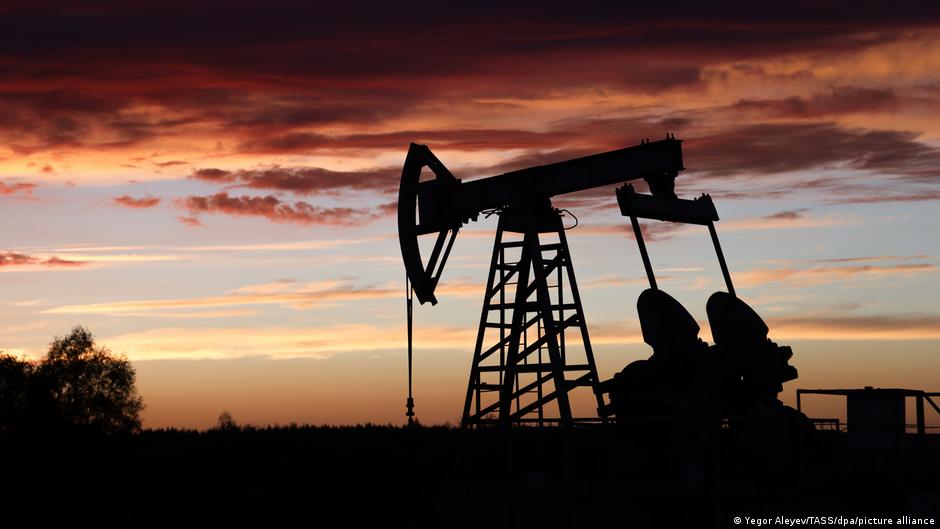
Russia’s July oil and gas revenues may rise 60% year-on-year due to higher global prices, despite sustained EU sanctions targeting its energy exports.

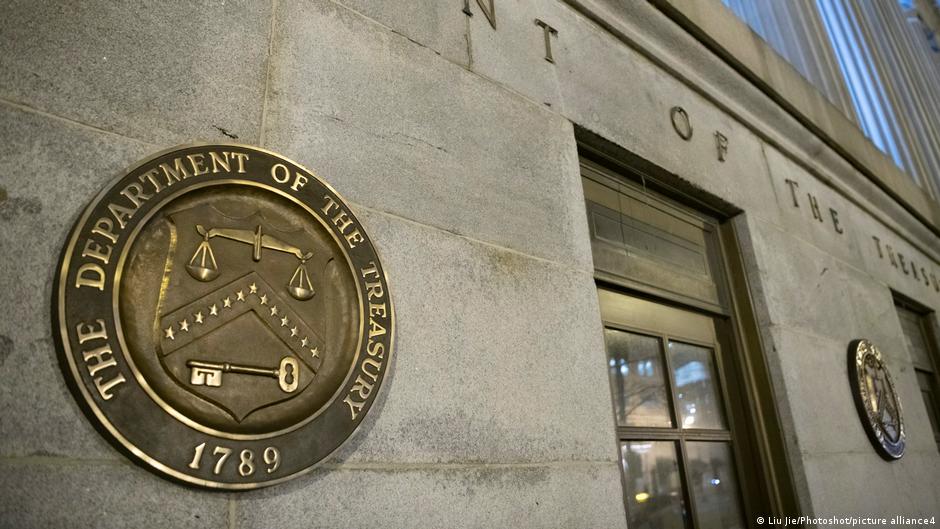
The US removes sanctions on Miami-based Bel-Kap-Steel amid Belarus's release of political prisoners, signaling shifts in economic diplomacy and regional market dynamics.

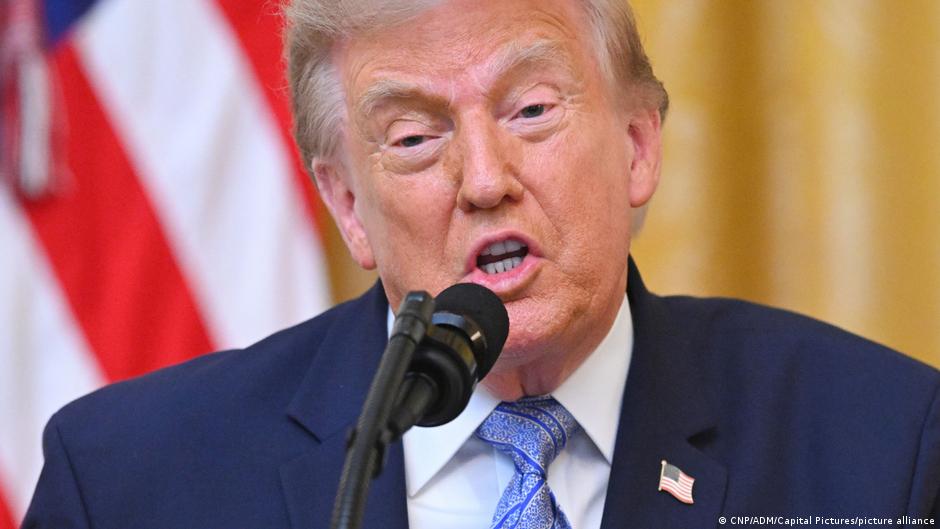
The US imposes 50% tariffs on key Canadian imports, escalating trade tensions and challenging the USMCA agreement with broad economic and policy consequences.

The IMF approved a €604 million disbursement to Ukraine, recognizing its progress under the EFF program amid war, despite delays in structural reforms and revised growth forecasts.

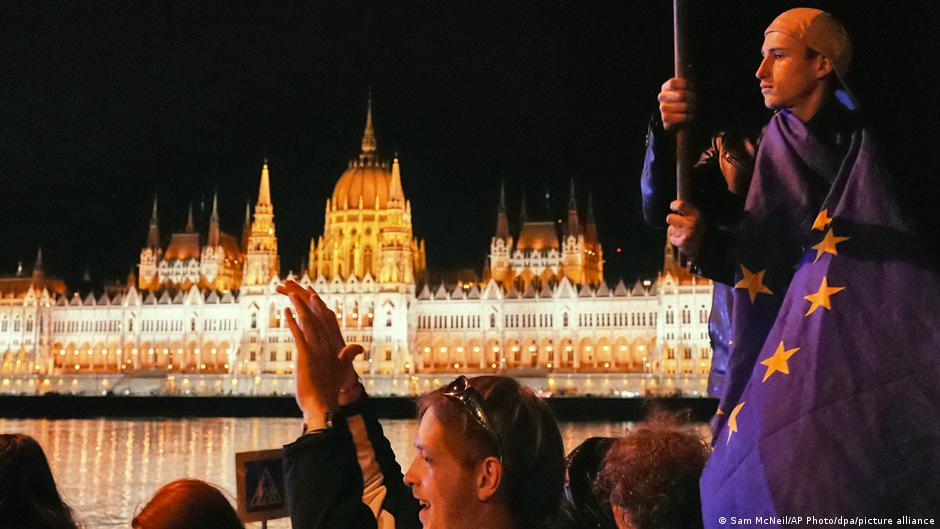
Hungary blocks Ukraine from opening key EU accession negotiation clusters, complicating regional enlargement efforts and delaying economic reforms.

Germany defends the International Criminal Court against U.S. efforts to curtail its authority, highlighting global justice and sovereignty implications.

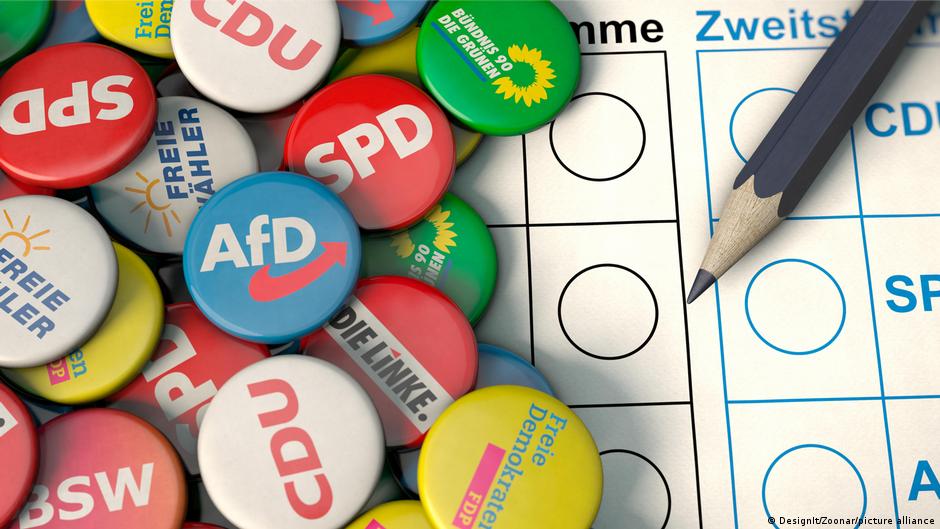
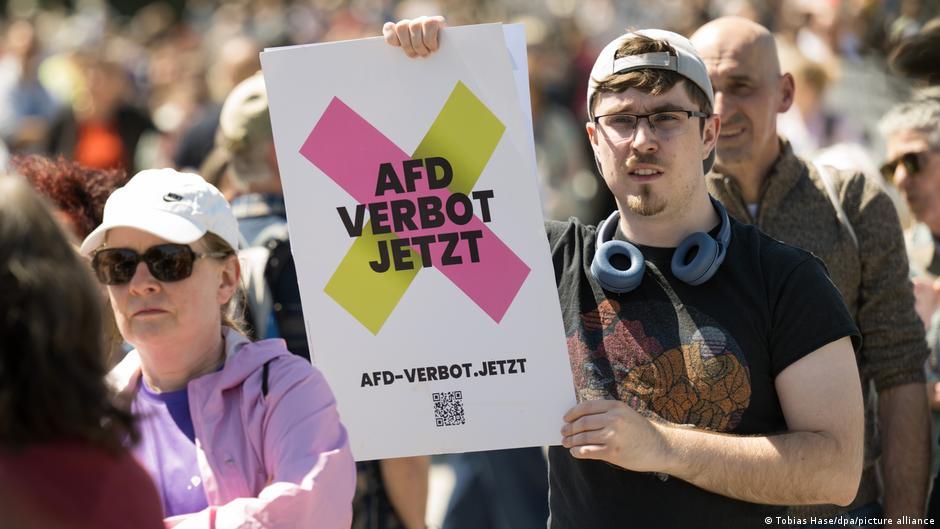
A recent INSA poll shows 45% of Germans oppose banning the far-right AfD, which remains the country's most popular party, outpacing CDU/CSU by 8 points.

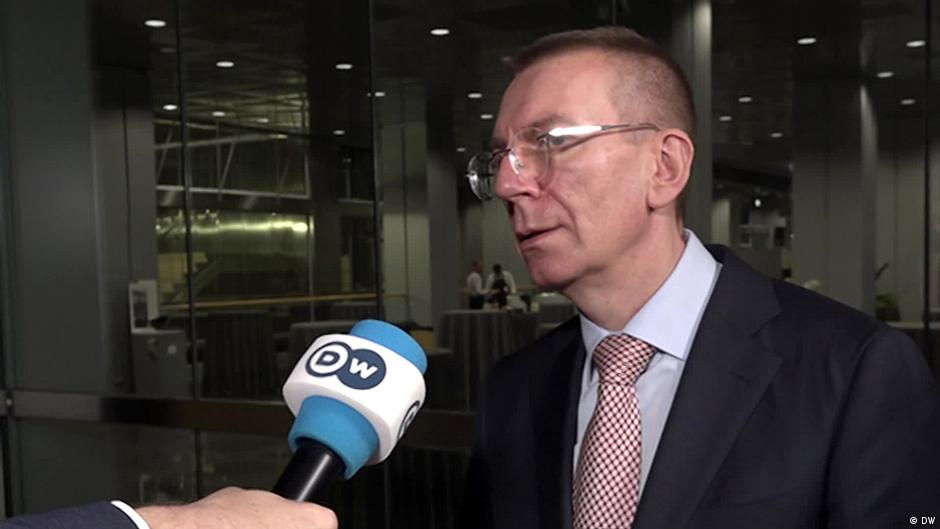
Latvian President Edgars Rinkēvičs warns NATO to prepare for potential escalation with Russia, stressing the need for increased military capabilities and clear deterrence signals to Moscow.

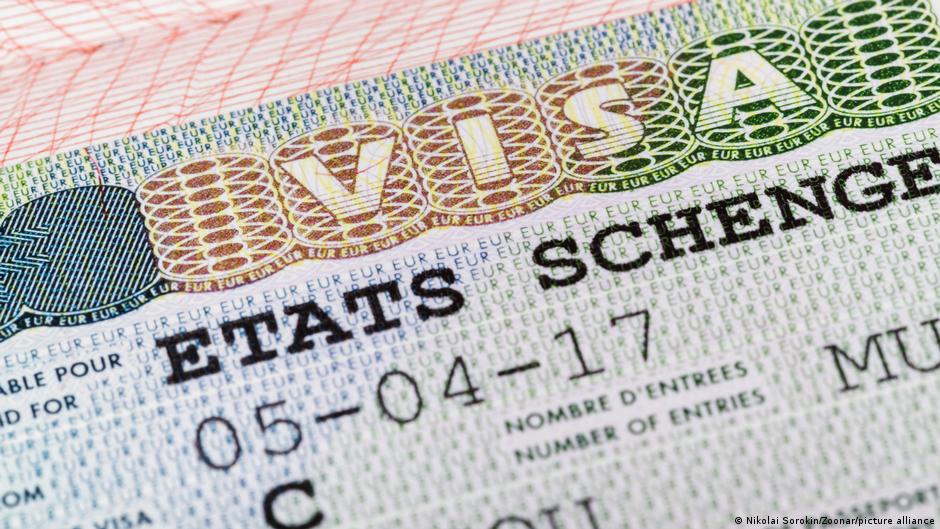
France joins Italy, Spain, and Hungary in tightening visa rules for Russian citizens, signaling a coordinated EU response with significant economic and geopolitical consequences.

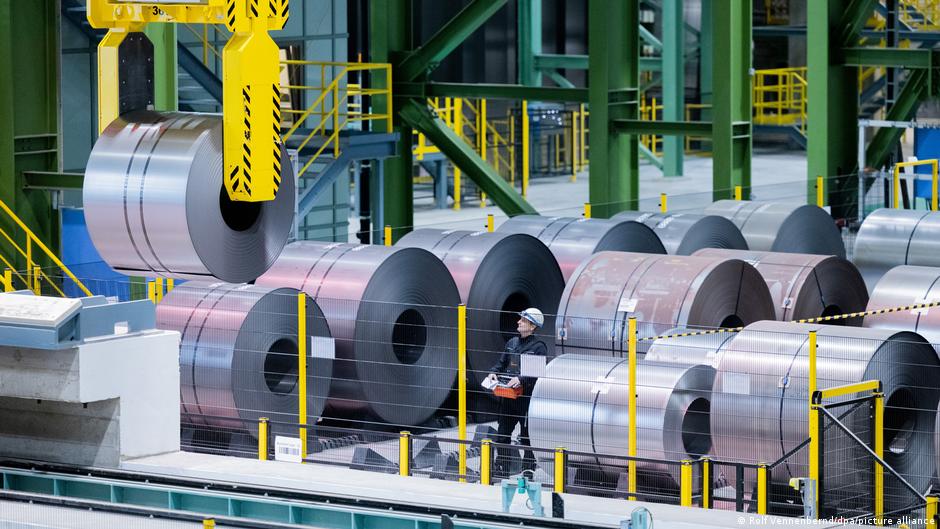
The EU reduces duty-free steel import quotas by 47%, imposing a 50% tariff on excess imports to protect its steel industry from cheap global steel surpluses.

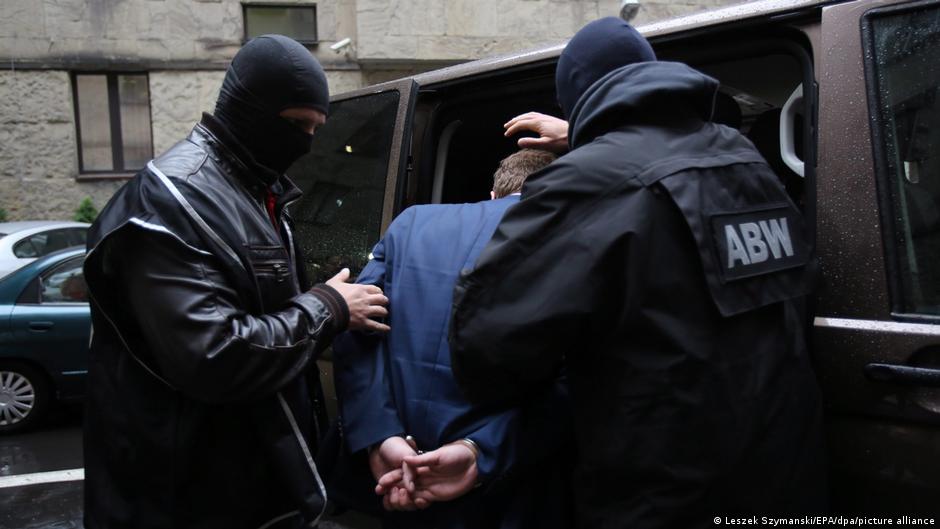
Poland expelled 11 individuals accused of organizing Russia-funded protests among Ukrainian refugees, highlighting ongoing Russian interference in European domestic affairs.

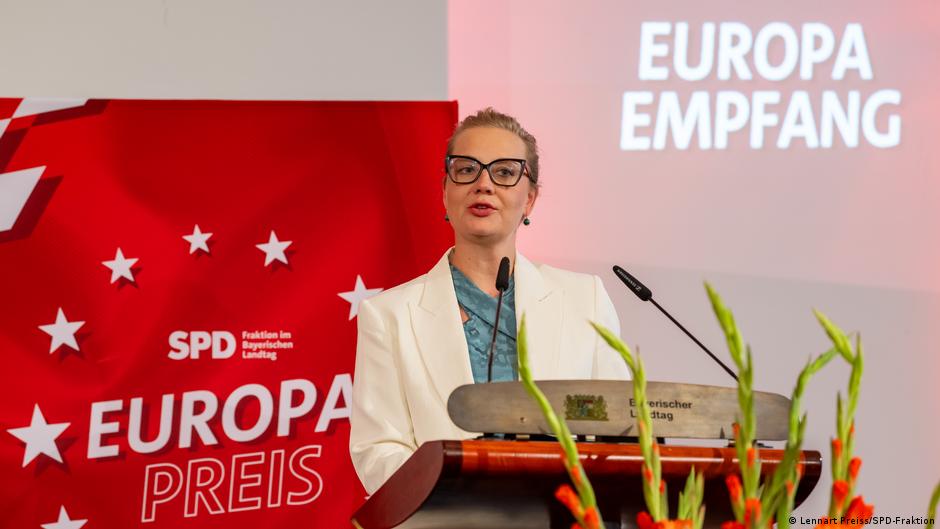
Yulia Navalnaya receives Bavaria’s European Prize for her resilient opposition to Russia’s authoritarian regime and her advocacy for human rights and democracy.

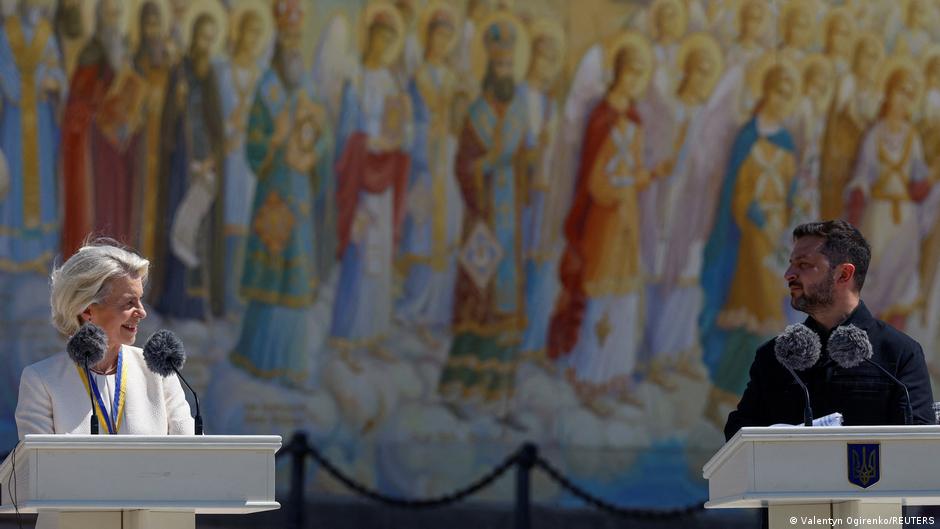
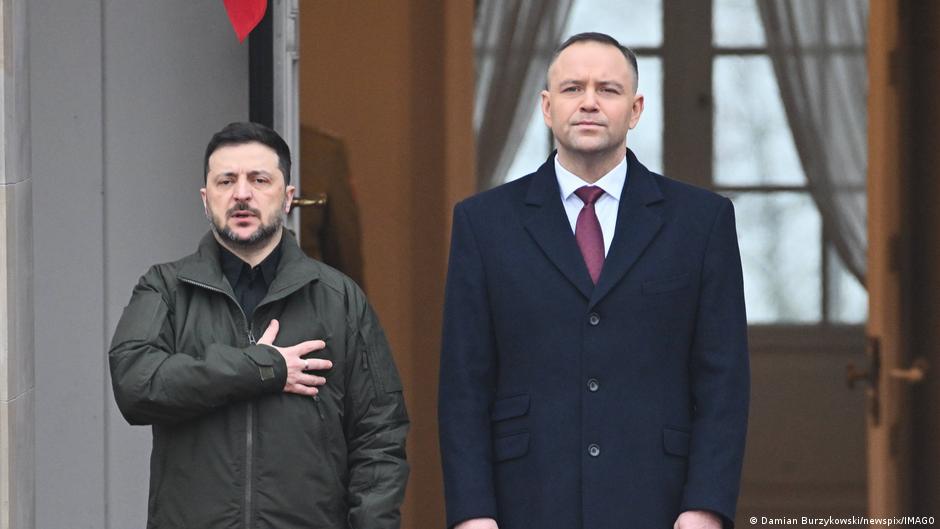
Ukraine’s Zelensky proposes a National Pantheon and new European Order amid diplomatic tensions with Poland, reflecting complex dynamics in national identity and EU integration.

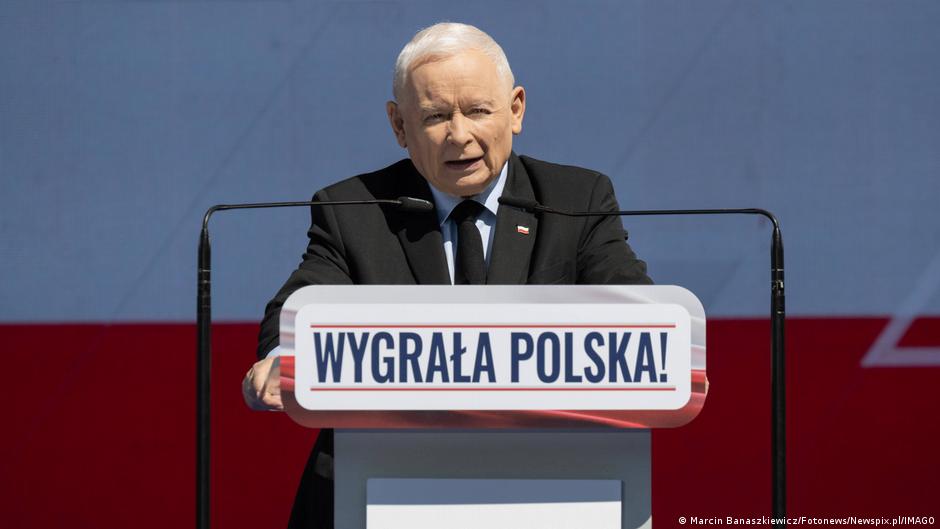
Poland's opposition leader Kaczyński calls to block Ukraine’s EU accession talks amid rising bilateral tensions and divergent historical narratives, raising broader European economic and political concerns.

France and Italy express reservations about the EU's proposed ban on Russian combatants' entry, fearing broader travel restrictions and enforcement challenges amid new sanctions.

Belgium issued one-day visas to five Taliban representatives for EU talks on Afghan deportations, spotlighting the EU's complex migration and security challenges.

Germany urges the EU and Turkey to exclude Russian gas in future contracts, reflecting a strategic shift as Turkey seeks to become a regional gas hub amid evolving geopolitical tensions.

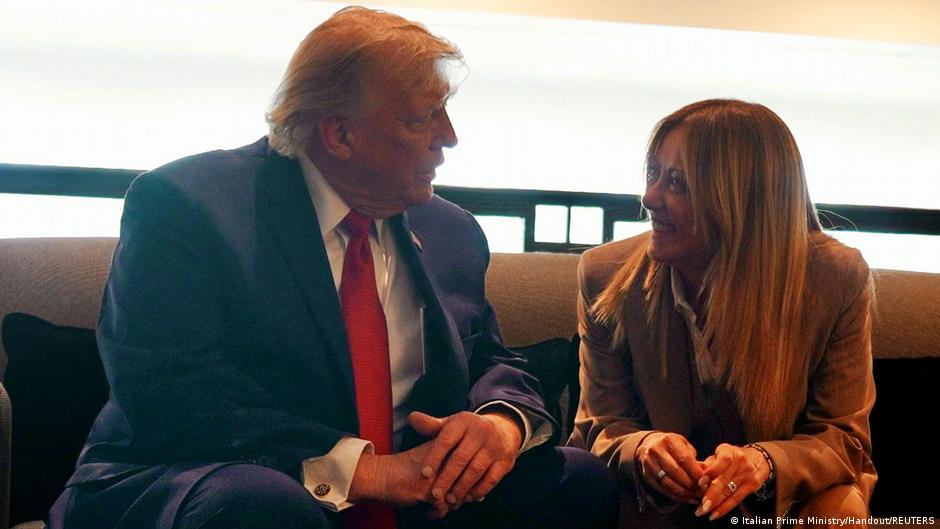
Italy’s Foreign Minister cancels US visit following offensive remarks by Donald Trump about Prime Minister Meloni, highlighting tensions in transatlantic relations and potential impacts on economic cooperation.

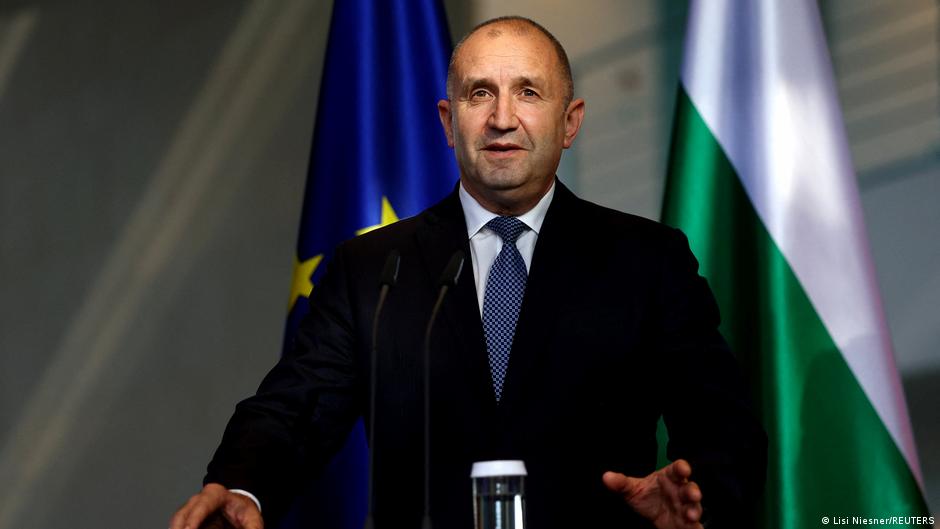
Bulgaria plans to veto new EU sanctions on Russia, citing risks to its economy and questioning their impact on peace efforts, highlighting divisions within the EU on sanction policy.

The EU has agreed to extend sanctions on Russia to one year, reflecting a strategic shift enabled by political changes in Hungary and signaling intensified economic pressure on Moscow.

The EU is conducting discreet talks with Kremlin officials to prepare for possible peace negotiations, reflecting a strategic shift amid evolving conflict dynamics in Ukraine.

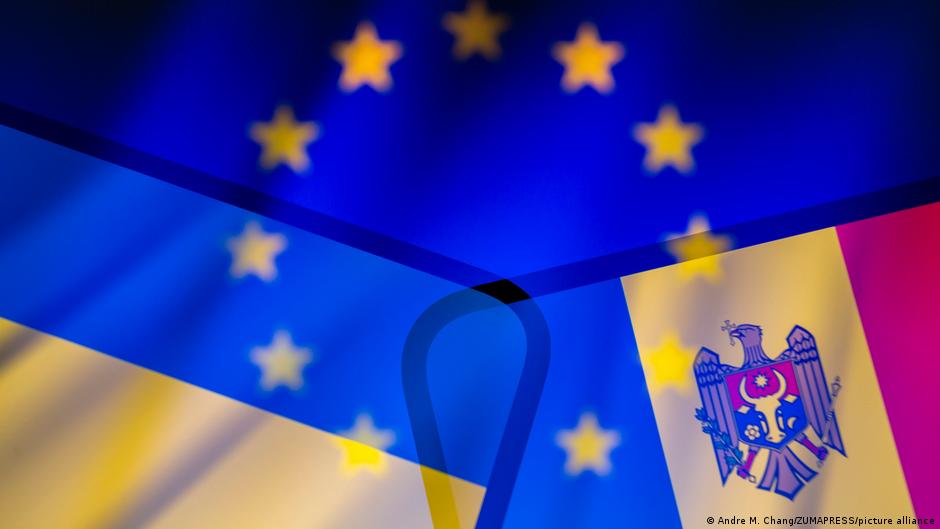
The EU has initiated the first negotiation cluster with Ukraine and Moldova, moving from preparation to detailed talks on future membership conditions and reforms.

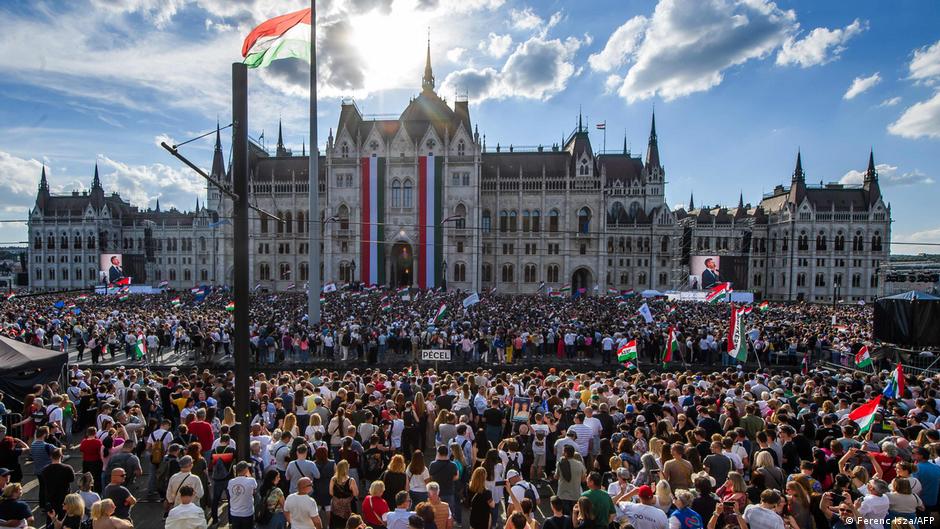
Hungary’s Parliament limits prime ministerial terms to two four-year periods, barring Viktor Orban’s return and signaling a shift in political and economic governance.

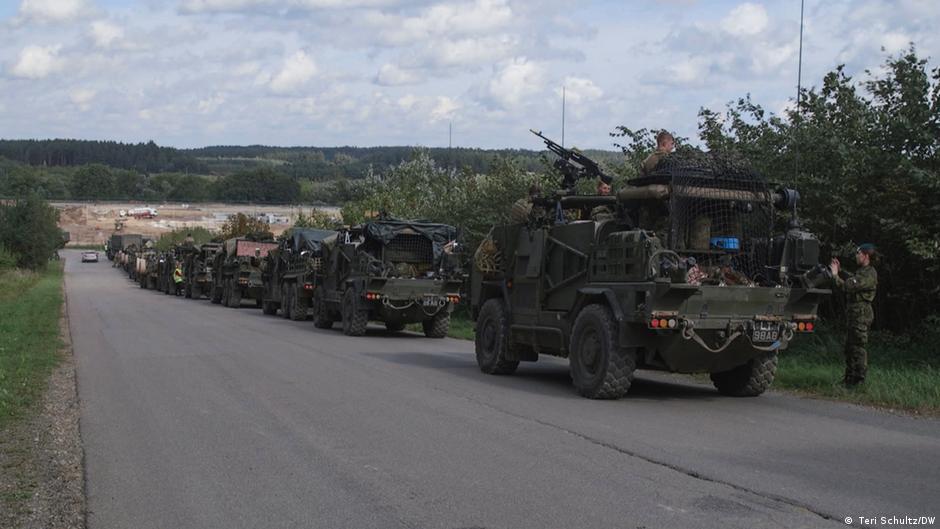
Lithuania, Poland, and France will conduct joint military exercises near the Suwalki Corridor to bolster NATO defenses amid growing concerns over Russian military expansion.

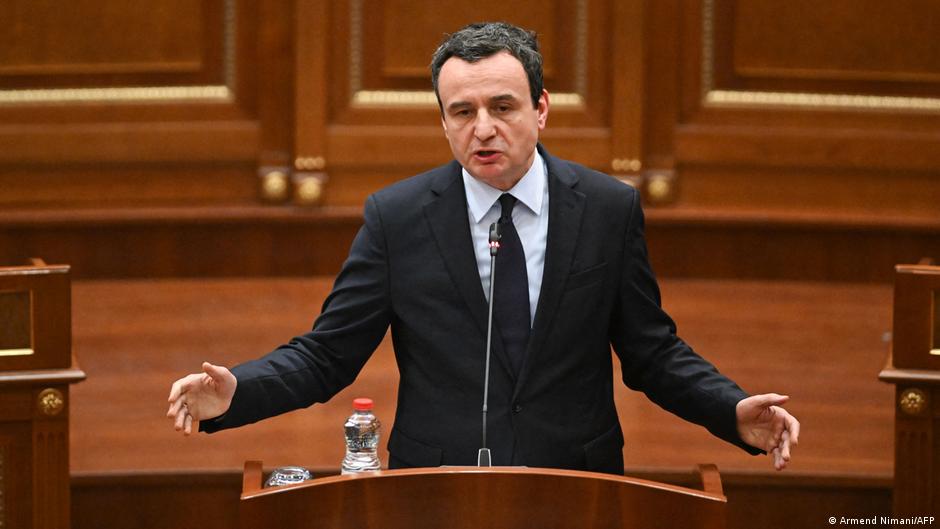
Kosovo’s Self-Determination party wins 43% in early elections but faces coalition hurdles amid EU integration challenges and regional political instability.

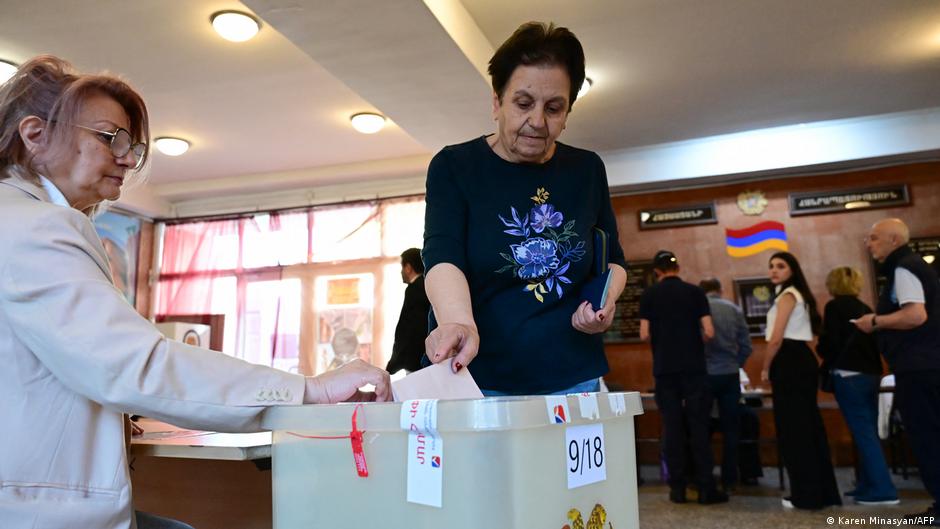
Armenia’s recent elections reinforce PM Pashinyan’s pro-EU stance, intensifying tensions with Russia and impacting regional economic and geopolitical stability.

Finland has confiscated €3.7 million in Russian assets to enforce Ukraine's Naftogaz $5 billion arbitration award, marking intensified use of legal tools in geopolitical economic conflicts.

Rheinmetall signs a €5.7 billion arms supply contract with Romania, funded by the EU’s Security Action for Europe program, marking a shift in European defense industry strategy.

The EU plans legislation to restrict US tech giants like Microsoft and Google from government cloud service contracts, aiming to enhance technological sovereignty and reduce data dependency.

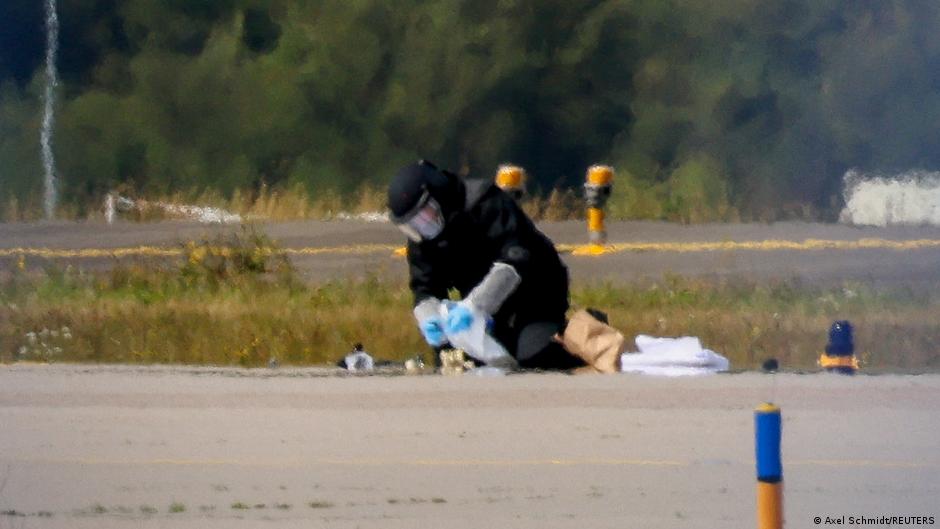
NATO and Romania confirm a Russian drone crashed into a residential building in Galați, Romania, prompting calls for stronger air defenses amid regional tensions.

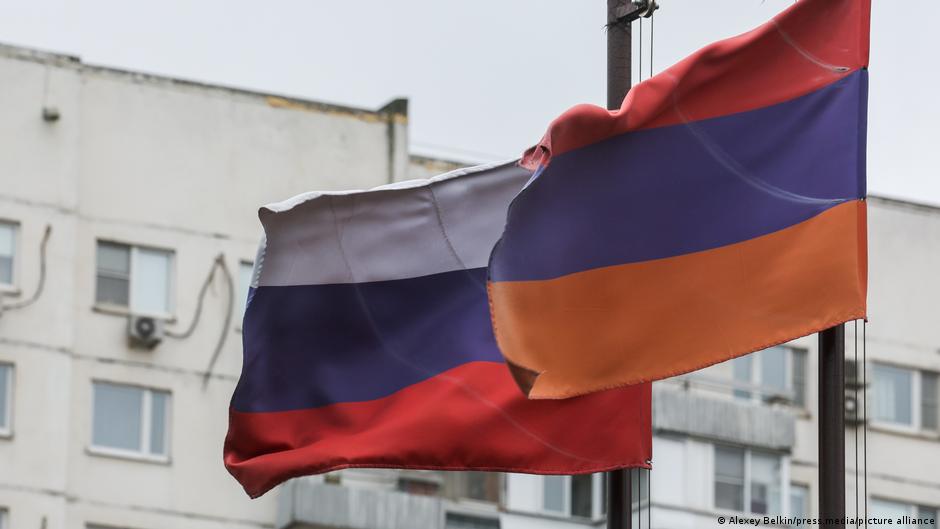
Russia threatens Armenia with higher tariffs and labor restrictions if it leaves the Eurasian Economic Union amid rising tensions over Armenia's EU alignment.

After the EU ban on Russia Today, former RT France chief Ksenia Fedorova joins conservative French channel CNews, continuing pro-Kremlin commentary amid geopolitical tensions.

Friedrich Merz’s circle denies plans for his early replacement amid CDU rumors, highlighting risks to political stability and economic policy continuity in Germany.

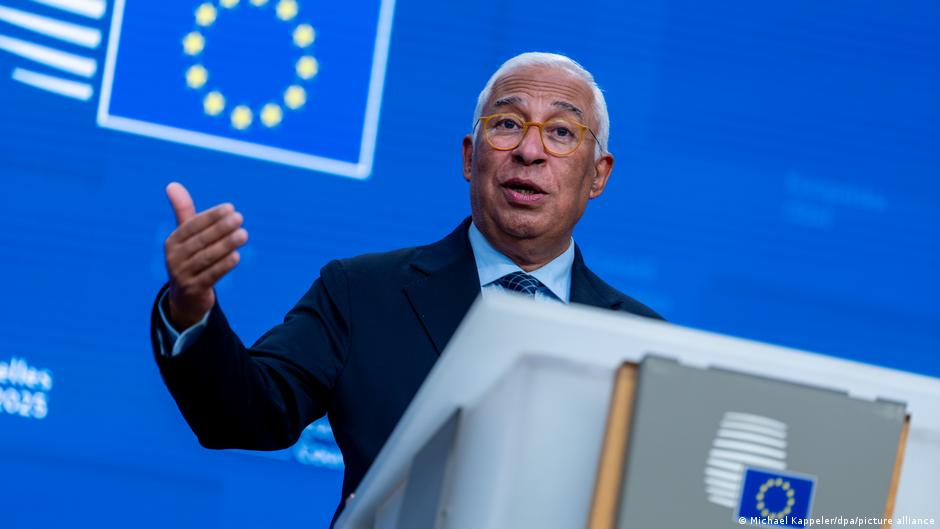
The EU postpones appointing a special envoy to negotiate with Russia over Ukraine, prioritizing a clear strategy and unified objectives before engaging in talks.

Russia threatens to suspend Armenia's duty-free energy imports amid Yerevan's EU integration efforts, signaling shifts in regional economic alliances and energy diplomacy.

Ukraine and European leaders convened to discuss reinvigorating diplomacy to end the war with Russia amid shifting global priorities and evolving conflict dynamics.

Hungary reverses a procedural lapse to reinstate its ban on Ukrainian agricultural imports, aiming to protect domestic farmers and recalibrates its stance on the International Criminal Court.

The EU and Mexico have signed a comprehensive trade agreement removing nearly all tariffs and enhancing bilateral trade and investment by 2030.

The EU and US have condemned Israel following a video showing detained pro-Palestinian activists, sparking diplomatic protests and highlighting tensions over Gaza blockade enforcement.

EU's top diplomat warns Russia, China, and the US employ divide-and-rule tactics to weaken European Union unity, threatening its global economic and geopolitical strength.

Russia has eased citizenship requirements for residents of Transnistria, waiving language and history exams, reinforcing Moscow's influence in the unrecognized territory.

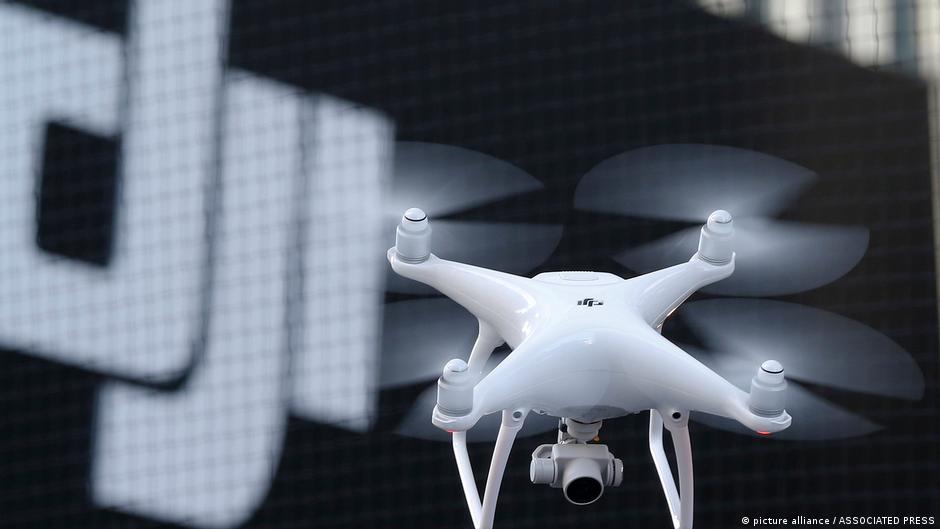
Ukraine has gained strategic initiative over Russia, expanding drone strikes deep into Russian territory and causing significant territorial and personnel losses for Russia in April 2026.

Germany considers President Steinmeier to represent the EU in Ukraine peace talks with Russia, amid skepticism over Moscow's negotiation intentions and strategic motives.

Former Polish Justice Minister Zbigniew Ziobro has fled Hungary for the US amid Hungary’s new government seeking to extradite officials sheltering under the previous administration.

Putin names former German Chancellor Gerhard Schröder as preferred EU negotiator for Russia-Ukraine talks, signaling Moscow's openness to dialogue under specific conditions.

Poland has signed a €44 billion EU loan agreement to fund defense modernization, marking a significant shift in European security investment despite presidential veto concerns.

EU leaders are preparing for possible talks with Russia, signaling a strategic shift amid ongoing conflict and geopolitical tensions affecting global economic and policy frameworks.

US President Trump delays planned tariff hike on EU car imports amid ongoing disputes over trade agreement compliance, maintaining pressure on transatlantic trade relations.