Zelensky Says North Korea Plans to Send 10,000 More Troops to Russia
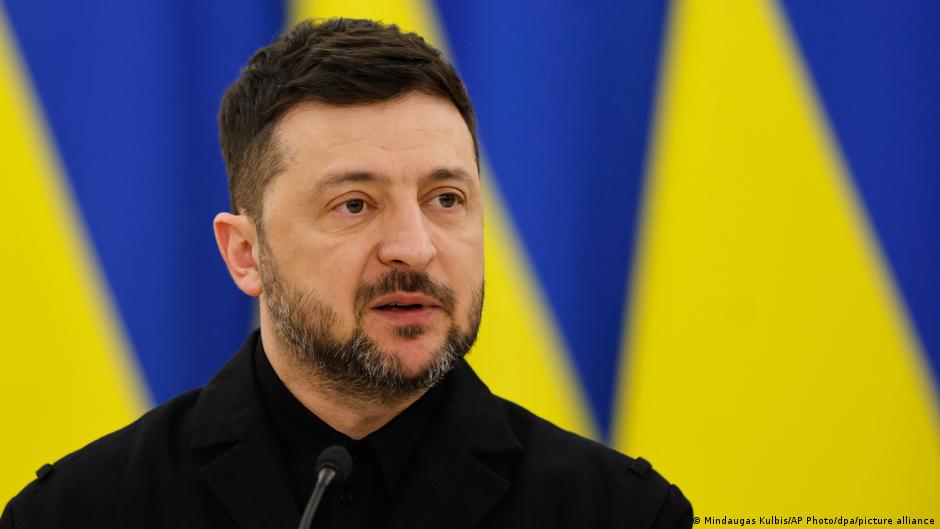
Zelensky says North Korea plans to send about 10,000 more troops to Russia, deepening concerns over Moscow-Pyongyang cooperation.

Zelensky says North Korea plans to send about 10,000 more troops to Russia, deepening concerns over Moscow-Pyongyang cooperation.

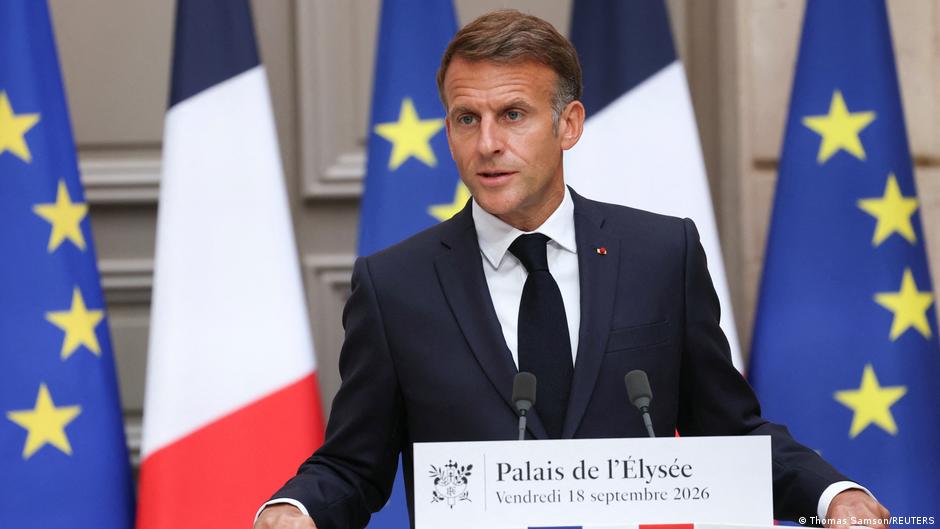
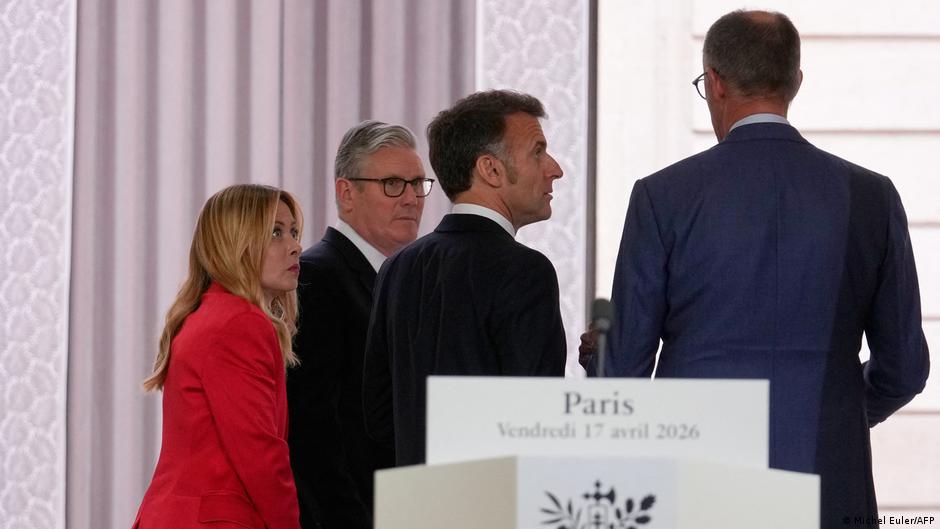
Macron says France sees a Russian mobilization of about 300,000 people as plausible, warning Europe could face wider hybrid pressure.

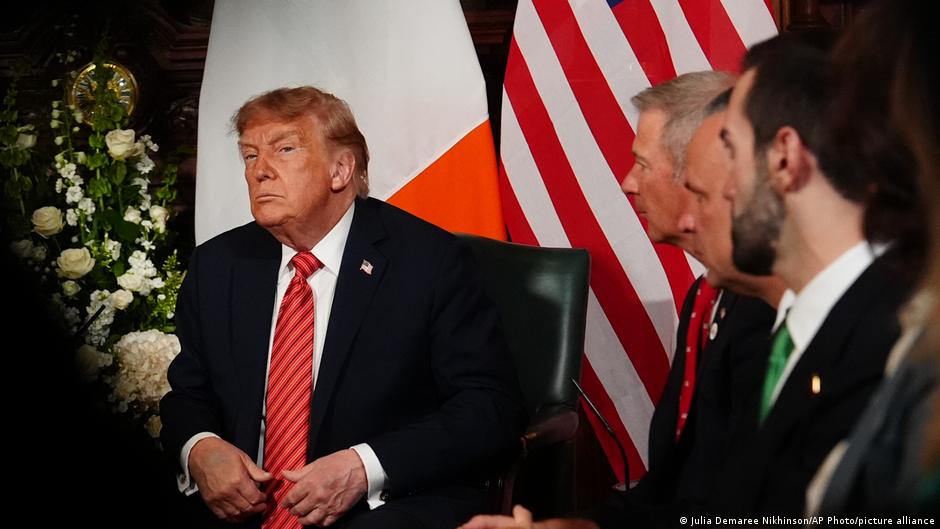
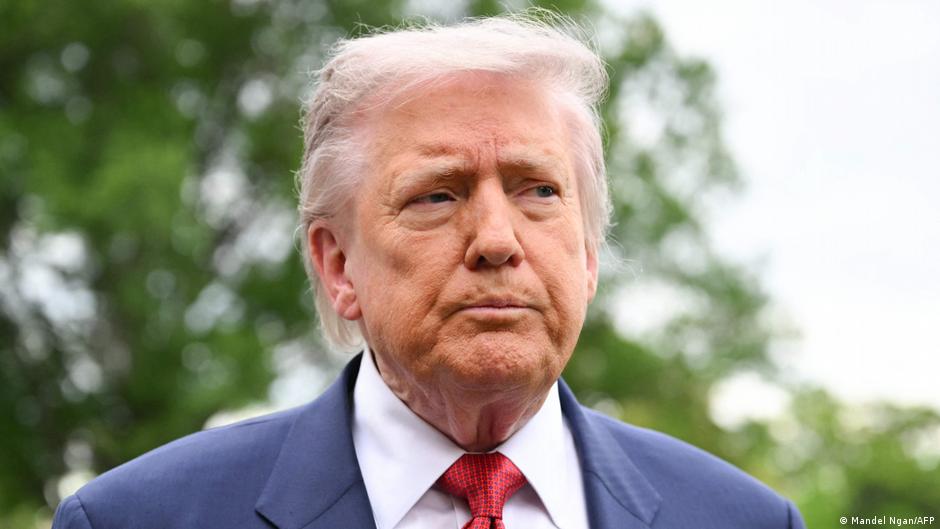
Trump said the U.S. will scrap a 10 percent tariff on Irish whiskey, signaling a targeted shift inside broader duties on EU wine and spirits.

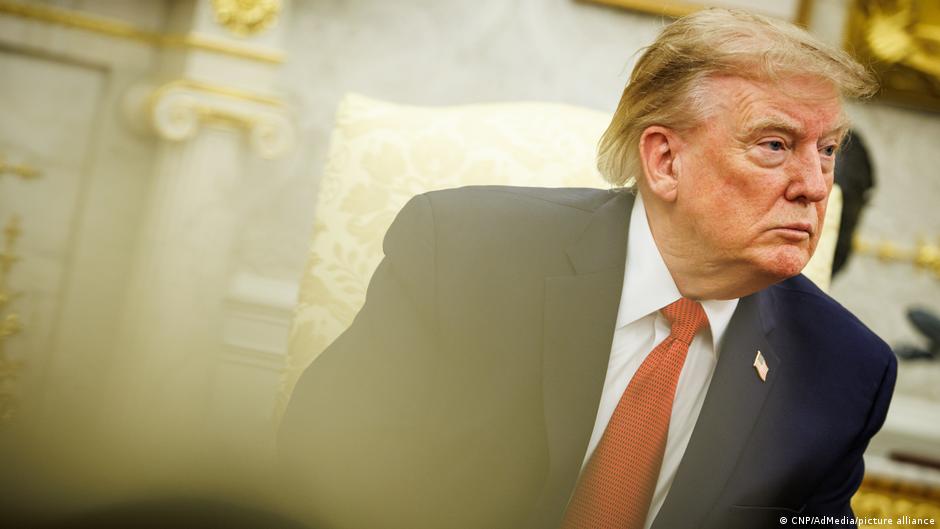
US President Trump announces an unprecedented economic war on Iran, threatening sanctions on any country supporting Tehran, intensifying global economic and geopolitical tensions.

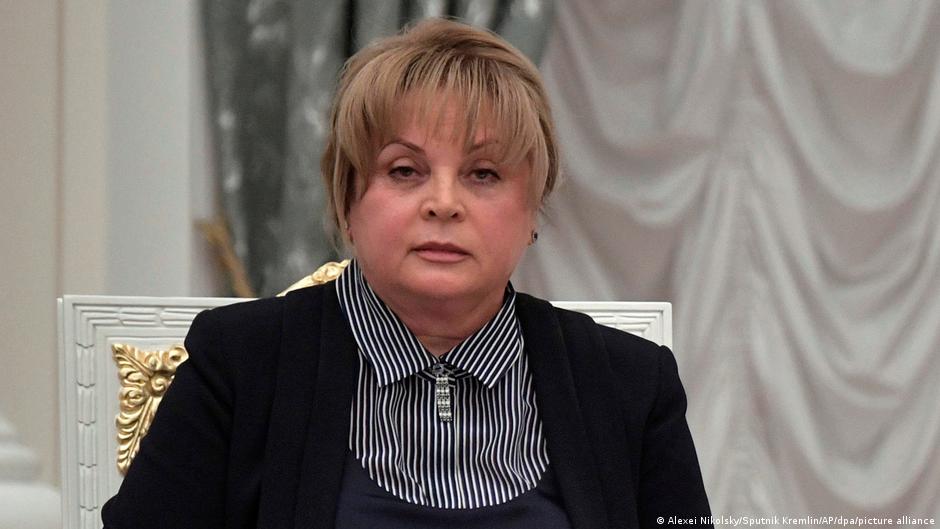
Russia’s election chief advocates stripping voting rights from emigrated citizens, signaling significant policy shifts with implications for global economic relations and diaspora engagement.

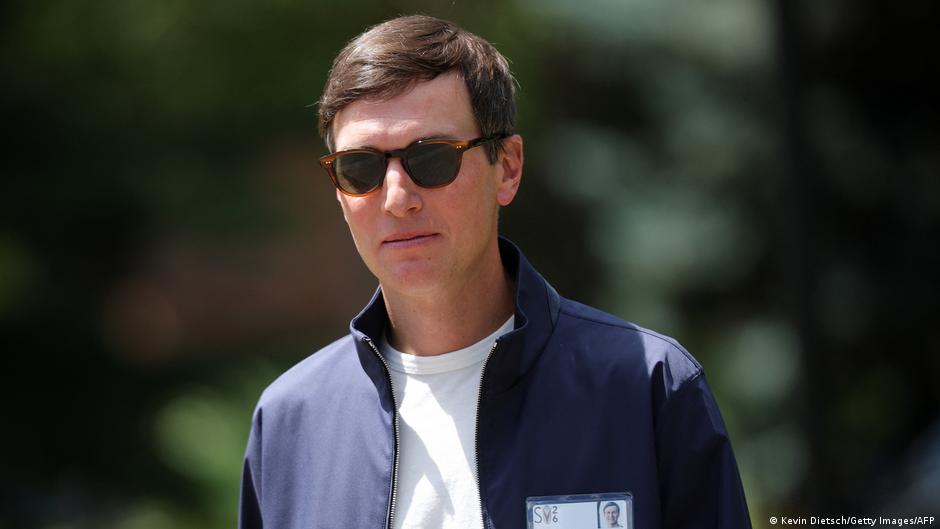
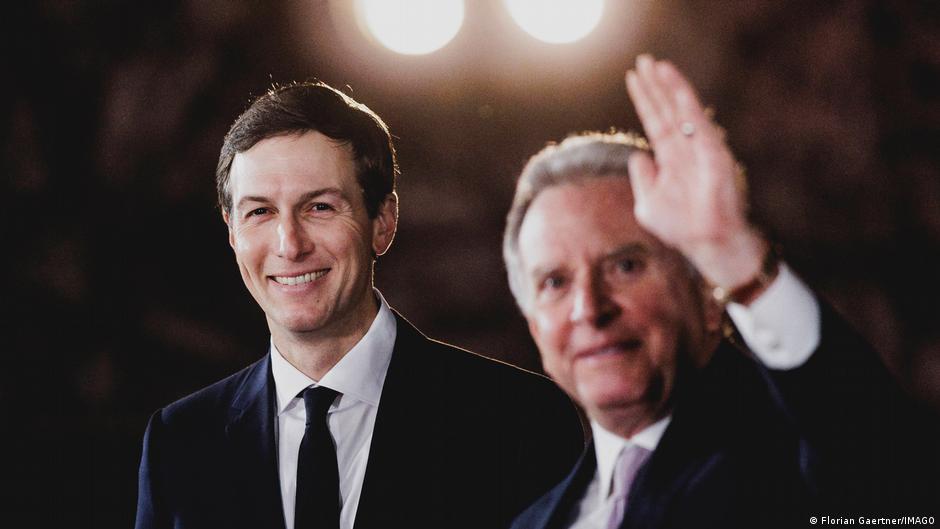
Jared Kushner's talks with Hamas in Egypt press for disarmament amid Israeli demands, highlighting pivotal shifts in Middle East diplomacy with major global economic effects.

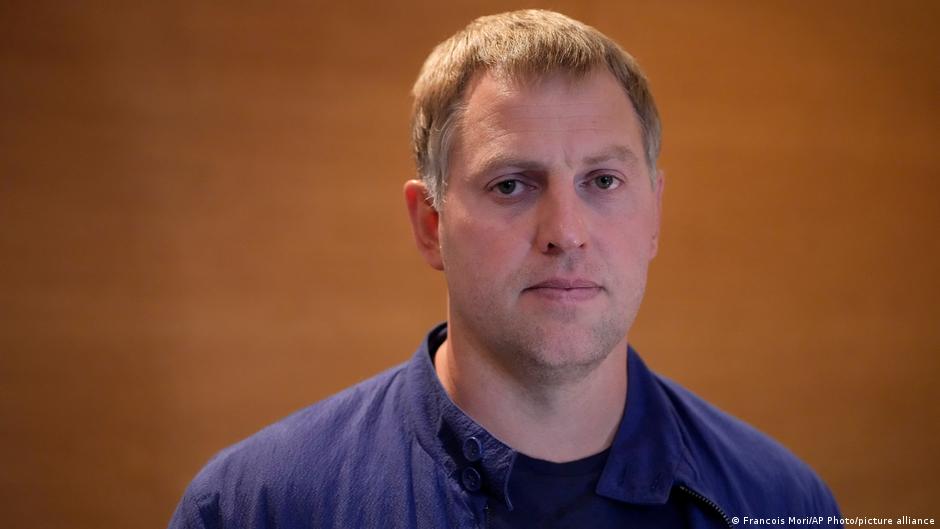
Vladimir Osechkin halts Gulagu.net amid global human rights crisis, increasing repression, and heightened personal security threats linked to Russian state actions.

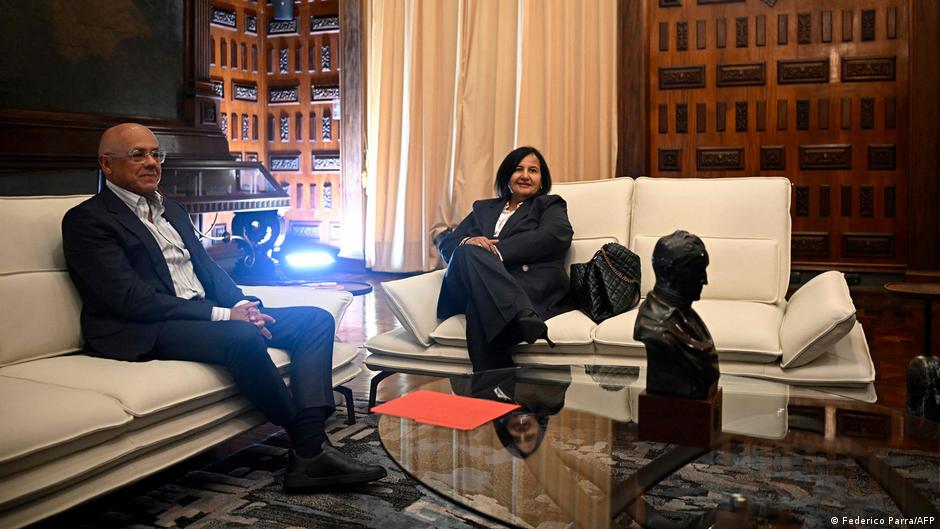
Venezuela's government and opposition plan direct talks in Caracas to address earthquake relief and set democratic reforms and election timelines.

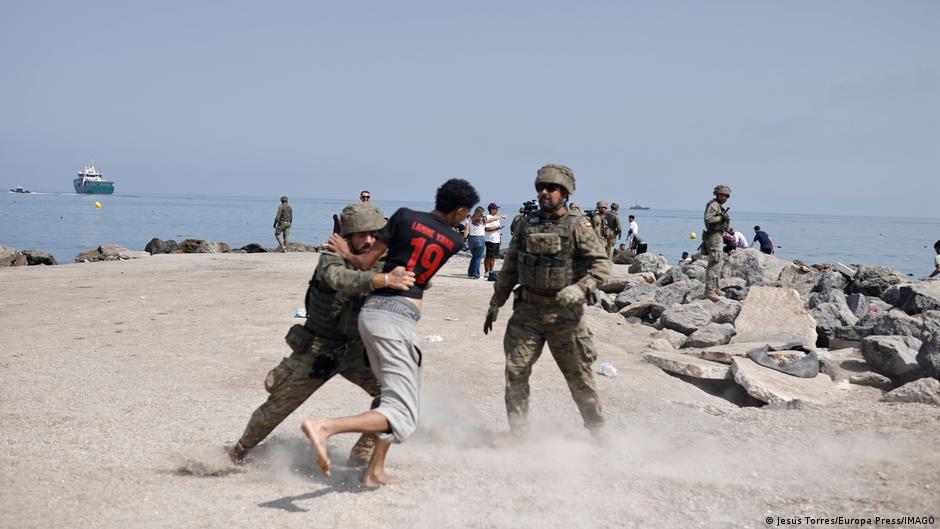
Spain confronts a massive migrant influx in Ceuta, triggering military deployment and Italy’s suspension of Schengen border-free travel with Spain.

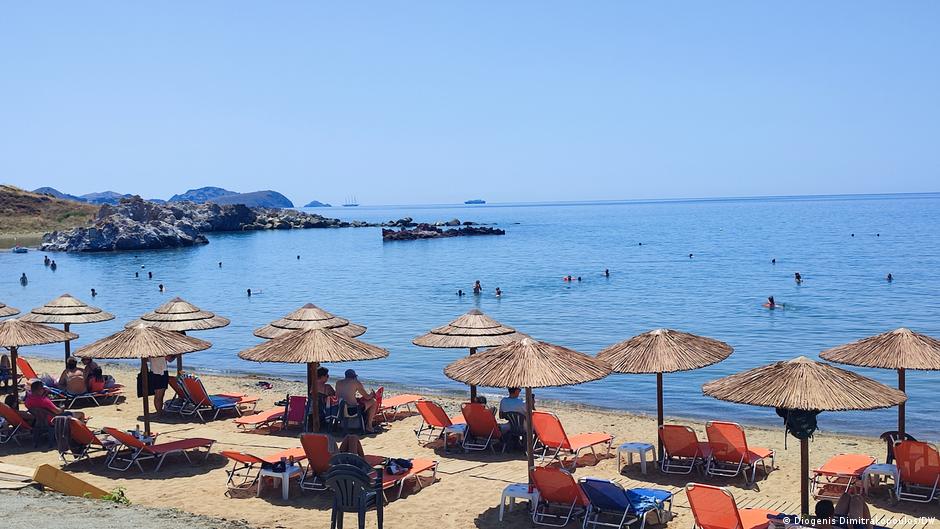
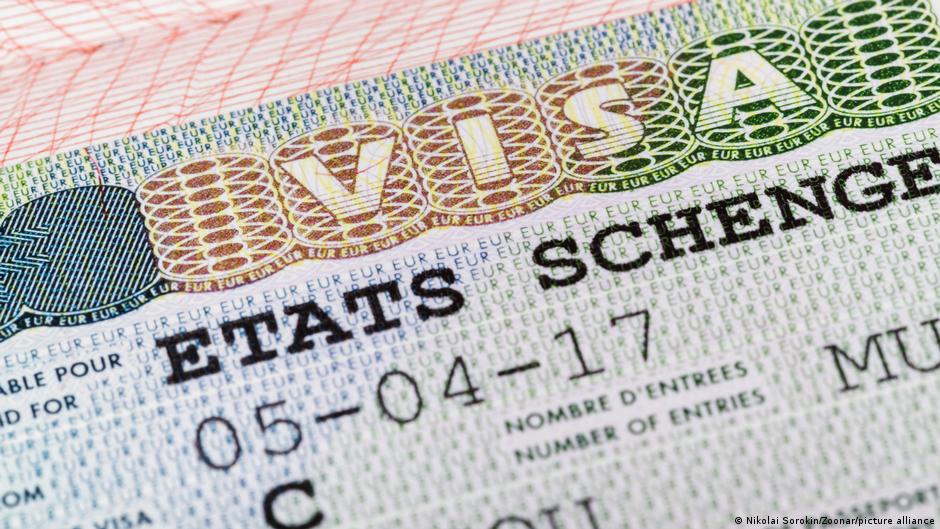
Greece's substantial increase in Schengen visa refusals to Russians highlights EU security-driven policy shifts, affecting Russian travel and European tourism economies.

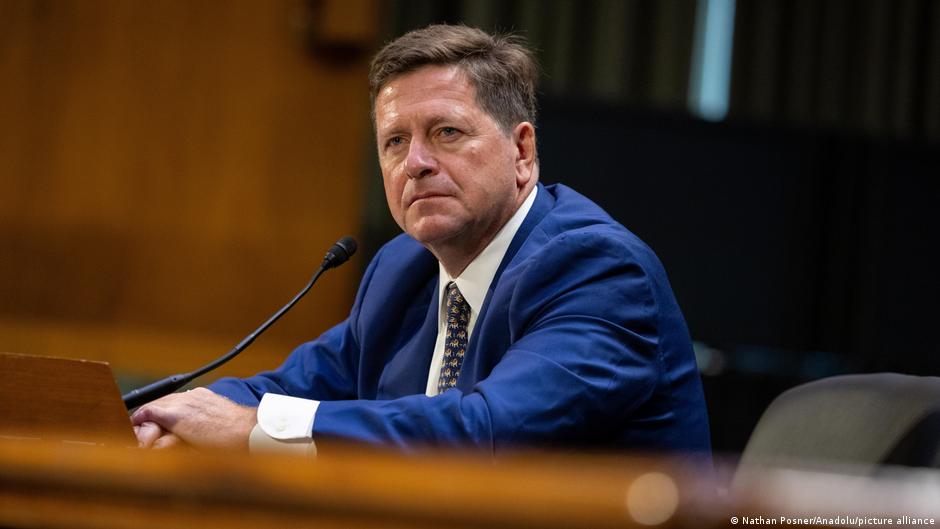
Jay Clayton's confirmation as US Director of National Intelligence raises questions about experience and signals potential shifts in security and economic policy.

The IMF approved a €604 million disbursement to Ukraine, recognizing its progress under the EFF program amid war, despite delays in structural reforms and revised growth forecasts.

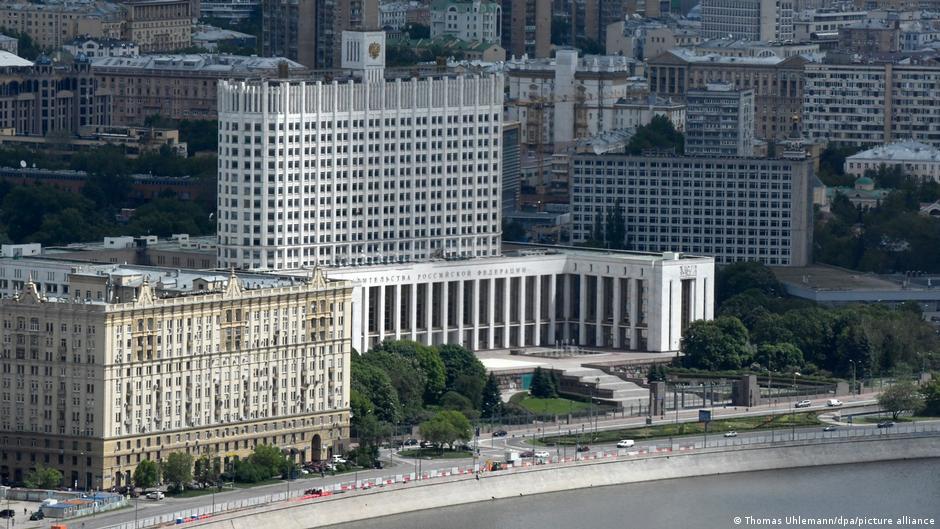
The Russian government proposes expanding criminal convictions eligible for military contracts amid mobilization, signaling deeper labor and defense challenges during ongoing conflict.

Ukrainian drone strikes on Russian logistics centers and urban areas have caused casualties and infrastructure damage, signaling increased security risks and potential supply chain disruptions.

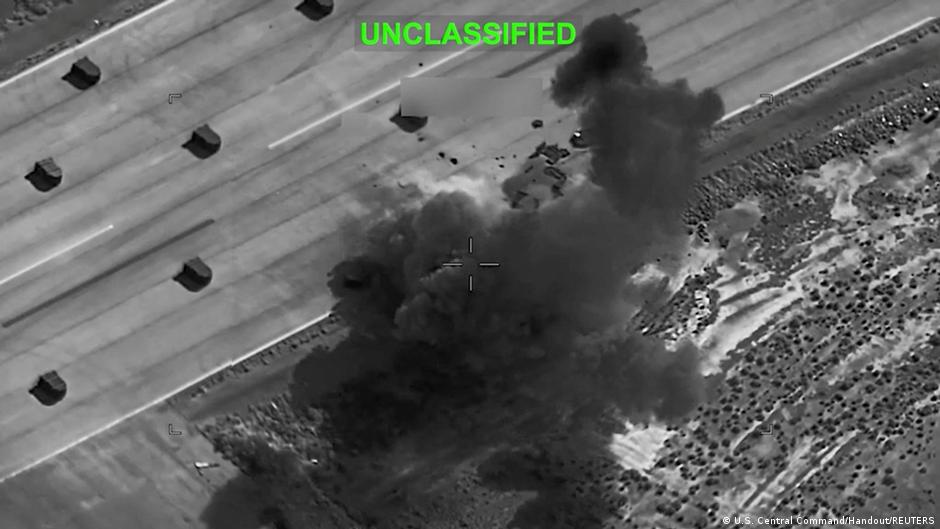
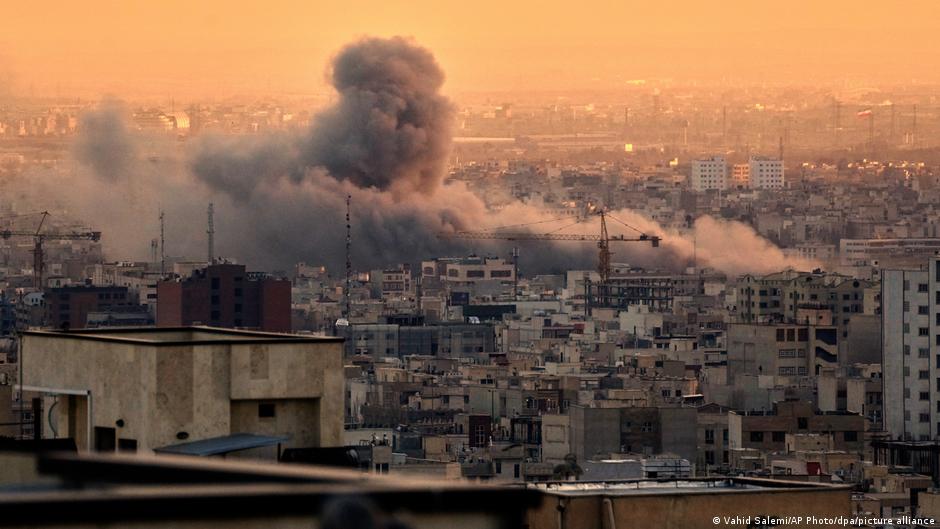
US military strikes on Iran escalate after attacks in the Strait of Hormuz, closing this key oil export route and raising global economic risks.

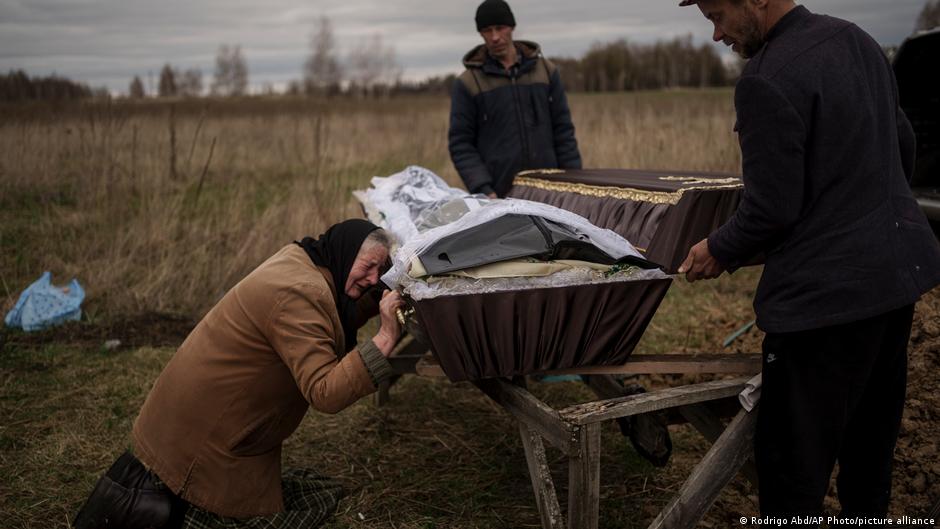
June 2026 saw the highest civilian casualties in Ukraine since the Russian invasion began, signaling escalating conflict with profound economic and geopolitical ramifications.
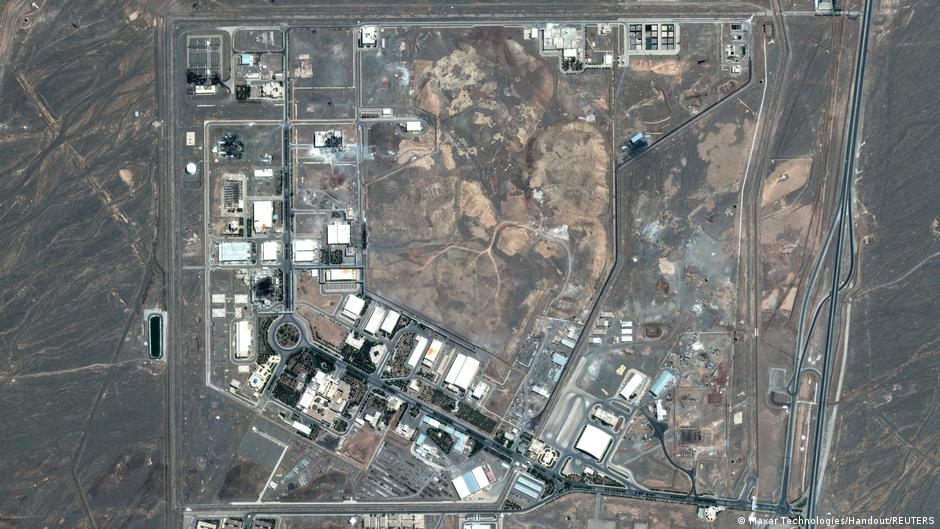
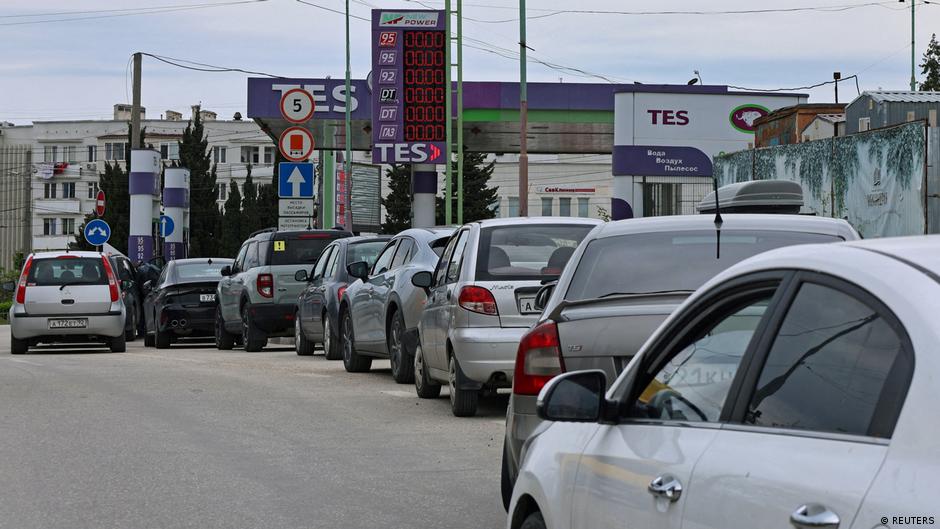
Fuel prices in Crimea have surged nearly 80% in one week amid Russia’s export restrictions and supply shortages, signaling broader energy market challenges and policy shifts.

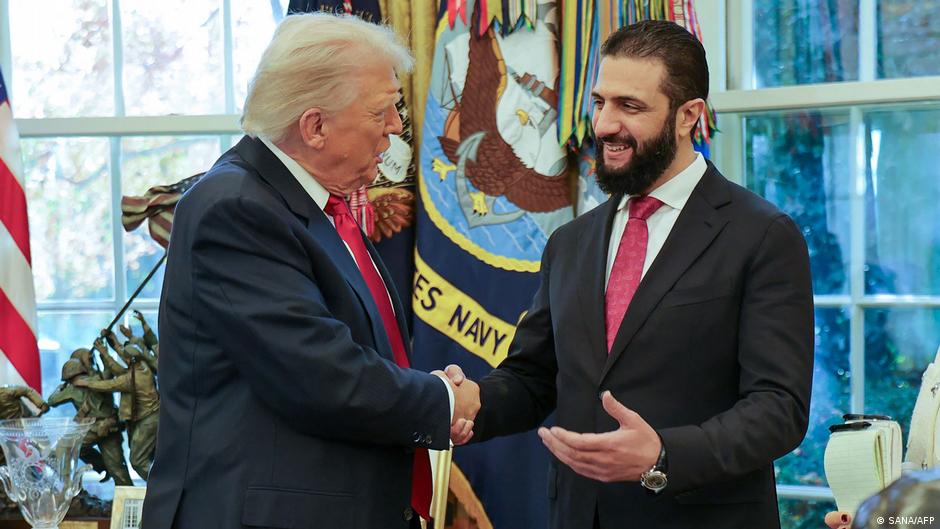
The US plans to remove Syria from the terrorism sponsors list, lifting sanctions and enabling economic reconstruction and reintegration into the global economy.

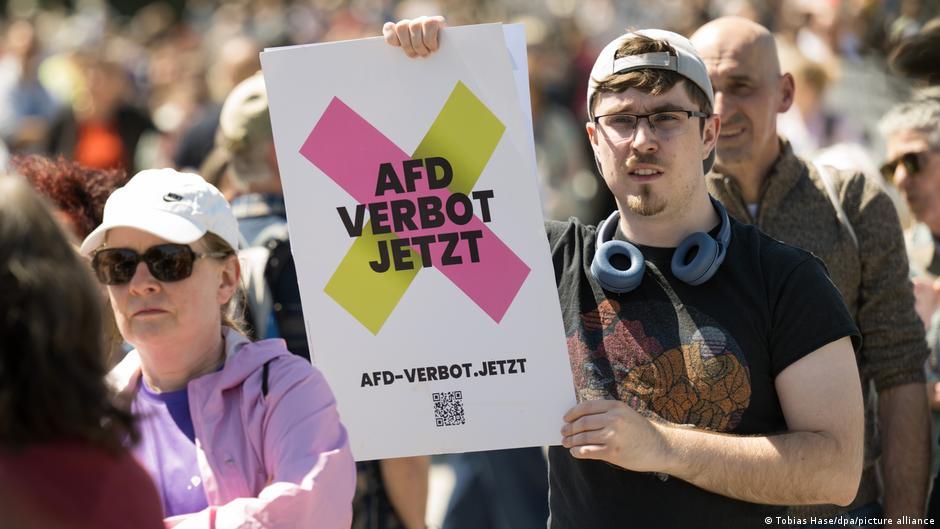
A recent INSA poll shows 45% of Germans oppose banning the far-right AfD, which remains the country's most popular party, outpacing CDU/CSU by 8 points.

France joins Italy, Spain, and Hungary in tightening visa rules for Russian citizens, signaling a coordinated EU response with significant economic and geopolitical consequences.

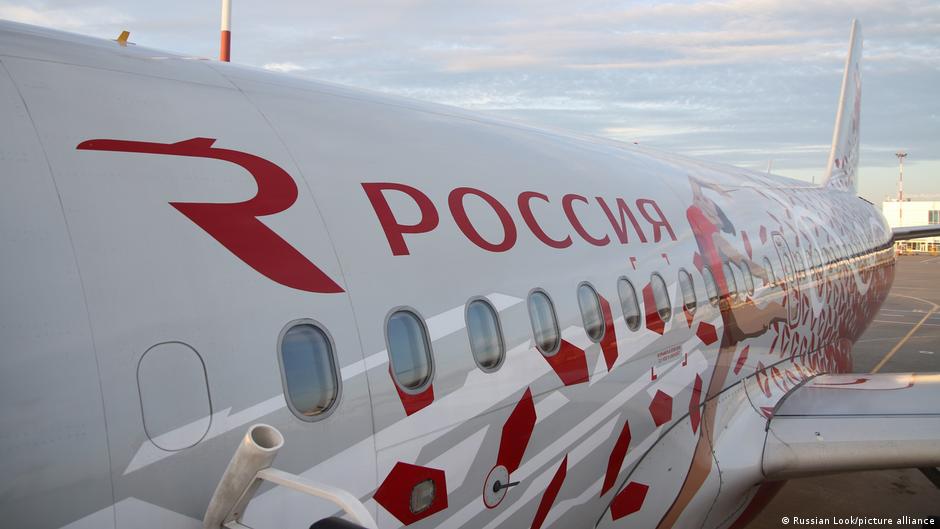
Russia's aviation fuel imports from Belarus surged nearly fourfold in May 2026 amid domestic production setbacks, prompting policy shifts and regional supply realignments.
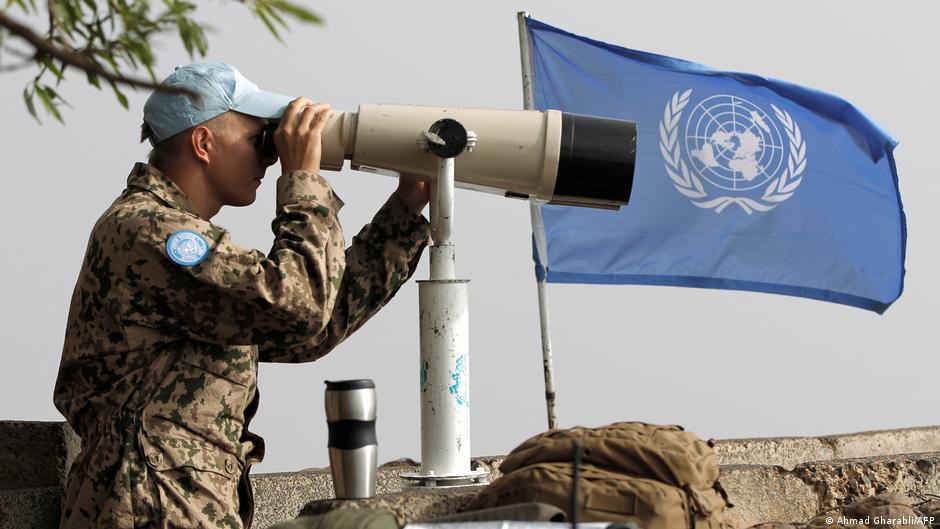
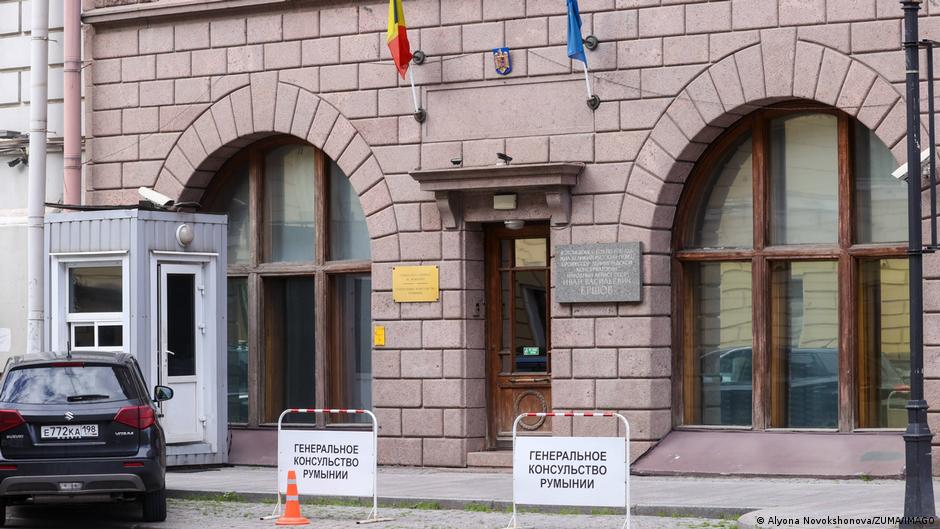
Russia closes Romania’s consulate in St. Petersburg after Bucharest shut the Russian consulate in Constanța following a drone incident in Galați, raising regional security concerns.

Right-wing businessman Abelardo de la Espriella narrowly won Colombia’s presidency, signaling a shift toward militarized security and economic deregulation with significant regional ramifications.

US envoy Stephen Witkoff travels to Switzerland for nuclear talks with Iran, delayed by Lebanon conflict, with major economic stakes tied to ceasefire and sanctions relief.

Russia launched ballistic missile strikes on Kyiv and other Ukrainian cities soon after the G7 pledged increased support for Ukraine, signaling a potential escalation with broad economic implications.

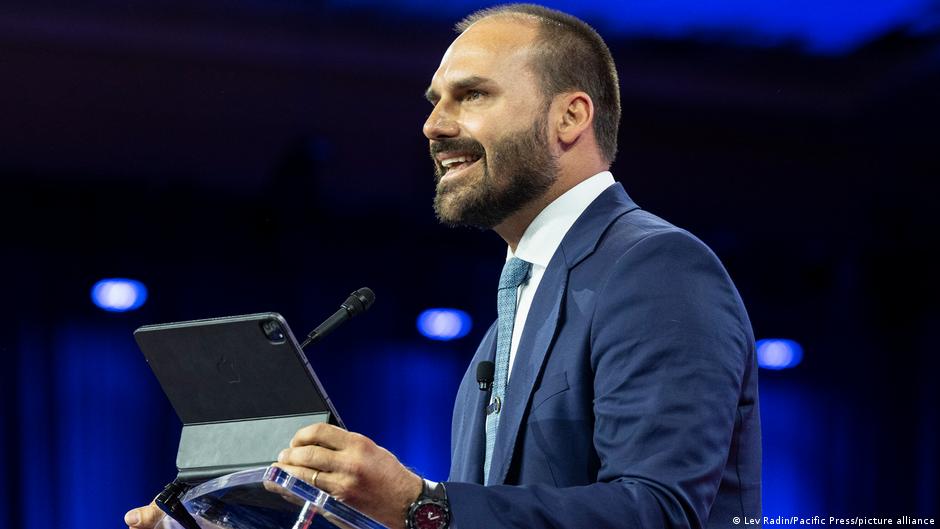
Eduardo Bolsonaro is sentenced to over four years in prison for lobbying US sanctions against Brazil and barred from public office amid escalating political tensions.

Germany's labor shortage is set to rise to 4.3 million by 2036 due to baby boomer retirements and reduced immigration, challenging economic growth and social welfare sustainability.

France, Germany, UK, and Italy endorse the US-Iran agreement as a vital step toward regional peace and global economic stability, stressing the need to prevent Iran’s nuclear armament.

Germany allocates an extra €300 million to support the Czech-led ammunition supply initiative for Ukraine, highlighting evolving European defense commitments and strategic funding challenges.

The U.S. House approved $70 billion funding for immigration enforcement agencies, reflecting critical policy shifts with significant global economic and geopolitical implications.

Israel and Iran exchanged air and missile strikes amid US efforts to broker a peace deal, raising the stakes for regional security and global economic stability.

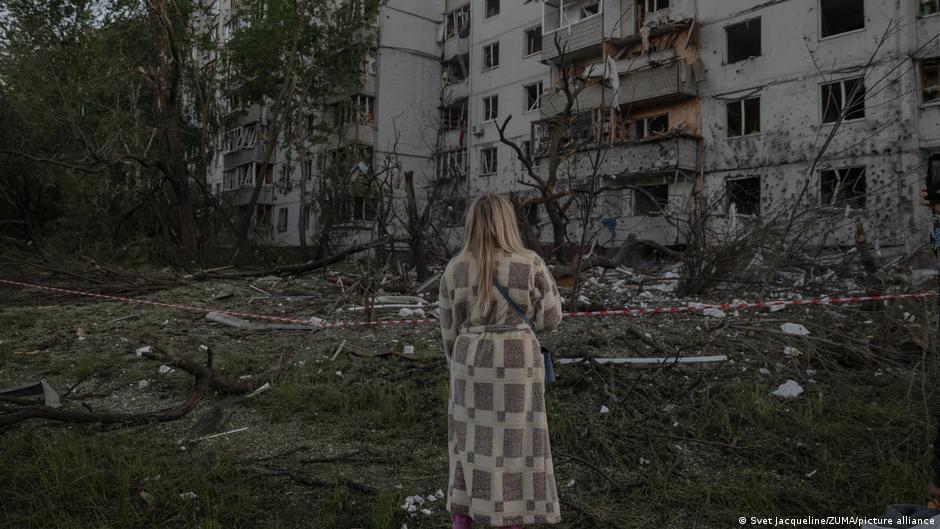
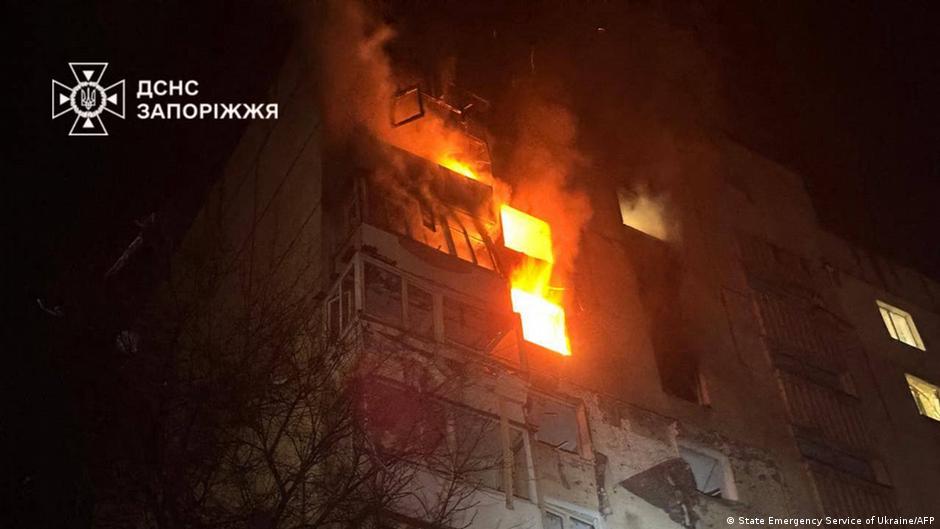
Russian drone strikes on Ukrainian residential areas cause civilian casualties and infrastructure damage, highlighting escalating conflict with significant economic and policy implications.

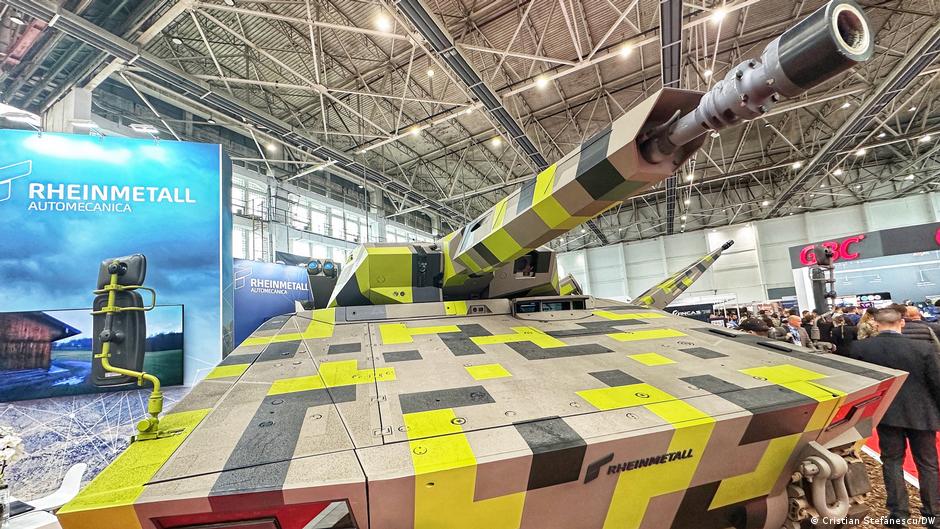
Rheinmetall signs a €5.7 billion arms supply contract with Romania, funded by the EU’s Security Action for Europe program, marking a shift in European defense industry strategy.

A Russian drone crashed into a Romanian apartment building amid attacks on Ukraine, raising regional security and economic concerns for Eastern European trade and stability.

Filmmaker Andrei Zvyagintsev condemns Russia's war in Ukraine and Kremlin's suppression of dissent, urging an immediate end to the conflict amid profound economic and social consequences.

Trump demands Iran's enriched uranium stocks be destroyed in the U.S. or under IAEA supervision, intensifying nuclear tensions with global economic implications.

UN peacekeeping personnel have dropped to a 25-year low due to geopolitical tensions and funding shortfalls, threatening the future of multilateral conflict resolution, SIPRI warns.

Hungary reverses a procedural lapse to reinstate its ban on Ukrainian agricultural imports, aiming to protect domestic farmers and recalibrates its stance on the International Criminal Court.

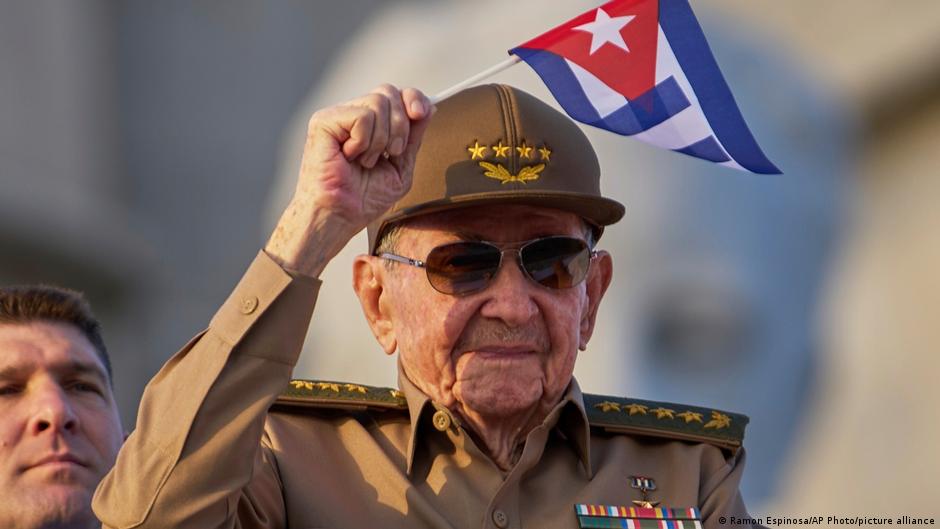
The US charges Raul Castro with murder related to a 1996 incident, signaling a tougher stance on Cuba amid heightened sanctions and geopolitical rivalry.

Trump’s talks with Xi Jinping on Jimmy Lai’s imprisonment expose growing geopolitical risks affecting global economic policies and US-China relations.

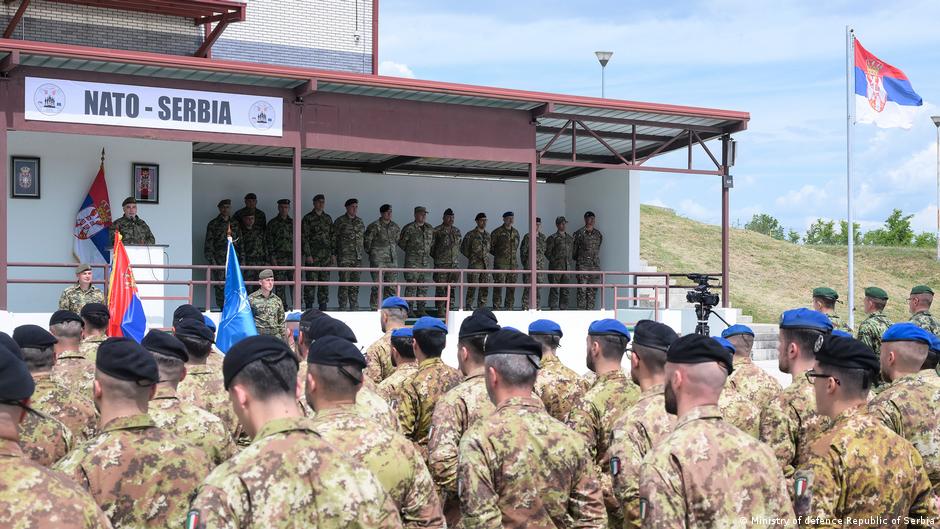
Serbia holds its first joint NATO military exercises, balancing its policy of neutrality while engaging in regional security cooperation with potential global economic implications.

The US considers shifting troops from Germany to Poland amid strategic realignment, reflecting evolving NATO roles and US-European defense policy shifts.

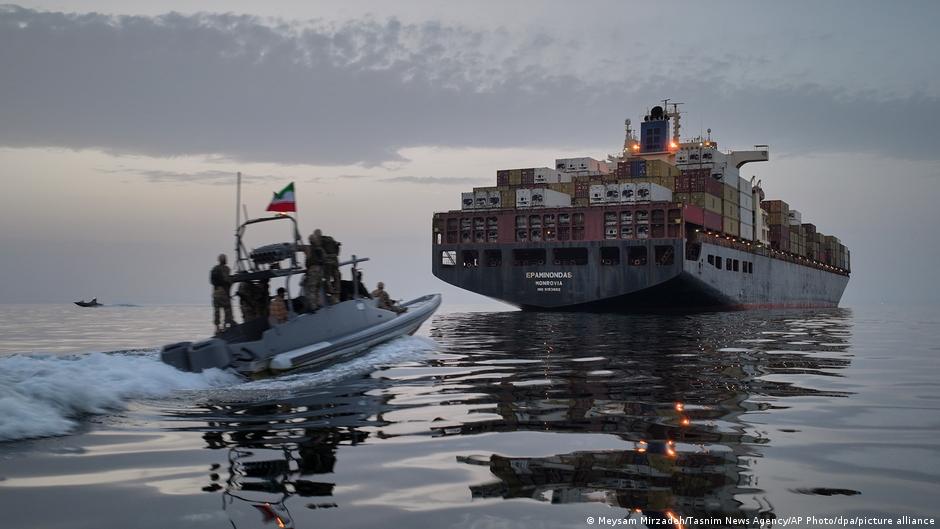
Iran mandates comprehensive vessel disclosures for Strait of Hormuz passage amid US military operations, raising concerns over global energy security and maritime policy shifts.

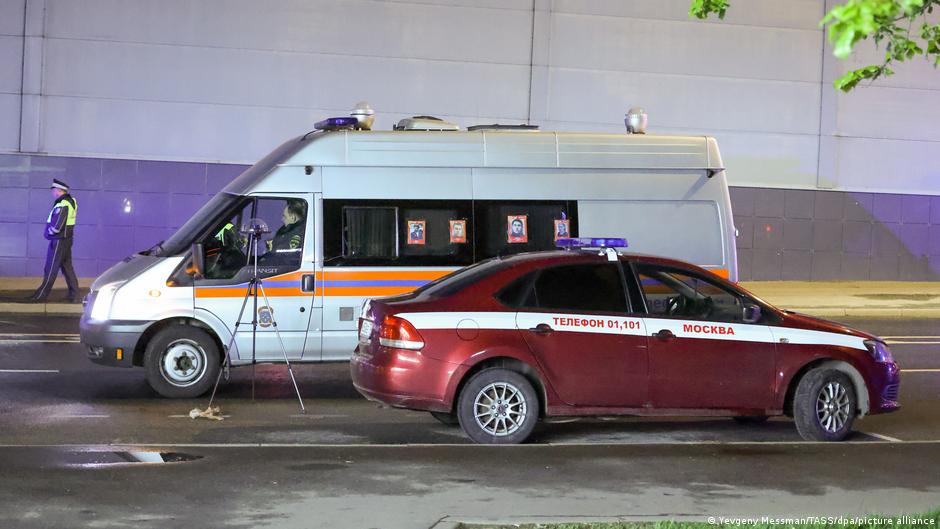
A drone struck a residential building in western Moscow, damaging property but causing no injuries, highlighting urban security vulnerabilities and potential economic impacts.

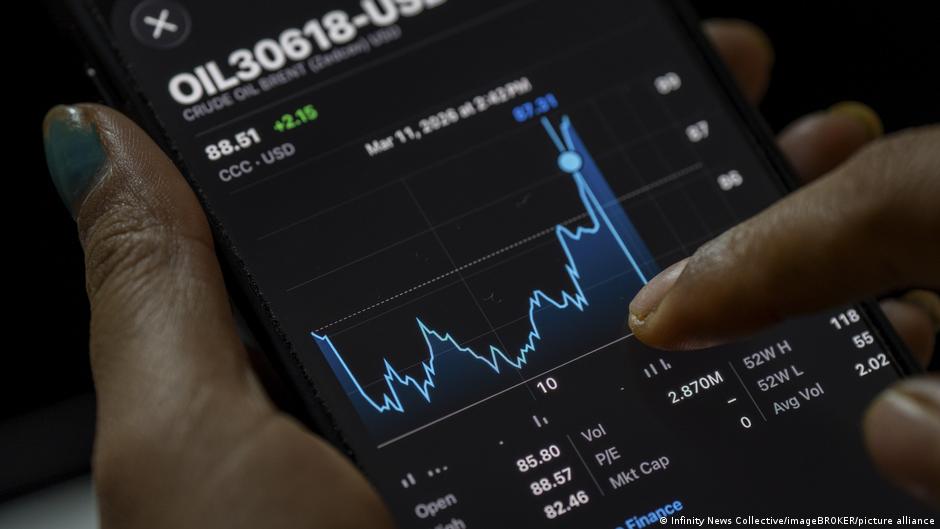
US threats against Iran have driven Brent crude oil prices above $119 per barrel, raising concerns over long-term energy supply disruptions and global economic impacts.

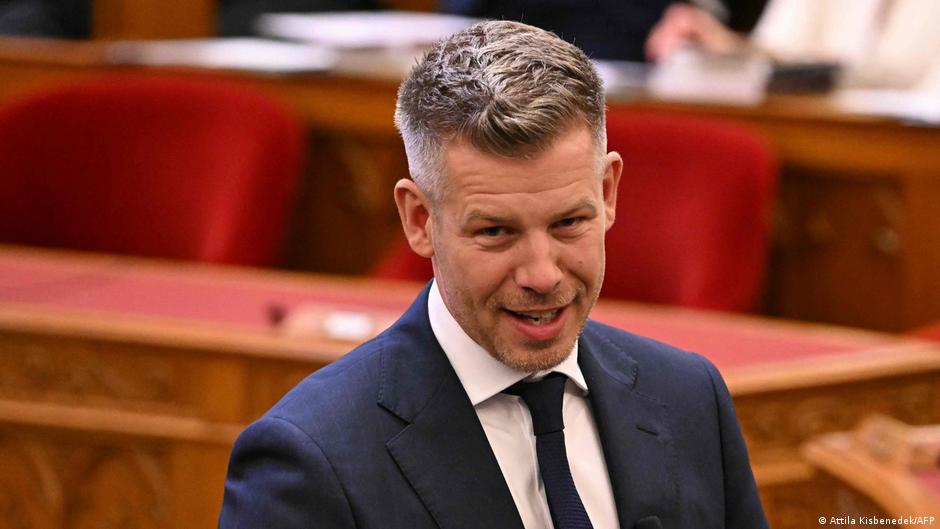
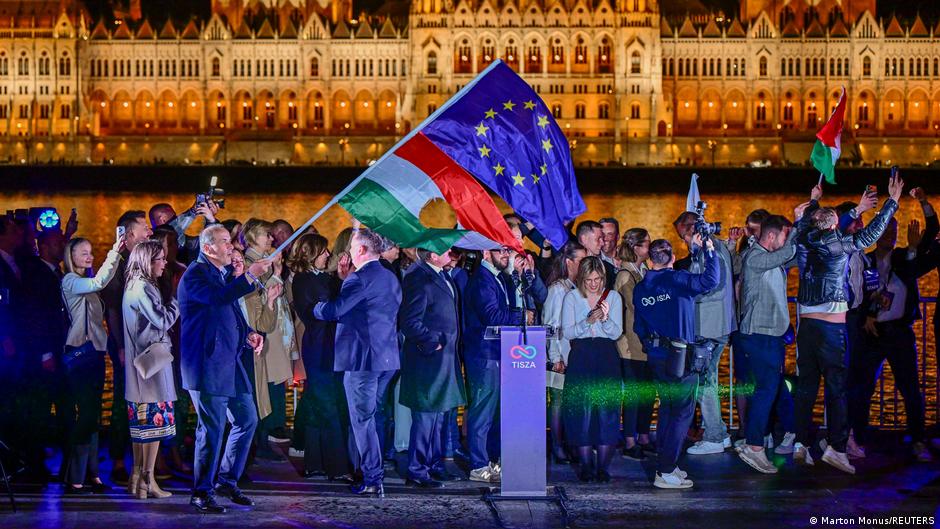
Hungary’s new government initiates talks with the European Commission to unlock €35 billion in frozen EU funds, contingent on reforms and realignment with EU values.

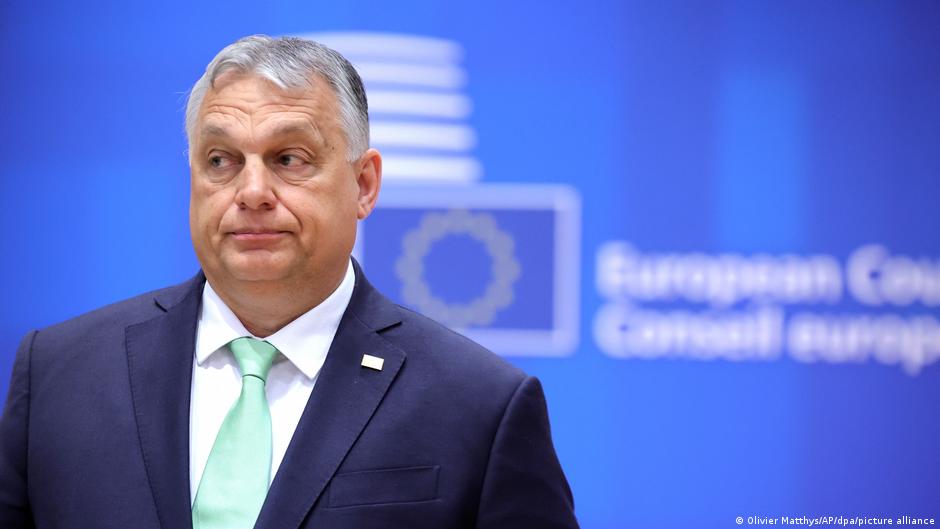
Viktor Orban declines his parliamentary seat to focus on party leadership as Hungary’s new government signals major policy reversals impacting EU and Russia relations.

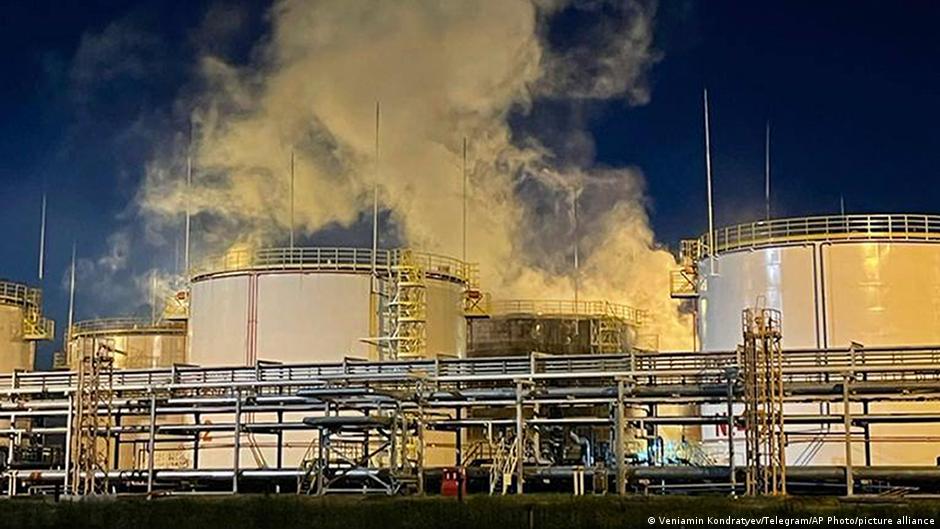
Ukrainian drone strikes in April set fires at Russian oil depots in Krasnodar and Sevastopol, raising concerns over energy infrastructure security and regional economic impacts.

Germany authorized millions in arms exports to Israel during the US-Israel conflict with Iran, revealing complex export policies amid geopolitical tensions and partial embargoes.