Russian Filmmaker Zvyagintsev Highlights Silencing of Millions Amid War, Urges Immediate End
Andrei Zvyagintsev condemns ongoing conflict in Ukraine and criticizes Kremlin’s refusal to acknowledge dissenting voices.
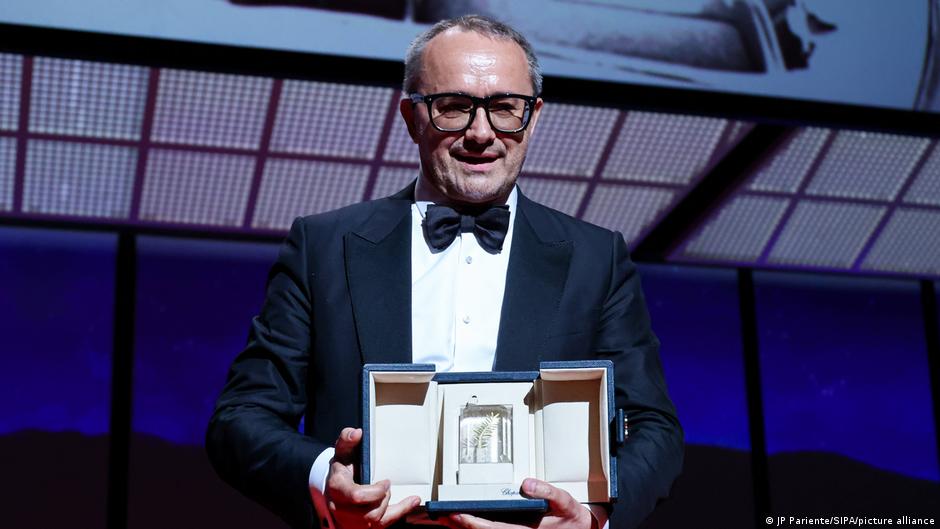
In a rare and pointed public statement, acclaimed Russian filmmaker Andrei Zvyagintsev, laureate of the Cannes Film Festival Grand Prix, has sharply criticized the Kremlin’s stance on the war in Ukraine and the suppression of dissenting opinions within Russia. His appeal, delivered during the Cannes ceremony on May 23, implored President Vladimir Putin to bring the conflict to an immediate end, emphasizing the devastating human cost and the silence imposed on millions of Russian citizens.
Macro-Economic Implications of Political Silencing Amid Conflict
Zvyagintsev’s speech underscored a critical dimension of the ongoing conflict: the internal political suppression that exacerbates Russia’s economic isolation and uncertainty. By denying the voices of millions—including prominent figures like Zvyagintsev himself—the Kremlin risks deepening social fragmentation and eroding trust in governance. This authoritarian posture complicates Russia’s ability to engage constructively with global economic partners and hampers long-term economic stability.
Following his Cannes address, Dmitry Peskov, the Kremlin's press secretary, publicly dismissed the filmmaker’s anti-war appeal and refused to deliver it to President Putin. Peskov reasoned that Zvyagintsev lacks a "right to speak" because, according to the official narrative, he never condemned the conflict in Donbas since 2014, a justification critics argue is a pretext to silence opposition voices.
"Yes, indeed, I have no right to speak, just as millions of Russians do not today because their voices are never heard," Zvyagintsev responded, highlighting the systematic marginalization of dissent within Russia.
The filmmaker’s reflections reveal a stark reality: millions within Russia are effectively disenfranchised, unable to influence or even express opinions on policies with profound domestic and international repercussions. This political stifling occurs alongside harsh economic sanctions and a deteriorating business environment, which together pose significant risks to Russia's economic trajectory.
Zvyagintsev warned that continuing the conflict will only yield further human tragedy and economic decline. He called on Russian leadership to abandon rhetoric that deflects responsibility and to focus instead on immediate conflict resolution. The filmmaker’s words resonate deeply within the broader context of geopolitical tension, signaling the urgent need for policy shifts to prevent long-term economic and societal damage.
For global economic observers and policymakers, this episode illustrates how internal repression in Russia not only undermines civic freedoms but also constrains the country’s economic prospects. The Kremlin's refusal to engage with voices advocating peace may prolong sanctions and international isolation, delaying potential economic recovery and integration.
As the war continues to exact a heavy toll on human lives and economic stability, Zvyagintsev’s appeal serves as a compelling call for reassessment among senior decision-makers worldwide. Understanding the intersection of political suppression and economic consequences in Russia is essential for crafting effective policies in an increasingly complex global landscape.