Drone Attacks Ignite Oil Storage Fires in Russia’s Krasnodar and Sevastopol Regions
Ukrainian drone strikes target key Russian oil facilities, prompting emergency responses and highlighting escalating regional security risks.
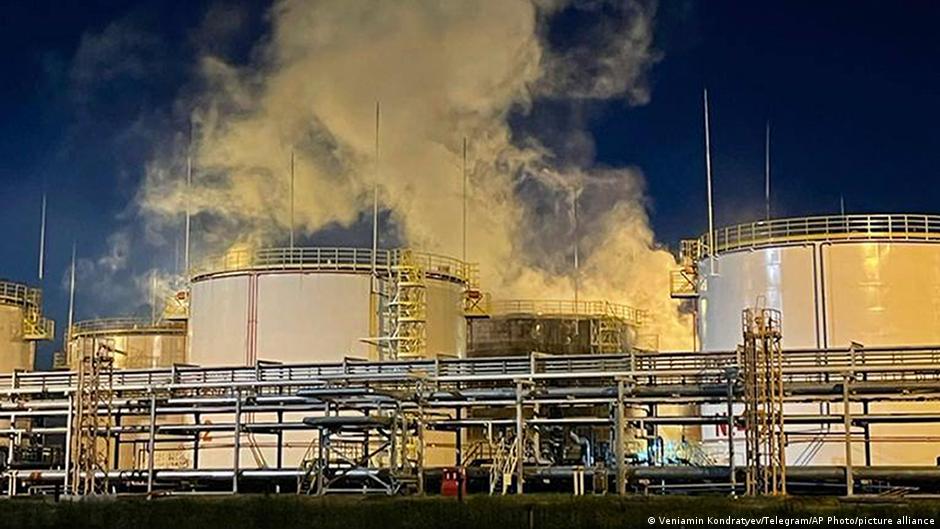
In the early hours of April 18, Ukrainian drone attacks caused fires at oil storage facilities in Russia’s Krasnodar region city of Tikhoretsk and the annexed city of Sevastopol. No casualties have been reported, but the incidents underscore rising security tensions in critical energy infrastructure zones.
Strategic Impact on Regional Energy Infrastructure
The fire at the Tikhoretsk oil depot in Krasnodar Krai mobilized 224 emergency personnel and 56 pieces of firefighting equipment. Local authorities confirmed no deaths or injuries occurred during the incident. Simultaneously, in Sevastopol, an oil storage tank containing residual fuel caught fire in the Kazachya Bukhta neighborhood after a drone was reportedly shot down nearby.
"The fire area is small and no people were harmed," stated Mikhail Razvozhayev, the head of the Sevastopol administration, via Telegram. He also noted that local air defenses intercepted 22 Ukrainian drones over Sevastopol during the night.
These coordinated attacks on oil facilities reflect a tactical effort to disrupt Russia’s energy logistics and supply chains in contested territories. Energy infrastructure, such as oil depots, plays a vital role not only in domestic fuel supply but also in supporting regional military and industrial activities.
Additionally, the drone incursions triggered air raid alerts in Russia’s Leningrad region, and temporary restrictions were imposed on flight operations at Pskov airport. The so-called "Cover" plan was activated at several airports, including Saratov, Penza, Samara, and Ulyanovsk, reflecting heightened readiness to counter further unmanned aerial attacks.
Broader Economic and Security Implications
The strikes come amid ongoing geopolitical tensions and conflict in Eastern Europe, where energy infrastructure remains a critical vulnerability. Attacks on such facilities can disrupt energy supplies, inflate regional energy prices, and amplify economic uncertainty both within Russia and for global markets reliant on Russian hydrocarbons.
For senior decision-makers, the incidents signal potential escalation in asymmetric warfare tactics targeting energy assets, which may necessitate enhanced security protocols, diversified energy sourcing, and robust contingency planning. The ability to safeguard critical infrastructure is increasingly paramount to preserving economic stability and preventing supply chain shocks.
Moreover, these events may prompt policy shifts in regional security and energy strategies, influencing investment decisions and international cooperation frameworks aimed at mitigating risks to critical energy systems.