Russian Drone Strikes on Ukrainian Cities Signal Escalation with Economic Consequences
Drone attacks on residential areas in Zaporizhzhia, Konotop, and Kherson cause casualties and infrastructure damage, raising concerns over regional stability and economic impact.
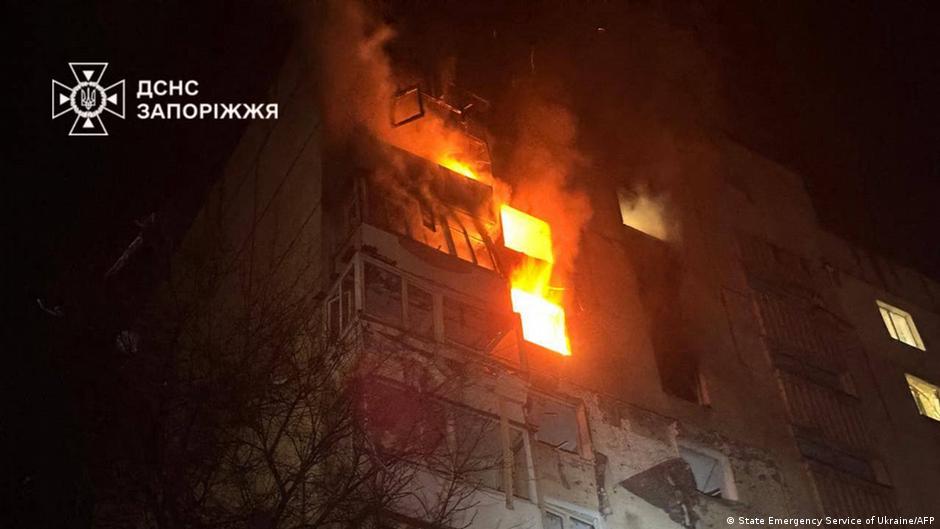
On June 4, Russian military forces conducted drone strikes targeting residential neighborhoods in several Ukrainian cities, resulting in civilian casualties and significant damage to infrastructure. These attacks highlight ongoing tensions that have broader implications for Ukraine's economic environment and regional stability.
Casualties and Infrastructure Damage
In the city of Zaporizhzhia, Russian drones struck a residential area, damaging a multi-story apartment building and several parked vehicles. The regional governor reported that a 44-year-old woman was killed and 11 others sustained injuries ranging from minor to severe. This strike underlines the human cost and disruption to civilian life in conflict zones.
Similarly, the city of Konotop in the Sumy region experienced drone attacks targeting residential homes and civilian infrastructure. At least five people were injured, including children. A private house caught fire during the attack, with two adults and three children inside at the time. The injured children and their mother were hospitalized, indicating the vulnerability of civilian populations to escalating hostilities.
In Kherson, another drone strike resulted in the death of a 75-year-old man. The regional governor confirmed the fatality, pointing to continued threats against civilians in contested areas.
"Russian drone attacks have intensified, inflicting civilian casualties and damaging essential infrastructure, further destabilizing the affected regions."
Economic and Policy Implications
These attacks have disrupted vital utilities; for instance, Konotop was left without water supply and partially without electricity following the drone strike. Interruptions to basic services compound the humanitarian crisis and challenge local governance structures.
From a macroeconomic perspective, the ongoing conflict and targeted strikes on civilian infrastructure raise concerns about Ukraine’s economic resilience and recovery prospects. Damage to housing, utilities, and public safety deters investment and complicates reconstruction efforts. Moreover, the continued hostilities strain government budgets, diverting resources from developmental priorities to security and humanitarian aid.
At the international level, such attacks reinforce the geopolitical risks associated with the conflict zone. Global policymakers must weigh the potential for broader destabilization in Eastern Europe, which could impact global markets, supply chains, and energy security.
Long-term economic consequences may include reduced investor confidence, increased costs for reconstruction, and protracted disruptions in regional trade networks. Policy shifts towards enhanced security cooperation, economic aid packages, and reconstruction funding are likely to intensify as the conflict evolves.
In summary, the drone strikes on residential areas in Zaporizhzhia, Konotop, and Kherson not only cause immediate human suffering but also signal escalating challenges for Ukraine’s economic stability and for international efforts to manage regional security risks.