Germany’s Arms Exports to Israel Continue Amid Middle East Conflict Despite Partial Embargo
Berlin approved millions in weapons exports to Israel during the US-Israel conflict with Iran, highlighting complex policy shifts amid global geopolitical tensions.
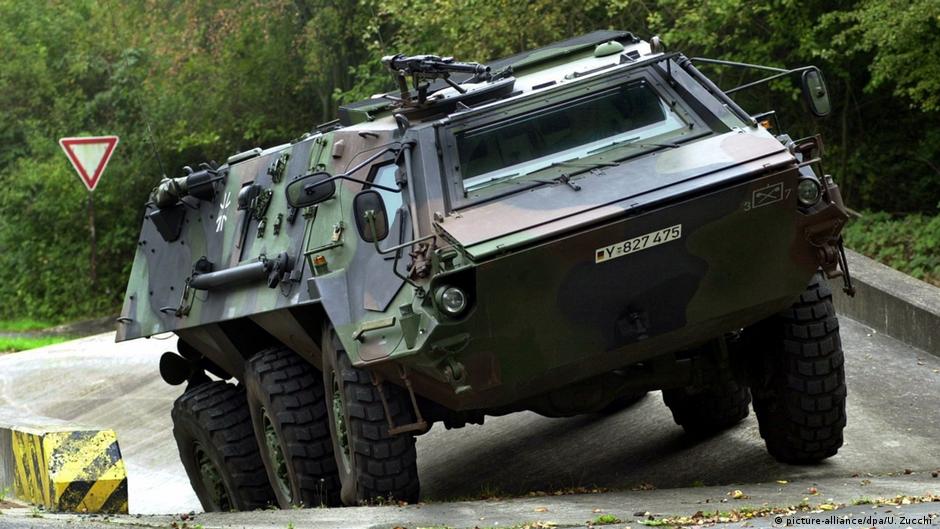
Germany has continued to authorize arms exports to Israel during the ongoing conflict involving the United States and Israel against Iran, even as partial export restrictions were implemented. Between February 28 and March 27, 2025, the German government approved weapons shipments to Israel valued at approximately €6.6 million, despite existing guidelines that generally prohibit arms exports to active war zones.
Policy Framework and Exceptions Amid War
Germany’s arms export policy, established in 2000 under the then red-green coalition, strictly limits weapons sales to conflict and crisis regions. However, the guidelines allow certain exceptions, notably the support for Ukraine in its defensive war against Russia and special assistance to Israel. These exceptions underscore Germany’s nuanced stance on arms exports, balancing legal norms with geopolitical considerations.
Following the Hamas terrorist attack on Israel on October 7, 2023, Germany initially increased weapons supplies to Israel as a gesture of solidarity. Under Chancellor Olaf Scholz’s government, export licenses were issued for weapons shipments worth nearly €500 million. This marked a significant escalation aimed at reinforcing Israel’s defense capabilities amid escalating violence in the region.
"Solidarity with Israel does not imply unconditional endorsement of every government decision nor obligate us to military aid," stated Chancellor Friedrich Merz upon imposing partial export restrictions.
However, as dissatisfaction grew over Israel’s conduct during the Gaza conflict, Chancellor Friedrich Merz’s administration imposed a temporary embargo on August 8, 2025, halting arms exports perceived to contribute directly to the Gaza war. Merz emphasized that solidarity does not equal unconditional support for all of Israel’s military actions.
This partial embargo sparked significant backlash from Israeli officials and elements within Germany’s Christian Democratic Union, Merz’s own party. After approximately three and a half months, Germany lifted the restrictions following a ceasefire agreement between Israel and Hamas. Interestingly, even during the embargo period, export approvals totaling €10.44 million were reportedly issued, reflecting the complexities in enforcing such restrictions.
Macroeconomic and Geopolitical Implications
The continuation of arms exports to Israel amid the conflict with Iran carries significant global economic and geopolitical ramifications. Germany’s defense industry benefits from sustained demand, but domestic political debates reveal tensions between economic interests and ethical considerations in foreign policy. As Ulrich Thoden, a Left Party parliamentarian, criticized, the military-industrial complex’s profit motives may exacerbate conflicts, undermining regional stability and economic prosperity.
On a broader scale, Germany’s balancing act illustrates the challenges faced by major economies in aligning export controls with strategic alliances and international security commitments. The partial embargo and subsequent lifting signal a pragmatic adaptation to shifting geopolitical realities, yet also highlight potential risks of inconsistent policy application, which could affect Germany’s credibility in global arms control efforts.
For senior decision-makers, the case underscores the importance of transparent and coherent arms export policies that consider long-term economic and security consequences. The integration of ethical standards with economic strategy remains a critical factor for Germany as it navigates its role in a volatile Middle Eastern theater and its global economic partnerships.