US Senate Rejects Resolution to End War with Iran, Maintaining Executive War Powers
US Senate votes against limiting presidential authority to conduct military actions against Iran without congressional approval, marking the fourth such decision this year.
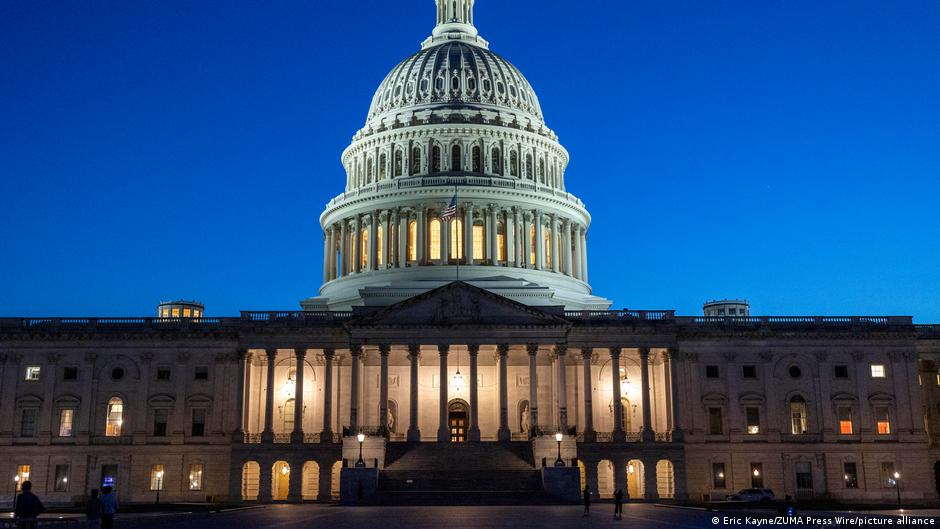
The United States Senate has, for the fourth time this year, declined to restrict the president's authority to conduct military operations without explicit congressional approval. In a vote held on April 15, 2026, the Senate rejected a resolution aimed at compelling the Trump administration to cease hostilities against Iran and mandate the withdrawal of American forces from conflict zones unless formally authorized by Congress.
The resolution, championed by Democratic lawmakers, garnered support from 47 senators but was ultimately defeated as 52 senators voted against it. The Republican Party's current control of the Senate played a significant role in shaping this outcome.
Constitutional and Political Implications of the Vote
The resolution's proponents argue that the ongoing military campaign against Iran lacks legal justification and constitutes an unlawful use of force. They have pledged to continue introducing similar measures in the Senate, striving to secure votes that would bring an end to the conflict.
"We will persist in our efforts to restore congressional accountability and end an unauthorized war that puts American lives at risk," said a Democratic senator involved in drafting the resolution.
This vote underscores an ongoing tension between the executive branch and Congress regarding war powers. The War Powers Resolution of 1973 requires that Congress either declare war or authorize the use of military force within 60 days of the commencement of hostilities. This period is set to expire at the end of April 2026, although the law permits an additional 30-day extension.
By repeatedly voting against resolutions that seek to curtail presidential military actions, the Senate has effectively deferred its constitutional responsibility to authorize armed conflict. This dynamic raises important questions about the balance of power in US foreign policy decision-making and the legislative branch’s role in governing military engagements.
Legislators have indicated that they expect the Trump administration to soon present a detailed plan outlining steps toward conflict resolution and potential de-escalation. Meanwhile, domestic political discourse continues to focus heavily on the appropriate role of Congress in authorizing and overseeing military interventions.
From a macroeconomic perspective, the continuation of unresolved military engagement in the Middle East carries significant implications for global economic stability. Prolonged conflict tends to exacerbate geopolitical risks, affecting commodity prices, investor confidence, and international trade flows. Furthermore, the erosion of congressional oversight in war decisions may signal increased unpredictability in US foreign policy, influencing global markets and allies’ strategic calculations.
Senior decision-makers and policymakers should closely monitor these developments as they evaluate the long-term economic consequences of sustained military operations without comprehensive legislative sanction. The interplay between executive flexibility and legislative restraint in war-making decisions will remain a critical factor shaping US geopolitical influence and the broader international economic environment.