Ukraine Pauses Russian Refinery Strikes as US Election Risks Mount
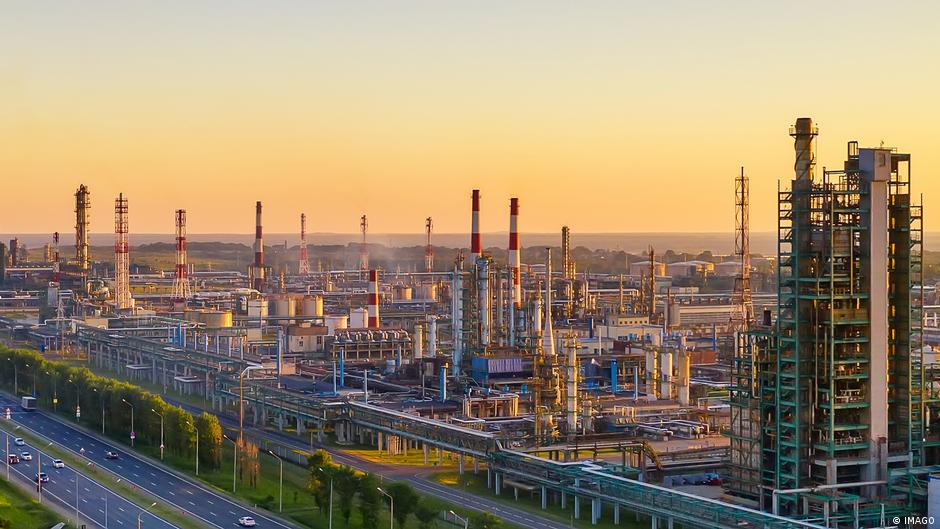
Ukraine’s reported refinery-strike pause shows how US electoral pressure, fuel prices and dependence on American technology are reshaping wartime strategy.

Ukraine’s reported refinery-strike pause shows how US electoral pressure, fuel prices and dependence on American technology are reshaping wartime strategy.

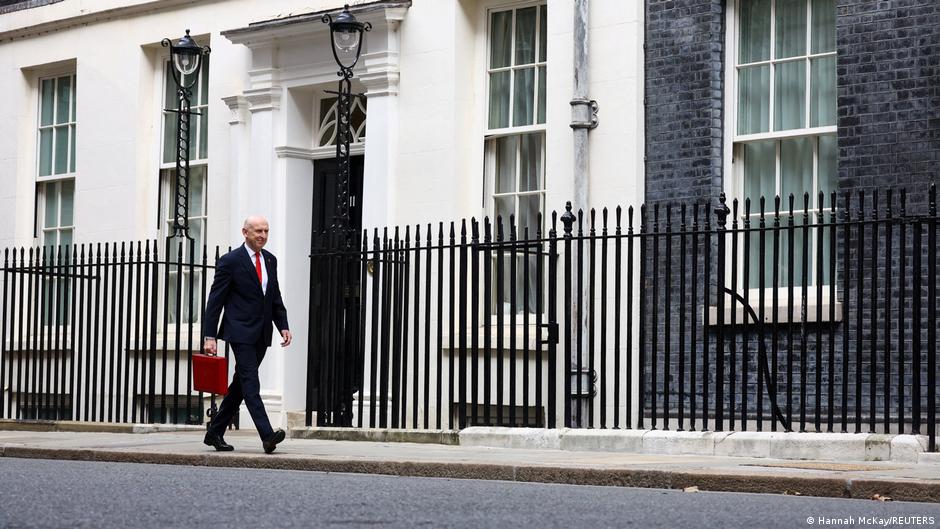
Britain and the Netherlands are combining winter defence assistance with loans, guarantees and multiyear funding for Ukraine’s reconstruction.

Four soldiers died and dozens were injured at an Alberta base, intensifying scrutiny of wildfire risk, military preparedness and future defence spending.

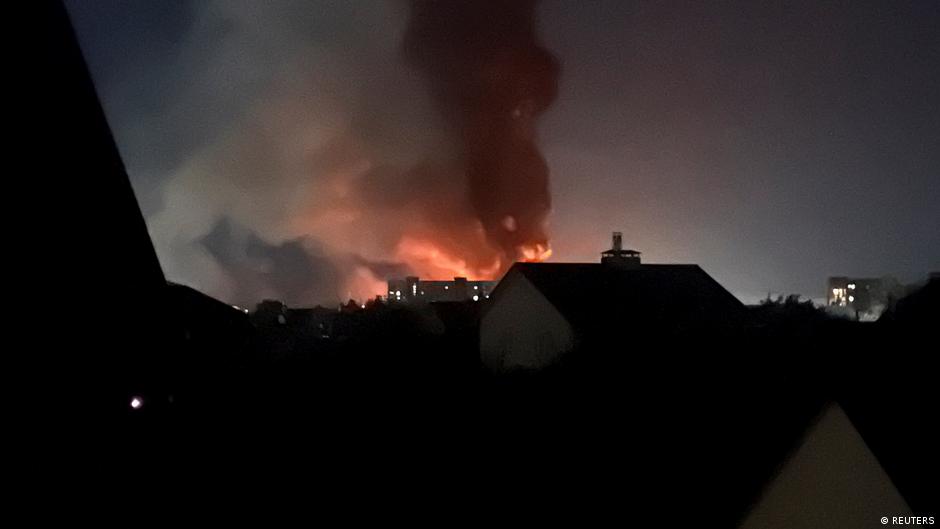
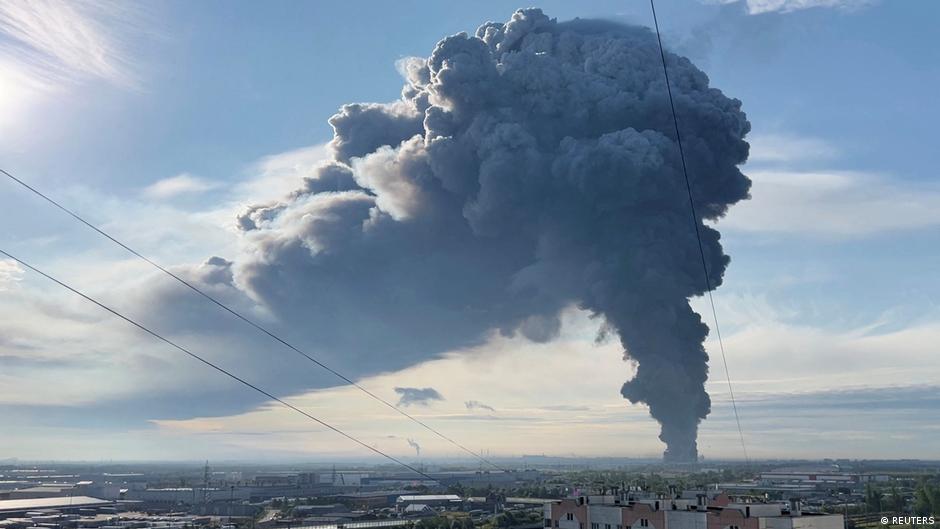
A mass drone attack disrupted energy, transport, power and digital infrastructure across St Petersburg and the surrounding Leningrad region.

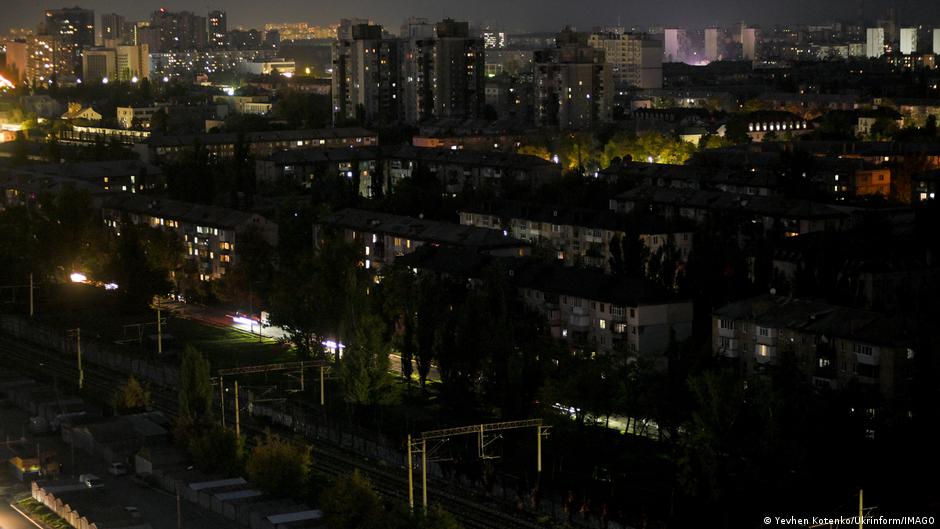
Power and water disruptions in Kyiv and Volyn highlight the mounting economic risks from attacks on Ukraine’s interconnected utility networks.

Trump said Putin is more interested than Zelensky in a Ukraine peace deal as Kyiv urged U.S. pressure over an energy ceasefire.

Washington’s reported threat to block a Ukraine arms channel highlights the growing economic stakes of energy infrastructure strikes.

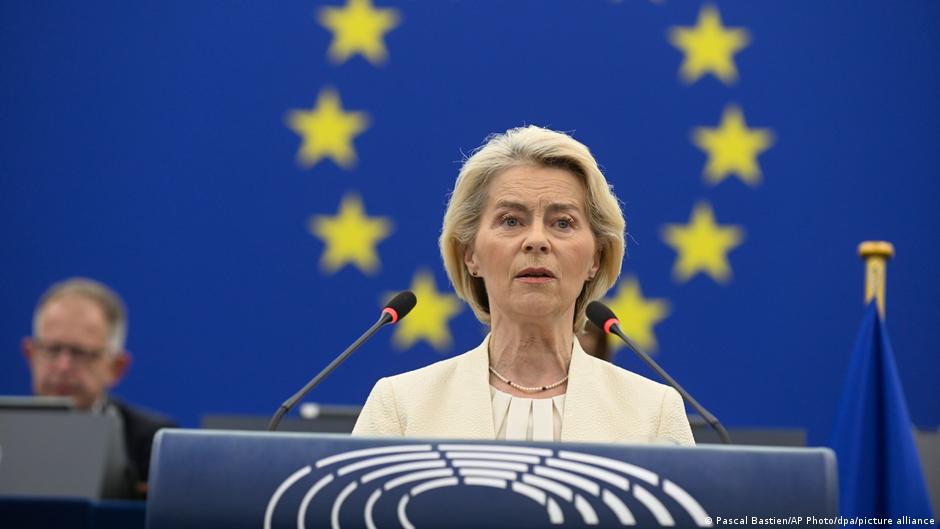
The EU plans new funding for Ukrainian drones and missiles as leaders prepare to discuss Kyiv’s financing needs and long-term support.

Zelensky warned that easing Russian diesel export limits without de-escalation would strengthen Moscow and risk prolonging the war.

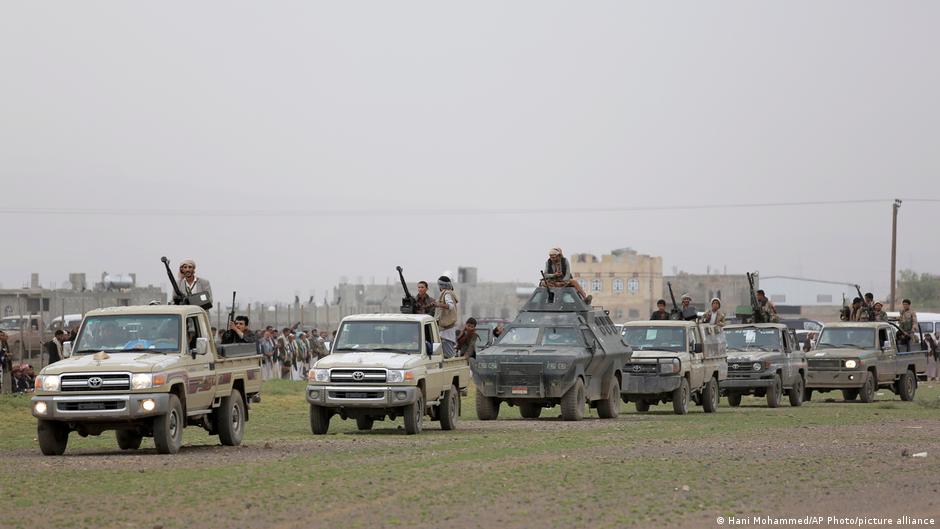
Yemen’s offensive against the Houthis raises risks for Red Sea shipping, energy markets and regional defense alignments.

Western contingency plans to move embassies from Kyiv point to rising concern over Ukraine’s winter energy resilience and economic stability.

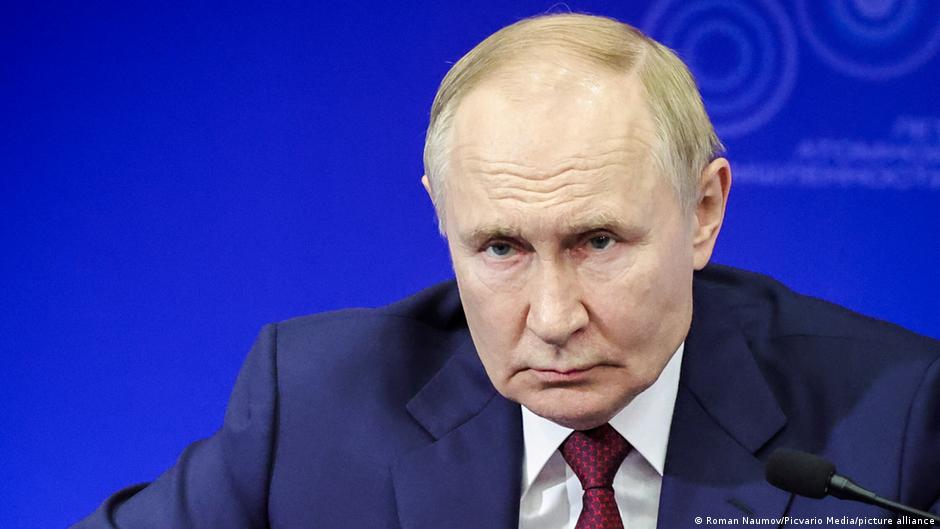
Putin’s Valdai speech sharpened nuclear rhetoric and blamed the West, reinforcing Europe’s long-term geopolitical and economic risk outlook.

Kyiv denied that Trump proposed Moscow talks for Zelensky as U.S. diplomacy focuses on energy strikes and rising diesel prices.

Yemen’s mobilization call underscores rising risks to energy flows, Red Sea trade routes and Gulf export stability as Houthi forces advance.

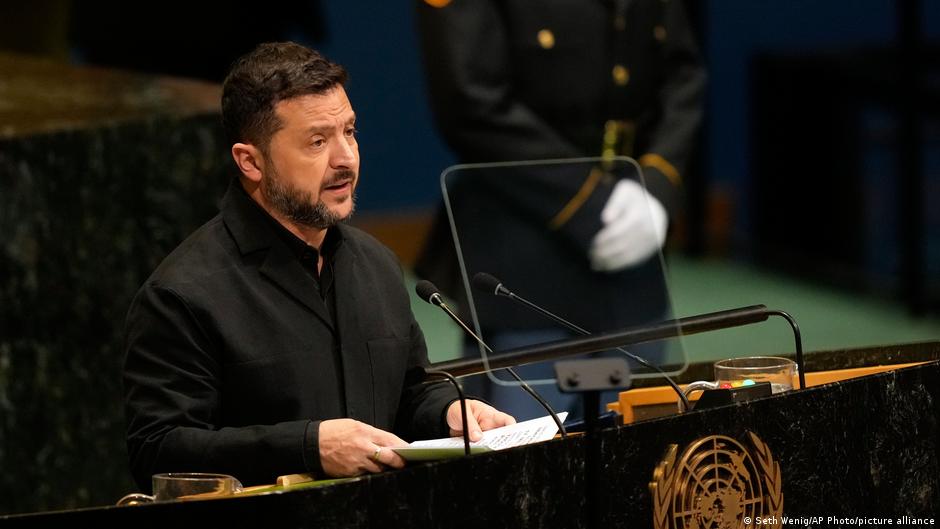
Zelenskyy used his UN address to link Russia’s war to energy revenues, global instability, AI risks and the long-term economic costs of conflict.

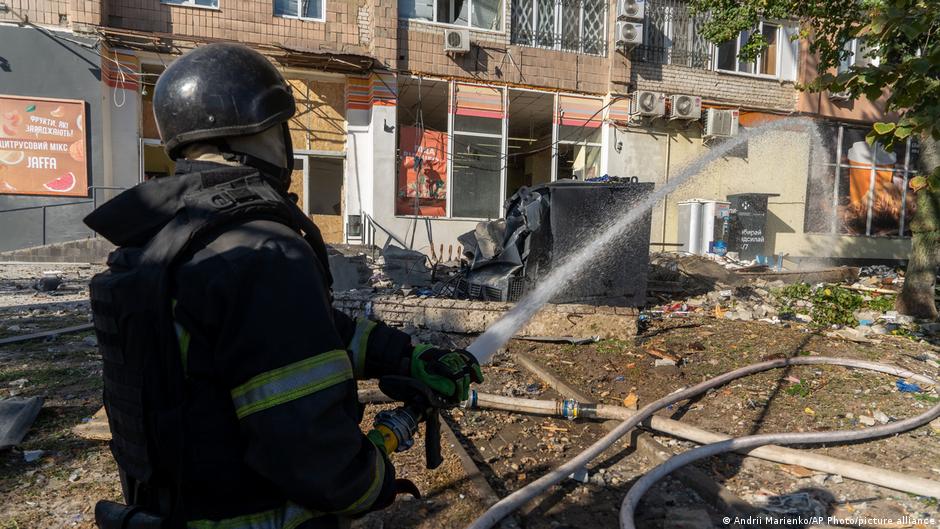
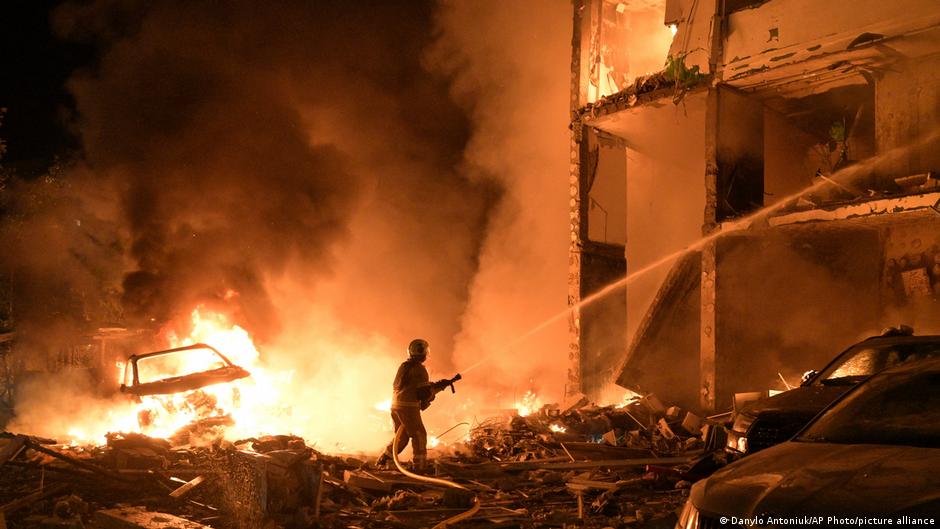
Two people were killed and six injured in Kyiv as Russian strikes damaged urban infrastructure, including areas near medical facilities.

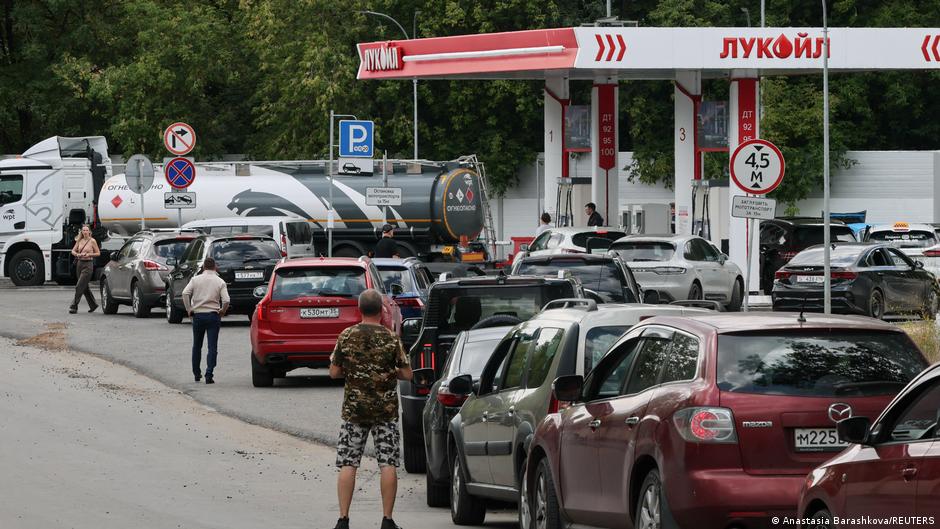
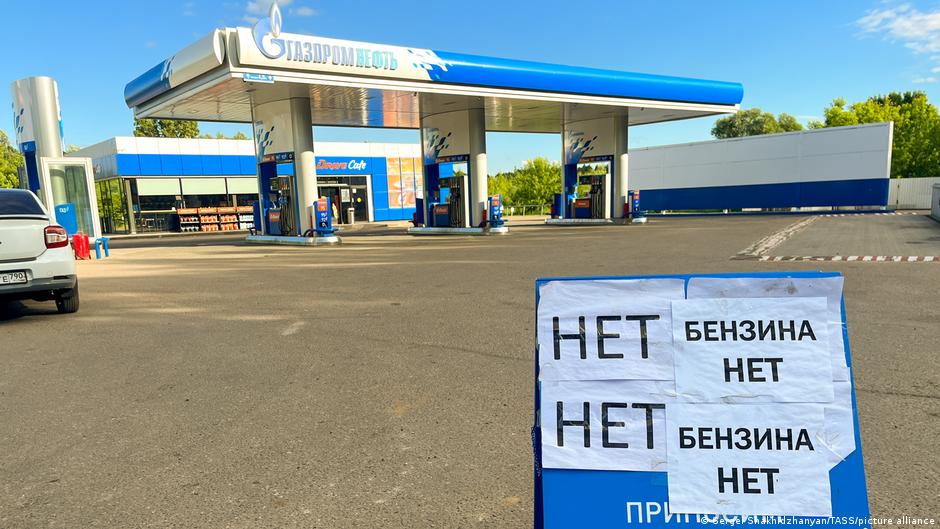
Kaluga and Zabaykalsky are restoring petrol limits as refinery strikes deepen Russia's second wave of fuel shortages.

Macron and Trump discussed a moratorium on strikes against Ukraine’s energy and civilian infrastructure and stronger air defenses for Kyiv.

Saudi Arabia says it intercepted a Houthi ballistic missile aimed at Riyadh as attacks intensify around oil infrastructure and Red Sea trade routes.

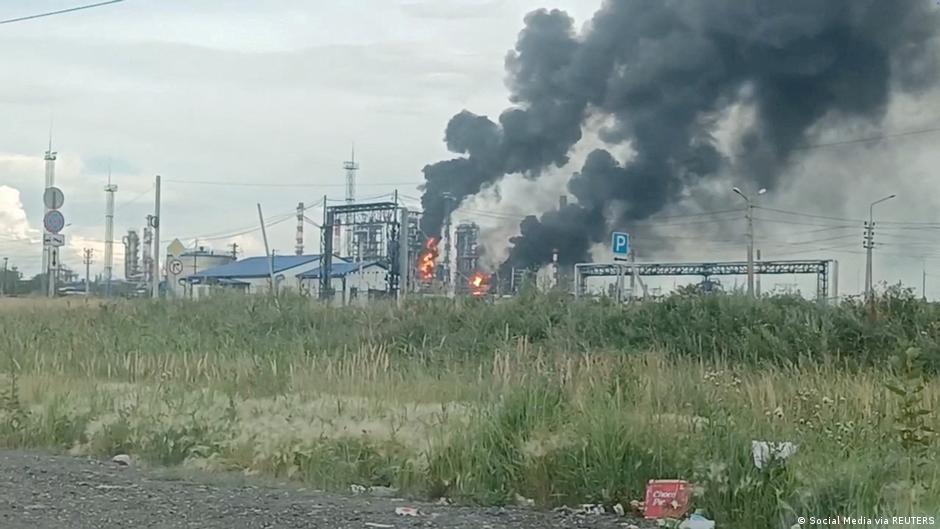
The halt at Yaroslavl’s YANOS refinery deepens Russia’s fuel shortages and exposes rising wartime risks to its energy infrastructure.

U.S. prosecutors accused Russian-linked figures of financing terrorism and plotting killings, widening the economic and policy stakes of the Ukraine conflict.

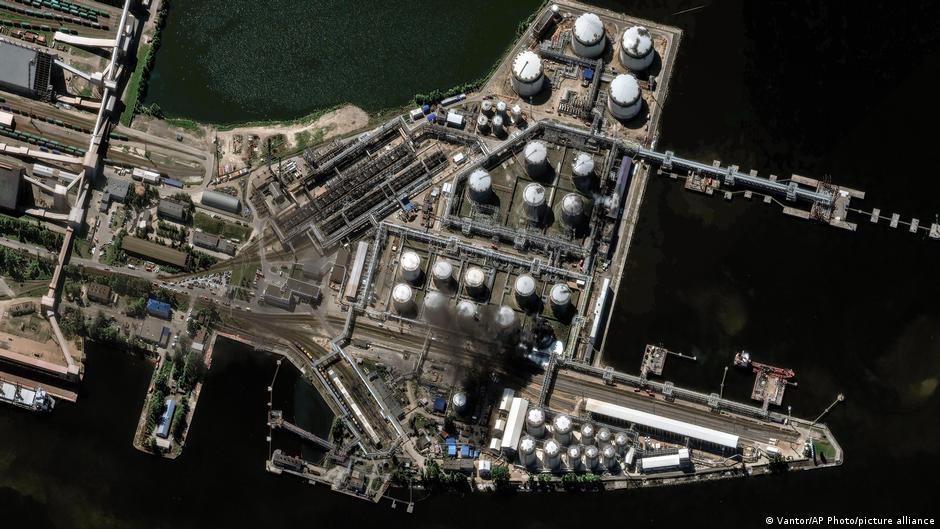
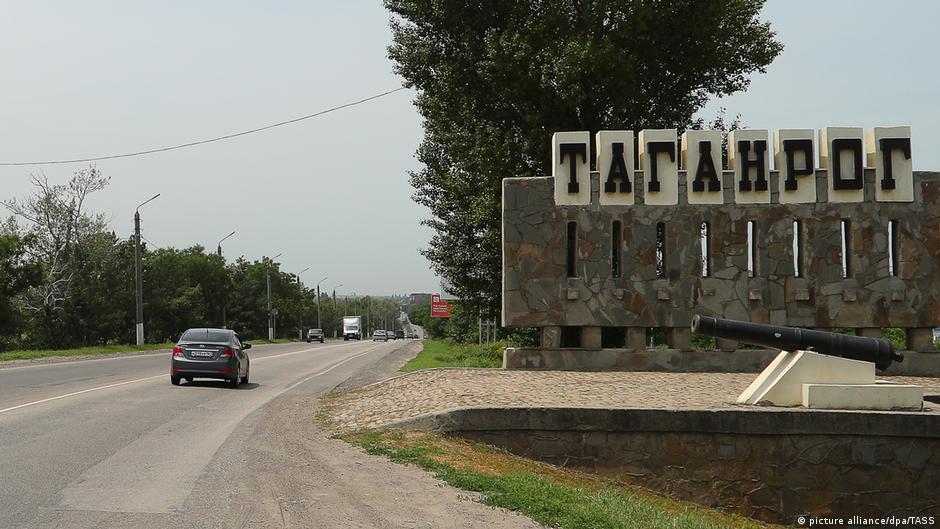
Strikes on Syzran refinery and Taganrog sites show how the war’s economic pressure is extending into Russia’s energy and industrial infrastructure.

Saudi Arabia’s East-West pipeline shutdown could cut global oil supplies by 4% if repairs drag on, raising energy and inflation risks.

Russian attacks damaged logistics, housing, warehouses and energy infrastructure in Ukraine, injuring two people in the Odesa region.

The Houthi capture of Mocha strengthens their position near Bab el-Mandeb, increasing risks to oil flows, prices and U.S. policy options.

Zelensky expects late-September US talks on food and energy security as Ukraine warns of Black Sea export disruption and infrastructure attacks.

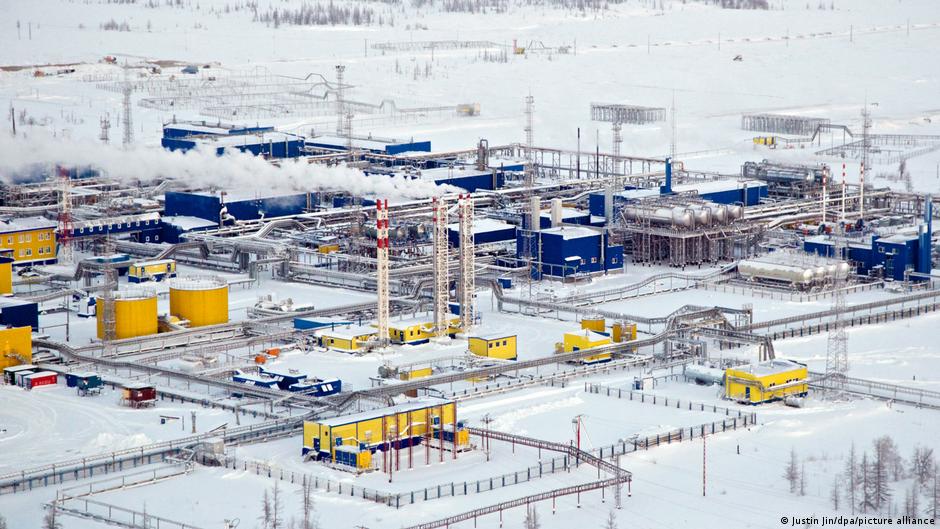
A reported drone strike in Russia’s Yamal gas region highlights rising infrastructure risk in a core pillar of the country’s energy economy.

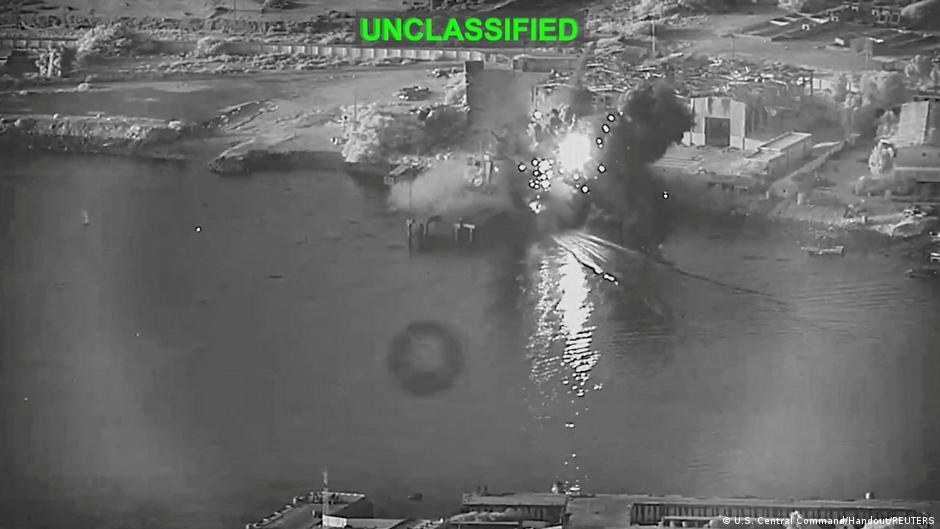
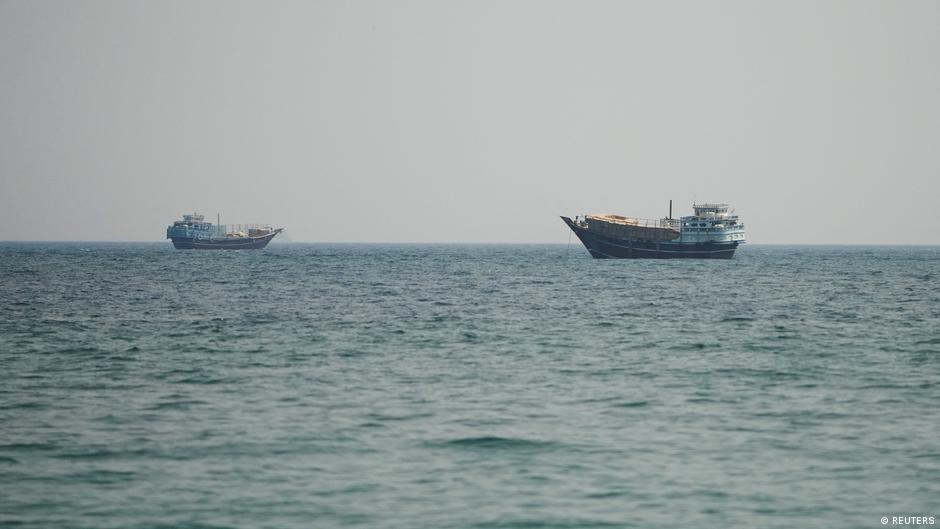
CENTCOM said it destroyed five Iranian oil tankers after IRGC missile attacks, deepening risks around Gulf shipping and oil markets.

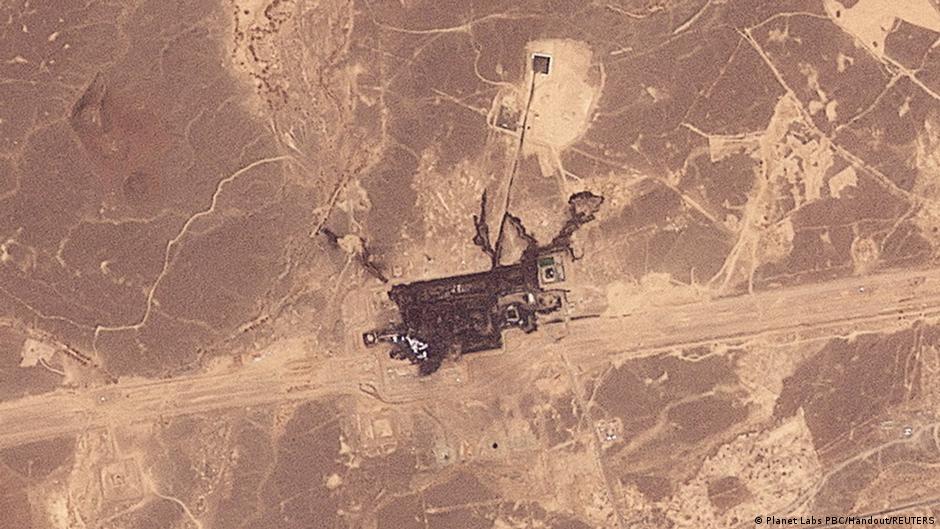
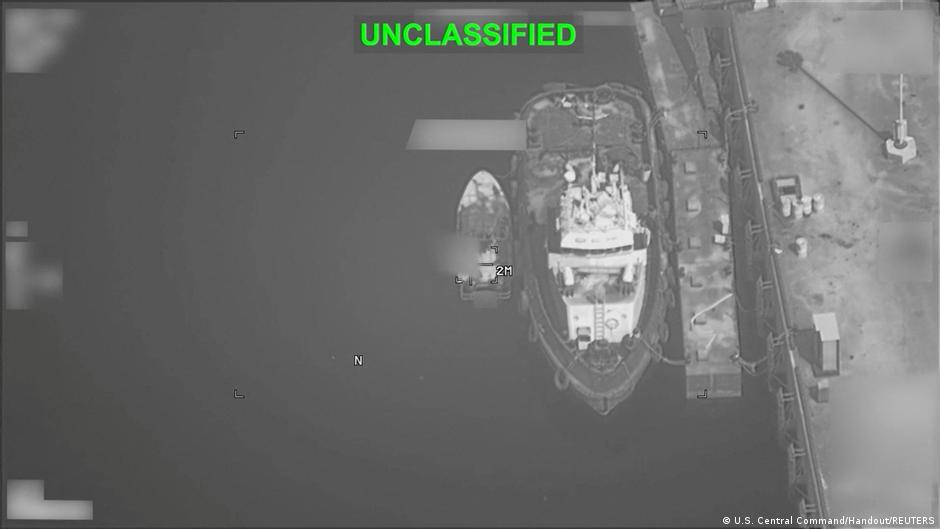
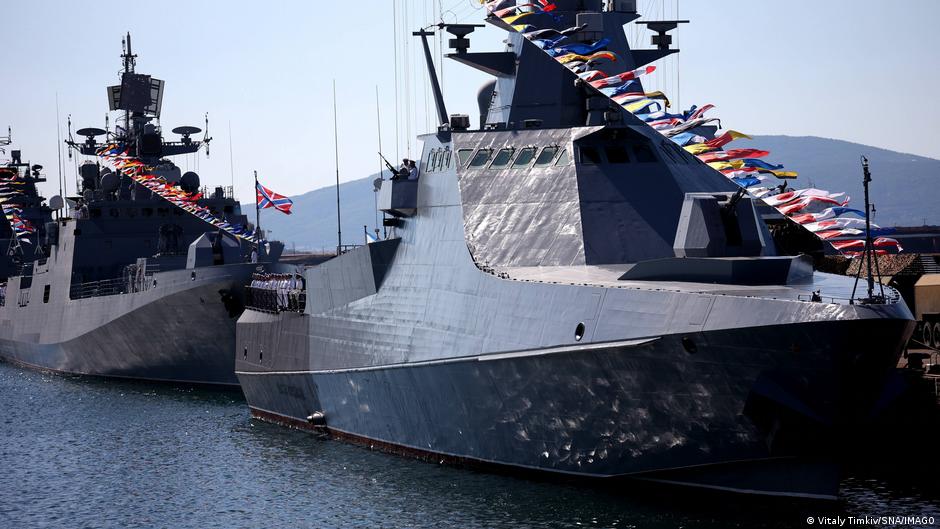
Ukraine claims successful strikes on Russian naval vessels and key infrastructure in Novorossiysk, impacting military capabilities and critical export terminals.

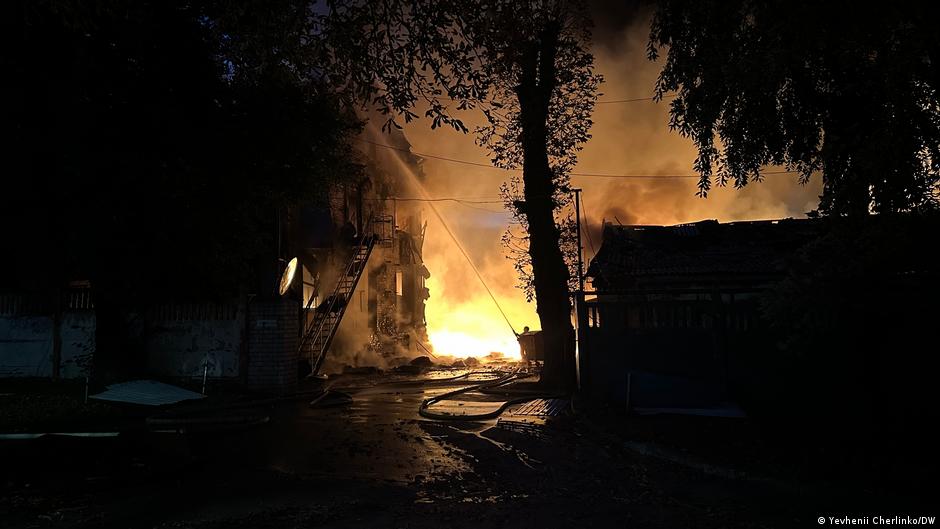
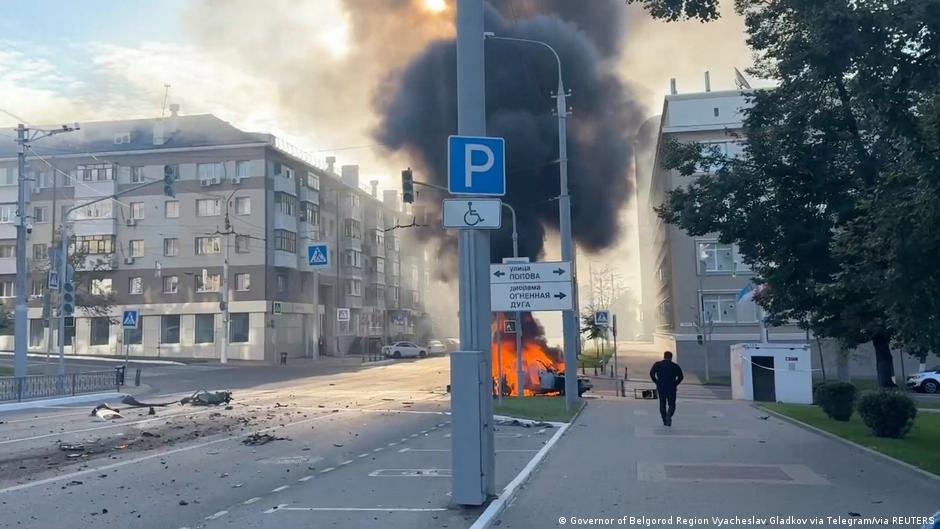
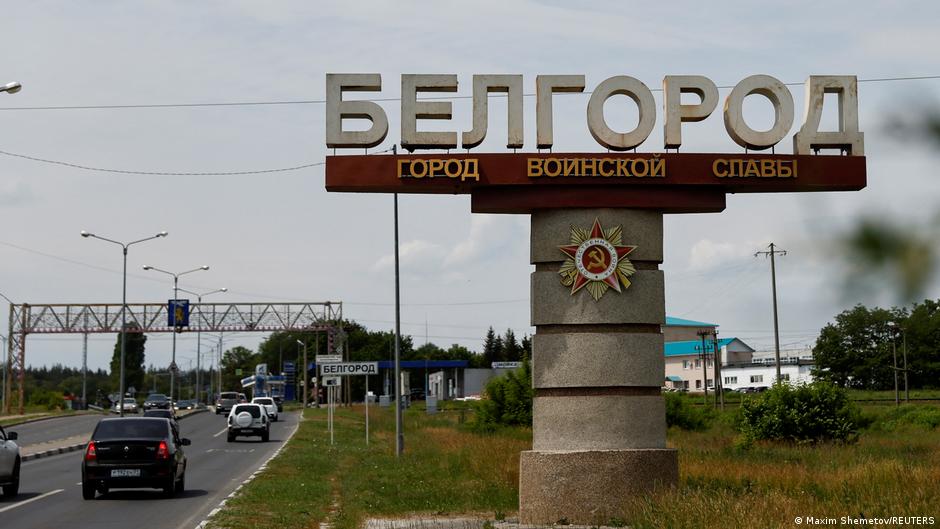
Drone attacks on the Russian border city Belgorod caused injuries and significant damage to residential and energy infrastructure, raising concerns about regional stability and economic impacts.

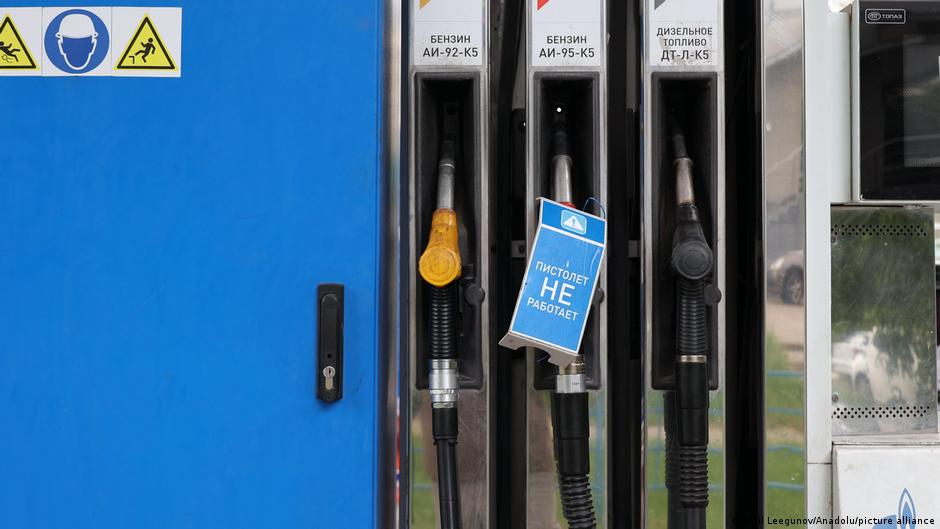
Russia has authorized the sale of lower-grade Euro-2 to Euro-4 fuels through 2027 to mitigate supply shortages caused by attacks on oil infrastructure, balancing crisis needs with quality compromises.

Ukraine’s 40-day security operation has targeted over 100 strategic Russian sites and energy infrastructure, signaling a calculated effort to weaken Russia’s military and economic capabilities.

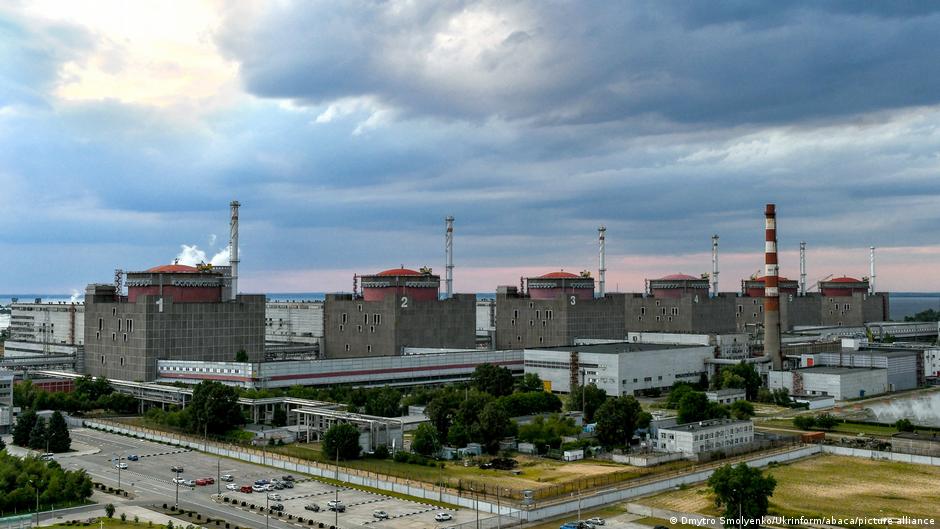
The Zaporizhzhia nuclear plant in Ukraine lost external power for the 23rd time since the Russian invasion, raising serious safety and regional energy security concerns.

Drone strikes on Russian cities Belgorod, Rostov-on-Don, and Engels highlight increasing security risks and potential economic disruptions to critical infrastructure.

Russia’s oil product production fell nearly 22% in June amid intensified attacks on its refining infrastructure, triggering fuel shortages and price volatility with global economic implications.

US strikes on Iranian infrastructure escalate tensions, risking broader regional instability and disruptions to global energy markets critical to economic stability.

The US is advancing plans to restore an Iraq-Syria oil pipeline to bypass the Strait of Hormuz, aiming to reduce Iranian influence and diversify energy export routes amid rising Middle East tensions.

Russia’s missile strikes on Kyiv intensify civilian casualties amid rising hostilities, with major implications for regional stability and global energy markets.

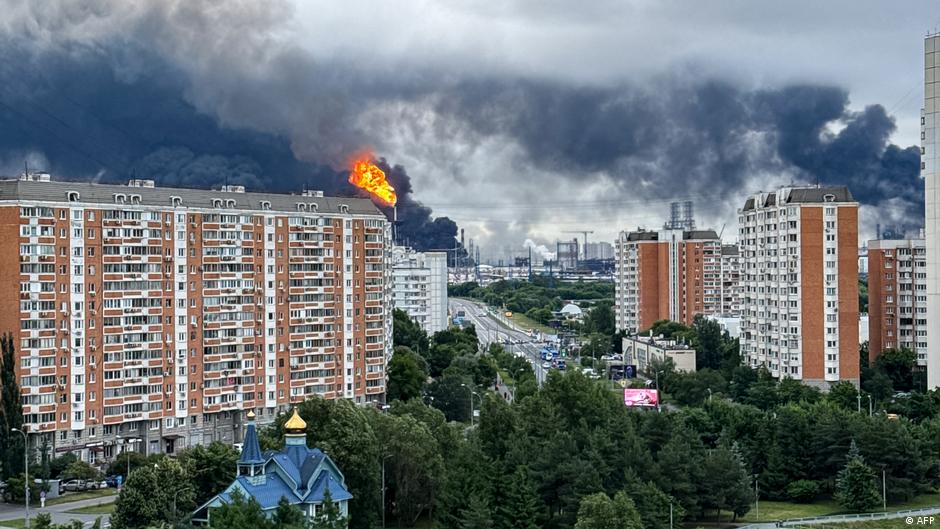
The Saratov refinery’s shutdown after Ukrainian drone attacks worsens Russia’s fuel crisis, disrupting 25% of refining capacity and impacting millions amid wartime economic pressures.

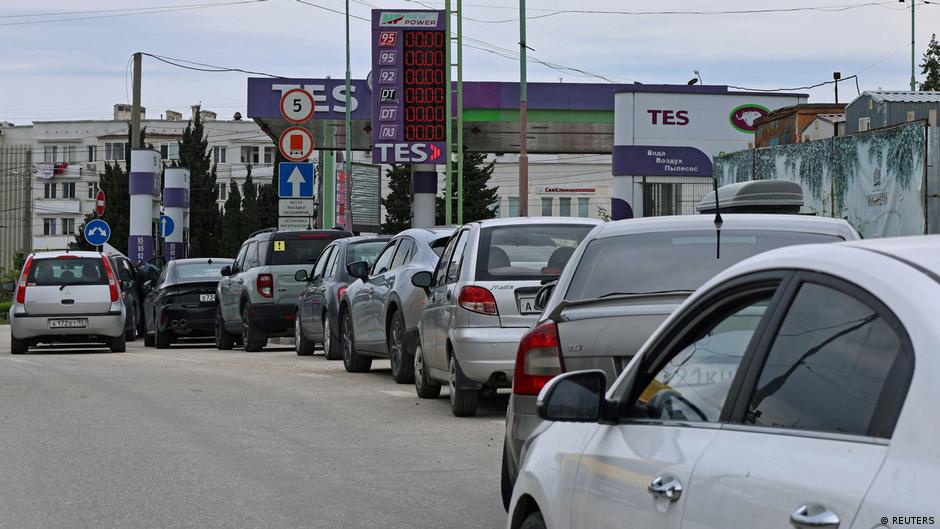
Fuel prices in Crimea have surged nearly 80% in one week amid Russia’s export restrictions and supply shortages, signaling broader energy market challenges and policy shifts.

Gazprom has contracted with Russia's Defense Ministry to form mobile units protecting gas infrastructure, reflecting heightened security concerns amid geopolitical tensions and economic risks.

Drone attacks caused fires at the Poltava oil depot near Krasnodar and struck key energy infrastructure in Crimea, highlighting growing risks to regional energy security amidst escalating conflict.

Ukraine’s drone strikes on Russian refineries have forced Russia to impose fuel sales limits in 53 regions, signaling major disruptions in its oil sector with global economic impact.

Germany urges the EU and Turkey to exclude Russian gas in future contracts, reflecting a strategic shift as Turkey seeks to become a regional gas hub amid evolving geopolitical tensions.

G7 leaders have announced new sanctions targeting Russian oil and gas exports and pledged increased military support for Ukraine, signaling a strategic shift with significant global economic implications.

US Treasury extends MOL’s deadline to June 16 for acquiring Gazprom’s stake in Serbian oil firm NIS amid sanctions, with potential implications for Southeast European energy security.
Belgorod authorities have reinstated mobile internet and street lighting, adapting security policies to balance civilian needs amid ongoing regional conflict.

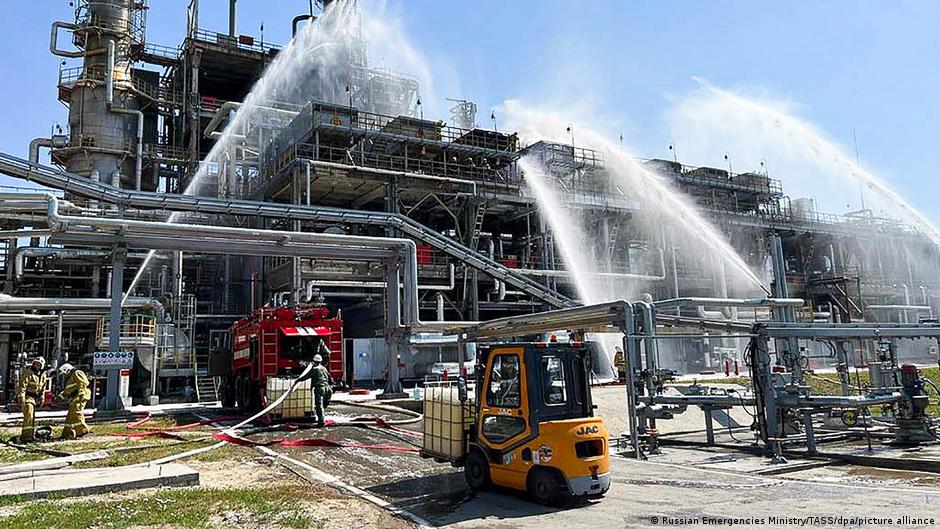
Drone attacks in Russia's Rostov and Saratov regions caused fires at key oil storage and refining facilities, raising concerns over energy infrastructure security amid conflict.

Russia plans to temporarily restrict diesel and jet fuel exports amid refinery shutdowns caused by drone strikes, aiming to stabilize its domestic fuel market.

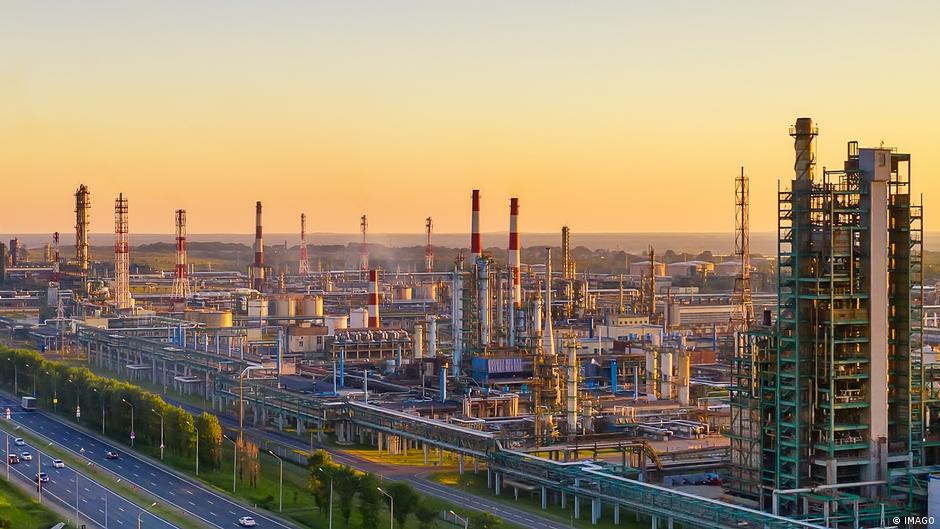
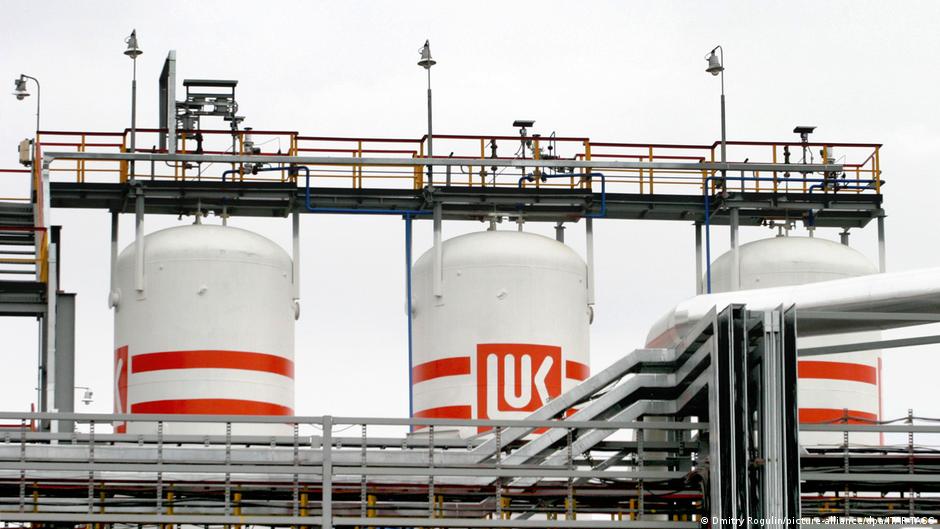
Ukrainian drone attacks have halved Lukoil’s NORSI refinery capacity, disrupting a quarter of Russia’s refining output and impacting global energy markets.