Russia Considers Temporary Export Restrictions on Diesel and Jet Fuel Amid Refinery Disruptions
Moscow plans to limit diesel and aviation kerosene exports for up to two months to stabilize domestic markets amid rising drone attacks on refineries.
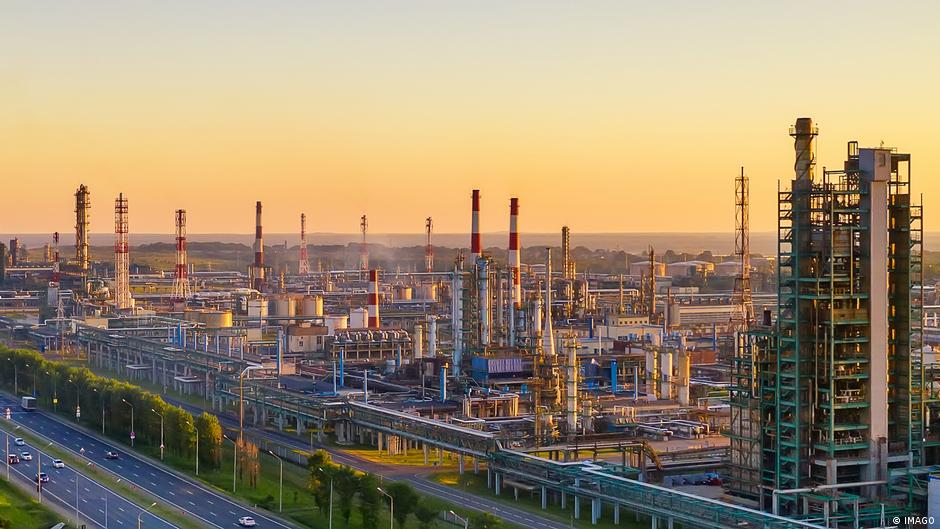
The Russian government is preparing to impose temporary restrictions on the export of diesel fuel and aviation kerosene, according to recent reports. This move comes as part of efforts to stabilize the domestic fuel market amid ongoing disruptions caused by drone attacks on key oil refineries.
Government Response to Fuel Market Pressures
On May 26, Russian Deputy Prime Minister Alexander Novak convened a meeting to assess the fuel market situation. Following the discussion, it was indicated that the Ministry of Economic Development is expected to approve a ban on the export of diesel and aviation kerosene, potentially lasting one to two months. This follows an existing export ban on gasoline that has been effective since April 1 and is scheduled to remain in place until July 31.
"It is necessary to maintain constant monitoring of the situation to coordinate actions between federal agencies and industry stakeholders, and to develop additional response measures as needed," Novak stated.
State and industry officials have been urged to restrain oil product exports to ensure sufficient domestic supply. The government has previously implemented export restrictions on diesel fuel multiple times since September 2023 to stabilize internal markets. However, an embargo on aviation kerosene exports represents a novel policy step.
Impact of Drone Attacks on Oil Refining Capacity
The urgency of these measures is underscored by recent Ukrainian drone attacks targeting Russia's central oil refineries. According to industry sources and official data, almost all major refineries in this region have either halted or reduced production. The combined capacity of the affected refineries exceeds 83 million tonnes annually, or around 238,000 tonnes daily, amounting to roughly a quarter of Russia's total refining capacity.
This represents over 30% of Russia's gasoline output and approximately 25% of its diesel fuel production. Notably, in contrast to the early phase of the conflict when refinery attacks were absent, the number of incidents has increased significantly—from 4 attacks in 2023 to 34 in 2024, and already 88 in 2025. Within the first five months of 2026, drone strikes have targeted refineries 33 times, surpassing the previous year's frequency for the same period.
One of the country's top five refineries, Lukoil's Nizhny Novgorod refinery (NORSI) in Kstovo, was forced to shut down more than half its operations following a drone attack on May 20. This disruption exemplifies the growing operational risks Russian energy infrastructure faces amid ongoing hostilities.
Macroeconomic and Geopolitical Implications
These export restrictions and refinery outages carry significant macroeconomic implications for Russia and the global energy market. Domestically, limiting exports aims to mitigate fuel shortages and price volatility, thereby ensuring energy security and social stability. However, reduced export volumes may impact Russia’s foreign exchange earnings, which are crucial for sustaining government budgets under sanctions.
On the global stage, these developments contribute to tightening supplies of diesel and jet fuel, potentially exacerbating price volatility in international markets. Given Russia’s role as a major energy supplier, disruption to its fuel exports may pressure alternative producers and influence global trade flows.
Furthermore, the intensification of attacks on energy infrastructure reflects the evolving nature of hybrid warfare tactics, with direct consequences for energy security and supply chain resilience worldwide.
Looking Ahead
Russia’s decision to impose temporary export controls on diesel and aviation kerosene underscores the growing challenges the country faces in balancing domestic supply constraints with external revenue generation. The situation also highlights vulnerabilities in critical energy infrastructure amid ongoing geopolitical tensions.
For policymakers and market participants, these dynamics warrant close monitoring to assess potential ripple effects on regional and global fuel markets, as well as to anticipate further shifts in energy trade and policy responses.