Ukraine Anti-Corruption Agencies Search Prosecutor General’s Office
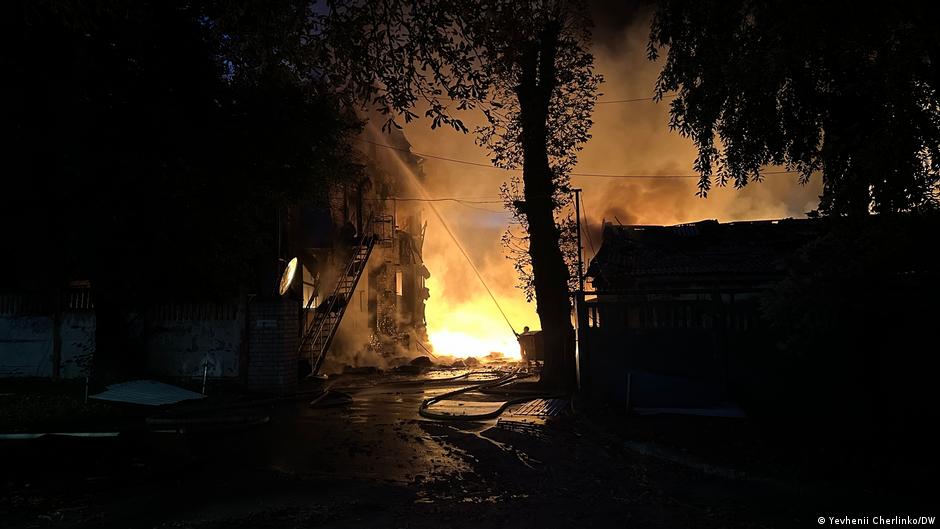
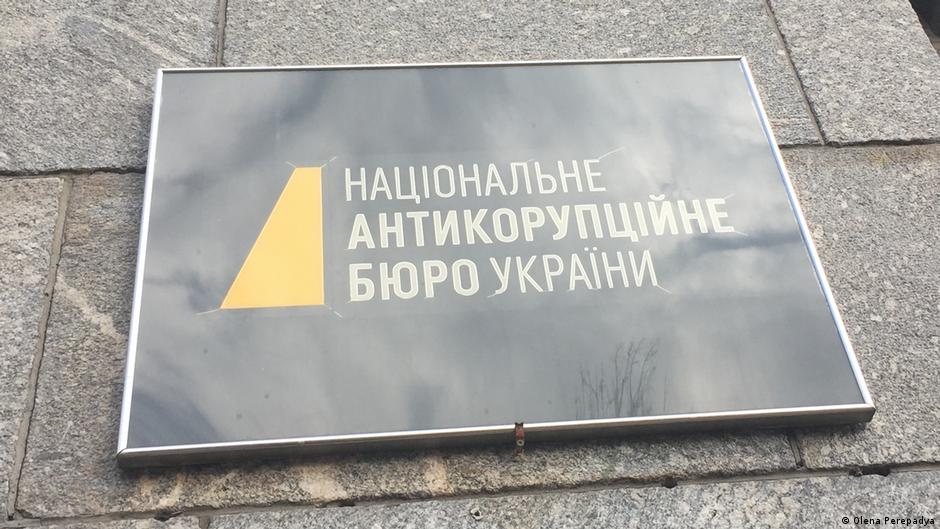
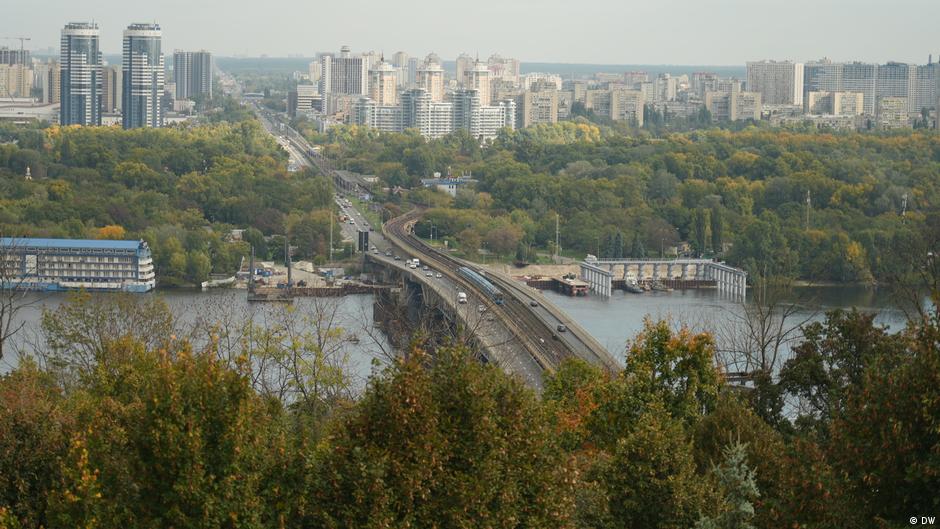
Ukraine’s anti-corruption agencies searched the Prosecutor General’s Office in a probe tied to fraudulent call centers and alleged official protection.

Ukraine’s anti-corruption agencies searched the Prosecutor General’s Office in a probe tied to fraudulent call centers and alleged official protection.

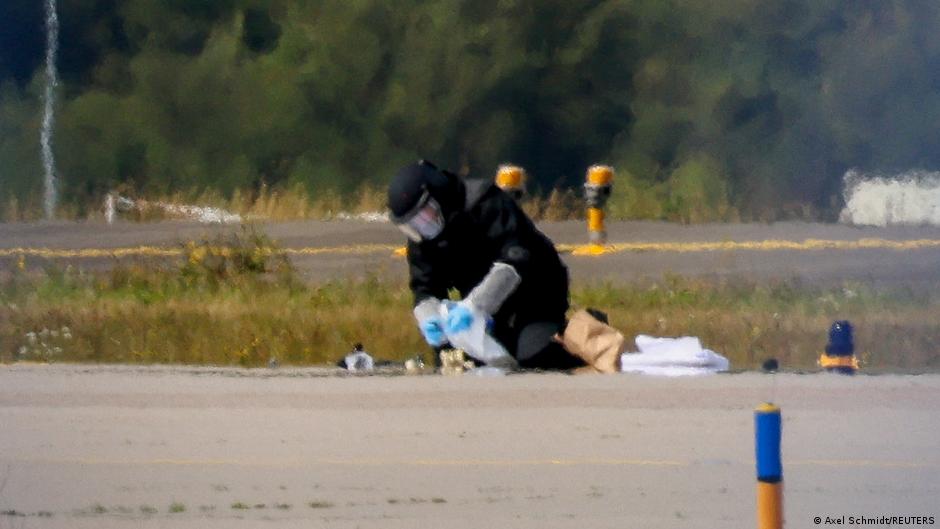
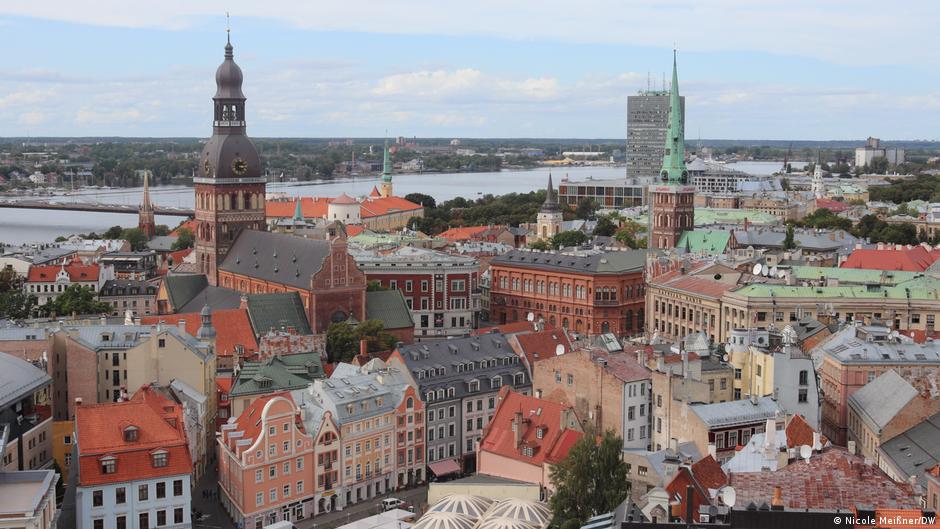
Latvia says a suspect in the Leipzig sabotage case had lived in Russia, as the incident drives wider EU security, sanctions and border-policy responses.

Volkswagen’s approved overhaul signals deeper shifts in European industry, global auto demand and capital allocation across major markets.

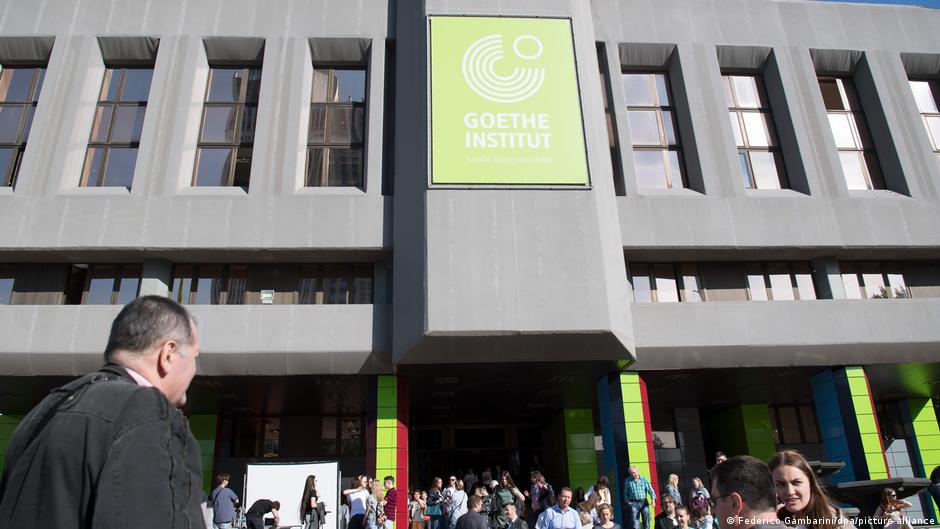
Russia said it will close Goethe Institute branches after Germany tightened sanctions, deepening the institutional split between Moscow and Europe.

Uzbekistan auctions its full stake in the 'Fonon' jewelry factory, with the buyer assuming significant debts amid ongoing financial recovery efforts.

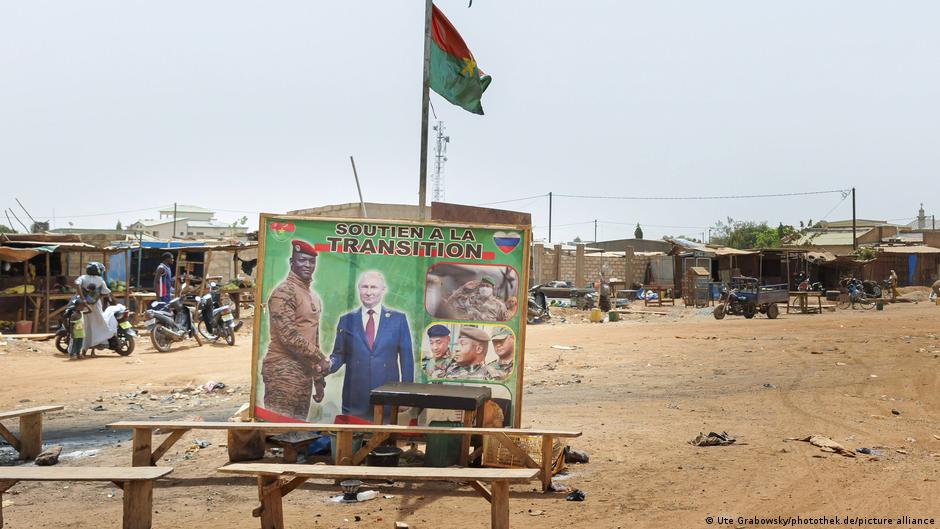
Russia operates a covert air fleet circumventing Western sanctions to supply forces in Africa's Sahel, posing complex geopolitical and economic challenges.

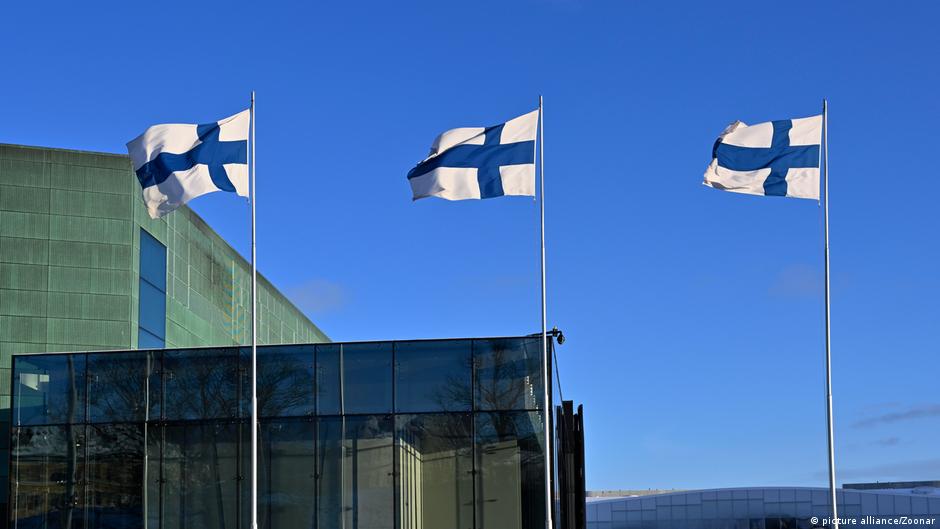
Finland summoned the Russian ambassador after an Il-20 aircraft briefly entered its airspace, highlighting regional security tensions with potential economic ramifications.

Latvia publishes a list of 170 companies trading with Russia and Belarus amid war, reflecting a new transparency policy affecting regional economic ties and sanctions.

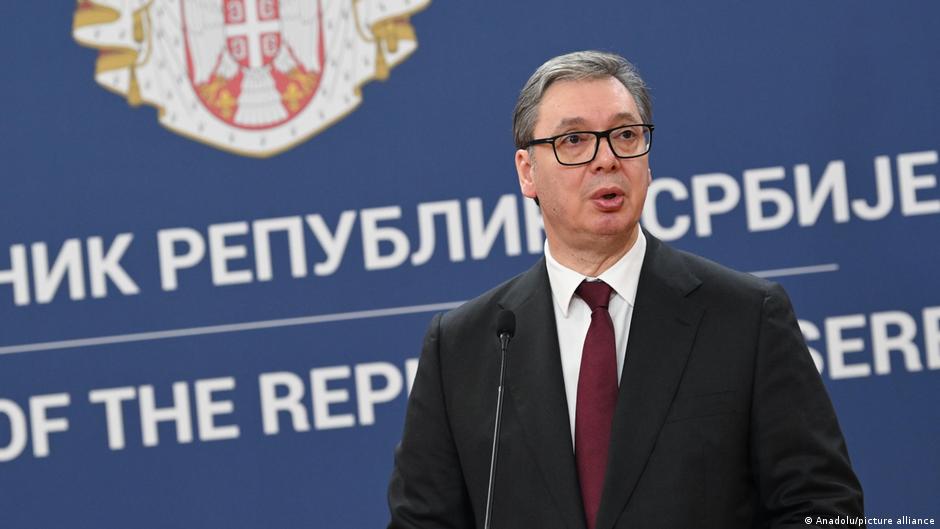
Serbia announces early parliamentary elections in October 2023 amid ongoing protests and demands for anti-corruption reforms, signaling potential shifts in the country’s political and economic trajectory.

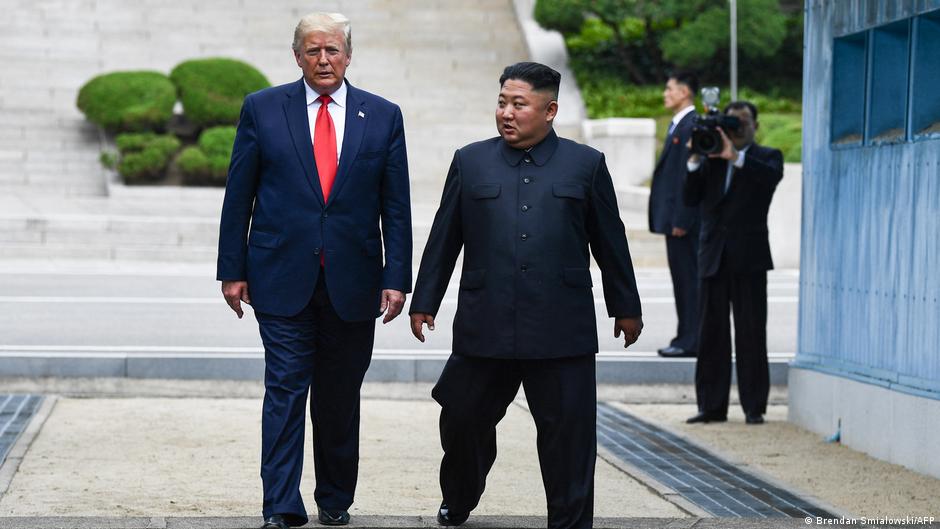
President Trump plans to meet Kim Jong Un during November's APEC summit to revive stalled nuclear negotiations, with significant implications for regional security and global economic stability.

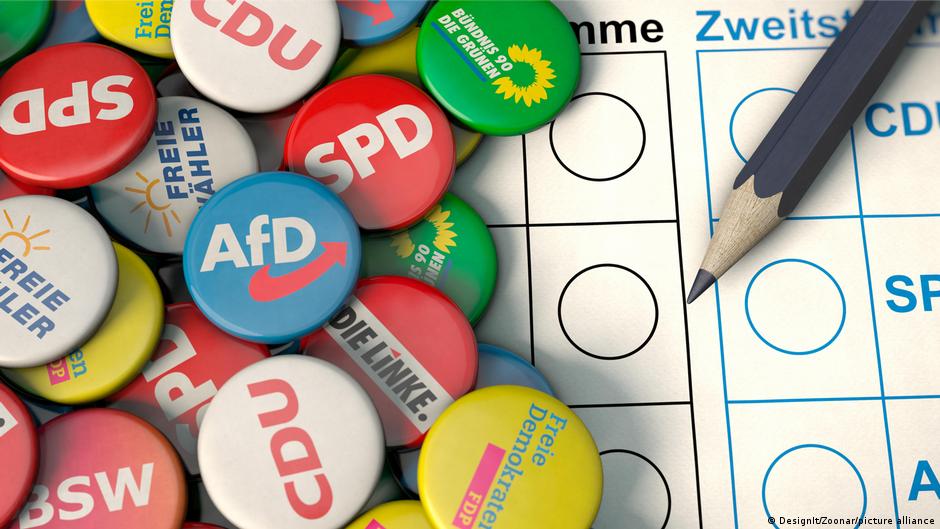
Germany’s CDU/CSU support drops to 20%, the lowest in five years, as far-right AfD leads polls ahead of key federal state elections, signaling shifting voter dynamics.

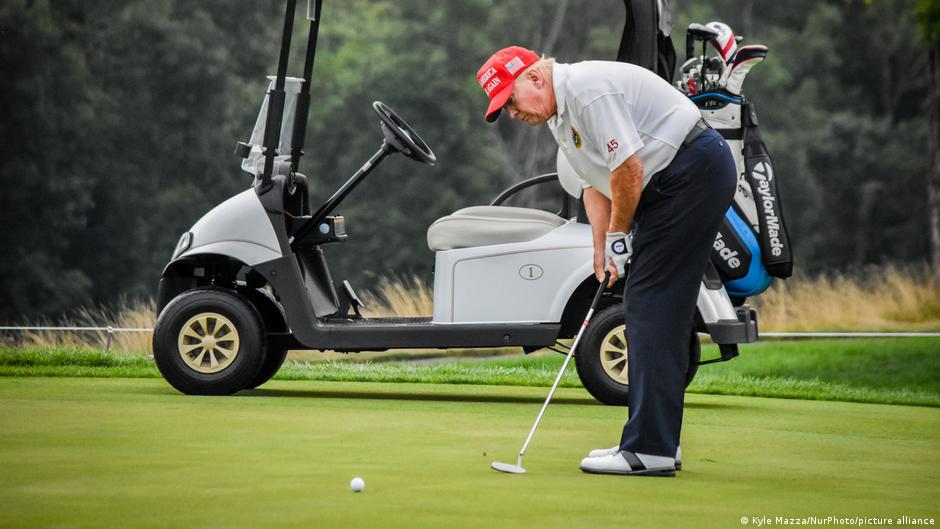
NORAD deployed F-16 jets to safely escort two civilian planes that violated temporary flight restrictions over President Trump's golf club in New Jersey.
The EU and Ukraine welcome new US sanctions targeting Russia's energy sector and officials, highlighting coordinated Western efforts amid shifting global economic dynamics.

Russia's designation of the American Human Rights Foundation as 'undesirable' reflects growing geopolitical tensions and signals potential risks for international economic engagement.

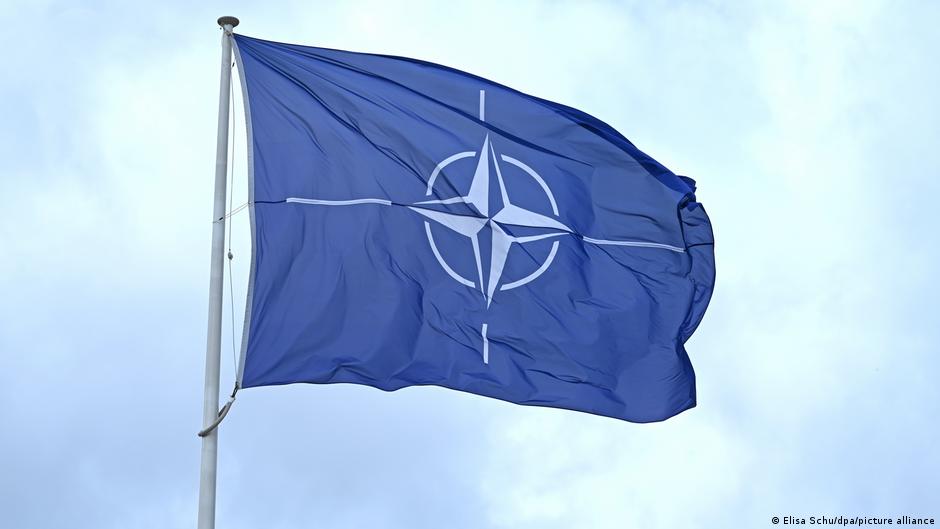
NATO is contemplating deployment of tactical nuclear weapons in Finland, Poland, and Lithuania, marking a strategic shift amid rising security tensions with Russia.

Uzbekistan offers subsidies covering up to half of construction costs for modern swimming pools to boost tourism, create jobs, and diversify its economy by 2028.

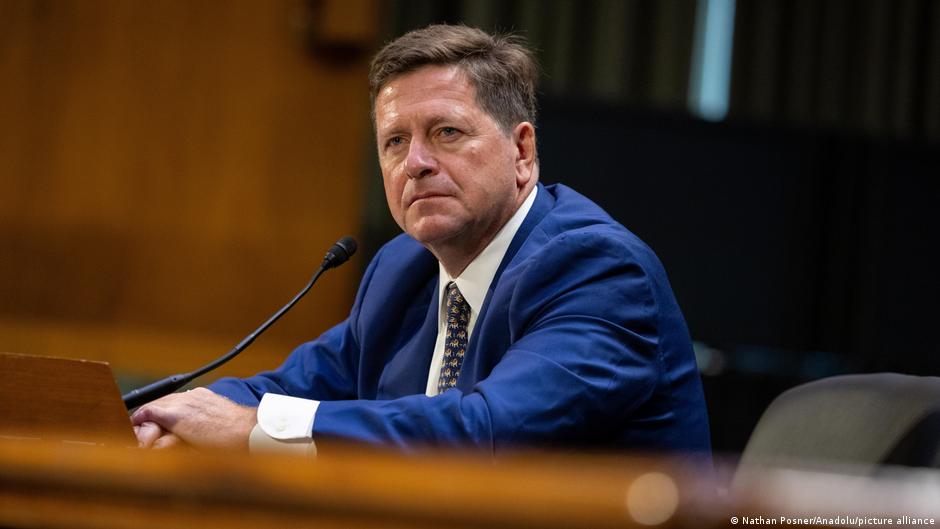
Jay Clayton's confirmation as US Director of National Intelligence raises questions about experience and signals potential shifts in security and economic policy.

The U.S. Senate moves to impose steep tariffs on Russia and allies, advancing bipartisan sanctions legislation with long-term geopolitical impact.

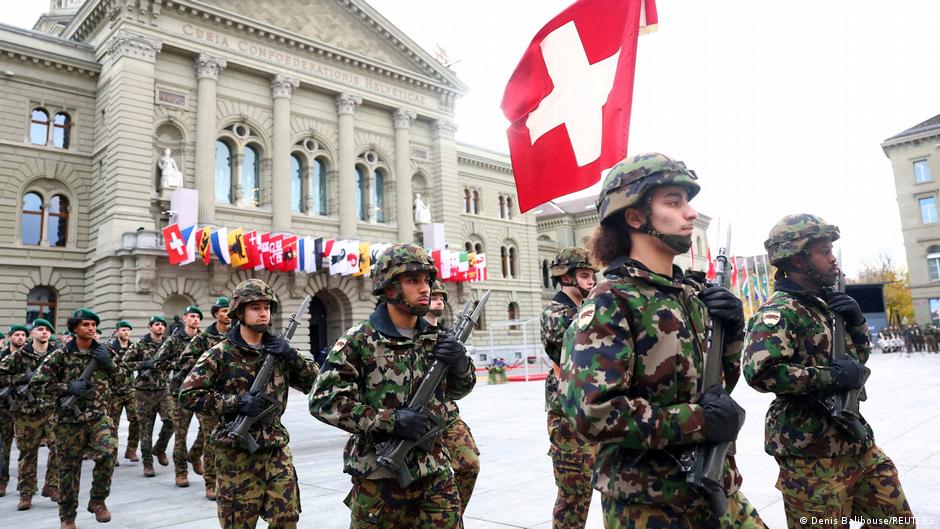
Austria plans to extend mandatory military service to nine months to address new security challenges stemming from geopolitical tensions and hybrid threats.

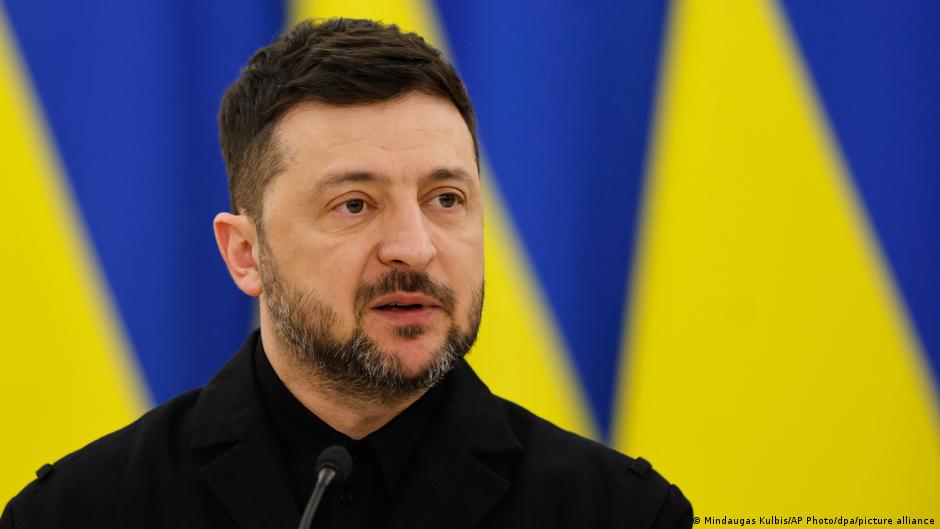
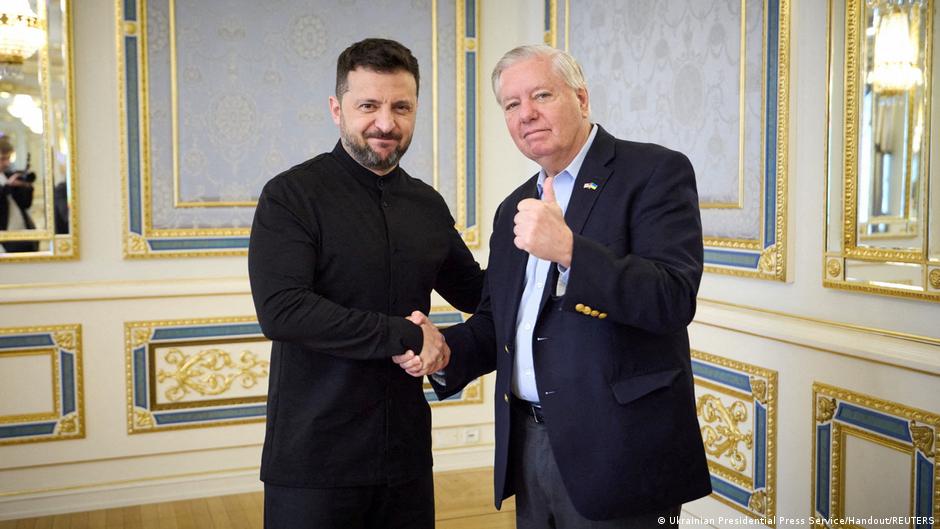
President Zelensky visits Washington to meet all U.S. Senators as the Senate prepares to vote on new sanctions against Russia amid ongoing geopolitical and economic tensions.

German Transport Minister Patrick Schnieder resigns amid political tensions; Chancellor Friedrich Merz to nominate Steffen Bilger as successor amid critical transport sector challenges.

The US removes sanctions on Miami-based Bel-Kap-Steel amid Belarus's release of political prisoners, signaling shifts in economic diplomacy and regional market dynamics.

The US imposes 50% tariffs on key Canadian imports, escalating trade tensions and challenging the USMCA agreement with broad economic and policy consequences.

The IMF approved a €604 million disbursement to Ukraine, recognizing its progress under the EFF program amid war, despite delays in structural reforms and revised growth forecasts.

Ukrainian drone strikes on Russian logistics centers and urban areas have caused casualties and infrastructure damage, signaling increased security risks and potential supply chain disruptions.

Germany has seen a sharp increase in military service refusals in early 2026, driven by security concerns and conscription reforms aimed at expanding the Bundeswehr’s size.

German President Steinmeier calls for Europe to uphold international law and counteract the ruthless geopolitical strategies of Russia and the US amid rising populism and reform challenges.

Germany plans a record €124.7 billion defense budget for 2026, marking a 25.5% rise and signaling a major shift in European security and economic policy.

Russian missile and drone strikes on Kyiv and Kharkiv intensify, causing casualties and infrastructure damage with significant economic and geopolitical implications.

Cuba's nationwide blackout amid fuel shortages and U.S. sanctions deepens the island's economic crisis and stalls diplomatic efforts to resolve the standoff.

PACE adopts a resolution condemning democratic backsliding in Georgia, urging cessation of opposition repression and highlighting risks to regional stability and economic governance.

US envoy Stephen Witkoff travels to Switzerland for nuclear talks with Iran, delayed by Lebanon conflict, with major economic stakes tied to ceasefire and sanctions relief.

Bulgaria plans to veto new EU sanctions on Russia, citing risks to its economy and questioning their impact on peace efforts, highlighting divisions within the EU on sanction policy.

Bolivia and the US have signed their first drug control cooperation agreement in 18 years, marking a strategic shift with significant implications for global drug markets and economic policy.

Drone attacks in Russia and Ukraine escalate hostilities, causing civilian casualties and infrastructure damage, with broader implications for regional economic stability and policy.

SpaceX’s $75 billion IPO valued at $1.77 trillion marks a historic milestone, reshaping the global space economy and signaling new paradigms for investment and technological advancement.

US President Trump insists on strict conditions, including Iran's nuclear non-proliferation, before agreeing to any deal, with Tehran maintaining cautious ongoing communications.

Friedrich Merz’s circle denies plans for his early replacement amid CDU rumors, highlighting risks to political stability and economic policy continuity in Germany.

Russian forces launched a new wave of drone strikes on Kyiv, with reports suggesting possible use of the "Oreshnik" ballistic missile, intensifying conflict and global economic risks.

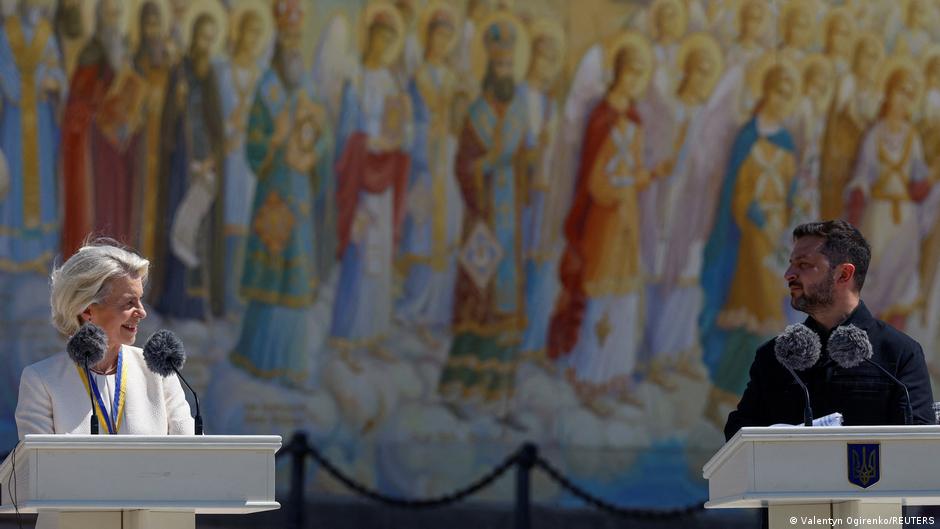
Ukraine and European leaders convened to discuss reinvigorating diplomacy to end the war with Russia amid shifting global priorities and evolving conflict dynamics.

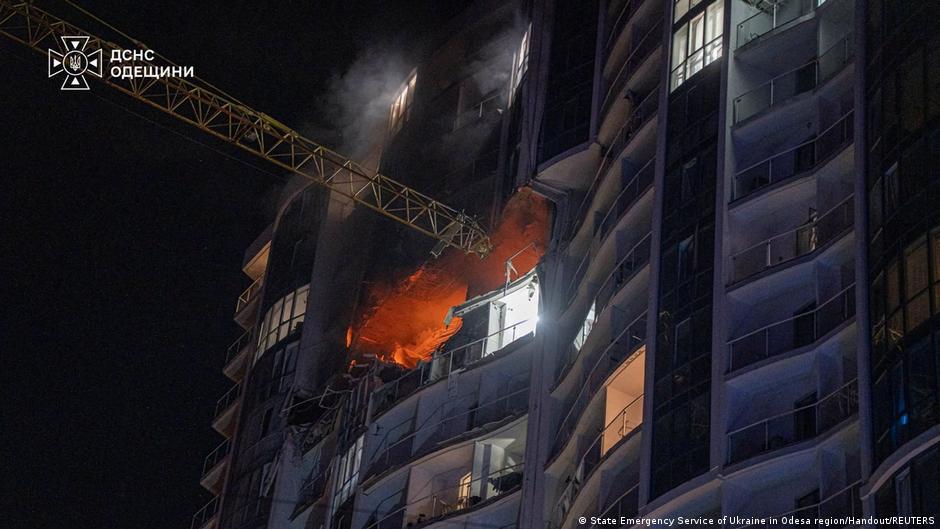
Russian drone and missile strikes in Odessa and Dnipro caused civilian injuries and infrastructural damage, highlighting growing conflict risks with broad economic and policy implications.

London hosted large opposing protests on migration and the Palestinian Nakba, highlighting political polarization with implications for economic policy and international relations.

The US has ended its temporary easing of sanctions on Russian oil exports, a move with significant implications for global energy markets and economic policy amid ongoing geopolitical tensions.

UK Prime Minister Keir Starmer plans an £18 billion increase in defense spending, reflecting strategic shifts amid domestic political challenges and global security concerns.

Trump’s talks with Xi Jinping on Jimmy Lai’s imprisonment expose growing geopolitical risks affecting global economic policies and US-China relations.

Latvia's ruling coalition collapsed after the Defense Minister's resignation over a drone incident, raising political instability and economic uncertainty ahead of key parliamentary elections.

Germany considers President Steinmeier to represent the EU in Ukraine peace talks with Russia, amid skepticism over Moscow's negotiation intentions and strategic motives.

Putin names former German Chancellor Gerhard Schröder as preferred EU negotiator for Russia-Ukraine talks, signaling Moscow's openness to dialogue under specific conditions.

Poland has signed a €44 billion EU loan agreement to fund defense modernization, marking a significant shift in European security investment despite presidential veto concerns.

Uzbek banks recorded a 30.88% deposit increase in Q1 2026, driven by rising trust and liquidity; Octobank led with a 416% surge in corporate deposits.