Russia Declares American Human Rights Foundation 'Undesirable' Amid Rising Geopolitical Tensions
Russia's designation of the Human Rights Foundation as 'undesirable' underscores ongoing policy clashes and potential impacts on global economic relations.
On August 6, 2024, Russia's Prosecutor General officially labeled the American nonprofit Human Rights Foundation (HRF) as an "undesirable" organization within its territory. Established in 2005, HRF is known for its global promotion and defense of human rights and democratic values. This recent designation marks another significant move in Moscow's tightening controls over foreign entities perceived as critical to its governance and policy.
Geopolitical Context and Policy Implications
The Russian authorities cited HRF's launch of the Tyranny Tracker project as a primary cause for its blacklisting. The project features an interactive map assessing countries' adherence to democratic principles, with Russia categorized as a fully authoritarian state. Furthermore, the Prosecutor General's office accused HRF of disseminating information that "discredits" the Russian military and supporting other organizations previously deemed "undesirable".
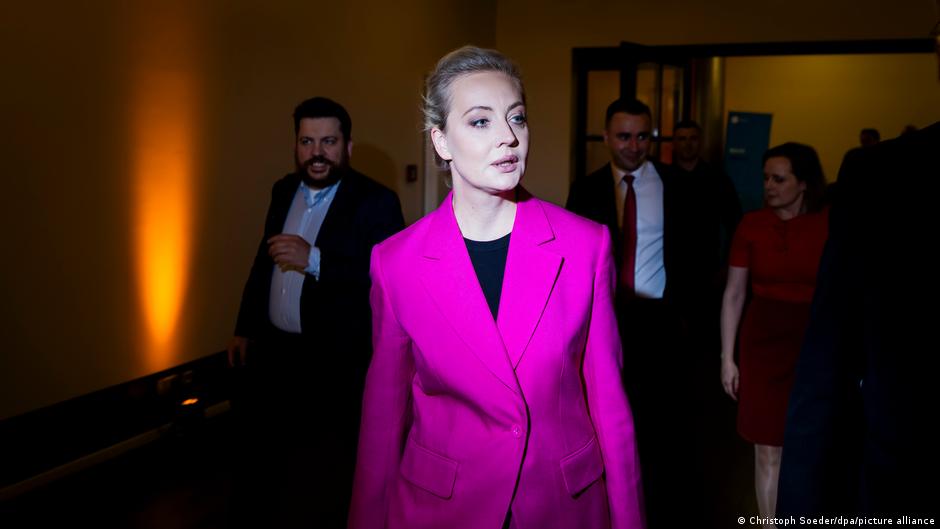
In early 2024, HRF appointed Yulia Navalnaya as its chairperson, succeeding former world chess champion and opposition figure Garry Kasparov. Navalnaya's leadership is widely viewed as emblematic of the foundation's steadfast commitment to opposition against authoritarianism, which likely exacerbates tensions with Russian authorities.
"Russia's designation of HRF as 'undesirable' reflects broader strategic efforts to limit foreign influence and control narratives that challenge state authority."
These developments occur amid a broader context of intensifying geopolitical competition between Russia and Western countries, particularly the United States. The move may have ripple effects on diplomatic relations, further complicate foreign direct investment prospects, and contribute to an overall climate of uncertainty for international NGOs operating in Russia.
Long-Term Economic and Global Consequences
The blacklisting of HRF highlights how political and ideological conflicts increasingly intersect with economic policy and international cooperation frameworks. For global businesses and policymakers, this signals heightened risks associated with operating in or engaging with Russia, as the state intensifies scrutiny over organizations it perceives as politically hostile.
From a macroeconomic perspective, these dynamics could accelerate Russia's economic isolation and prompt retaliatory measures from Western governments, potentially influencing sanctions regimes and international trade policies. The trend suggests a growing decoupling between Russia and Western-aligned economic systems, with implications for global supply chains, foreign investment flows, and multilateral cooperation on governance standards.
For senior decision-makers, the HRF case serves as a stark reminder of the interconnectedness of political actions and economic outcomes in a fracturing international order. Monitoring such developments is critical for anticipating shifts in geopolitical risk and adjusting strategies to safeguard long-term economic interests.