US Removes Syria from Terrorism Sponsors List, Signaling Major Shift in Middle East Policy
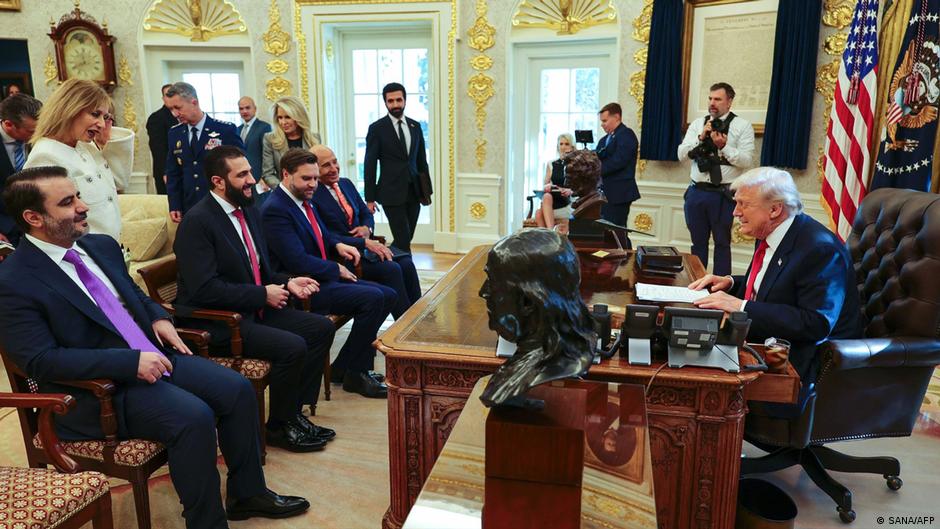
The US has removed Syria from its terrorism sponsor list, opening new economic and geopolitical avenues amid ongoing regional tensions and shifting alliances.

The US has removed Syria from its terrorism sponsor list, opening new economic and geopolitical avenues amid ongoing regional tensions and shifting alliances.

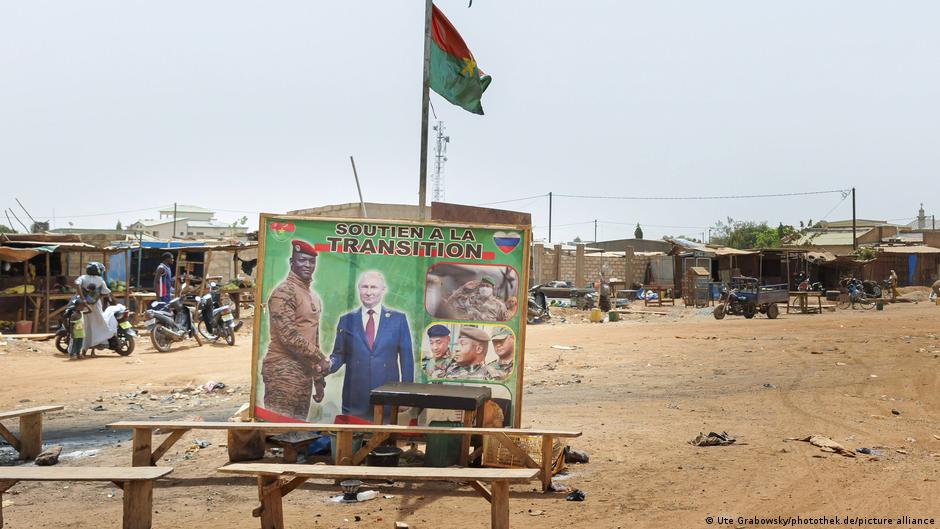
Russia operates a covert air fleet circumventing Western sanctions to supply forces in Africa's Sahel, posing complex geopolitical and economic challenges.

NATO confirms readiness to respond to Iranian threats targeting military bases in Bulgaria and Cyprus, highlighting rising geopolitical tensions with potential economic fallout.

US President Trump announces an unprecedented economic war on Iran, threatening sanctions on any country supporting Tehran, intensifying global economic and geopolitical tensions.

Trump threatens Oman with military strikes over Strait of Hormuz negotiations amid US-Iran tensions, risking global oil market stability.

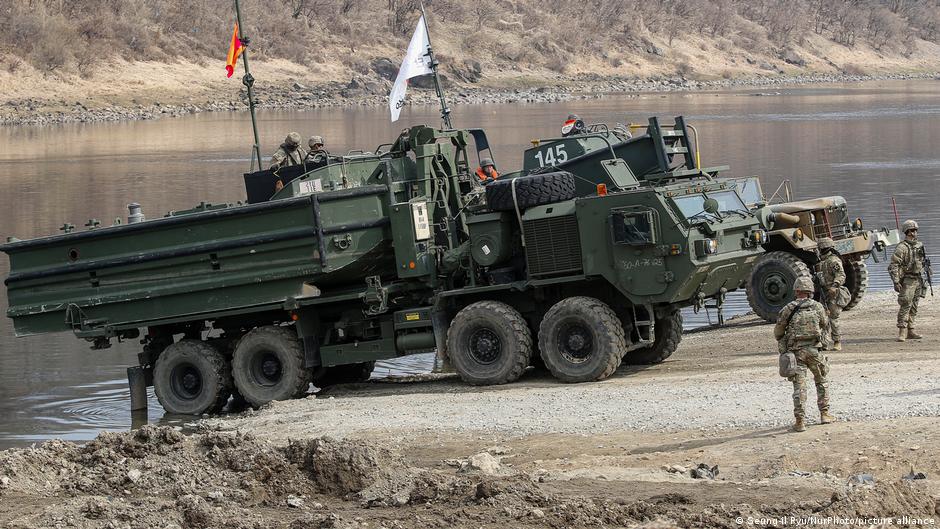
The US orders a significant reduction of joint military drills with South Korea, reflecting a strategic shift that impacts regional security and global economic stability.

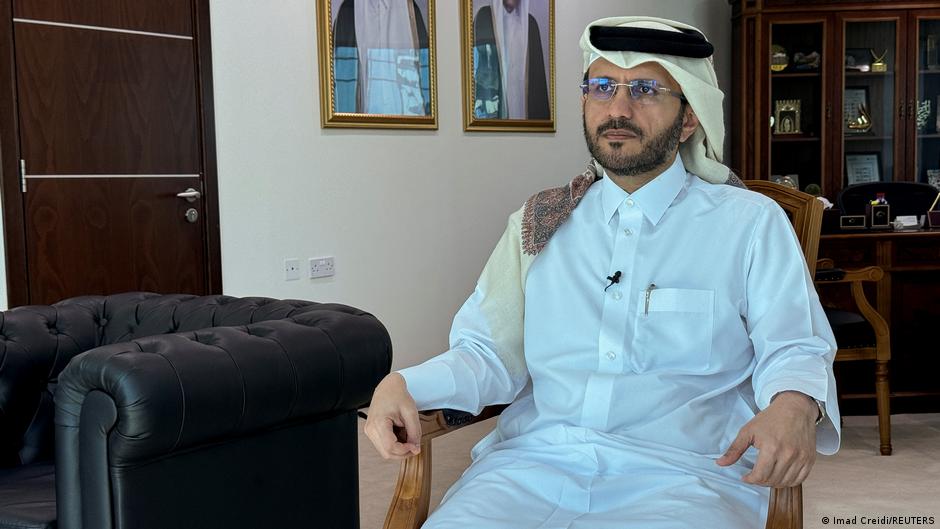
Qatar denies detaining Iranian pilots amid Middle East conflict, emphasizing ongoing diplomatic efforts to reduce regional tensions and highlighting the complexities of international security.

President Trump plans to declare the Strait of Hormuz US territory, signaling a permanent military presence with significant risks for global energy markets and geopolitical stability.

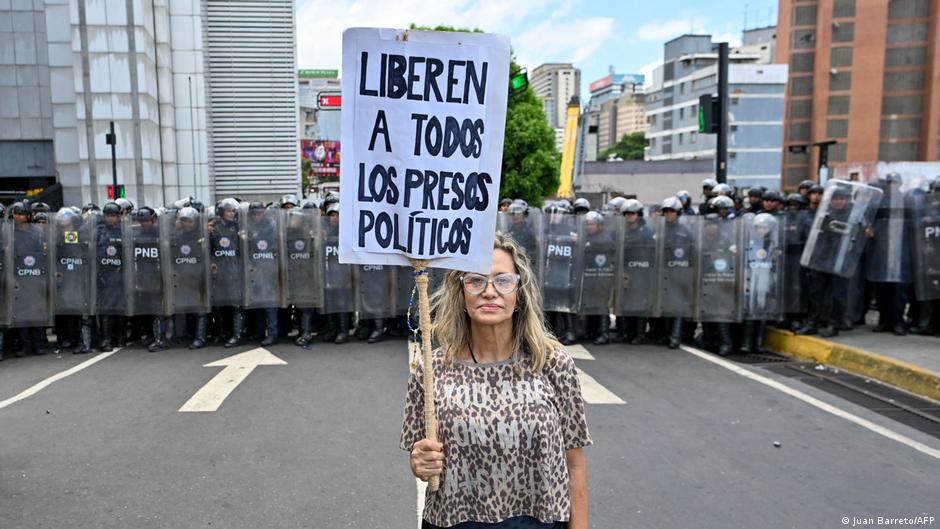
Venezuela has released 131 political prisoners following national reconciliation talks, signaling progress in judicial reform and political stabilization efforts supported by the US.

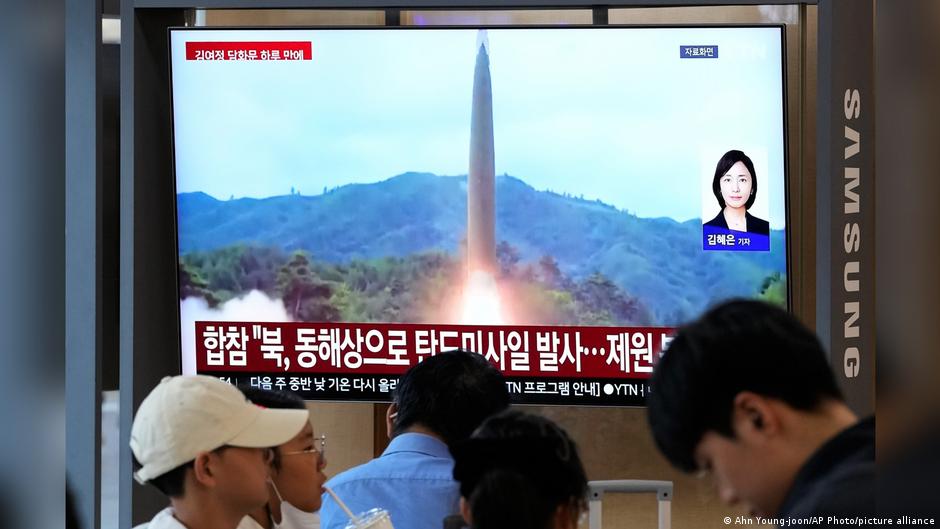
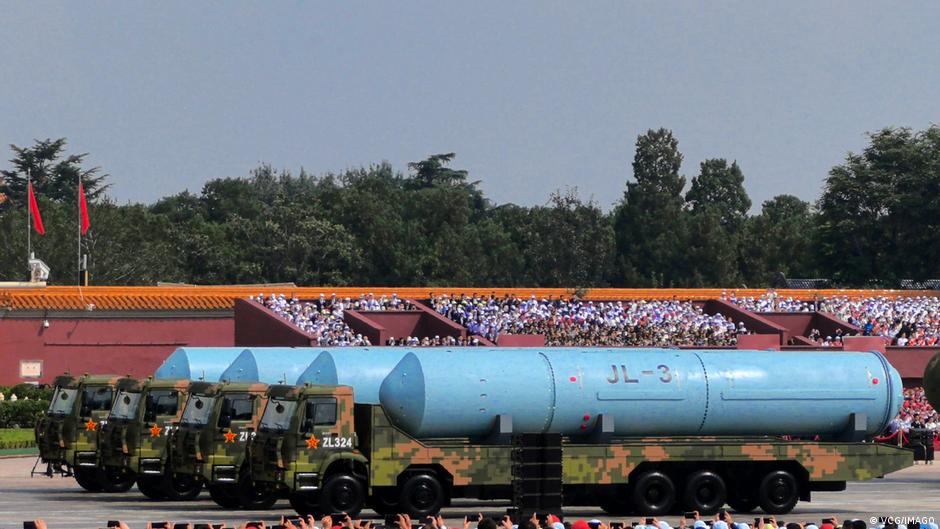
Over 40 countries call for mandatory 24-hour advance notices on ballistic missile tests, emphasizing transparency to reduce risks and strengthen global security.

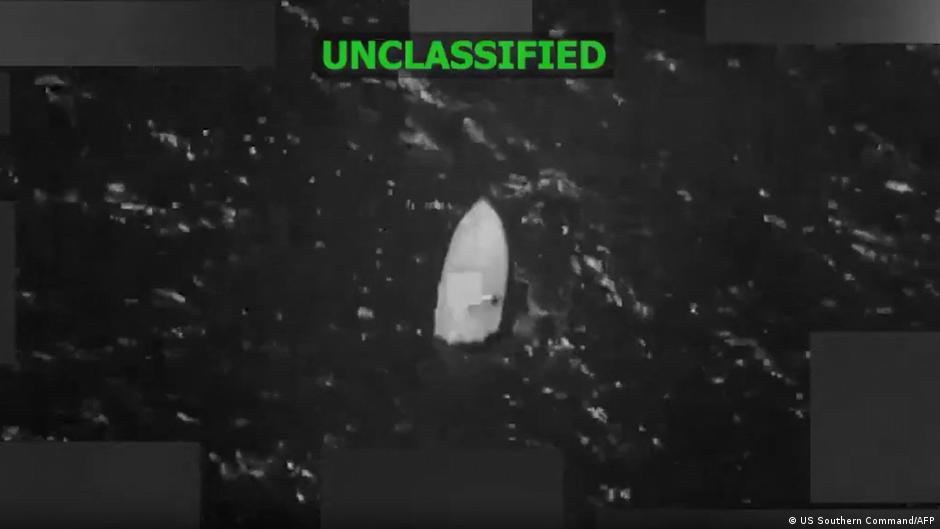
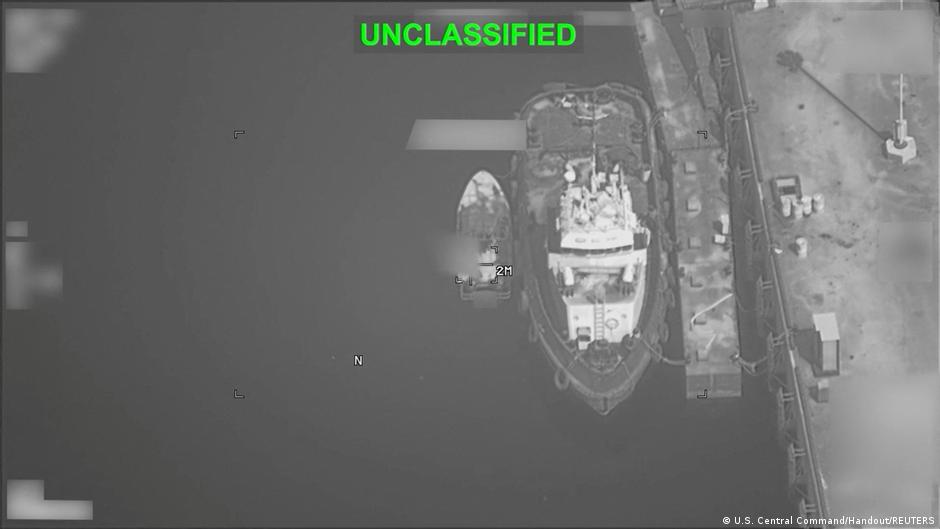
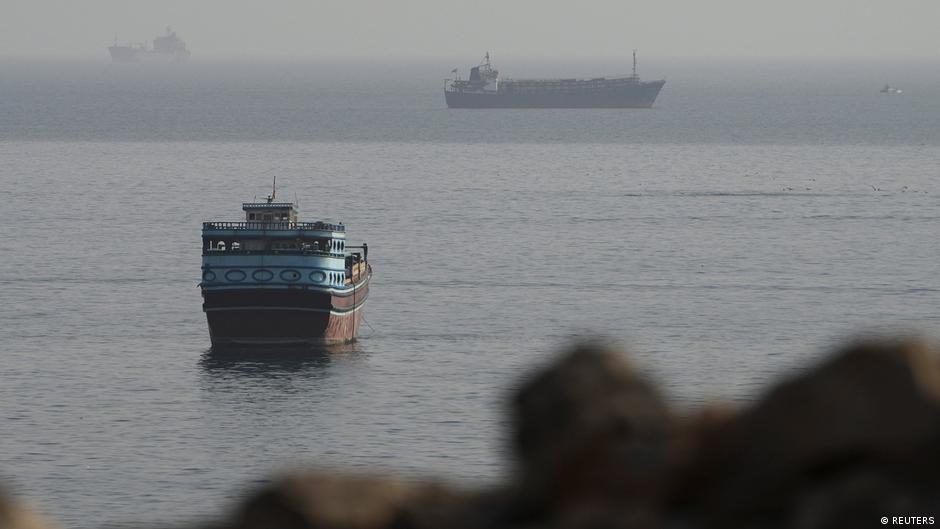
The US disabled a Panama-flagged cargo ship attempting to breach Iran's blockade, reinforcing Washington's strategic control over the Strait of Hormuz amidst rising regional tensions.

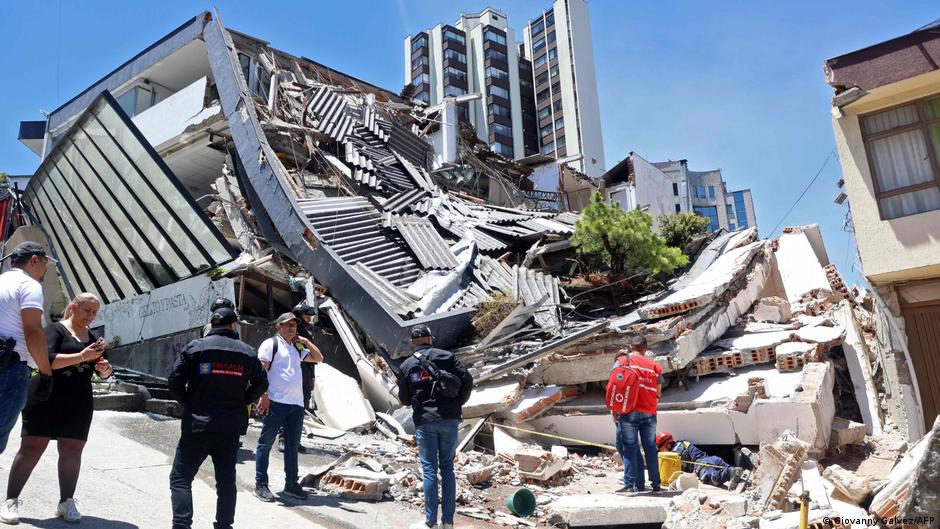
Colombia declares a national emergency after a 7.4 magnitude earthquake causes significant casualties and infrastructure damage, prompting U.S. aid and economic challenges for the new administration.

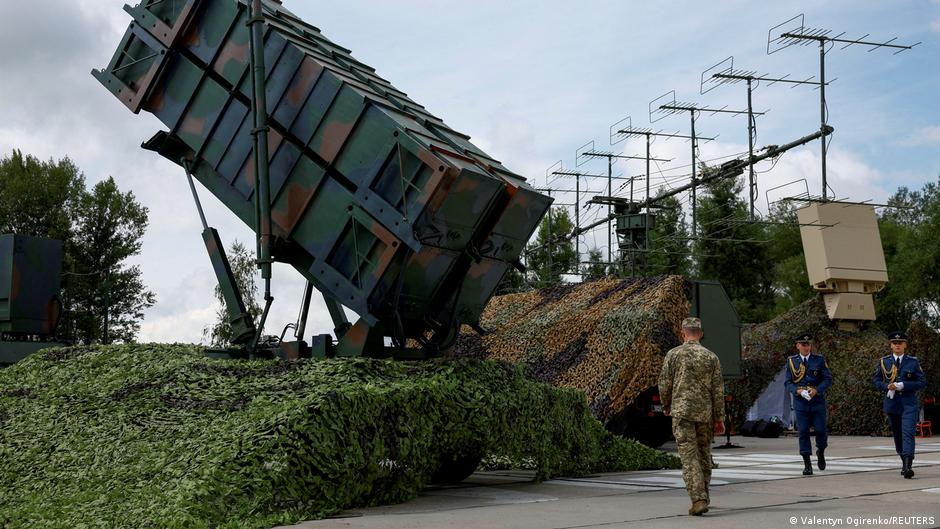
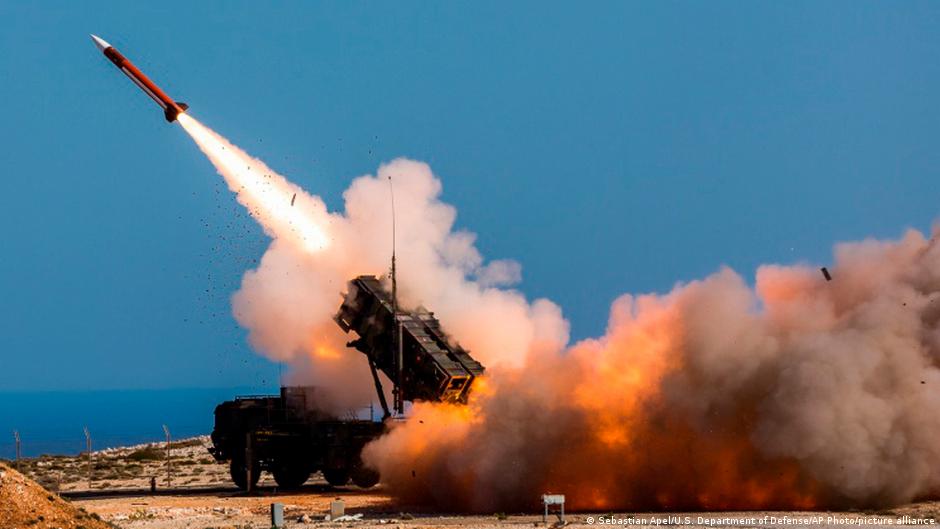
US defense firms warn that licensing Patriot missile tech to Ukraine could lead to enhanced, mass-produced interceptors, raising strategic and economic concerns.

NORAD deployed F-16 jets to safely escort two civilian planes that violated temporary flight restrictions over President Trump's golf club in New Jersey.
The EU and Ukraine welcome new US sanctions targeting Russia's energy sector and officials, highlighting coordinated Western efforts amid shifting global economic dynamics.

Russia's designation of the American Human Rights Foundation as 'undesirable' reflects growing geopolitical tensions and signals potential risks for international economic engagement.

Trump criticizes Biden administration for depleting US ammunition stocks supporting Ukraine amid Kyivβs urgent need for missile interceptors.

The US introduces a permanent visa bond of up to $20,000 for citizens of 50 countries to reduce visa overstays, excluding Russia, following a successful pilot phase.

Venezuela's government and opposition plan direct talks in Caracas to address earthquake relief and set democratic reforms and election timelines.

The US brokered a phased disarmament agreement with Hamas, marking a major shift toward peace and new governance in Gaza amid ongoing regional tensions.

Ukraineβs Air Force lost its fourth F-16 fighter during combat operations, emphasizing operational risks and strategic challenges amid the ongoing conflict with Russia.

Russian missile and drone attacks across Ukrainian cities cause civilian casualties and infrastructure damage, raising concerns about regional stability and global economic impacts.

US forces intercepted Iranian ballistic missiles targeting American troops in the Middle East, underscoring rising regional tensions and global economic risks linked to energy supply security.

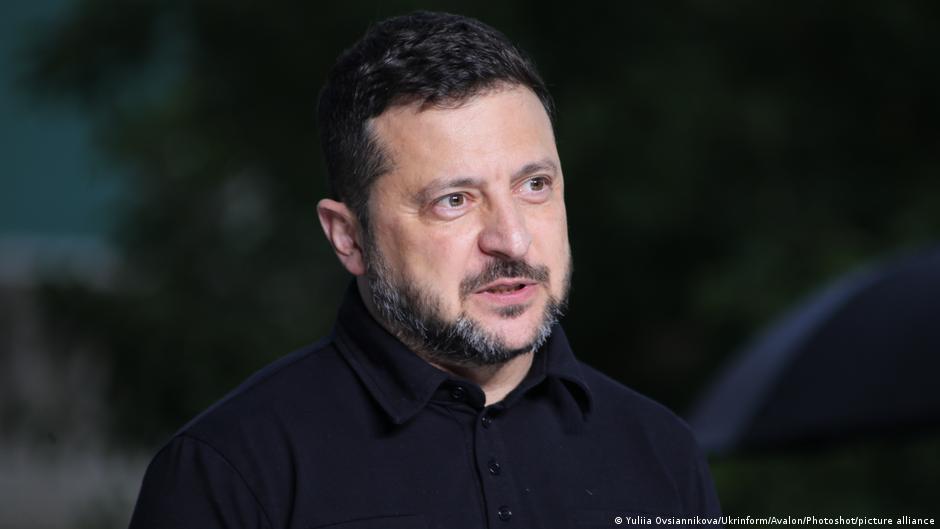
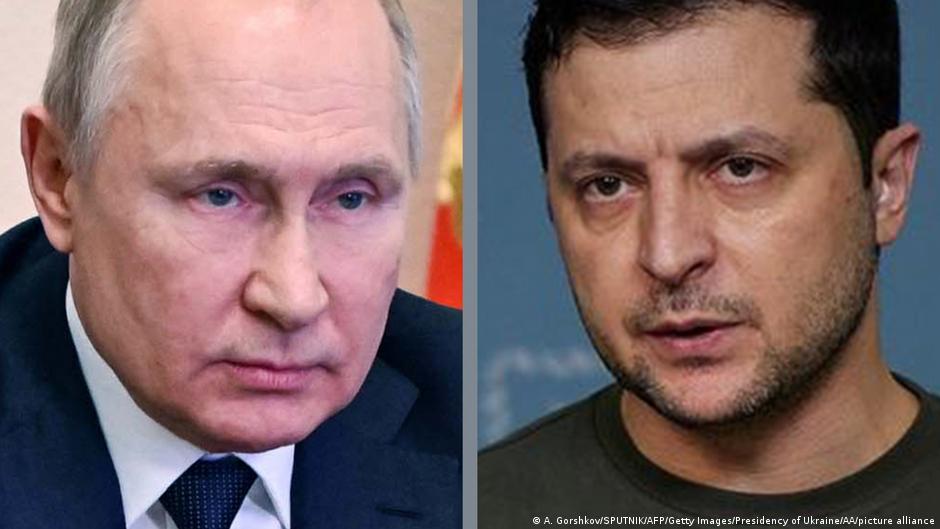
President Zelensky visits Washington to meet all U.S. Senators as the Senate prepares to vote on new sanctions against Russia amid ongoing geopolitical and economic tensions.

The EU condemns Russia's missile strikes on Ukraine, summons Russian envoy, and plans expanded sanctions amid escalating drone warfare and diplomatic tensions.

Russiaβs July oil and gas revenues may rise 60% year-on-year due to higher global prices, despite sustained EU sanctions targeting its energy exports.

The US removes sanctions on Miami-based Bel-Kap-Steel amid Belarus's release of political prisoners, signaling shifts in economic diplomacy and regional market dynamics.

The US has conducted 11 consecutive nights of strikes against Iranian military targets, escalating tensions in the Gulf and threatening key global energy routes.

The US has initiated a $100 million humanitarian aid effort to Cuba amid increased sanctions targeting Cuban state enterprises and ongoing military deliberations.

The US military continues its offensive against Iran, targeting strategic sites in the Strait of Hormuz amid escalating regional tensions with significant global economic implications.

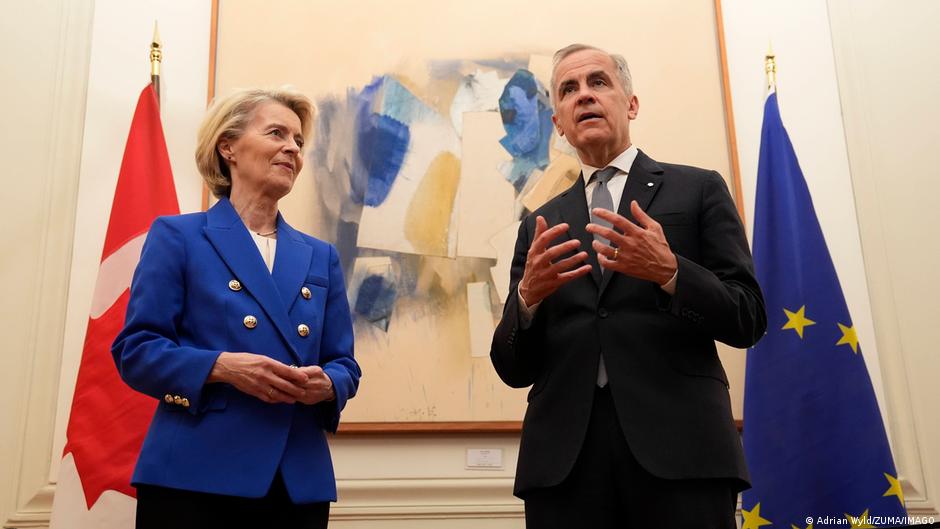
The US imposes 50% tariffs on key Canadian imports, escalating trade tensions and challenging the USMCA agreement with broad economic and policy consequences.

The IMF approved a β¬604 million disbursement to Ukraine, recognizing its progress under the EFF program amid war, despite delays in structural reforms and revised growth forecasts.

US military casualties in the Iran conflict have risen to 17, accompanied by increased US military deployments and retaliatory strikes, impacting global economic and security dynamics.

US military strikes in Iran continue for the ninth night, escalating tensions in the Strait of Hormuz and impacting global energy supply routes.

Donald Trump proposes the US host the next FIFA World Cup independently or with China, excluding Canada and Mexico, reflecting shifts in global sports diplomacy and economic strategy.

US strikes on Iranian infrastructure escalate tensions, risking broader regional instability and disruptions to global energy markets critical to economic stability.

Donald Trump alleges China accessed data on 220 million U.S. voters to influence the 2020 elections, citing systemic electoral vulnerabilities with global security implications.

US military strikes on Iranian military and infrastructure sites have escalated tensions in the Persian Gulf, prompting retaliatory Iranian attacks on American bases.

The US is advancing plans to restore an Iraq-Syria oil pipeline to bypass the Strait of Hormuz, aiming to reduce Iranian influence and diversify energy export routes amid rising Middle East tensions.

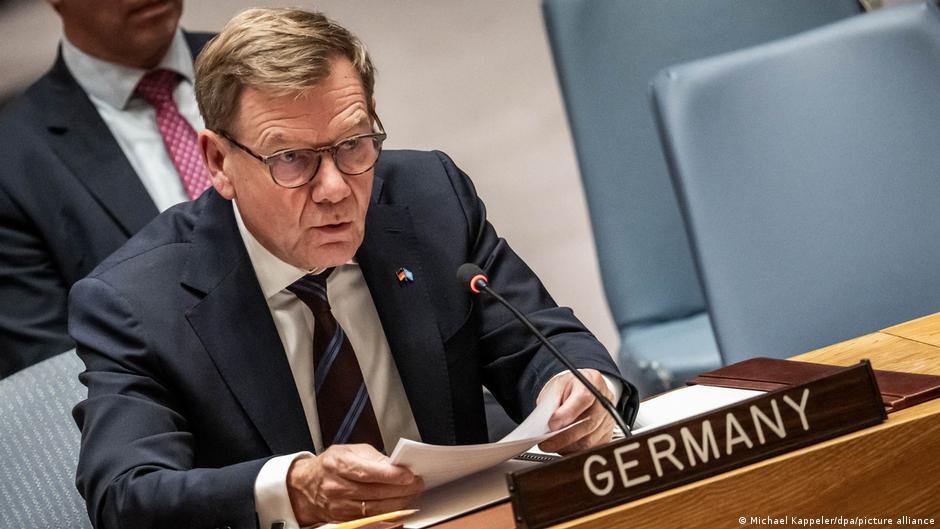
Germany defends the International Criminal Court against U.S. efforts to curtail its authority, highlighting global justice and sovereignty implications.

German President Steinmeier calls for Europe to uphold international law and counteract the ruthless geopolitical strategies of Russia and the US amid rising populism and reform challenges.

The US has launched new strikes against Iran to secure the strategic Strait of Hormuz, a critical route for global oil trade, amid escalating military tensions and attacks on civilian vessels.

US military strikes on Iran escalate after attacks in the Strait of Hormuz, closing this key oil export route and raising global economic risks.

The US has launched new military strikes against Iran to prevent shipping disruptions in the Strait of Hormuz, intensifying regional tensions and threatening global energy security.

Germany plans a record β¬124.7 billion defense budget for 2026, marking a 25.5% rise and signaling a major shift in European security and economic policy.

US military strikes on Iran follow attacks on tankers near the Strait of Hormuz, escalating Gulf tensions with significant implications for global energy security and maritime trade.

Cuba's nationwide blackout amid fuel shortages and U.S. sanctions deepens the island's economic crisis and stalls diplomatic efforts to resolve the standoff.

Latvian President Edgars RinkΔviΔs warns NATO to prepare for potential escalation with Russia, stressing the need for increased military capabilities and clear deterrence signals to Moscow.

The US has extended a temporary license allowing Serbian oil company NIS to operate under sanctions while Gazprom's stake sale deadline is repeatedly postponed.

German and US foreign ministers reaffirmed their indispensable partnership amid global economic instability and discussed NATO burden-sharing and support for Ukraine.