US Removes Syria from Terrorism Sponsors List, Signaling Major Shift in Middle East Policy
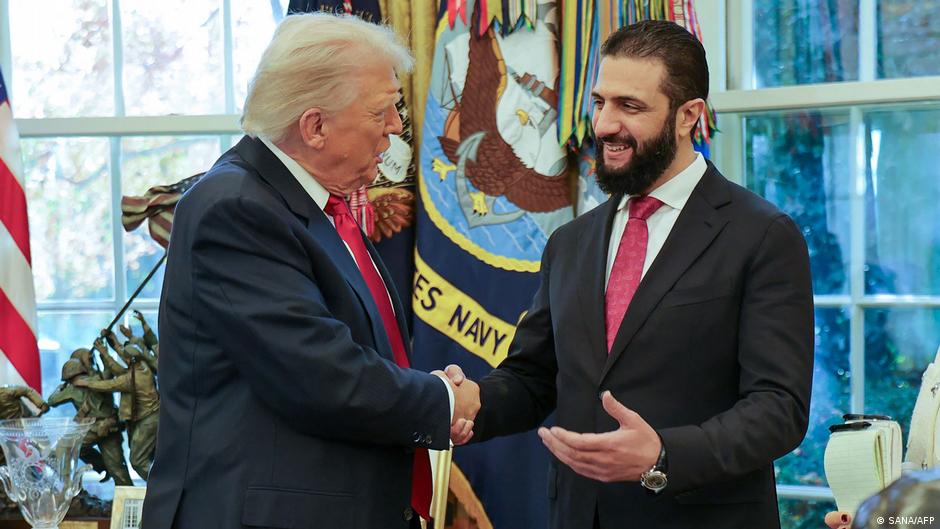
The US has removed Syria from its terrorism sponsor list, opening new economic and geopolitical avenues amid ongoing regional tensions and shifting alliances.

The US has removed Syria from its terrorism sponsor list, opening new economic and geopolitical avenues amid ongoing regional tensions and shifting alliances.

NATO confirms readiness to respond to Iranian threats targeting military bases in Bulgaria and Cyprus, highlighting rising geopolitical tensions with potential economic fallout.

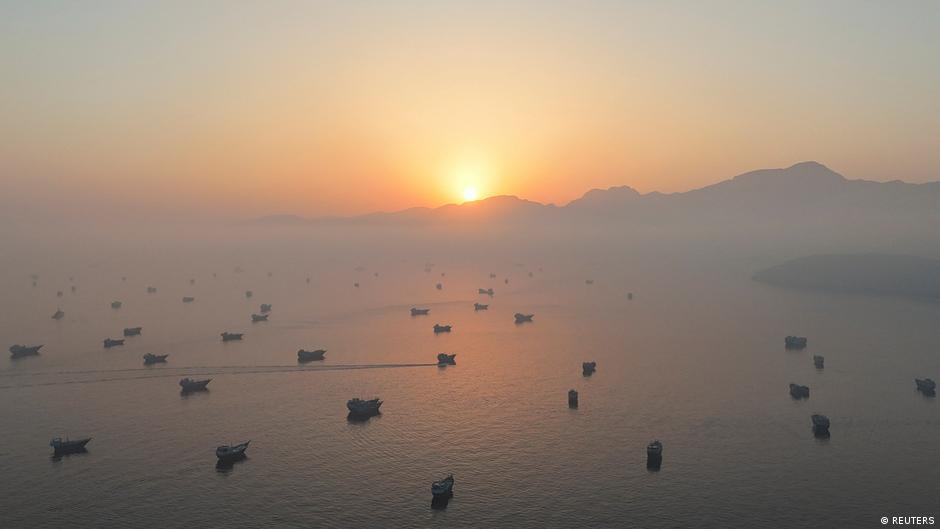
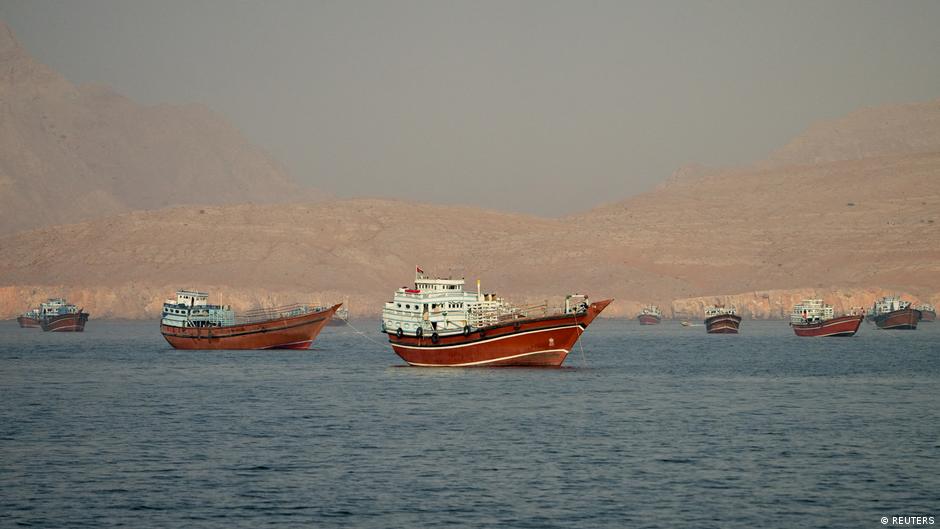
Trump threatens Oman with military strikes over Strait of Hormuz negotiations amid US-Iran tensions, risking global oil market stability.

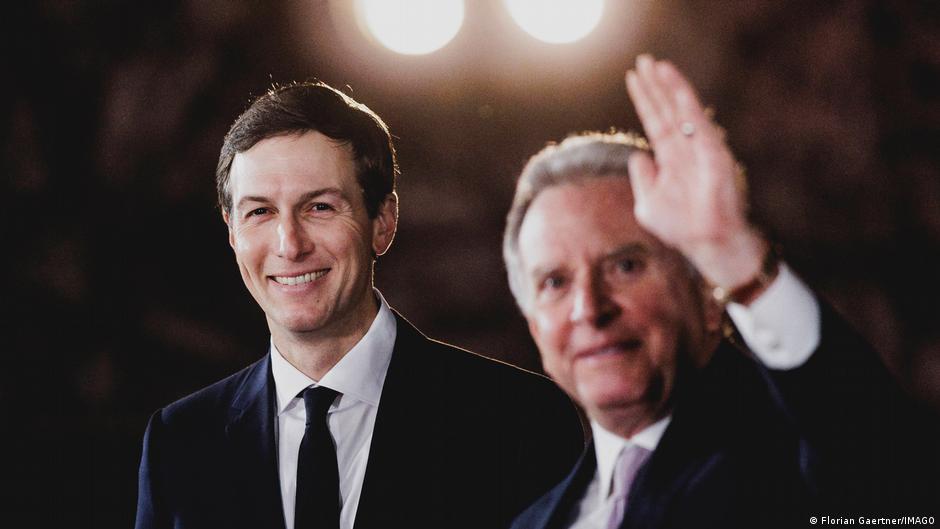
Jared Kushner's talks with Hamas in Egypt press for disarmament amid Israeli demands, highlighting pivotal shifts in Middle East diplomacy with major global economic effects.

Qatar denies detaining Iranian pilots amid Middle East conflict, emphasizing ongoing diplomatic efforts to reduce regional tensions and highlighting the complexities of international security.

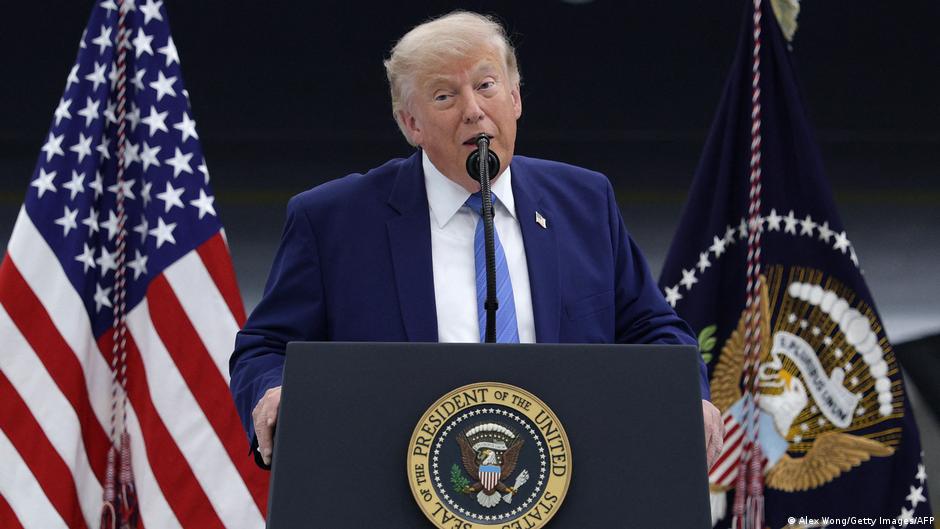
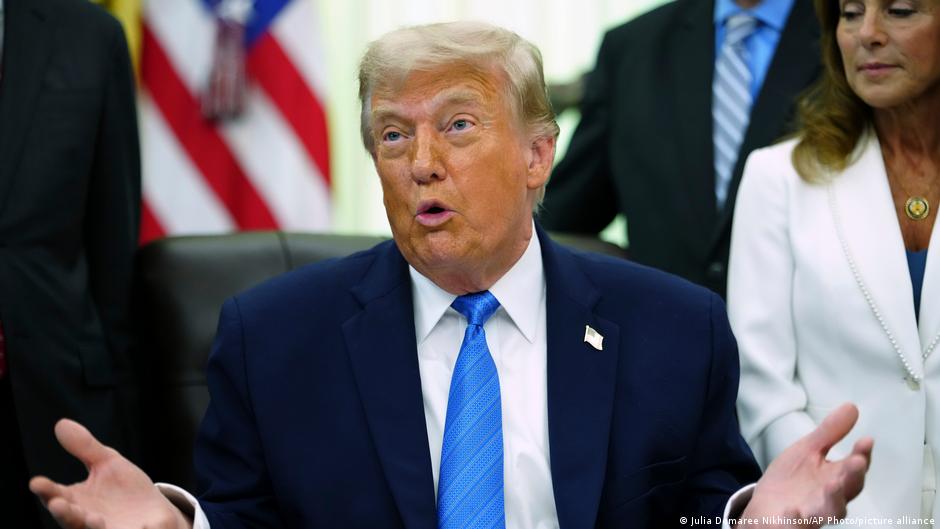
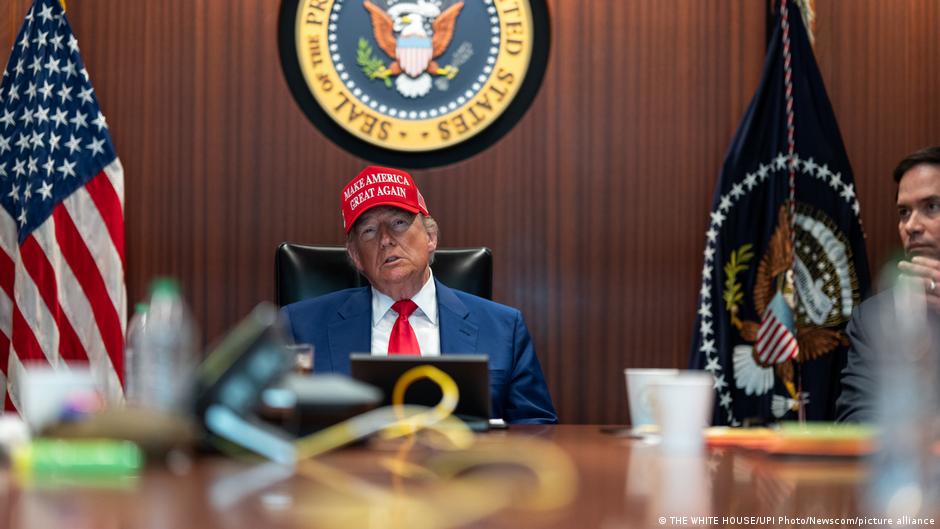
President Trump announced new talks with Iran starting August 3, delaying further military strikes and signaling a potential shift toward diplomacy amidst Middle East tensions.

The US brokered a phased disarmament agreement with Hamas, marking a major shift toward peace and new governance in Gaza amid ongoing regional tensions.

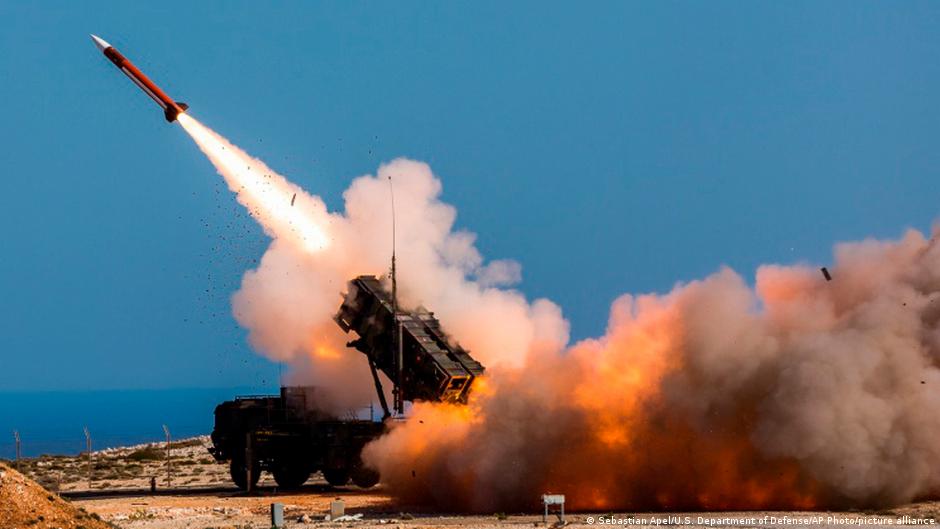
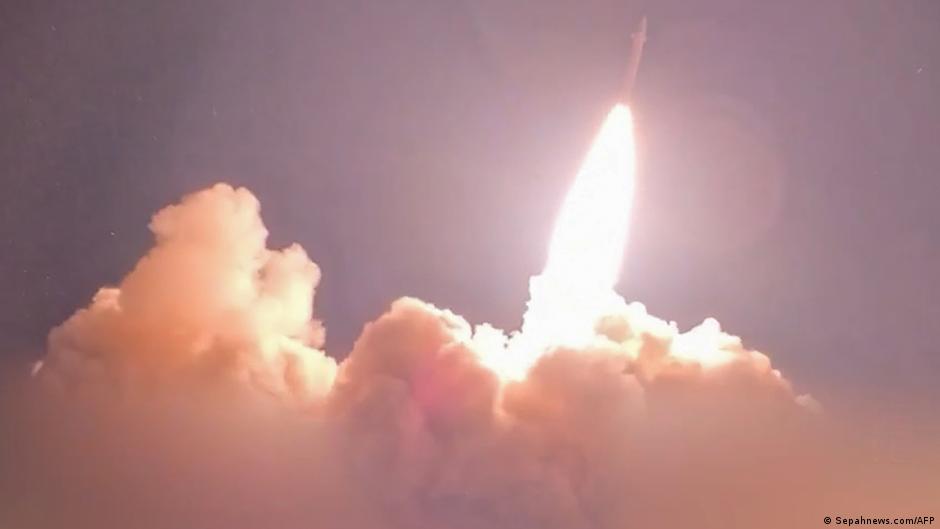
US forces intercepted Iranian ballistic missiles targeting American troops in the Middle East, underscoring rising regional tensions and global economic risks linked to energy supply security.

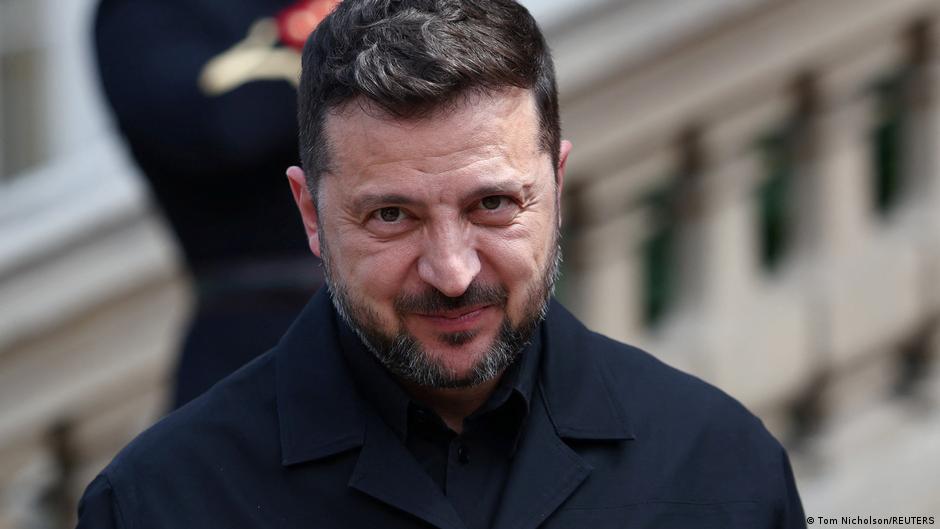
President Zelensky visits Washington to meet all U.S. Senators as the Senate prepares to vote on new sanctions against Russia amid ongoing geopolitical and economic tensions.

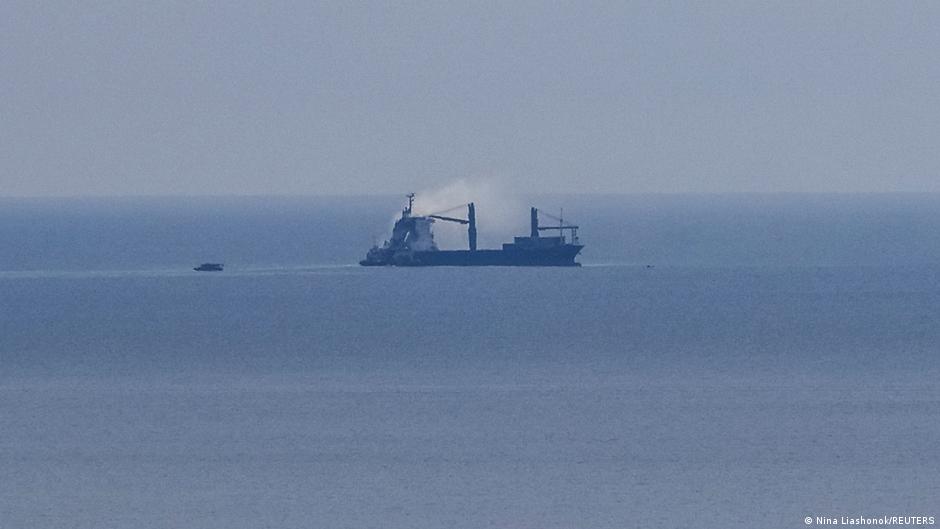
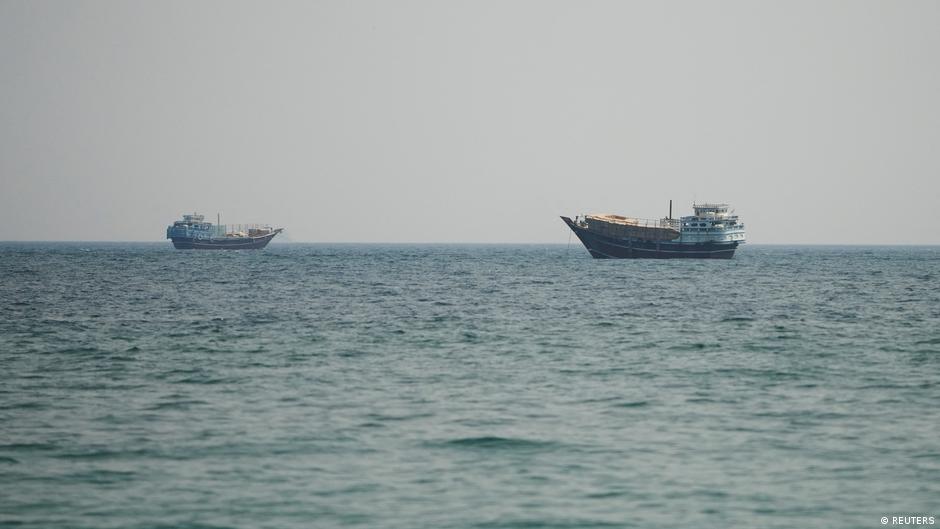
Ukraine urges a UN Security Council meeting as Russian attacks on Black Sea trade vessels threaten global food security and disrupt critical maritime routes.

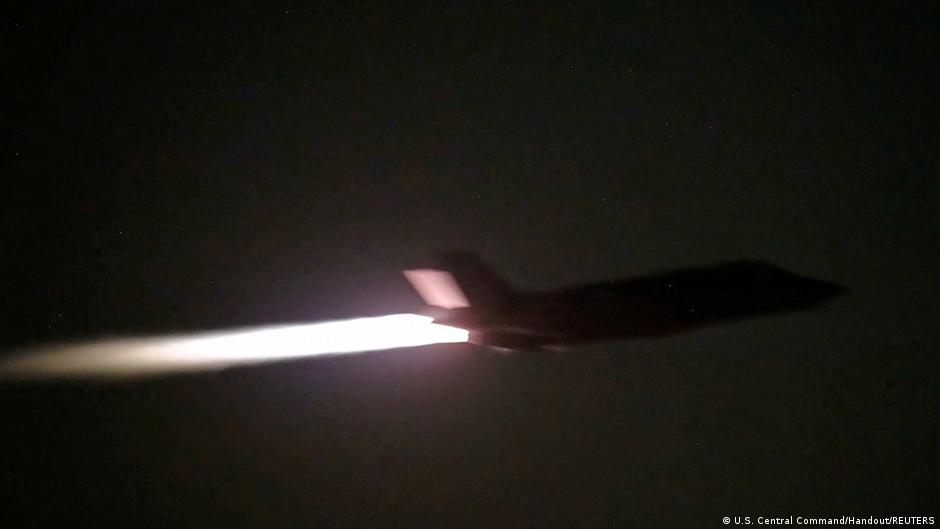
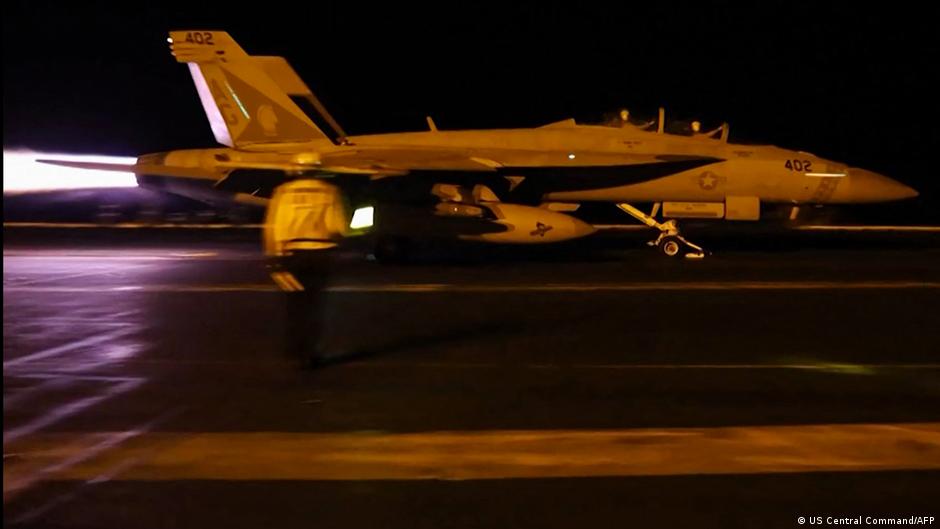
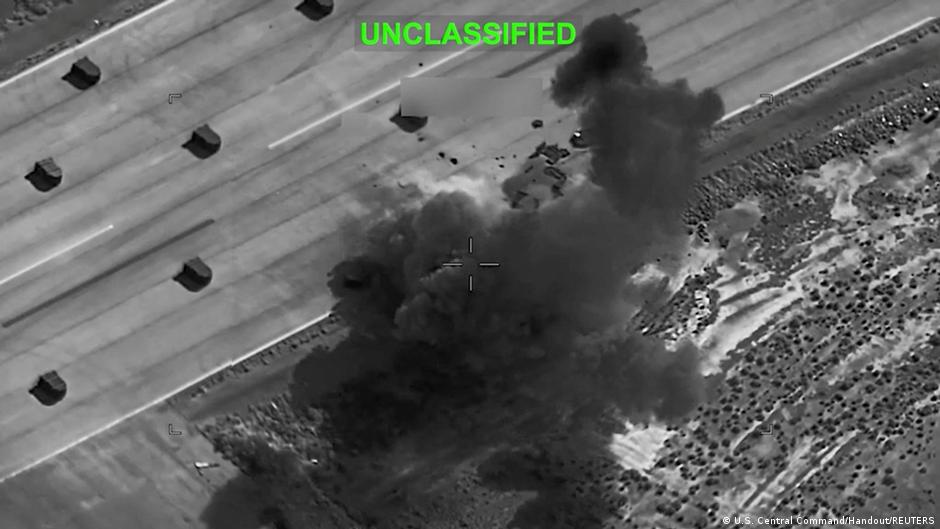
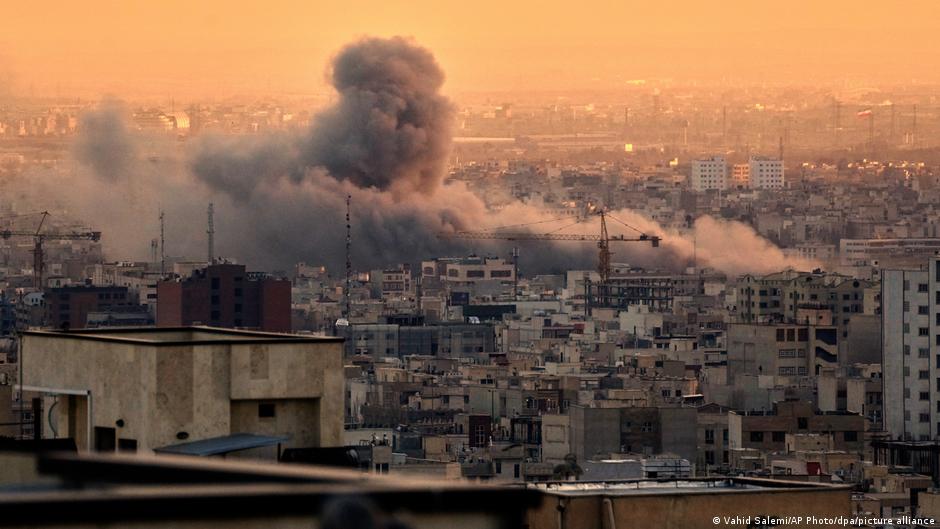
The US has conducted 11 consecutive nights of strikes against Iranian military targets, escalating tensions in the Gulf and threatening key global energy routes.

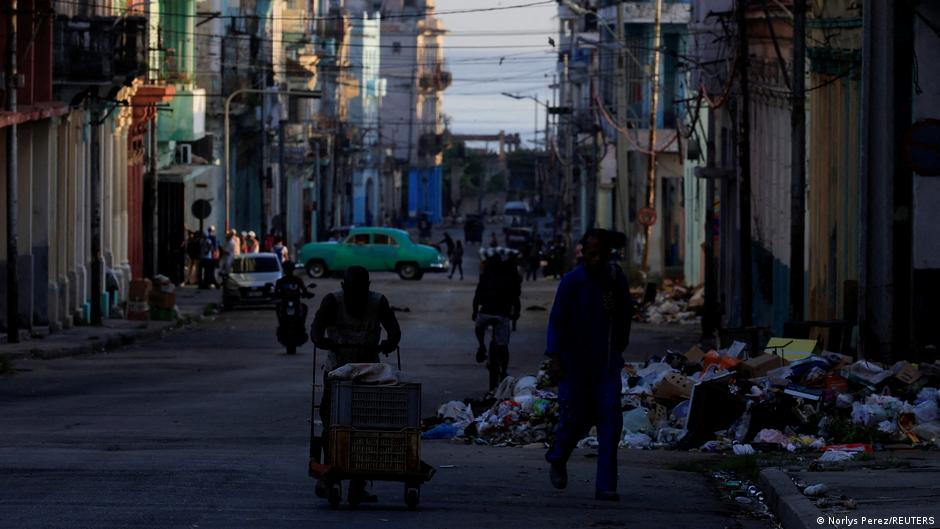
The US has initiated a $100 million humanitarian aid effort to Cuba amid increased sanctions targeting Cuban state enterprises and ongoing military deliberations.

The US military continues its offensive against Iran, targeting strategic sites in the Strait of Hormuz amid escalating regional tensions with significant global economic implications.

US military casualties in the Iran conflict have risen to 17, accompanied by increased US military deployments and retaliatory strikes, impacting global economic and security dynamics.

US military strikes in Iran continue for the ninth night, escalating tensions in the Strait of Hormuz and impacting global energy supply routes.

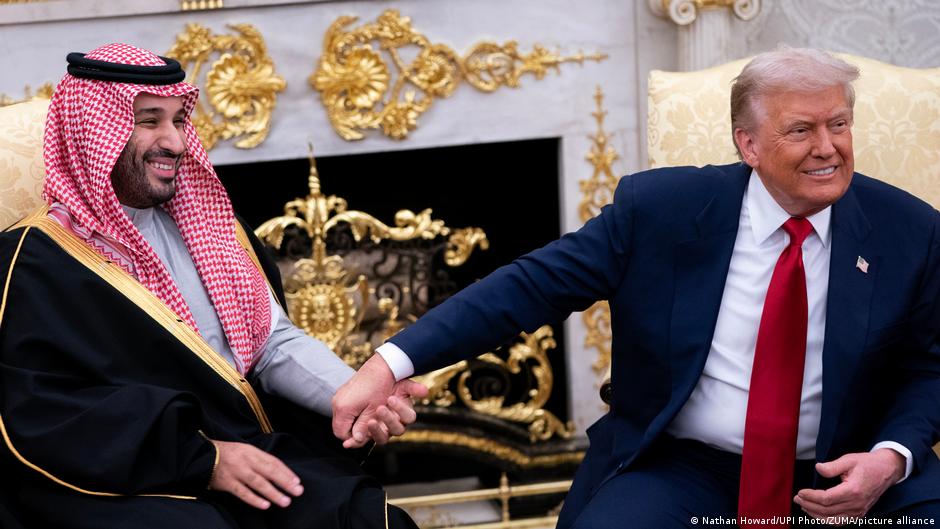
The US administration is poised to allow Saudi Arabia to enrich uranium without enhanced IAEA safeguards, raising concerns over nuclear proliferation and regional stability.

The US is advancing plans to restore an Iraq-Syria oil pipeline to bypass the Strait of Hormuz, aiming to reduce Iranian influence and diversify energy export routes amid rising Middle East tensions.

US military strikes on Iran escalate after attacks in the Strait of Hormuz, closing this key oil export route and raising global economic risks.

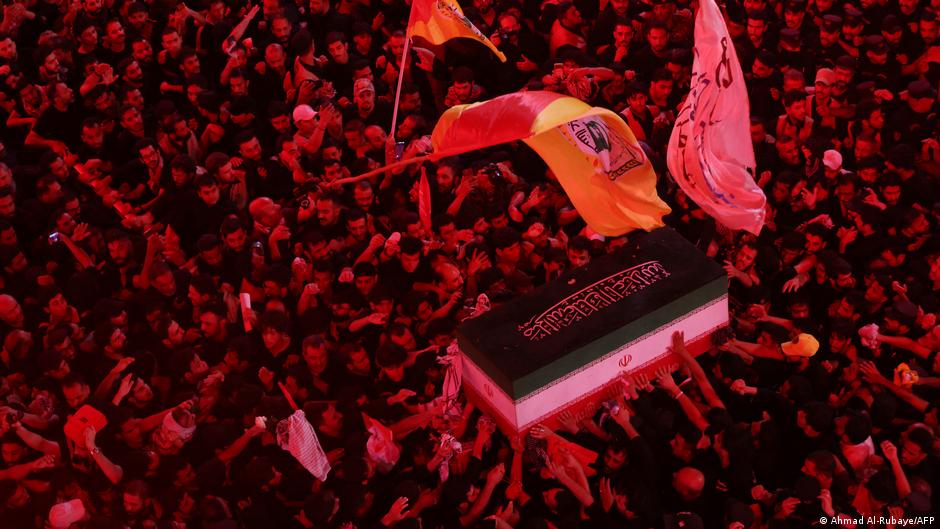
Iran held a private funeral for former Supreme Leader Ali Khamenei amid ongoing U.S.-Iran tensions, with uncertainties around leadership succession and renewed regional hostilities.

The US plans to remove Syria from the terrorism sponsors list, lifting sanctions and enabling economic reconstruction and reintegration into the global economy.

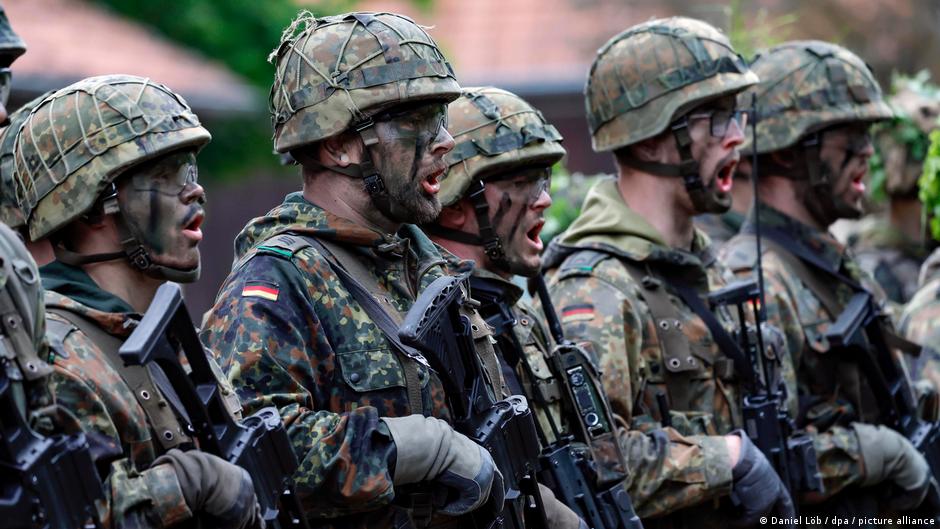
Germany plans a record €124.7 billion defense budget for 2026, marking a 25.5% rise and signaling a major shift in European security and economic policy.

US and Iran exchanged military strikes after Iran attacked a commercial vessel in the Strait of Hormuz, escalating tensions that threaten global oil supply chains and economic stability.

The U.S. Senate passed a non-binding resolution urging troop withdrawal from Iran conflict zones, reflecting growing concerns amid ongoing peace negotiations and regional instability.

The US and Iran have agreed on a communication channel to prevent incidents in the Strait of Hormuz, setting a 60-day roadmap to finalize broader agreements impacting regional security and global energy markets.

The US threatens to impose fees for passage through the Strait of Hormuz if Iran deal fails, highlighting risks to global oil supply and maritime security.

U.S. intelligence warns Israel may attempt to undermine the U.S.-Iran nuclear deal, risking increased Middle East instability and complicating global economic and policy landscapes.

US envoy Stephen Witkoff travels to Switzerland for nuclear talks with Iran, delayed by Lebanon conflict, with major economic stakes tied to ceasefire and sanctions relief.

The US ends its blockade of the Strait of Hormuz under Trump’s directive, opening a 60-day negotiation period with Iran and easing tensions in global oil markets.

Pakistan announces the immediate reopening of the Strait of Hormuz following a US-Iran memorandum, signaling a major shift with global economic implications.

Iran has restored the majority of its missile arsenal, potentially aided by recent Russian arms transfers, complicating Middle East peace prospects and global energy stability.

Reports claim the UAE agreed to unfreeze billions in Iranian oil revenues to halt attacks, amid advancing Iran-US peace talks; official UAE denial follows.

President Trump cancels planned airstrikes on Iran amid advancing talks supported by regional powers, signaling potential for a strategic agreement affecting global energy and security.

US airstrikes on Iran prompt Tehran to close the strategic Strait of Hormuz, escalating geopolitical risks with major consequences for global energy markets and economic stability.

Twenty-two countries, including the US and European states, jointly condemn Iran for orchestrating attacks on their territories against dissidents and Jewish communities.

Israel and Iran exchanged air and missile strikes amid US efforts to broker a peace deal, raising the stakes for regional security and global economic stability.

US Treasury extends MOL’s deadline to June 16 for acquiring Gazprom’s stake in Serbian oil firm NIS amid sanctions, with potential implications for Southeast European energy security.
The US House restricts presidential war powers on Iran in a bipartisan vote, reflecting growing congressional resistance and potential impacts on global stability.

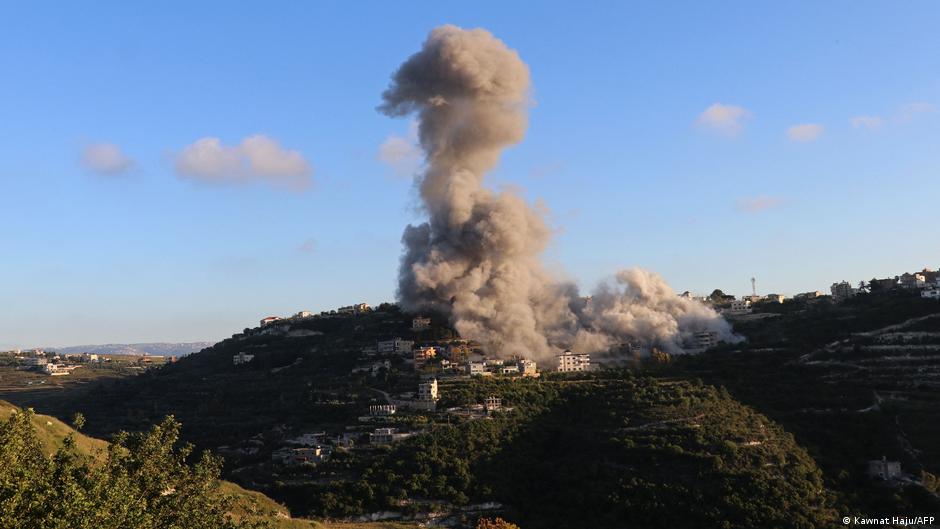
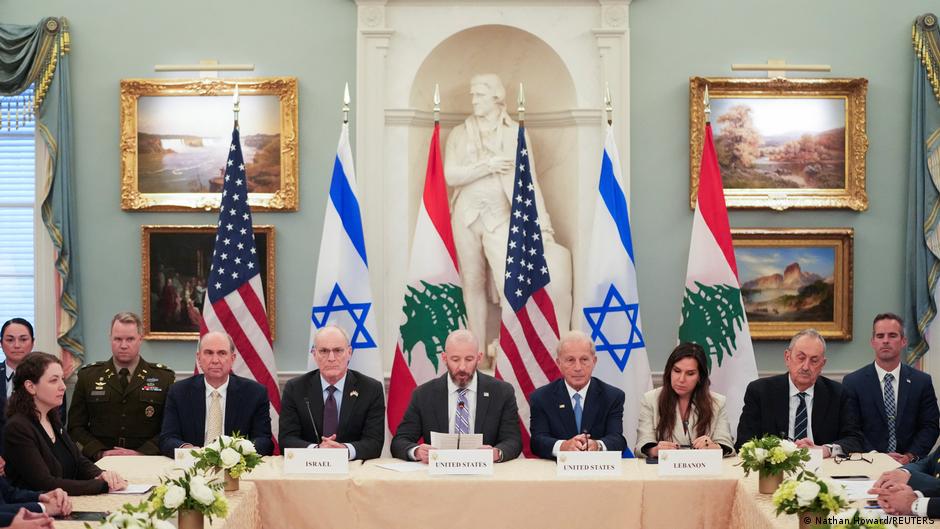
Israel and Lebanon, under US mediation, have agreed to a ceasefire requiring Hezbollah's withdrawal and cessation of hostilities, a move with significant regional and global economic implications.

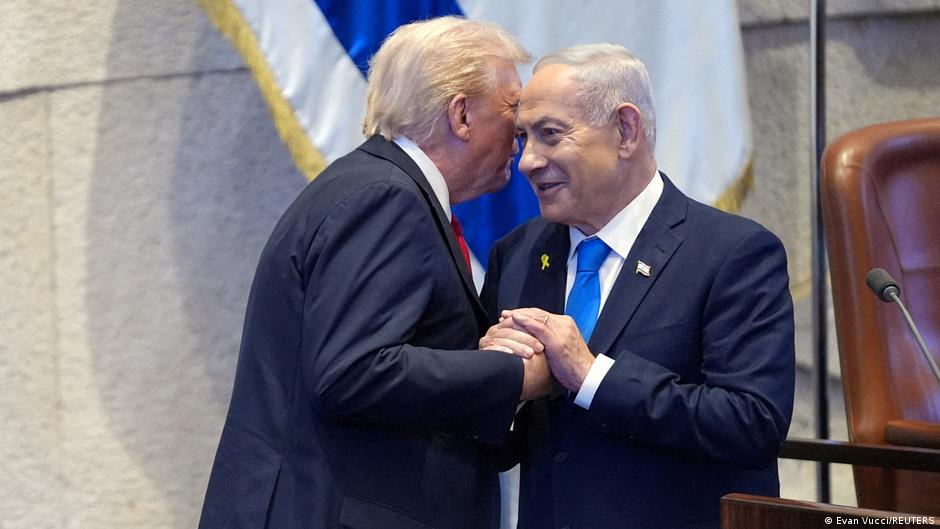
Trump rebuked Netanyahu over Lebanon strikes, highlighting risks to regional stability and US diplomatic efforts amid ongoing Middle East tensions.

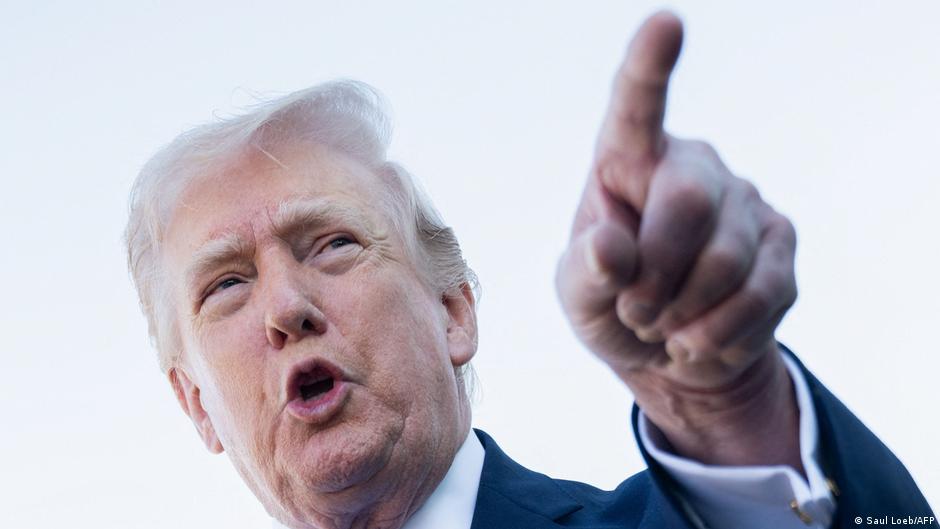
US President Trump insists on strict conditions, including Iran's nuclear non-proliferation, before agreeing to any deal, with Tehran maintaining cautious ongoing communications.

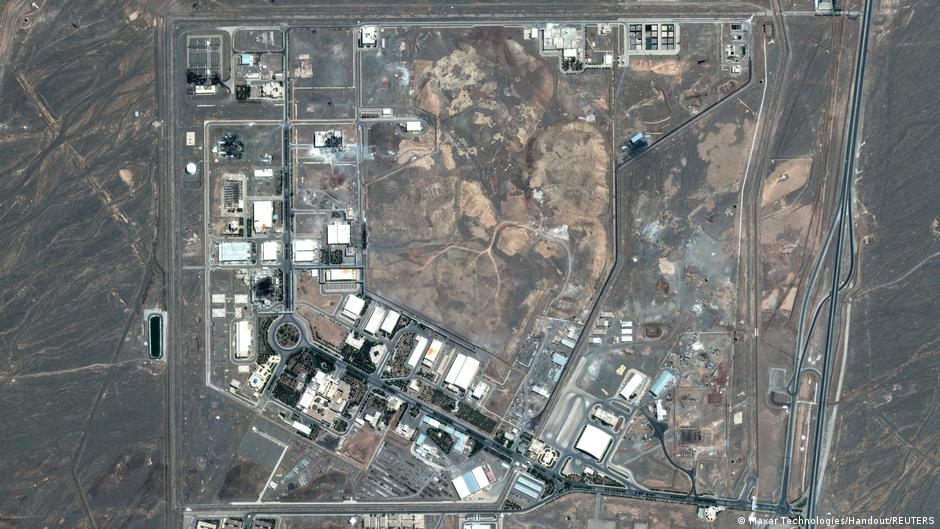
Trump demands Iran's enriched uranium stocks be destroyed in the U.S. or under IAEA supervision, intensifying nuclear tensions with global economic implications.

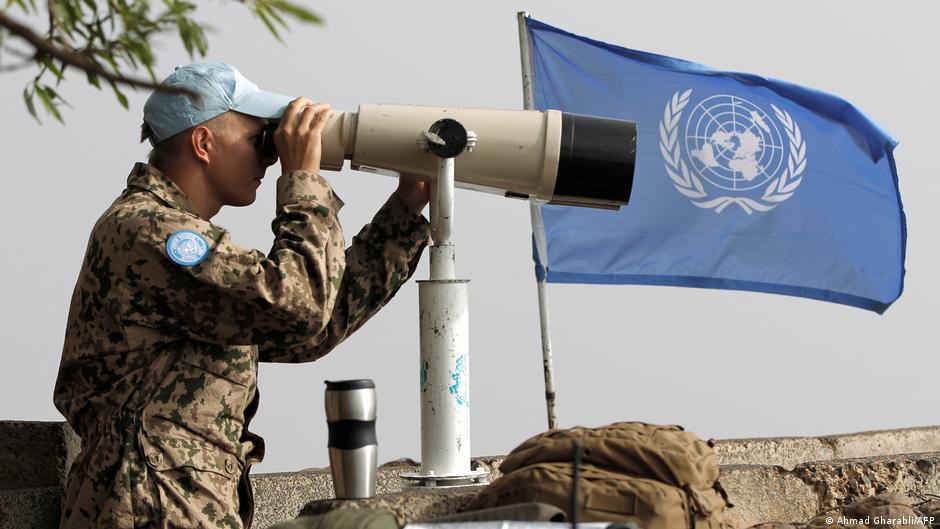
UN peacekeeping personnel have dropped to a 25-year low due to geopolitical tensions and funding shortfalls, threatening the future of multilateral conflict resolution, SIPRI warns.

The US has postponed a planned military strike on Iran following appeals from Gulf leaders, initiating complex negotiations with far-reaching geopolitical and economic consequences.

London hosted large opposing protests on migration and the Palestinian Nakba, highlighting political polarization with implications for economic policy and international relations.

China signals renewed interest in U.S. oil and soybeans, potentially easing trade tensions and impacting global commodity markets and geopolitical relations.

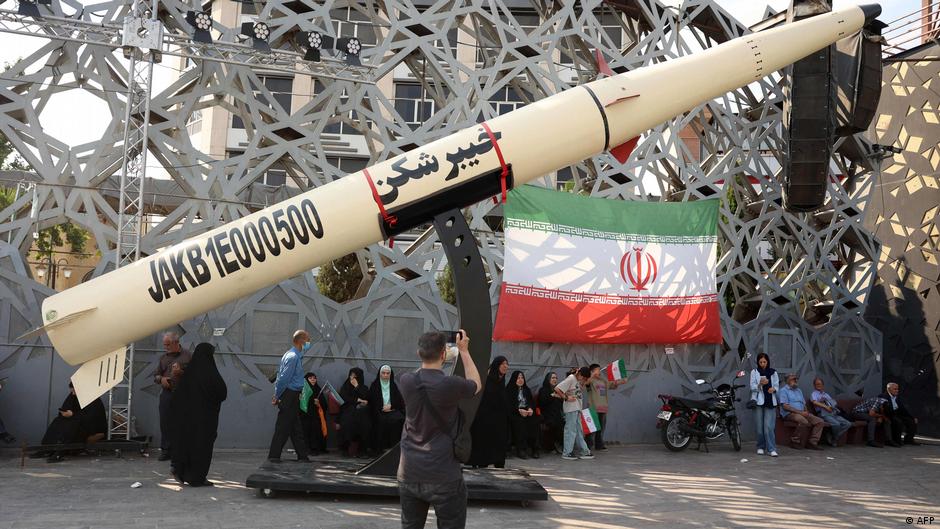
US intelligence indicates Iran retains about 70% of its missile arsenal, contradicting official claims and raising concerns over regional security and munitions supplies.

EU leaders are preparing for possible talks with Russia, signaling a strategic shift amid ongoing conflict and geopolitical tensions affecting global economic and policy frameworks.

US and Iran are reportedly close to a deal to end their conflict, with Iran agreeing to halt nuclear weapon development and negotiations set to address sanctions and regional security.

Global oil inventories fell by a record 200 million barrels in April amid Middle East conflicts, pushing reserves to an eight-year low and signaling potential price hikes.

Iran has presented a 14-point peace plan to the US detailing key conditions to end the Middle East conflict, while Washington remains skeptical about its acceptance.