Trump Sets Firm Preconditions for Iran Deal, Emphasizing Nuclear Non-Proliferation
US President Trump demands Iran adhere to strict 'red lines,' particularly preventing nuclear weapon development, before any agreement.
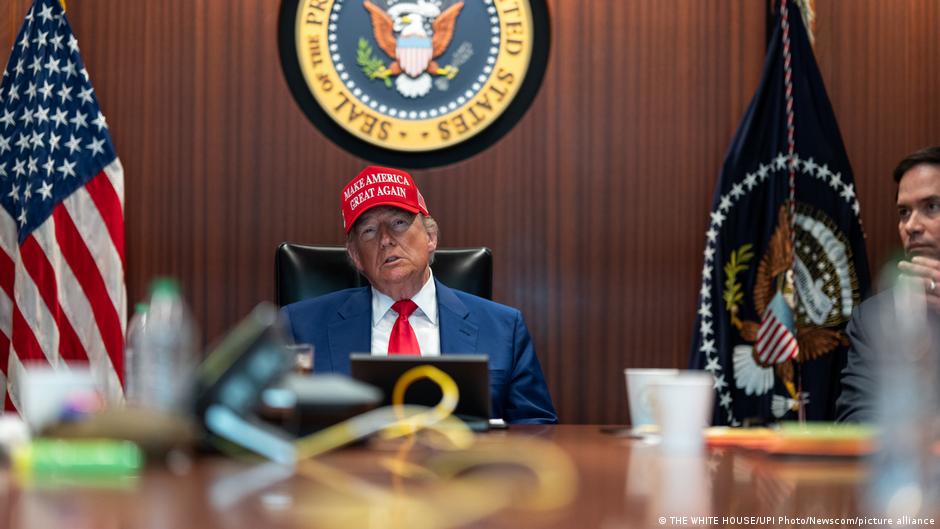
US President Donald Trump has made it clear that any potential agreement with Iran hinges on Tehran adhering to stringent US conditions, prominently its commitment to never acquire nuclear weapons. This stance was articulated by a White House representative following intensive consultations held on May 30.
Red Lines Define US Negotiation Terms
After a two-hour meeting in the White House Situation Room with senior advisors, President Trump emphasized that any deal must align with American interests and uphold the established "red lines." The principal condition articulated is that Iran must forgo any pursuit of nuclear armament. The administration's insistence reflects ongoing concerns about regional security and the global non-proliferation regime.
"President Trump will only sign an agreement that benefits America and respects its red lines," the White House source stated, underscoring the administration's uncompromising posture.
These developments come amid reports from the US news portal Axios, which cited anonymous US officials indicating that negotiators from both sides have tentatively reached a framework agreement aimed at resolving ongoing conflicts. However, the deal remains contingent on President Trump's approval.
Tehran Signals Caution Amid Ongoing Communications
In response, Iranian officials have adopted a measured tone. Esmail Baghai, spokesperson for the Iranian Foreign Ministry, conveyed that although message exchanges continue between Tehran and Washington, no final agreement has yet been reached. This cautious approach reflects Tehran's wariness amid the complex geopolitical landscape and domestic considerations.
The potential US-Iran agreement carries significant implications for global geopolitics and economic policy. A resolution could ease tensions in the Middle East, stabilize oil markets, and influence international investment climates. Conversely, failure to reach terms respecting the US red lines could perpetuate economic sanctions, heighten regional instability, and impact global supply chains.
Analysts observing the situation emphasize that the US administration’s firm stance signals a strategic prioritization of non-proliferation, with long-term economic consequences. The outcome will likely influence global energy prices, international trade flows, and the geopolitical balance, affecting decision-makers worldwide.