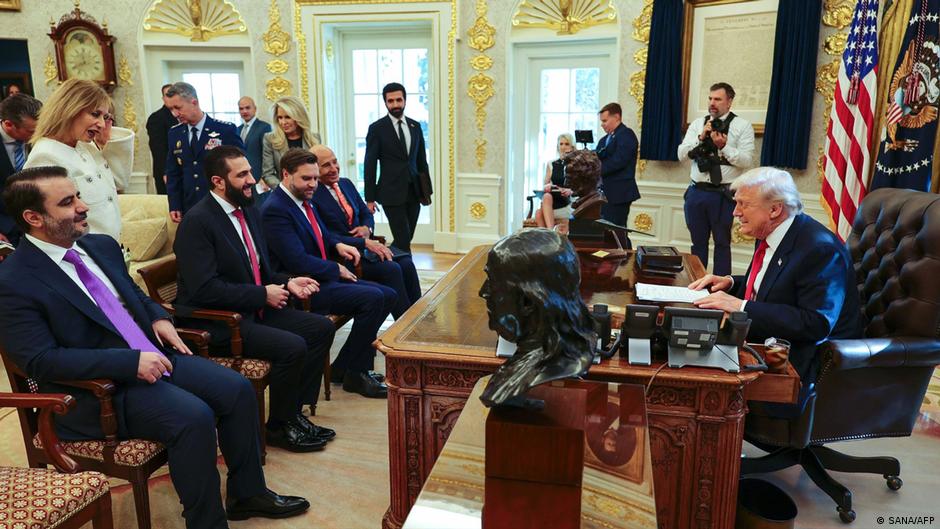
US Removes Syria from Terrorism Sponsors List, Signaling Major Shift in Middle East Policy
The US has removed Syria from its terrorism sponsor list, opening new economic and geopolitical avenues amid ongoing regional tensions and shifting alliances.

The US has removed Syria from its terrorism sponsor list, opening new economic and geopolitical avenues amid ongoing regional tensions and shifting alliances.

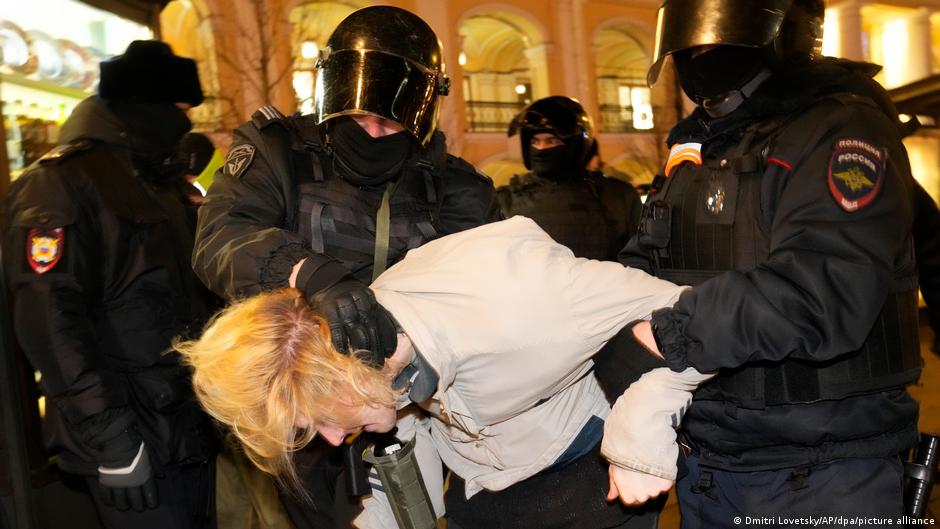
Russian authorities detained nearly 100 participants at a music festival near Vyborg over pro-Ukraine songs and regime criticism, reflecting tightening political controls with broad economic implications.

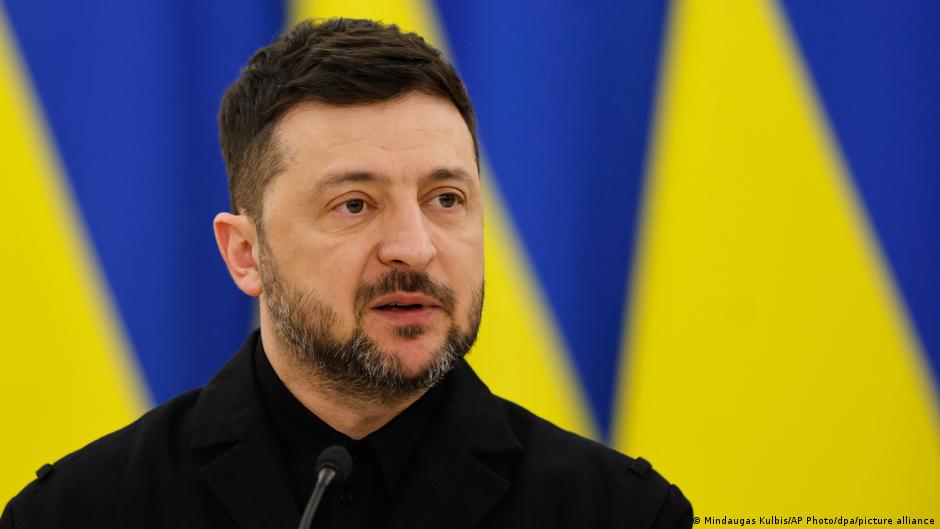
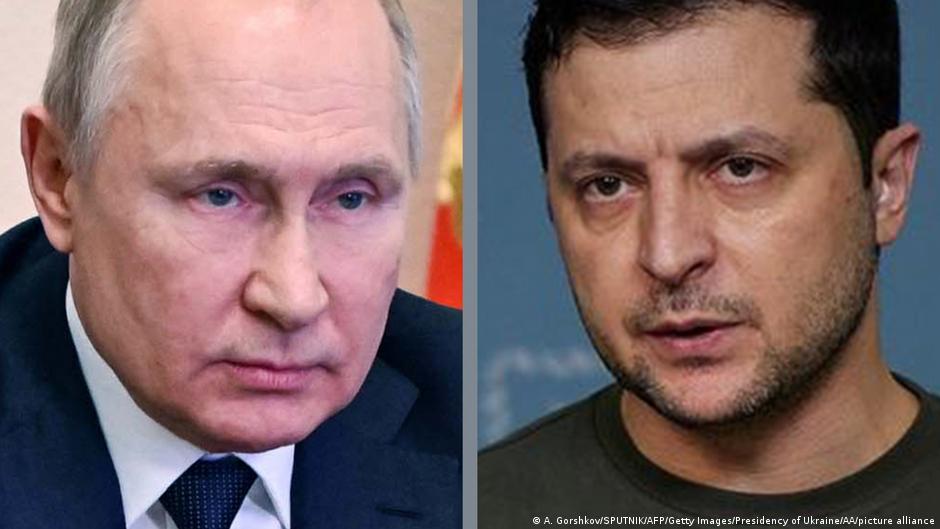
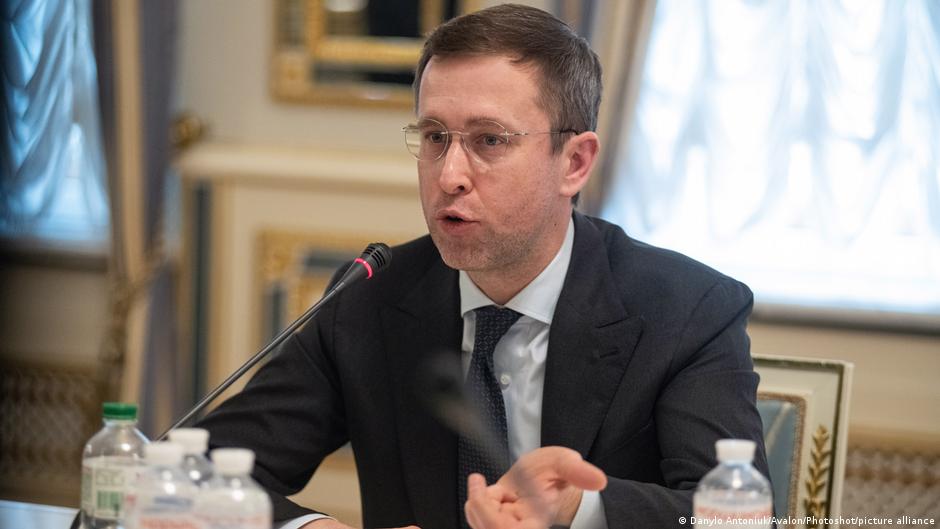
Former Ukrainian Defense Minister Mykhailo Fedorov calls for holding elections despite ongoing war, emphasizing the need for lawful, secure democratic processes.

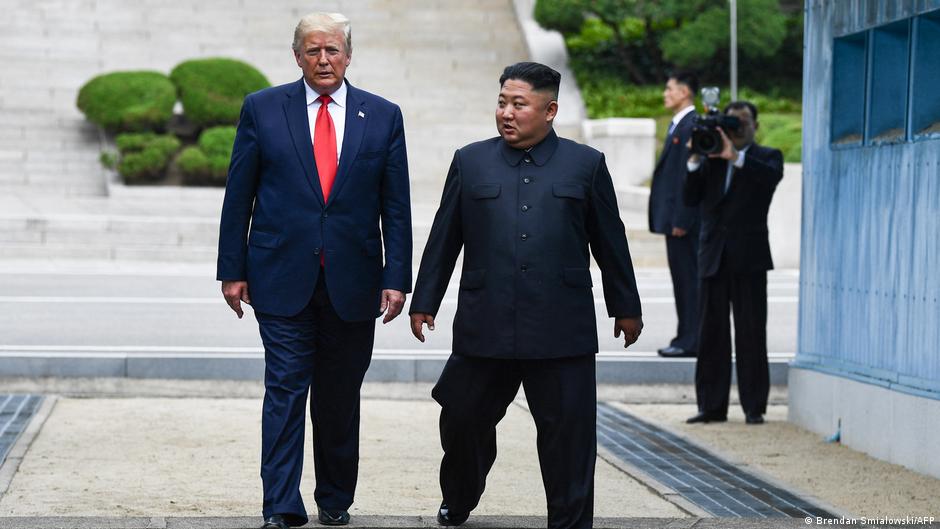
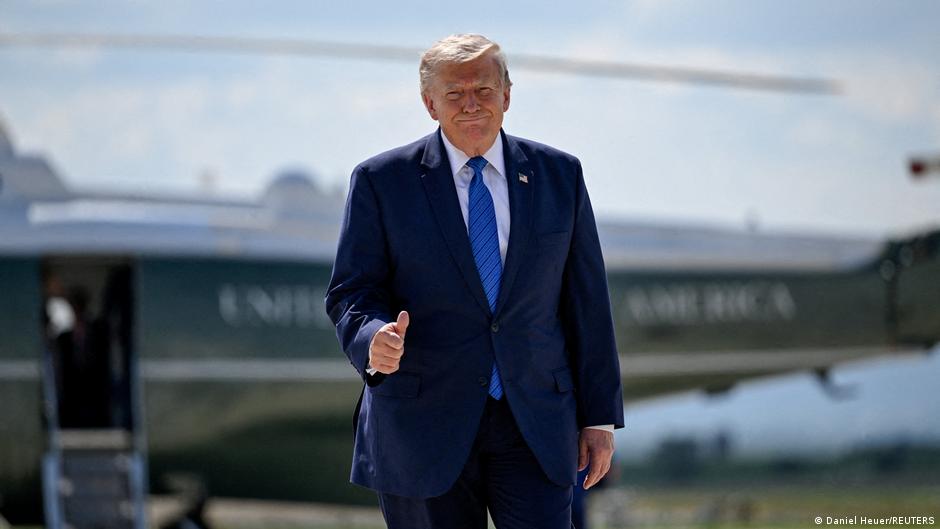
President Trump plans to meet Kim Jong Un during November's APEC summit to revive stalled nuclear negotiations, with significant implications for regional security and global economic stability.

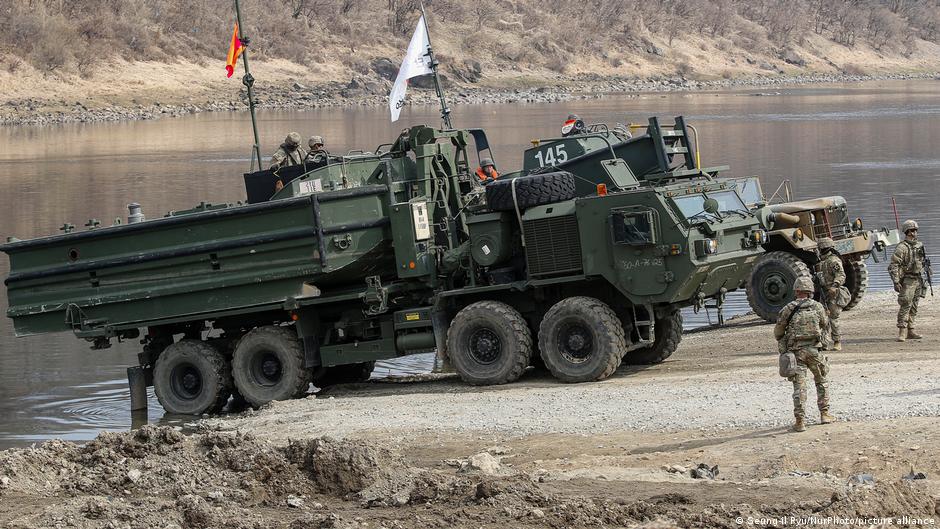
The US orders a significant reduction of joint military drills with South Korea, reflecting a strategic shift that impacts regional security and global economic stability.

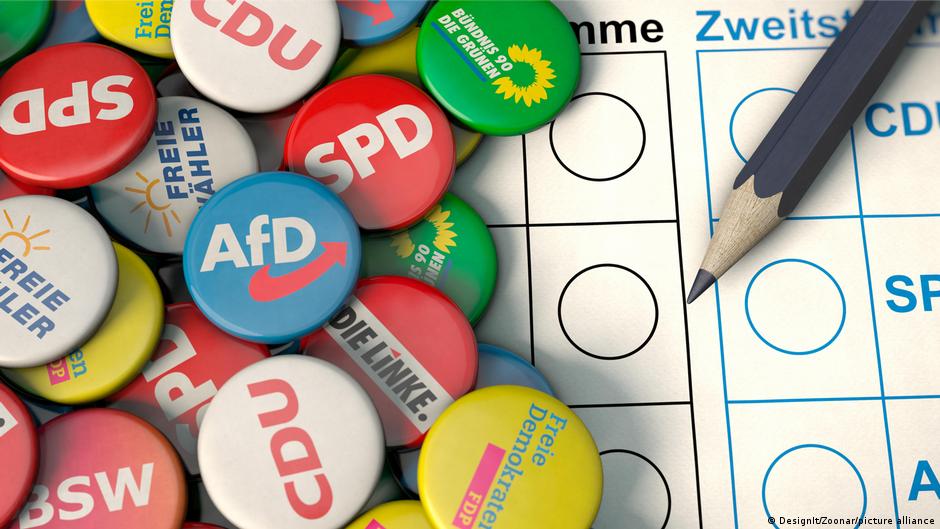
Germany’s CDU/CSU support drops to 20%, the lowest in five years, as far-right AfD leads polls ahead of key federal state elections, signaling shifting voter dynamics.

The Russian-linked hacker group Cl0p claims to have stolen data from nearly 50 multinational firms, raising concerns about global cyber risks and economic security.

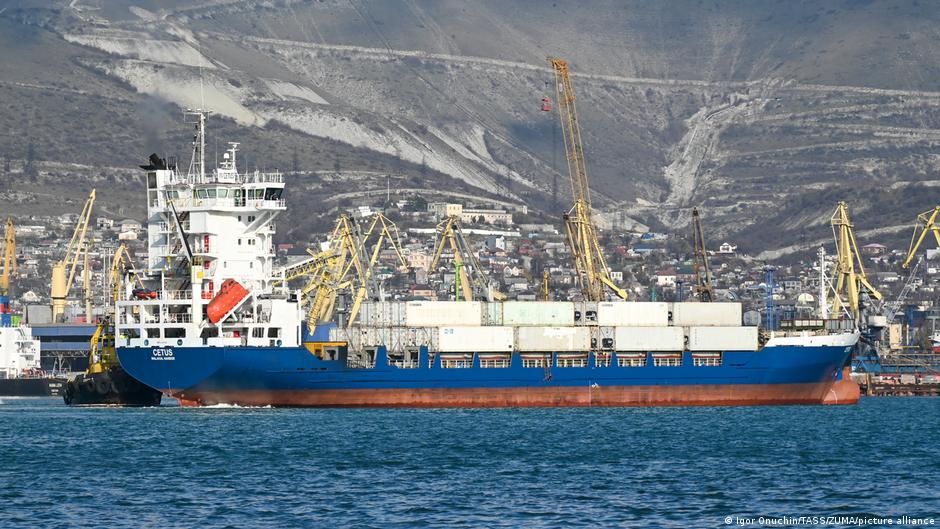
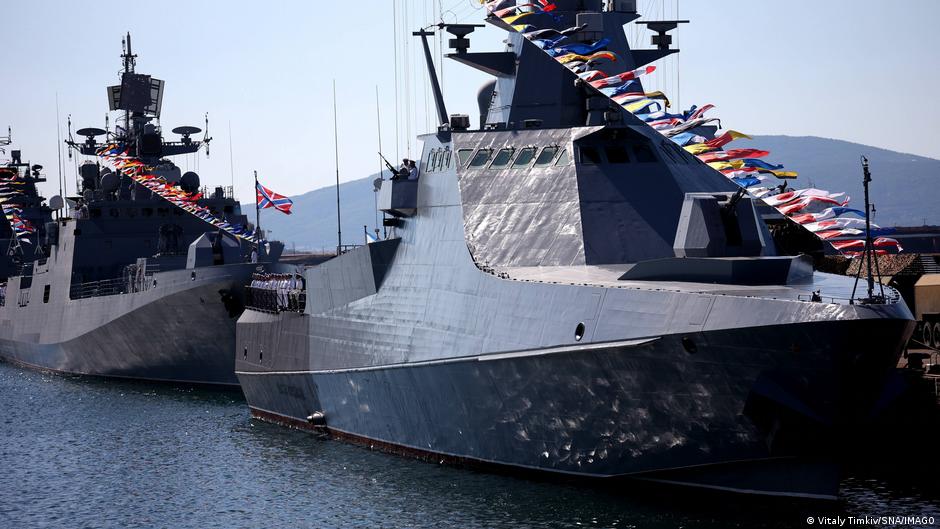
Ukraine claims successful strikes on Russian naval vessels and key infrastructure in Novorossiysk, impacting military capabilities and critical export terminals.

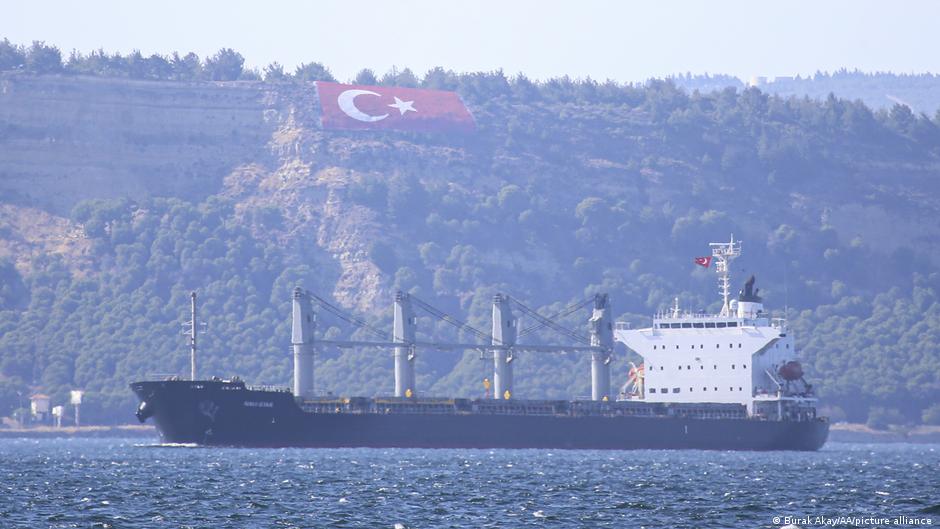
Turkey has lifted temporary restrictions on commercial ship passage through the Dardanelles Strait, responding to Black Sea security concerns amid regional conflicts.

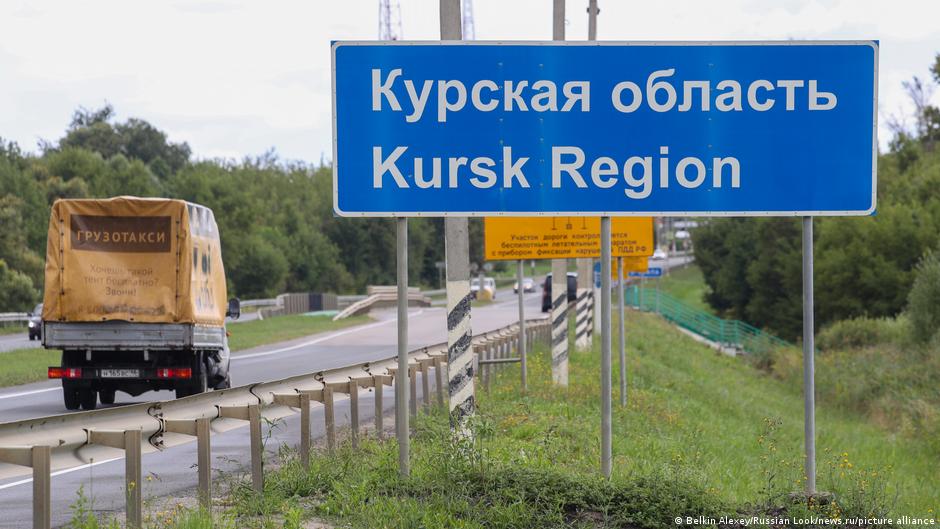
Drone attacks in Russia's Kursk and Belgorod regions caused casualties and triggered heightened security measures, raising concerns over potential economic disruptions.

President Trump announced new talks with Iran starting August 3, delaying further military strikes and signaling a potential shift toward diplomacy amidst Middle East tensions.

NATO is contemplating deployment of tactical nuclear weapons in Finland, Poland, and Lithuania, marking a strategic shift amid rising security tensions with Russia.

Ukraine confirms Russia used North Korean ballistic missile in deadly attack, calling for stronger allied support amid growing Russia-Pyongyang military ties.

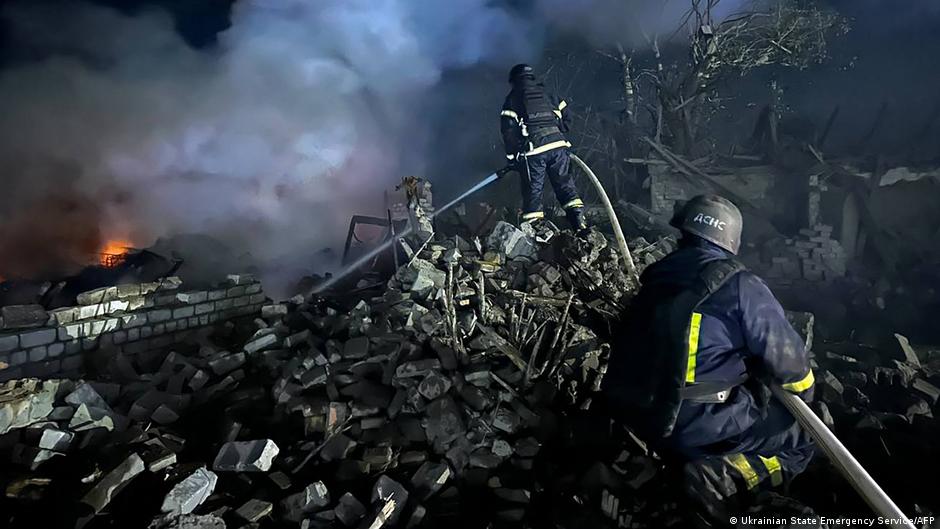
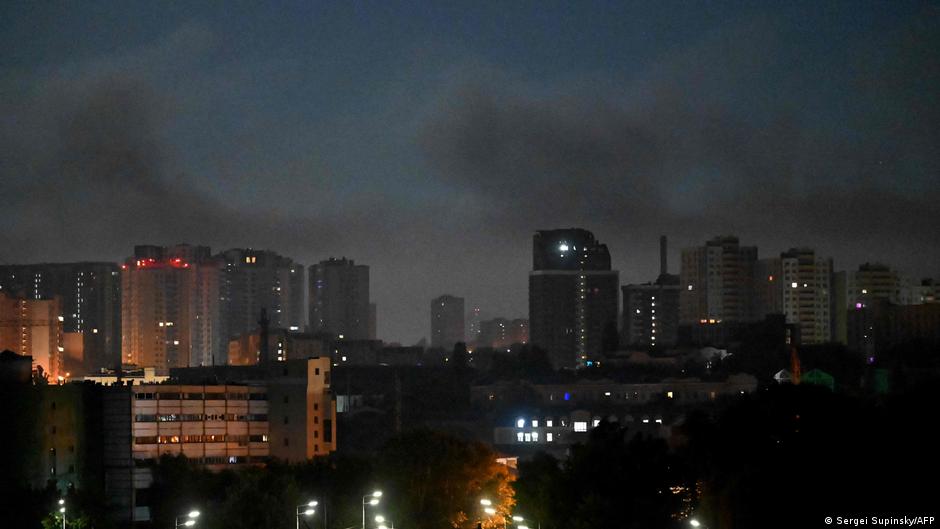
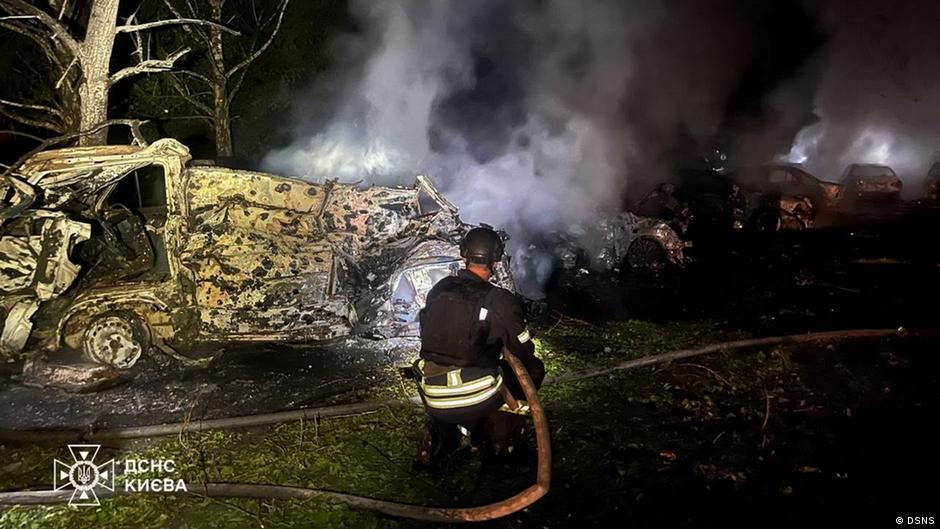
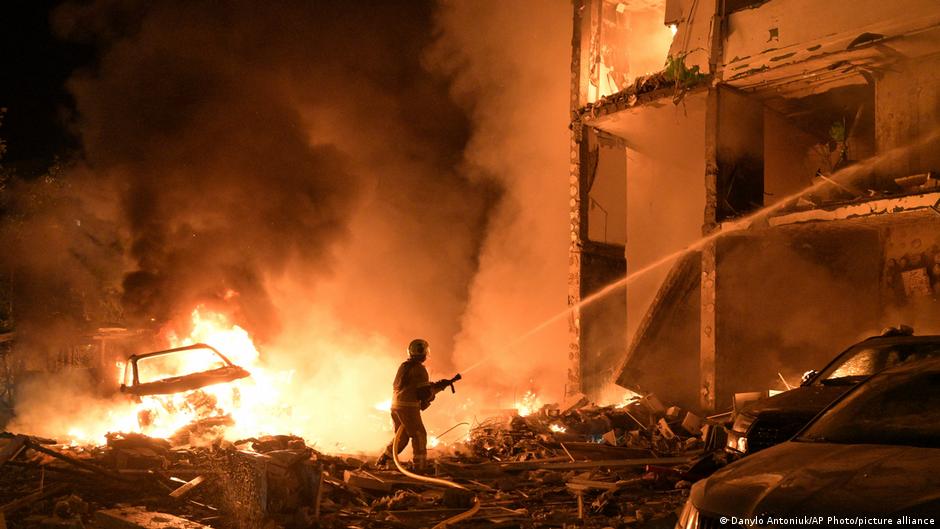
Russian missile and drone attacks across Ukrainian cities cause civilian casualties and infrastructure damage, raising concerns about regional stability and global economic impacts.

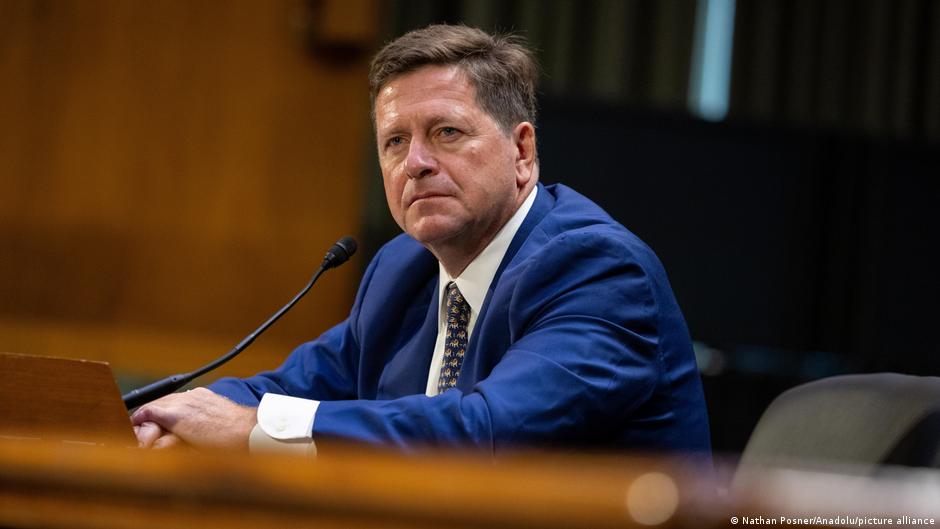
Jay Clayton's confirmation as US Director of National Intelligence raises questions about experience and signals potential shifts in security and economic policy.

The US removes sanctions on Miami-based Bel-Kap-Steel amid Belarus's release of political prisoners, signaling shifts in economic diplomacy and regional market dynamics.

Russia revises fuel dampener and import compensation mechanisms to stabilize domestic fuel prices amid refinery disruptions and global market challenges.

The IMF approved a €604 million disbursement to Ukraine, recognizing its progress under the EFF program amid war, despite delays in structural reforms and revised growth forecasts.

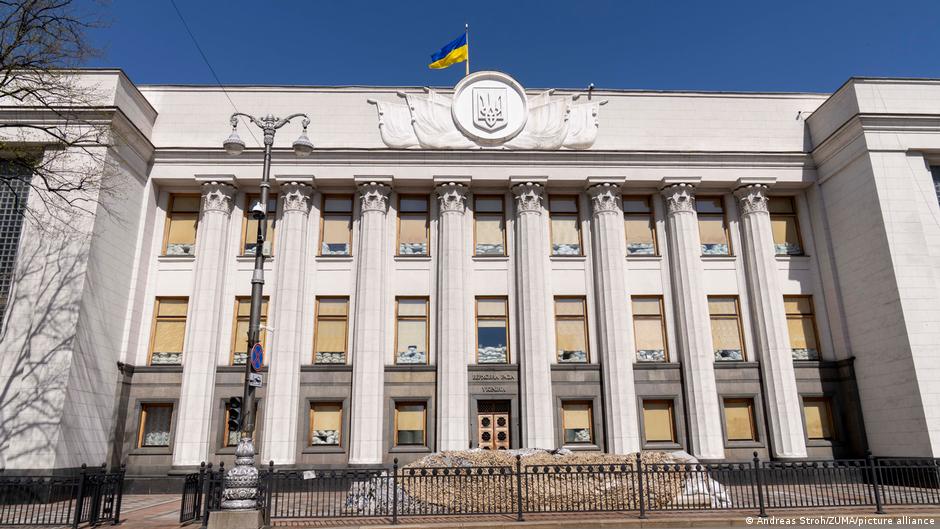
Ukraine's parliament will vote on July 16 to confirm Sergey Koretsky as prime minister, initiating a major government reshuffle with significant implications for economic and defense policies.
Russian missile and drone strikes on Kyiv and Kharkiv escalate conflict, threatening Ukraine's economic stability and regional markets.

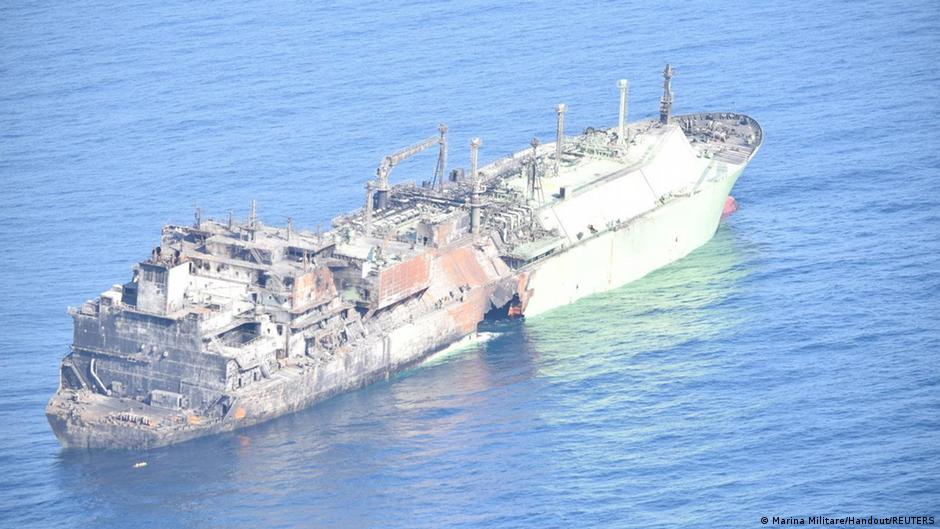
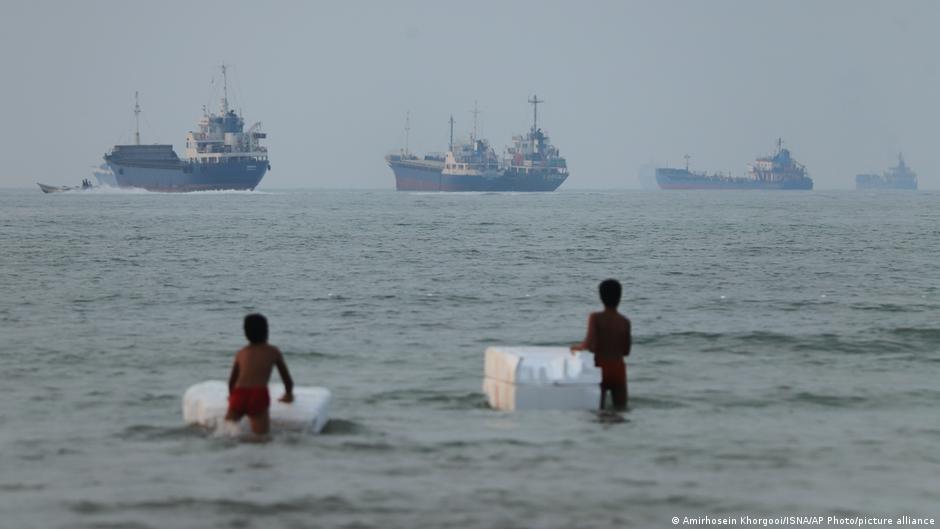
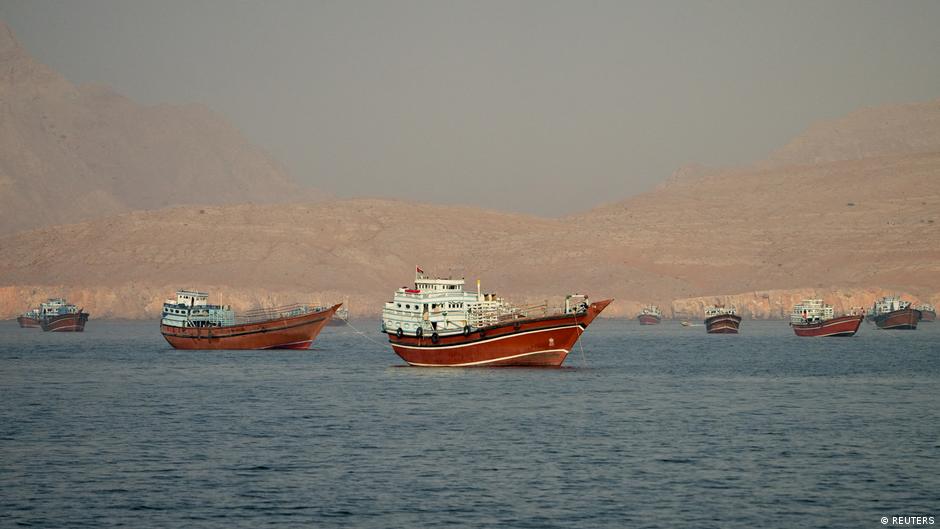
The US has launched new strikes against Iran to secure the strategic Strait of Hormuz, a critical route for global oil trade, amid escalating military tensions and attacks on civilian vessels.

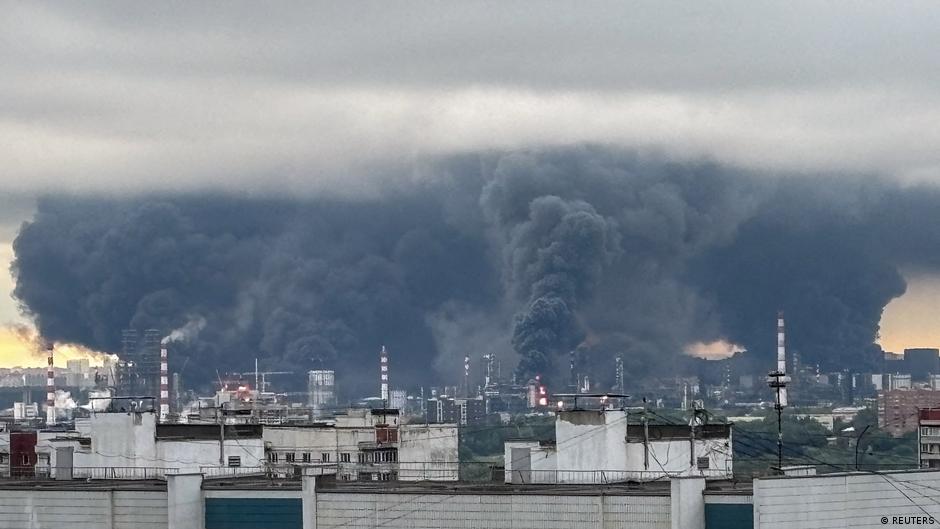
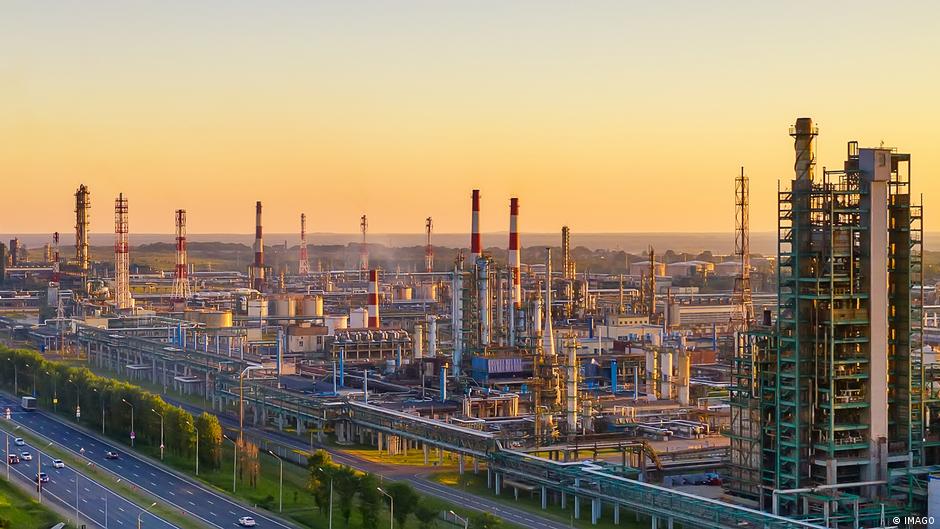
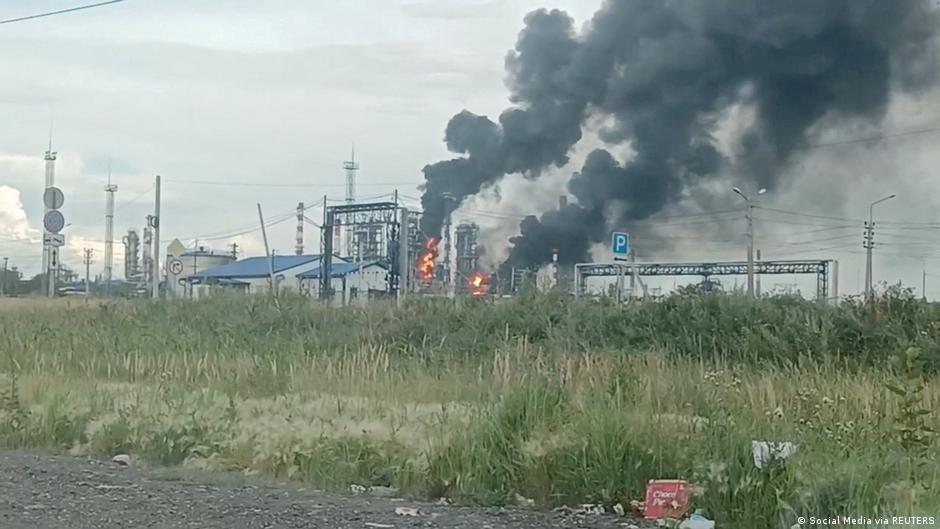
The Saratov refinery’s shutdown after Ukrainian drone attacks worsens Russia’s fuel crisis, disrupting 25% of refining capacity and impacting millions amid wartime economic pressures.

Russian missile and drone strikes on Kyiv and Kharkiv intensify, causing casualties and infrastructure damage with significant economic and geopolitical implications.

US military strikes on Iran follow attacks on tankers near the Strait of Hormuz, escalating Gulf tensions with significant implications for global energy security and maritime trade.

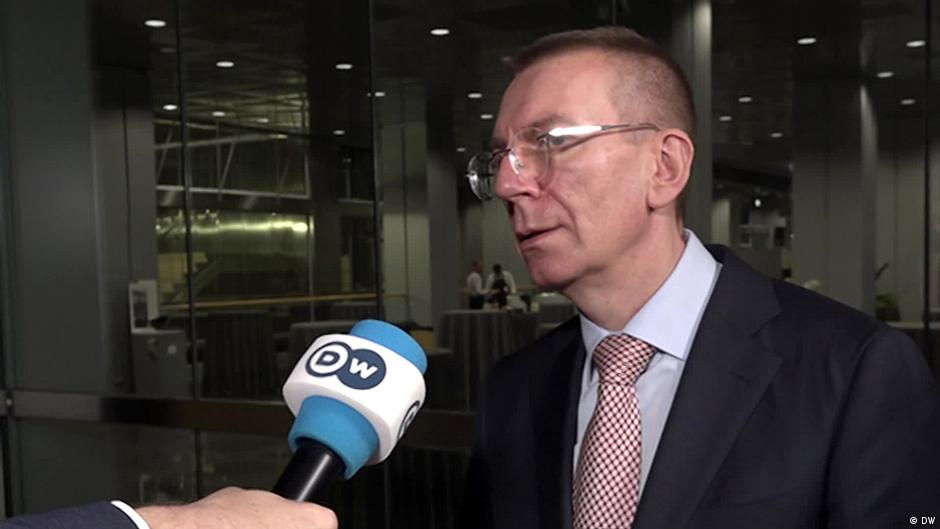
Latvian President Edgars Rinkēvičs warns NATO to prepare for potential escalation with Russia, stressing the need for increased military capabilities and clear deterrence signals to Moscow.

France and Italy express reservations about the EU's proposed ban on Russian combatants' entry, fearing broader travel restrictions and enforcement challenges amid new sanctions.

Trump praises Zelensky's resilience in the Russia-Ukraine war and criticizes European allies, reflecting shifting diplomatic dynamics with far-reaching economic and geopolitical implications.

The U.S. Senate passed a non-binding resolution urging troop withdrawal from Iran conflict zones, reflecting growing concerns amid ongoing peace negotiations and regional instability.

Right-wing businessman Abelardo de la Espriella narrowly won Colombia’s presidency, signaling a shift toward militarized security and economic deregulation with significant regional ramifications.

The US threatens to impose fees for passage through the Strait of Hormuz if Iran deal fails, highlighting risks to global oil supply and maritime security.

Pakistan announces the immediate reopening of the Strait of Hormuz following a US-Iran memorandum, signaling a major shift with global economic implications.

Bolivia and the US have signed their first drug control cooperation agreement in 18 years, marking a strategic shift with significant implications for global drug markets and economic policy.

Eduardo Bolsonaro is sentenced to over four years in prison for lobbying US sanctions against Brazil and barred from public office amid escalating political tensions.

France, Germany, UK, and Italy endorse the US-Iran agreement as a vital step toward regional peace and global economic stability, stressing the need to prevent Iran’s nuclear armament.

Iran has restored the majority of its missile arsenal, potentially aided by recent Russian arms transfers, complicating Middle East peace prospects and global energy stability.

Coordinated drone attacks across Russian regions have targeted key industrial and transport infrastructure, risking disruptions to production and broader economic stability.

President Trump cancels planned airstrikes on Iran amid advancing talks supported by regional powers, signaling potential for a strategic agreement affecting global energy and security.

SpaceX’s $75 billion IPO valued at $1.77 trillion marks a historic milestone, reshaping the global space economy and signaling new paradigms for investment and technological advancement.

Ukraine calls for banning Russian military from UN missions due to sexual violence allegations, urging Russia to consider exiting the UN amid ongoing war and diplomatic tensions.

Georgia has arrested a Russian national accused of sanctions evasion in a case coordinated with the FBI, reflecting growing international enforcement of economic measures.

Russian drone strikes on Ukrainian residential areas cause civilian casualties and infrastructure damage, highlighting escalating conflict with significant economic and policy implications.

The US House passes a bill expanding military aid to Ukraine and sanctions on Russia, pending Senate approval amidst political divisions and potential presidential veto.

Advisor to Rosneft warns Russia faces decades-long conflict, requiring economic restructuring to balance development with defense amid rising security threats.

Friedrich Merz’s circle denies plans for his early replacement amid CDU rumors, highlighting risks to political stability and economic policy continuity in Germany.

US forces conducted defensive strikes on Iranian missile sites and mine-laying vessels amid a fragile ceasefire, highlighting ongoing regional tensions and economic risks.

Russian elites have attempted to dissuade Putin from enforcing harsh internet restrictions that threaten economic stability and public trust, but security forces prevail.

The EU and Mexico have signed a comprehensive trade agreement removing nearly all tariffs and enhancing bilateral trade and investment by 2030.

The US Senate advances a resolution demanding presidential Congressional approval for military actions against Iran, highlighting a shift toward legislative oversight and potential policy changes.

The US has postponed a planned military strike on Iran following appeals from Gulf leaders, initiating complex negotiations with far-reaching geopolitical and economic consequences.

The US has ended its temporary easing of sanctions on Russian oil exports, a move with significant implications for global energy markets and economic policy amid ongoing geopolitical tensions.