Ukraine Reports Use of North Korean Ballistic Missile by Russia in Latest Attack
Ukraine’s president confirms Russia employed a North Korean missile in an attack causing civilian casualties, urging stronger allied support and policy actions.
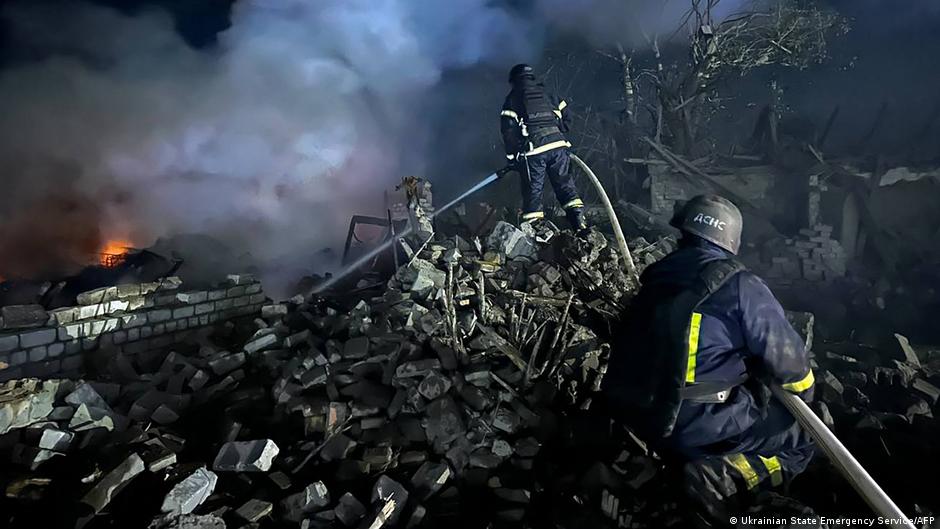
In a recent escalation of the conflict, Ukrainian President Volodymyr Zelensky confirmed that Russian forces used a ballistic missile supplied by North Korea during an attack on a suburb of Kryvyi Rih. The missile strike tragically killed a family of six, including children, marking a significant development in Russia’s military tactics and international arms partnerships.
Emerging Military Collaboration Between Russia and North Korea
The attack occurred in the village of Radushne in the Dnipropetrovsk region, where the missile hit a private residence, resulting in the deaths of a mother, father, and four children aged between 6 and 17. Zelensky stated that preliminary assessments indicate the missile was of North Korean origin, emphasizing that further expert analysis is underway to confirm these findings.
“At this moment, it is North Korean ballistic weaponry,” Zelensky tweeted, underscoring the gravity of the situation.
This incident is the first confirmed use of North Korean ballistic missiles by Russia in the ongoing Ukraine conflict. Earlier in July, Zelensky warned that Russia aims to recruit an additional 30,000 soldiers from North Korea and that Pyongyang is preparing to transfer new ballistic missile launch systems to Moscow. He characterized the military cooperation between Russia and North Korea as a direct threat to the security of Asia and beyond, given the extended reach of North Korean missile technology.
Global Economic and Security Implications
The Moscow-Pyongyang strategic partnership, formalized in 2024 under a comprehensive agreement, signals a shift in geopolitical alignments with potential long-term ramifications for global security and economic stability. The military collaboration not only exacerbates the conflict in Ukraine but also complicates the international arms control landscape.
From an economic standpoint, increased military engagement fueled by illicit arms transfers can lead to further sanctions, disruption of global supply chains, and heightened volatility in energy and commodity markets. Countries dependent on stable energy supplies from Russia or regional trade routes in Asia may face amplified uncertainty, prompting recalibration of economic policies and strategic reserves.
Moreover, the deepening military ties between Russia and North Korea highlight the challenges for global non-proliferation regimes and raise concerns about the potential spread of missile technology to other states or non-state actors. This development could trigger new rounds of sanctions and compel allied nations to enhance defense capabilities, potentially escalating military spending and shifting budget priorities.
Calls for Allied Response and Defense Support
President Zelensky urged the international community not only to condemn Russia’s missile attack but also to provide Ukraine with advanced air defense systems and exert decisive pressure on Moscow to halt such assaults. The calls reflect an urgent need for coordinated policy measures addressing both immediate security concerns and the broader geopolitical dynamics at play.
The incident underscores the intersection of military conflict and macroeconomic factors, illustrating how evolving alliances and weapon transfers can have ripple effects on global markets and international policy frameworks.