EU Lawmakers Back €115 Million Agile Fund for Defence Technology Firms
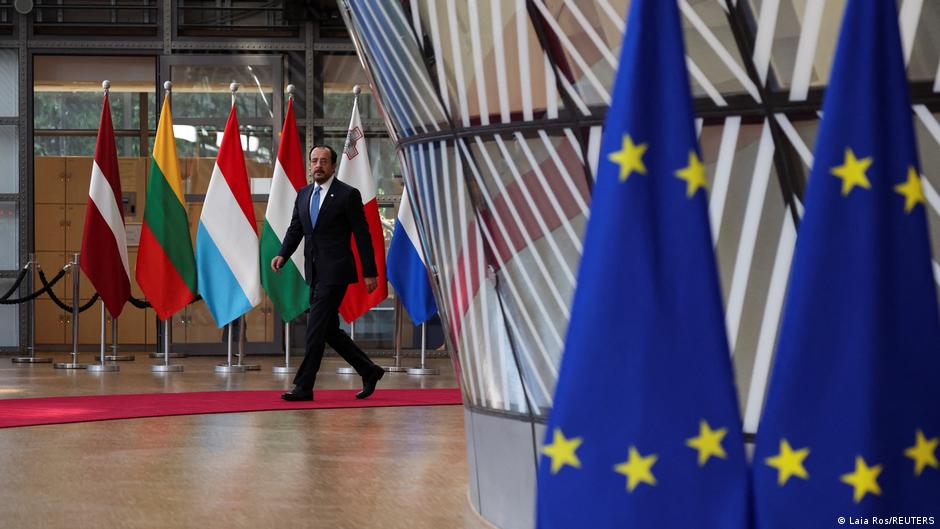
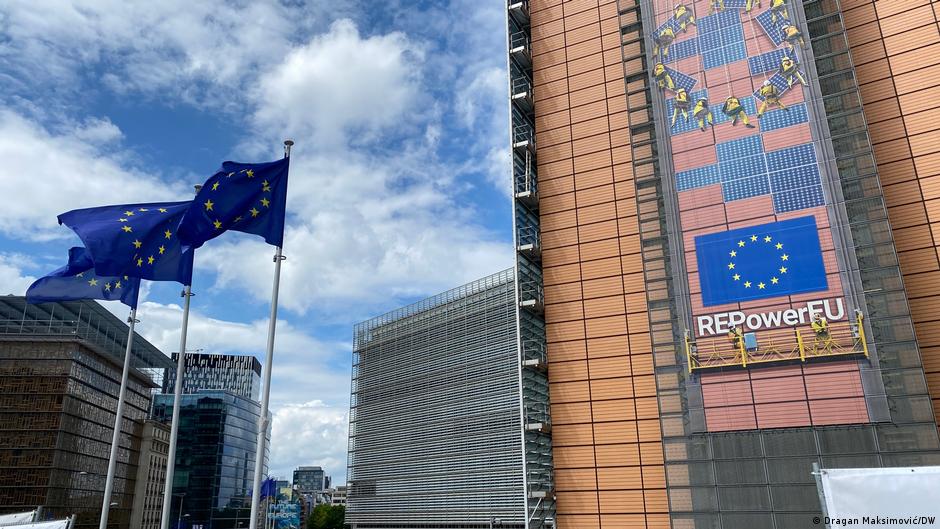
EU lawmakers approved a €115 million Agile programme to support small defence technology firms and accelerate innovation from 2027.

EU lawmakers approved a €115 million Agile programme to support small defence technology firms and accelerate innovation from 2027.

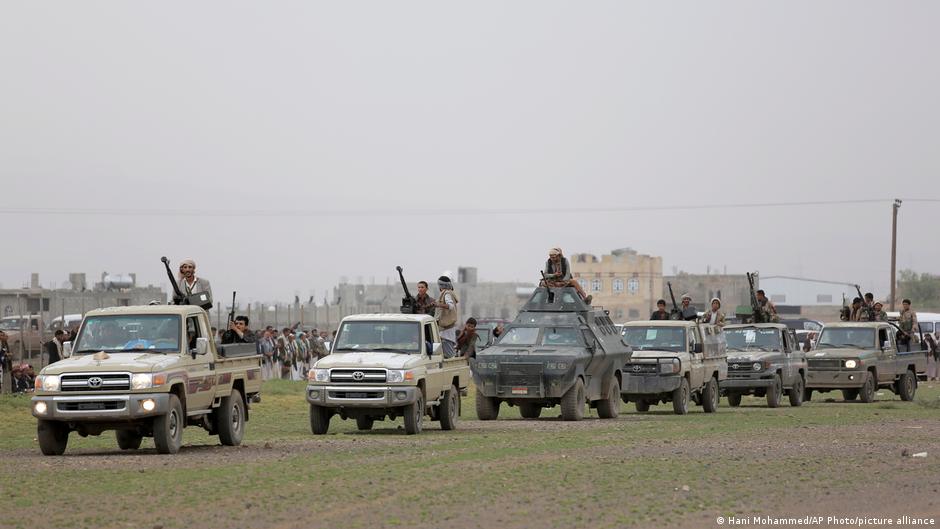
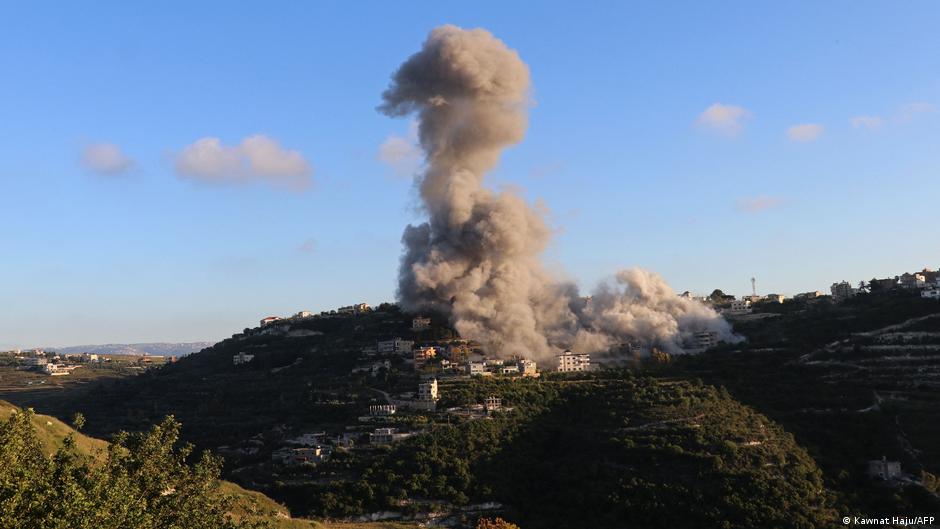
Yemen’s offensive against the Houthis raises risks for Red Sea shipping, energy markets and regional defense alignments.

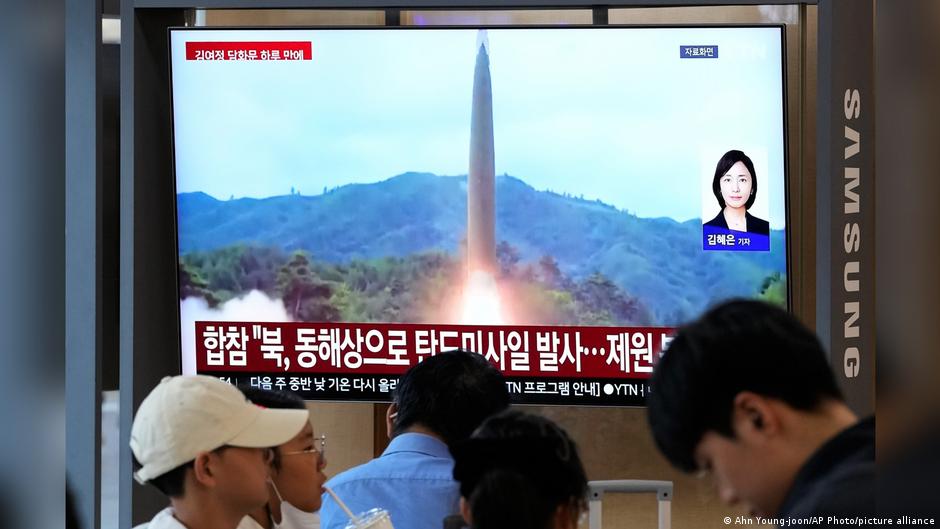
South Korea said North Korea launched at least one ballistic missile after a disputed border blast, renewing concern over regional risk.

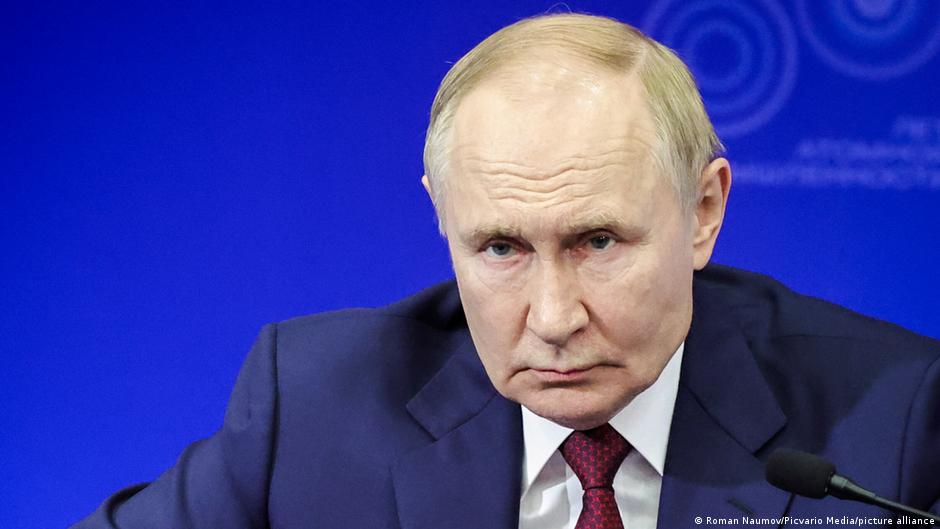
Putin’s Valdai speech sharpened nuclear rhetoric and blamed the West, reinforcing Europe’s long-term geopolitical and economic risk outlook.

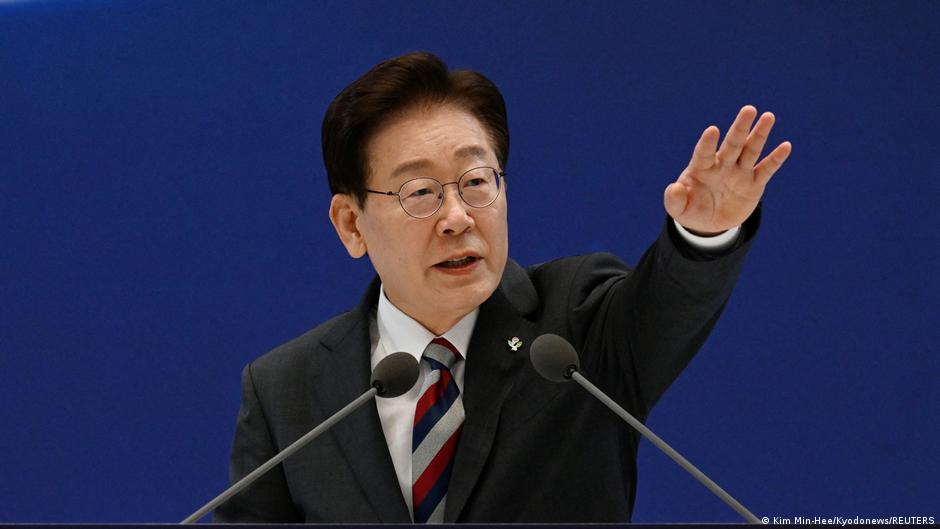
Seoul’s dispute with Kyiv over two North Korean prisoners raises risks for Ukraine support, defense policy and Northeast Asian stability.

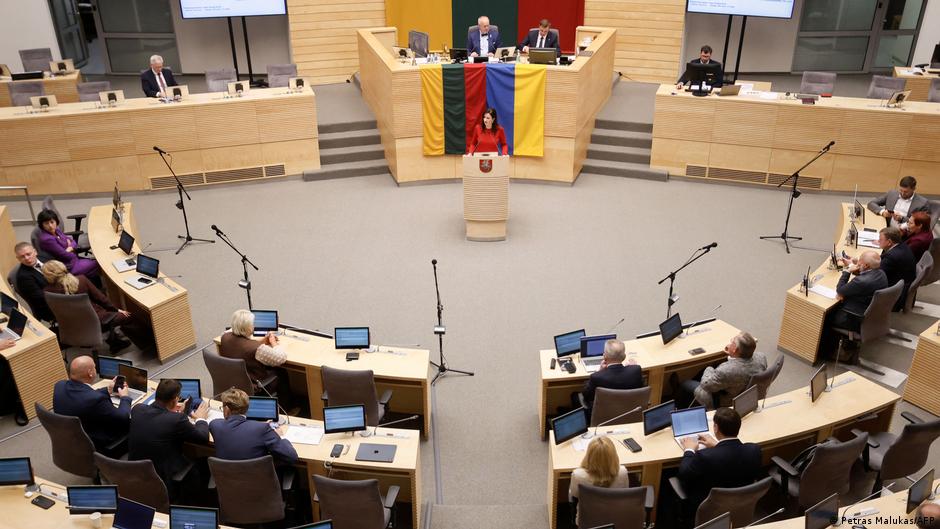
Lithuania’s planned property curbs signal how security policy is reshaping real estate, residency and foreign capital rules in Europe’s east.

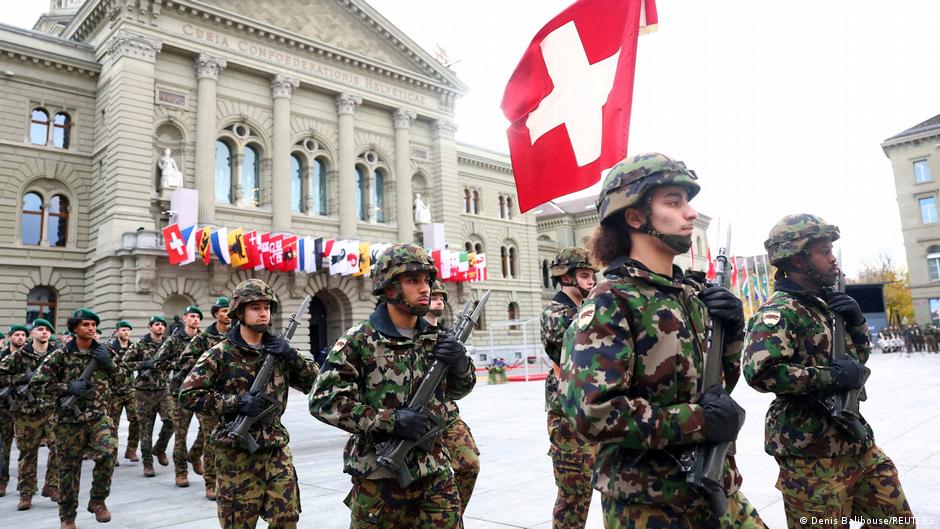
Swiss voters rejected a neutrality initiative that would have sharply limited sanctions policy, preserving Bern’s flexibility on economic statecraft.

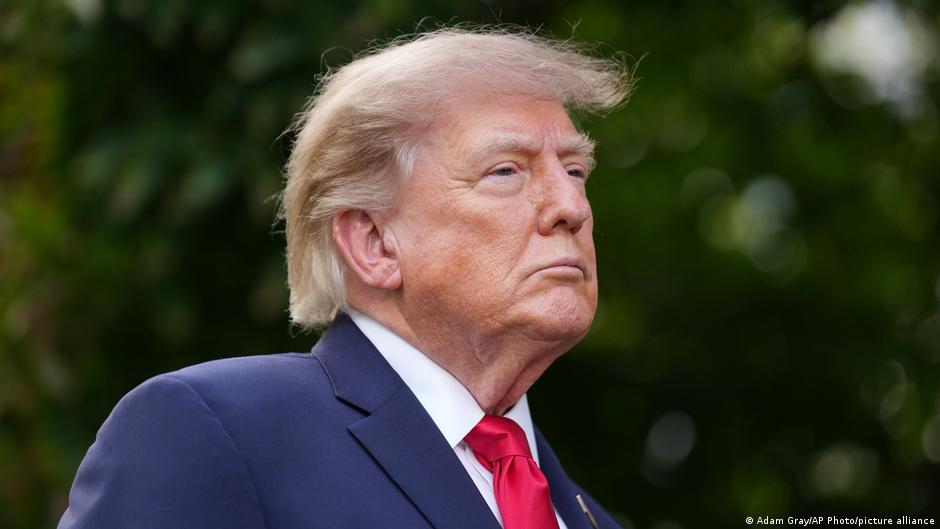
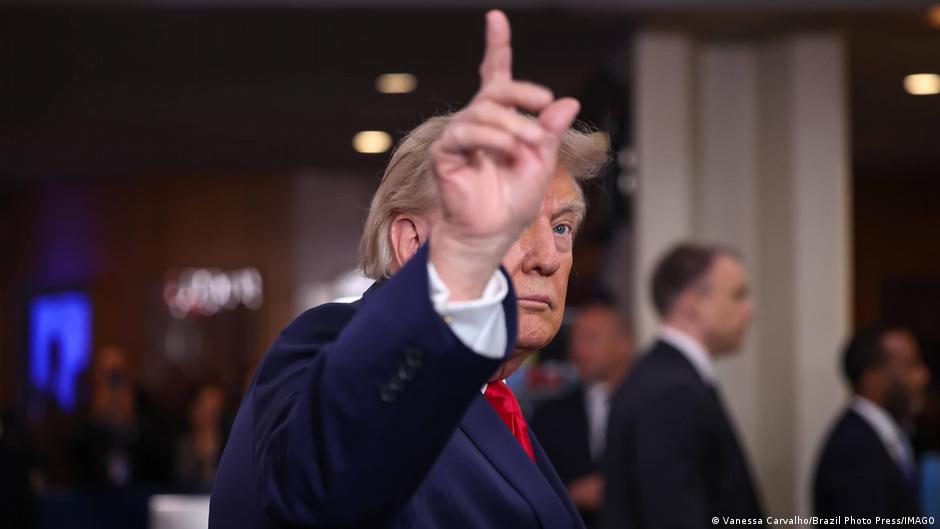
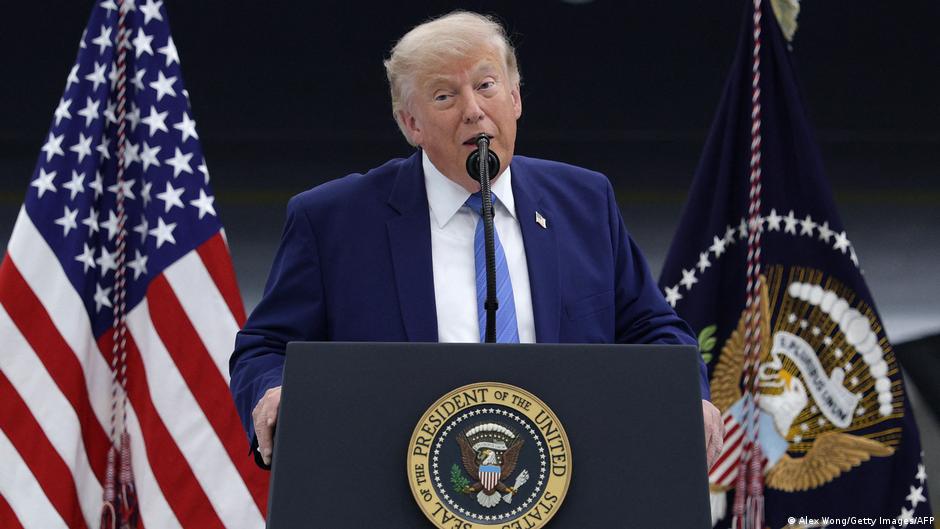
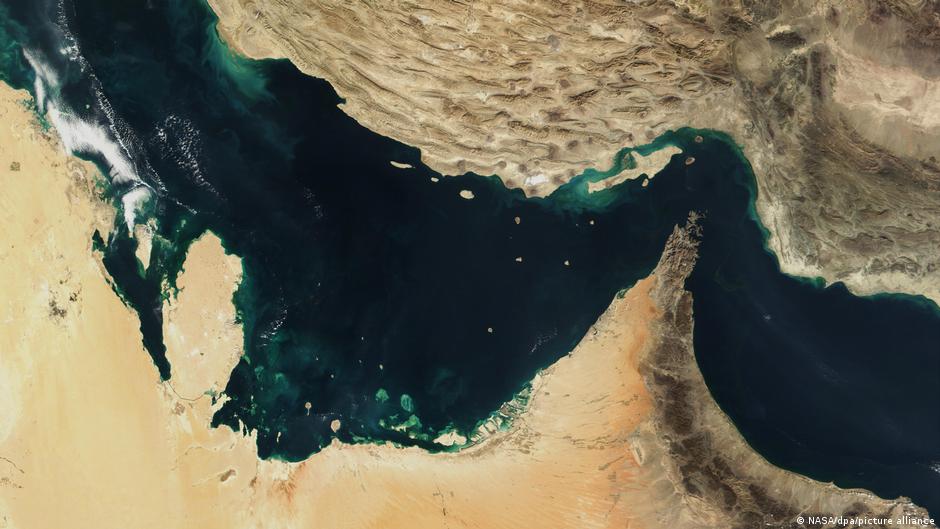
Trump expects new Iran talks as Washington rejects Tehran’s Hormuz plan, keeping energy markets and regional escalation risks in focus.

U.S.-Iran talks in New York may reopen diplomacy on sanctions, Hormuz shipping and Gulf security after Trump’s renewed threats.

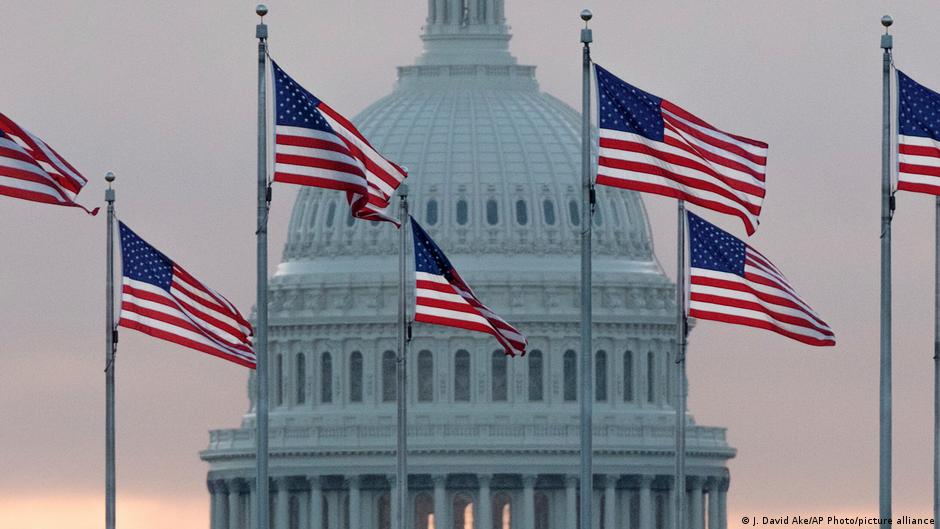
The House opened debate on a bill allowing 100% tariffs on major Russian energy buyers, raising stakes for energy markets and U.S. policy.

Saudi Arabia’s East-West pipeline shutdown could cut global oil supplies by 4% if repairs drag on, raising energy and inflation risks.

Belarus plans wider army readiness checks, including mobilization preparedness, as Ukraine warns of continued regional security risks.

France warned CNews it could face criminal proceedings if it airs expelled former RT France chief Ksenia Fedorova by video link.

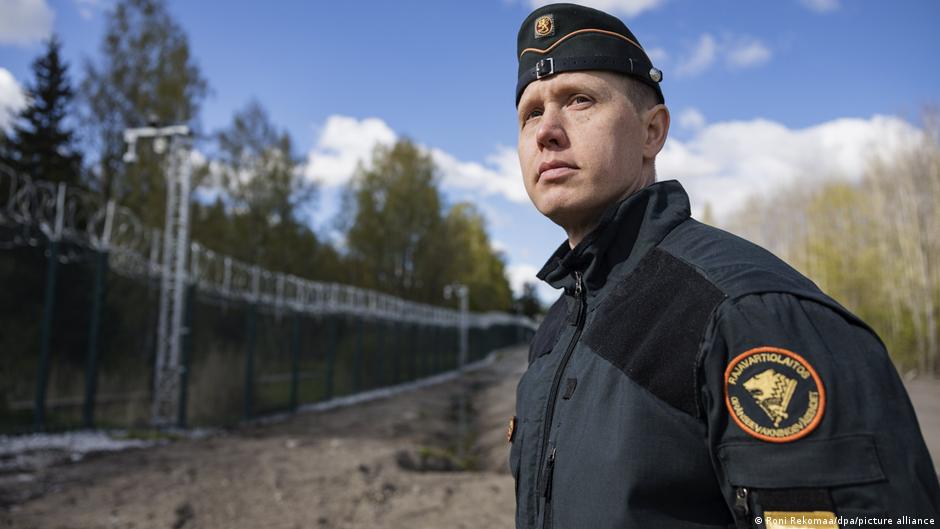
Finland has completed a 200-kilometer border fence with Russia, reflecting Europe’s shift toward security infrastructure amid geopolitical risk.

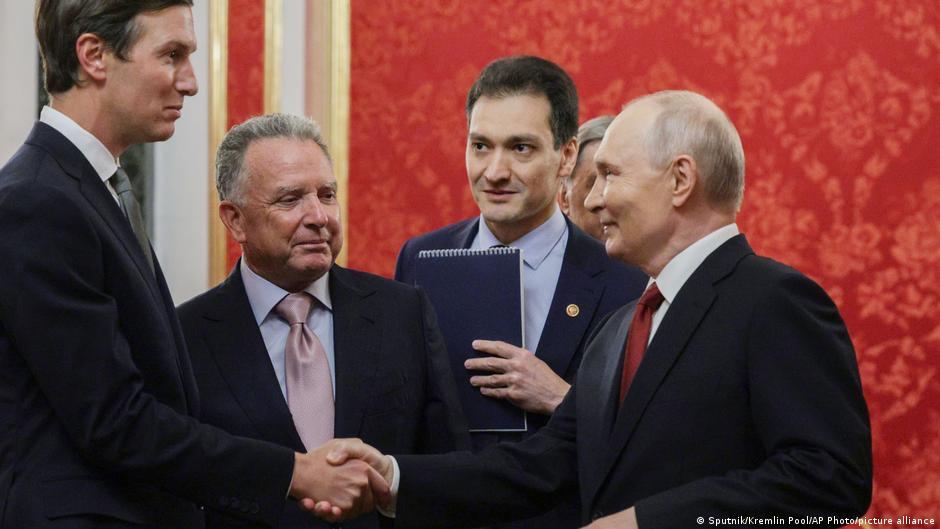
U.S. envoys discussed concrete Ukraine peace plans with Putin before Kyiv talks, raising major questions for sanctions, security and markets.

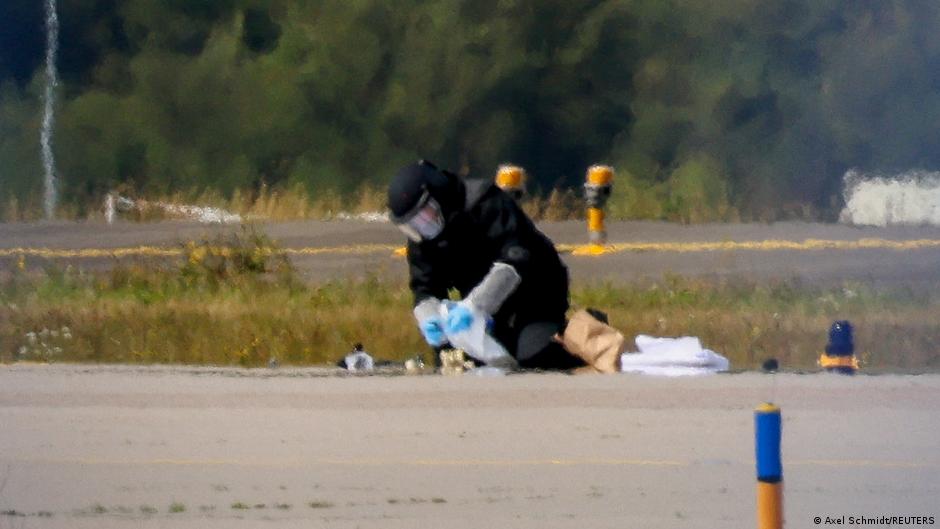
Latvia says a suspect in the Leipzig sabotage case had lived in Russia, as the incident drives wider EU security, sanctions and border-policy responses.

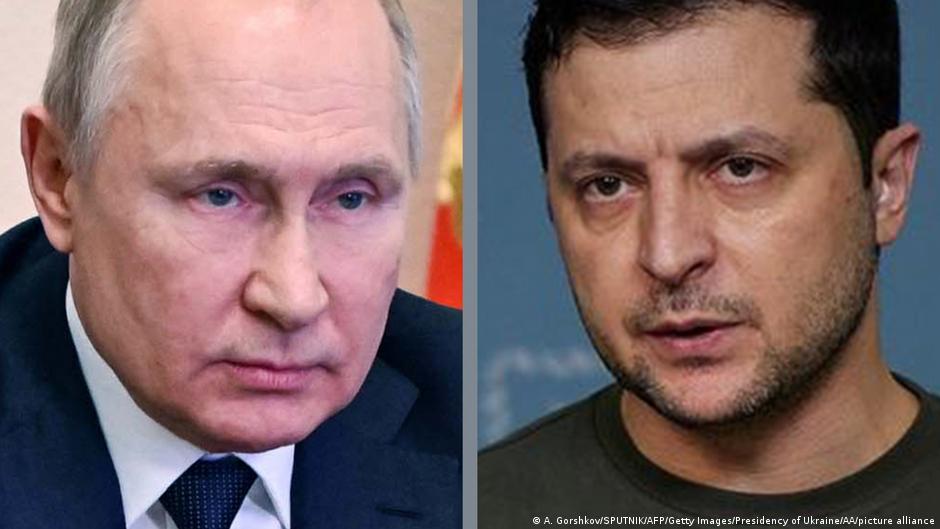
Putin and Zelensky signaled possible diplomatic movement as U.S. envoys prepare visits that could influence sanctions, trade risk and Europe’s economic outlook.

ICAO urged stronger protection for civilian aircraft near conflict zones after Ukraine warned that Russian airspace is becoming unsafe.

Putin told Pashinyan that Armenia's EU bid would effectively mean leaving the EAEU, deepening a dispute with regional trade and policy implications.

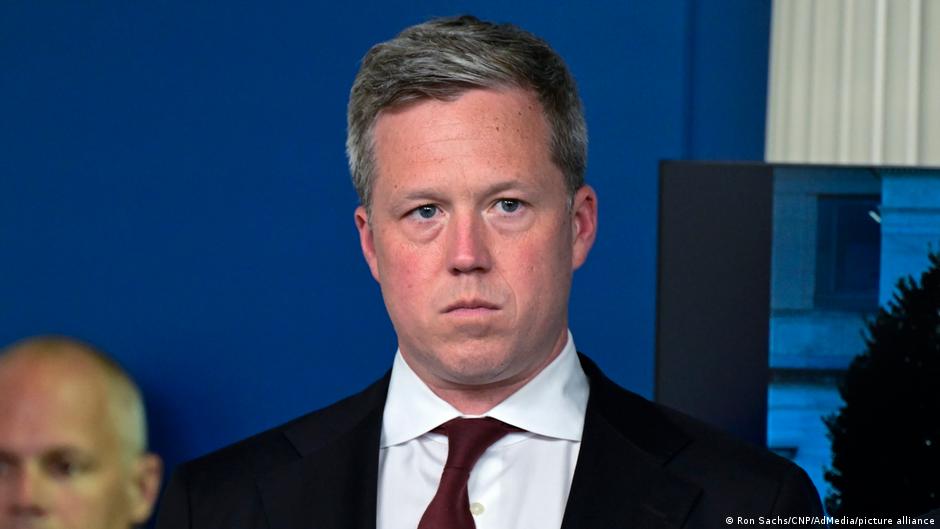
Daniel Driscoll’s reported resignation adds to Pentagon turnover and raises questions over U.S. defense policy, procurement priorities and wider economic effects.

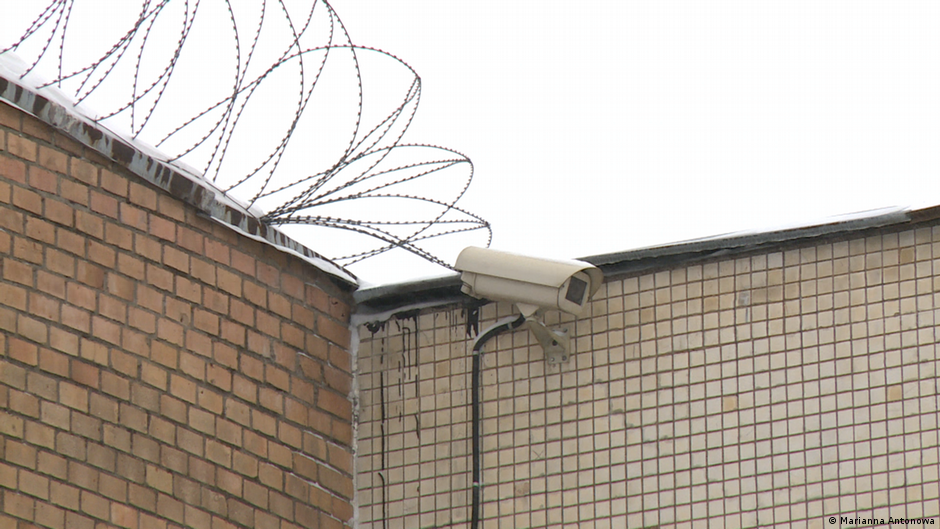
Former Kremlin-aligned blogger Ilya Remeslo faces detention for criticizing Putin and the Ukraine war, highlighting Russia's escalating suppression of dissent amid ongoing conflict.

Finland summoned the Russian ambassador after an Il-20 aircraft briefly entered its airspace, highlighting regional security tensions with potential economic ramifications.

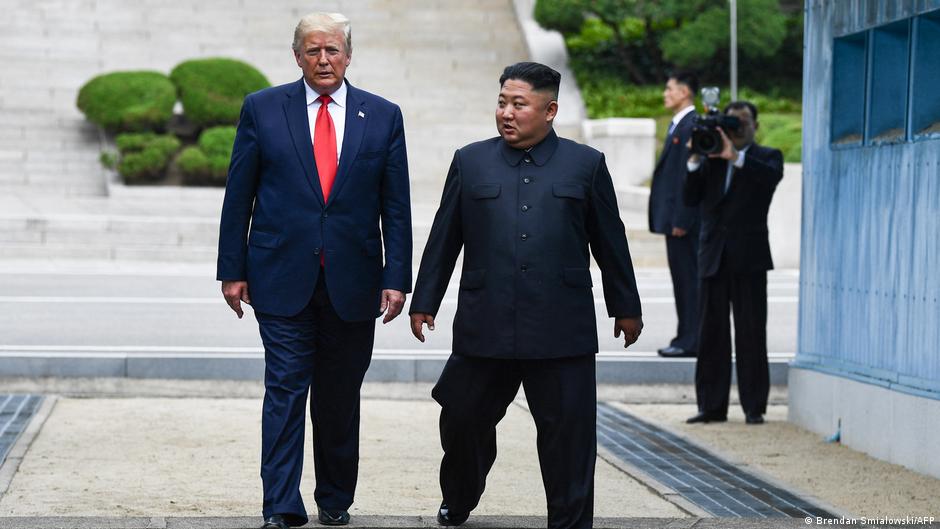
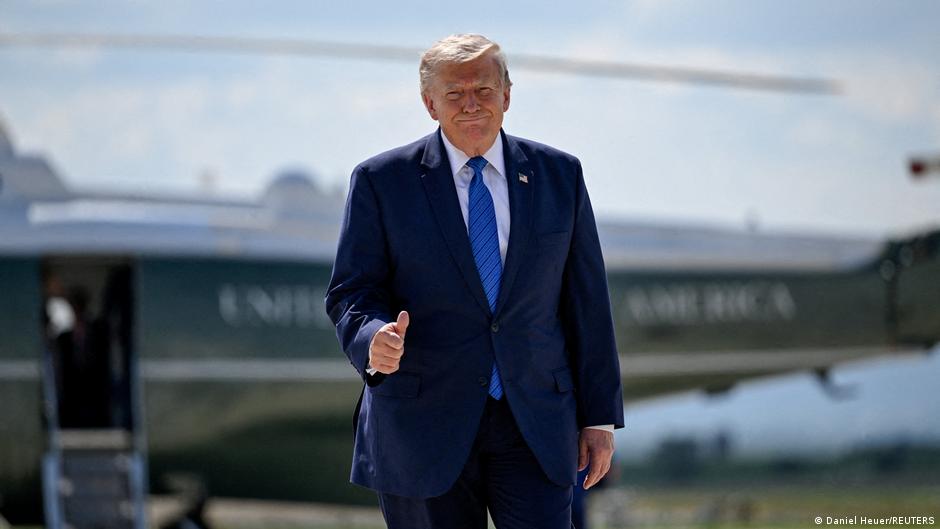
President Trump plans to meet Kim Jong Un during November's APEC summit to revive stalled nuclear negotiations, with significant implications for regional security and global economic stability.

Trump threatens Oman with military strikes over Strait of Hormuz negotiations amid US-Iran tensions, risking global oil market stability.

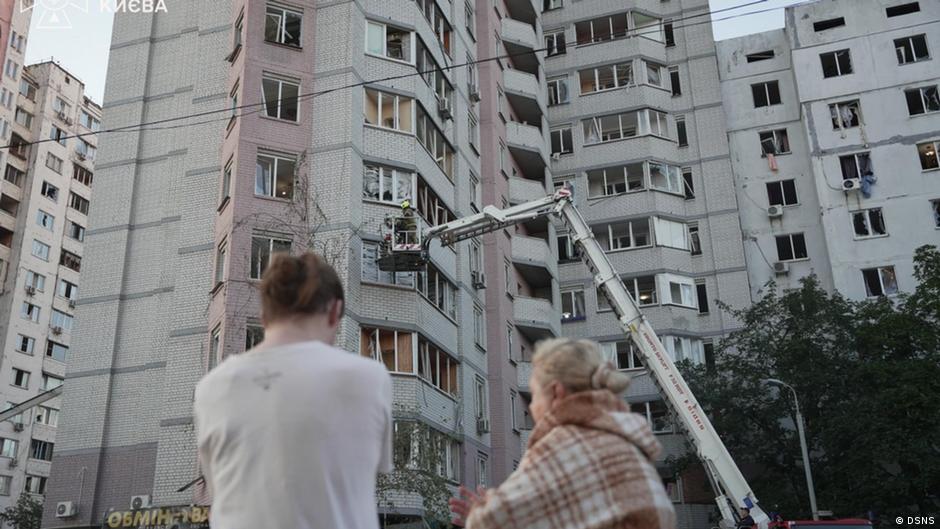
Russian forces attacked Kyiv and Kryvyi Rih with missiles and drones, causing casualties and damage to critical infrastructure, highlighting growing economic and geopolitical risks.

The US imposes tariffs up to 100% on imported drones and components to enhance national security and reduce reliance on foreign suppliers amid rising global tensions.

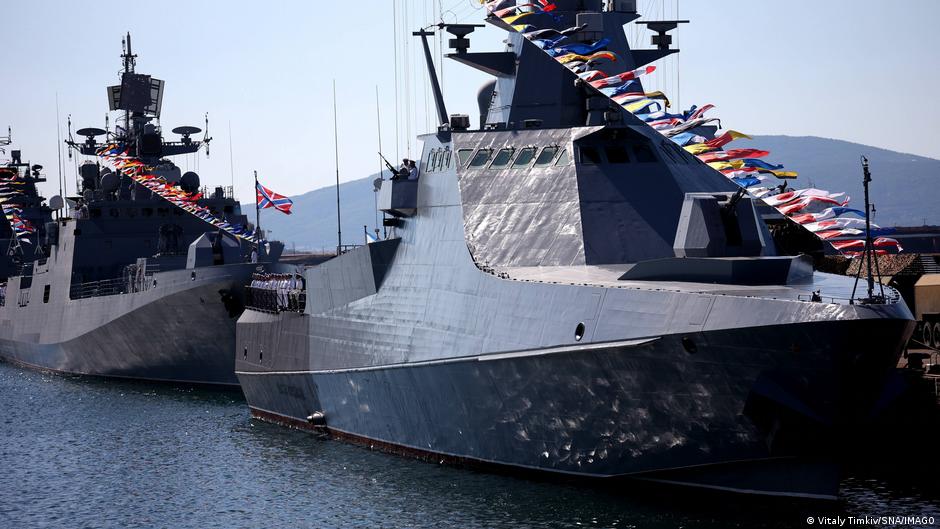
Ukraine claims successful strikes on Russian naval vessels and key infrastructure in Novorossiysk, impacting military capabilities and critical export terminals.

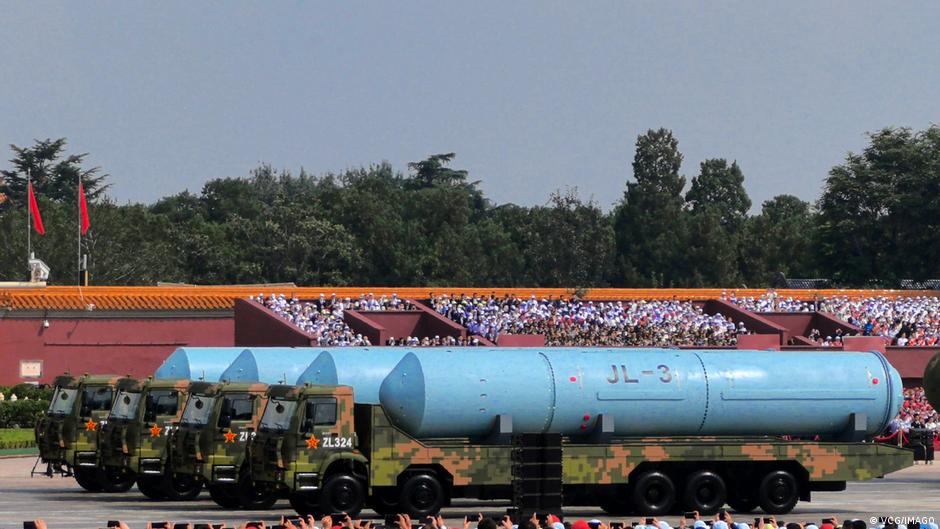
Over 40 countries call for mandatory 24-hour advance notices on ballistic missile tests, emphasizing transparency to reduce risks and strengthen global security.

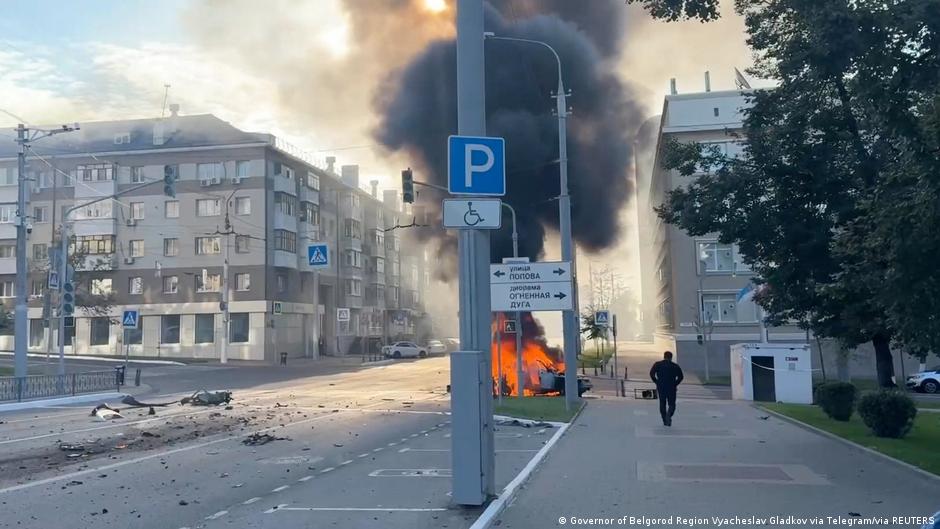
Drone attacks on the Russian border city Belgorod caused injuries and significant damage to residential and energy infrastructure, raising concerns about regional stability and economic impacts.

Russia's designation of the American Human Rights Foundation as 'undesirable' reflects growing geopolitical tensions and signals potential risks for international economic engagement.

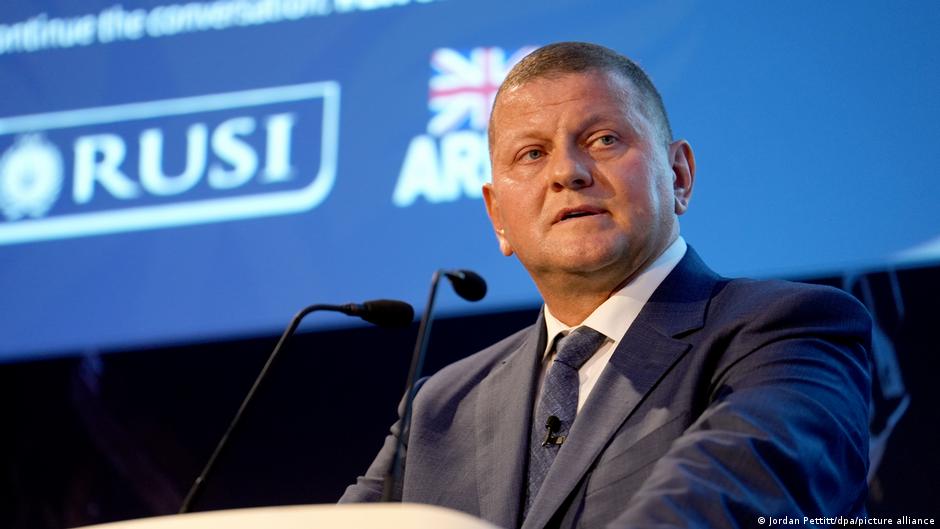
Ukraine’s former military chief Valeriy Zaluzhny forecasts slim chances of NATO membership, urging Kyiv to pursue emerging regional defense coalitions amid evolving security dynamics.

President Trump announced new talks with Iran starting August 3, delaying further military strikes and signaling a potential shift toward diplomacy amidst Middle East tensions.

Ukraine warns of Russia's planned expanded mobilization in autumn 2026 and increased military cooperation with North Korea, underscoring global economic and geopolitical risks.
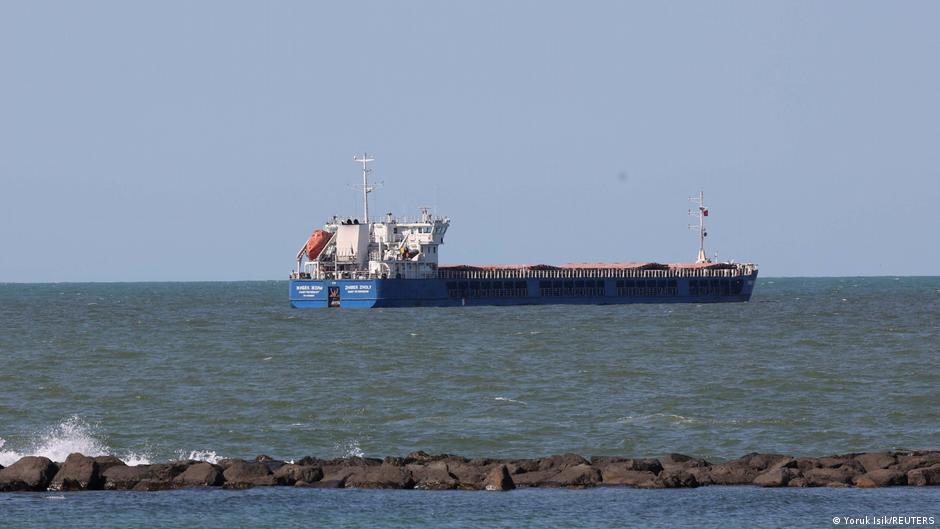
Ukraine's strikes on Wildberries warehouses in Russia and Crimea disrupt logistics, exposing vulnerabilities in supply chains and signaling broader economic risks amid the regional conflict.

Russian forces launched a combined strike on Izyum, Ukraine, using guided bombs and drones, causing casualties and infrastructure damage with significant economic implications.

Russia has closed the Azov-Don Canal indefinitely following Ukrainian drone attacks on vessels, disrupting grain exports and driving wheat prices higher amid escalating regional tensions.

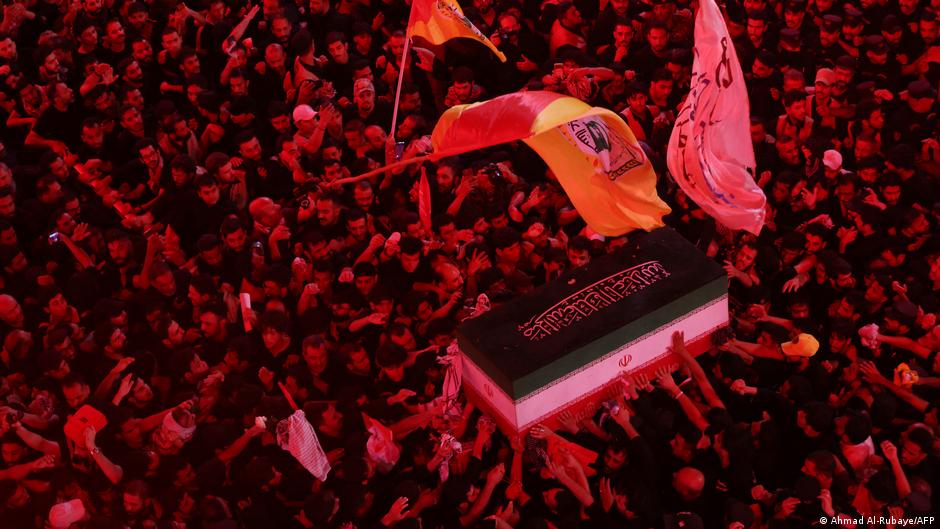
Iran held a private funeral for former Supreme Leader Ali Khamenei amid ongoing U.S.-Iran tensions, with uncertainties around leadership succession and renewed regional hostilities.

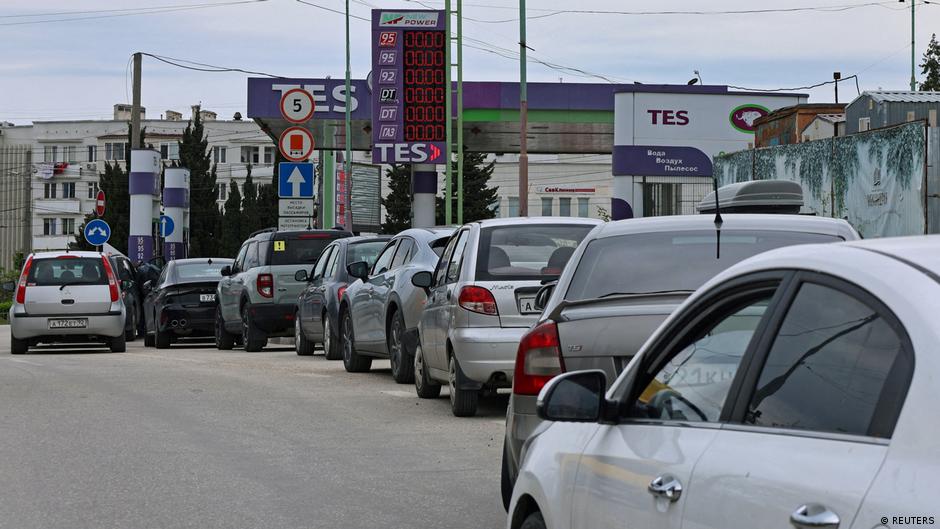
Fuel prices in Crimea have surged nearly 80% in one week amid Russia’s export restrictions and supply shortages, signaling broader energy market challenges and policy shifts.

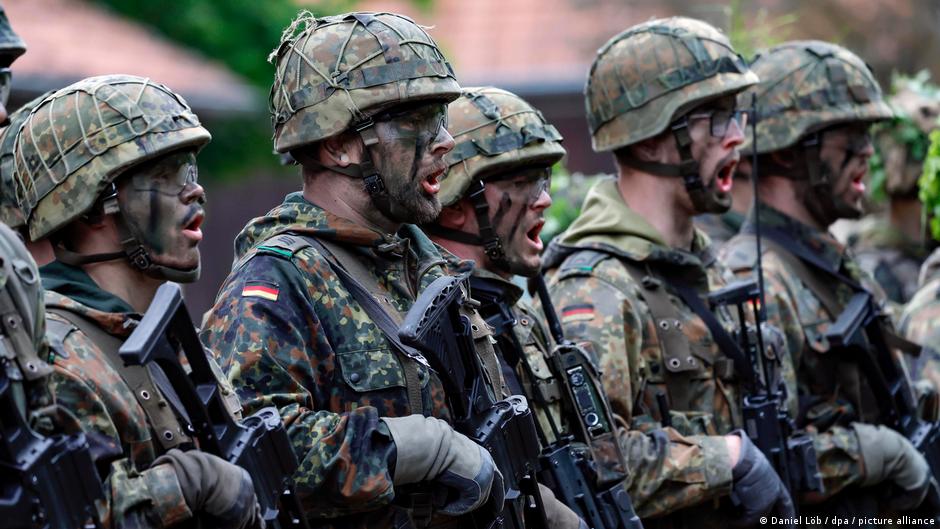
Germany plans a record €124.7 billion defense budget for 2026, marking a 25.5% rise and signaling a major shift in European security and economic policy.

Germany’s 2027 budget increases defense spending and borrowing amid Russian security concerns, raising questions about economic growth and fiscal sustainability.

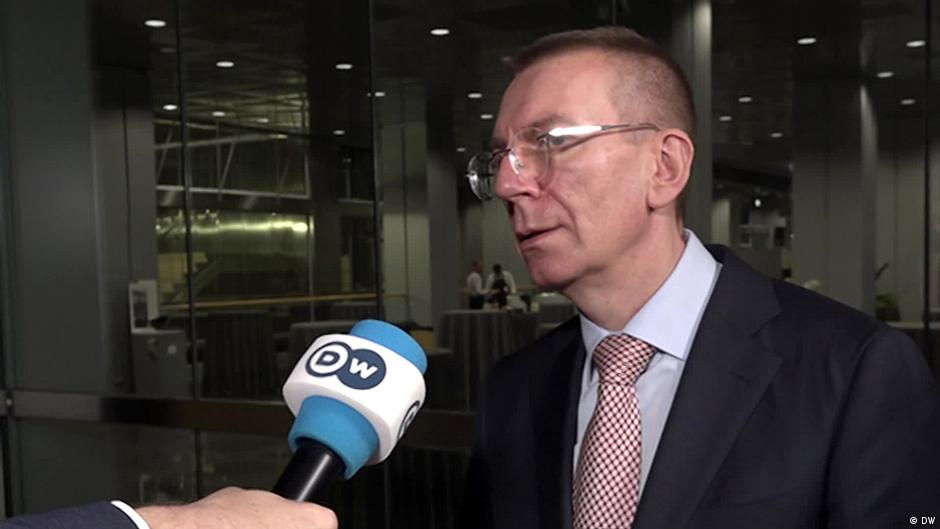
Latvian President Edgars Rinkēvičs warns NATO to prepare for potential escalation with Russia, stressing the need for increased military capabilities and clear deterrence signals to Moscow.

US forces struck Iranian military sites following attacks on commercial vessels in the Strait of Hormuz, heightening geopolitical risks to global energy supply and economic stability.

The U.S. Senate passed a non-binding resolution urging troop withdrawal from Iran conflict zones, reflecting growing concerns amid ongoing peace negotiations and regional instability.

The US and Iran have agreed on a communication channel to prevent incidents in the Strait of Hormuz, setting a 60-day roadmap to finalize broader agreements impacting regional security and global energy markets.

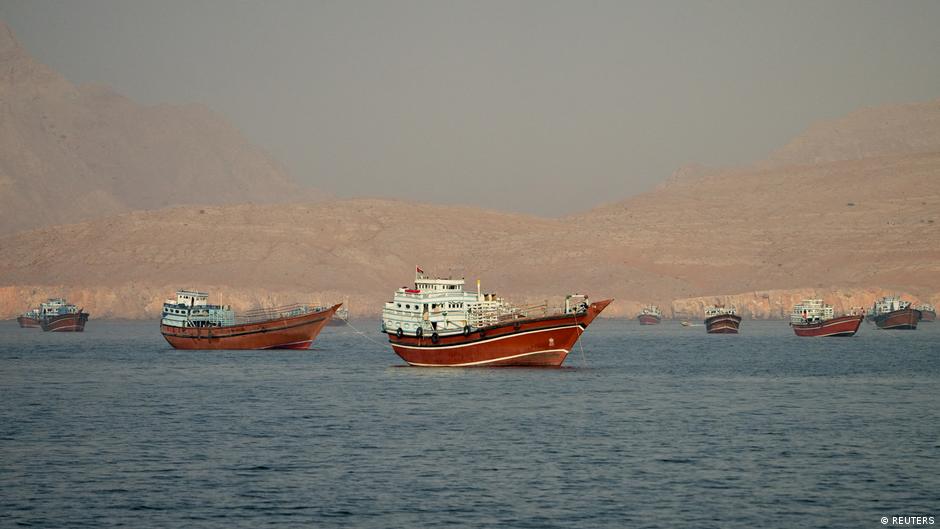
The US threatens to impose fees for passage through the Strait of Hormuz if Iran deal fails, highlighting risks to global oil supply and maritime security.

U.S. intelligence warns Israel may attempt to undermine the U.S.-Iran nuclear deal, risking increased Middle East instability and complicating global economic and policy landscapes.

The EU has agreed to extend sanctions on Russia to one year, reflecting a strategic shift enabled by political changes in Hungary and signaling intensified economic pressure on Moscow.

Pakistan announces the immediate reopening of the Strait of Hormuz following a US-Iran memorandum, signaling a major shift with global economic implications.

US airstrikes on Iran prompt Tehran to close the strategic Strait of Hormuz, escalating geopolitical risks with major consequences for global energy markets and economic stability.

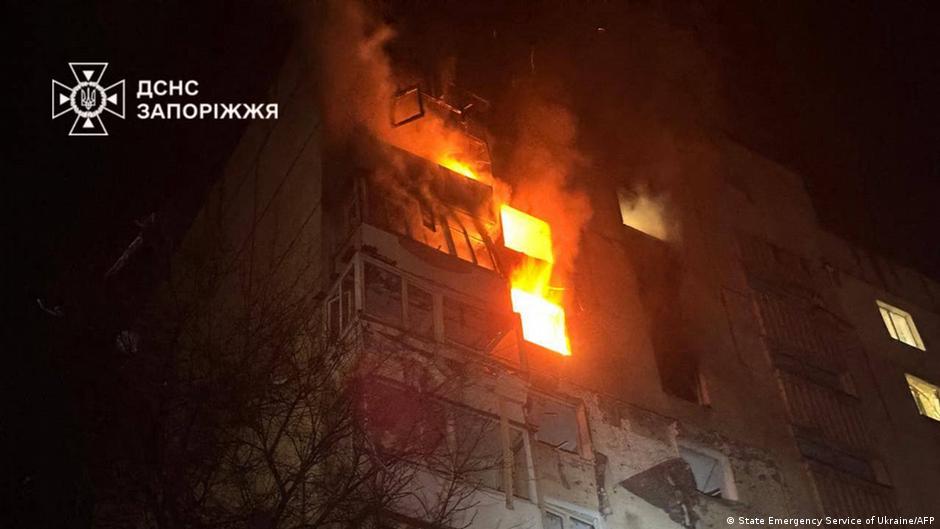
Russian drone strikes on Ukrainian residential areas cause civilian casualties and infrastructure damage, highlighting escalating conflict with significant economic and policy implications.