Repeated Attacks on Wildberries Warehouses in Russia Highlight Risks to Supply Chains
Ukraine's strikes on Wildberries logistics hubs in Russia and annexed Crimea raise concerns over regional supply chain stability and economic repercussions.
In July 2024, several logistics centers of Wildberries (WB), Russia’s largest e-commerce platform, were targeted in coordinated attacks attributed to Ukrainian forces. Incidents were reported in the Leningrad region near Saint Petersburg, Tver, and the annexed Crimean city of Simferopol. The strikes signal an escalating impact on Russian domestic supply chains amid ongoing geopolitical tensions.
Scope and Immediate Effects of the Attacks
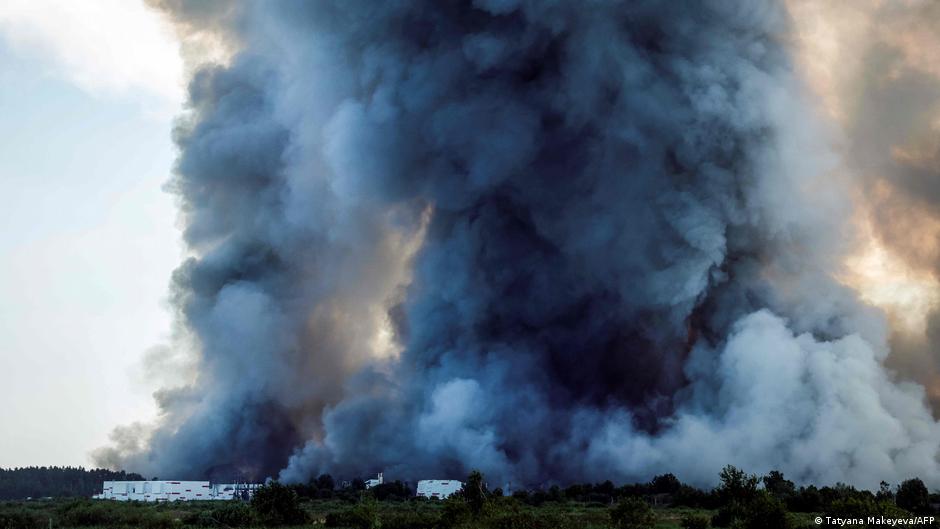
On the night of July 24, fires broke out at WB warehouses following missile or drone strikes, according to multiple open-source reports and eyewitness footage circulated on social media platforms. The logistics complex near the village of Novosaratovka in the Vsevolozhsky district, adjacent to Saint Petersburg’s administrative boundary, was among the hardest hit. Videos showed thick plumes of black smoke rising over the city, with at least two distinct fire outbreaks reported simultaneously.
The company confirmed temporary suspension of operations at its logistics hubs in the Saint Petersburg suburbs of Shushary and Utkina Zavod. Additionally, warehouses in Tver and Simferopol experienced fires, prompting evacuations of sorting centers in accordance with safety protocols.
"The temporary halting of Wildberries’ logistics operations in multiple regions underscores vulnerabilities in critical e-commerce infrastructure amidst geopolitical conflicts," industry analysts note.
Further complicating the situation, unverified reports indicated an attack on an electrical substation in Sudak, Crimea, leading to power and water supply disruptions in the area. Official confirmations remain pending.
Broader Economic and Strategic Implications
These recent attacks follow a pattern of targeted strikes on Wildberries facilities that began earlier in July. Previous incidents damaged substantial warehouse spaces in Moscow’s suburbs and regions including Tambov, Krasnodar, and Stavropol, cumulatively affecting over 500,000 square meters or approximately 10% of Wildberries’ logistics infrastructure.
On July 18, strikes on warehouses in Kotovsk, Tambov region, and Elektrostal near Moscow resulted in casualties and injuries. Ukrainian President Volodymyr Zelensky justified these operations as retaliation for Russian attacks on civilian infrastructure in Ukraine, claiming these logistics centers were indirectly supporting military production by supplying components for drones and navigation systems.
For Russia, the disruption of Wildberries’ distribution network threatens to exacerbate supply chain bottlenecks and undermine consumer market stability. Wildberries serves millions of customers across Russia and neighboring territories; damage to its logistics capabilities can ripple across retail sectors, impacting economic activity and employment.
From a global macroeconomic perspective, the attacks illustrate the growing risk of conflict spillover into commercial infrastructure, with significant long-term consequences for trade, investment, and regional economic integration. Companies operating in conflict-adjacent zones face increasing operational risks, potentially driving supply chain restructuring and shifts in investment priorities.
Moreover, these events may prompt policy recalibrations as governments seek to safeguard critical supply chains against asymmetric threats. Enhanced security measures, diversification of logistics networks, and increased geopolitical risk assessments are likely to become priorities for businesses and policymakers alike.
As the conflict persists, the Wildberries case serves as a poignant example of how geopolitical tensions translate into tangible disruptions in commercial ecosystems, underlining the intricate link between security and economic resilience in the contemporary global landscape.