Ukraine Pauses Russian Refinery Strikes as US Election Risks Mount
Ukraine’s reported refinery-strike pause shows how US electoral pressure, fuel prices and dependence on American technology are reshaping wartime strategy.

Ukraine’s reported refinery-strike pause shows how US electoral pressure, fuel prices and dependence on American technology are reshaping wartime strategy.

Britain and the Netherlands are combining winter defence assistance with loans, guarantees and multiyear funding for Ukraine’s reconstruction.

The Pentagon watchdog’s refusal to investigate Starlink disruptions intensifies debate over private control of critical defense communications.

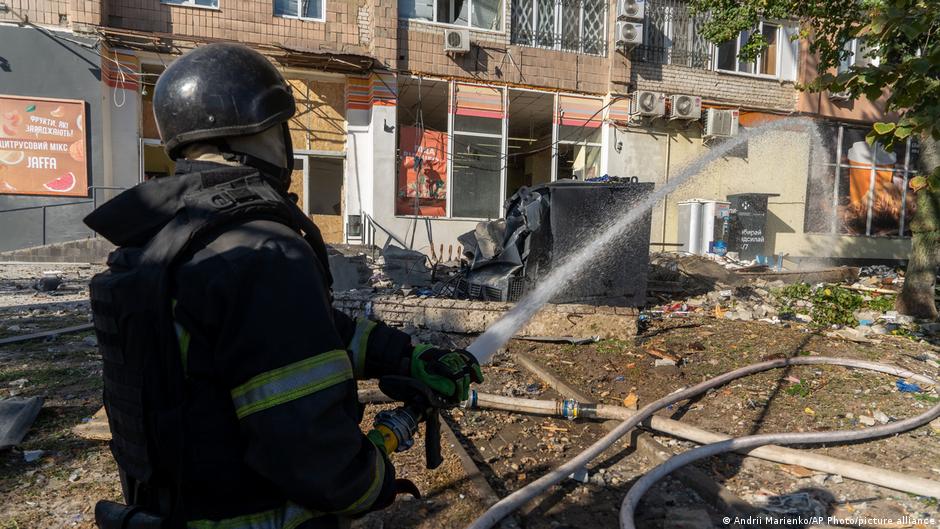
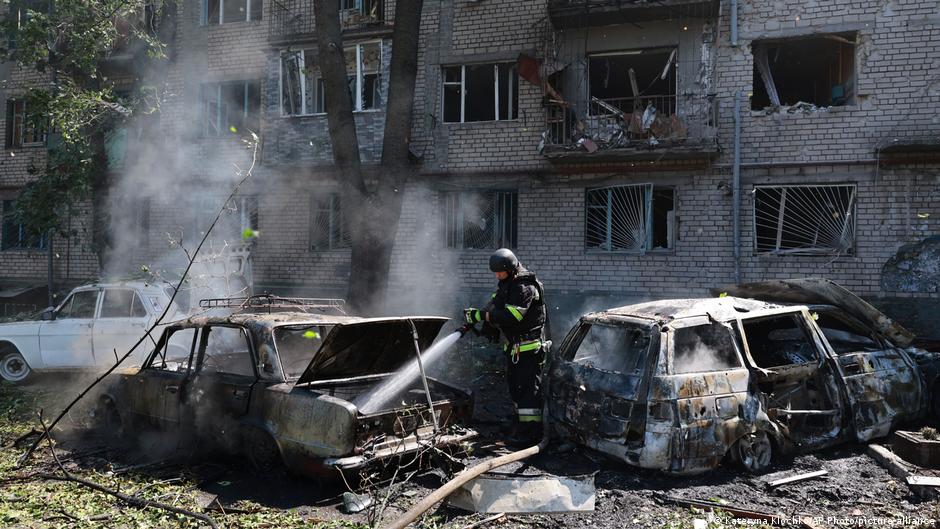
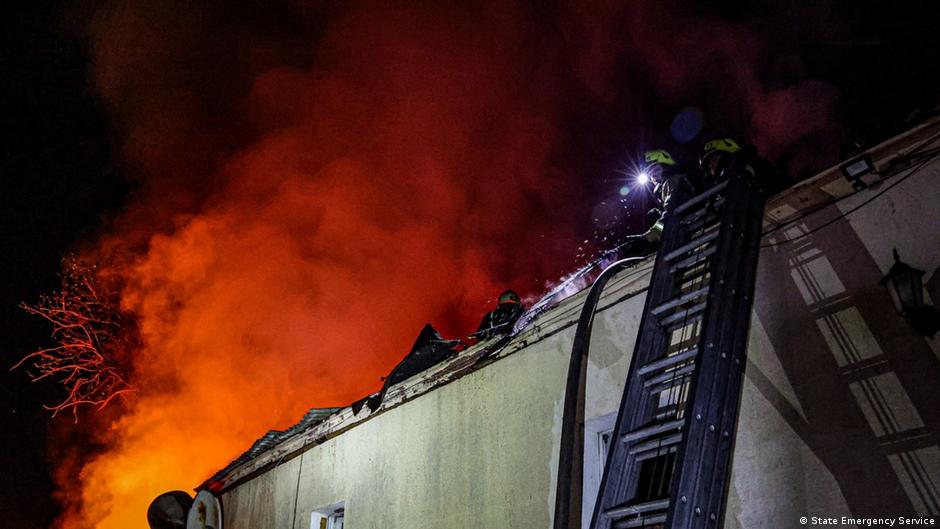
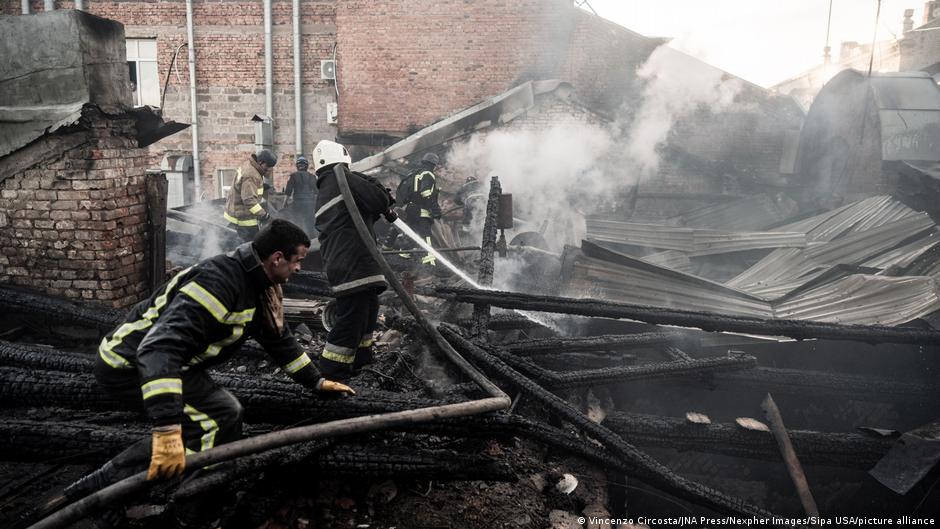
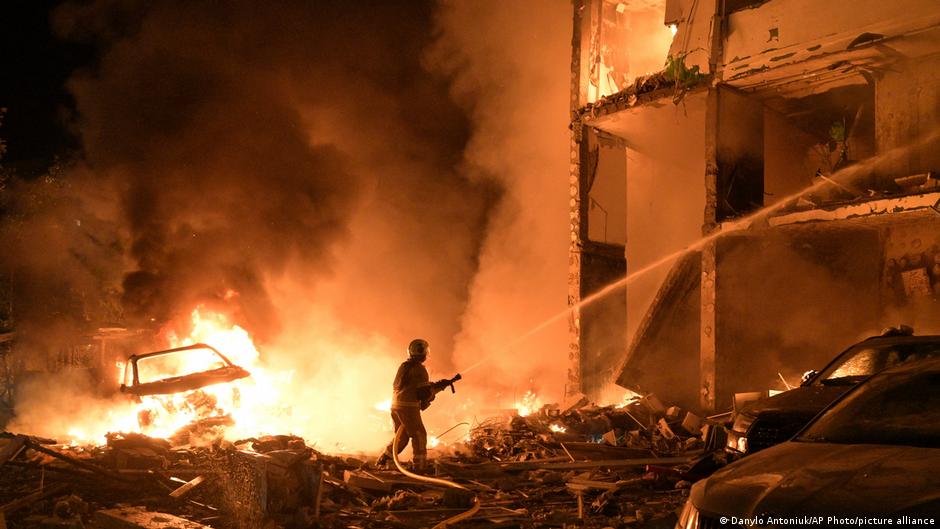
A Russian drone strike injured four people in Kharkiv and damaged homes and a production building, adding to Ukraine’s human and economic burden.

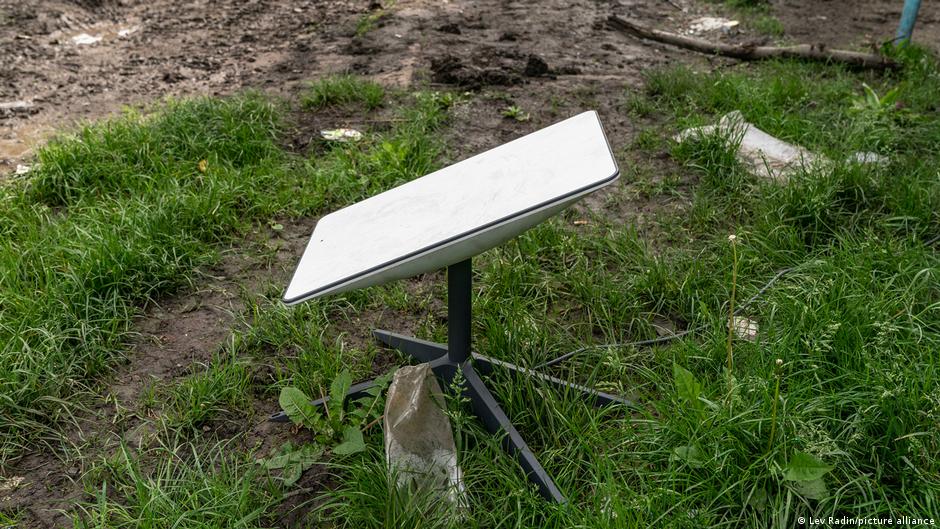
Ukraine says Starshield speed limits remain in force, exposing strategic and economic risks tied to private infrastructure and delayed allied support.

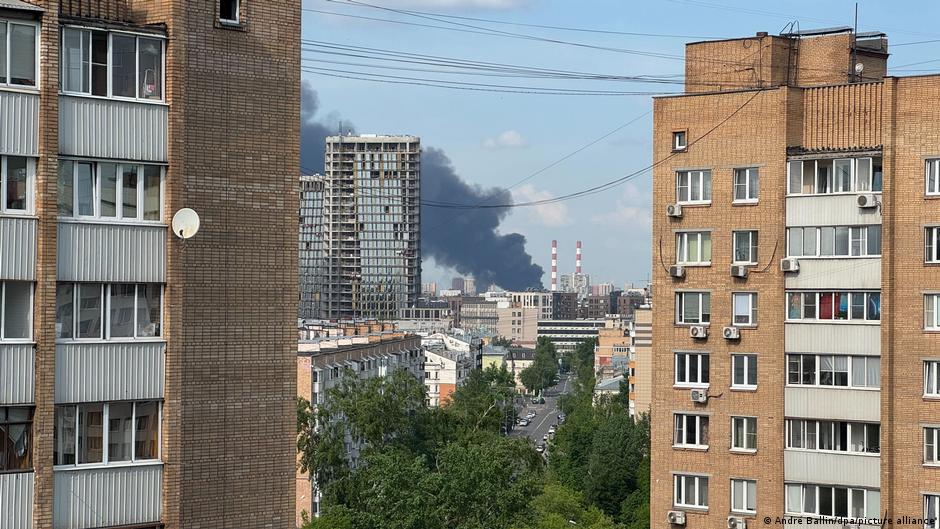
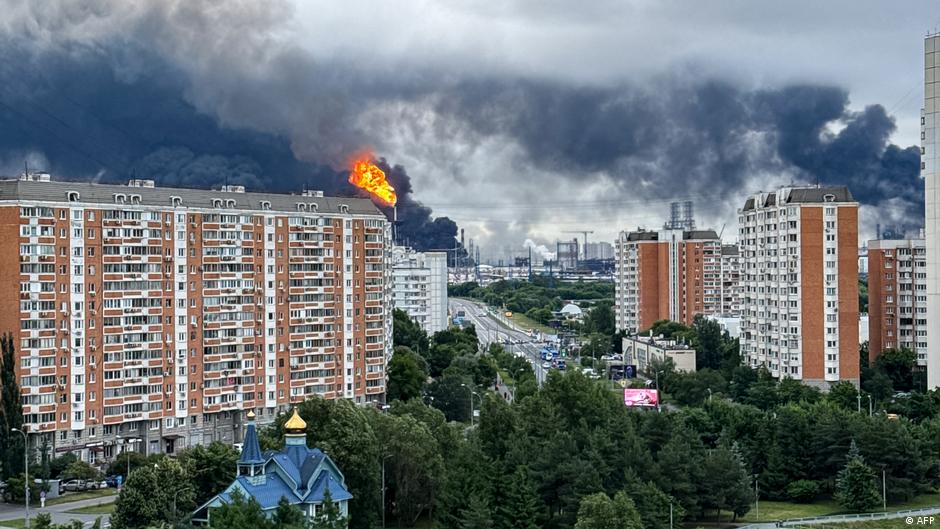
Russian officials reported more than 100 drones destroyed near Moscow as airport limits, aircraft diversions and regional damage exposed wider economic risks.

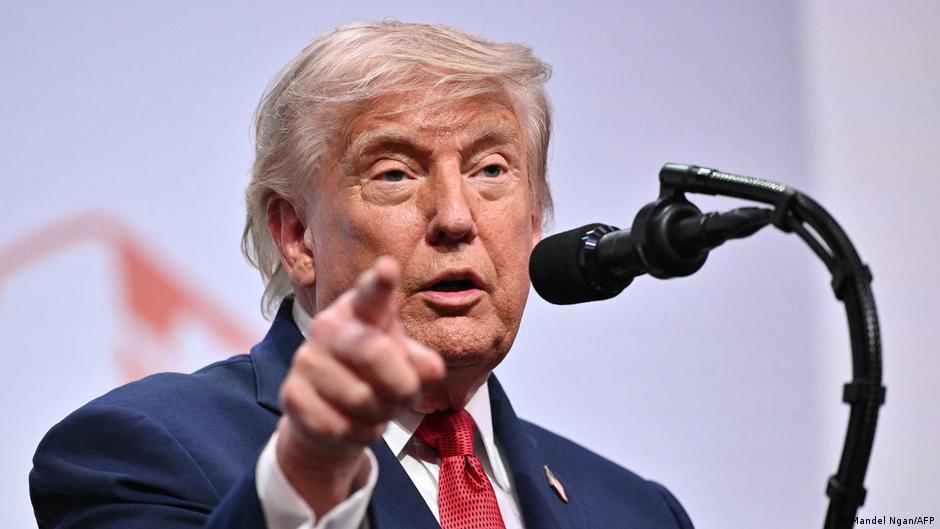
Trump said Putin is more interested than Zelensky in a Ukraine peace deal as Kyiv urged U.S. pressure over an energy ceasefire.

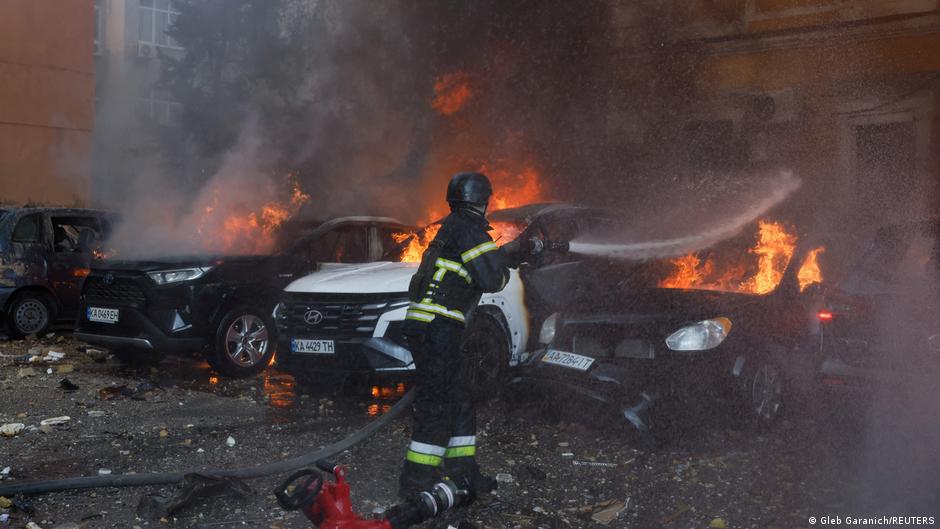
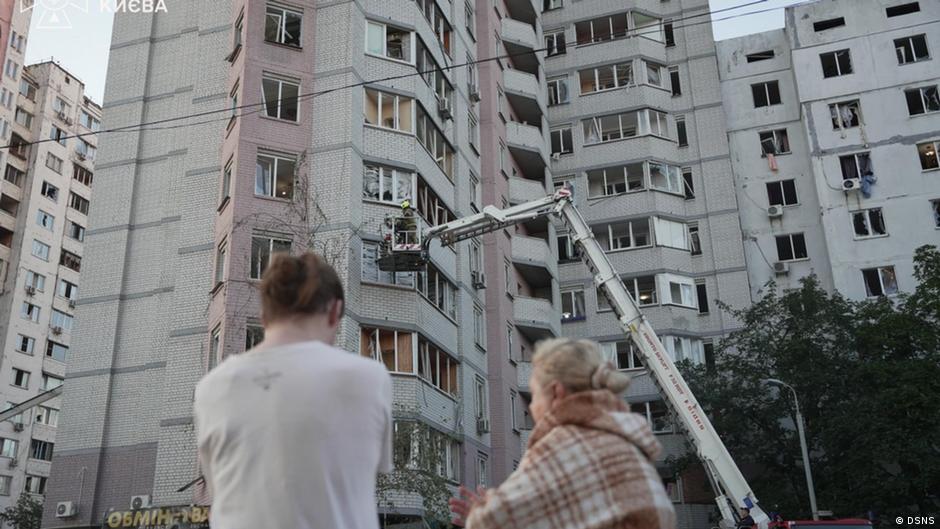
Russian strikes on Kyiv killed two people during the day and continued overnight, adding pressure to Ukraine’s urban economy and public finances.

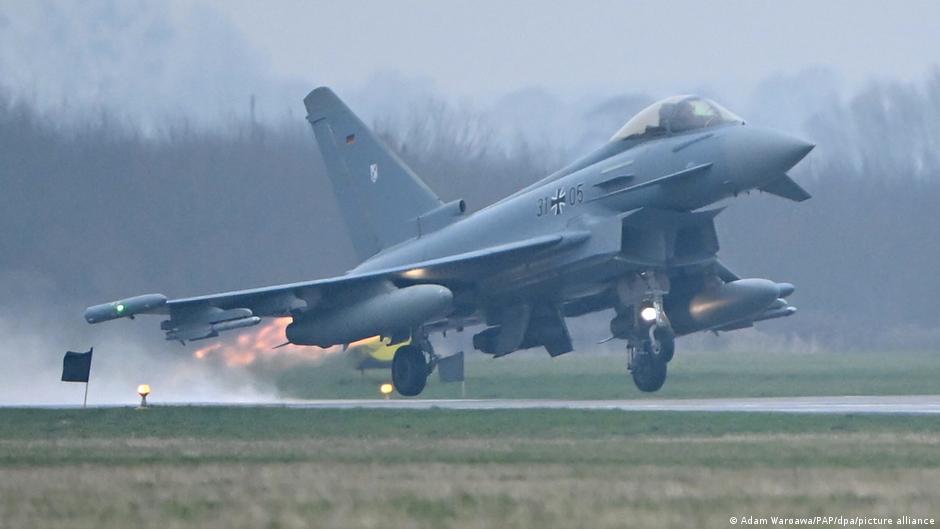
Germany sent four Eurofighters to Latvia for election-period air security, reinforcing NATO’s Baltic deterrence posture amid repeated airspace violations.

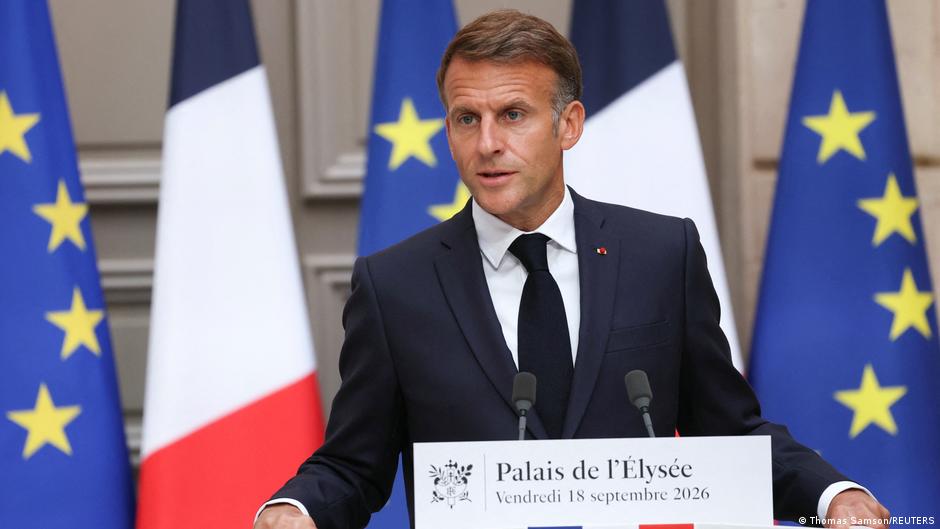
Macron says France sees a Russian mobilization of about 300,000 people as plausible, warning Europe could face wider hybrid pressure.

Trump’s warning over EU-Canada ties highlights rising trade fragmentation and the growing use of tariffs as geopolitical leverage.

Zelensky expects late-September US talks on food and energy security as Ukraine warns of Black Sea export disruption and infrastructure attacks.

Russian strikes killed civilians in Sumy and Mykolaiv while damaging port, warehouse, postal and civilian infrastructure, deepening Ukraine’s economic exposure.

Russia’s covert sabotage of European defense factories tests NATO’s unity and resilience, posing strategic and economic challenges across the alliance.

Russia has revised medical restrictions, allowing individuals with limb disabilities to drive public transport, aiding veteran reintegration and addressing labor shortages amid demographic challenges.

NATO confirms readiness to respond to Iranian threats targeting military bases in Bulgaria and Cyprus, highlighting rising geopolitical tensions with potential economic fallout.

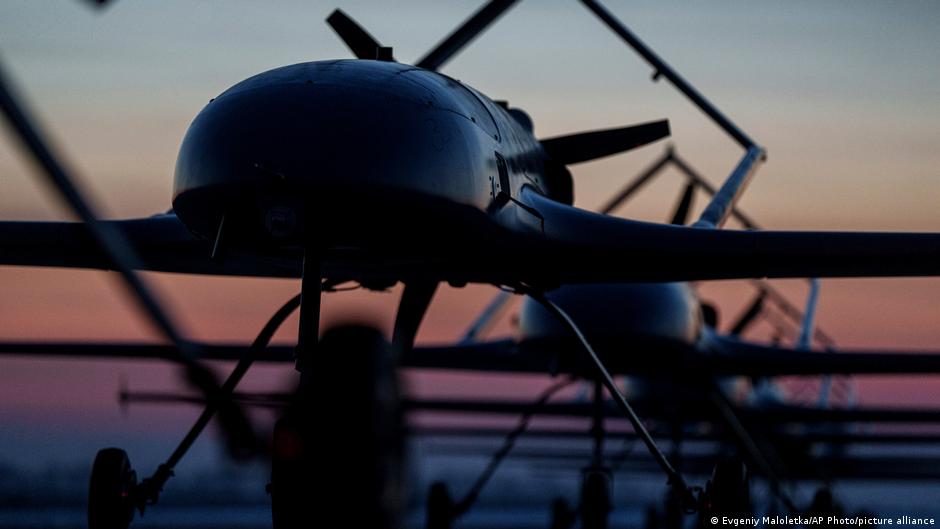
Moscow authorities report intercepting over 180 drones overnight amid a large-scale UAV assault, causing infrastructure damage and airspace restrictions with wider economic consequences.

Russian forces attacked Kyiv and Kryvyi Rih with missiles and drones, causing casualties and damage to critical infrastructure, highlighting growing economic and geopolitical risks.

Russian forces launched a combined missile and airstrike on Zaporizhzhia, killing five and damaging key industrial and residential infrastructure amid rising regional tensions.

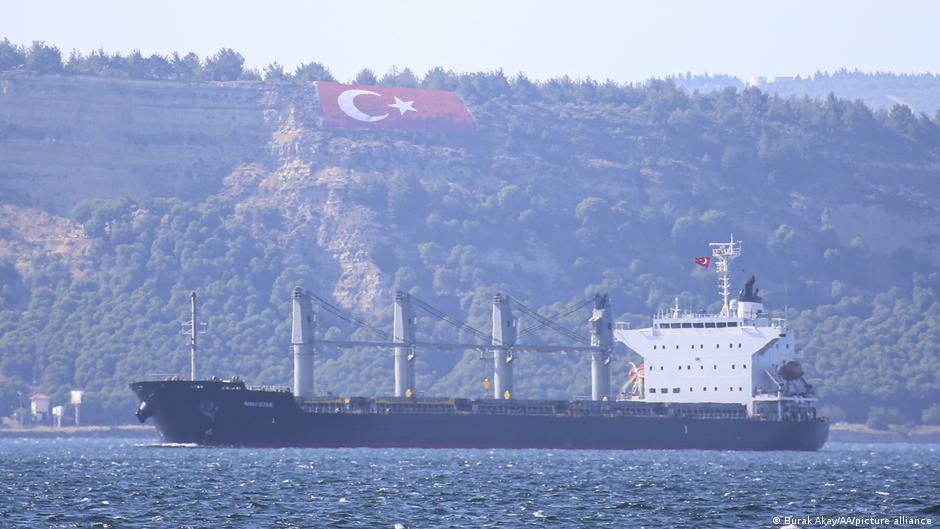
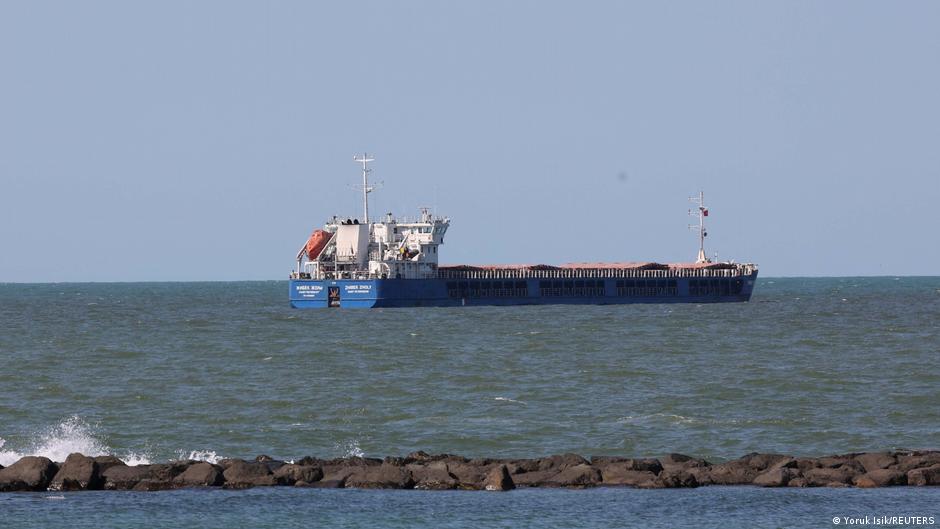
Turkey has lifted temporary restrictions on commercial ship passage through the Dardanelles Strait, responding to Black Sea security concerns amid regional conflicts.

Germany confronts escalating hybrid warfare threats, including explosive drone attacks, prompting new technological defenses amid rising geopolitical tensions in Europe.

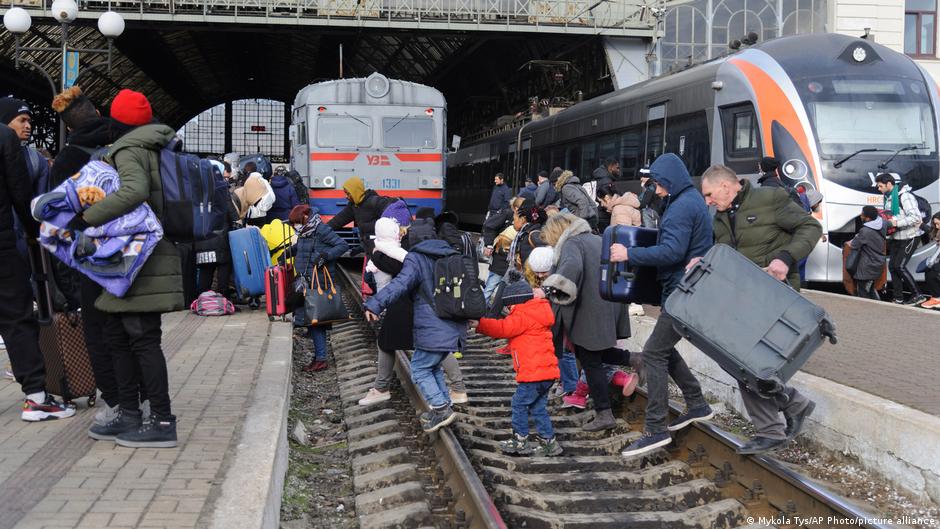
Over 8.4 million Ukrainians live abroad as of 2026, reflecting deep demographic changes due to conflict and posing challenges for Ukraine’s economic recovery and policy planning.

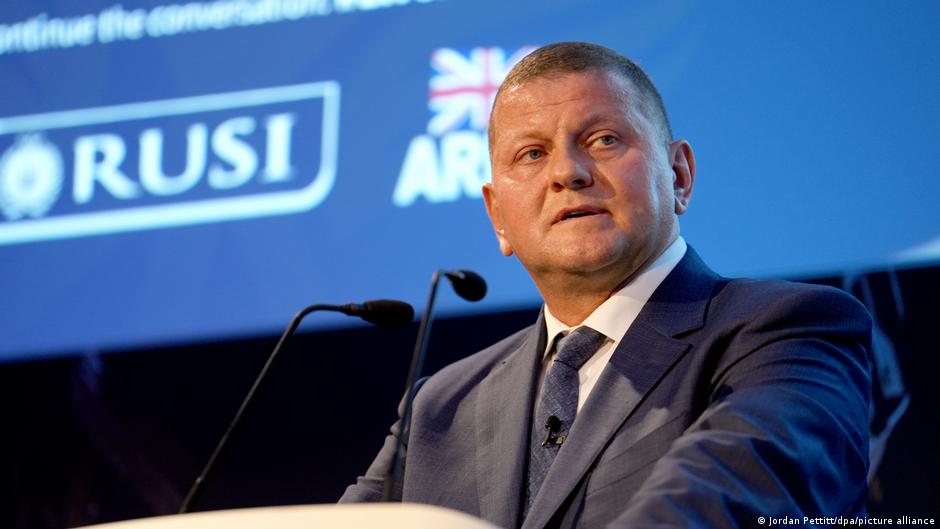
Ukraine’s former military chief Valeriy Zaluzhny forecasts slim chances of NATO membership, urging Kyiv to pursue emerging regional defense coalitions amid evolving security dynamics.

NATO is contemplating deployment of tactical nuclear weapons in Finland, Poland, and Lithuania, marking a strategic shift amid rising security tensions with Russia.
Uzbekistan launches comprehensive digital reforms including a national navigation system and unified governance platform to boost economic efficiency and IT growth.

Ukraine's strikes on Wildberries warehouses in Russia and Crimea disrupt logistics, exposing vulnerabilities in supply chains and signaling broader economic risks amid the regional conflict.

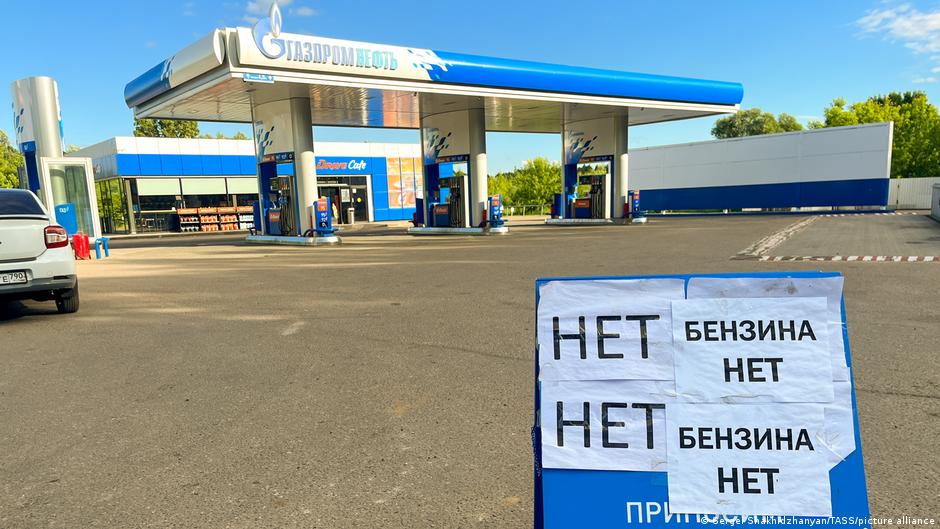
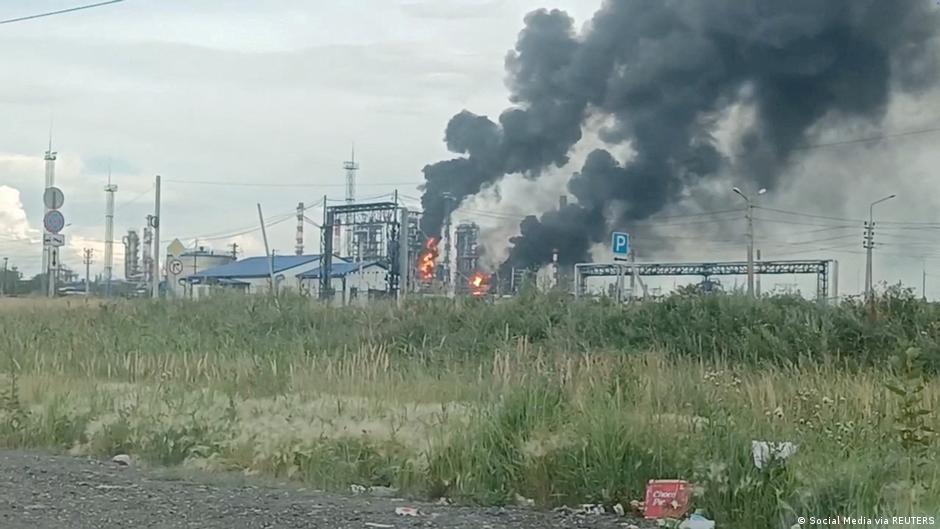
Russia’s oil product production fell nearly 22% in June amid intensified attacks on its refining infrastructure, triggering fuel shortages and price volatility with global economic implications.

The IMF approved a €604 million disbursement to Ukraine, recognizing its progress under the EFF program amid war, despite delays in structural reforms and revised growth forecasts.

Russian airstrikes on Zaporizhzhia and Sumy caused civilian casualties and damaged critical infrastructure, escalating economic and humanitarian challenges in Ukraine.

Russian missile and drone strikes on Kyiv and Kharkiv escalate conflict, threatening Ukraine's economic stability and regional markets.

The US is advancing plans to restore an Iraq-Syria oil pipeline to bypass the Strait of Hormuz, aiming to reduce Iranian influence and diversify energy export routes amid rising Middle East tensions.

Russian forces launched a combined strike on Izyum, Ukraine, using guided bombs and drones, causing casualties and infrastructure damage with significant economic implications.

German President Steinmeier calls for Europe to uphold international law and counteract the ruthless geopolitical strategies of Russia and the US amid rising populism and reform challenges.

Russian drone and missile strikes on Kharkiv and Ukrainian industrial sites intensify conflict, posing significant risks to Ukraine’s economy and regional stability.

Russia has closed the Azov-Don Canal indefinitely following Ukrainian drone attacks on vessels, disrupting grain exports and driving wheat prices higher amid escalating regional tensions.

The Saratov refinery’s shutdown after Ukrainian drone attacks worsens Russia’s fuel crisis, disrupting 25% of refining capacity and impacting millions amid wartime economic pressures.

Russian missile and drone strikes on Kyiv and Kharkiv intensify, causing casualties and infrastructure damage with significant economic and geopolitical implications.

Russia’s July 2 strikes across multiple Ukrainian regions caused civilian deaths and injuries, highlighting the war's ongoing humanitarian and economic toll.

Poland expelled 11 individuals accused of organizing Russia-funded protests among Ukrainian refugees, highlighting ongoing Russian interference in European domestic affairs.

Russia's aviation fuel imports from Belarus surged nearly fourfold in May 2026 amid domestic production setbacks, prompting policy shifts and regional supply realignments.
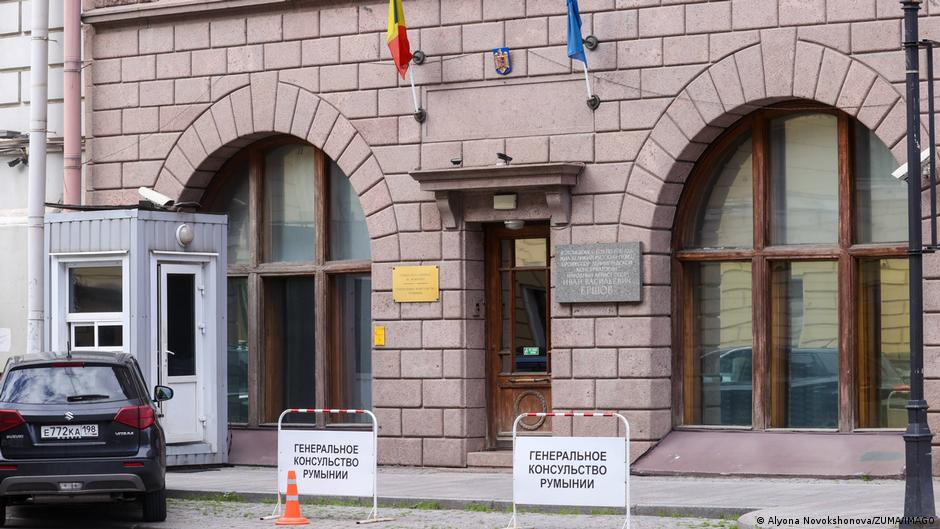
Russia closes Romania’s consulate in St. Petersburg after Bucharest shut the Russian consulate in Constanța following a drone incident in Galați, raising regional security concerns.

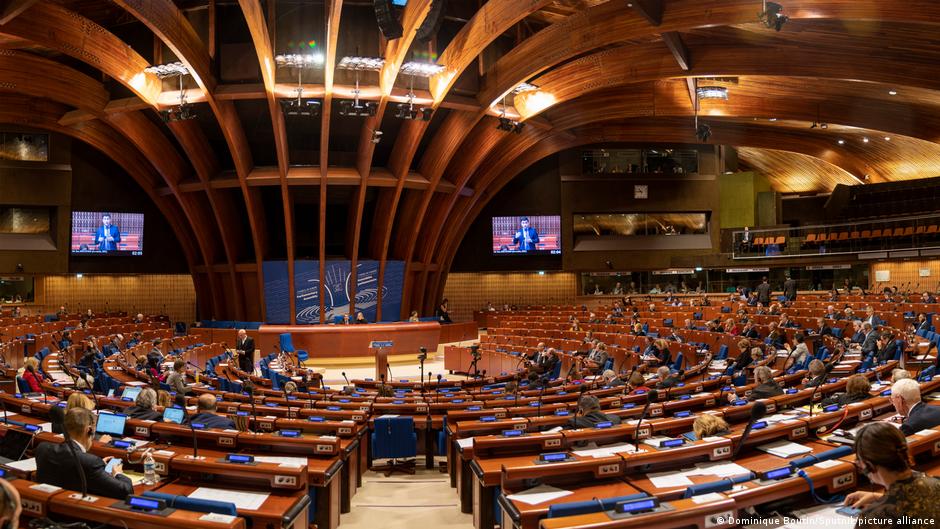
PACE adopts a resolution condemning democratic backsliding in Georgia, urging cessation of opposition repression and highlighting risks to regional stability and economic governance.

Russia has reached its highest weekly maritime oil export levels since early 2026, despite falling global prices and renewed competition from Iranian crude following US-Iran diplomatic progress.

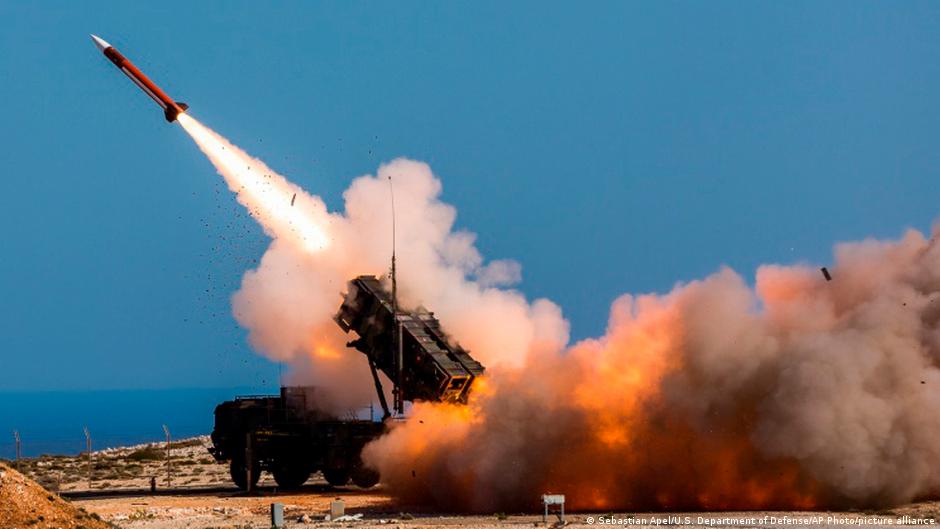
Russian strikes on civilian and agricultural sites in Ukraine escalate conflict, prompting Kyiv to secure German air defense missiles amid rising regional economic risks.

Germany urges the EU and Turkey to exclude Russian gas in future contracts, reflecting a strategic shift as Turkey seeks to become a regional gas hub amid evolving geopolitical tensions.

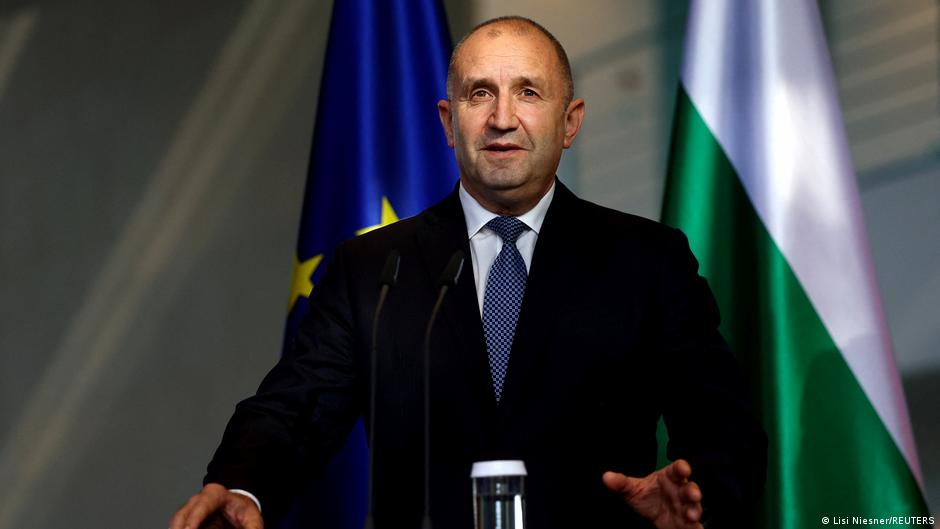
Bulgaria plans to veto new EU sanctions on Russia, citing risks to its economy and questioning their impact on peace efforts, highlighting divisions within the EU on sanction policy.

Drone attacks in Russia and Ukraine escalate hostilities, causing civilian casualties and infrastructure damage, with broader implications for regional economic stability and policy.

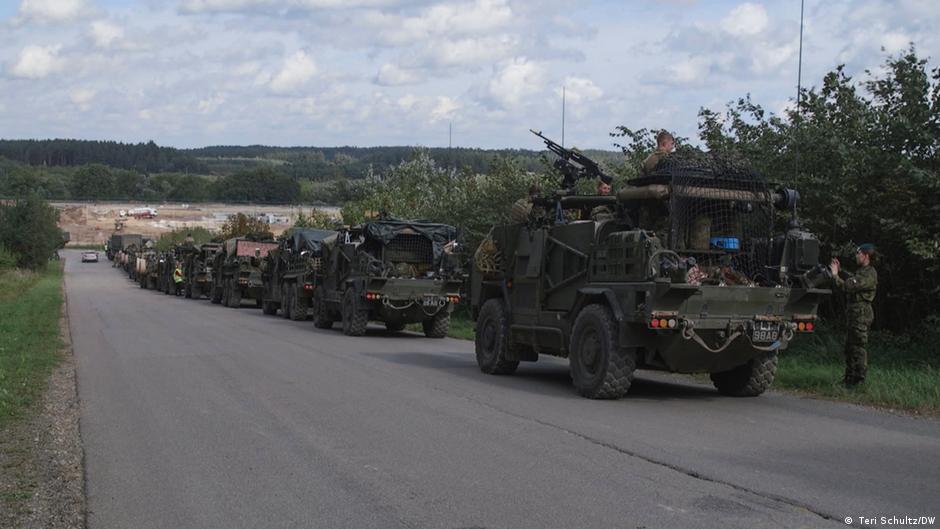
Lithuania, Poland, and France will conduct joint military exercises near the Suwalki Corridor to bolster NATO defenses amid growing concerns over Russian military expansion.

US Treasury extends MOL’s deadline to June 16 for acquiring Gazprom’s stake in Serbian oil firm NIS amid sanctions, with potential implications for Southeast European energy security.
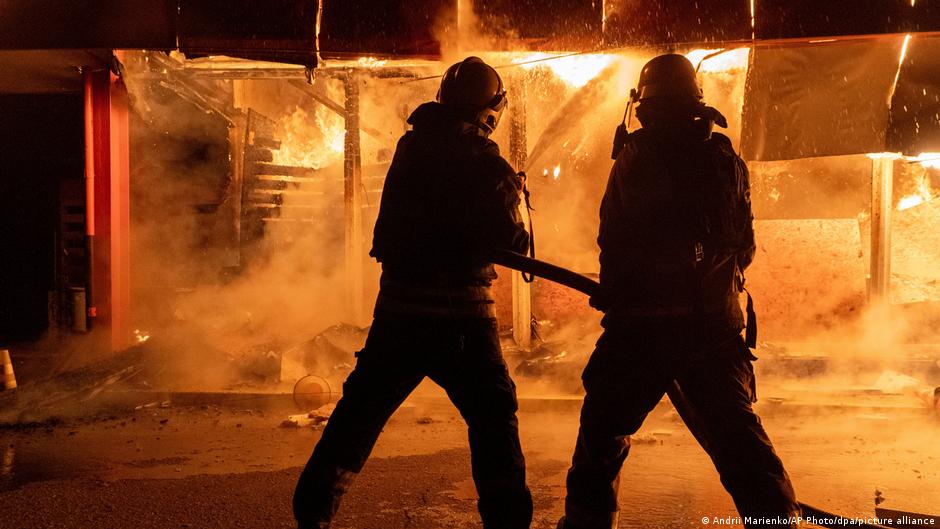
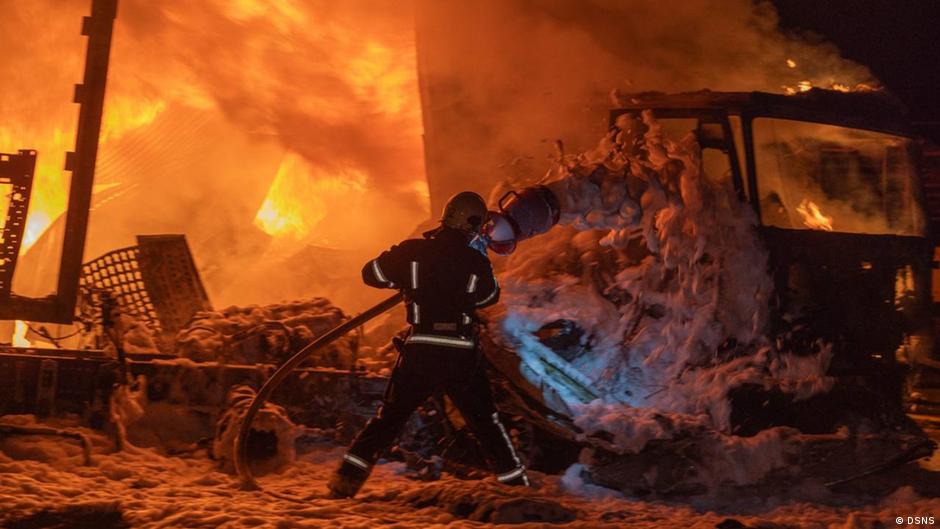
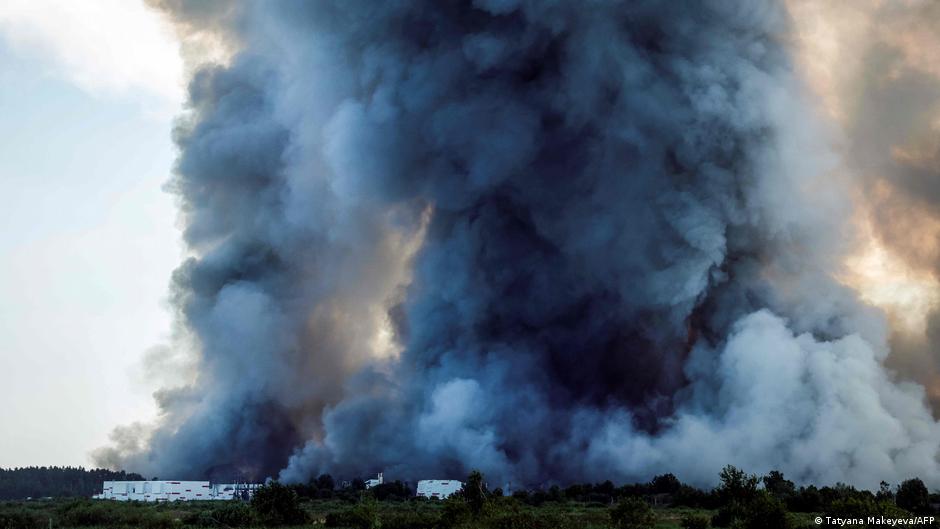
A Russian strike on Zaporizhzhia caused fires and a partial blackout, highlighting risks to civilian infrastructure amid escalating regional conflict.