Drone Strikes in Russia and Ukraine Mark Escalation with Broader Economic Risks
Recent drone attacks in Russia and Ukraine signal intensifying conflict with potential repercussions for regional stability and economic policy.
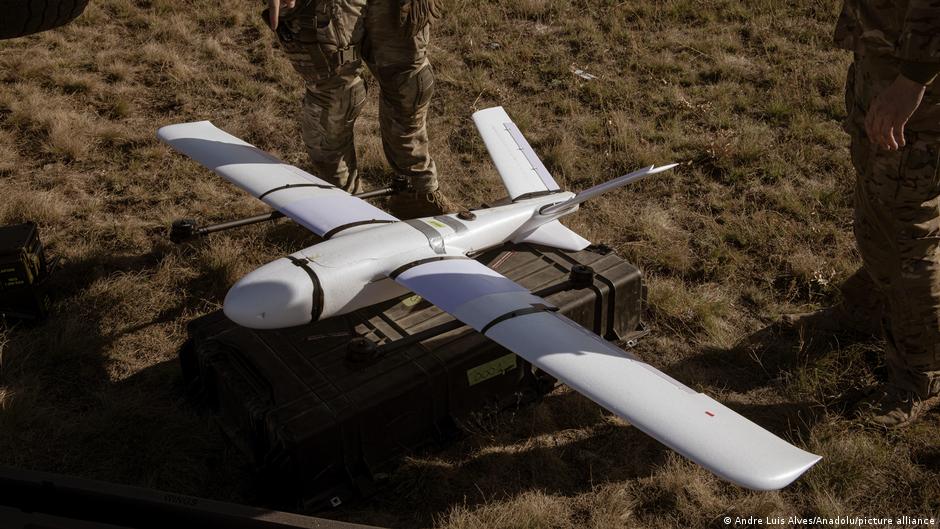
In a sharp escalation of the ongoing conflict, Ukrainian drone attacks targeted several Russian regions overnight on June 15, resulting in civilian casualties and damage to industrial facilities. Simultaneously, Russian forces launched extensive strikes across Ukraine, impacting key urban centers and UNESCO heritage sites.
Cross-Border Drone Attacks and Domestic Impact
According to regional authorities, the Tula region of Russia suffered a deadly drone strike that hit residential areas in multiple settlements, including Yamny, Maslovo, Mikhalkovo, and Inshinsky. The attack damaged numerous private residences and commercial buildings, resulting in the deaths of three civilians and injuries to three others, including a one-year-old child.
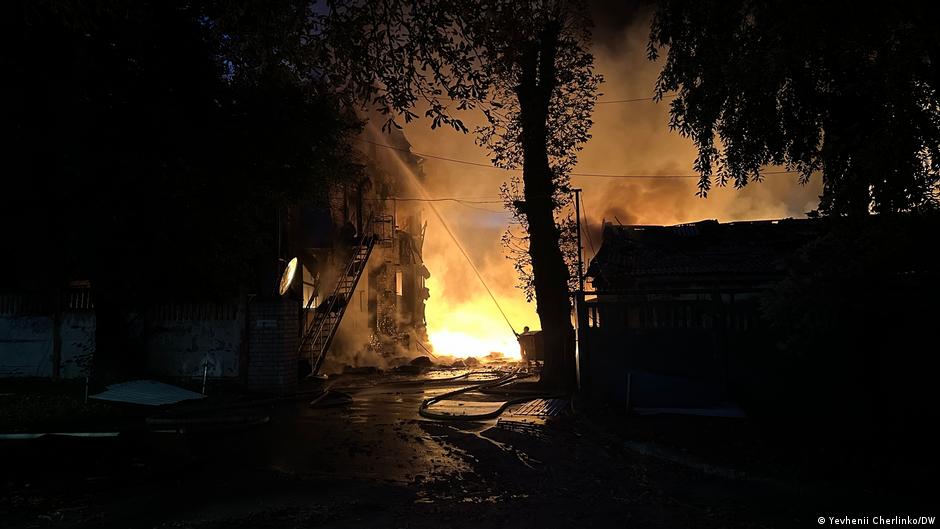
Meanwhile, in the Moscow suburb of Reutov, a drone attack initially believed to target a military-industrial complex instead struck a neighboring frozen food production plant operated by "Mirital," located approximately 700 meters from the intended defense enterprise. The strike sparked a fire in the industrial zone but no casualties were reported at this site.
"Four drones were intercepted overnight," confirmed Moscow Mayor Sergey Sobyanin, emphasizing the heightened security challenges facing Russian urban centers amid the conflict.
"These attacks underscore the increasing use of unmanned aerial vehicles as tools of asymmetrical warfare, with direct consequences for civilian infrastructure."
Reciprocal Strikes and Strategic Consequences in Ukraine
On the same night, Russian forces executed a series of concentrated missile and artillery strikes targeting Ukrainian cities including Kharkiv and Kyiv. At least five rescuers combating a fire in Kharkiv were killed in a subsequent attack, highlighting the human toll beyond direct combatants.
In Kyiv, approximately 140,000 residents experienced power outages following strikes that damaged residential buildings in multiple districts. Casualty reports indicate at least four fatalities and 23 injuries. Notably, the Kyiv-Pechersk Lavra, a UNESCO World Heritage site and one of Eastern Slavic Orthodoxy's most significant religious monuments, suffered extensive fire damage to the roof of the Assumption Cathedral.
Kyiv Mayor Vitali Klitschko described the damage as "a tragic blow to cultural heritage, further complicating the humanitarian situation in the capital." The targeting of such sites signals a potential shift in military tactics and raises concerns about the protection of cultural landmarks during conflict.
Economic and Policy Implications
These recent hostilities exemplify an intensification of asymmetric warfare tactics, including the use of unmanned aerial vehicles to strike critical infrastructure and civilian areas. The collateral damage to industrial enterprises, residential zones, and cultural heritage sites has implications extending beyond immediate humanitarian concerns.
For senior decision-makers and economic analysts, these developments indicate increased risks to regional industrial productivity and supply chain stability. The disruption of manufacturing plants, even those not directly related to military production, could ripple through exports and domestic markets, exacerbating economic volatility.
Furthermore, the damage to power grids and urban infrastructure in Ukraine underlines the fragility of essential services during prolonged conflict, potentially influencing reconstruction costs and international aid requirements.
Policymakers must consider the strategic calculus of escalating drone warfare and its consequences for civilian protection frameworks, regional economic resilience, and cultural preservation. Coordinated international diplomatic and economic responses may be necessary to mitigate the long-term ramifications of this conflict on the broader Eastern European economic landscape.
As the conflict persists, the global community faces challenges in balancing security, humanitarian assistance, and economic stability in a region increasingly marked by asymmetric and technologically advanced warfare methods.