Russian Airstrikes on Zaporizhzhia and Sumy Result in Civilian Casualties and Infrastructure Damage
Targeted bombings in southeastern Ukraine escalate regional instability with significant human and economic costs.
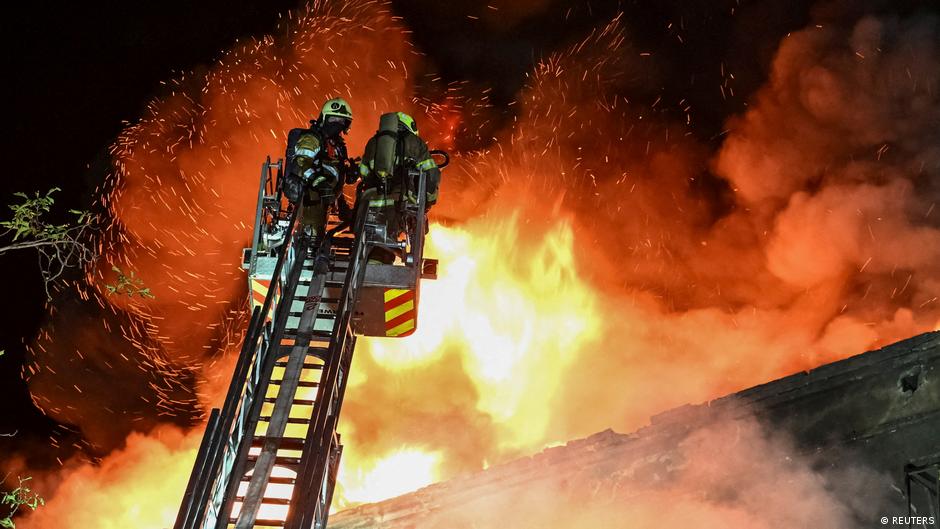
On July 19, Russian forces conducted targeted airstrikes using guided aerial bombs on the Ukrainian cities of Zaporizhzhia and Sumy, causing civilian casualties and extensive damage to critical infrastructure. These attacks highlight the ongoing volatility in the region, with implications for both humanitarian conditions and the broader economic stability of Ukraine.
Details of the Attacks and Immediate Impact
In Zaporizhzhia, the airstrikes hit residential buildings, including a five-story apartment block, where two floors were completely destroyed. Additionally, windows and balconies of a nine-story building were damaged, and a logistics operator's terminal caught fire. According to official reports, at least two civilians were killed and over 40 others were injured, including eight children.
"The strikes resulted in the destruction of residential housing and critical logistics infrastructure, underscoring the severe human and material toll of the conflict," said a regional official.
Earlier the same day, Sumy was also attacked, with at least seven guided bombs striking the Kovpakivskyi district. This resulted in damage to both residential areas and industrial zones. The regional governor reported one fatality and several injuries. The attacks underscore the vulnerability of civilian infrastructure amid ongoing military operations.
Broader Economic and Policy Implications
Beyond the immediate human tragedy, these airstrikes exacerbate the economic challenges facing Ukraine. Damage to logistics hubs and industrial zones disrupts supply chains vital for both local economies and broader export activities. Such disruptions can undermine reconstruction efforts and deter foreign investment, prolonging economic instability in the region.
From a macroeconomic perspective, continued targeting of civilian infrastructure signals a strategy that may intensify economic fragmentation within Ukraine, complicate international aid delivery, and escalate geopolitical tensions. Policymakers must weigh the implications of sustained conflict on regional economic integration and the stability of energy and trade routes that pass through Ukraine.
Long-term consequences may include increased costs for rebuilding, shifts in regional trade partnerships, and heightened risks for investors wary of conflict zones. Strategic responses will require coordinated international support and robust policies aimed at protecting civilian infrastructure and fostering economic resilience.