US Military Strikes Iranian Targets Amid Rising Gulf Tensions
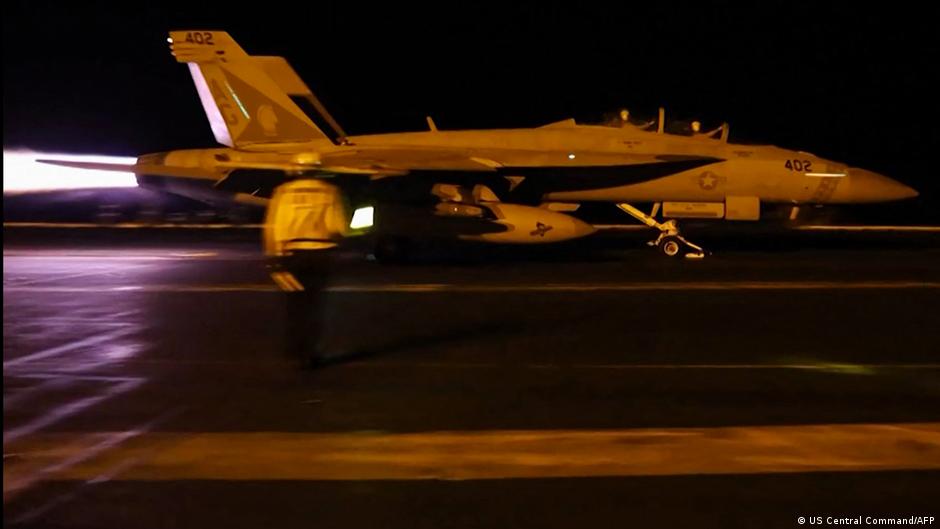
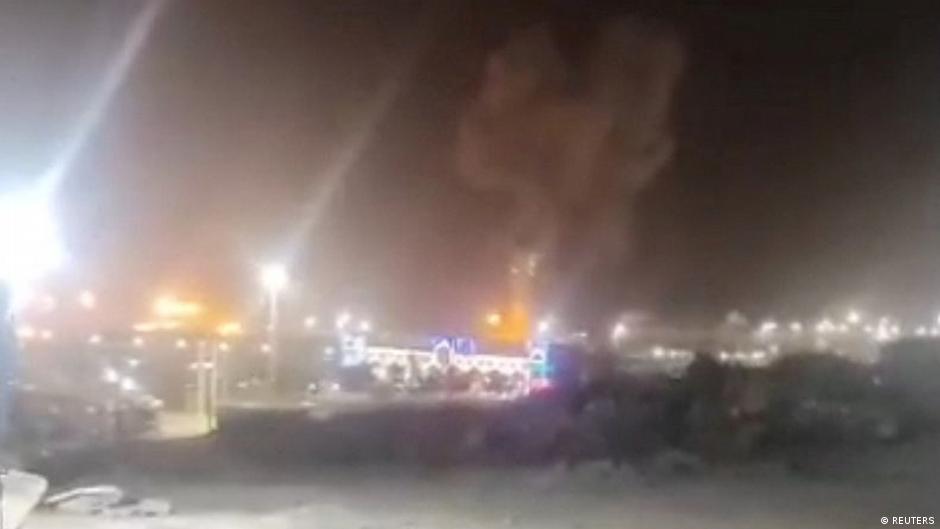
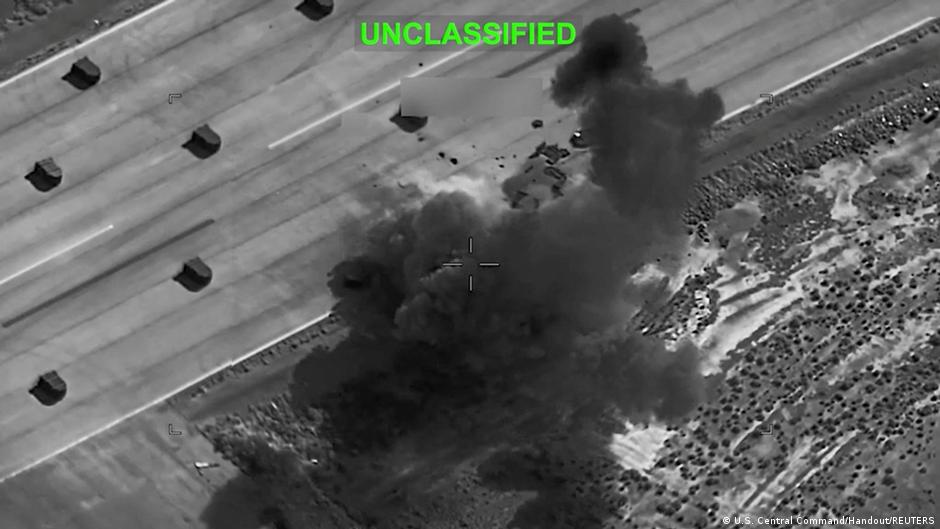
US military strikes on Iranian military and infrastructure sites have escalated tensions in the Persian Gulf, prompting retaliatory Iranian attacks on American bases.

US military strikes on Iranian military and infrastructure sites have escalated tensions in the Persian Gulf, prompting retaliatory Iranian attacks on American bases.

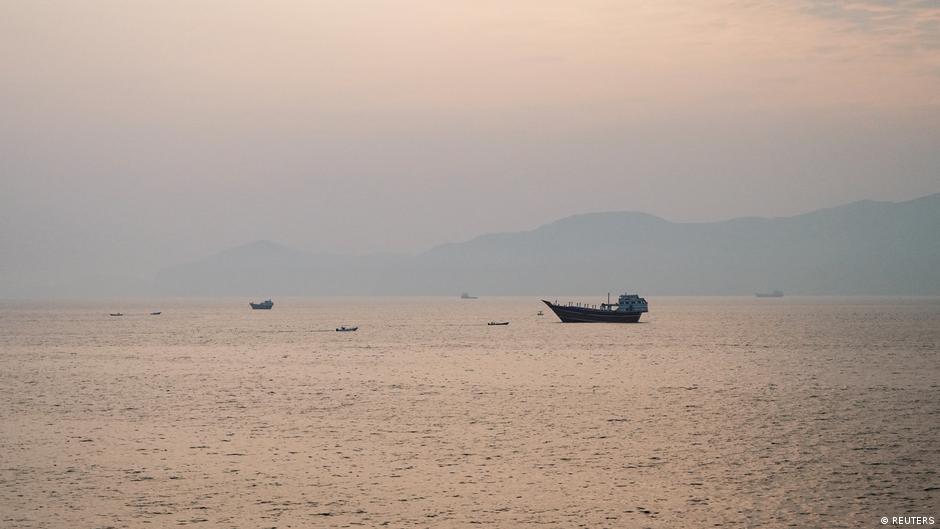
US military strikes on Iran escalate after attacks in the Strait of Hormuz, closing this key oil export route and raising global economic risks.

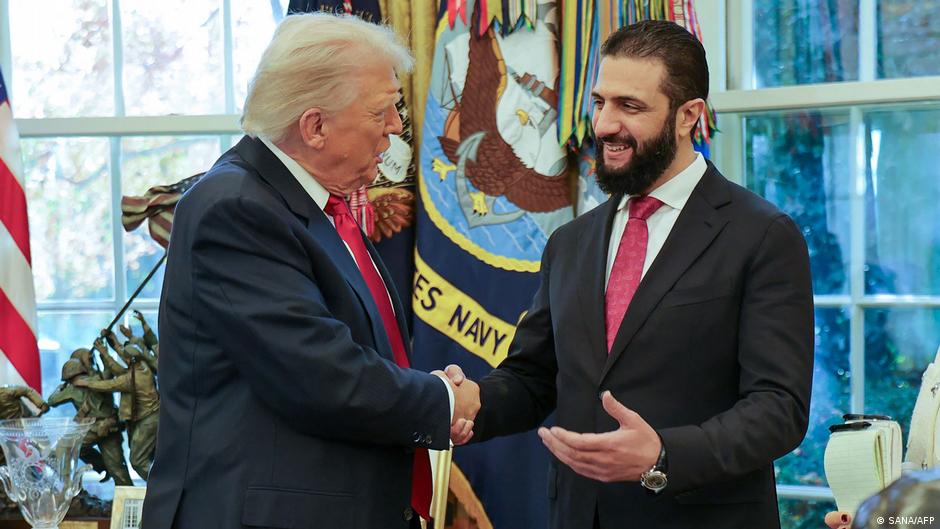
The US plans to remove Syria from the terrorism sponsors list, lifting sanctions and enabling economic reconstruction and reintegration into the global economy.

The US and Iran have agreed on a communication channel to prevent incidents in the Strait of Hormuz, setting a 60-day roadmap to finalize broader agreements impacting regional security and global energy markets.

U.S. intelligence warns Israel may attempt to undermine the U.S.-Iran nuclear deal, risking increased Middle East instability and complicating global economic and policy landscapes.

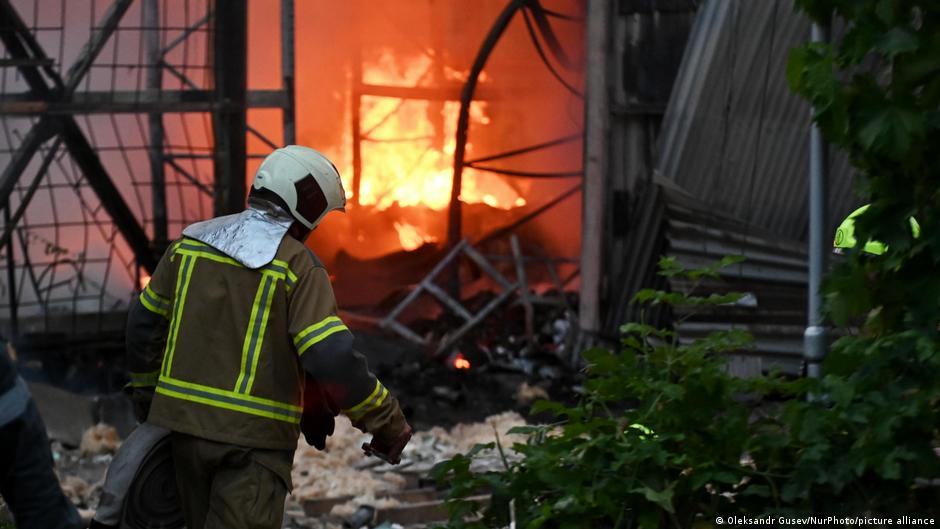
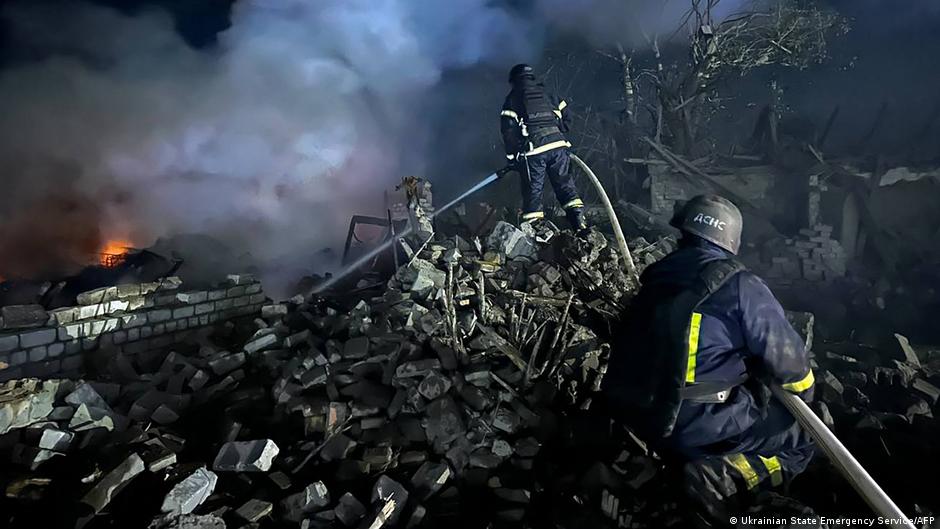
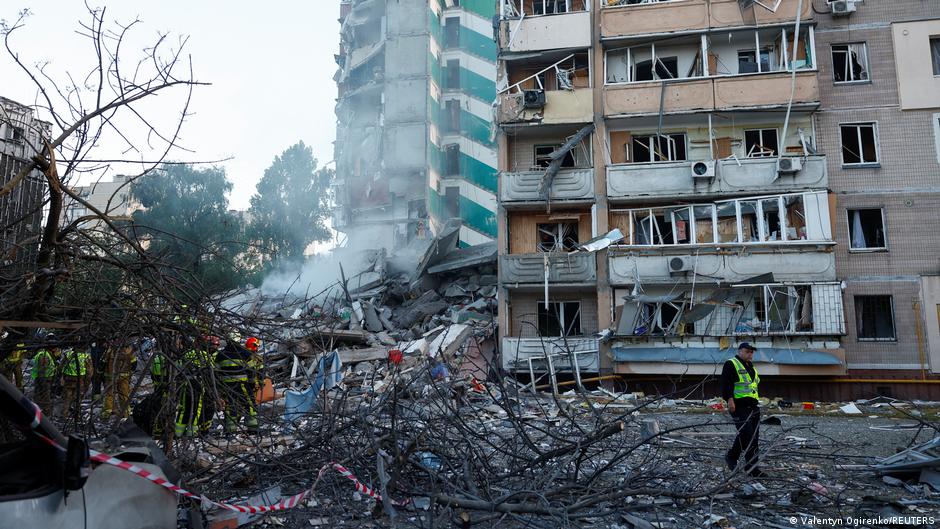
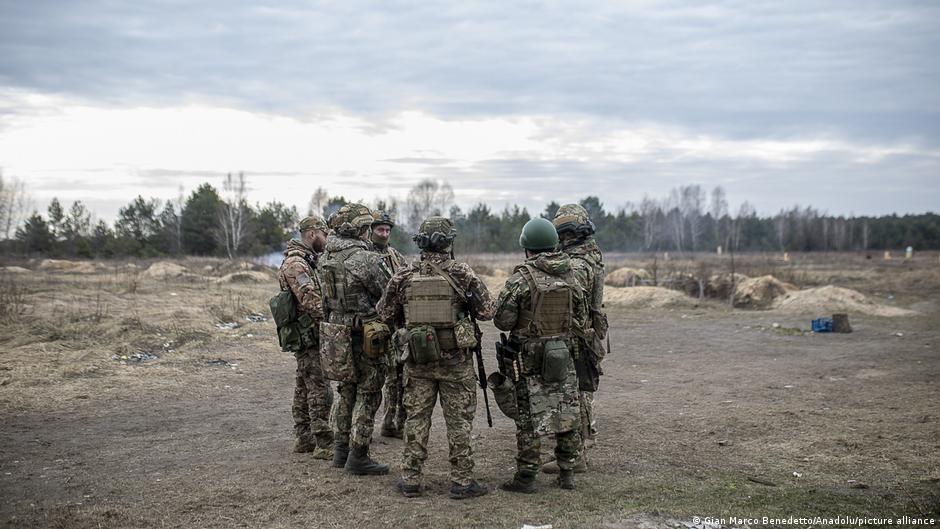
Russian drone strikes in Ukraine's Dnipropetrovsk region injured 12 and damaged critical infrastructure, highlighting escalating conflict risks for regional stability and economy.

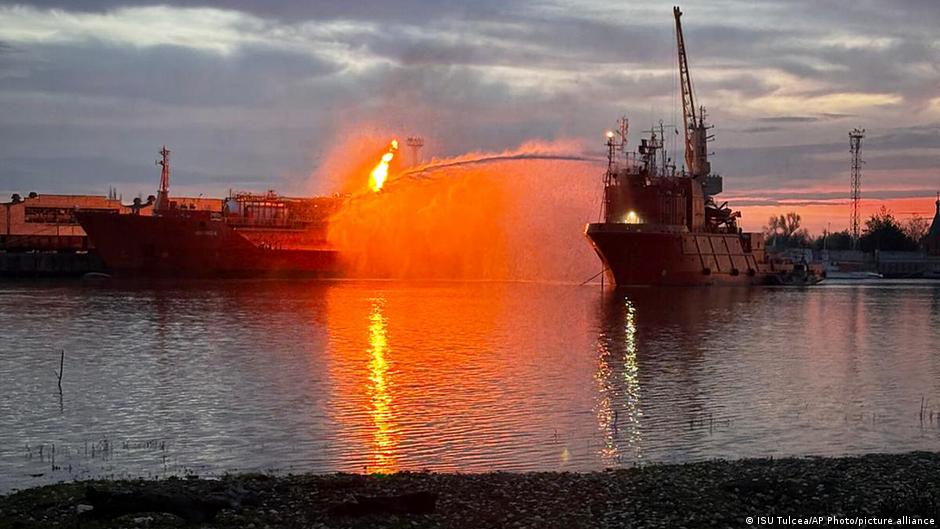
Ukraine apologized to Greece after a sea drone with explosives was found near Lefkada, citing Russian aggression and pledging adherence to maritime law amid regional tensions.

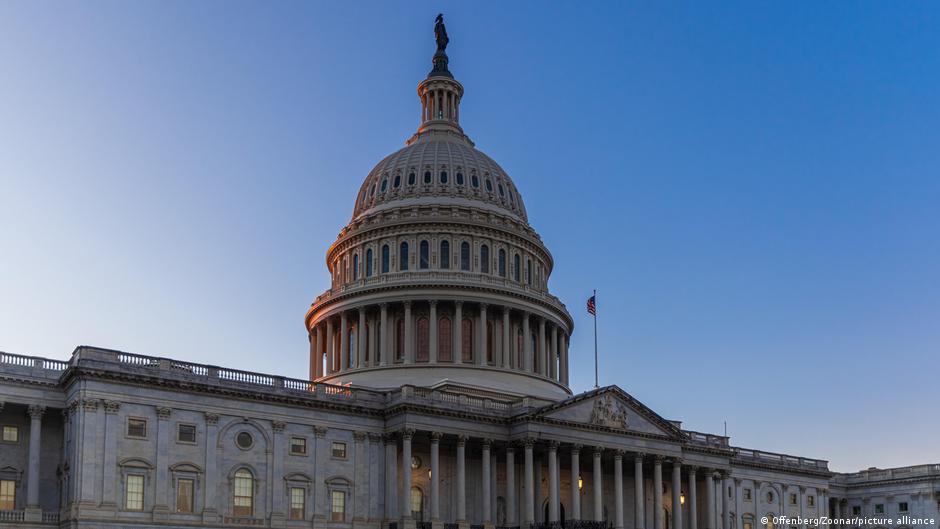
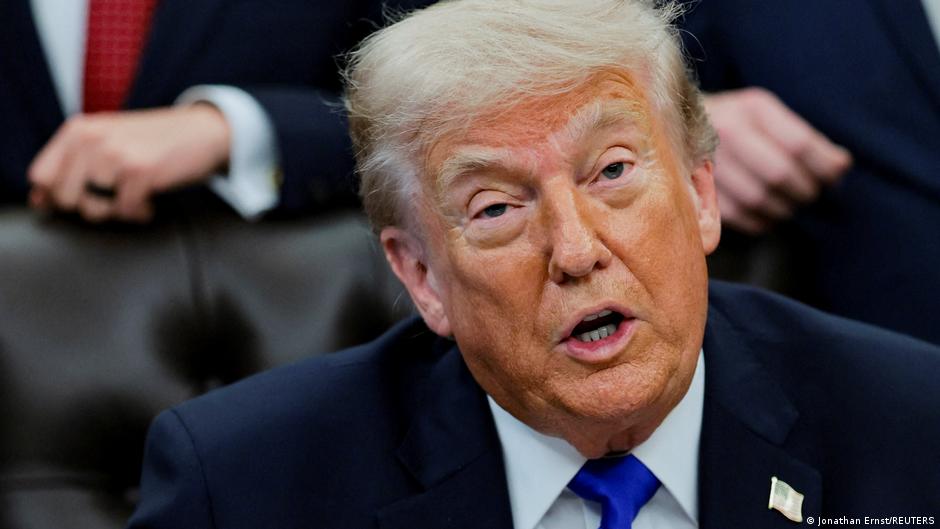
The US House restricts presidential war powers on Iran in a bipartisan vote, reflecting growing congressional resistance and potential impacts on global stability.

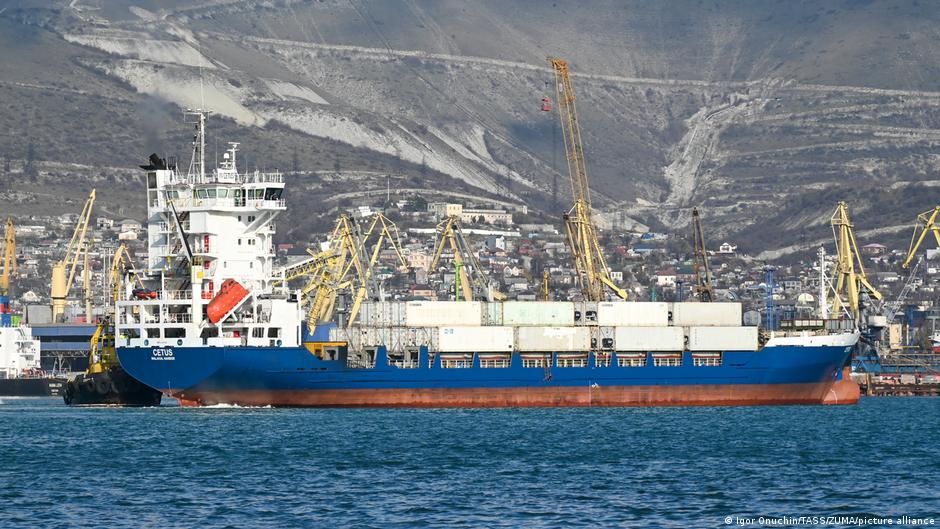
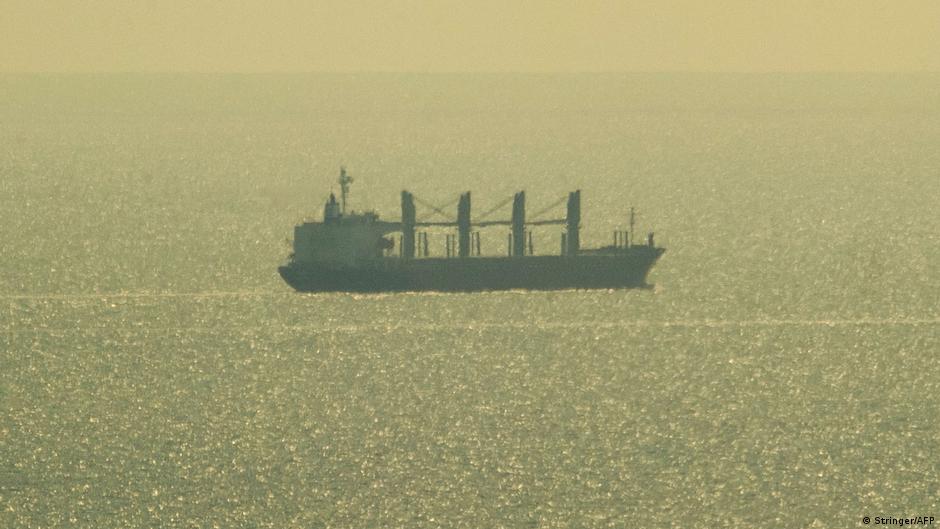
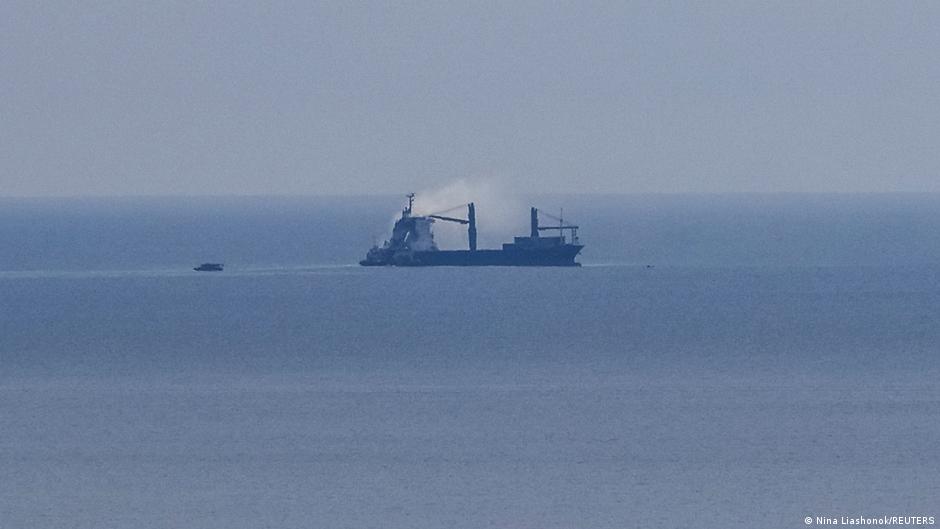
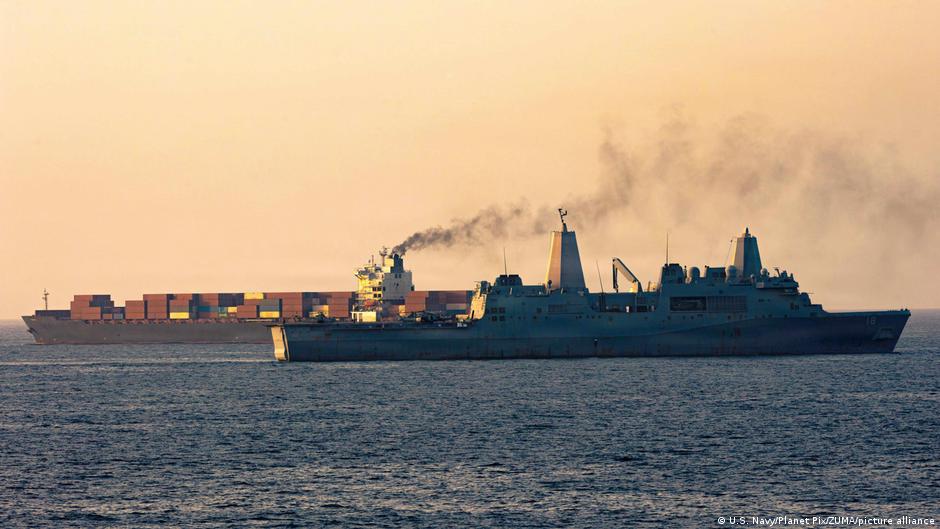
The US military disabled a Gambian-flagged ship heading to Iran, enforcing a Strait of Hormuz blockade amid escalating regional tensions and impacting global trade routes.

The US Senate advances a resolution demanding presidential Congressional approval for military actions against Iran, highlighting a shift toward legislative oversight and potential policy changes.

Russian missile and drone strikes on Ukrainian ports and energy infrastructure mark a dangerous escalation with broad global economic and energy security consequences.

Russia's extensive missile and drone strikes on Kyiv and other Ukrainian cities raise concerns about regional stability and economic disruption.

The May 9 ceasefire between Russia and Ukraine was used by both sides for troop rotations and logistical preparations, while sporadic hostilities continued, reflecting enduring conflict dynamics.

US and Iran are reportedly close to a deal to end their conflict, with Iran agreeing to halt nuclear weapon development and negotiations set to address sanctions and regional security.

Italy and Germany call for adherence to international law following Israel’s halt of a humanitarian flotilla to Gaza, emphasizing the need for responsible actions amid complex geopolitical tensions.

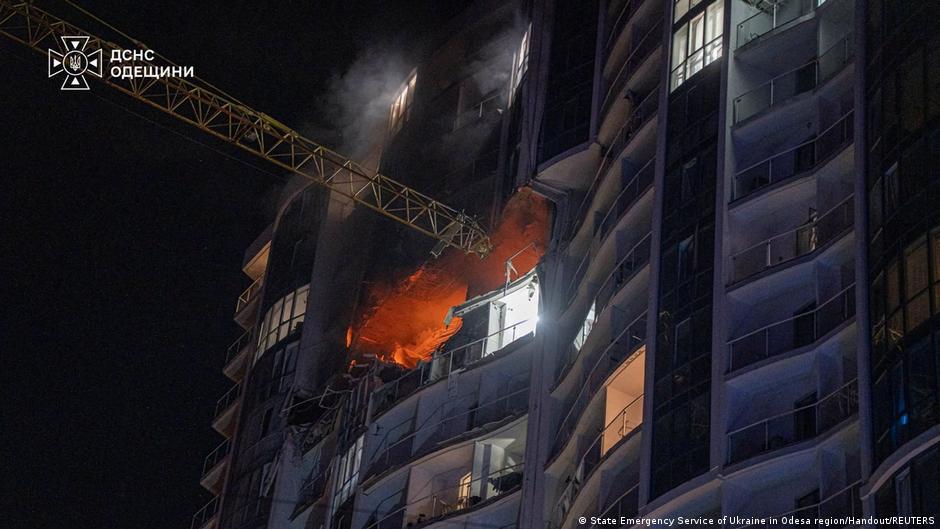
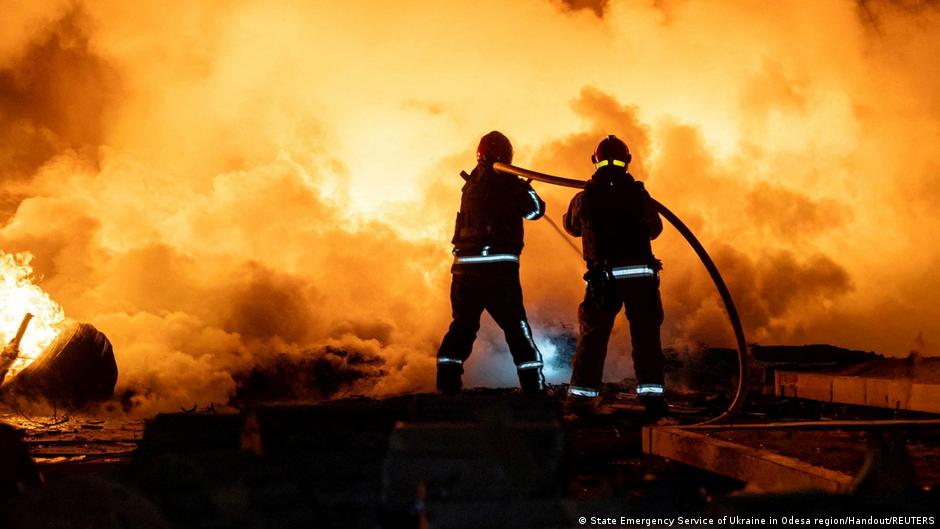
Russian drone attacks on Odessa damage residential and port infrastructure, injuring civilians and threatening Ukraine's economic stability and global trade routes.

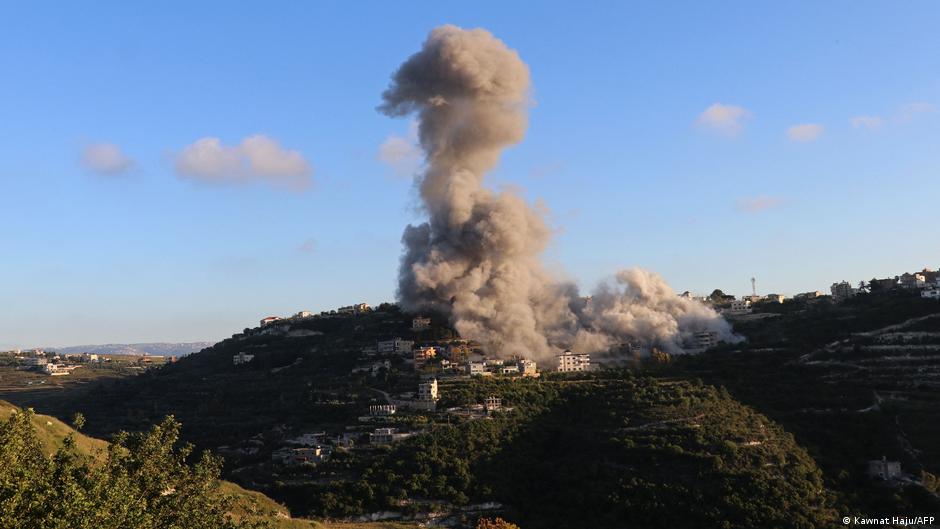
The US announces a three-week extension of the Israel-Lebanon ceasefire, marking historic diplomatic progress with potential long-term regional stability and economic benefits.