Ukraine Apologizes to Greece for Explosive Sea Drone Incident Amid Ongoing Conflict
Kyiv attributes the sea drone incident near Lefkada Island to consequences of Russian aggression and stresses commitment to international maritime law.
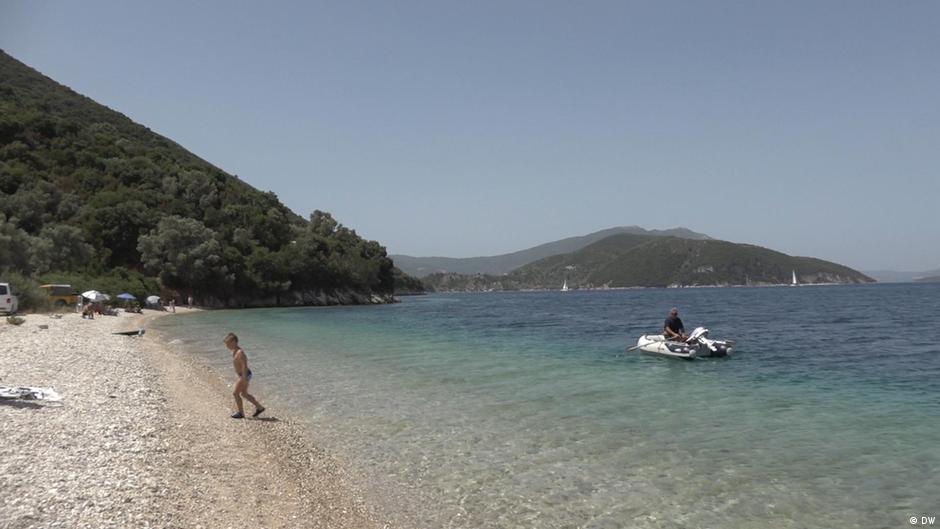
Ukraine has formally apologized to Greece following the discovery of a sea drone laden with explosives near the island of Lefkada in the Ionian Sea. The incident, reported in early June, marks a significant escalation in the indirect impacts of the ongoing Russian-Ukrainian conflict on broader regional security.
Georgiy Tykhyi, a spokesperson for Ukraine’s Ministry of Foreign Affairs, stated that the presence of the drone was a direct consequence of the "circumstances caused by continuing Russian aggression against Ukraine." Kyiv emphasized its respect for international law and principles of civilian maritime safety while expressing regret over the incident and seeking to prevent similar occurrences in the future.
Maritime Security and Regional Implications
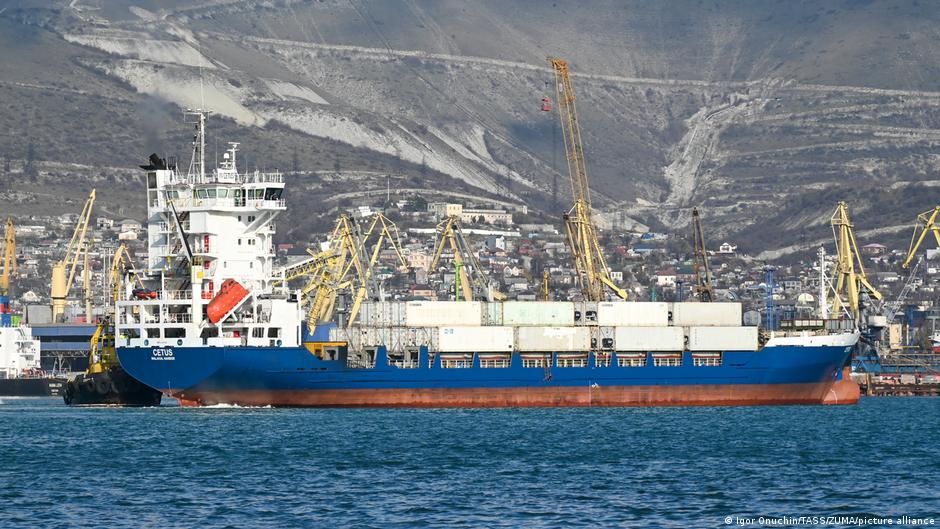
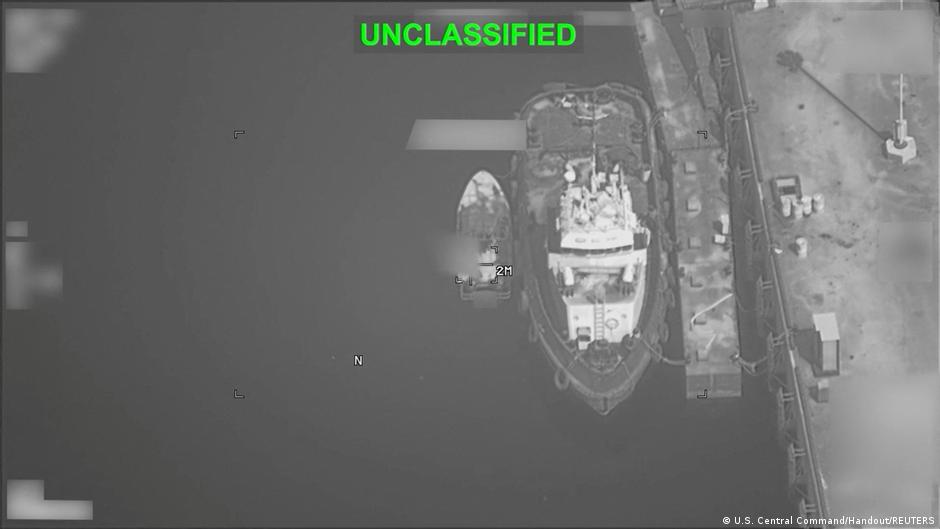
The sea drone, reportedly discovered by fishermen in May near Lefkada, was carrying approximately 100 kilograms of explosives. Ukrainian authorities suggest the drone was likely intended to target vessels linked to the so-called Russian "shadow fleet" operating in the Mediterranean Sea. These shadow fleets have been instrumental in circumventing Western sanctions by transporting Russian goods, including energy resources, through complex maritime routes.
"This incident, like other similar cases in different regions, demonstrates that Russia’s ongoing aggression poses a threat not only to Ukraine but also to neighboring friendly states, Europe, and the world at large," said Tykhyi.
Lefkada is situated more than 1,000 kilometers from Ukraine’s Black Sea coast, and Ukraine does not have direct access to the Mediterranean or Ionian seas. Reports indicate that Ukrainian forces have operated sea drones from bases in western Libya to strike Russian maritime logistics in the Mediterranean, underscoring the conflict’s expanding geographical footprint.
On March 2024, Ukrainian sea drones reportedly attacked a Russian liquefied natural gas tanker east of Malta en route to Egypt, highlighting the strategic effort to disrupt Russian maritime supply chains.
Greece responded to the drone incident with a diplomatic protest delivered to Kyiv on June 3, asserting that it would not permit the Mediterranean to become a theater of military operations. The Greek government’s concern reflects broader regional apprehensions about the spillover effects of the Ukraine conflict on Mediterranean security and trade routes vital to European economies.
Long-Term Economic and Policy Considerations
The incident underscores the complex challenges facing policymakers balancing geopolitical conflict containment with regional economic stability. The Mediterranean Sea serves as a critical corridor for global energy supplies and commerce, and any militarization risks disrupting trade flows and escalating security dilemmas.
Ukraine’s acknowledgment of the incident and expression of gratitude toward Greece for its steadfast support since the onset of the full-scale Russian invasion signify an intent to maintain strong bilateral relations. Both nations appear committed to deepening cooperation and dialogue across areas of mutual interest despite the heightened tensions.
This event highlights the increasing use of unmanned maritime technologies in modern conflict and their potential to inadvertently affect third-party states, complicating international maritime governance frameworks.
For senior decision-makers, the incident serves as a cautionary example of how protracted conflicts can expand beyond immediate theaters, necessitating strategic foresight to mitigate risks to global maritime security and economic networks.
As the war in Ukraine continues, the potential for unintended consequences in distant regions underscores the importance of coordinated international policy responses that address both military and economic dimensions of security.