US Facilitates Three-Week Extension of Israel-Lebanon Ceasefire Amid Historic Peace Talks
The US announces a three-week extension of the Israel-Lebanon ceasefire as diplomatic efforts signal potential shifts in Middle East stability.
The ceasefire between Israel and Lebanon has been extended for an additional three weeks, announced former US President Donald Trump on April 23. This extension follows a series of diplomatic engagements aimed at fostering long-term peace and stability in a historically volatile region.
US-Led Diplomatic Efforts and Regional Implications
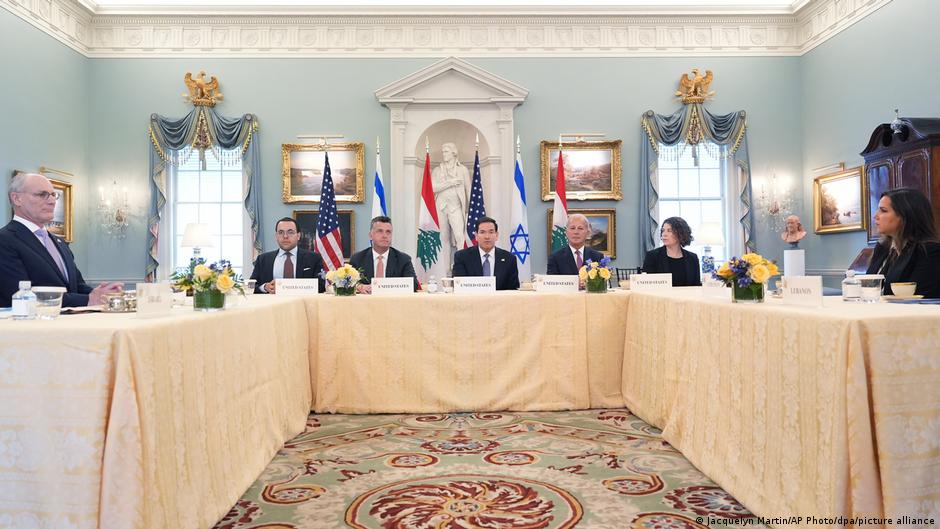
The announcement came via Trump's social media platform, where he highlighted a successful meeting involving key US officials including Vice President J.D. Vance, Secretary of State Marco Rubio, and the US ambassadors to Israel and Lebanon, Mike Huckabee and Michelle Issa. High-level representatives from both Israel and Lebanon also participated.
"The meeting went very well! The United States will work with Lebanon to help it defend itself against Hezbollah," Trump stated.
Trump also expressed his anticipation of hosting Israeli Prime Minister Benjamin Netanyahu and Lebanese President Joseph Aoun in the near future, emphasizing the significance of this diplomatic milestone.
This development follows the first direct negotiations between Israeli and Lebanese representatives since 1993, which took place on April 14 in Washington, D.C. The talks, conducted by the ambassadors of both nations, were described by the US State Department as a "historic milestone" and a step towards launching comprehensive peace negotiations.
The US has pledged support to both countries in continuing these negotiations, aiming for an all-encompassing peace agreement. These efforts are particularly focused on addressing the disarmament of Hezbollah, a key Iranian-backed militant group, and establishing peaceful bilateral relations.
Long-Term Economic and Geopolitical Consequences
For senior decision-makers, these developments carry significant macroeconomic and geopolitical implications. The stabilization of Israel-Lebanon relations could reduce regional volatility, improving conditions for investment and economic cooperation in the Middle East. The potential diminishment of Hezbollah’s influence would also alter the security dynamics, possibly encouraging international trade routes and energy flows through the area.
Furthermore, the US role in mediating this ceasefire and the peace talks signals a strategic policy shift towards conflict resolution in the Middle East, which could reframe alliances and economic partnerships. A durable peace agreement might attract foreign direct investment and enable infrastructure development, positively affecting Lebanon’s struggling economy and Israel’s regional trade ambitions.
Nevertheless, the complexity of underlying issues and the presence of influential non-state actors mean that policymakers must monitor these negotiations closely. The extension of the ceasefire is a tactical pause that, if leveraged effectively, could yield long-term stability but also demands sustained diplomatic engagement and economic support.
In conclusion, the US-facilitated extension of the Israel-Lebanon ceasefire and renewed direct talks represent a pivotal moment with broad-reaching consequences for regional peace and economic prospects. Senior leaders should consider these developments as part of a larger framework of global security and economic strategy.