Berlin Left Party Win Signals New Fiscal and Housing Pressures in Germany
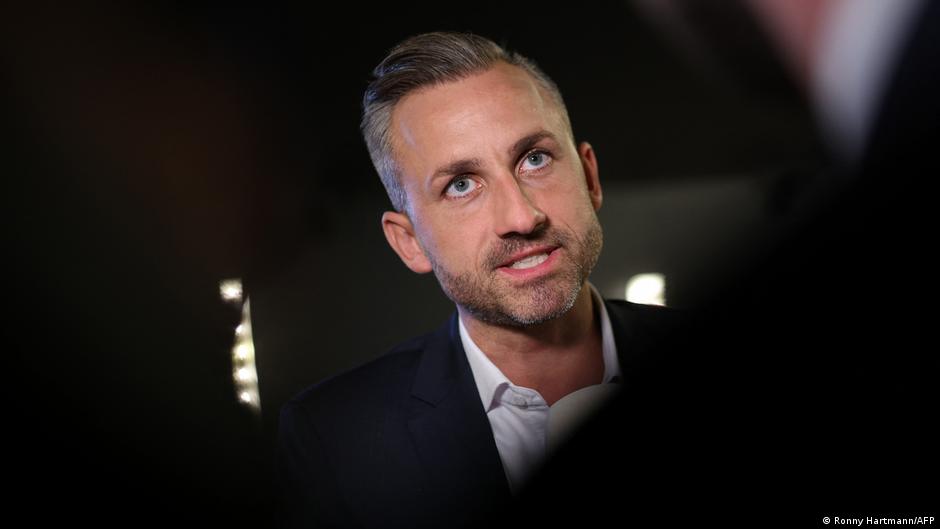
The Left Party’s Berlin victory puts housing expropriation and coalition risk at the center of Germany’s capital politics.

The Left Party’s Berlin victory puts housing expropriation and coalition risk at the center of Germany’s capital politics.

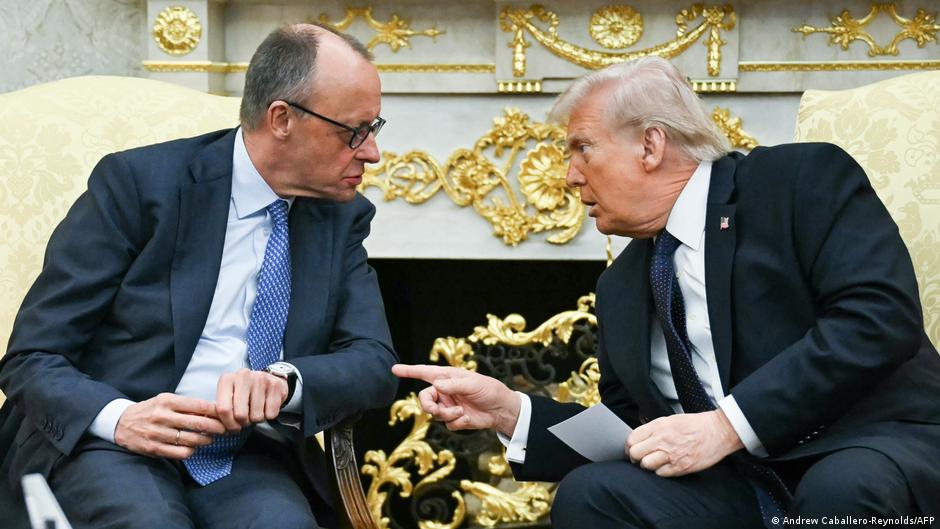
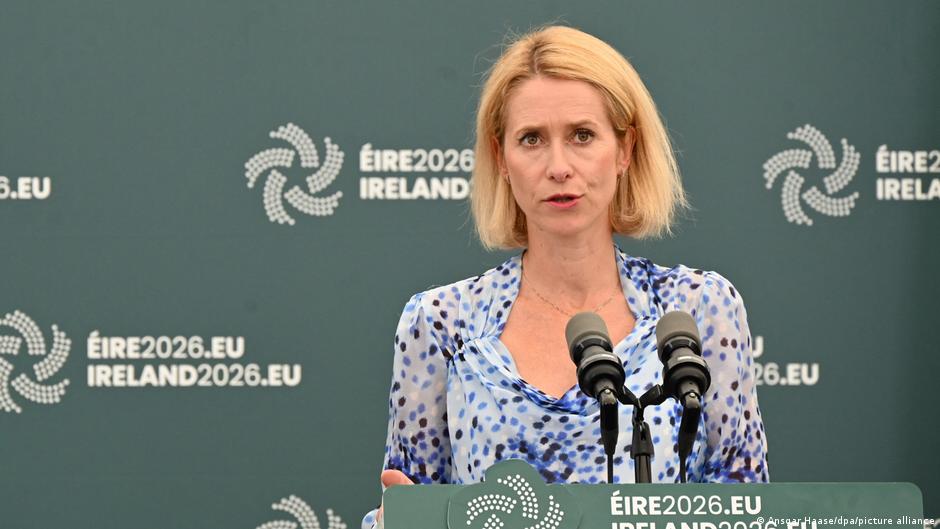
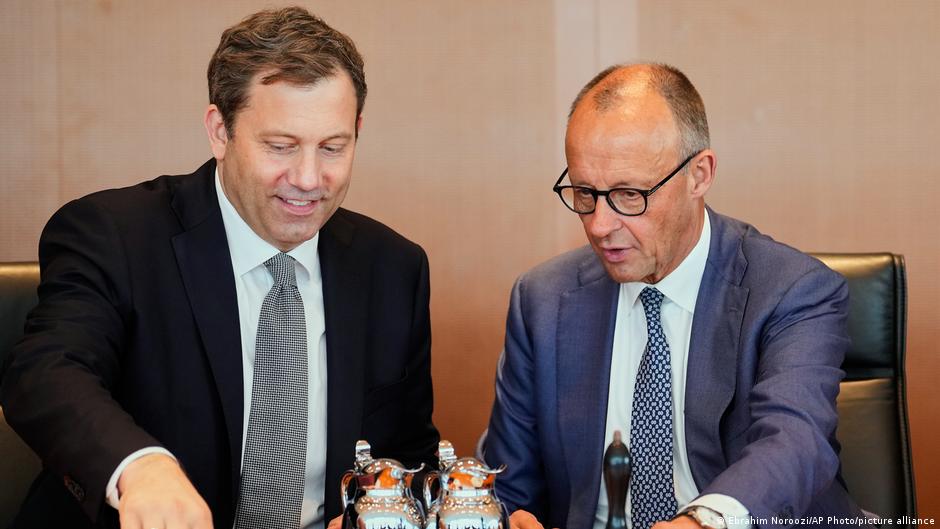
Friedrich Merz says unconditional transatlantic friendship may be over, framing U.S.-German tensions as a strategic test for Germany’s economy.

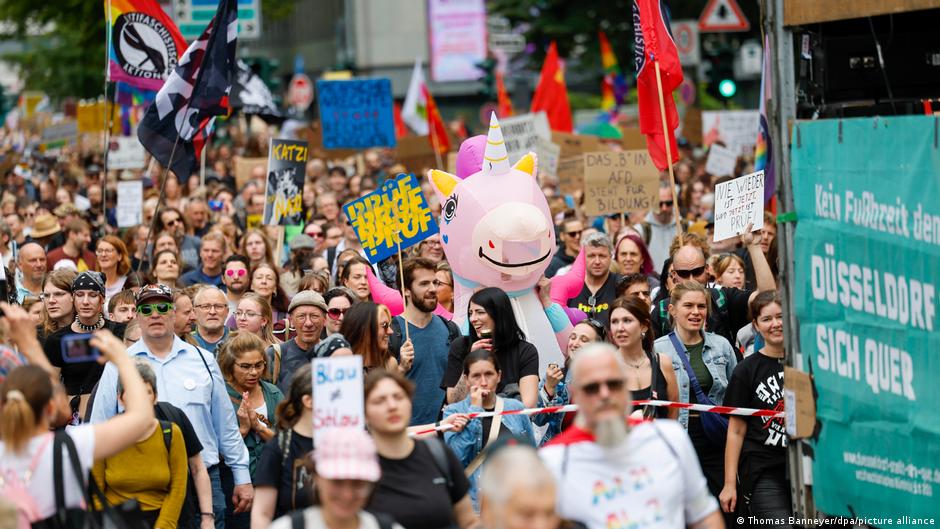
Mass protests across Germany reveal mounting political strain as the AfD gains ground and debate intensifies over bans and cooperation barriers.

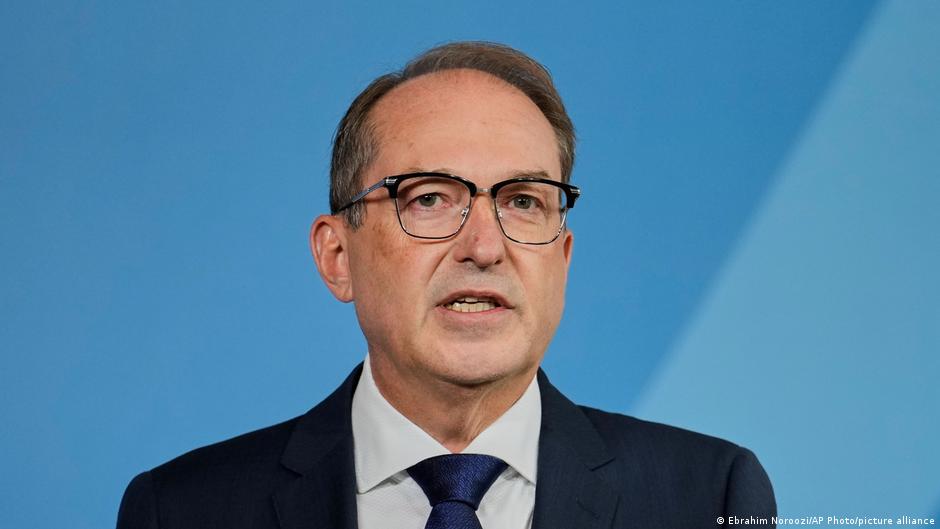
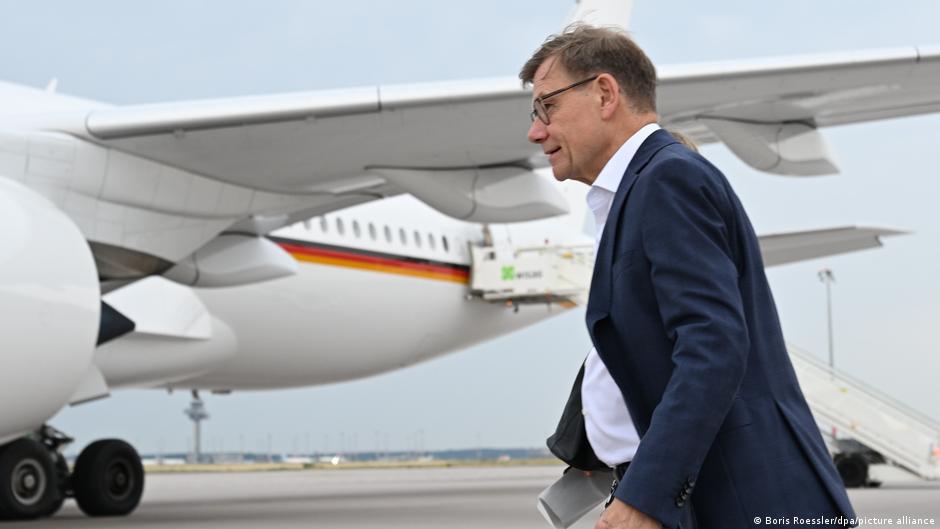
Germany’s foreign minister says Berlin’s defense industry should benefit from Ukraine support, tying aid policy to taxpayer and industrial interests.

AfD’s strong Saxony-Anhalt result drew sharp reactions from Poland, France and the Czech Republic, raising wider EU policy concerns.

AfD’s landslide in Saxony-Anhalt leaves no clear governing majority and raises pressure on Germany’s energy, sanctions and coalition politics.

The EU cancelled a planned defence expert group after resistance from Germany and Italy, exposing unresolved tensions over Europe’s security and spending strategy.

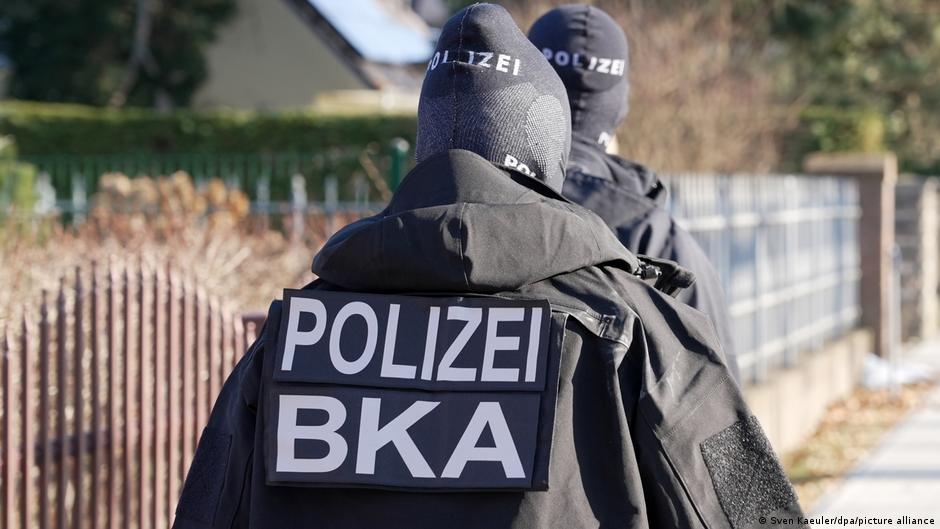
Germany is preparing a broad anti-sabotage shield against Russian hybrid threats, with new drone defenses, cyber monitoring and roles for critical infrastructure firms.

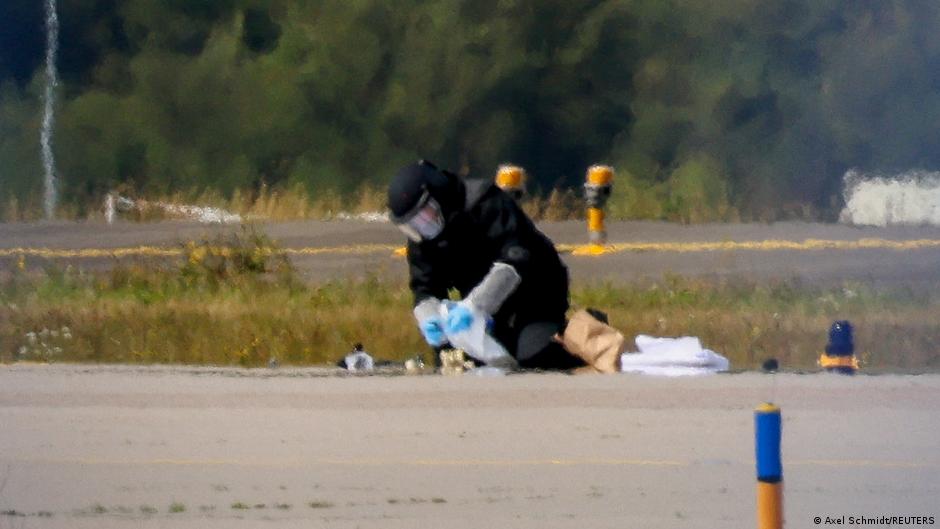
Latvia says a suspect in the Leipzig sabotage case had lived in Russia, as the incident drives wider EU security, sanctions and border-policy responses.

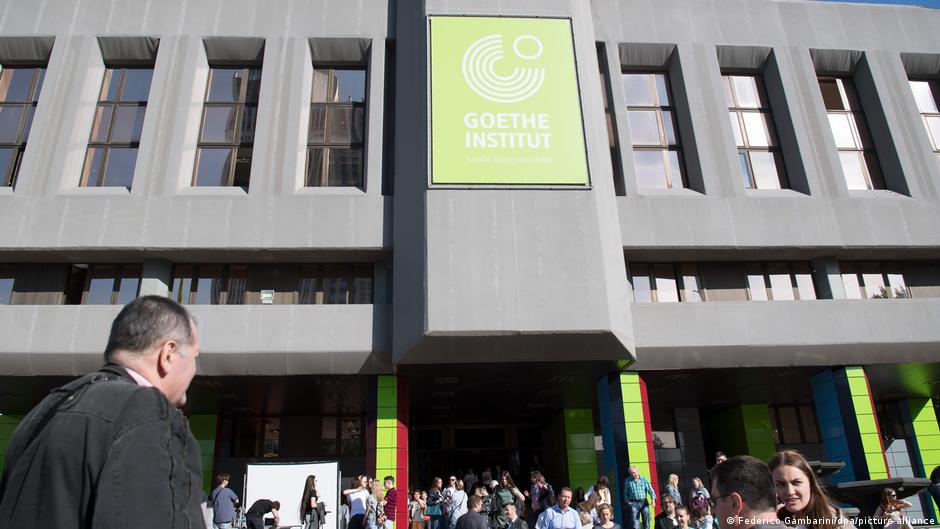
Russia said it will close Goethe Institute branches after Germany tightened sanctions, deepening the institutional split between Moscow and Europe.

Germany’s foreign investment rose to 86 billion euros in 2025, with EU capital dominant, U.S. inflows falling sharply and UK investment surging.

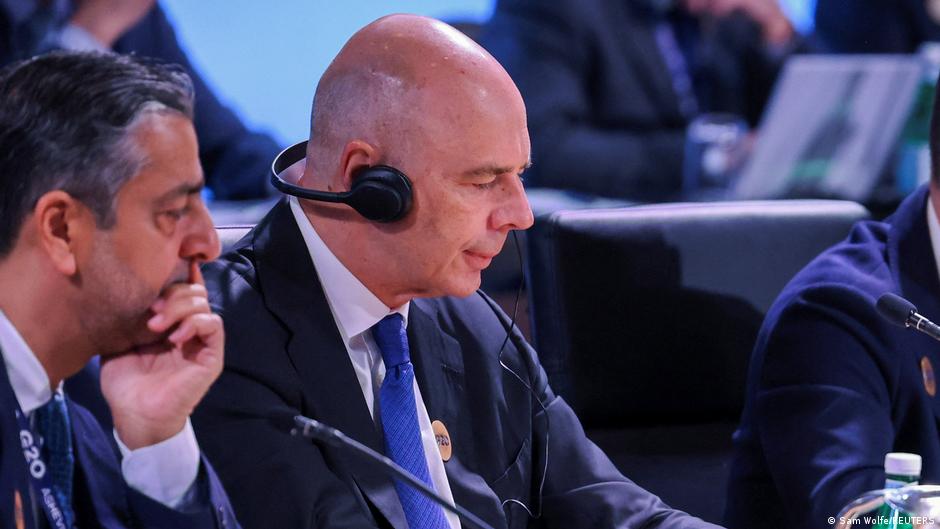
US Treasury Secretary Scott Bessent reportedly told Russia that sanctions pressure will not ease before the war in Ukraine ends.

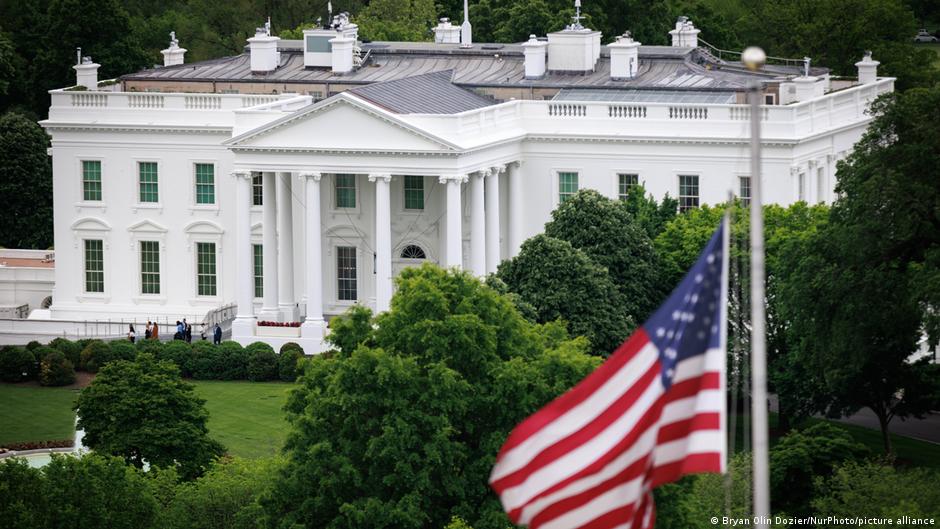
The US Supreme Court allows President Trump to resume White House renovations, including a new ballroom and military bunker, overturning lower court injunctions amid debates on executive authority.

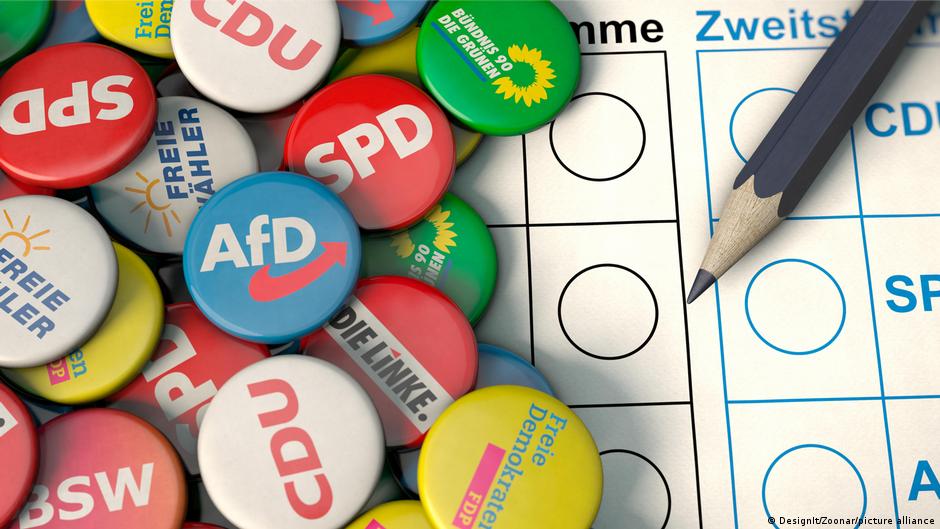
Germany’s CDU/CSU support drops to 20%, the lowest in five years, as far-right AfD leads polls ahead of key federal state elections, signaling shifting voter dynamics.

Germany reports 410 Islamist individuals posing threats, highlighting ongoing radicalization challenges and prompting calls for enhanced deradicalization and security measures.

A Kremlin-linked bot network spreads false German media-style content to influence voter sentiment ahead of September regional elections, targeting all but pro-Russian parties.

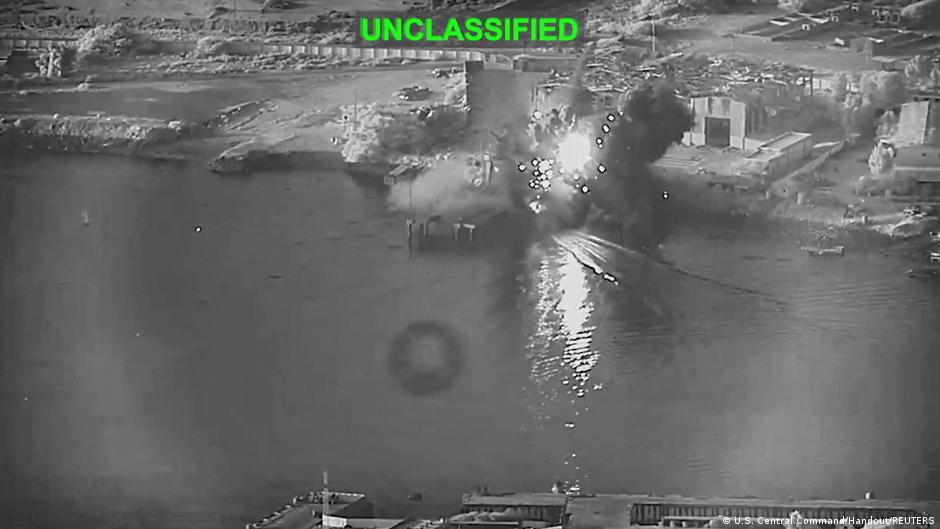
US strikes on Iranian infrastructure escalate tensions, risking broader regional instability and disruptions to global energy markets critical to economic stability.

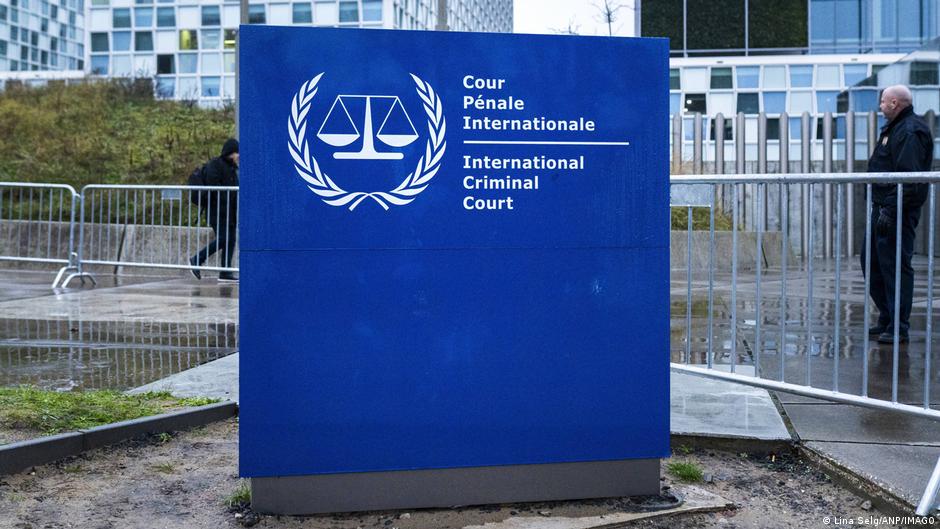
Germany defends the International Criminal Court against U.S. efforts to curtail its authority, highlighting global justice and sovereignty implications.

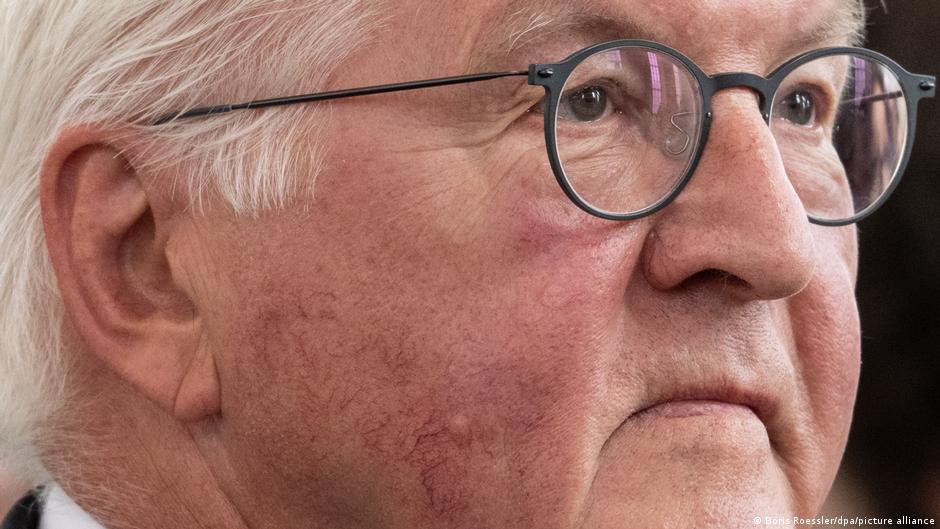
German President Steinmeier calls for Europe to uphold international law and counteract the ruthless geopolitical strategies of Russia and the US amid rising populism and reform challenges.

Germany’s 2027 budget increases defense spending and borrowing amid Russian security concerns, raising questions about economic growth and fiscal sustainability.

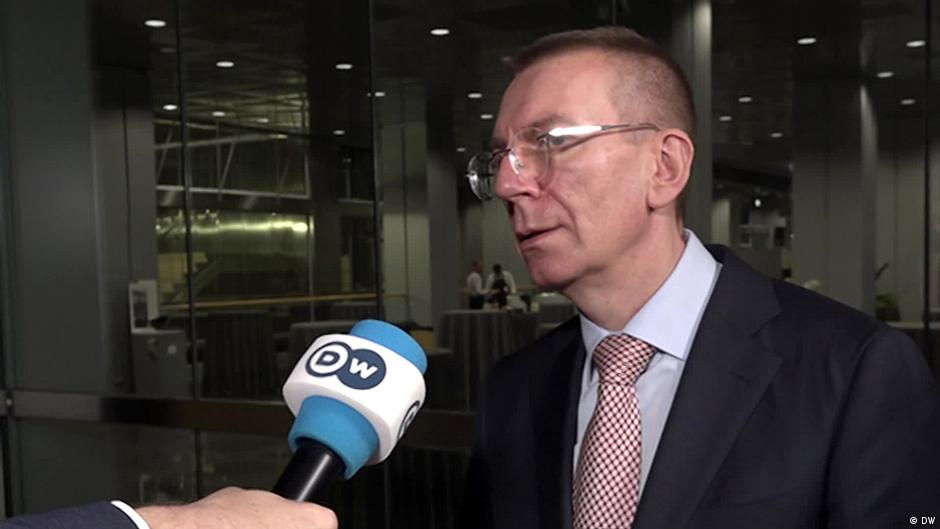
Latvian President Edgars Rinkēvičs warns NATO to prepare for potential escalation with Russia, stressing the need for increased military capabilities and clear deterrence signals to Moscow.

German and US foreign ministers reaffirmed their indispensable partnership amid global economic instability and discussed NATO burden-sharing and support for Ukraine.

Germany urges the EU and Turkey to exclude Russian gas in future contracts, reflecting a strategic shift as Turkey seeks to become a regional gas hub amid evolving geopolitical tensions.

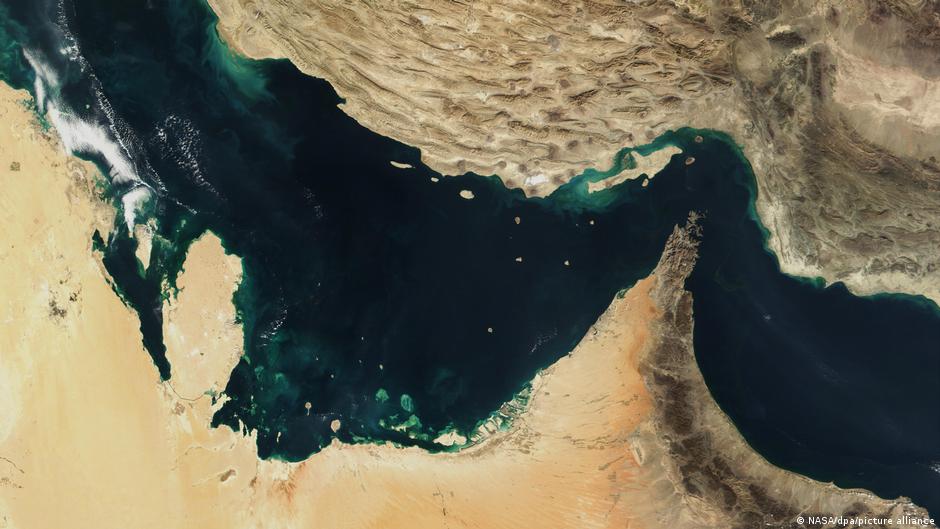
US airstrikes on Iran prompt Tehran to close the strategic Strait of Hormuz, escalating geopolitical risks with major consequences for global energy markets and economic stability.

Germany allocates an extra €300 million to support the Czech-led ammunition supply initiative for Ukraine, highlighting evolving European defense commitments and strategic funding challenges.

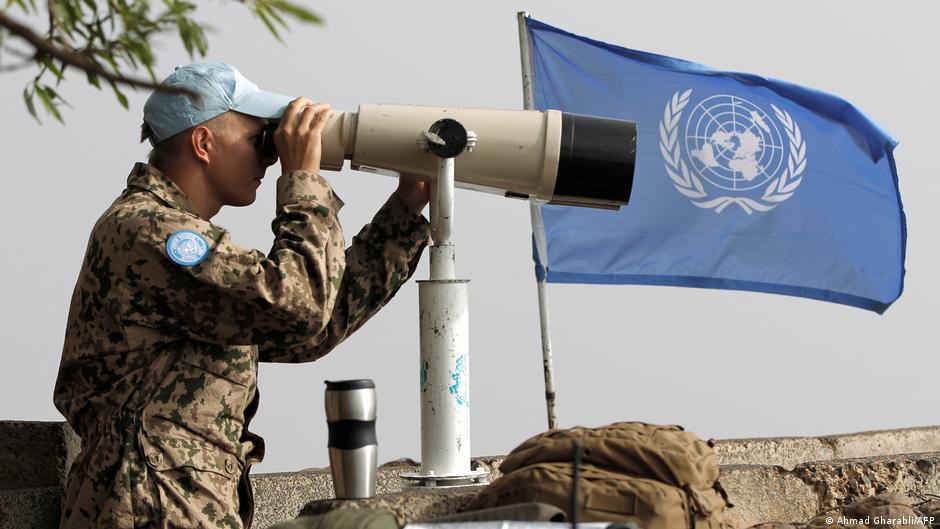
UN peacekeeping personnel have dropped to a 25-year low due to geopolitical tensions and funding shortfalls, threatening the future of multilateral conflict resolution, SIPRI warns.

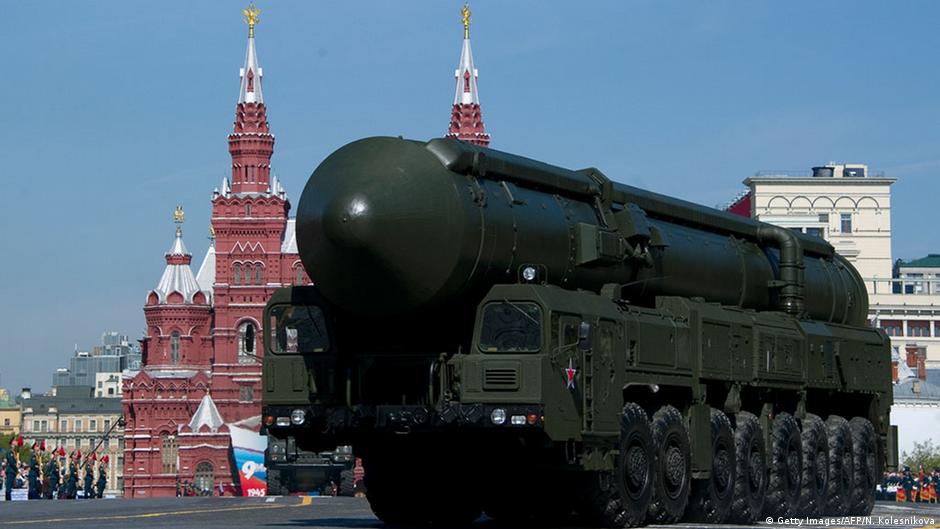
NATO intelligence indicates Russia is developing seabed-launched nuclear missiles, potentially reshaping global nuclear deterrence and strategic stability.

Ukraine and Germany advance joint air defense and drone production efforts following intensified Russian attacks, signaling strategic shifts in European security cooperation.

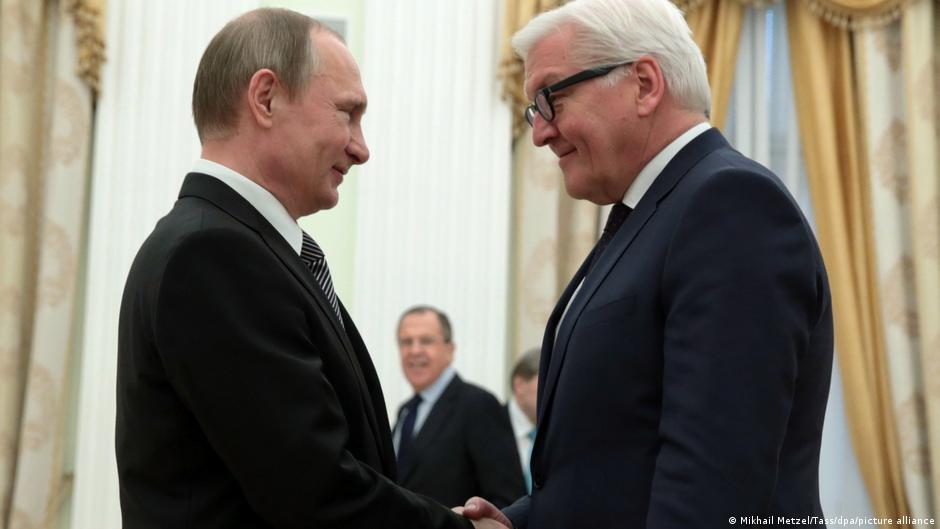
Germany considers President Steinmeier to represent the EU in Ukraine peace talks with Russia, amid skepticism over Moscow's negotiation intentions and strategic motives.

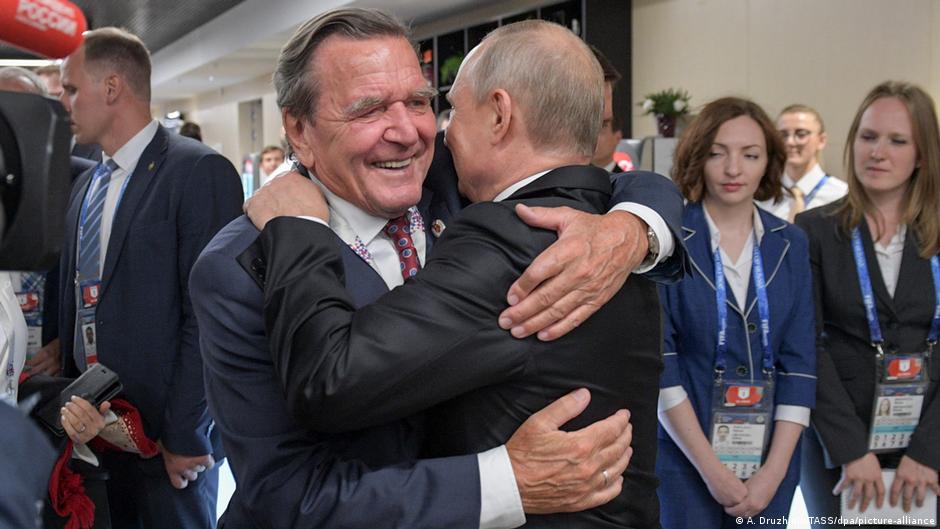
Putin names former German Chancellor Gerhard Schröder as preferred EU negotiator for Russia-Ukraine talks, signaling Moscow's openness to dialogue under specific conditions.

The US considers shifting troops from Germany to Poland amid strategic realignment, reflecting evolving NATO roles and US-European defense policy shifts.

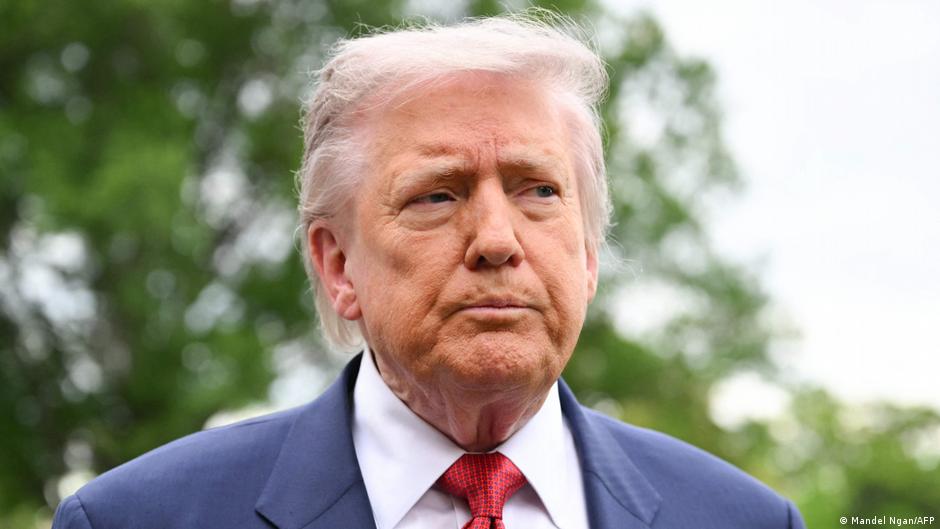
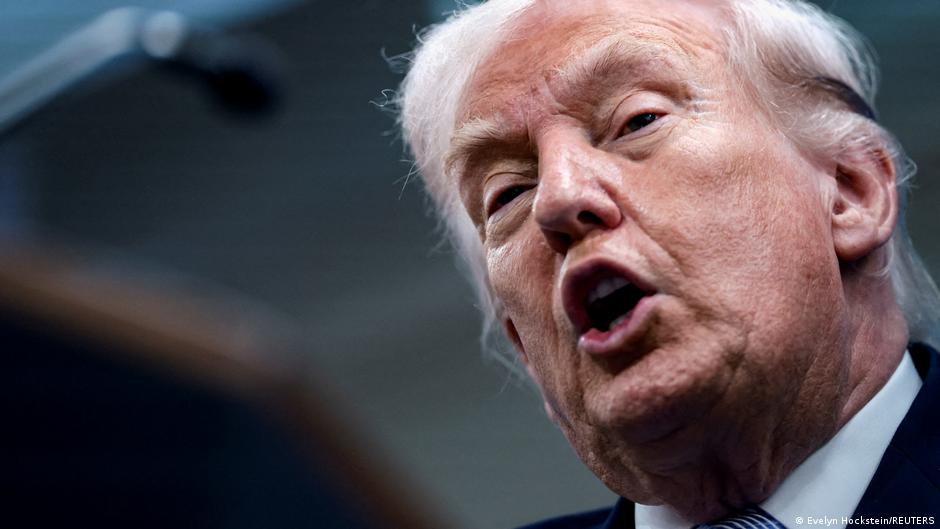
President Trump announces plans to reduce US troops in Germany significantly, signaling shifts in NATO dynamics and transatlantic defense strategies amid tensions with European allies.

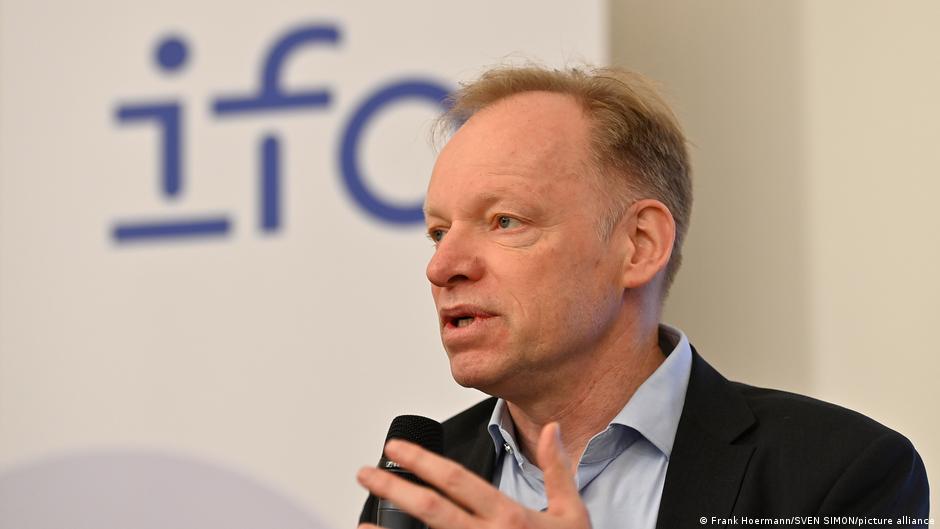
The ifo Institute warns that US auto tariffs could trigger a German recession by 2026 if the EU responds with retaliatory duties, escalating transatlantic trade tensions.
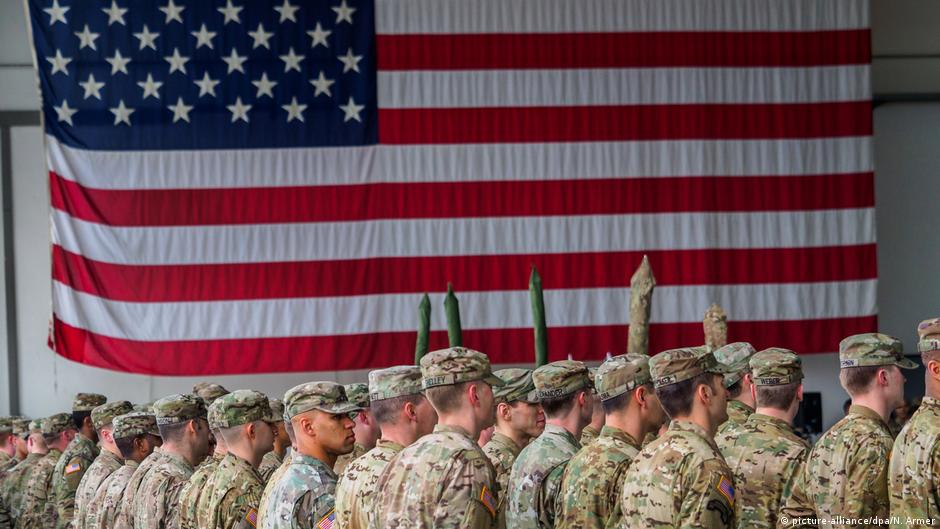
The US Pentagon orders a withdrawal of 5,000 troops from Germany within a year, reflecting strategic military adjustments and signaling shifts in transatlantic defense relations.

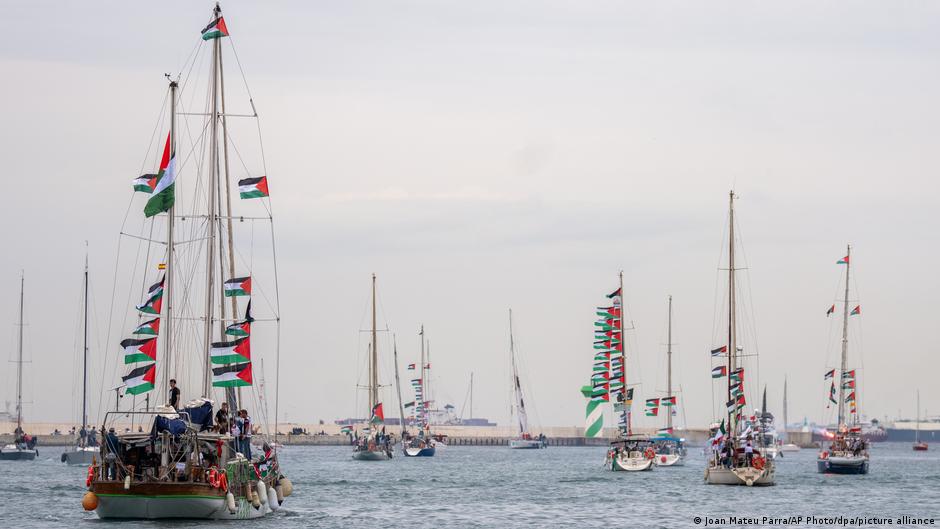
Italy and Germany call for adherence to international law following Israel’s halt of a humanitarian flotilla to Gaza, emphasizing the need for responsible actions amid complex geopolitical tensions.

Germany attributes recent phishing attacks on politicians and journalists via Signal messenger to Russia, highlighting escalating international cybersecurity threats.

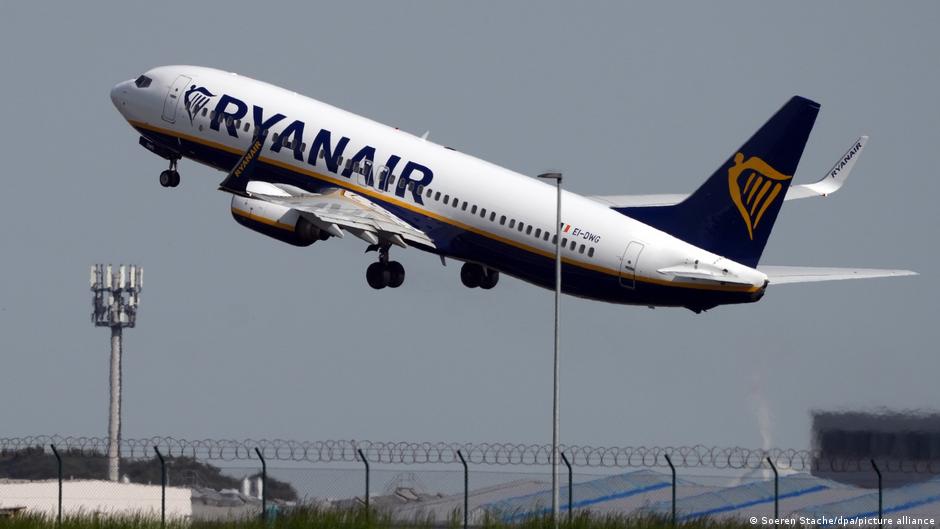
Ryanair will close its Berlin base by 2026 and halve flights due to rising airport fees and aviation taxes in Germany, signaling significant shifts in Europe’s low-cost airline market.
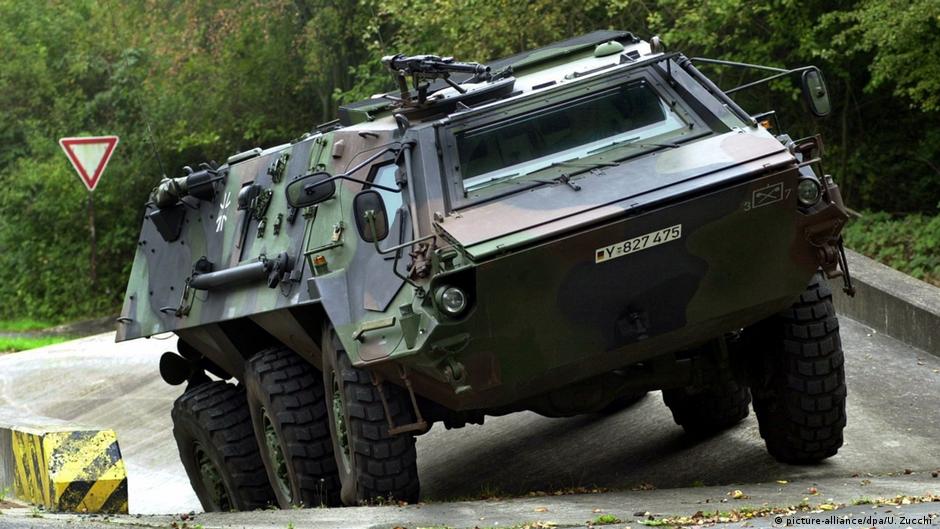
Germany authorized millions in arms exports to Israel during the US-Israel conflict with Iran, revealing complex export policies amid geopolitical tensions and partial embargoes.