US Removes Syria from Terrorism Sponsors List, Signaling Major Shift in Middle East Policy
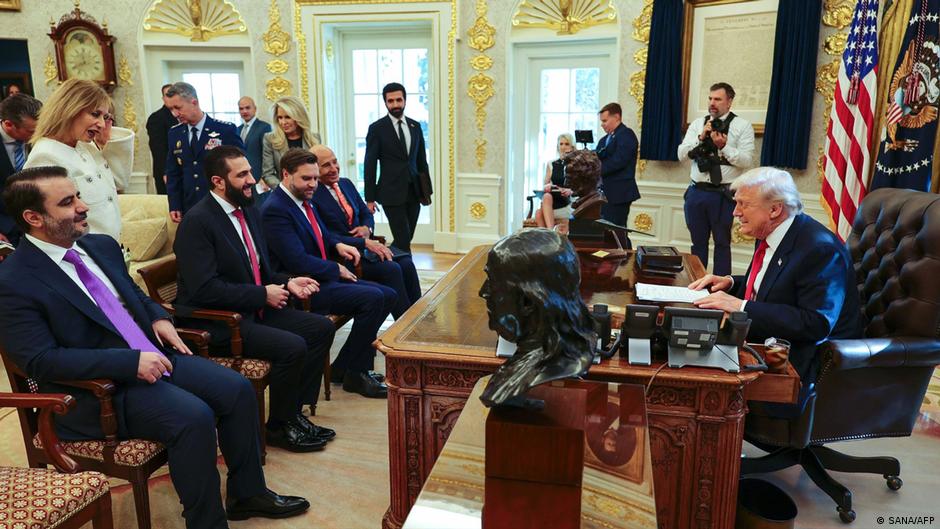
The US has removed Syria from its terrorism sponsor list, opening new economic and geopolitical avenues amid ongoing regional tensions and shifting alliances.

The US has removed Syria from its terrorism sponsor list, opening new economic and geopolitical avenues amid ongoing regional tensions and shifting alliances.

The EU pledges sustained support for Ukraine, linking its future EU membership with regional security and pledging intensified sanctions on Russia amidst ongoing conflict.

Russia has revised medical restrictions, allowing individuals with limb disabilities to drive public transport, aiding veteran reintegration and addressing labor shortages amid demographic challenges.

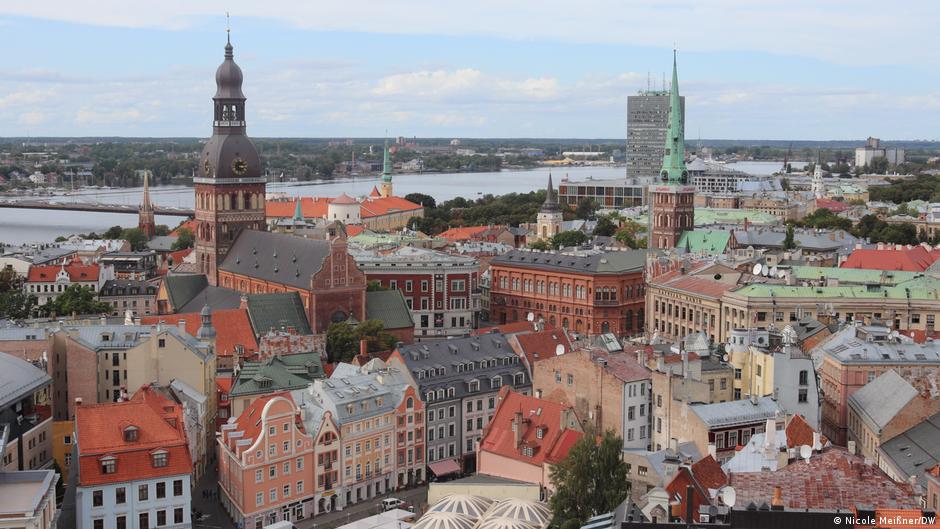
Latvia publishes a list of 170 companies trading with Russia and Belarus amid war, reflecting a new transparency policy affecting regional economic ties and sanctions.

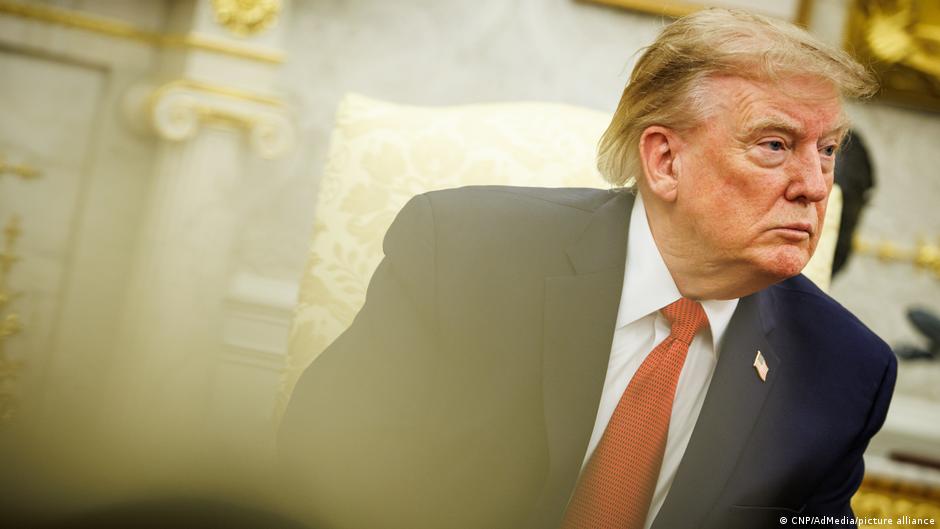
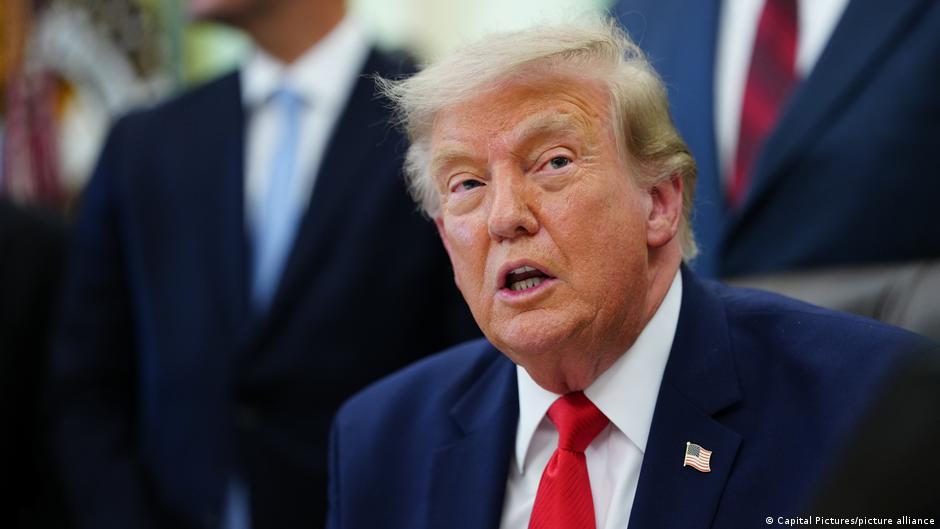
US President Trump announces an unprecedented economic war on Iran, threatening sanctions on any country supporting Tehran, intensifying global economic and geopolitical tensions.

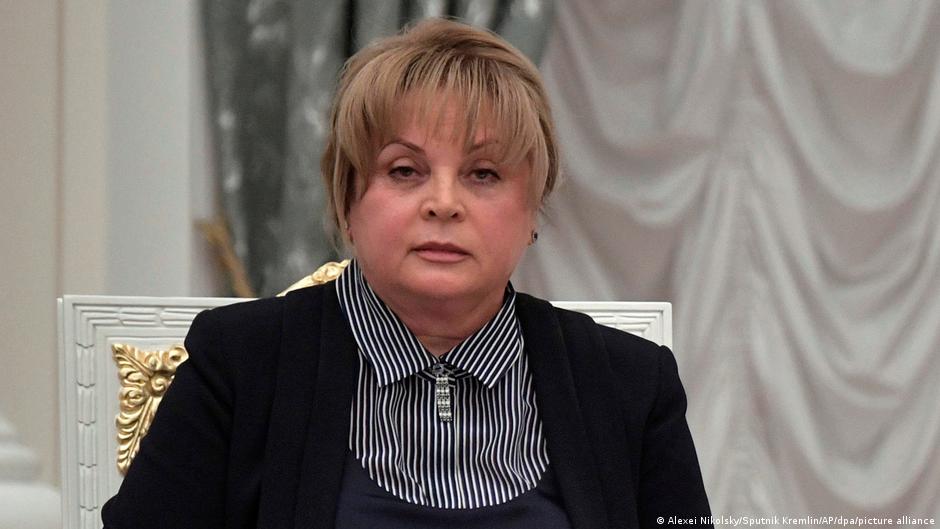
Russia’s election chief advocates stripping voting rights from emigrated citizens, signaling significant policy shifts with implications for global economic relations and diaspora engagement.

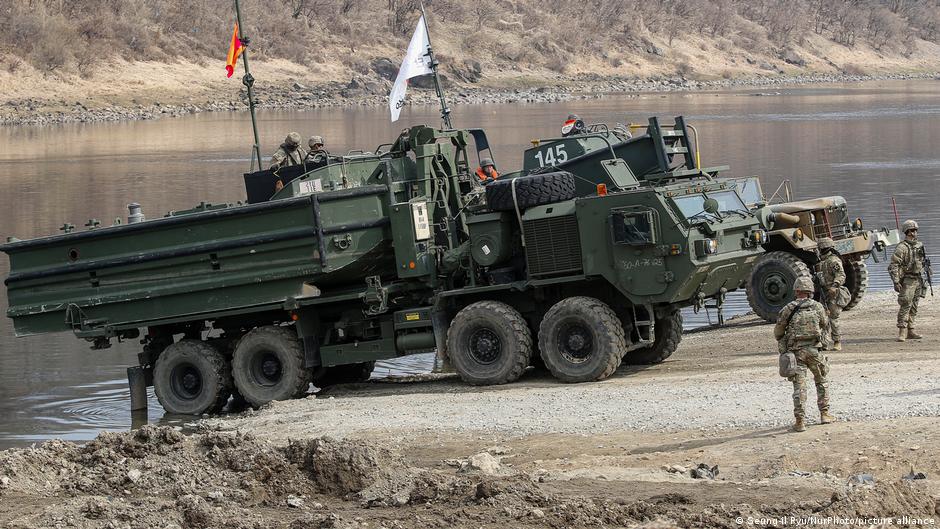
The US orders a significant reduction of joint military drills with South Korea, reflecting a strategic shift that impacts regional security and global economic stability.

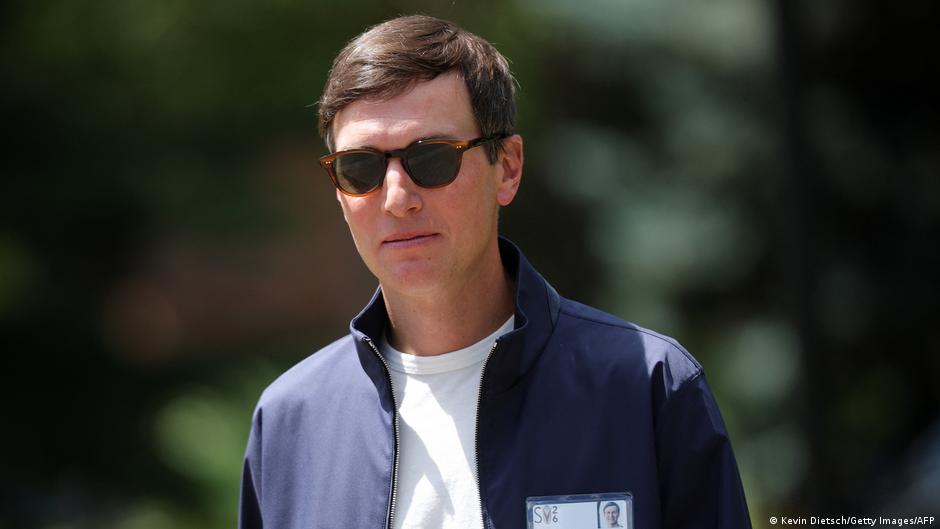
Jared Kushner's talks with Hamas in Egypt press for disarmament amid Israeli demands, highlighting pivotal shifts in Middle East diplomacy with major global economic effects.

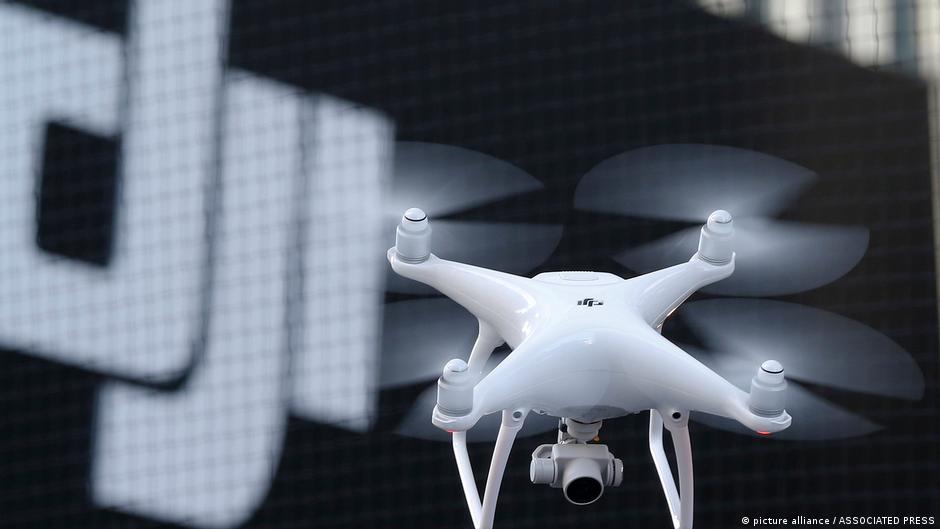
The US imposes tariffs up to 100% on imported drones and components to enhance national security and reduce reliance on foreign suppliers amid rising global tensions.

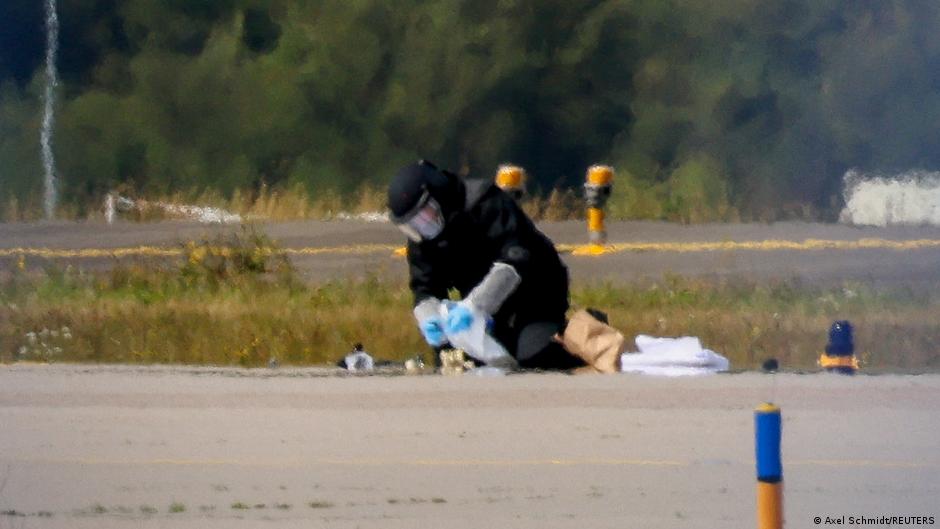
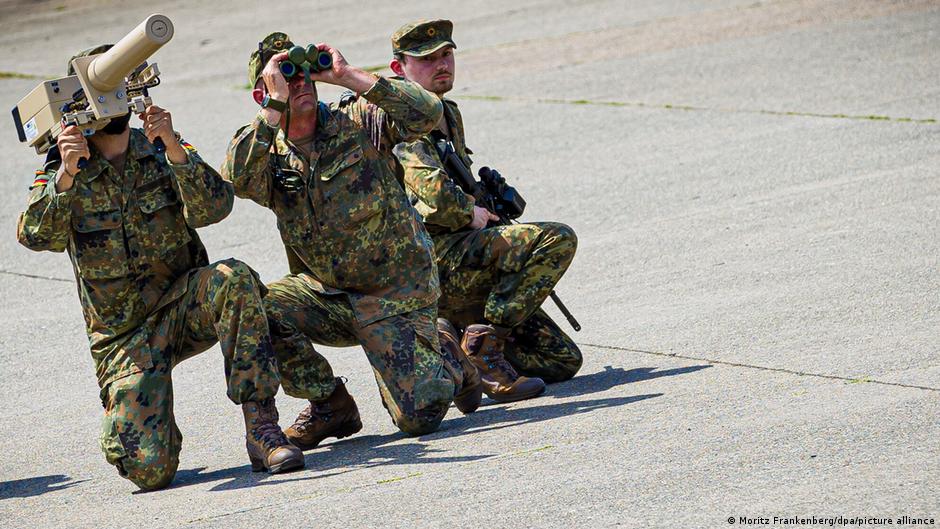
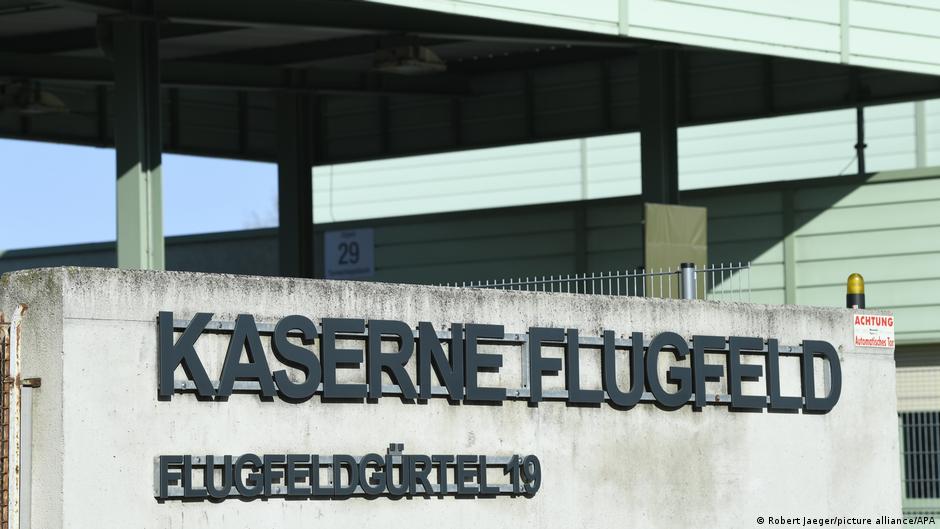
German military bases face a surge in drone incursions linked to hybrid threats, prompting new counter-UAV technology initiatives amid rising security concerns.

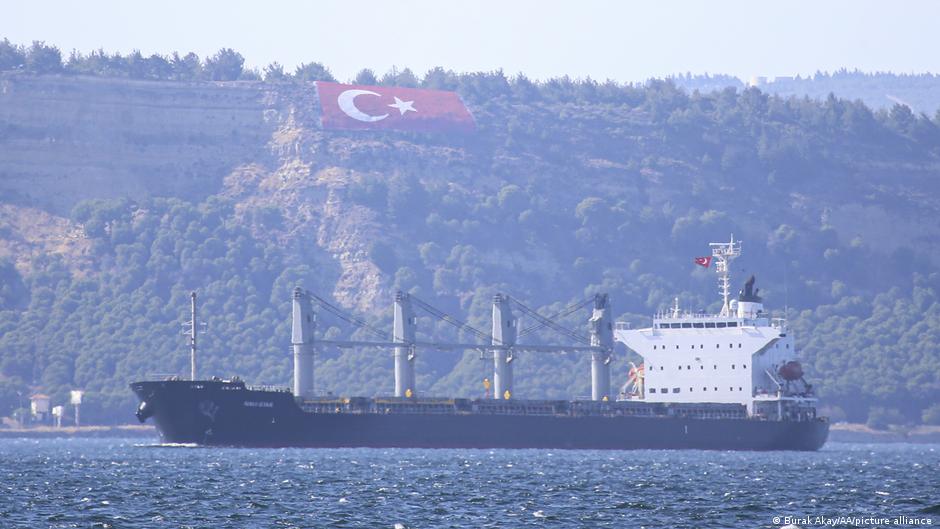
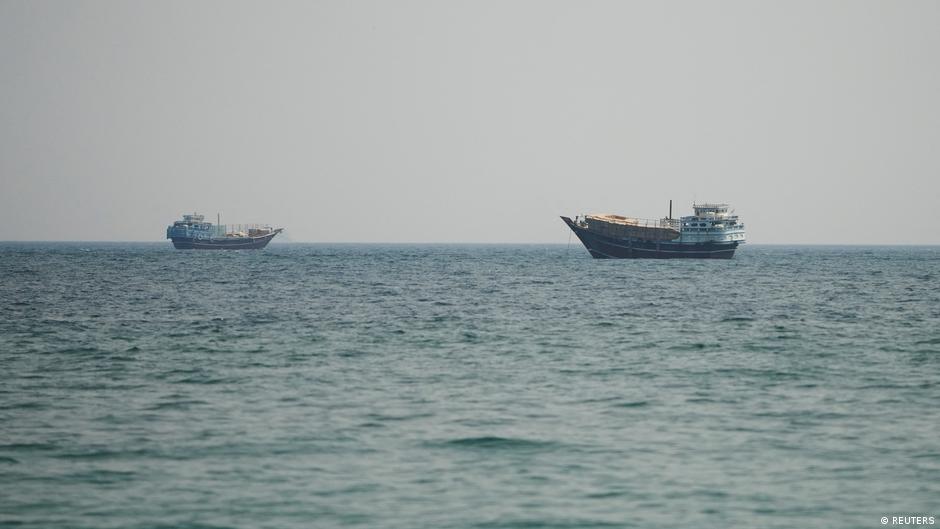
Turkey has lifted temporary restrictions on commercial ship passage through the Dardanelles Strait, responding to Black Sea security concerns amid regional conflicts.

Germany confronts escalating hybrid warfare threats, including explosive drone attacks, prompting new technological defenses amid rising geopolitical tensions in Europe.

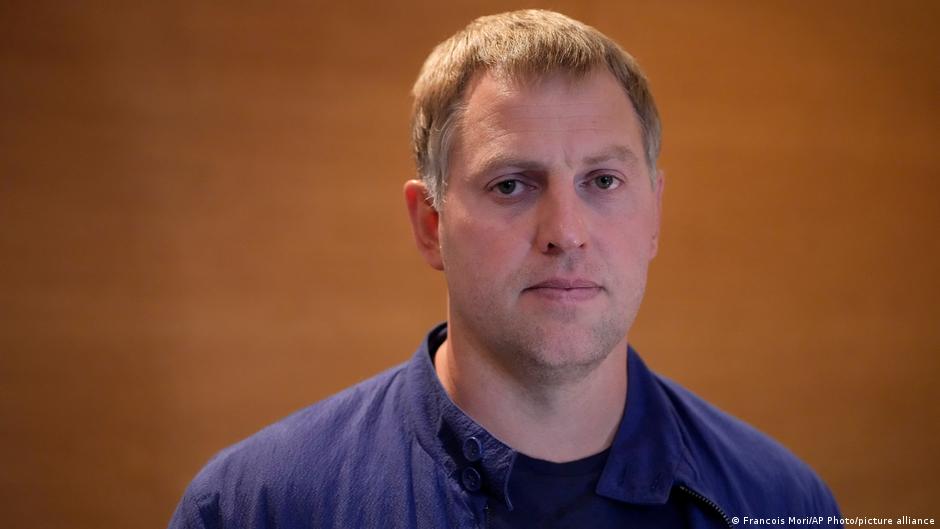
Vladimir Osechkin halts Gulagu.net amid global human rights crisis, increasing repression, and heightened personal security threats linked to Russian state actions.

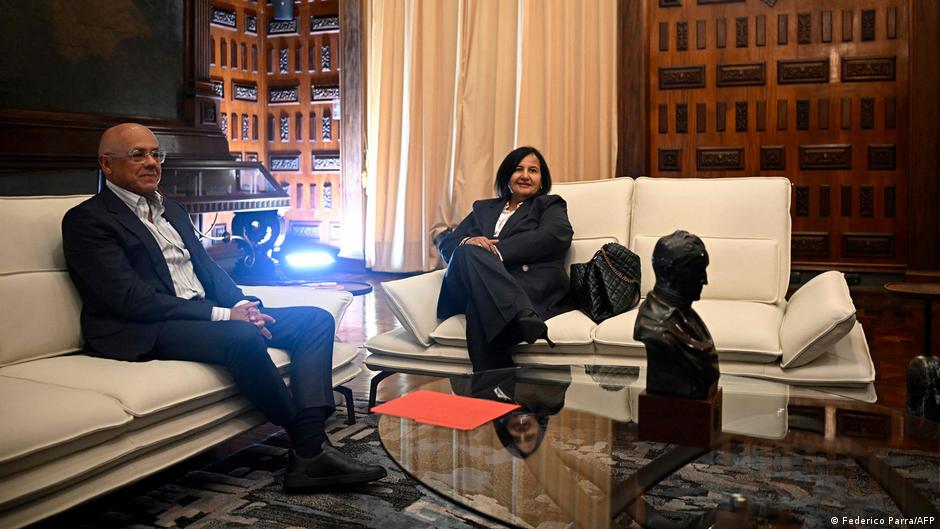
Venezuela's government and opposition plan direct talks in Caracas to address earthquake relief and set democratic reforms and election timelines.

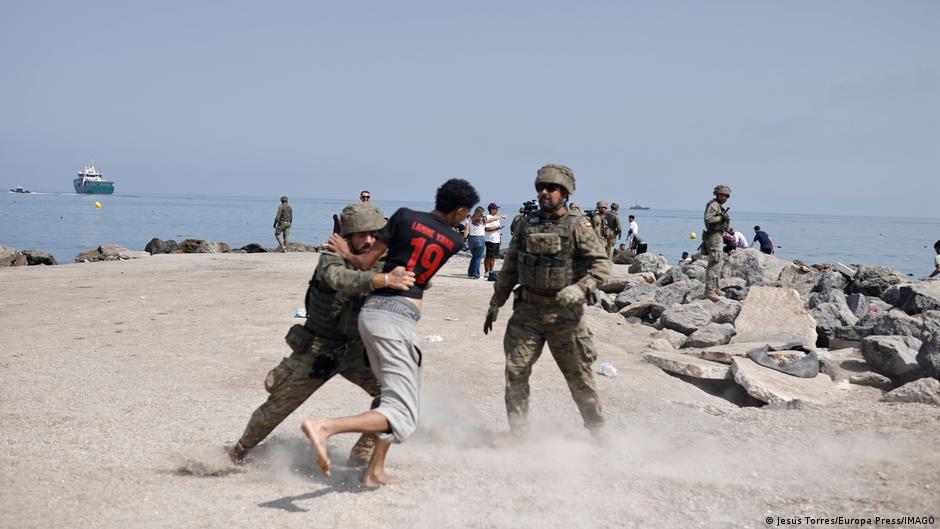
Spain confronts a massive migrant influx in Ceuta, triggering military deployment and Italy’s suspension of Schengen border-free travel with Spain.

The US brokered a phased disarmament agreement with Hamas, marking a major shift toward peace and new governance in Gaza amid ongoing regional tensions.

Greece's substantial increase in Schengen visa refusals to Russians highlights EU security-driven policy shifts, affecting Russian travel and European tourism economies.

Jay Clayton's confirmation as US Director of National Intelligence raises questions about experience and signals potential shifts in security and economic policy.

The U.S. Senate moves to impose steep tariffs on Russia and allies, advancing bipartisan sanctions legislation with long-term geopolitical impact.

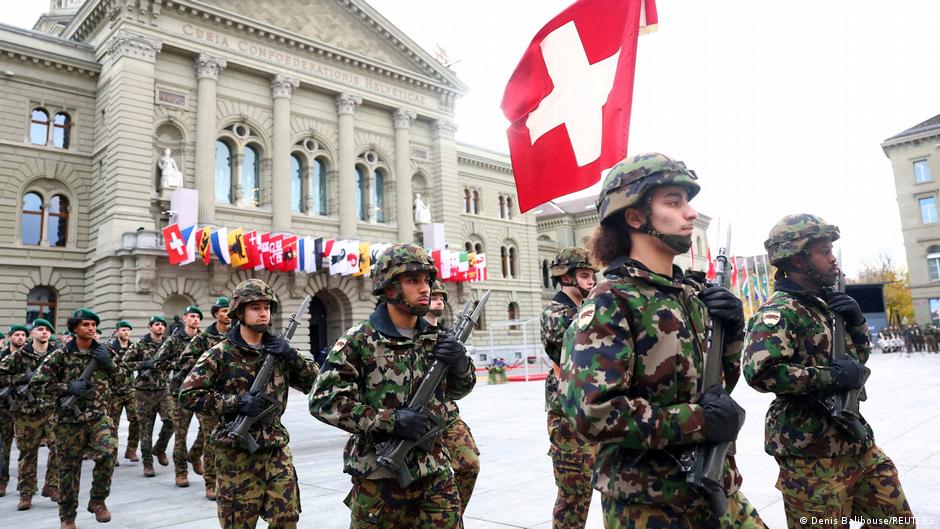
Austria plans to extend mandatory military service to nine months to address new security challenges stemming from geopolitical tensions and hybrid threats.

Germany seeks a formal agreement with Ukraine to access advanced drone technologies, aiming to enhance its military capabilities amid ongoing security challenges.
Montenegro will end visa-free travel for Russian and Belarusian citizens by October 31, 2026, aligning its policy with EU accession requirements and security considerations.

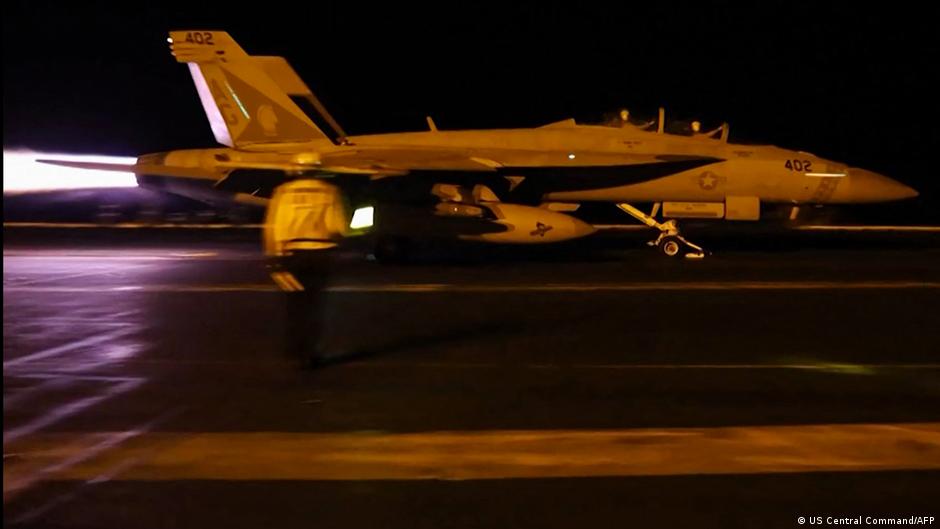
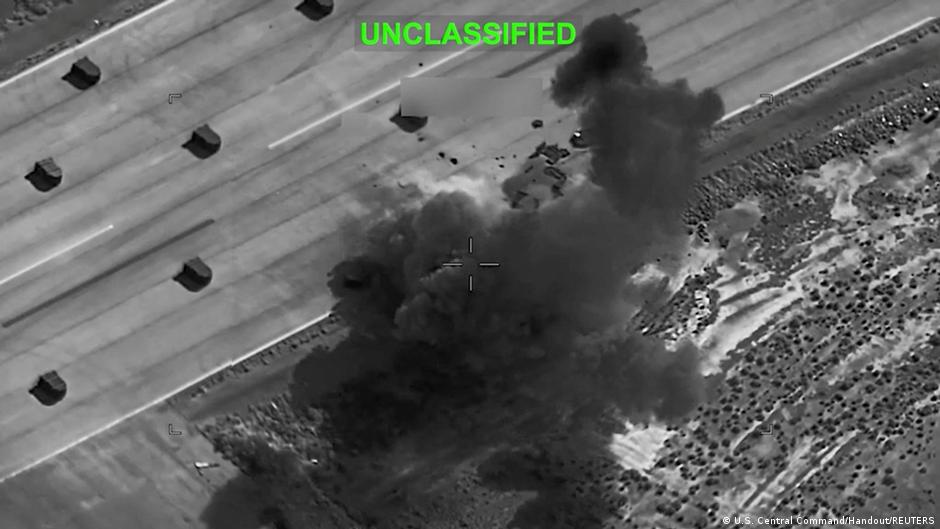
The US military continues its offensive against Iran, targeting strategic sites in the Strait of Hormuz amid escalating regional tensions with significant global economic implications.

The IMF approved a €604 million disbursement to Ukraine, recognizing its progress under the EFF program amid war, despite delays in structural reforms and revised growth forecasts.

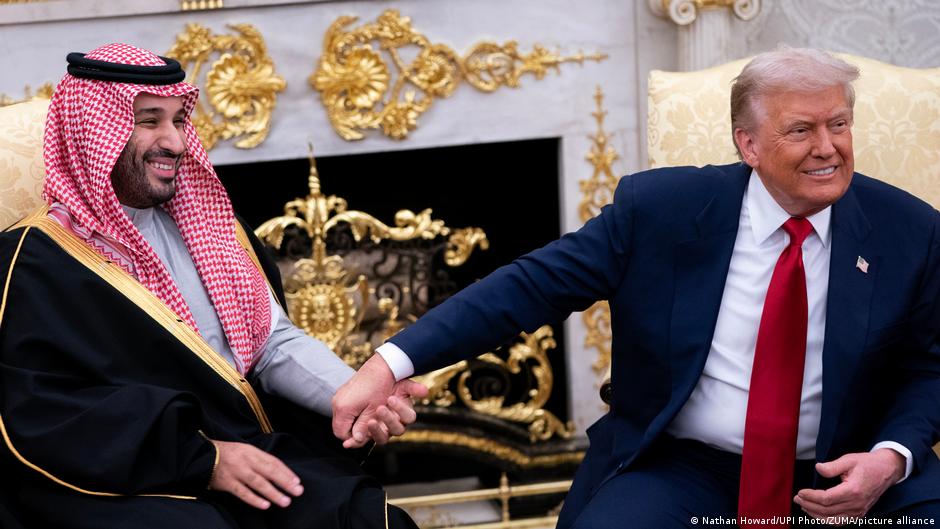
The US administration is poised to allow Saudi Arabia to enrich uranium without enhanced IAEA safeguards, raising concerns over nuclear proliferation and regional stability.

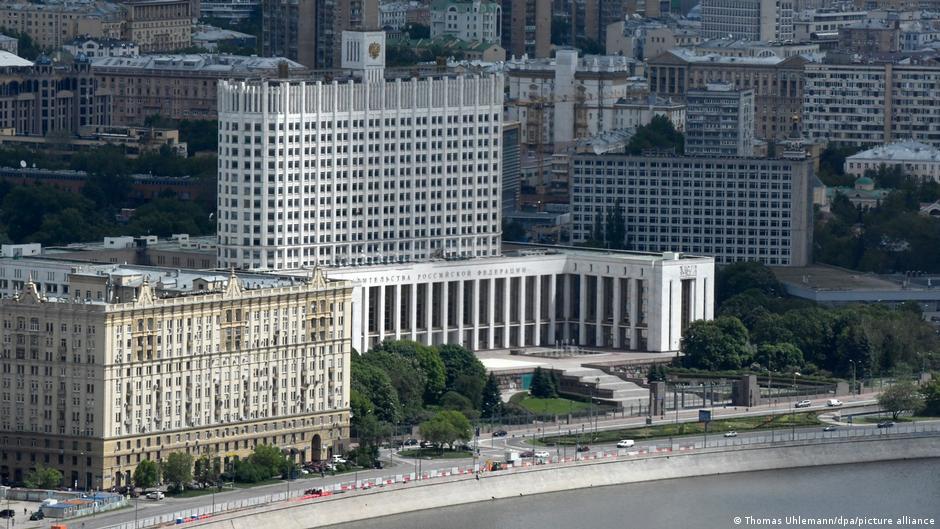
The Russian government proposes expanding criminal convictions eligible for military contracts amid mobilization, signaling deeper labor and defense challenges during ongoing conflict.

Ukrainian drone strikes on Russian logistics centers and urban areas have caused casualties and infrastructure damage, signaling increased security risks and potential supply chain disruptions.

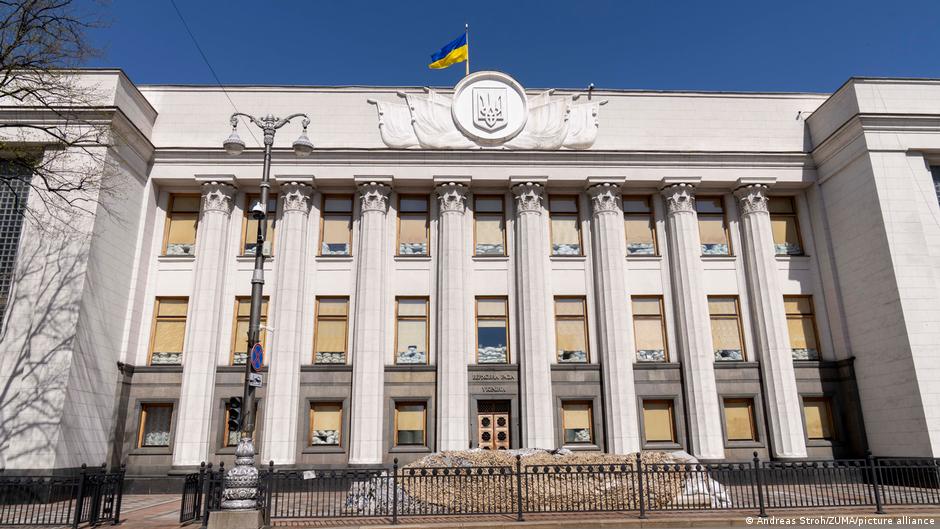
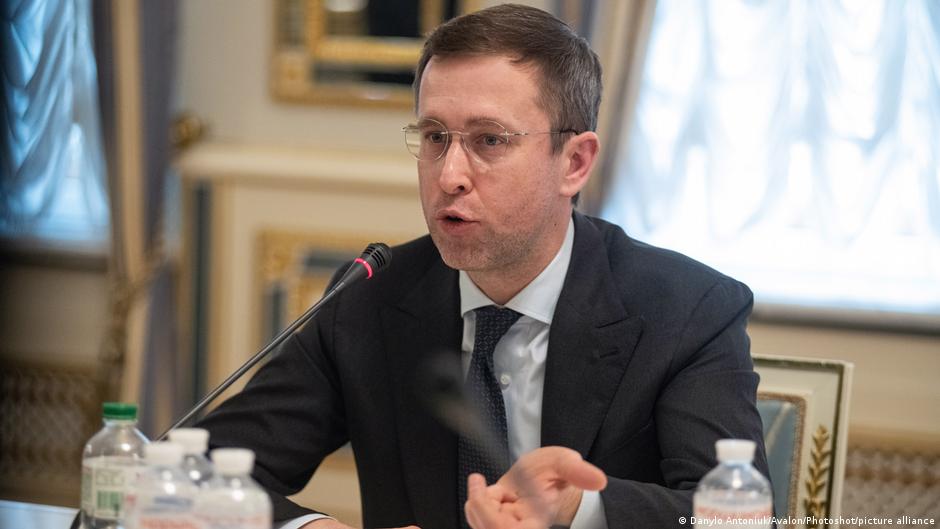
Ukraine's parliament will vote on July 16 to confirm Sergey Koretsky as prime minister, initiating a major government reshuffle with significant implications for economic and defense policies.

The US is advancing plans to restore an Iraq-Syria oil pipeline to bypass the Strait of Hormuz, aiming to reduce Iranian influence and diversify energy export routes amid rising Middle East tensions.

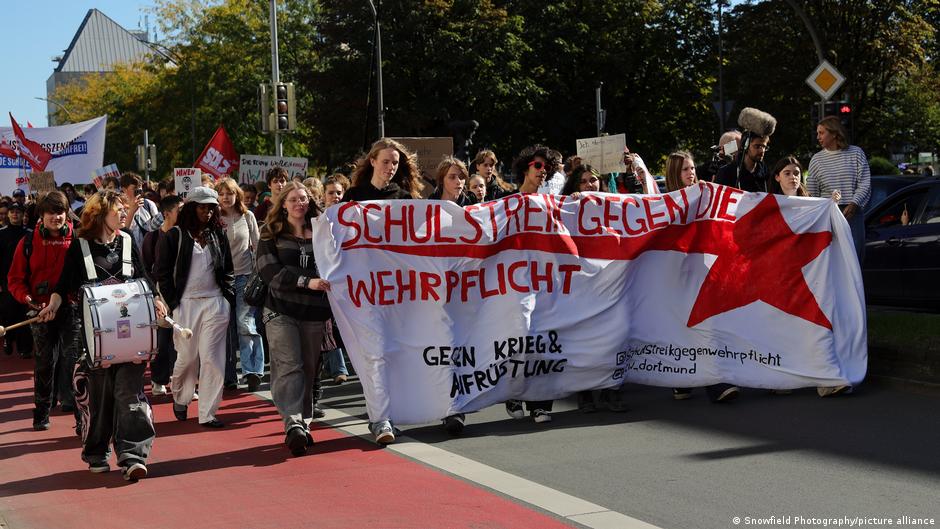
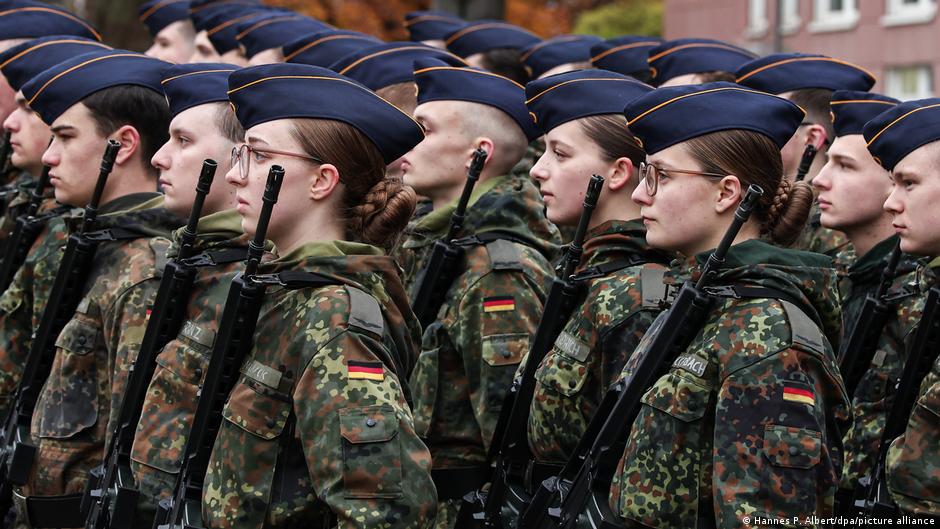
Germany has seen a sharp increase in military service refusals in early 2026, driven by security concerns and conscription reforms aimed at expanding the Bundeswehr’s size.

US military strikes on Iran escalate after attacks in the Strait of Hormuz, closing this key oil export route and raising global economic risks.

June 2026 saw the highest civilian casualties in Ukraine since the Russian invasion began, signaling escalating conflict with profound economic and geopolitical ramifications.
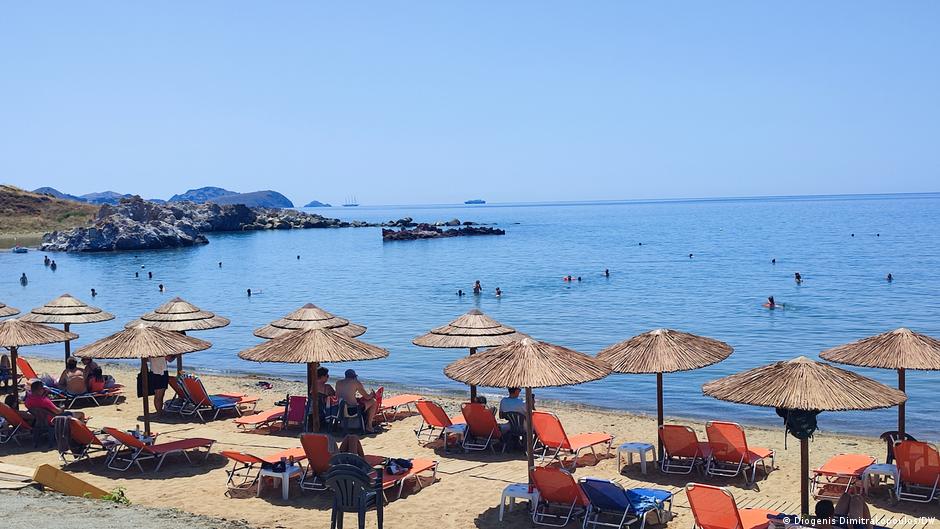
Fuel prices in Crimea have surged nearly 80% in one week amid Russia’s export restrictions and supply shortages, signaling broader energy market challenges and policy shifts.

The US plans to remove Syria from the terrorism sponsors list, lifting sanctions and enabling economic reconstruction and reintegration into the global economy.

Germany plans a record €124.7 billion defense budget for 2026, marking a 25.5% rise and signaling a major shift in European security and economic policy.

Canada's decision to procure German-designed Type 212CD submarines marks a pivotal moment in transatlantic defense collaboration and Arctic security strategy.

Gazprom has contracted with Russia's Defense Ministry to form mobile units protecting gas infrastructure, reflecting heightened security concerns amid geopolitical tensions and economic risks.

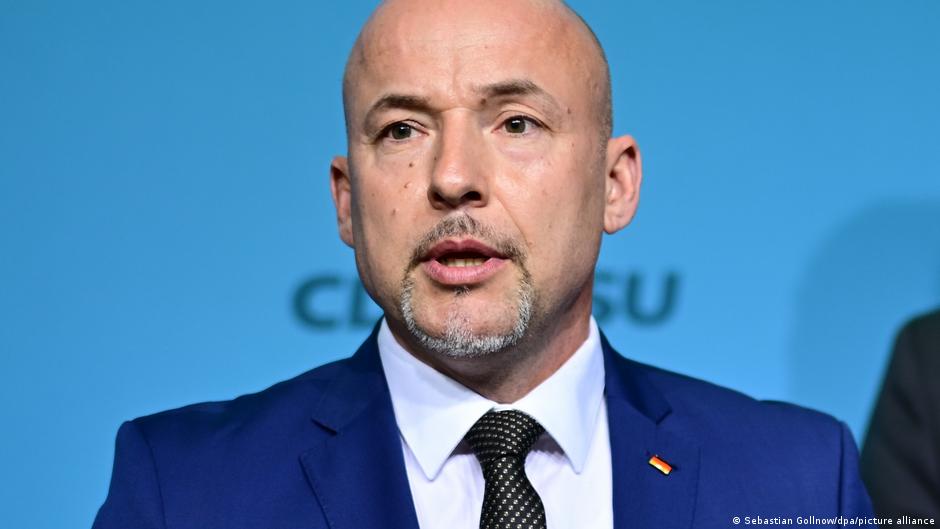
A recent INSA poll shows 45% of Germans oppose banning the far-right AfD, which remains the country's most popular party, outpacing CDU/CSU by 8 points.

Russia permits continued use of higher-sulfur Euro-3 fuels domestically until 2026 amid refining disruptions, excluding exports to EAEU countries, signaling a shift in energy policy priorities.
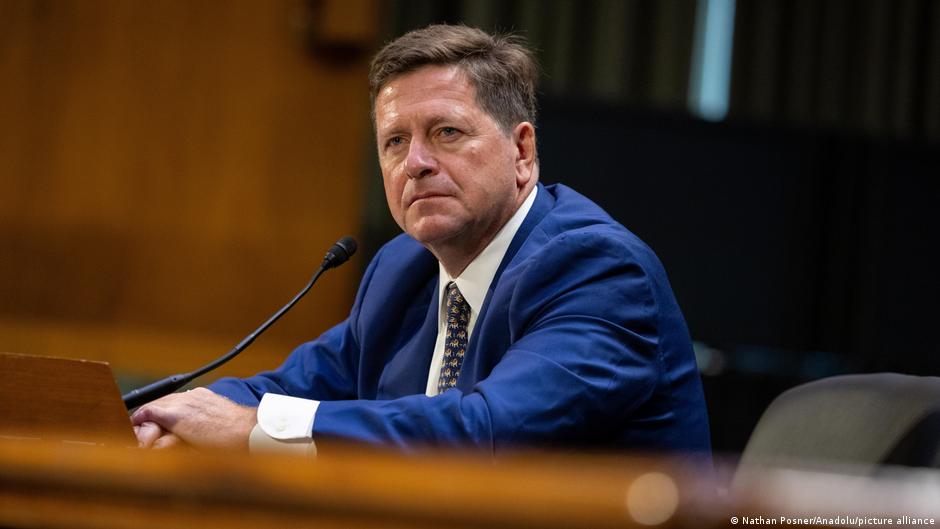
France joins Italy, Spain, and Hungary in tightening visa rules for Russian citizens, signaling a coordinated EU response with significant economic and geopolitical consequences.

The EU reduces duty-free steel import quotas by 47%, imposing a 50% tariff on excess imports to protect its steel industry from cheap global steel surpluses.

Russia's aviation fuel imports from Belarus surged nearly fourfold in May 2026 amid domestic production setbacks, prompting policy shifts and regional supply realignments.
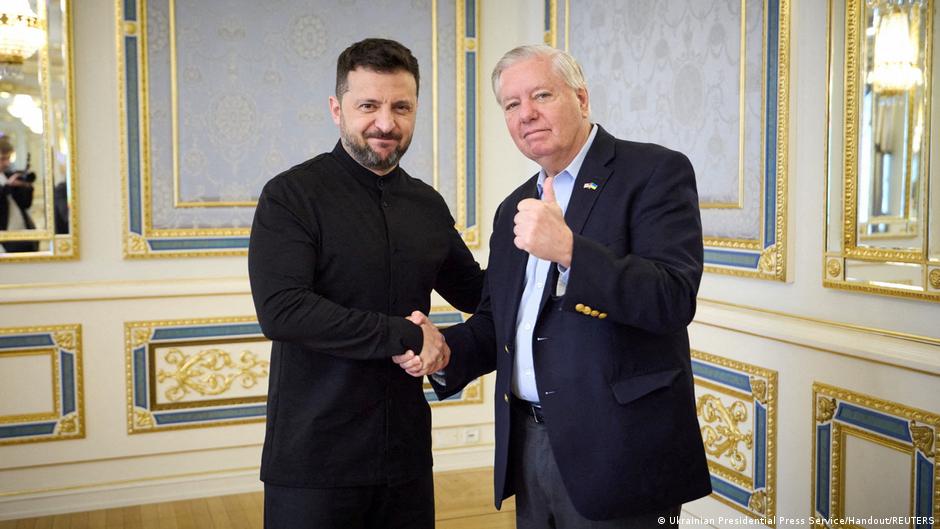
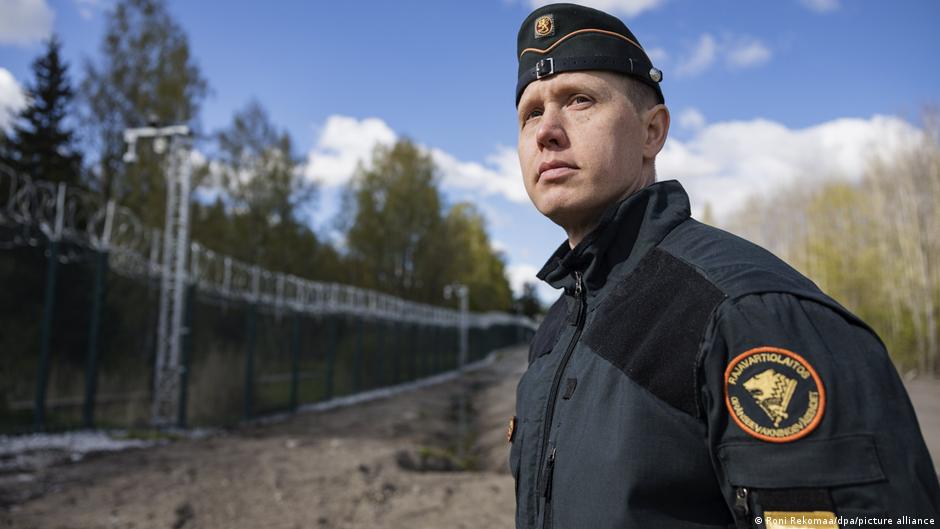
Finland amends its atomic energy law to lift the ban on nuclear weapons import, aligning with NATO membership and reshaping regional security dynamics.


Russia closes Romania’s consulate in St. Petersburg after Bucharest shut the Russian consulate in Constanța following a drone incident in Galați, raising regional security concerns.

Right-wing businessman Abelardo de la Espriella narrowly won Colombia’s presidency, signaling a shift toward militarized security and economic deregulation with significant regional ramifications.

The US threatens to impose fees for passage through the Strait of Hormuz if Iran deal fails, highlighting risks to global oil supply and maritime security.

US envoy Stephen Witkoff travels to Switzerland for nuclear talks with Iran, delayed by Lebanon conflict, with major economic stakes tied to ceasefire and sanctions relief.

The US ends its blockade of the Strait of Hormuz under Trump’s directive, opening a 60-day negotiation period with Iran and easing tensions in global oil markets.

Russia launched ballistic missile strikes on Kyiv and other Ukrainian cities soon after the G7 pledged increased support for Ukraine, signaling a potential escalation with broad economic implications.