US Strikes on Iran Escalate Regional Tensions with Global Economic Implications
US strikes on Iranian infrastructure escalate tensions, risking broader regional instability and disruptions to global energy markets critical to economic stability.

US strikes on Iranian infrastructure escalate tensions, risking broader regional instability and disruptions to global energy markets critical to economic stability.

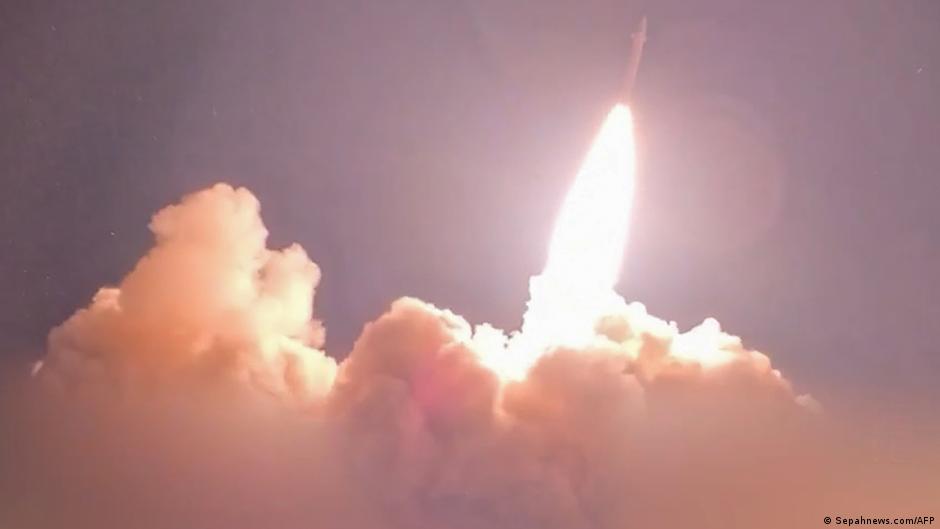
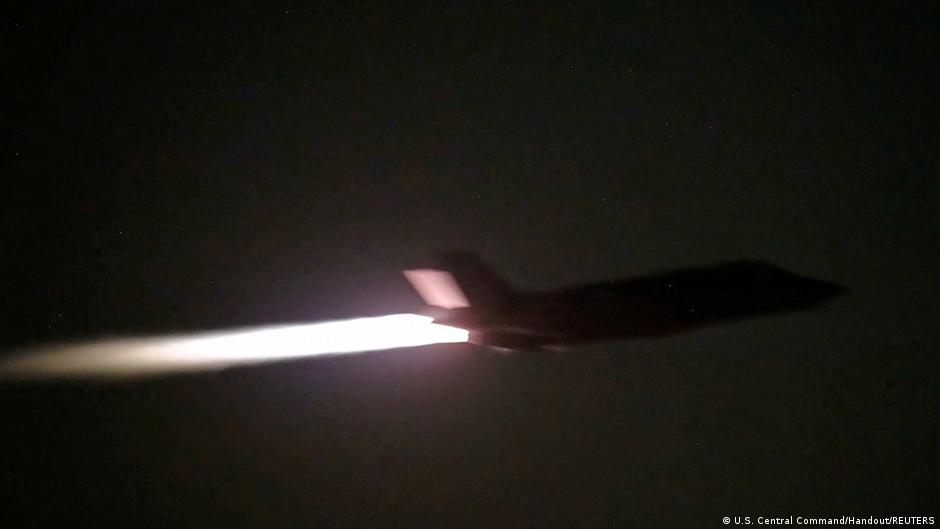
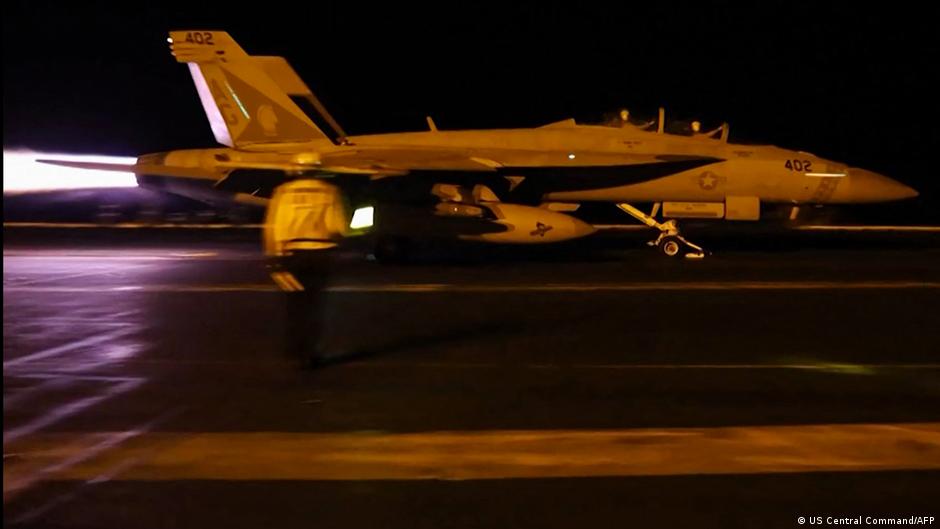
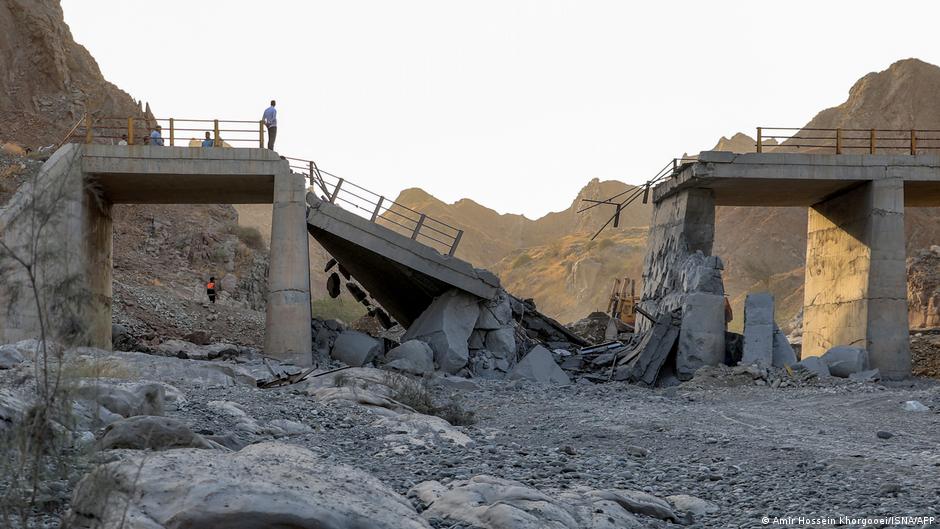
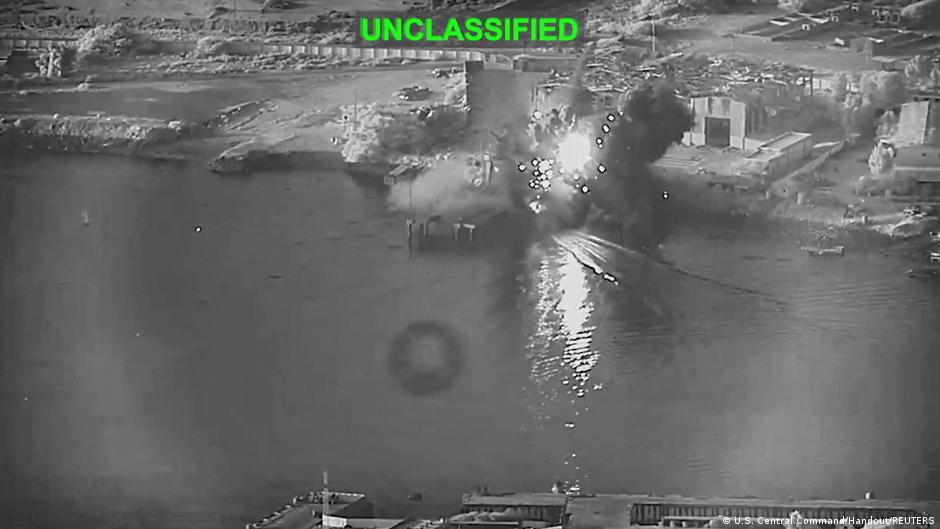
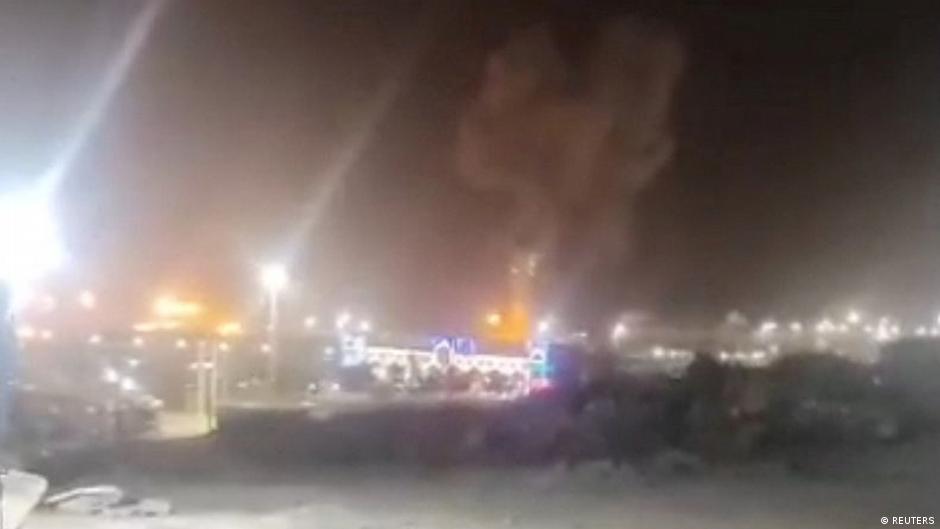
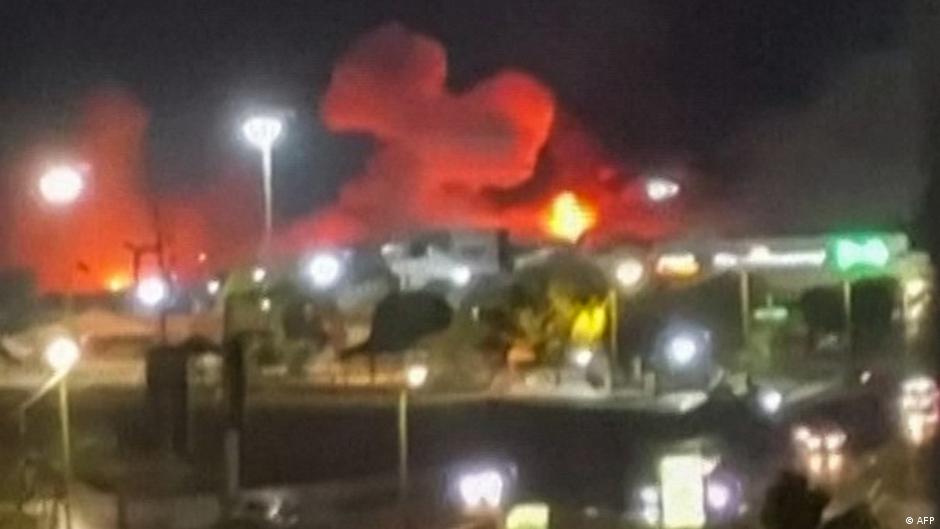
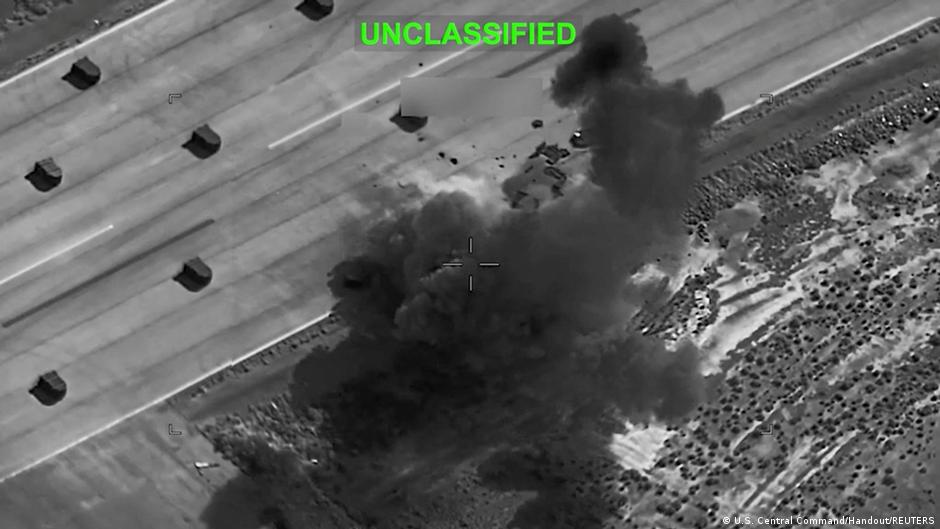
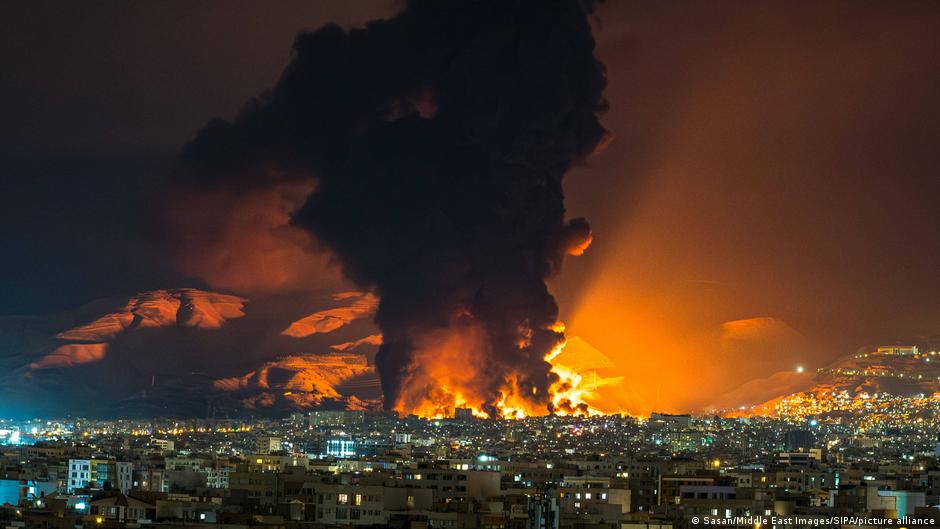
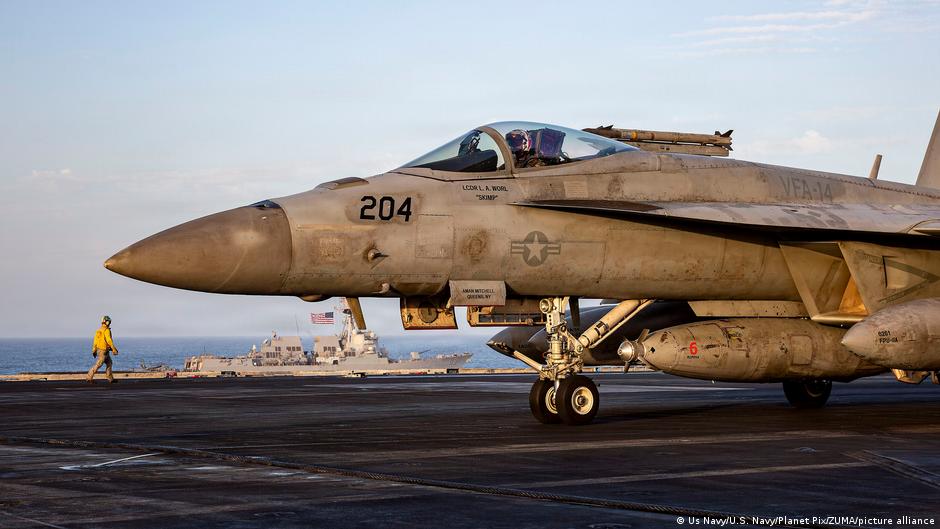
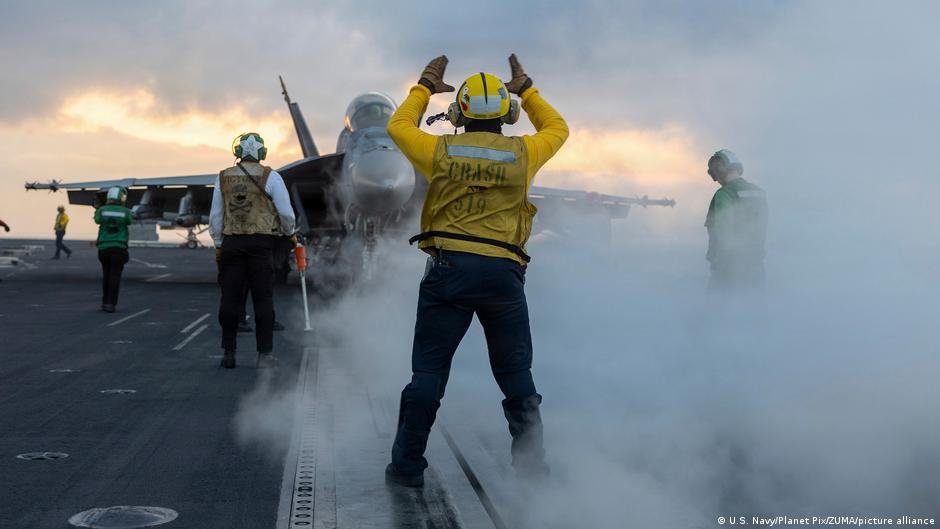
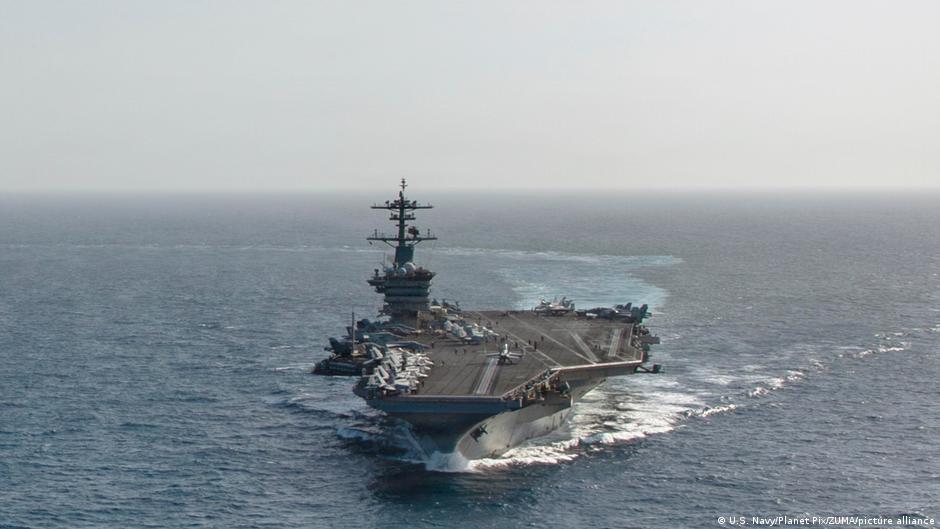
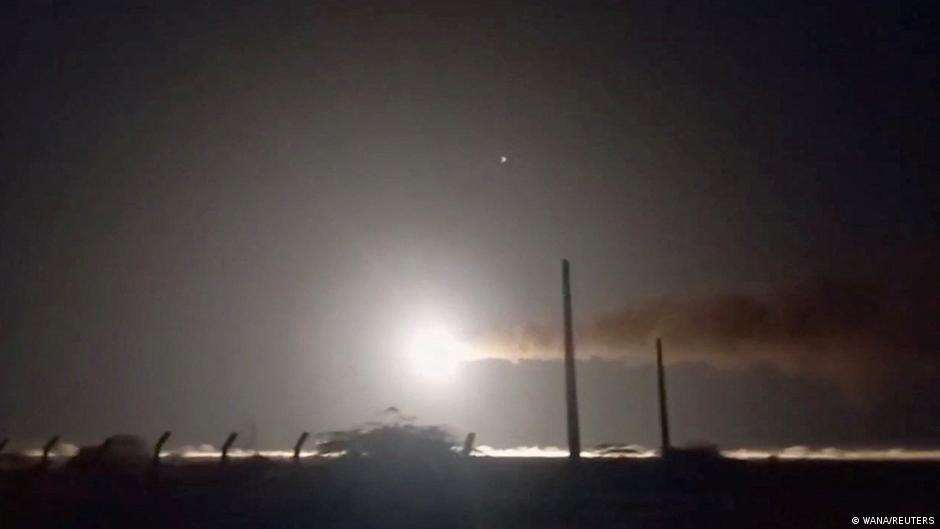
US military strikes on Iranian military and infrastructure sites have escalated tensions in the Persian Gulf, prompting retaliatory Iranian attacks on American bases.

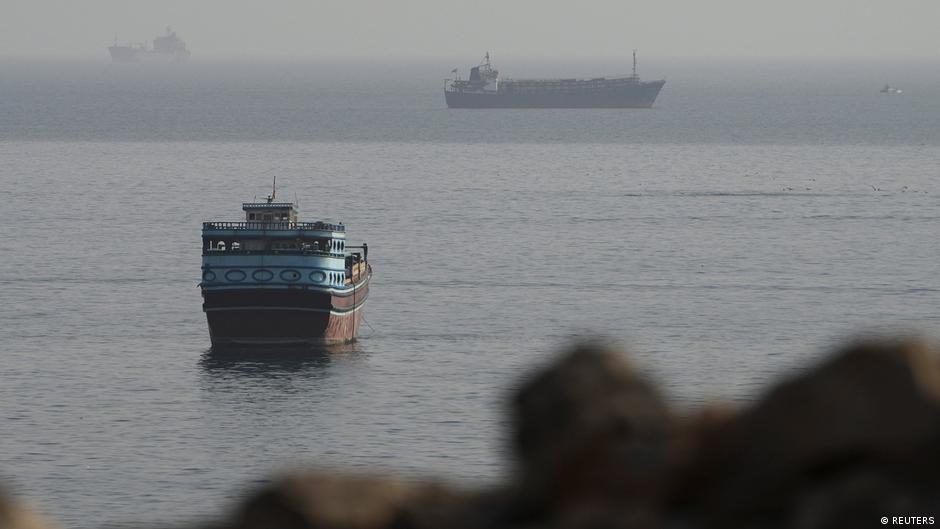
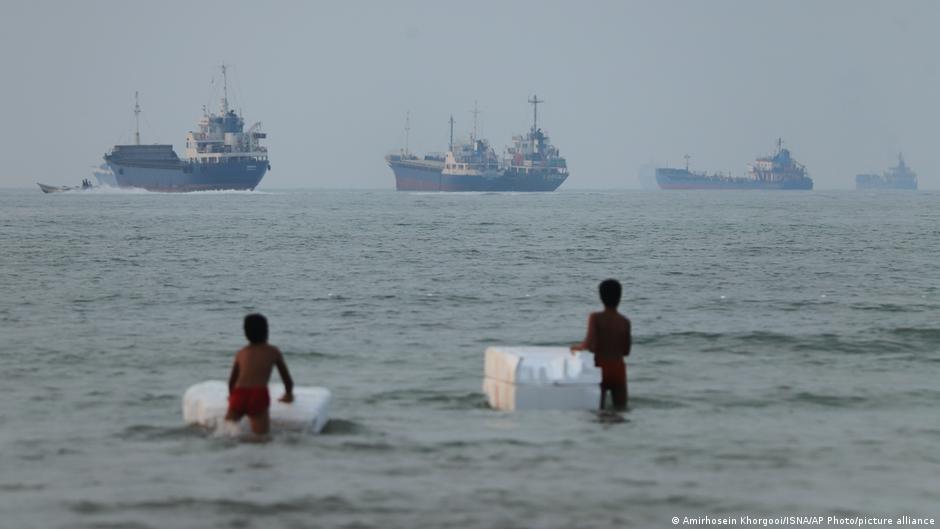
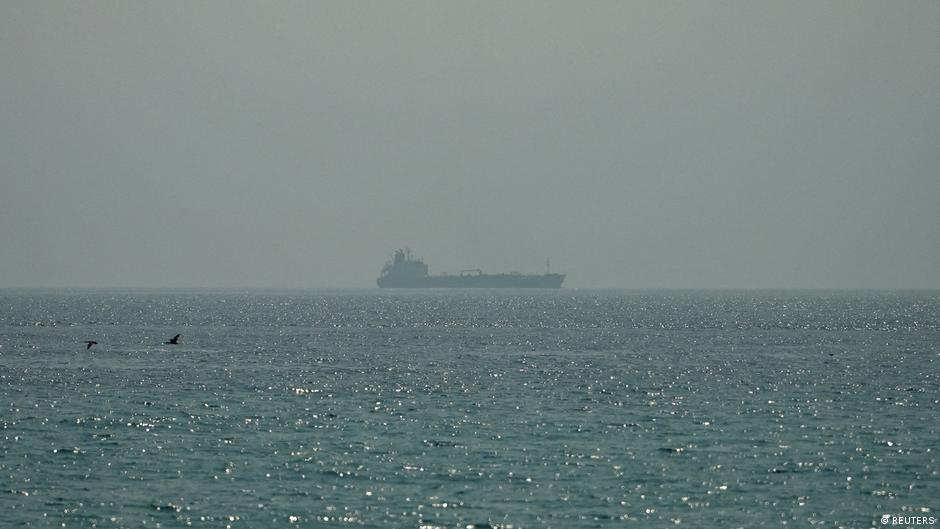
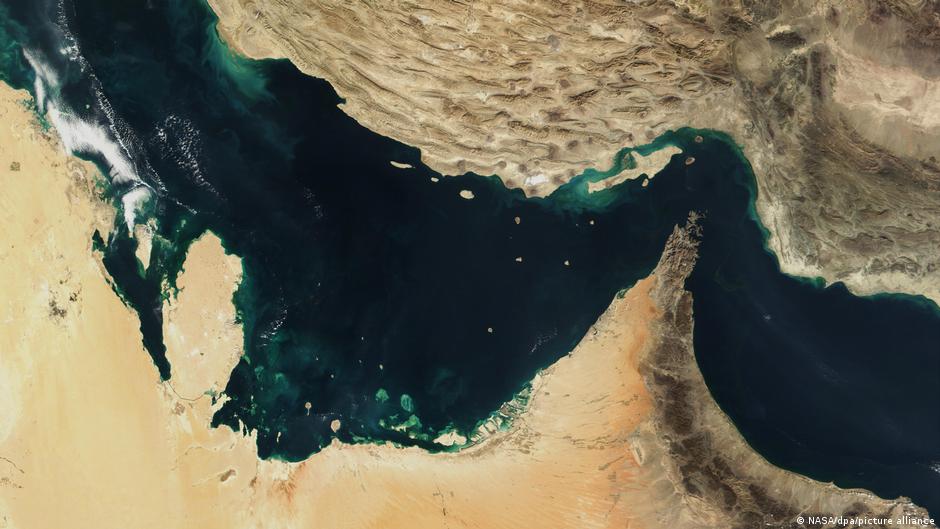
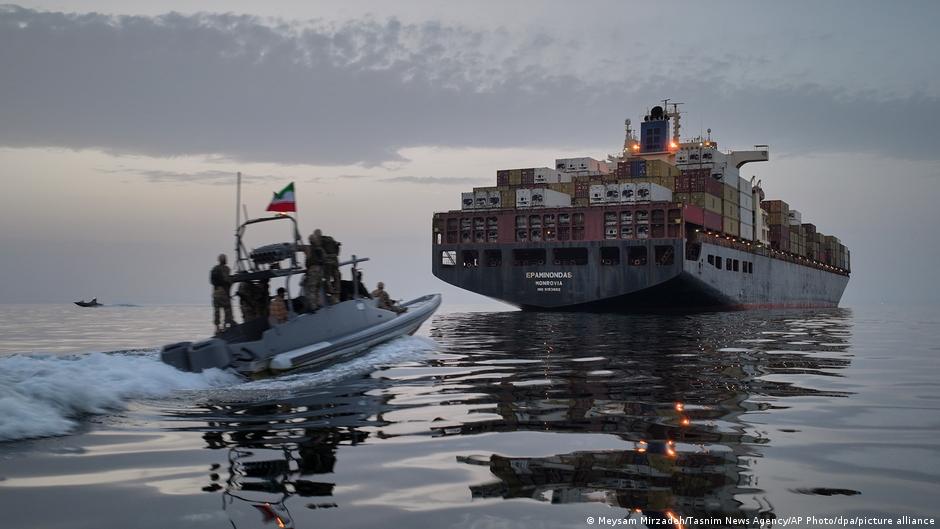
The US has launched new strikes against Iran to secure the strategic Strait of Hormuz, a critical route for global oil trade, amid escalating military tensions and attacks on civilian vessels.

US military strikes on Iran escalate after attacks in the Strait of Hormuz, closing this key oil export route and raising global economic risks.

The US has launched new military strikes against Iran to prevent shipping disruptions in the Strait of Hormuz, intensifying regional tensions and threatening global energy security.

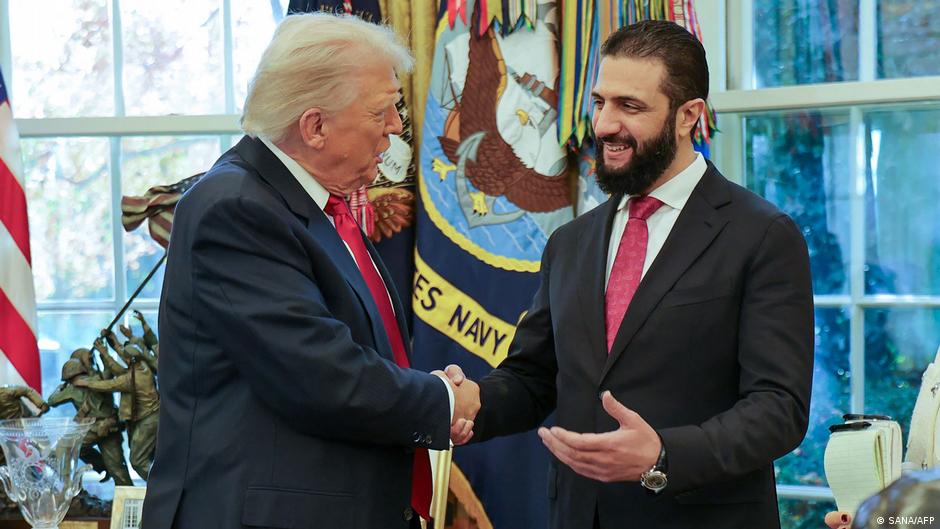
The US plans to remove Syria from the terrorism sponsors list, lifting sanctions and enabling economic reconstruction and reintegration into the global economy.

US military strikes on Iran follow attacks on tankers near the Strait of Hormuz, escalating Gulf tensions with significant implications for global energy security and maritime trade.

The US and Iran have agreed on a temporary ceasefire until June 30 to discuss reopening the strategically vital Strait of Hormuz, impacting global energy markets and regional security.

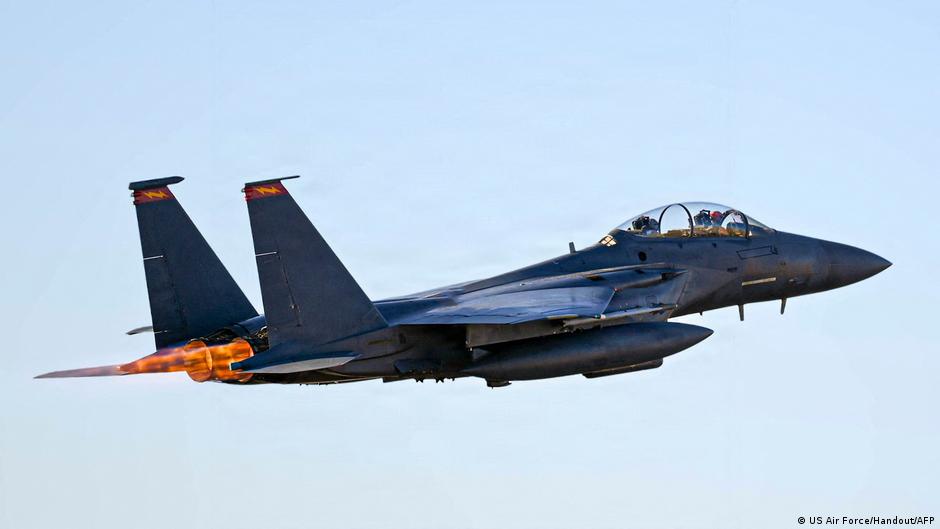
US forces struck Iranian military sites following attacks on commercial vessels in the Strait of Hormuz, heightening geopolitical risks to global energy supply and economic stability.

US and Iran exchanged military strikes after Iran attacked a commercial vessel in the Strait of Hormuz, escalating tensions that threaten global oil supply chains and economic stability.

The US plans major cuts to fighter jets, naval vessels, and troops in Europe, signaling a strategic shift towards the Indo-Pacific with implications for NATO's operational capabilities and alliance burden-sharing.

US airstrikes on Iran prompt Tehran to close the strategic Strait of Hormuz, escalating geopolitical risks with major consequences for global energy markets and economic stability.

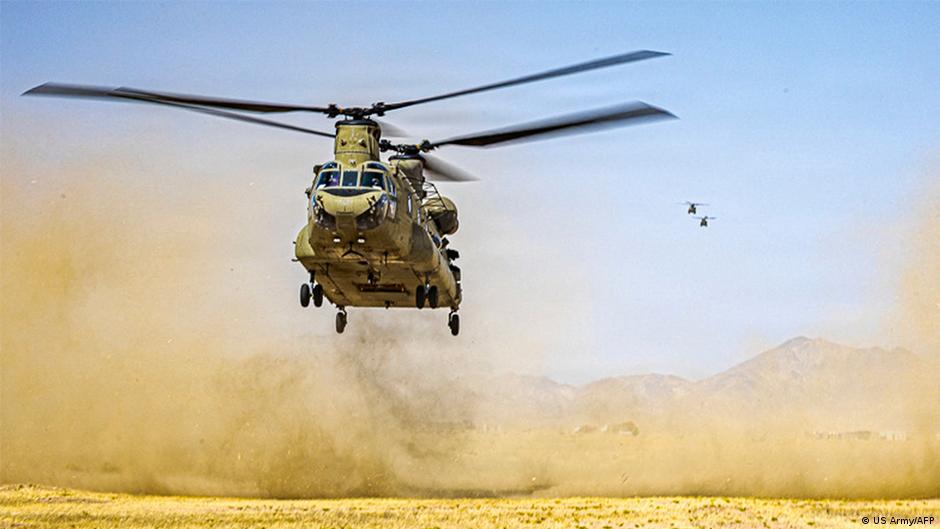
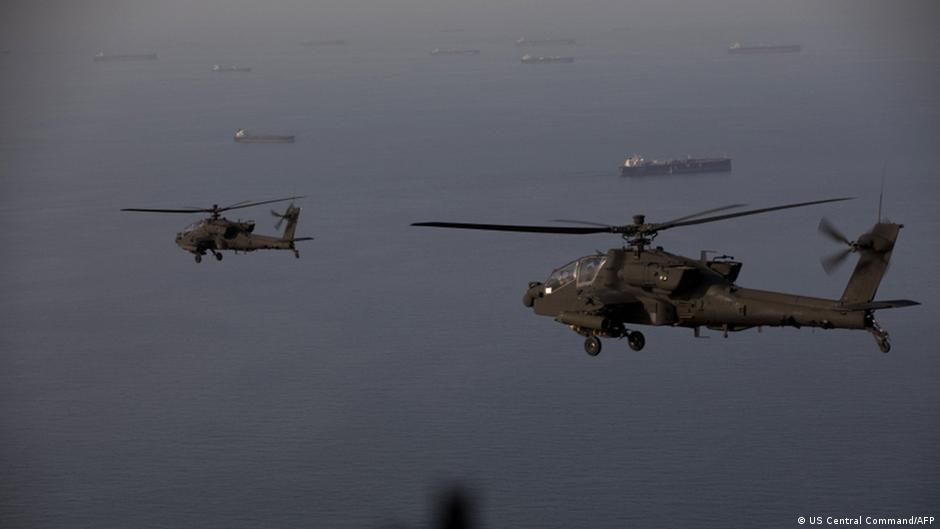
US forces struck Iranian air defense sites after Tehran downed a US Apache helicopter near the Strait of Hormuz, escalating tensions with significant global economic implications.

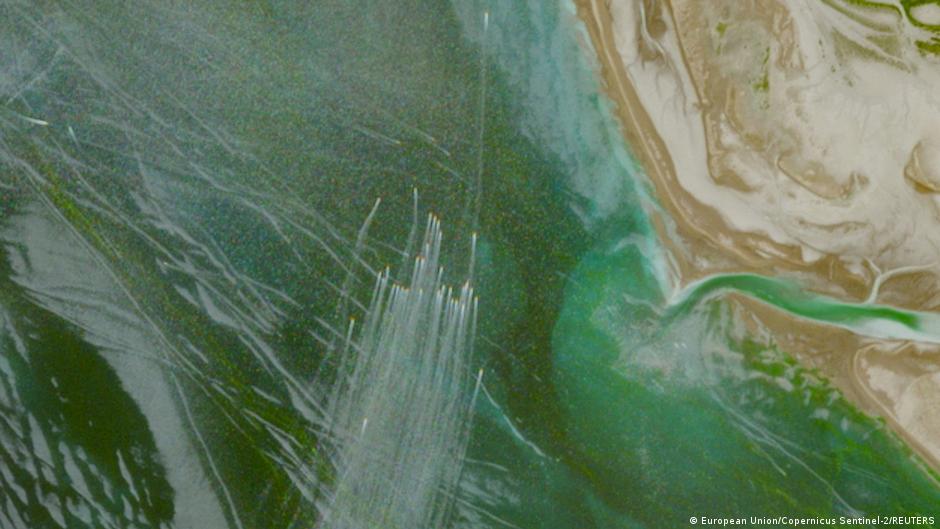
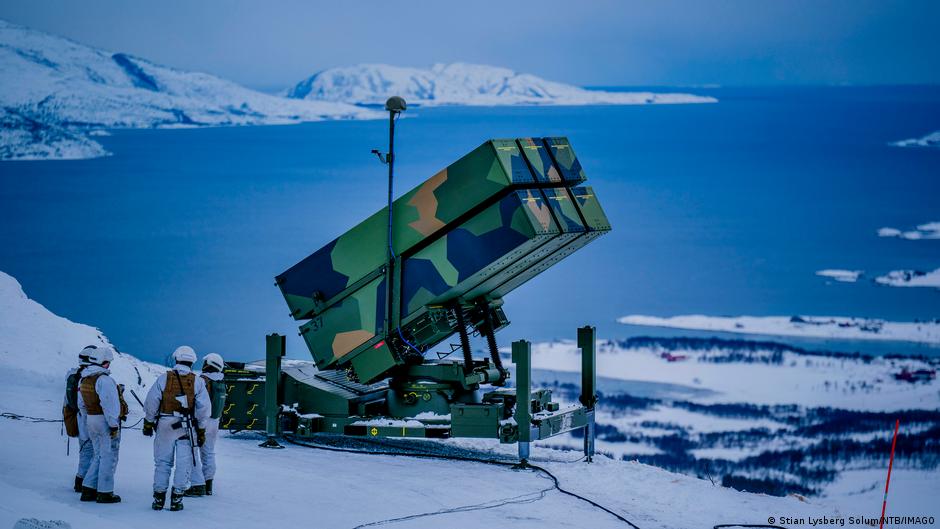
US forces intercepted Iranian kamikaze drones threatening maritime routes in the Strait of Hormuz and struck radar installations to prevent further attacks amid rising Gulf tensions.

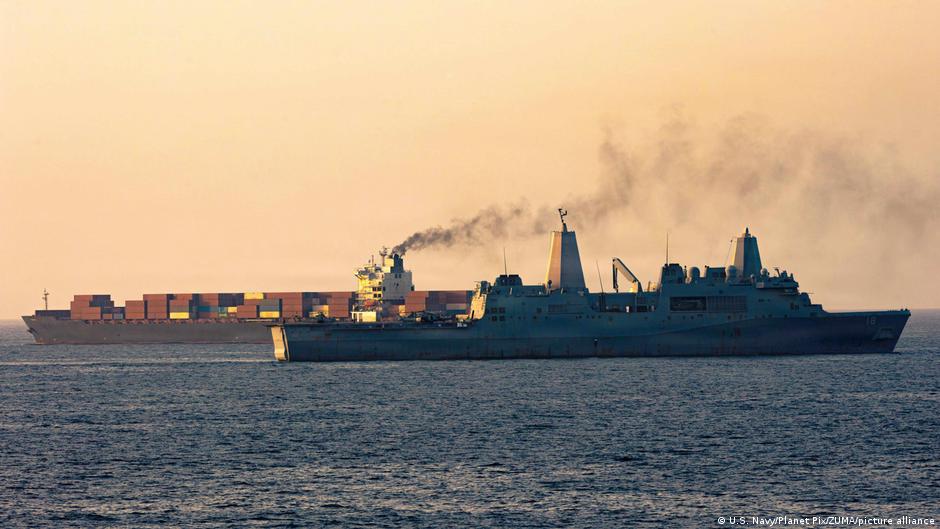
The US military disabled a Gambian-flagged ship heading to Iran, enforcing a Strait of Hormuz blockade amid escalating regional tensions and impacting global trade routes.

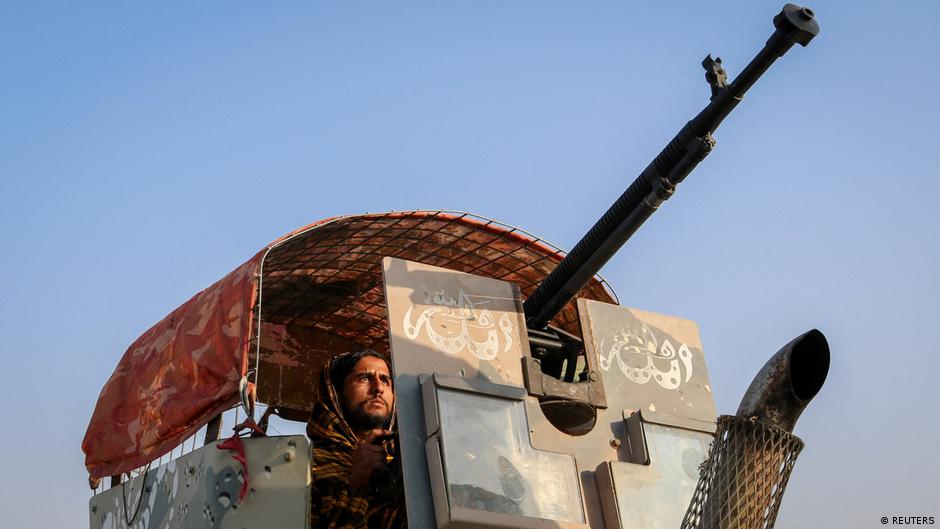
Russia's military cooperation deal with the Taliban signals shifting geopolitical alignments and potential impacts on regional security and global economic stability.

US forces conducted defensive strikes on Iranian missile sites and mine-laying vessels amid a fragile ceasefire, highlighting ongoing regional tensions and economic risks.

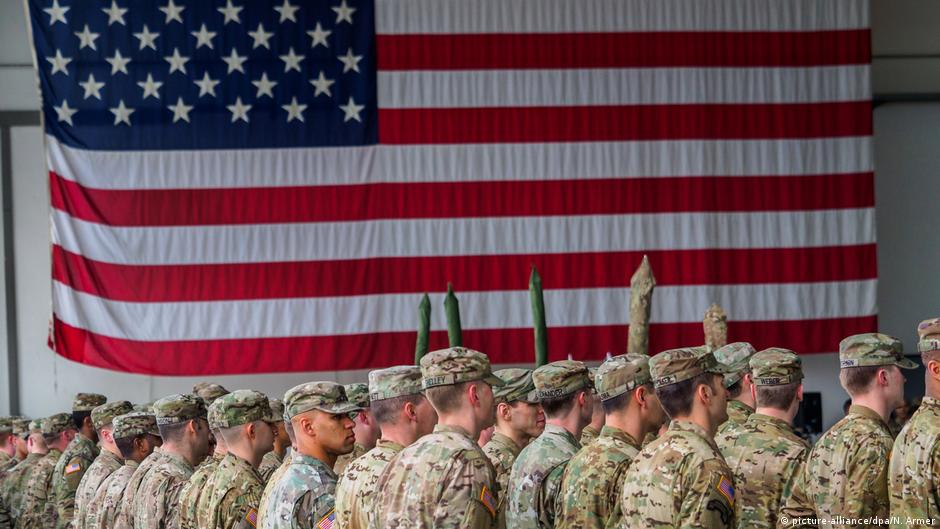
The US announces deployment of 5,000 additional troops to Poland amid evolving military strategy in Europe, signaling strategic shifts and NATO adaptation.

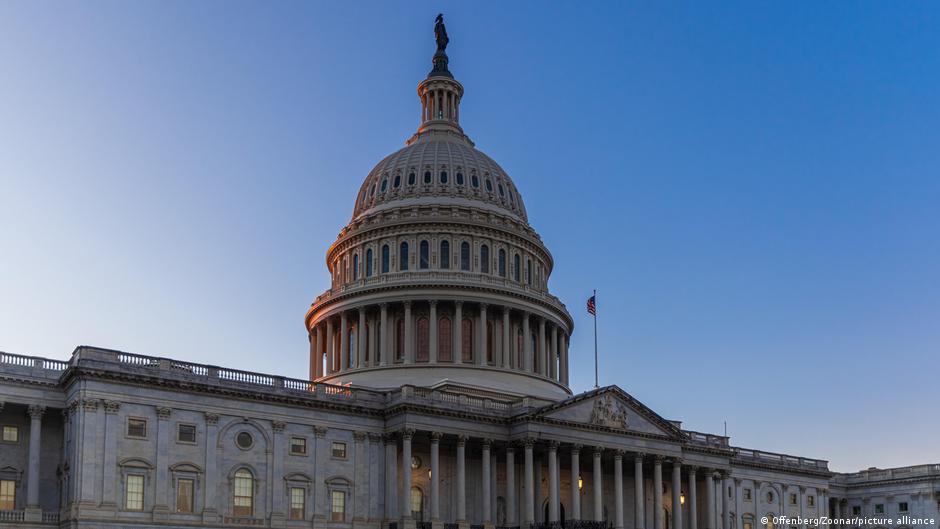
The US Senate advances a resolution demanding presidential Congressional approval for military actions against Iran, highlighting a shift toward legislative oversight and potential policy changes.

The US has postponed a planned military strike on Iran following appeals from Gulf leaders, initiating complex negotiations with far-reaching geopolitical and economic consequences.

US intelligence indicates Iran retains about 70% of its missile arsenal, contradicting official claims and raising concerns over regional security and munitions supplies.

The US considers shifting troops from Germany to Poland amid strategic realignment, reflecting evolving NATO roles and US-European defense policy shifts.

Iran mandates comprehensive vessel disclosures for Strait of Hormuz passage amid US military operations, raising concerns over global energy security and maritime policy shifts.

Germany accelerates indigenous long-range missile development after US declines Tomahawk deployment, aiming to counter Russia’s Iskander threat in Kaliningrad.

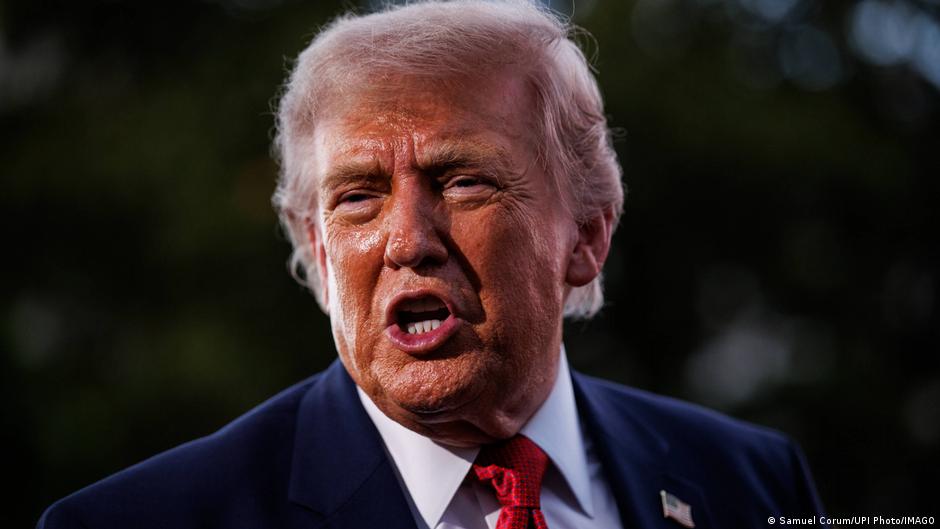
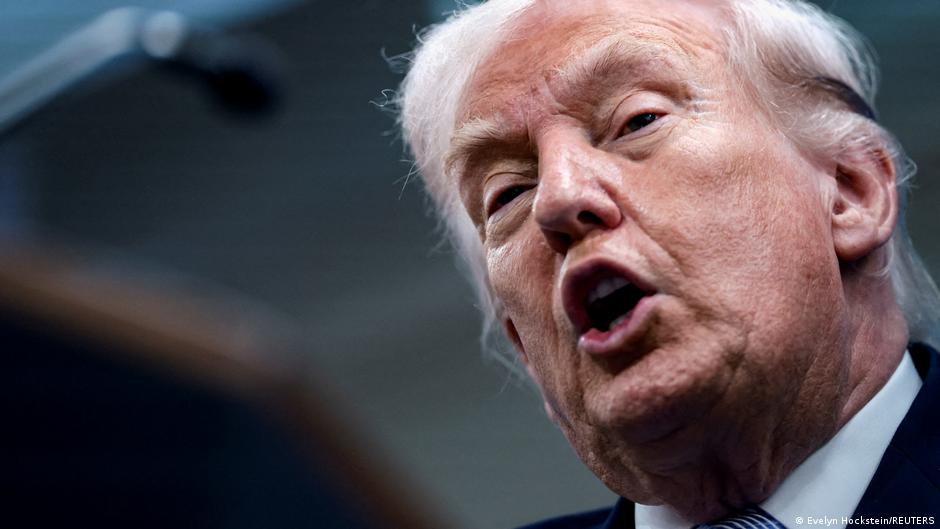
President Trump announces plans to reduce US troops in Germany significantly, signaling shifts in NATO dynamics and transatlantic defense strategies amid tensions with European allies.

The US Pentagon orders a withdrawal of 5,000 troops from Germany within a year, reflecting strategic military adjustments and signaling shifts in transatlantic defense relations.

US delays arms deliveries to Europe to replenish stockpiles amid Iran conflict, while approving $8.6 billion in arms sales to Middle Eastern allies, signaling shifts in global security priorities.
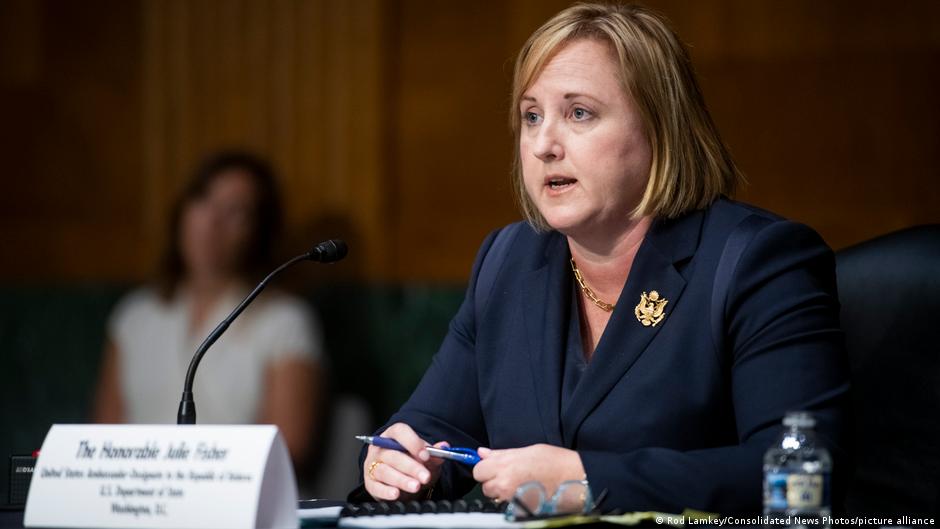
US acting chargé d’affaires in Ukraine Julie Davis to resign amid disagreements with Trump administration’s reduced support for Kyiv, signaling shifts in US foreign policy.

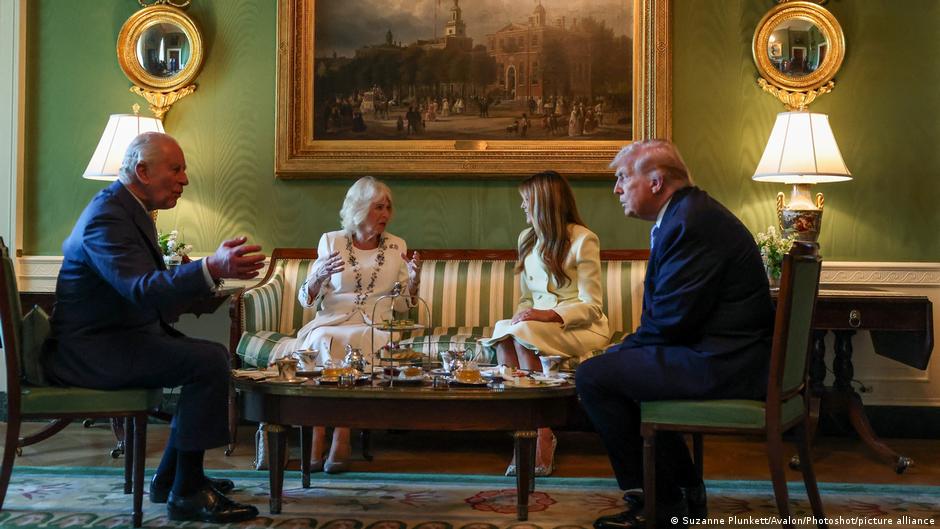
King Charles III’s US visit aims to mend frayed UK-US relations amid Iran conflict tensions and divergent NATO positions, highlighting broader geopolitical and economic shifts.