US Acting Chargé d’Affaires in Ukraine to Depart Amid Policy Disputes with Trump Administration
Julie Davis’s impending resignation signals shifts in US diplomatic engagement with Ukraine during escalating tensions
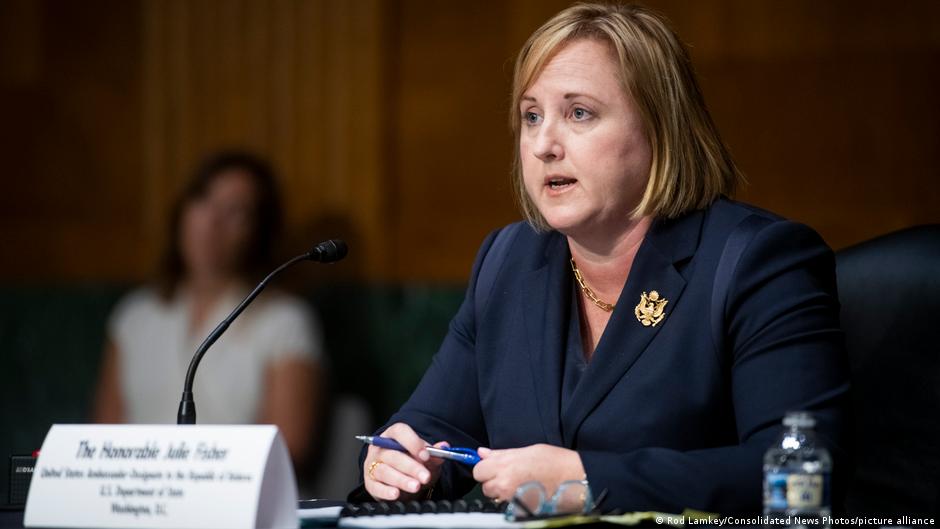
The United States’ acting chargé d’affaires in Ukraine, Julie Davis, is set to leave her post in Kyiv within the coming weeks, according to multiple reports. Her departure highlights growing discord between senior US diplomatic leadership in Ukraine and the Trump administration’s evolving policy stance, particularly its reduction of support for Kyiv.
Diplomatic Shake-Up Amid Geopolitical Uncertainty
Davis, who has served in various diplomatic roles including US ambassador to Belarus and special envoy on Belarusian affairs, assumed the temporary post in Kyiv in May 2025. Her decision to resign and retire from the diplomatic service after a 30-year career reportedly stems from disagreements with President Donald Trump’s administration, which has curtailed US military and intelligence assistance to Ukraine.
"Julie Davis has consistently supported efforts toward a lasting peace between Russia and Ukraine," a US State Department spokesperson stated, refuting claims that her departure is due to policy conflicts.
Despite official denials emphasizing Davis’s continued backing of the administration’s policies until her formal exit—expected by June 2026—her resignation underscores a broader diplomatic vacuum at a critical juncture. The vacancy comes as Russia prepares for intensified military operations and peace negotiations between Moscow and Kyiv stagnate.
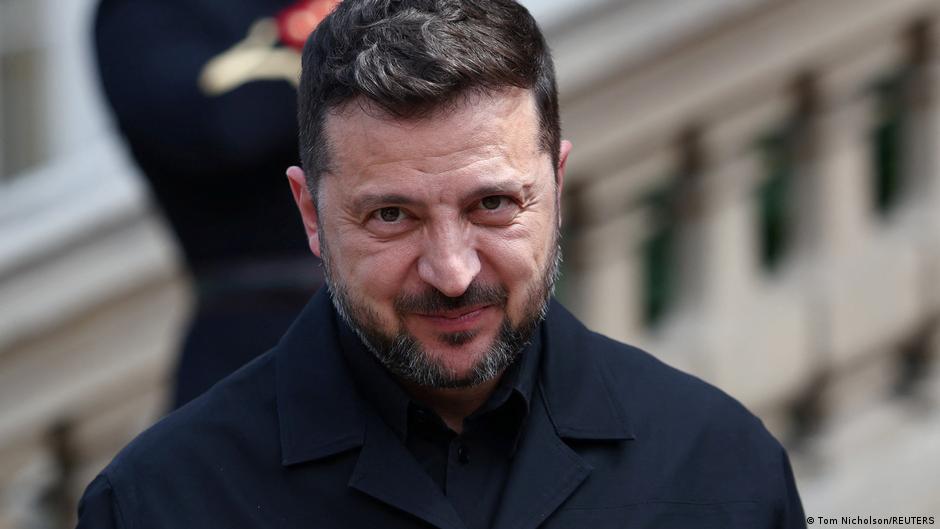
This turnover follows the resignation of US Ambassador Bridget Brink in April 2025, who stepped down citing frustration over the Trump administration’s pressure on Ukraine rather than on Russia as the aggressor. Brink had been a steadfast advocate for robust US support to Ukraine, appointed during the Biden administration. According to reports, tensions peaked after a contentious meeting in the White House involving Trump, Vice President James David Vance, and Ukrainian President Volodymyr Zelensky in early 2025, which led to a temporary suspension of military aid and intelligence sharing.
Long-Term Implications for US Foreign Policy and Global Stability
The leadership changes in US diplomatic positions related to Ukraine reflect a significant policy pivot with potentially far-reaching macroeconomic and geopolitical effects. Reduced US commitment threatens to alter the balance of power in Eastern Europe, potentially emboldening Russian military advances and destabilizing regional security. This shift could intensify global economic uncertainty, impacting energy markets, trade flows, and international investment patterns.
Moreover, the diplomatic strain complicates multilateral efforts to broker peace and may encourage realignments among NATO allies and other global actors. The erosion of US diplomatic presence at this critical time raises questions about the efficacy of American foreign policy in managing complex conflicts and supporting democratic partners under duress.
Julie Davis’s career trajectory also illustrates the challenges faced by senior diplomats navigating politicized environments. Previously blocked from her ambassadorial appointment to Belarus due to her ties with opposition figures, including Svetlana Tikhanovskaya, Davis’s assignments have often intersected with pivotal geopolitical flashpoints. Her departure from Kyiv comes amid an increasingly fractious US domestic political landscape influencing foreign policy decisions.
The ongoing leadership vacuums in Ukraine could hamper diplomatic communication and coordination at a time when strategic clarity and consistent support are paramount. For senior decision-makers, these developments necessitate a reassessment of risk and strategic planning concerning US engagement in Eastern Europe, the resilience of international alliances, and the broader implications for global economic and security architectures.